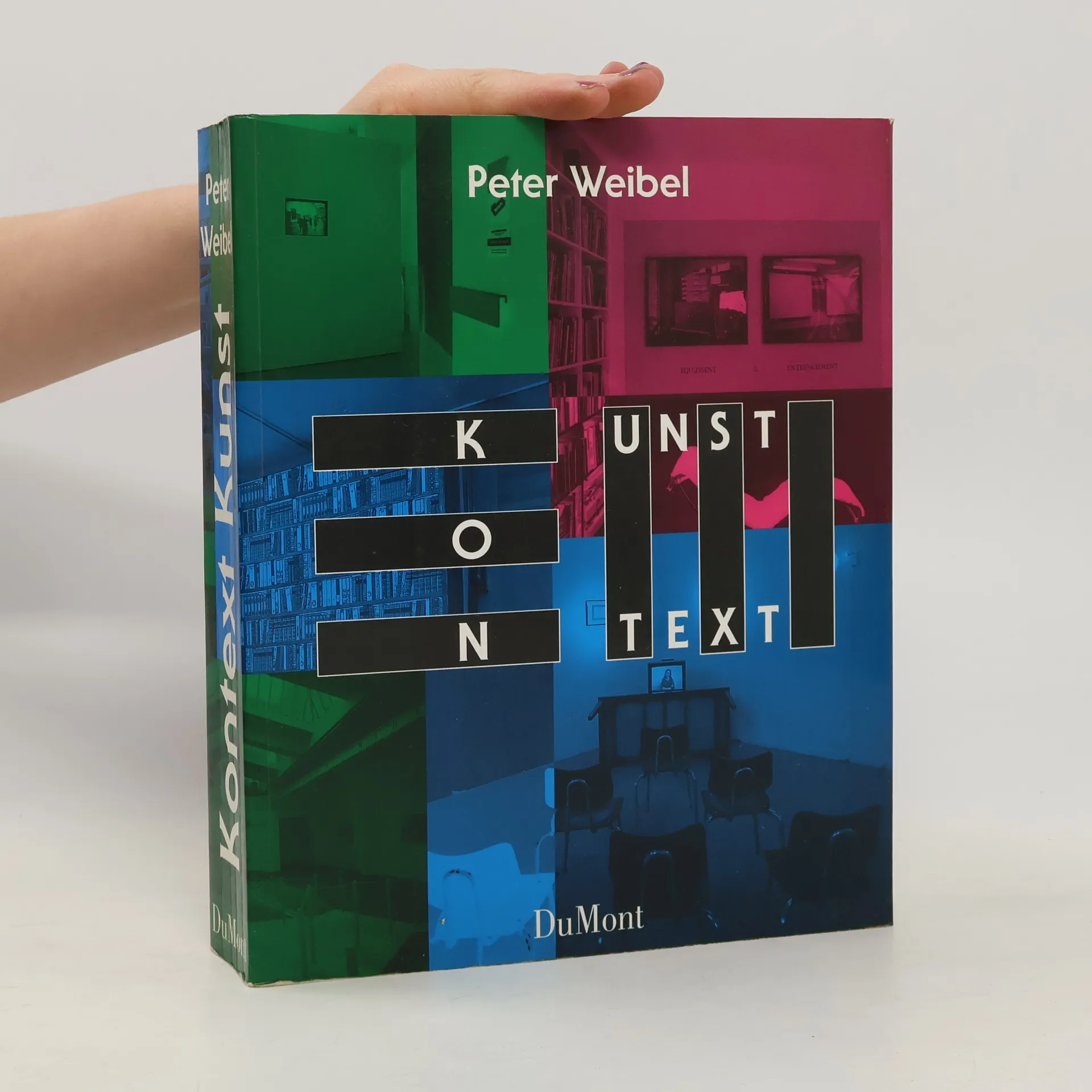
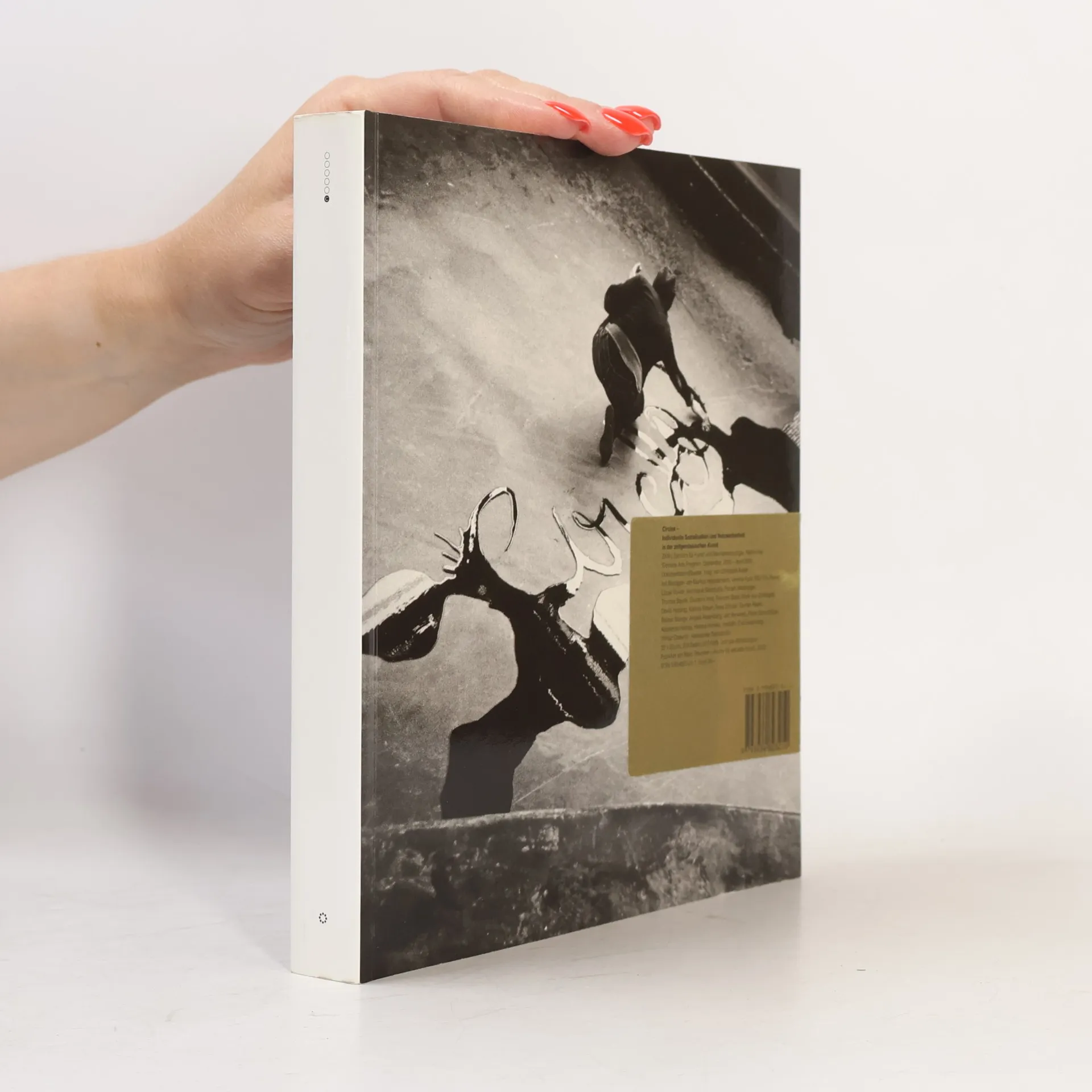
The kinetic century, from Takis to Kentridge Artists have long been fascinated by the creative possibilities of electricity. This catalog gathers works from 1920 to the present, in video, sound, mechanical sculpture and computer-based art by Mary Ellen Bute, William Kentridge, Christina Kubisch, Zdenek Pešánek, Anna Ridler, Takis, Steina, Woody Vasulka and others.
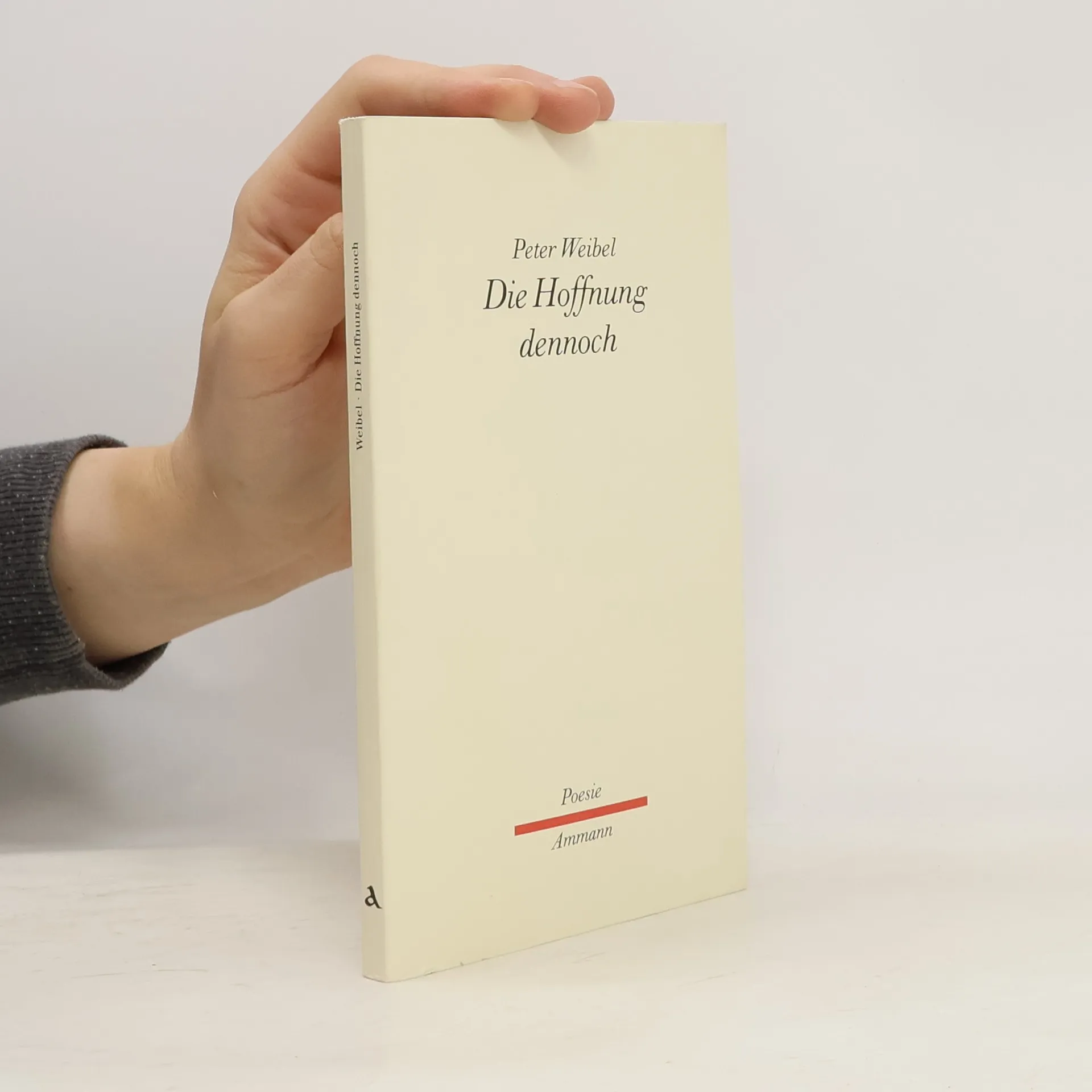
Peter Weibel Books
January 1, 1947 – January 1, 2023


From Xenakis's UPIC to Graphic Notation Today
- 672 pages
- 24 hours of reading
On the legacy of Xenakis’ innovations in music notation for contemporary composersTrained in mechanical engineering, Greek-French composer Iannis Xenakis (1922-2001) transformed mathematical models into architectonic musical entities.In the late 1970s Xenakis developed a digital apparatus that rendered waveforms drawn on a tablet as musical compositions. The device was called UPIC, or Unité Polyagogique Informatique du CEMAMu, named for the French contemporary music research institute that Xenakis had helped found a decade earlier. The device proved to be an essential tool for the development of contemporary music―a version of the software is still used by today’s composers.Featuring archival materials, this book examines the origins of Xenakis’ UPIC. It also serves as a compositional tool: embedded QR codes allow readers to create their own sound-images from UPIC compositions.
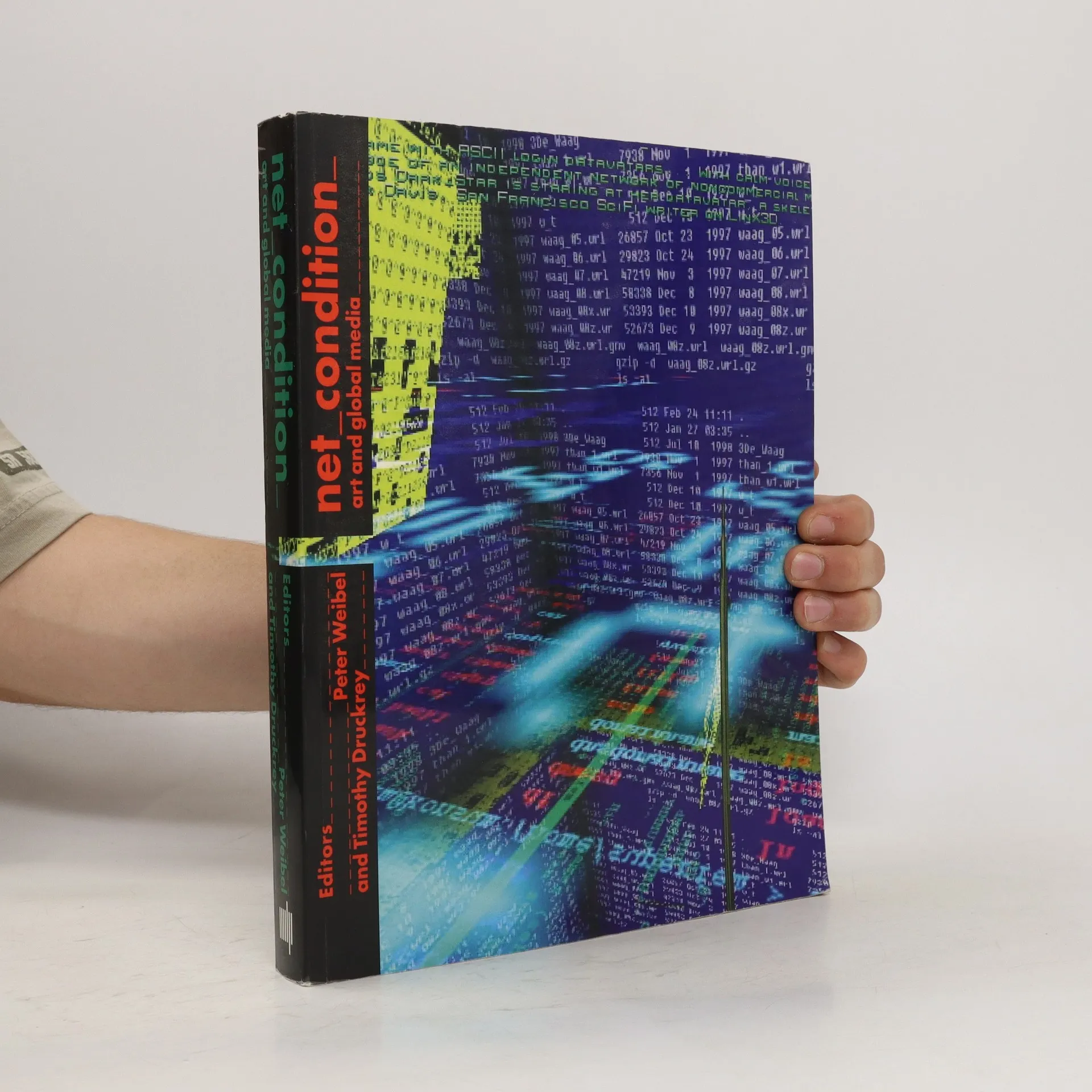
Net_condition
- 450 pages
- 16 hours of reading
An investigation of the consequences of a society becoming inhabitants of information space explains how it is radically altering the public sphere, the private sphere, and the possibilities of creativity in the networked sphere. Original.
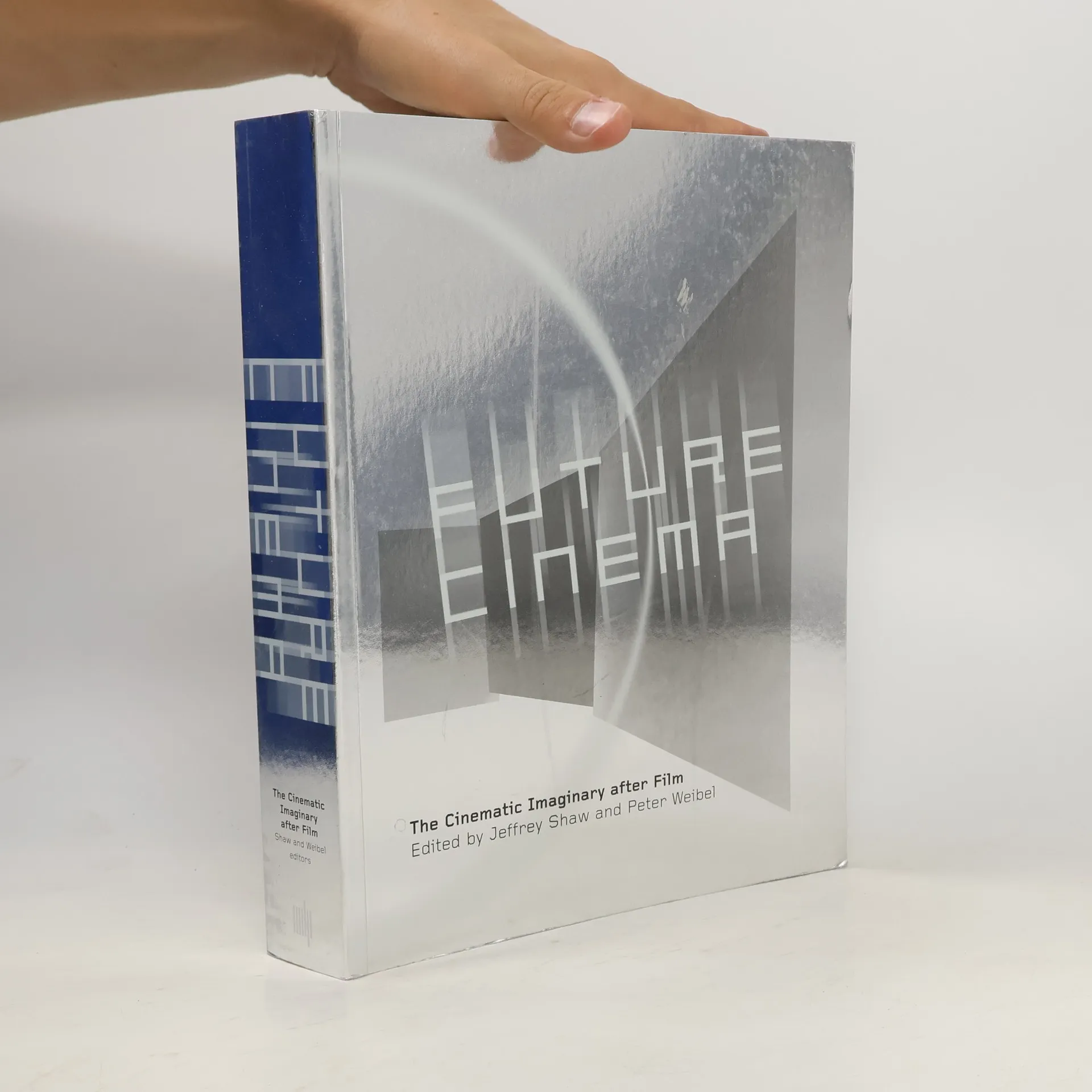
Electronic Culture: History, Theory, and Practice: Future Cinema
The Cinematic Imaginary After Film
- 640 pages
- 23 hours of reading
Throughout cinema's history, a radical avant-garde has existed on the fringes of the film industry. While much research has focused on the pre- and early history of cinema, speculation about a future cinema incorporating new electronic media has been limited. Electronic media have fundamentally transformed cinema, altering its role as a witness to reality by creating "realities" not necessarily tied to documentation, engineering environments that engage audiences as participants, and blending realities and narratives in ways traditional cinema cannot. This hybrid cinema combines montage, traditional cinema, experimental literature, television, video, and the internet. The emergence of these new cinematic forms indicates that traditional cinema struggles to represent events that are complex configurations of experience, interpretation, and interaction. This book, accompanying an exhibition by the ZKM Institute for Visual Media, delves into the history and significance of pre-cinema and early experimental cinema, as well as the unique theaters that fostered "immersion." Drawing on diverse scholarship, it explores the transition from monolithic Hollywood spectacles to works that investigate interactive, performative, and net-based cinemas. The post-cinematic condition, as discussed, has deep roots in artistic practice and impacts every communication channel.
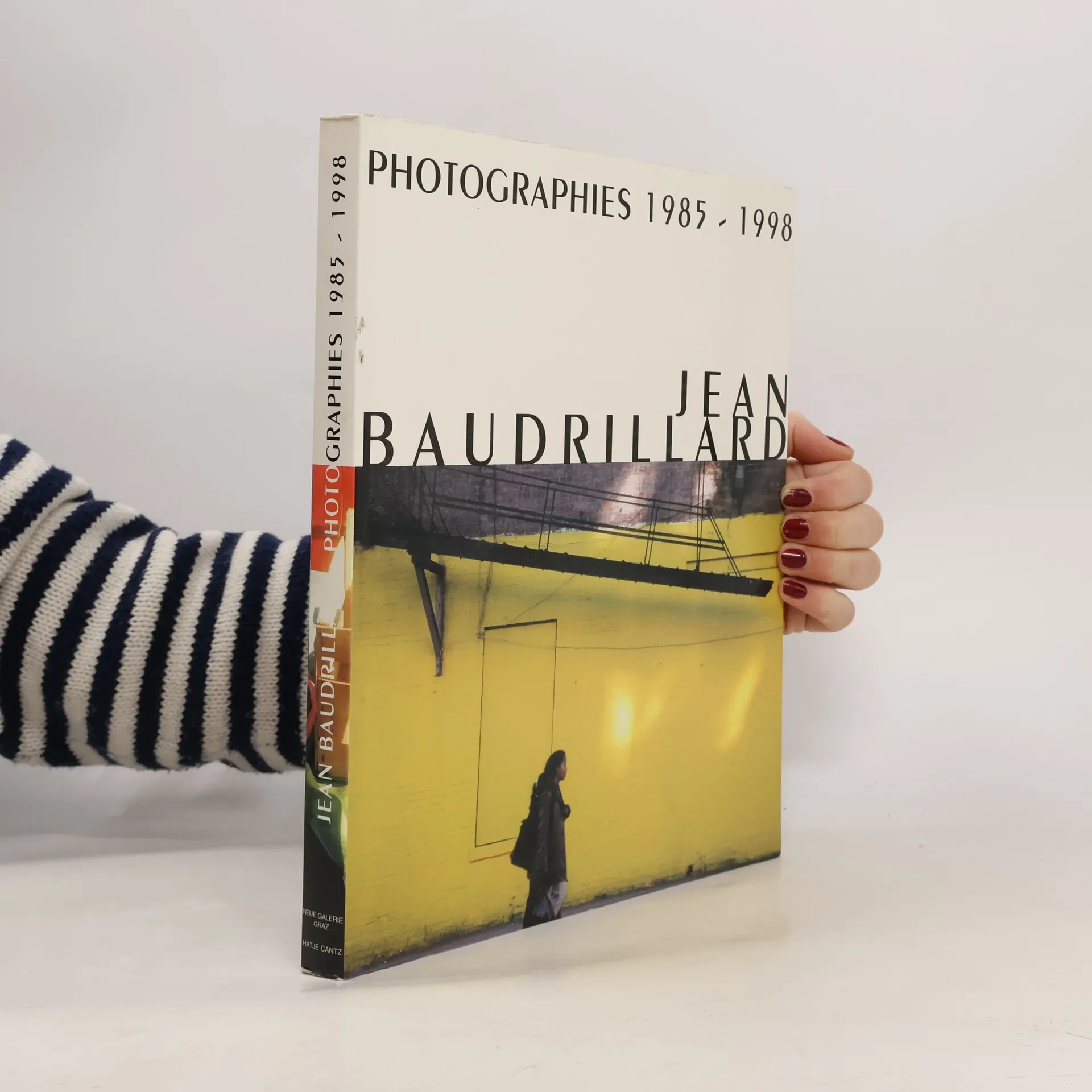
Jean Baudrillard - Fotografien, Photographies, Photographs 1985 - 1998
- 223 pages
- 8 hours of reading
This book uniquely combines Baudrillard's photographs with his collected texts on photography theory. As a prominent French philosopher, Baudrillard significantly impacted contemporary art, particularly during the eighties and early nineties. He began photographing during his travels about twelve years ago and has since focused intensively on this medium. However, there is no direct correlation between his artistic endeavors and philosophical ideas; he captures images of subjects he chooses not to comment on, intentionally excluding them from his written work. In his photography, he explores the world of objects, seeking out the insignificant and arbitrary. According to Peter Weibel, the beauty of these objects lies in their laconic nature, which Baudrillard captures without the emotional weight of history or the artificiality often found in art photography. His lens rests on the surface of these objects, celebrating their visual appeal. Baudrillard was a sociologist, social theorist, philosopher, and media theorist, serving as a lecturer and professor at the University of Paris-Nanterre from 1966 to 1987, with numerous publications translated into over twelve languages. He began writing literary fiction in 1986 and received the Siemens Media Art Prize in 1995.
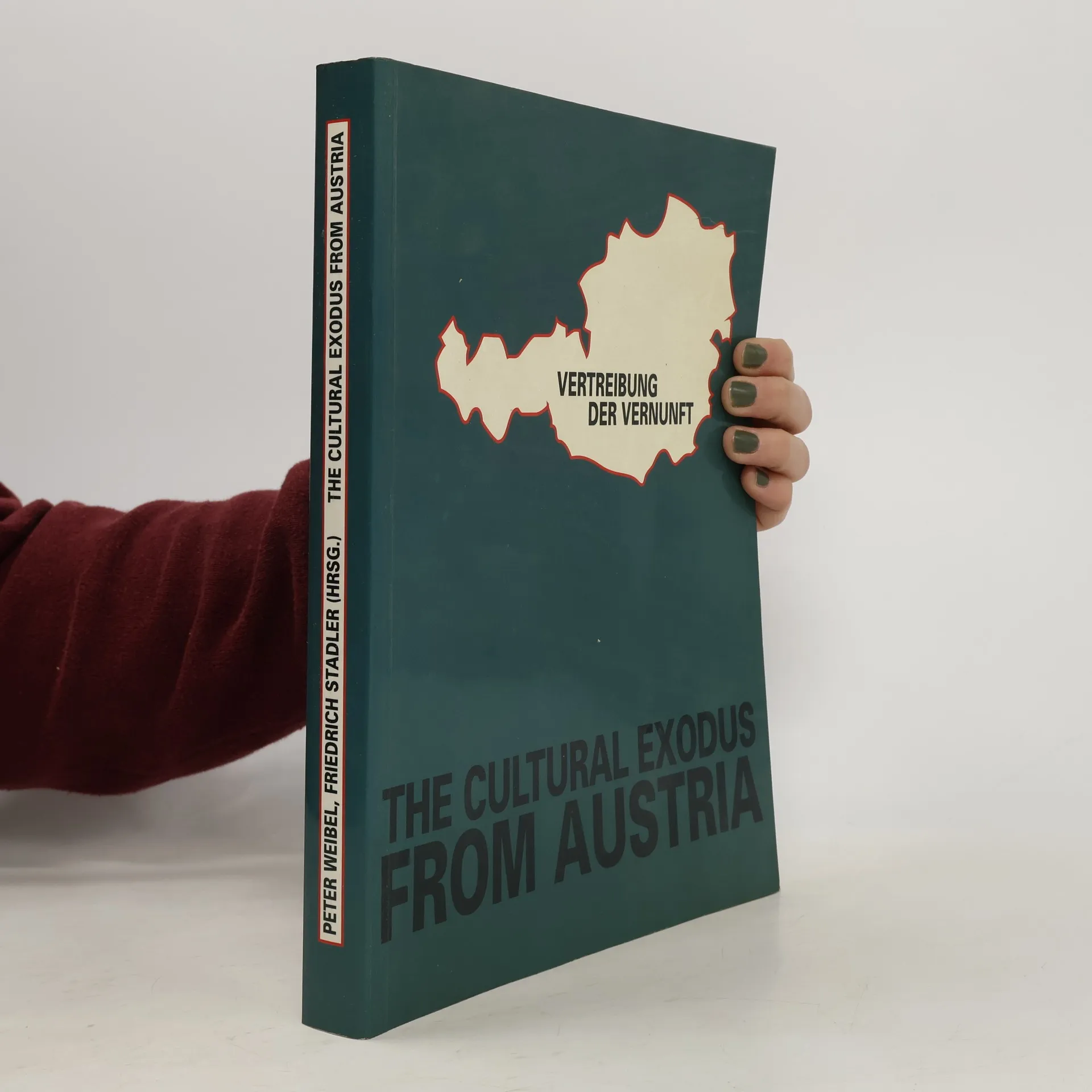
Cultural Exodus from Austria
- 488 pages
- 18 hours of reading
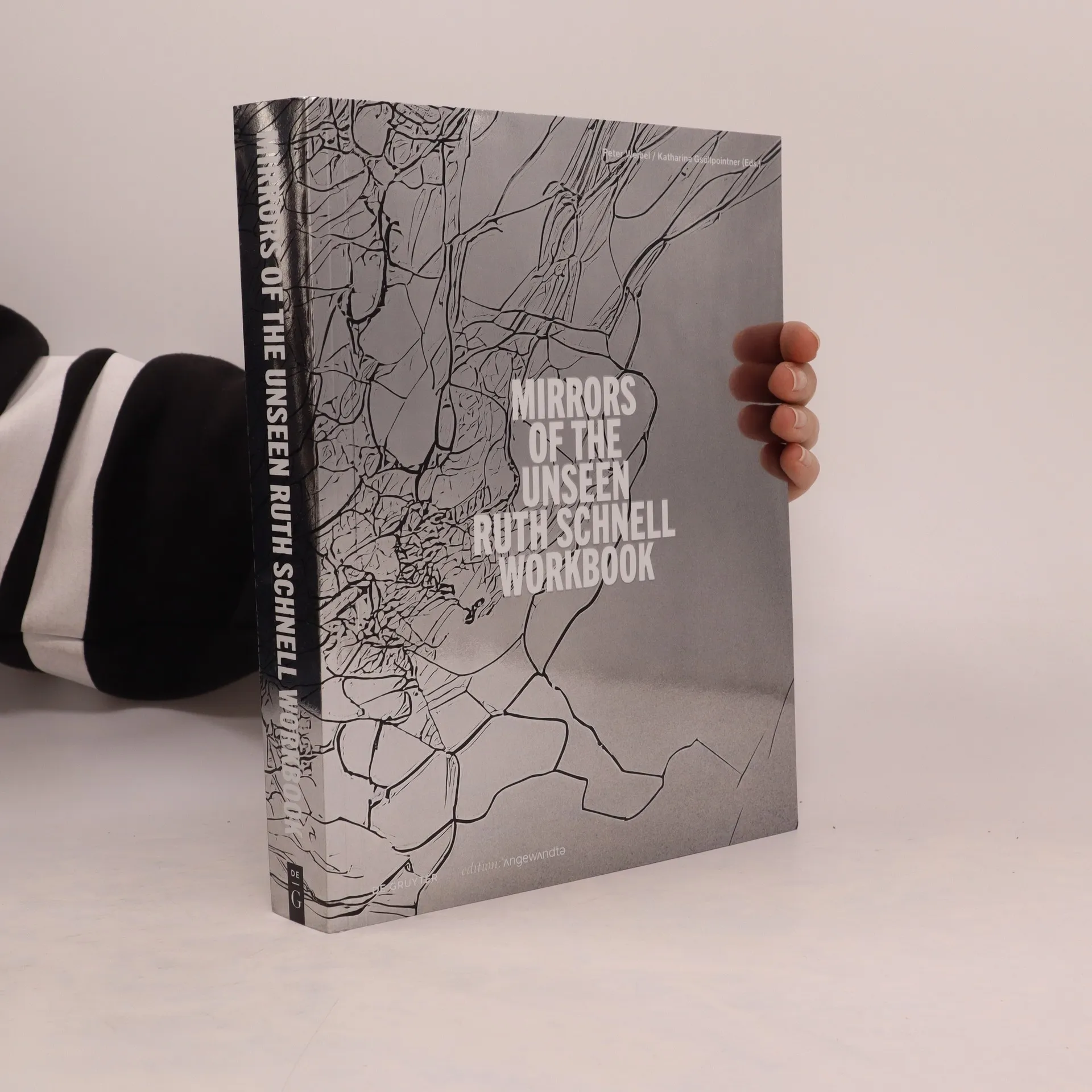
Hybrid spatial installations Ruth Schnell’s work interrogates historical concepts of reality that are now being called into question by apparative perception. In the field of media art, Schnell has made a significant contribution to the understanding of this radical transformation: she has gone beyond the moving image, involved viewers in a participatory manner, and expanded object-like or sculptural art into immersive environments. Deeply inscribed in her artistic approach is the reference to sociopolitical questions and the latest developments in technology. The monograph offers a documentary reappraisal and contextualization of Ruth Schnell’s work since 1983 and provides stimulus for enhancing competence in the field of media. 40 years of media art production open up new paths and dimensions in a singular way Extensive section on the body of work; with prefaces by Peter Weibel and Katharina Gsöllpointner, as well as contributions by Claudia Giannetti, Chris Salter, and Jill Scott Digital link to the artist’s video archive via QR codes
Since the early 1980s, Austrian artist Brigitte Kowanz (born 1957) has been exploring neon light effects in works for walls and room installations. Her earliest light works were three-dimensional pictures made of neon, which emitted a phosphorescent light that caused the picture to appear to expand. This volume surveys her considerable body of work.
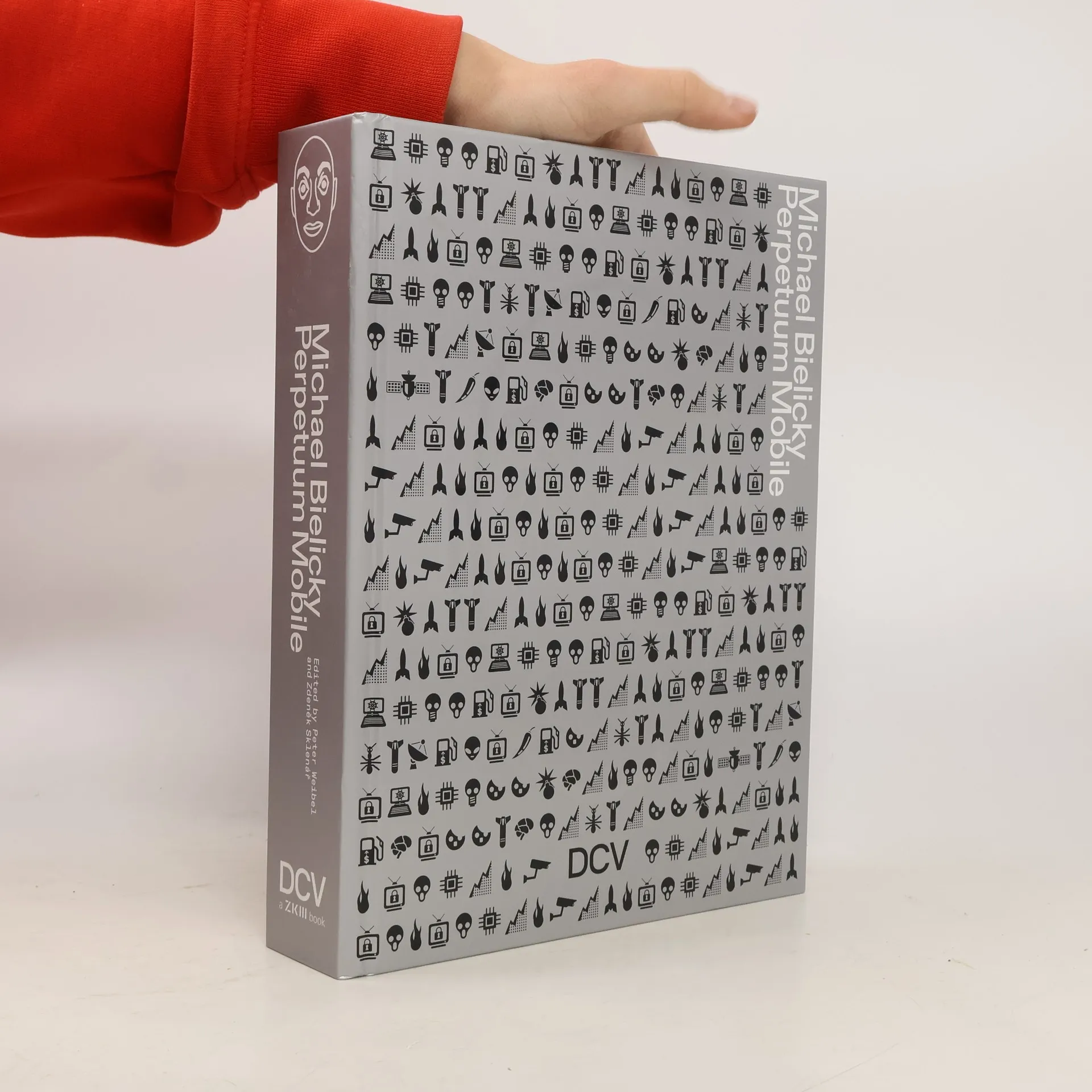
The German-Czech artist Michael Bielicky (b. Prague, 1954; lives and works in Karlsruhe) has been an innovator in the fields of photography, video, and web-based installation art for over four decades. In an ongoing dialogue with emerging technological developments, his works probe the history of his media from the deepest strata to the magical mathematical practices of the medieval Cabalists: idiosyncratic hybrids that straddle the boundary between the analog and digital worlds. Operating on the interfaces between real and virtual spaces, his media art prompts a critical reflection on the nature of technology, its material and immaterial significations, and the ways in which it informs our perceptions and actions.The book Perpetuum mobile is the first to offer a comprehensive survey of Bielicky' s rich and diverse oeuvre. The layout, designed by the artist himself, integrates the experimental images into a graphic " stream of consciousness." With essays by Mel Alexenberg, Jorge Ferná ndez Torres, Norman M. Klein, Bettina Korintenberg, Peter Sloterdijk, Peter Weibel, and Siegfried Zielinski.
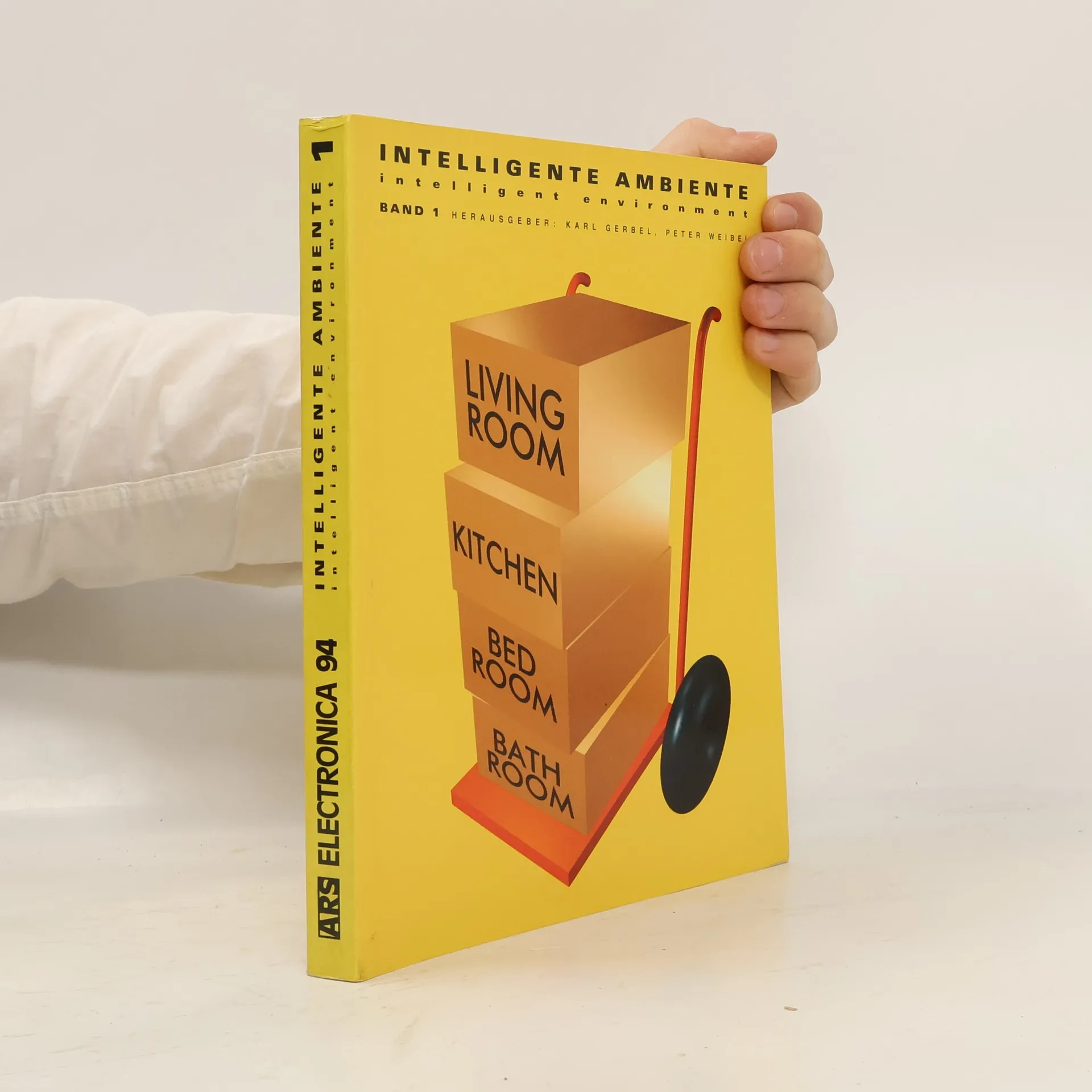
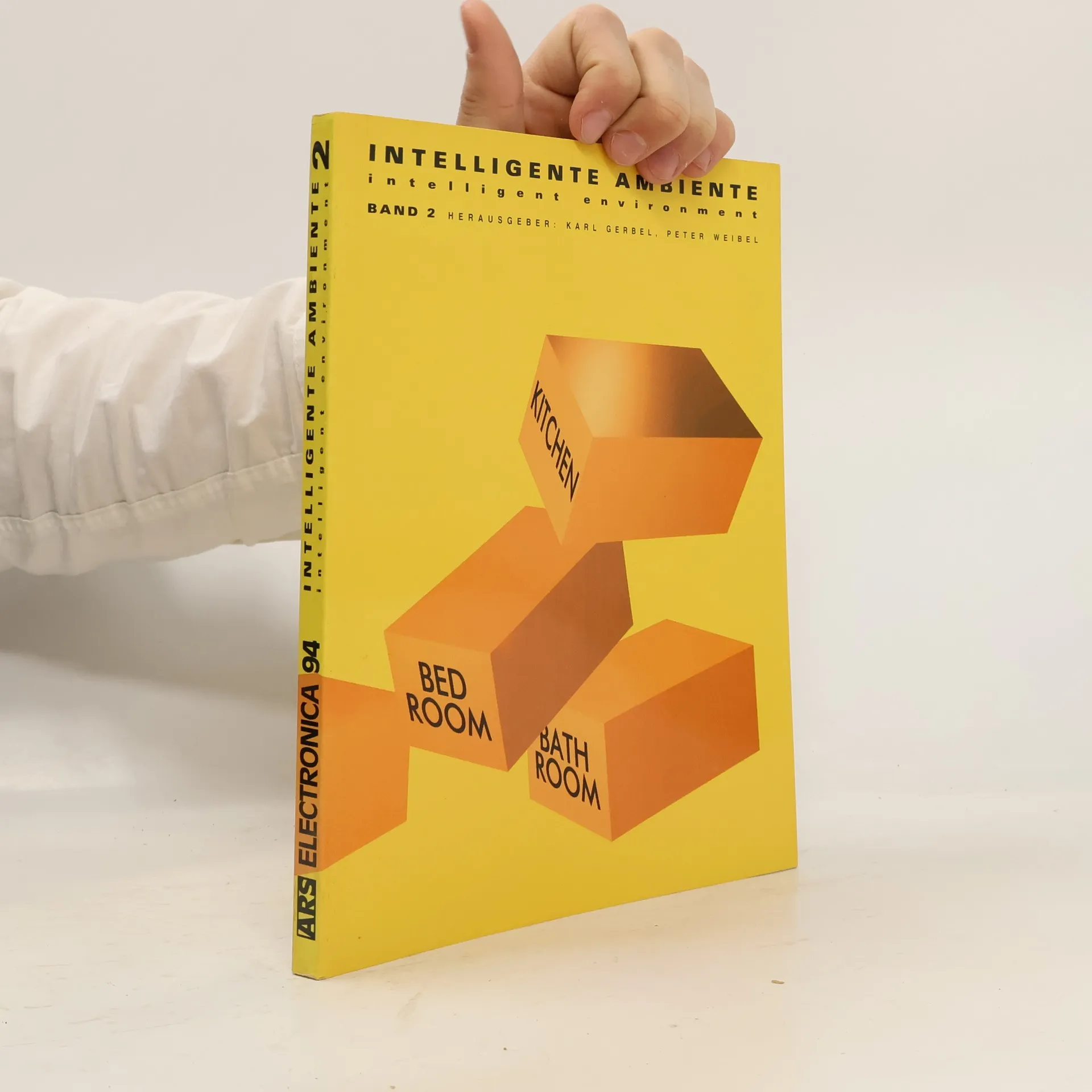
Ars Electronica 94 - 1: Intelligente Ambiente
Ars Electronica 1994; [Festival für Kunst, Technologie und Gesellschaft]
- 404 pages
- 15 hours of reading
1994 3901196137, Erstauflage EA, 257; 147 S., 8° EA Wien, ERSTAUSGABE
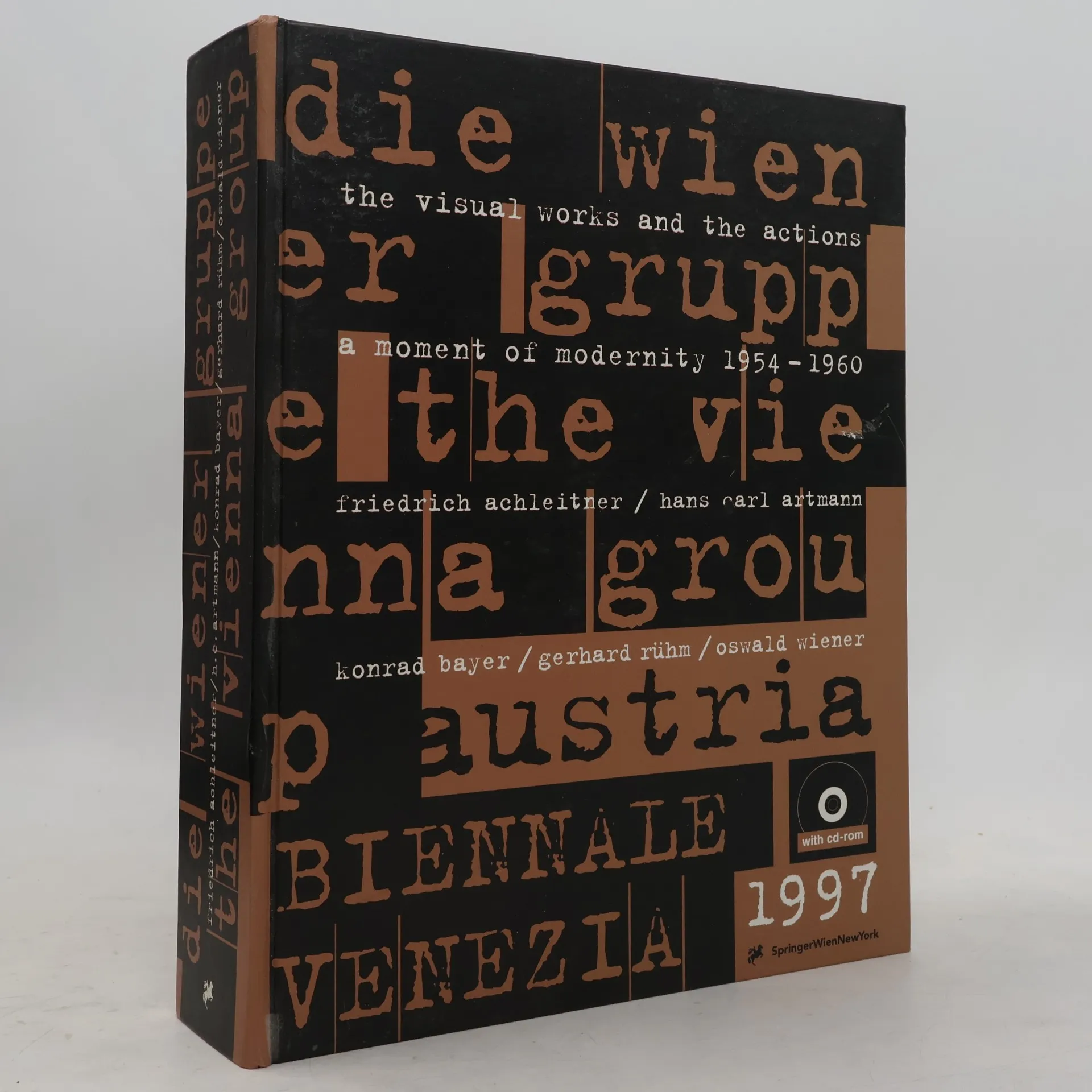
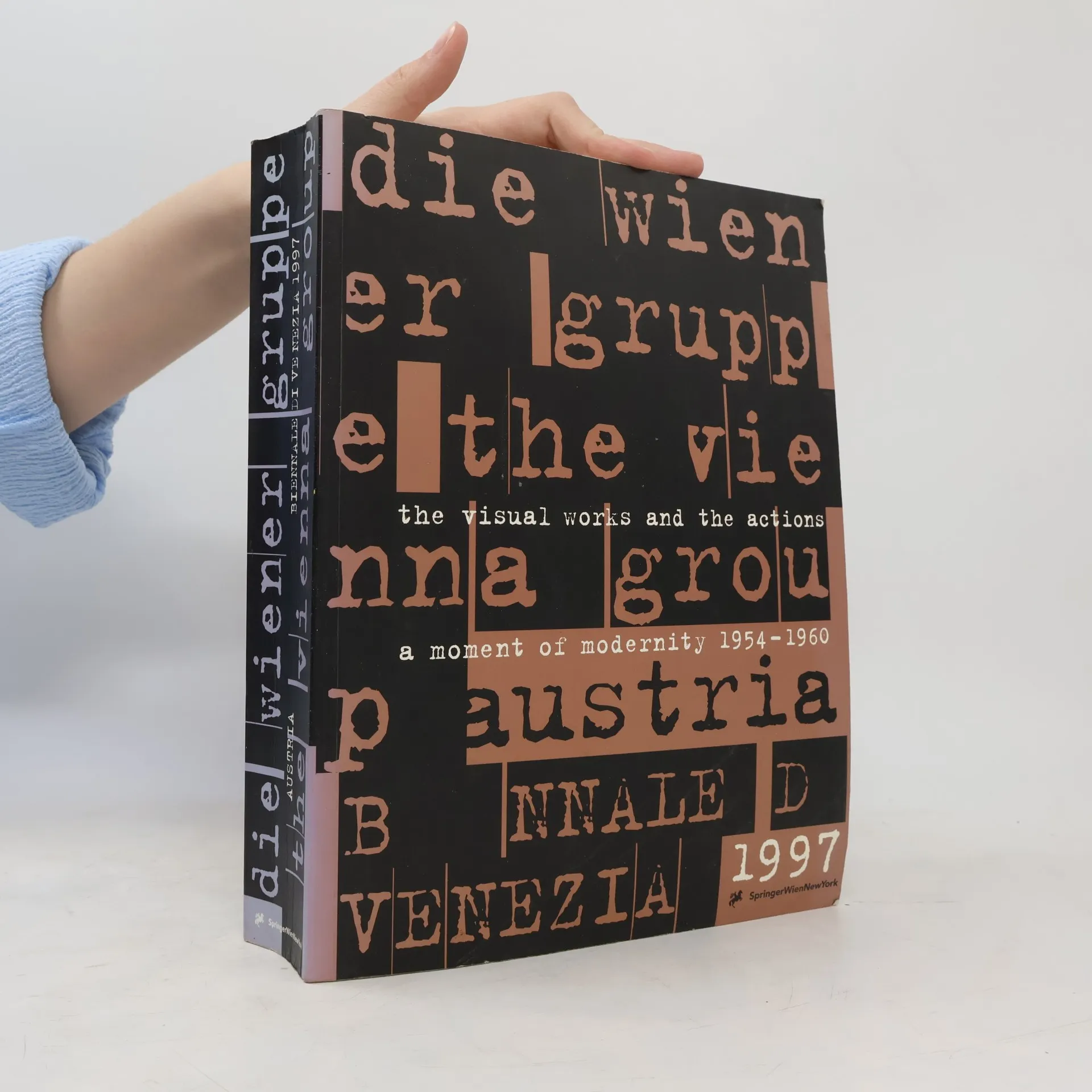
Die Wiener Gruppe - The Vienna Group
Ein Moment der Moderne 1954 - 1960 / Die Visuellen Arbeiten und die Aktionen // A Moment of Modernity 1954 - 1960 ... And The Actions - With CD-ROM 1997
- 784 pages
- 28 hours of reading
Libro usado en buenas condiciones, por su antiguedad podria contener señales normales de uso
Die Wiener Gruppe / The Vienna Group
A Moment of Modernity, 1954-1960 / The Visual Works and the Actions
- 784 pages
- 28 hours of reading
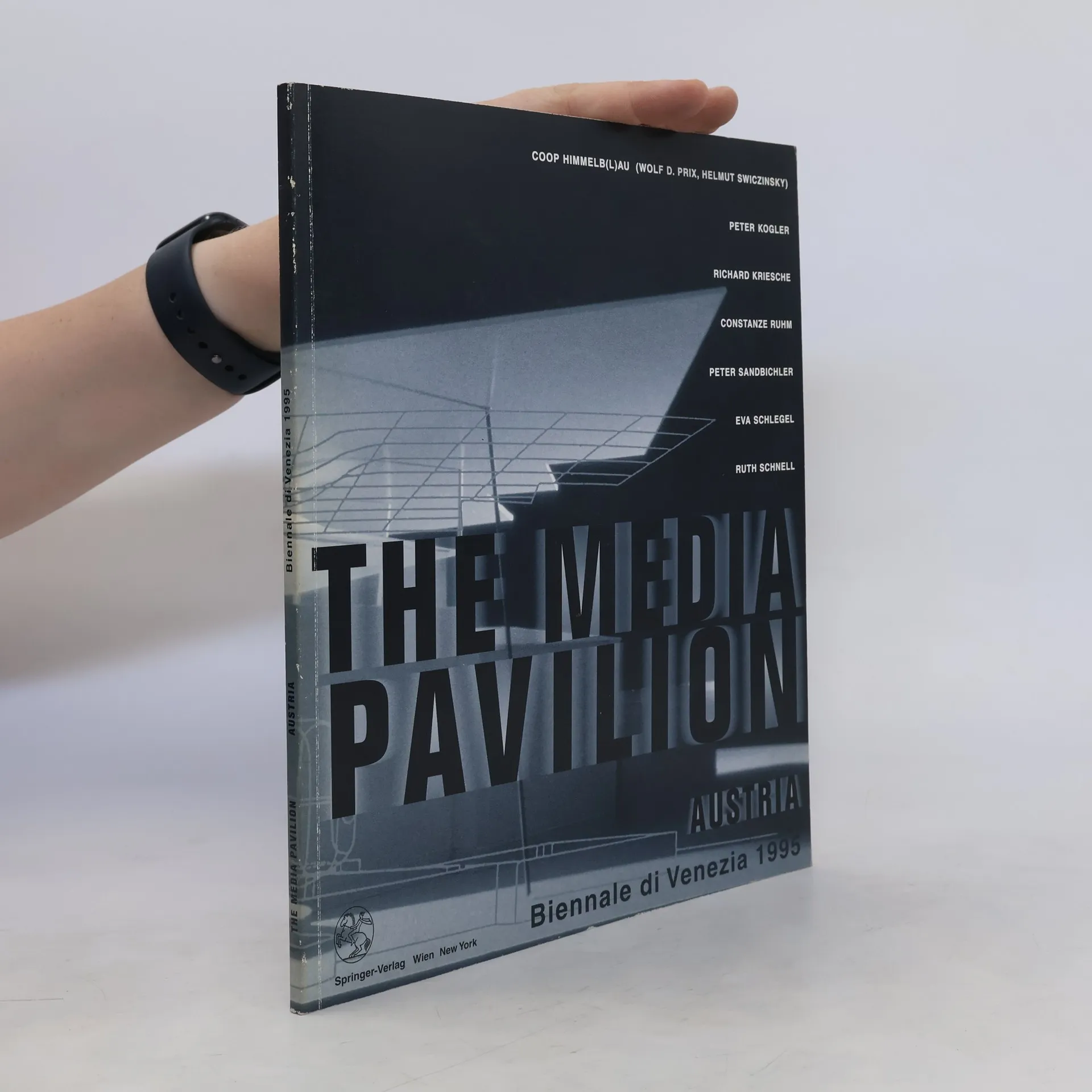
The Media Pavilion / Der Pavillon Der Medien
- 100 pages
- 4 hours of reading
Dieses Buch ist das erste seiner Art, das eine neue Gleichung zwischen Kunst und Architektur zeigt. Historisch war die Schnittstelle zwischen Kunst und Architektur die Malerei und Farbe. Jetzt, im Zeitalter des Cyberspace, sind die neuen Schnittstellen die Medien, insbesondere die interaktiven elektronischen Medien, die es dem Zuschauer ermöglichen, in das Bild einzutreten und im Bildraum zu sein. Dabei geht die dekonstruierende Architektur, vertreten durch die berühmte Gruppe Coop Himmelblau, einen weiteren Schritt in die Forschung neuer Schnittstellentechnologien. Beispiele von erstklassigen Medienkünstlern zeigen, wie der imaginäre virtuelle Cyberspace und Datenspace, der Beobachter und der gebaute reale Raum interagieren können.
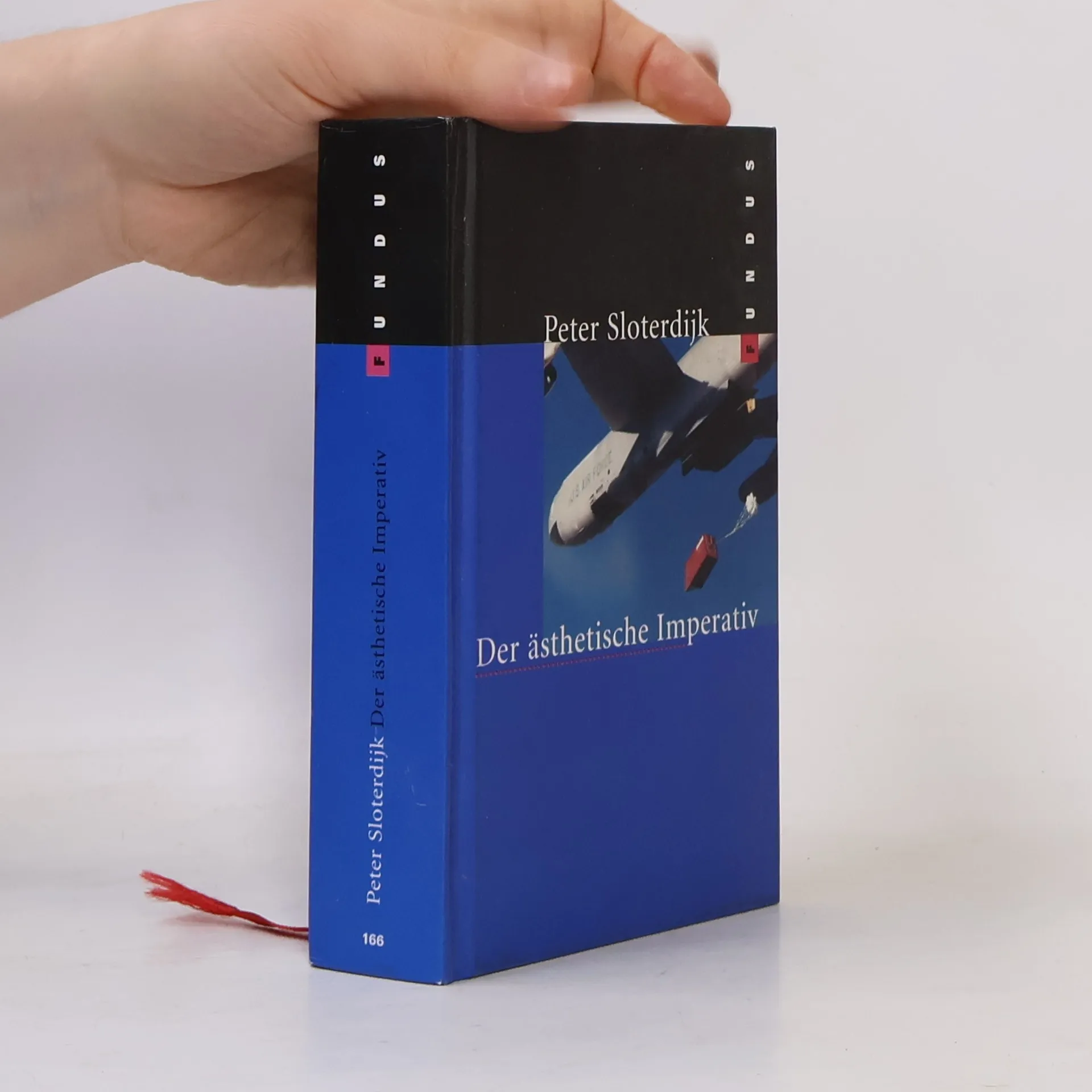
Fundus - 166: Der ästhetische Imperativ
- 522 pages
- 19 hours of reading
Die Schriften von Peter Sloterdijk wecken hohe Erwartungen, da seine elaborierte Sprache und die Kunst des Positions- und Perspektivenwechsels überraschende Einsichten eröffnen. Die hier erstmals präsentierte Auswahl von Sloterdijks Schriften zur Kunst verspricht Außergewöhnliches. Sloterdijk wendet seine Methode der Diskursverfremdung auf Kunstwerke an, wodurch die beschriebenen Objekte in neuem Licht erscheinen. Die Grenzen zwischen Philosophie und Literatur, Argumentation und Erzählung verschwimmen, und die Kunstobjekte scheinen in Bewegung zu geraten. Bekannte ästhetische Phänomene verwandeln sich in Quellen der Überraschung und gewinnen durch Rekontextualisierung eine zweite Existenz. Die Gegenstände seiner theoretischen Prosa treten dem Leser wie unbekannte Wesen entgegen, zeigen sich jedoch in einer Vertrautheit, die nur ein neuer Blick gewähren kann. Sloterdijk berührt alle klassischen und modernen Kunstgattungen, von Architektur bis Musik, Malerei bis Film, Design bis Typographie. Seine Beobachtungen reichen von Delphi bis Hollywood und reflektieren die Bedingungen der aktuellen Kunstproduktion, vom Sponsorenwesen bis zum Museumssystem. Entscheidend bleibt seine unnachahmlich überraschende Herangehensweise, die ihn von ausgetretenen Pfaden des Kunstkommentars entfernt. Durch Sloterdijks Denken wird Kunst als heterodoxe Form des Wissens erfahrbar.
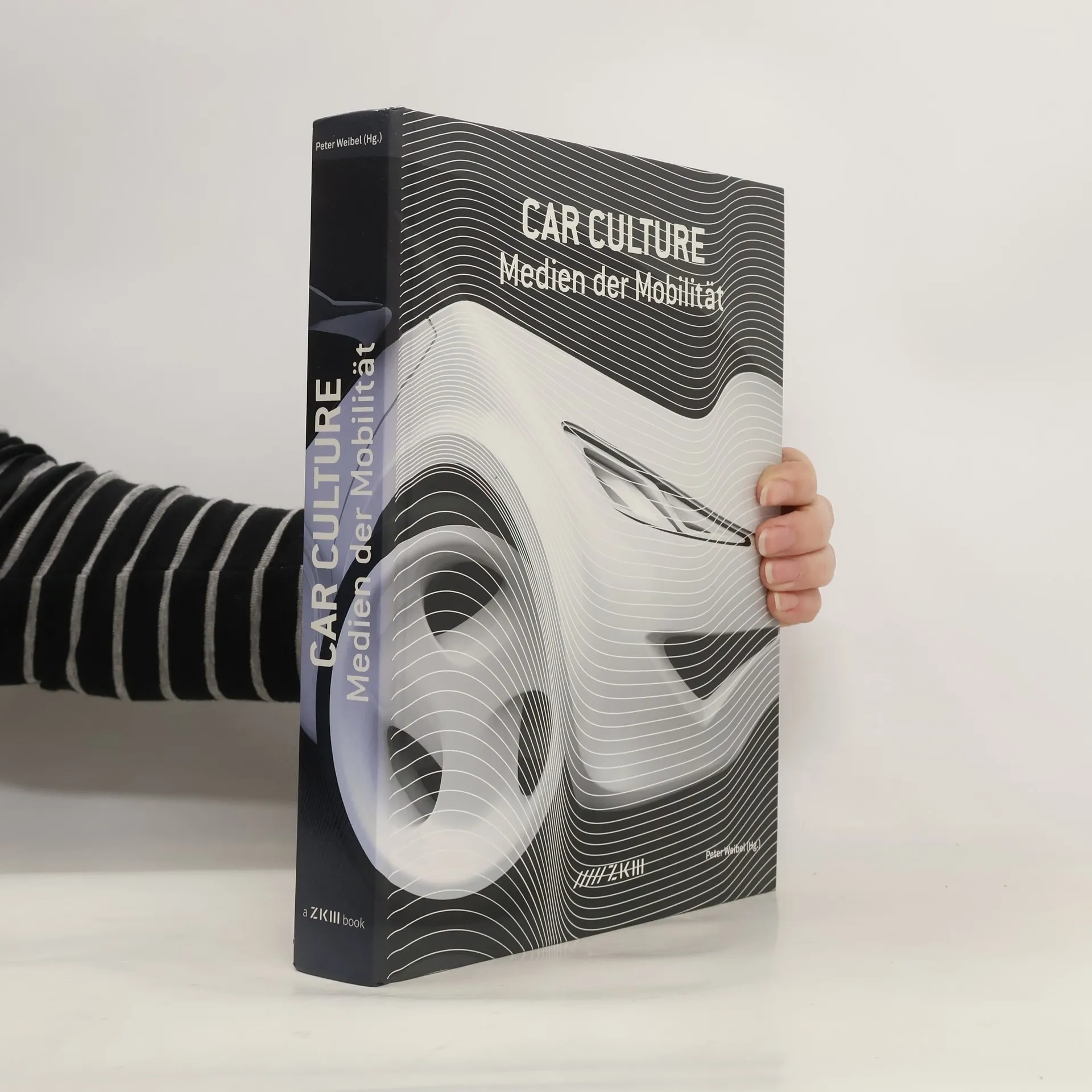
Car culture
- 416 pages
- 15 hours of reading
Dieses Buch dokumentiert erstmals auf umfassende Weise das Auto in einer neuen Perspektive – nämlich anhand von mehr als hundert künstlerischen Beispielen – als zentrale „Plastik des 20. Jahrhunderts“ (Wolf Vostell). Gleichzeitig wird das Auto erstmals mit anderen Medien der Mobilität verglichen. Sowohl die Entwicklung des Automobils – des „Zentralobjekts der Moderne“ (Peter Sloterdijk) – als auch die Entwicklung der Telekommunikation nahmen ihren Ausgang in Baden-Württemberg. Der Karlsruher Pionier Carl Benz baute vor 125 Jahren den „Patent-Motorwagen Nummer 1“, das erste moderne Automobil, und der Physiker Heinrich Hertz entdeckte zur selben Zeit in Karlsruhe die elektromagnetischen Wellen und ermöglichte dadurch den weltweiten Funkverkehr. Sie beide haben die Grundlage für jene Medien der Mobilität geschaffen, die unsere Gesellschaft heute maßgeblich prägen. Die Ausstellung CAR CULTURE. Medien der Mobilität und das vorliegende Buch zeigen erstmals die Parallelentwicklung der physischen und virtuellen Mobilität beziehungsweise Kommunikation, von Hertz bis zum Handy, vom Automobil bis zum Mobilfunk, durch die die Menschen grenzenlos mobil geworden sind.
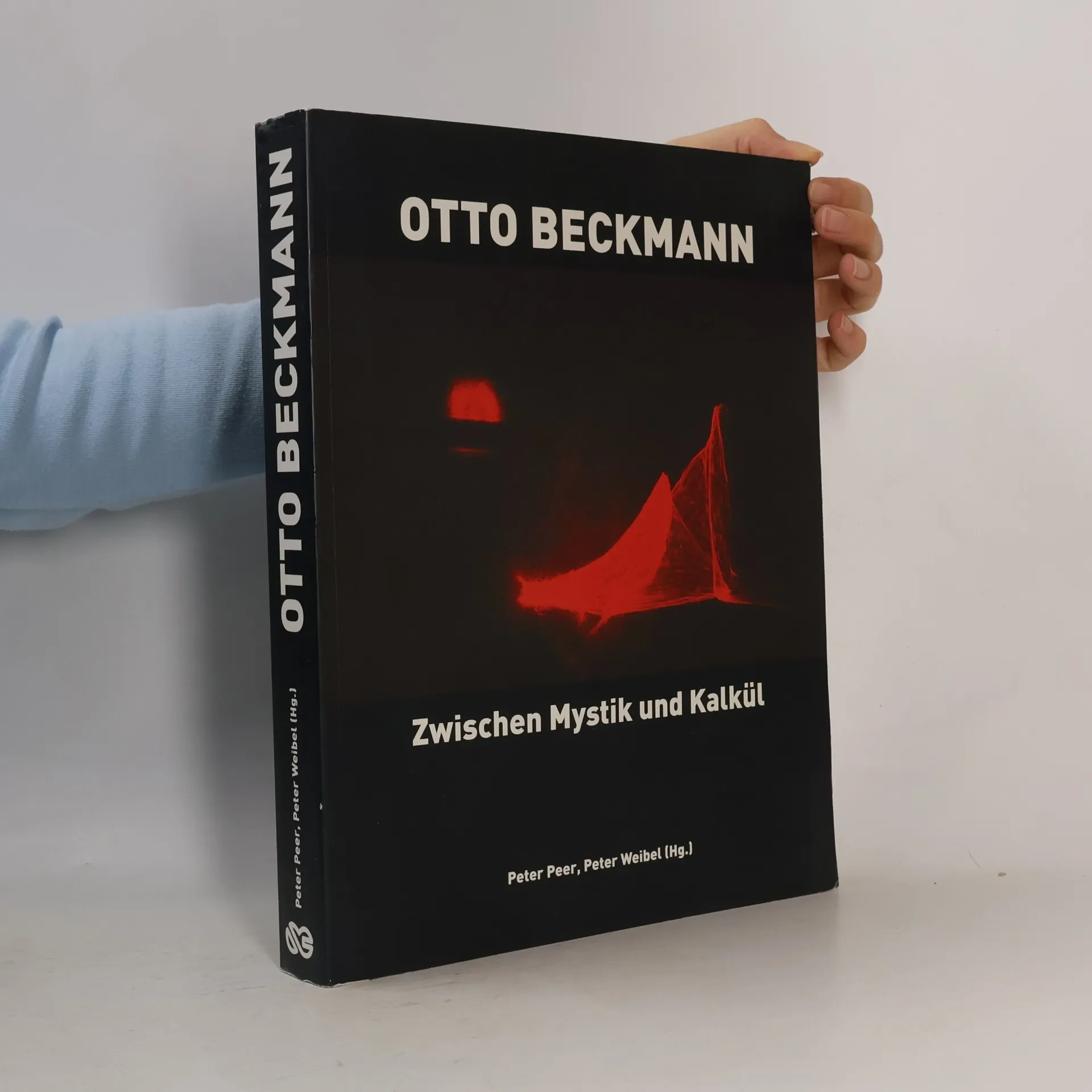
Otto Beckmann. Zwischen Mystik und Kalkül
- 479 pages
- 17 hours of reading
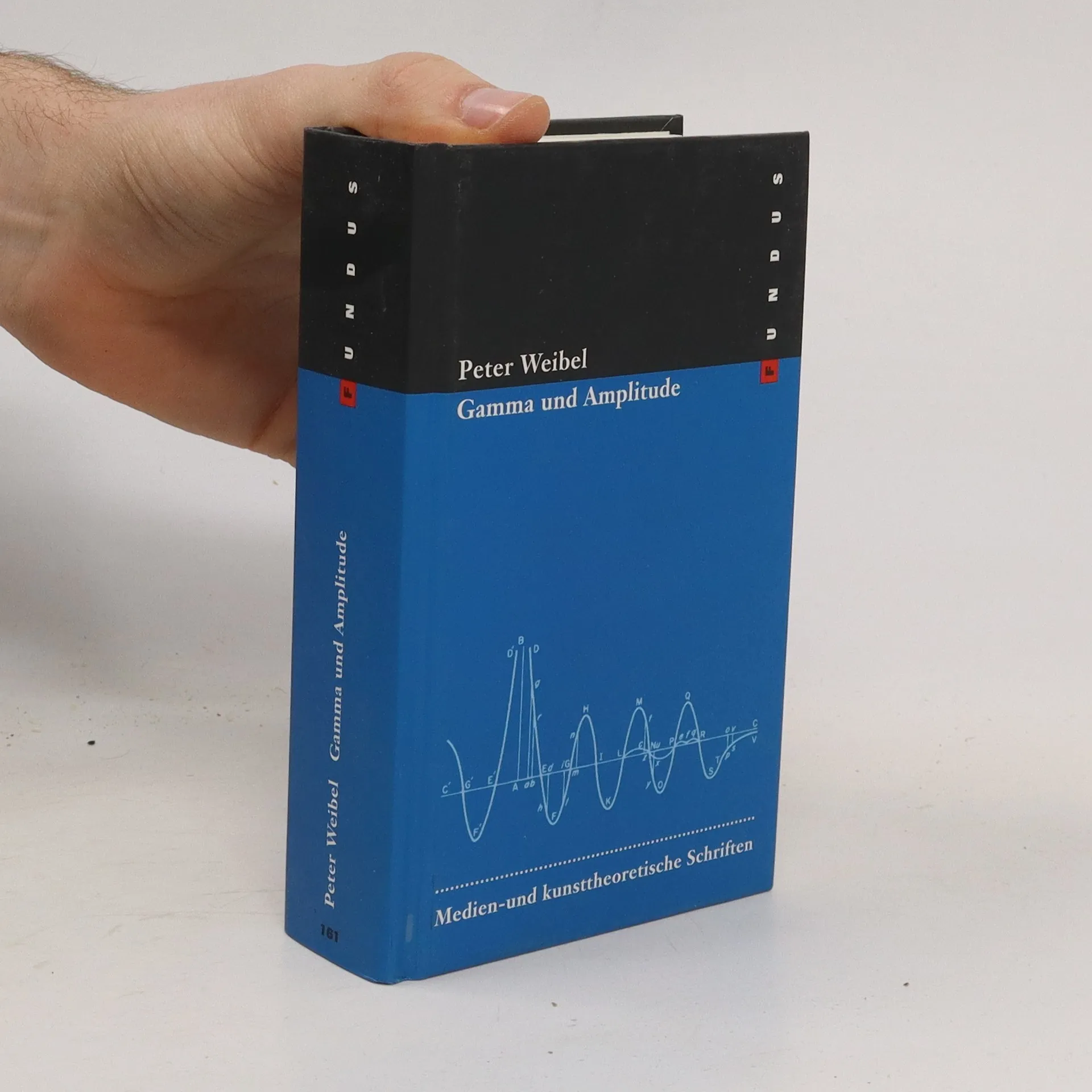
Gamma und Amplitude
- 533 pages
- 19 hours of reading
Akonos Berg
- 64 pages
- 3 hours of reading
Im ruhigen Bergdorf sucht Jonas, ein Bergführer, nach Akono, einem geflohenen Asylbewerber aus Nigeria. Nachdem er in der Unterkunft von Akonos abgelehntem Antrag erfährt, begibt er sich zur Hütte, findet jedoch nur Spuren und ein rätselhaftes Heft. Gemeinsam mit seiner Kollegin Sarah beginnt die Suche nach dem jungen Mann.
Kaltfront
- 96 pages
- 4 hours of reading
Vera, eine idealistische junge Ärztin, beginnt ihre Arbeit in einer Landpraxis, doch ein unbekanntes Virus bringt Krankheit und Tod. Sie kämpft entschlossen für das Leben der Menschen und gegen den Zerfall der Solidarität, während sie sich mit der Einsamkeit und der Feindschaft ihrer Gegner auseinandersetzt. Die Geschichte basiert auf einer wahren Begebenheit und beleuchtet die Zerrissenheit der Ärztin in einer Krisensituation.
Stephan von Huene (1932-2000) gehört zu den Begründern der Klang- und Medienkunst im 20. Jahrhundert. Der als Sohn deutscher Einwanderer in Los Angeles geborene Künstler konstruierte seit Ende der 1960er-Jahre komplexe audio-kinetische Installationen, in denen er sich mit den spezifischen Eigenschaften von Klang und Sprache auseinandersetzt.In drei Werkgruppen der späten 1990er-Jahre befasst sich Stephan von Huene mit unterschiedlichen Modi des Sprechens über Kunst und entlarvt den aufgeblasenen Sprachstil der Kunstkritik. Das Buch legt die Hintergründe der Werke offen, mit denen er für einen unvoreingenommenen Umgang mit Kunst wirbt, und versammelt zahlreiches, zum Teil unveröffentlichtes Archivmaterial wie Briefe, Zeichnungen und Texte aus seinem Nachlass. Aus vielfältigen Perspektiven wie in eindrucksvollen Bildern werden Inspiration und Schaffensprozess des Künstlers nachgezeichnet.
Die Geschichte Europas als Mediengeschichte Die gesammelten Schriften Peter Weibels zur Mediengeschichte in 6 Bänden
An den Rändern
- 140 pages
- 5 hours of reading
Ein Mann geht immer wieder zum Bahnhof, immer wieder zu den Geleisen, um vielleicht zufällig Hannah wiederzusehen, mit der er eine Familie hätte gründen können. Gregor findet sich am Berg, im Reich der Steine, von Schemen seiner Vergangenheit umgeben. Joshua will noch einmal ans Meer, bevor alles zu Ende geht, Benno noch einmal in den Kocherpark, wo seine Abhängigkeit begann. Mit großer Wärme und Sensibilität erzählt Peter Weibel von Menschen, die sich abhandengekommen sind oder verloren gegangen in Institutionen, von Menschen die bald gehen werden und von jenen, die zurückgeblieben sind. An den Rändern – der Gesellschaft, des Lebens – bröckeln die Gewissheiten. Zugleich öffnet sich Raum für neue Perspektiven. In der Tradition eines Albert Camus sprechen Peter Weibels neue Erzählungen von der Notwendigkeit des Widerstands und von der Hoffnung in jedem nächsten Schritt. »An den Rändern«, schreibt Weibel, »pulsiert das Leben heftiger.«
Loys Egg & Peter Weibel - Hotel Morphila Orchester
Die schönsten Strophen sind die Katastrophen
Geschichten von den Rändern, Erzählungen über Blindstellen, die nur wenige kennen, oder über die wir gerne hinweggehen, wenn wir sie kennen. Der Autor findet die Sprache, die leicht sein kann, auch wenn sie das Schwere benennt. Es geht um Leben und Tod und um das Leben mit dem Tod, aber auch um die Kraft der Lebendigkeit - die Nachricht von den Rändern ist immer eine Nachricht an das Leben. Peter Weibel, Berner Autor und Arzt, hat für die Fragen um die menschliche Versehrtheit eine eindringliche literarische Form gefunden, die immer von einer Dennoch-Hoffnung begleitet wird.
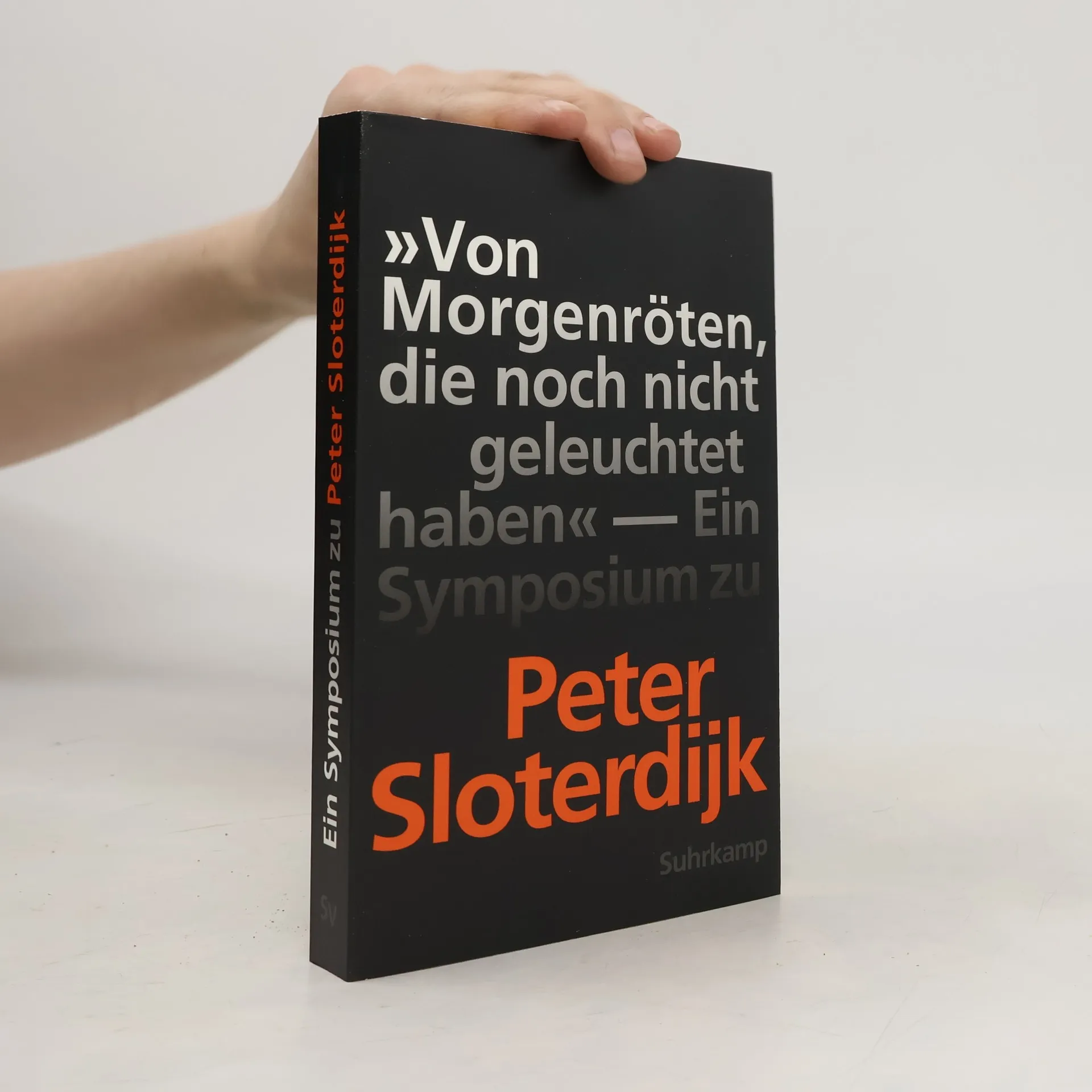
Das Zentrum für Medien und Kunst in Karlsruhe feierte den 70. Geburtstag des in Karlsruhe geborenen Zeitdiagnostikers mit einem Symposium, das die Provokationskraft seines Werkes beleuchtete. Peter Weibel erklärte, dass Peter Sloterdijk 1983 mit seiner ersten großen Publikation, Kritik der zynischen Vernunft, die Philosophie erschütterte. Sein erster Satz kündigte an: „Seit einem Jahrhundert liegt die Philosophie im Sterben und kann es nicht, weil ihre Aufgabe nicht erfüllt ist.“ Seitdem hat Sloterdijk etwa 100 Bücher veröffentlicht, in denen er die Welt auf neue Weise philosophisch betrachtet. Obwohl die Philosophie nicht mehr existieren sollte, leben die Philosophen weiter – als Denker, die sich der Wissenschaft widersetzen, und als Dichter, die sich der Kunst widmen. Sloterdijk hat als Dichter, Philosoph und Wissenschaftler eine neue Sprache des Denkens geschaffen, indem er die Vergangenheit der Philosophie und deren Sprache ablehnt. Er zwingt dem Denken eine neue Sprache ab und bringt der Sprache ein neues Denken. Beiträge von renommierten Denkern und Wissenschaftlern wie Norbert Bolz, Hans Ulrich Gumbrecht und Gunnar Heinsohn bereichern die Diskussion und reflektieren Sloterdijks Einfluss auf die zeitgenössische Philosophie.
Im fünften Band der Enzyklopädie der Medien: Politik und Medien. Von den Medien der Macht zur Macht der Medien zeichnet Peter Weibel die Expansion der Künste in die Wirklichkeit nach, die das Monopol staatlicher und massenmedialer Institutionen auf die Konstruktion von Öffentlichkeit und Wirklichkeit kritisch infrage gestellt hat. So entstand aus der partizipativen und kollektiven Aktions- und Medienkunst ein künstlerischer Aktivismus, der das Kunstsystem global verändert hat. Weibels theoretische Texte offenbaren die Diskurse und Dispositive der Macht in den Feldern von Politik und Gesellschaft, aber auch von Kultur und Kunst. Seine Medientheorie liefert neue Werkzeuge, um die komplexen Beziehungen zwischen Politik, Kunst und Medien zu untersuchen. Er benennt die Akteure und Strategien, die im Spannungsfeld von Identitätspolitik, Gender und Gewalt, (Post-)Kolonialismus, globaler Migration und der digitalen Transformation der Gesellschaft noch Instanzen der Wahrheit und der Wirklichkeit sein können: neue Formen der Kunst, die sich mit Politik und Macht auseinandersetzen. PETER WEIBEL (1944–2023) war sowohl Medienwissenschaftler wie auch Medienkünstler. Mit seinem Œuvre wurde er international berühmt und prägt bis heute Medien- und Kunstdiskurse. Ab 1999 leitete er das ZKM, Karlsruhe.
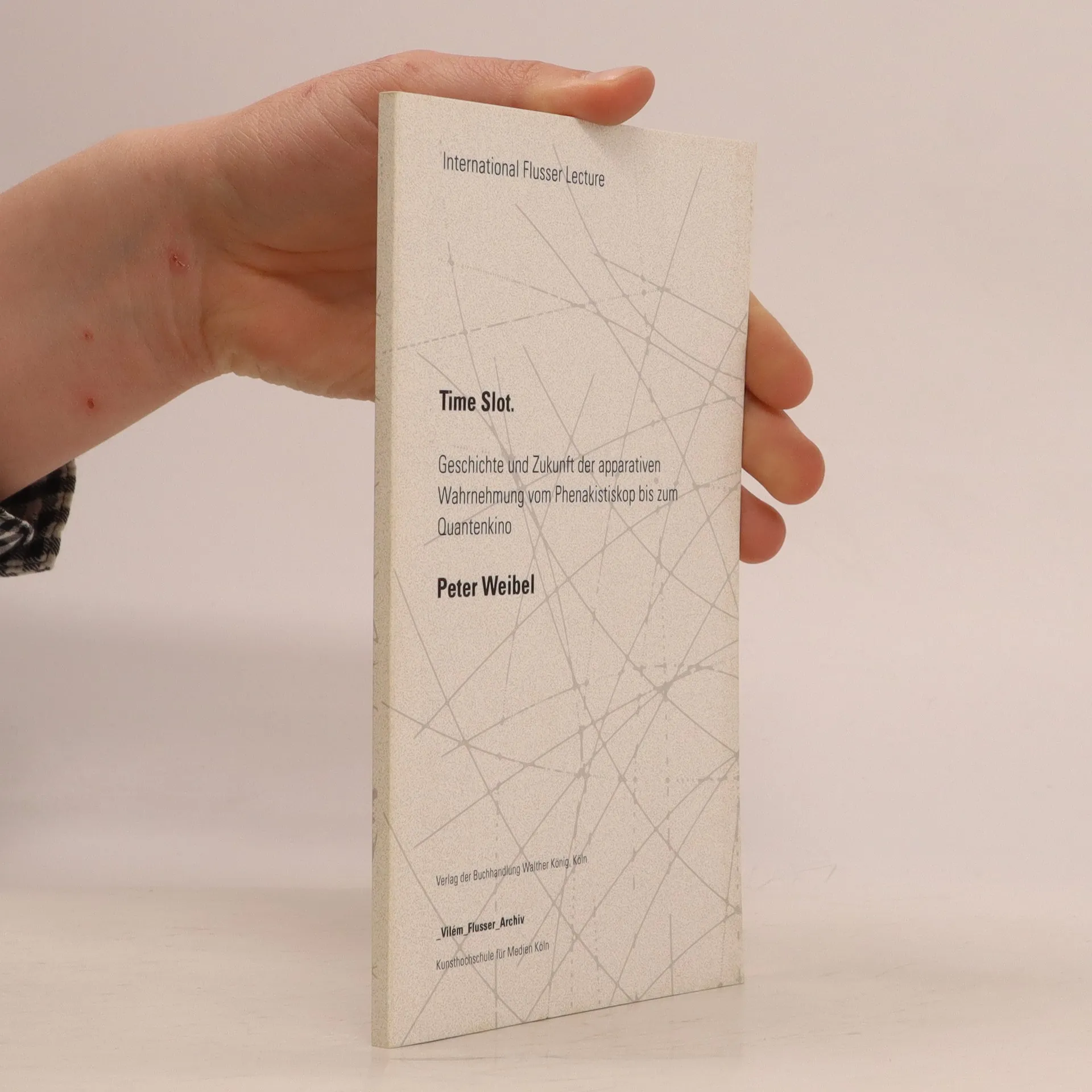
Time Slot
- 52 pages
- 2 hours of reading
´Sein´ bedeute, der Wert einer Variablen zu sein. Mit diesem Diktum Williard van Orman Quines aus dem Jahr 1939 startet Peter Weibel seinen Parforceritt durch die Geschichte und Zukunft der apparativen Wahrnehmung. Von Beginn an zeigten die Erfindungen der Bildtechnologien eine Tendenz zur Imitation von mehr als nur Bewegung: Sie tendierten zur Imitation von Leben. Die Simulation von Lebendigem im Film wurde zur Simulation von Belebtheit, zur Interaktion zwischen Bildsystem und Betrachter.
Die Beschleunigung der Bilder
- 200 pages
- 7 hours of reading
German
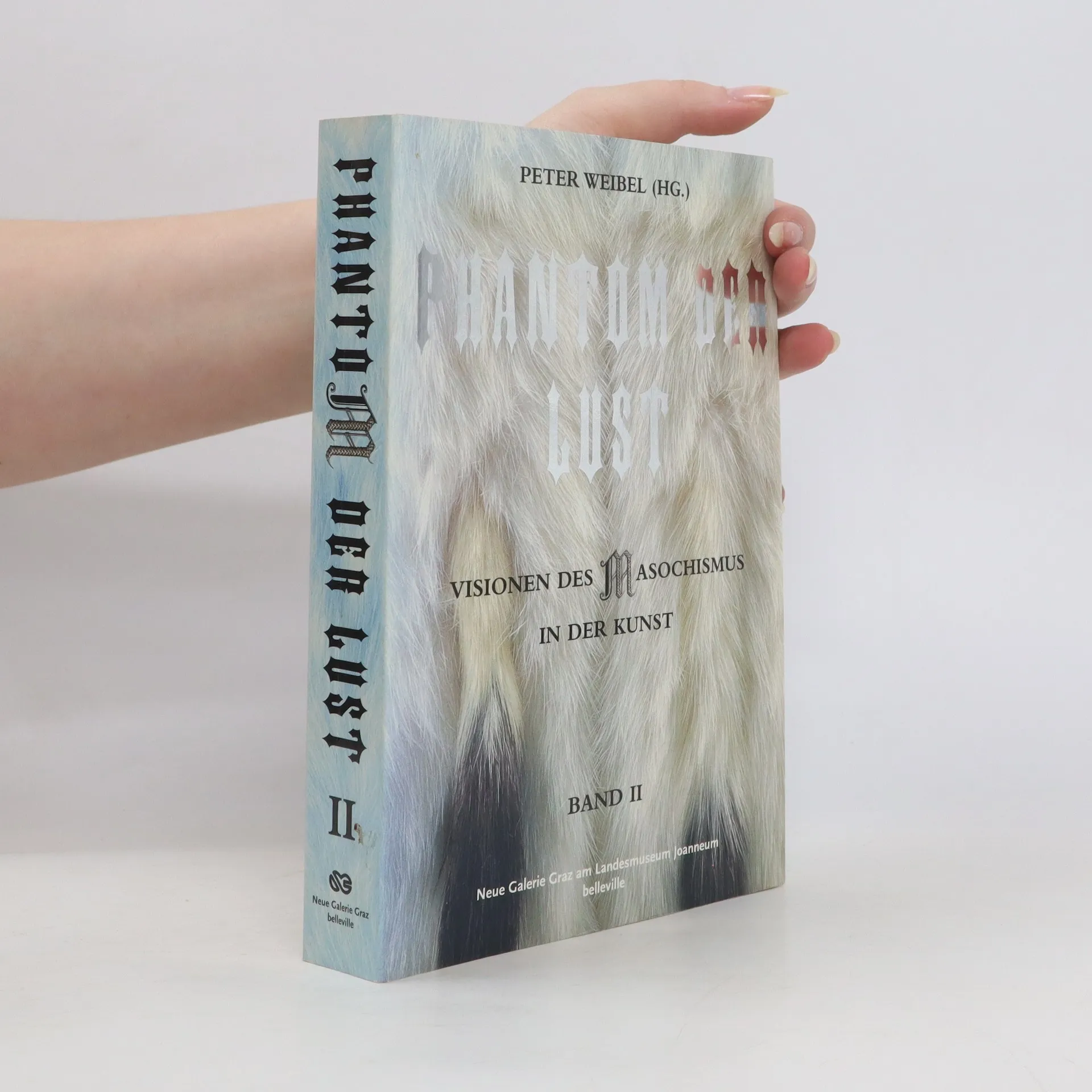
Phantom der Lust 2
- 512 pages
- 18 hours of reading
Am 1.-4. Mai dieses Jahres fand in Graz ein Symposion zum Thema "Visionen des Masochismus" statt. Begleitend zu dieser Veranstaltung, zu der sich namhafte WissenschaftlerInnen sowie Künstler und Schriftsteller eingefunden hatten, gibt Peter Weibel nun eine umfangreiche (2 Bde.!) Materialsammlung heraus, die ihresgleichen sucht. Band 1 präsentiert Essays und Texte (Gorsen, Shaviro, Brock, u.a. über Krafft-Ebing, Mishima, Sacher-Masoch, Freud, Ungerer), Band 2 bietet eine atemberaubende Pallette sadomasochistischer bildender Araki, Brus, Bellmer, Beuys, Crepax, Hosoe, Kern, Kloster, Mapplethorpe, Robbe-Grillet, Sigismondi, Witkin uva.).Der Verlag belleville ist ohnehin sehr empfehlenswert, wenn es um anspruchsvollen Umgang mit den Grenzbereichen der Erotik geht. Er hat auch bibliophil aufbereitete Ausgaben von Jean de Bergs "Das Bild", "Der Garten der Qualen" und "Belle de Jour" auf Lager.Weibels zweibändige Anthologie kann zweifellos als Einführung in die Thematik dienen wie auch als faszinierendes Lesebuch für den interessierten Ästheten. Der auf den ersten Blick hohe Preis ist angesichts der hochwertigen Gestaltung und des enormen Umfanges voll gerechtfertigt.
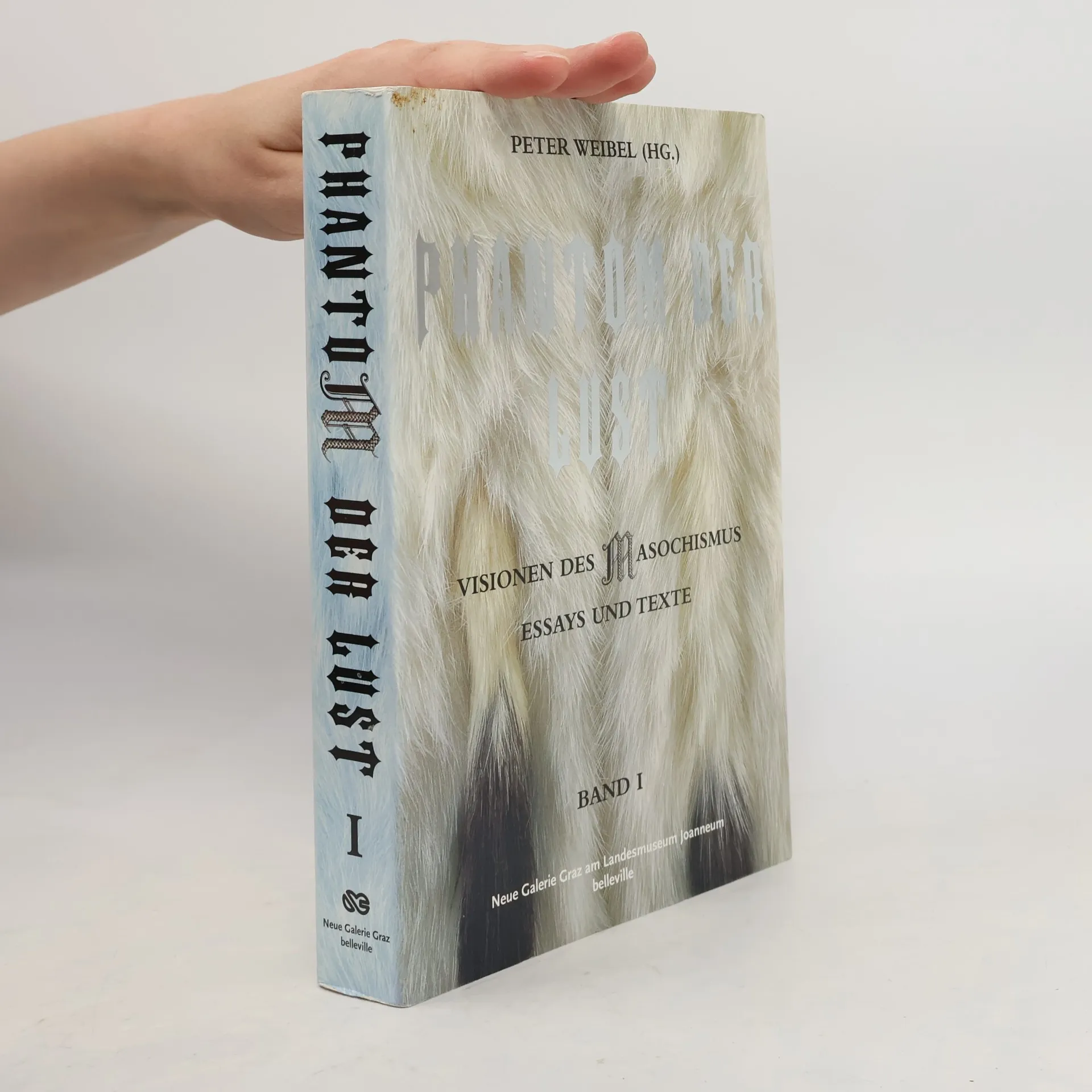
Phantom der Lust. Band I
- 512 pages
- 18 hours of reading
Am 1.-4. Mai dieses Jahres fand in Graz ein Symposion zum Thema "Visionen des Masochismus" statt. Begleitend zu dieser Veranstaltung, zu der sich namhafte WissenschaftlerInnen sowie Künstler und Schriftsteller eingefunden hatten, gibt Peter Weibel nun eine umfangreiche (2 Bde.!) Materialsammlung heraus, die ihresgleichen sucht. Band 1 präsentiert Essays und Texte (Gorsen, Shaviro, Brock, u.a. über Krafft-Ebing, Mishima, Sacher-Masoch, Freud, Ungerer), Band 2 bietet eine atemberaubende Pallette sadomasochistischer bildender Araki, Brus, Bellmer, Beuys, Crepax, Hosoe, Kern, Kloster, Mapplethorpe, Robbe-Grillet, Sigismondi, Witkin uva.).Der Verlag belleville ist ohnehin sehr empfehlenswert, wenn es um anspruchsvollen Umgang mit den Grenzbereichen der Erotik geht. Er hat auch bibliophil aufbereitete Ausgaben von Jean de Bergs "Das Bild", "Der Garten der Qualen" und "Belle de Jour" auf Lager.Weibels zweibändige Anthologie kann zweifellos als Einführung in die Thematik dienen wie auch als faszinierendes Lesebuch für den interessierten Ästheten. Der auf den ersten Blick hohe Preis ist angesichts der hochwertigen Gestaltung und des enormen Umfanges voll gerechtfertigt.
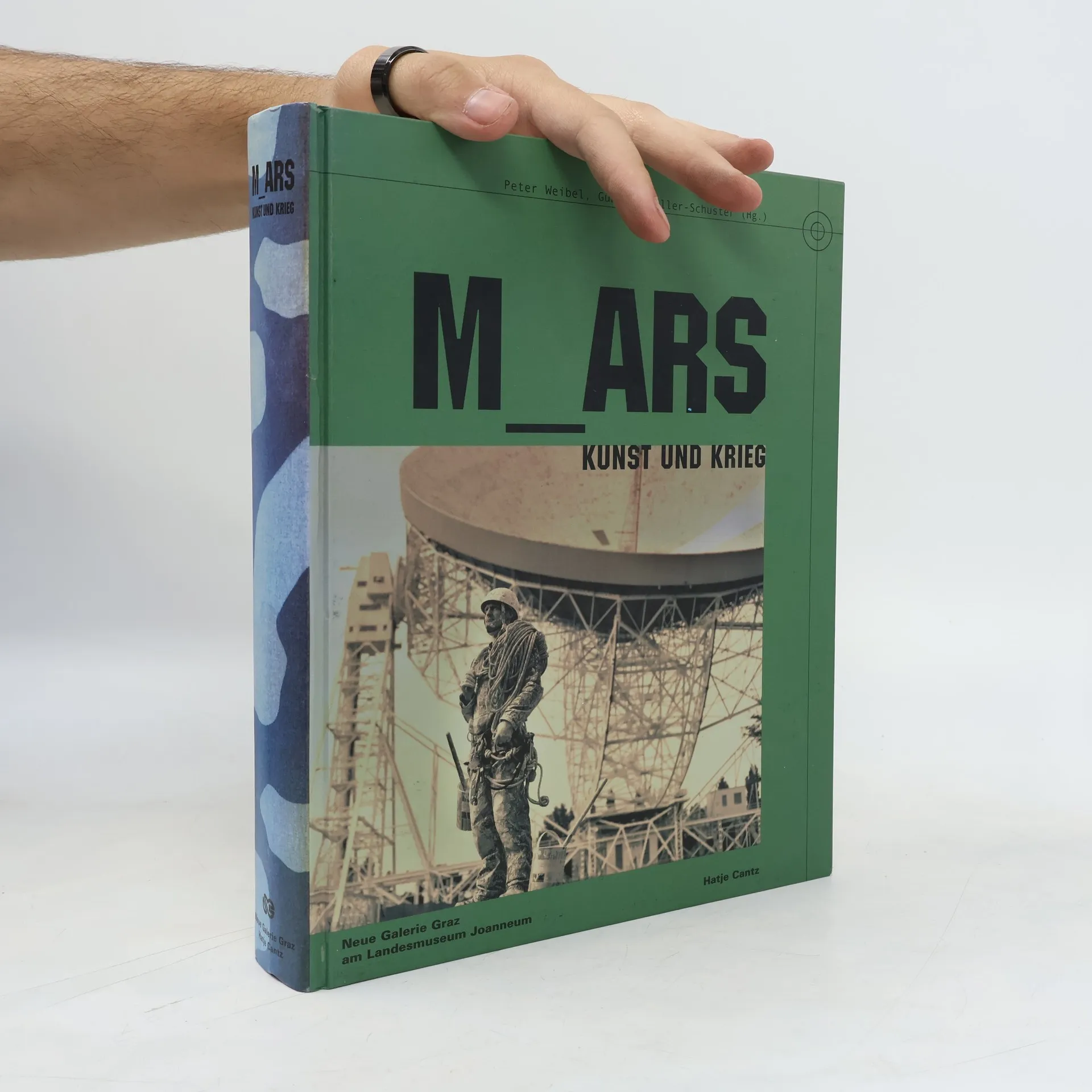
M_ARS
- 500 pages
- 18 hours of reading
Katalog wystawy: Neue Galerie Graz am Landesmuseum Joanneum, 10.01. - 26.03.2003.
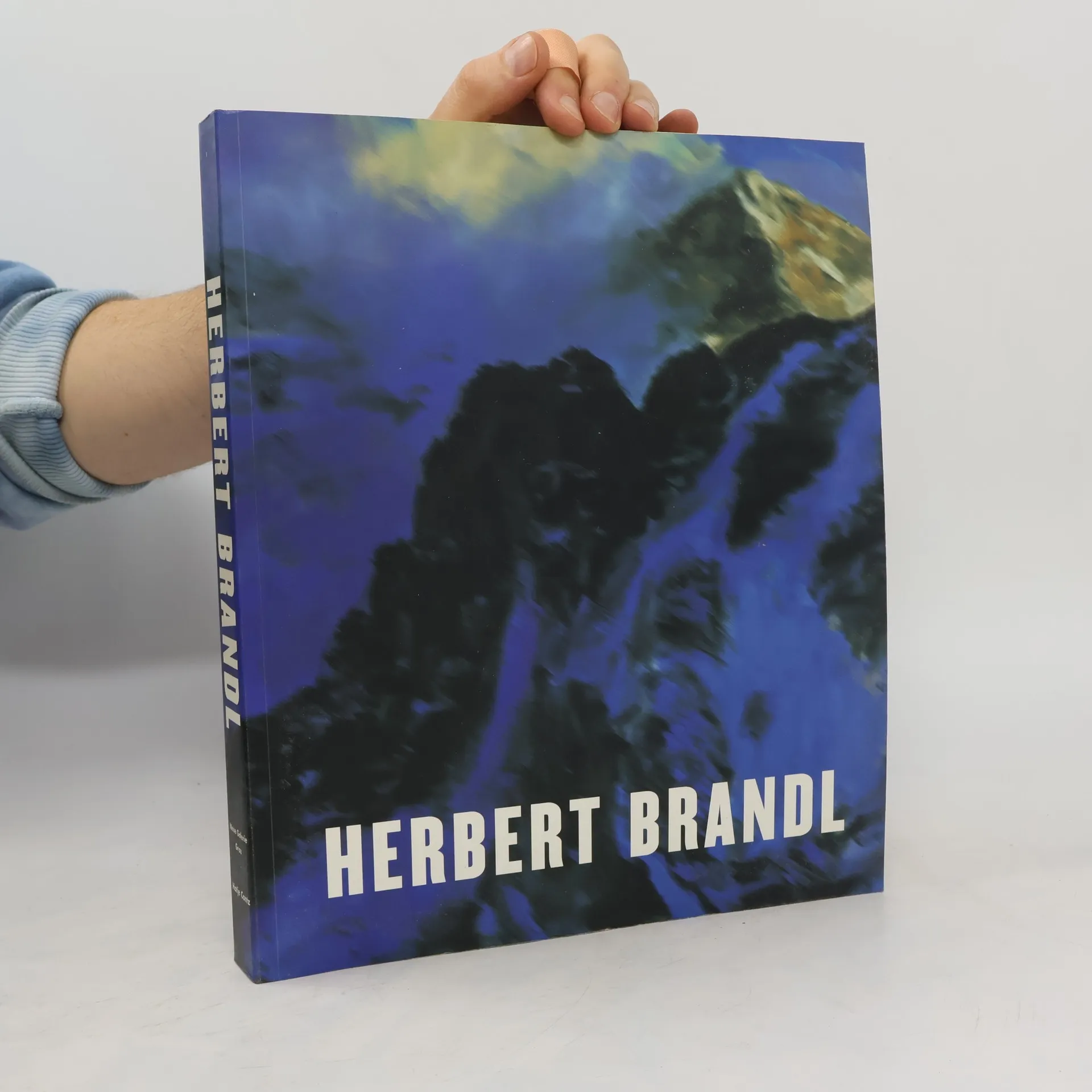
Herbert Brandl
- 416 pages
- 15 hours of reading
Einer der wichtigsten, wenn auch weitgehend unbekannten Vertreter der neuen Malerei, half Herbert Brandl, die Kunst in den 1980er Jahren in eine neue Richtung zu lenken, nicht zuletzt als Reaktion auf ein konzeptuelles Medium, das akademisch geworden war. Dieser Band dokumentiert Brandls künstlerische Entwicklung bis heute und zeigt die starken analytischen Komponenten seines Schaffens sowie seine Fähigkeit, das "Darstellen des Darstellens" zu erfassen.
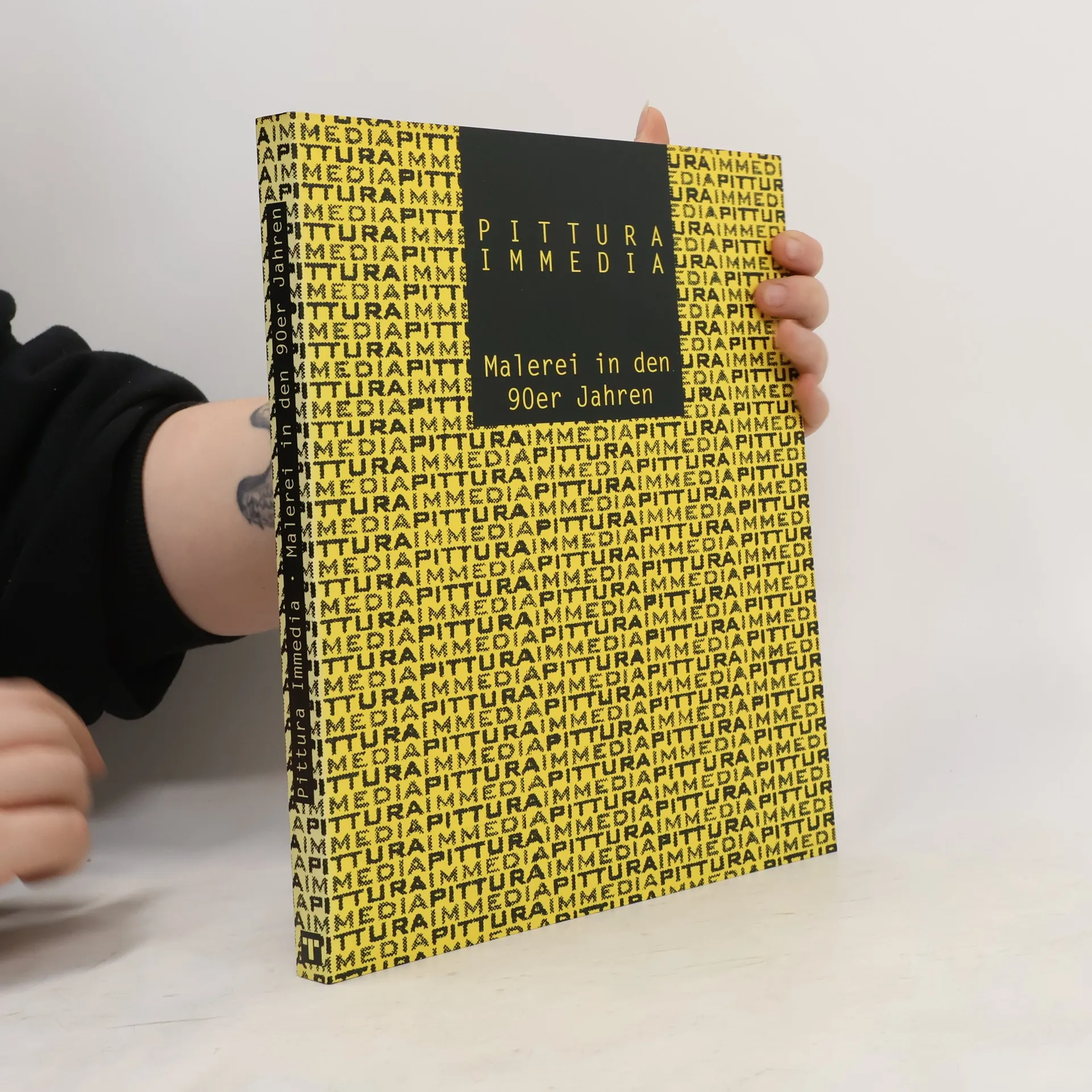
Pittura, Immedia
- 192 pages
- 7 hours of reading
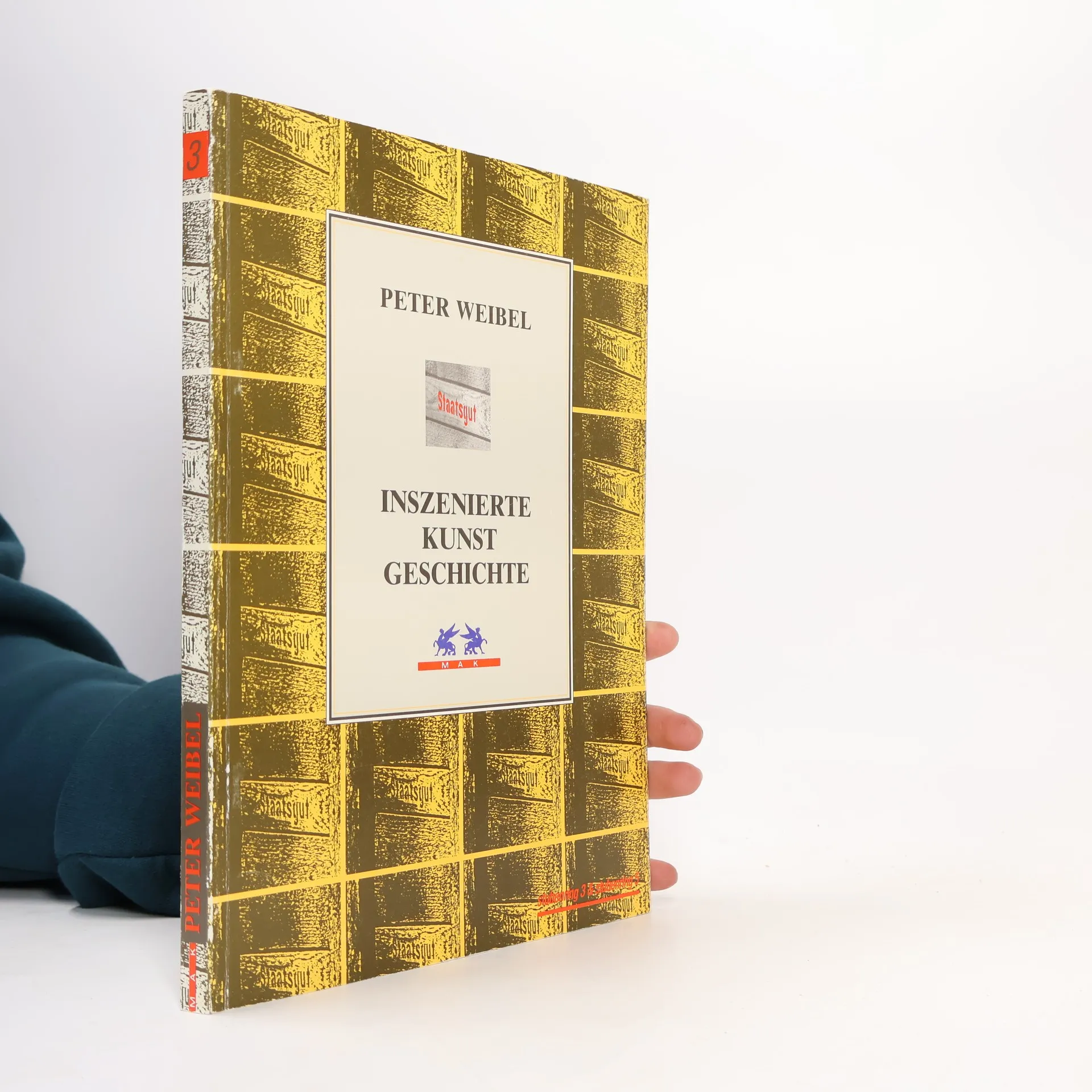
Peter Weibel, Inszenierte Kunstgeschichte
- 144 pages
- 6 hours of reading
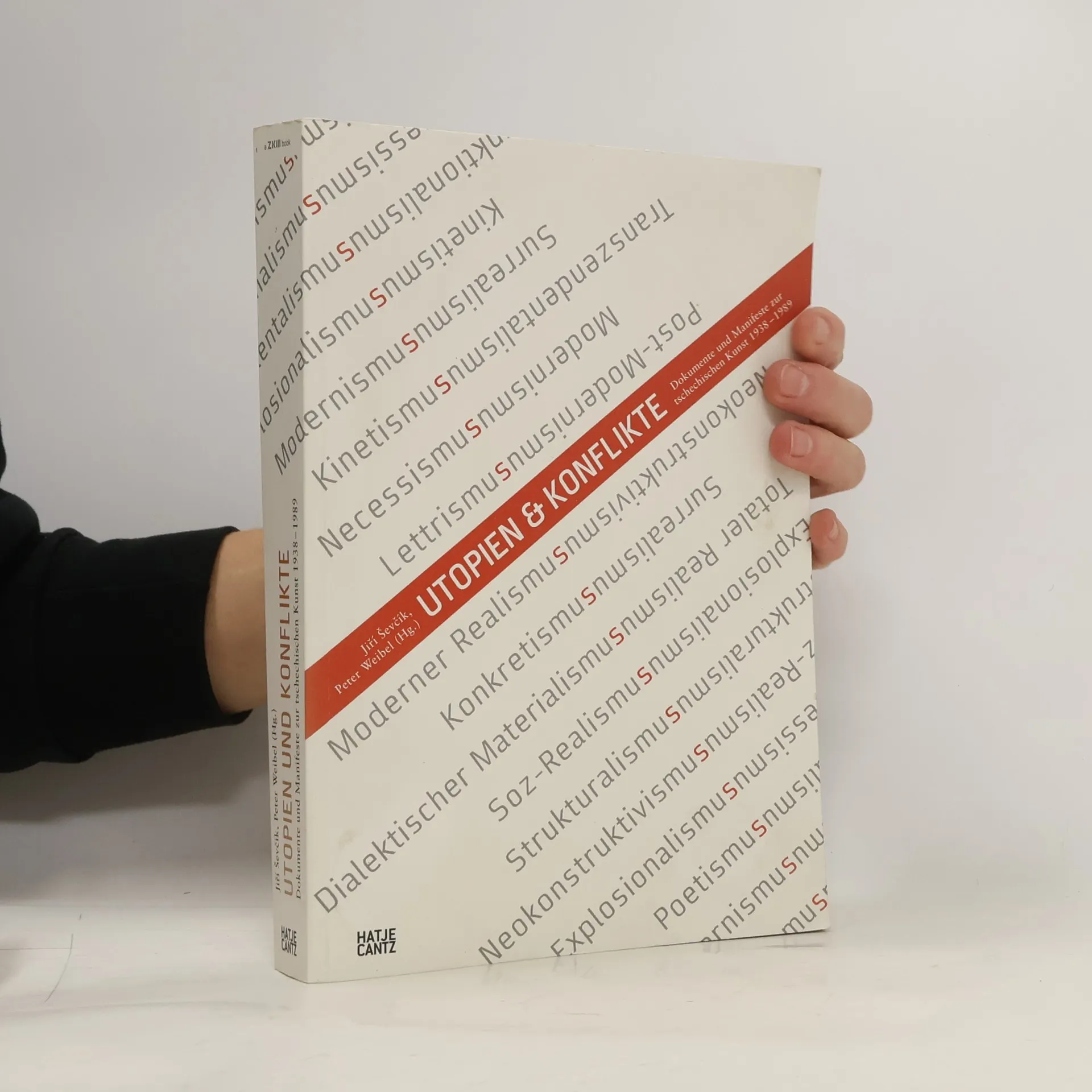
Nicht nur die ehemalige Tschechoslowakei, sondern ganz Mittel- und Osteuropa erlebten in der Zeit zwischen 1938 und 1989 eine Reihe politischer Umwälzungen, die sich auf das kulturelle Geschehen auswirkten. Neben Texten, die den Wandel der Kunst aufzeigen, versammelt der Band maßgebliche kulturpolitische Grundsatzdokumente, Texte prominenter Persönlichkeiten der tschechischen Kultur sowie Beiträge, die die offizielle Position der tschechischen Kunst unter dem Banner des sozialistischen Realismus repräsentieren. Grundlage für diese Publikation ist eine 2001 in tschechischer Sprache erschienene Anthologie, die von dem Editorenteam des Wissenschaftlichen Forschungszentrums der Akademie der schönen Künste in Prag (AVU) – geleitet von Jirí Ševcík, einem anerkannten Theoretiker und Kurator der Gegenwartskunst – publiziert wurde.
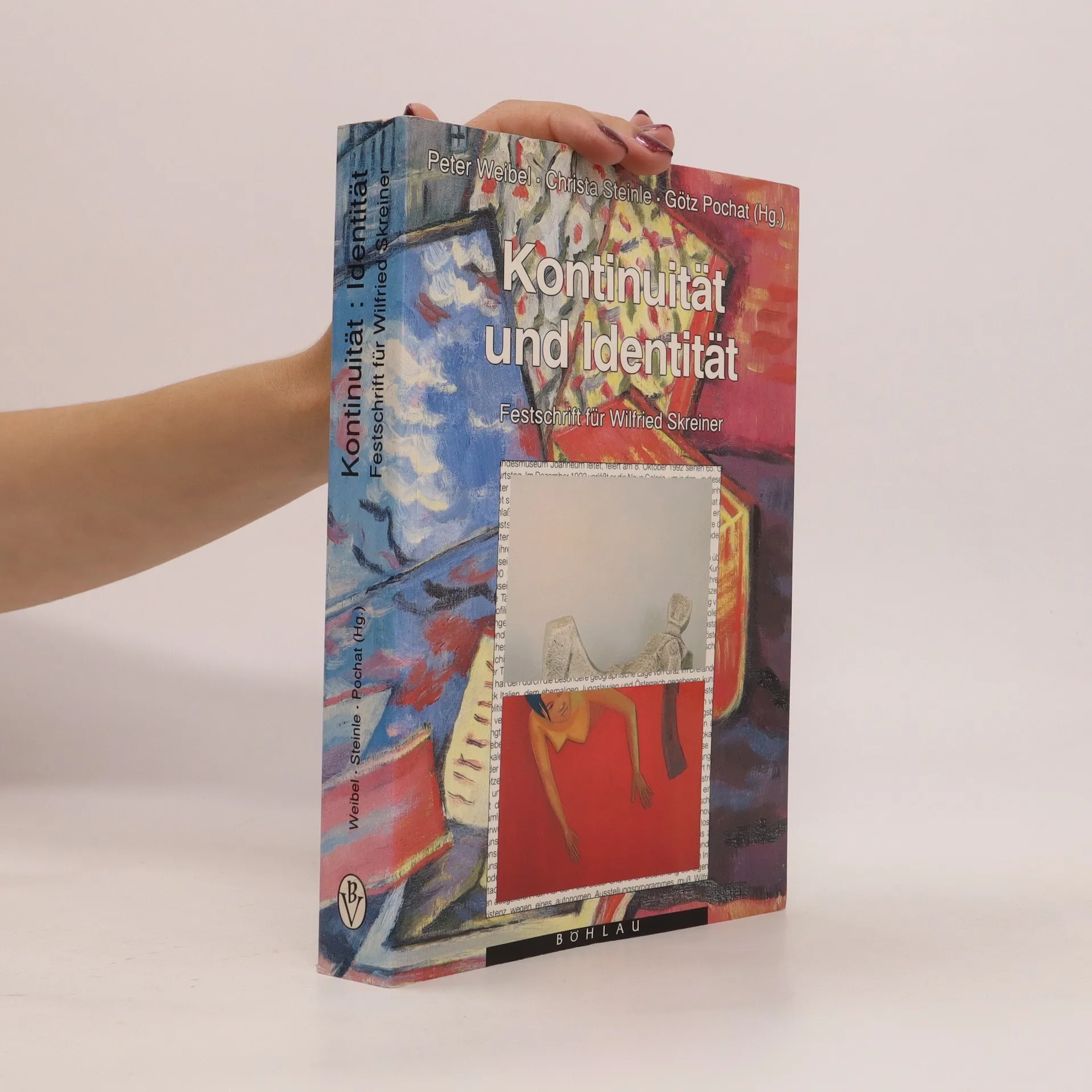
Kontinuität und Identität
- 410 pages
- 15 hours of reading
Philosophen-Gespräche zur Kunst
- 223 pages
- 8 hours of reading
Mitspiel
- 415 pages
- 15 hours of reading
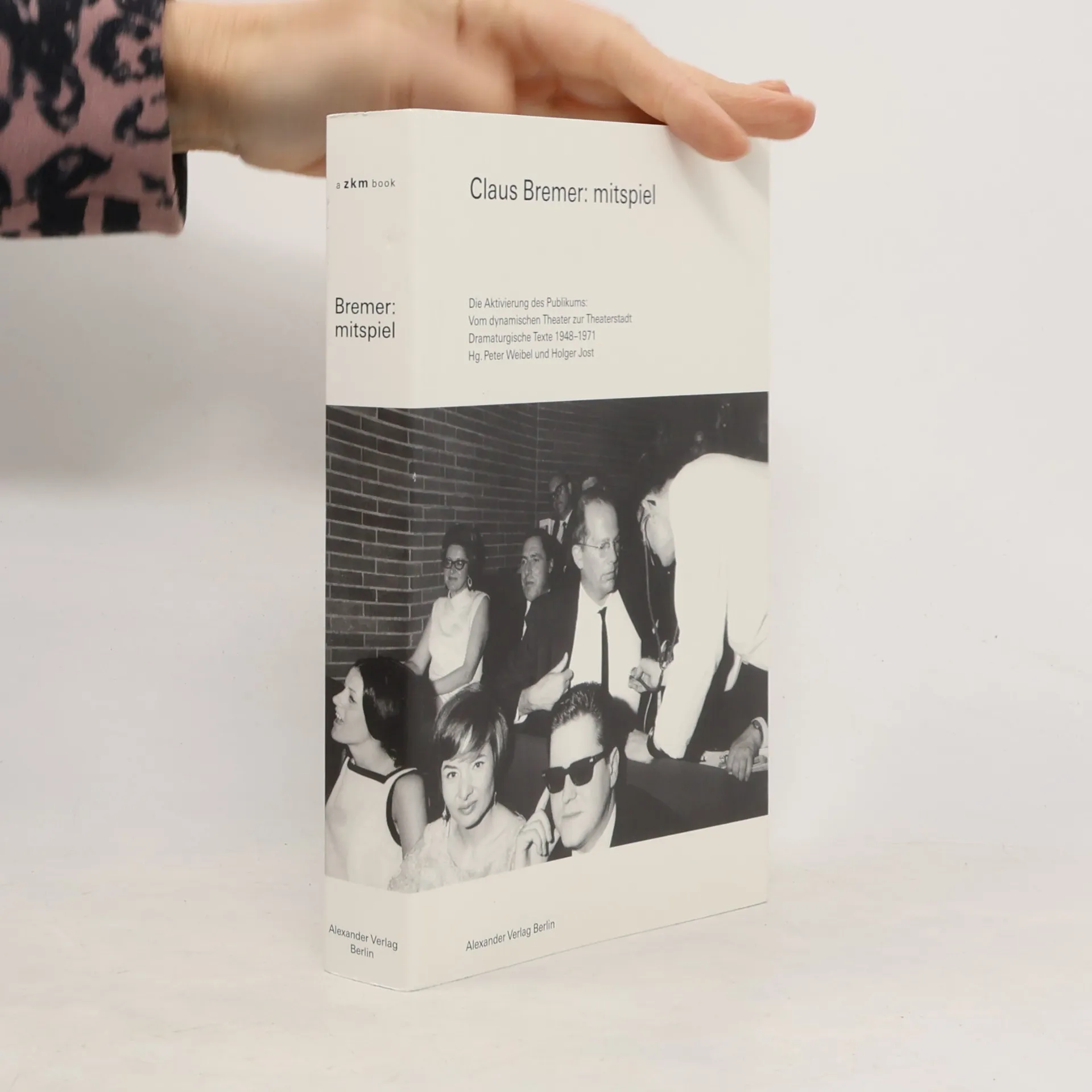
Wie werden aus Zuschauern Mitspieler? Was gegenwärtig in der Kunst Hochkonjunktur hat und was Theatermacher wie Rimini Protokoll praktizieren – die Partizipation des Publikums und die Mobilisierung des Zuschauers – besitzt eine Vorgeschichte: Seit 1958 konzipierte der Dramaturg und Poet Claus Bremer neue Spielweisen des Theaters, die er parallel zur 'offenen Form' in der Musik, den interaktiven Methoden der kinetischen Kunst und den Textkonstellationen der Konkreten Poesie entwickelte. Seine wichtigsten Texte zum Theater liegen nun erstmalig und mit Anmerkungen versehen vor. 'der autor fordert die schauspieler zum mitspielen auf. die schauspieler fordern durch ihr mitspielen die zuschauer zum mitspielen auf. das mitspielen der zuschauer fordert die schauspieler zum mitspielen auf, deren mitspielen wieder die zuschauer zum mitspielen auffordert usw.' Claus Bremer, „versuche mit festgelegten und nicht festgelegten aufführungen“, 1963 'Claus Bremer und Daniel Spoerri wurden meine großen Brüder.'Bazon Brock, 2012
Un-fair Trade
- 436 pages
- 16 hours of reading
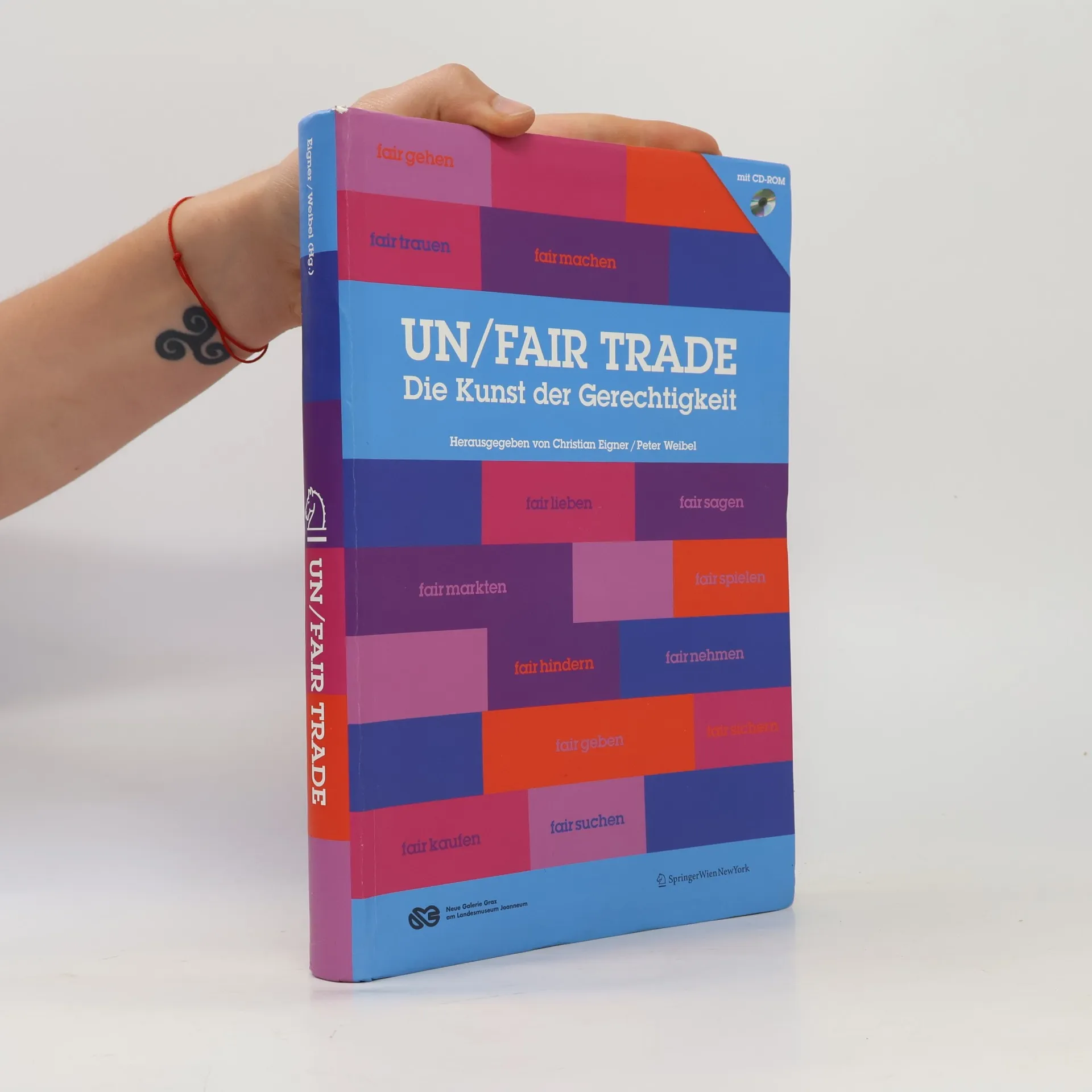
Gerechtigkeit ist in der konomie wieder ein Thema. Aber auch die Kunst hat sich der Fairness als Topic angenommen. Was passiert, wenn Kunst und konomie zusammenkommen? UN/FAIR TRADE gibt darauf eine eindeutige Antwort: wo Kunst und konomie einander begegnen, kann sich der gerechte (Welt)Handel oder Tausch als Mega-Thema pr sentieren; als der Mainstream von morgen, dem es schon heute Rechnung zu tragen gilt. UN/FAIR TRADE richtet sich deshalb an alle, die Lust haben, eine andere wirtschaftliche Zukunft anzudenken und zu entwickeln; egal, ob sie Theoretiker, Praktiker, Politiker oder Kunstinteressenten sind, denen der gerechte Tausch ein Anliegen ist. Denn UN/FAIR TRADE ist ein Kunst-, Theorie-, und Inspirationsband, der zeigt, was fairer Handel alles sein kann. Und vor allem deutlich macht, dass es letztlich am richtigen Institutionen-Management liegt, ob es zu einem weltweiten FairTrade kommt oder nicht.
Jenseits von Kunst
- 752 pages
- 27 hours of reading
Anläßlich der Millenniumsfeiern in Österreich und Ungarn hat Peter Weibel ein Schau- und Lesebuch zur gemeinsamen Kultur- und Geistesgeschichte dieser beiden Länder zusammen-gestellt, das vor allem das Unbekannte der gemeinsamen Geschichte abseits von Klischees sichtbar macht und in Kunstrichtungen und Denkströmungen einführt, die von diesen beiden Ländern begründet oder wesentlich mitgetragen worden sind und eigenständige Beiträge zur Weltkultur bilden. In zehn Kapiteln (u. a. zu den Themen Wahrnehmungstheorie, Kinetik, Symmetrie, Dekonstruktion, Architektur, Psychoanalyse, Wiener Kreis, Informatik, Kyberne-tik, Mathematik, Wissenschaftstheorie, Konstruktivismus, Kognitionswissenschaften, Spiel-theorie, Evolutionstheorie, Quantenphysik) werden die Leistungen von ca. 200 österreichi-schen und ungarischen Künstler(inne)n und Wissenschaftler(inne)n in Originalbeiträgen, Kurzessays oder thematischen Darstellungen präsentiert.
Mensch Keun
- 112 pages
- 4 hours of reading
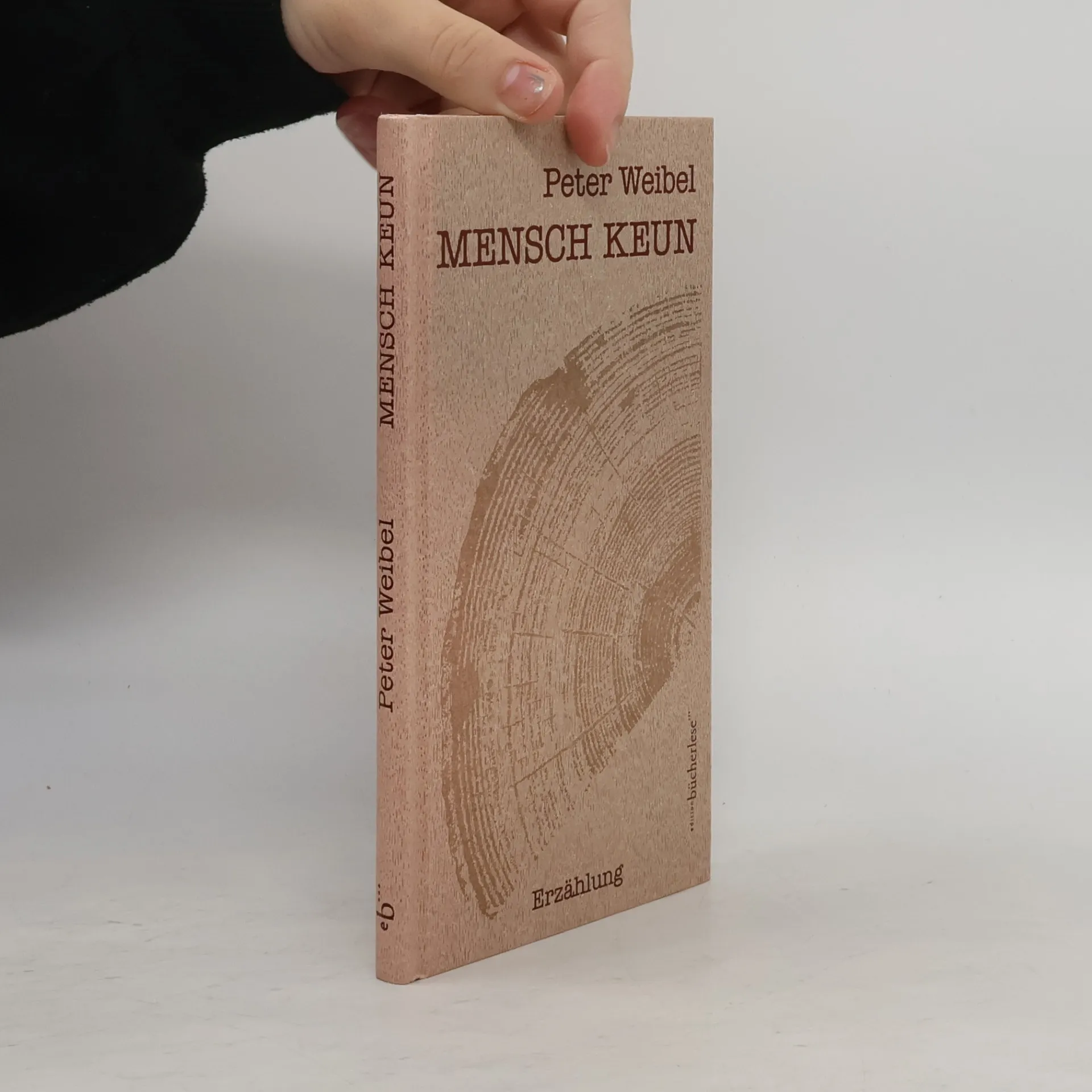
Der alte Holzbildhauer Hannes lebt abgeschieden in einem grossen Haus, seit seine Frau verstorben ist, hat er kaum mehr gearbeitet. Nur ein Projekt - die Figur MENSCH KEUN - will er noch zu Ende bringen. Hannes ist zwar viel allein, aber einsam ist er nicht. Regelmäßig schauen die Spitex-Pflegerinnen bei ihm vorbei, und seine Tochter sieht vor, in absehbarer Zeit zu ihm zu ziehen, um die Versetzung in ein Altenheim zu verhindern. Doch dann kommt alles anders. Hannes, der Künstler, ist immer anders gewesen als die anderen, und das wird im zum Verhängnis. Arzt, Gemeindevertreter und Polizist sind der Meinung, er sei verwirrt und also gefährlich, und so bringen sie ihn in die Klinik. Doch Hannes ist stärker. Peter Weibel, der sich in seinem Buch auf einen realen Fall bezieht, erzählt in einer harten und klaren Sprache vom unmenschlichen Umgang mit alten Menschen un von deren Widerstand gegen Normen.
Miteinander - Zueinander - Gegeneinander
- 215 pages
- 8 hours of reading
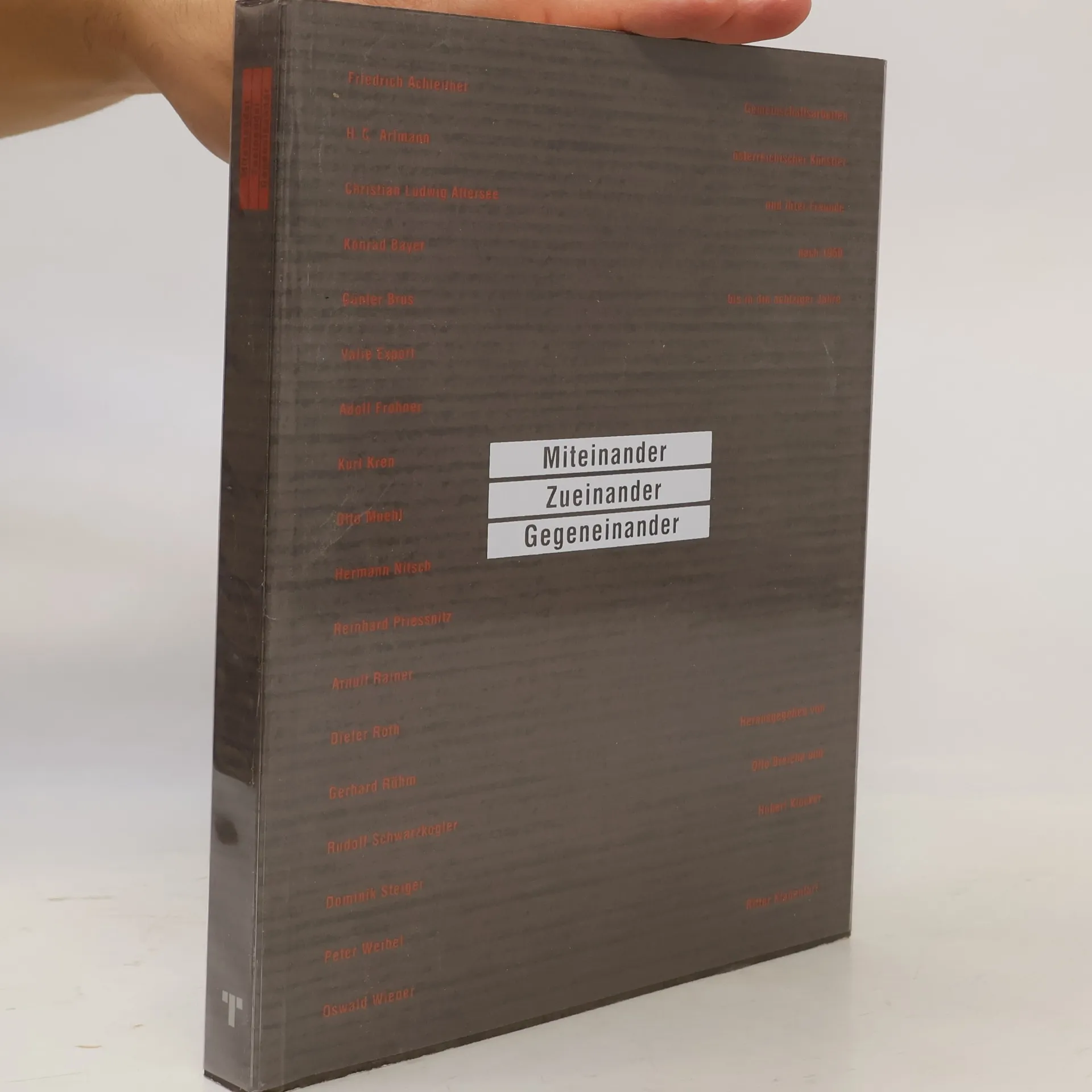
Der Konflikt, der Dialog bis hin zur Utopie einer Künstlergemeinschaft ist Teil des modernen Verständnisses von Kunst. Dieses künstlerische Wollen spannt den Bogen vom gemeinsamen Leben in sozio-kulturellen Ideologien bis zum Aufeinanderprallen individualistischer Positionen und ist oft Ausdruck einer avantgardistischen und politischen Konzeption. In ihrem Zentrum mag das autonome und auratische Kunstwerk - das Bild, die Zeichnung, der Text - stehen. Der die Gemeinschaftsarbeit bedingende und begleitende Prozeß der Konfrontation und seine interdisziplinären Ergebnisse stehen diesem aber ebenbürtig und in der Sache bereichernd zur Seite.
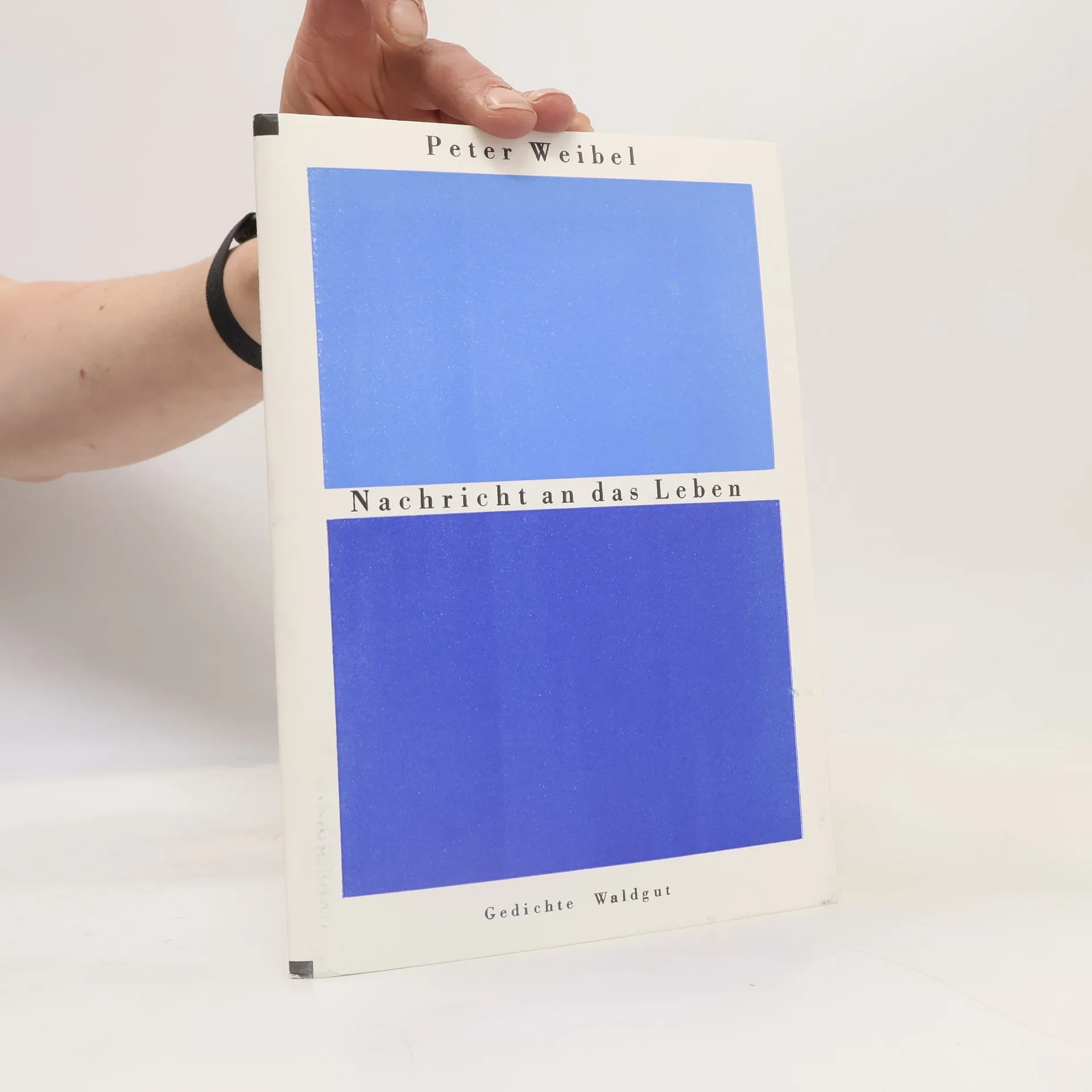
Nachricht an das Leben
- 56 pages
- 2 hours of reading
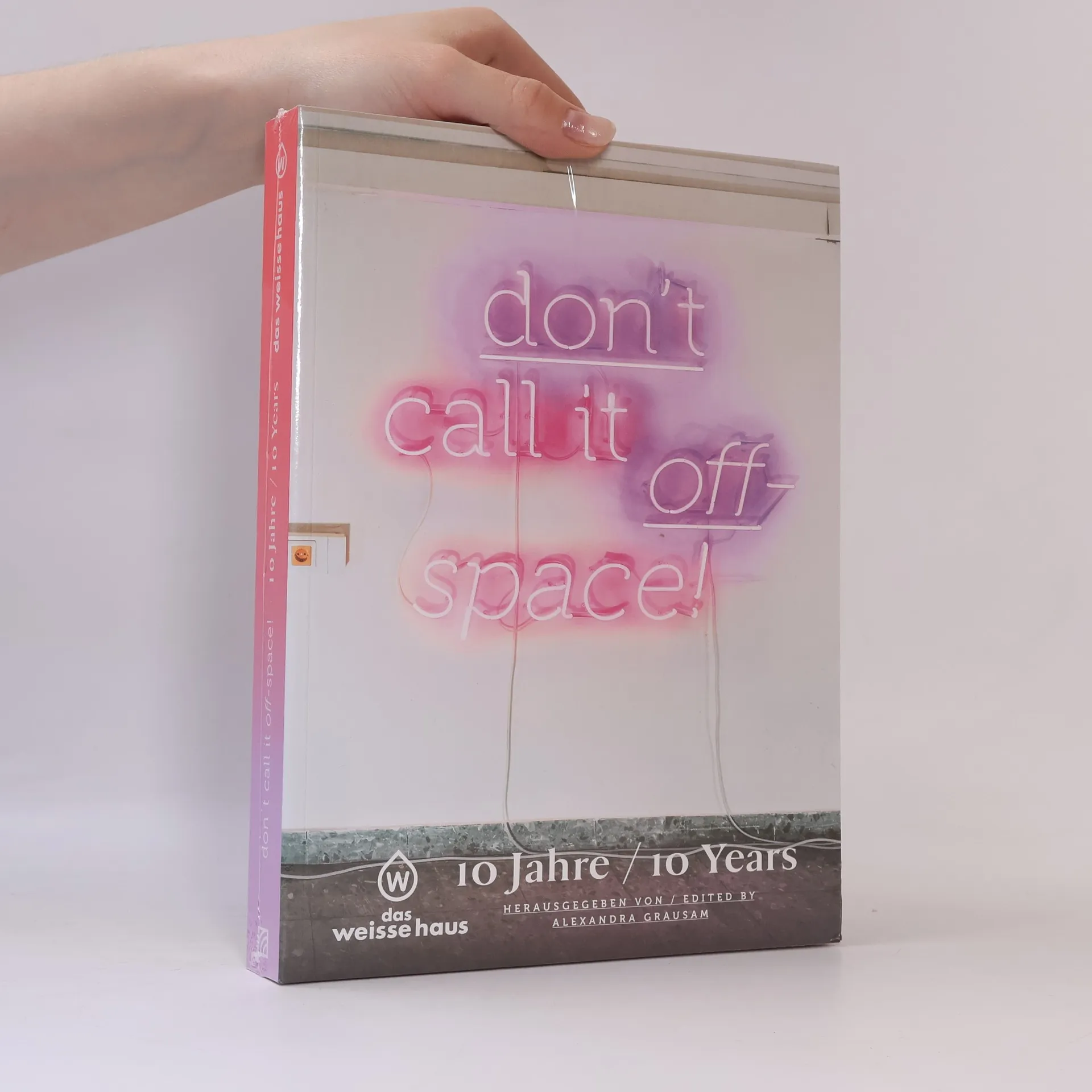
Es logierte bereits in einer Fleischerei, einer Business-Etage, in den Amtsstuben eines Finanzamts und ist derzeit in einer Schule zu Hause. Quer durch die Stadt hat das weiße Haus Ausstellungen an sechs Stationen gezeigt, mit 'studio das weiße haus' ein Artist-in-Residence-Programm sowie Ateliers für lokale Kunstschaffende entwickelt. Es war eine der ersten Institutionen Wiens, die den Austausch von Kuratoren und Kultur-Journalisten ins Programm aufgenommen hat. In Zusammenarbeit mit dem Austrian Cultural Forum New York und der Erste Group wurde der Erste Bank MehrWERT Kunstpreis etabliert, ebenso wie Kooperationen mit nationalen und internationalen Universitäten und Kulturinstitutionen. In zehn Jahren wurden in den 'weißen Häusern' Böden geschrubbt, Dächer poliert, Wände eingerissen und Positionen von rund 650 nationalen und internationalen Künstlerinnen und Künstlern gezeigt. Das weiße Haus hat sich zu einer der umtriebigsten Locations der Stadt entwickelt und ist eine Plattform für meist junge Kunstschaffende. Die Publikation fasst dies zusammen, basierend auf Themen wie Institutionalisierung, Nomadentum, ortsspezifisches Arbeiten, die Hinterfragung einer feministischen Arbeitsweise und den aktuellen Status der New Media. Die Texte sind teils bereits publiziert und größtenteils neu geschrieben von international anerkannten Autorinnen und Autoren.
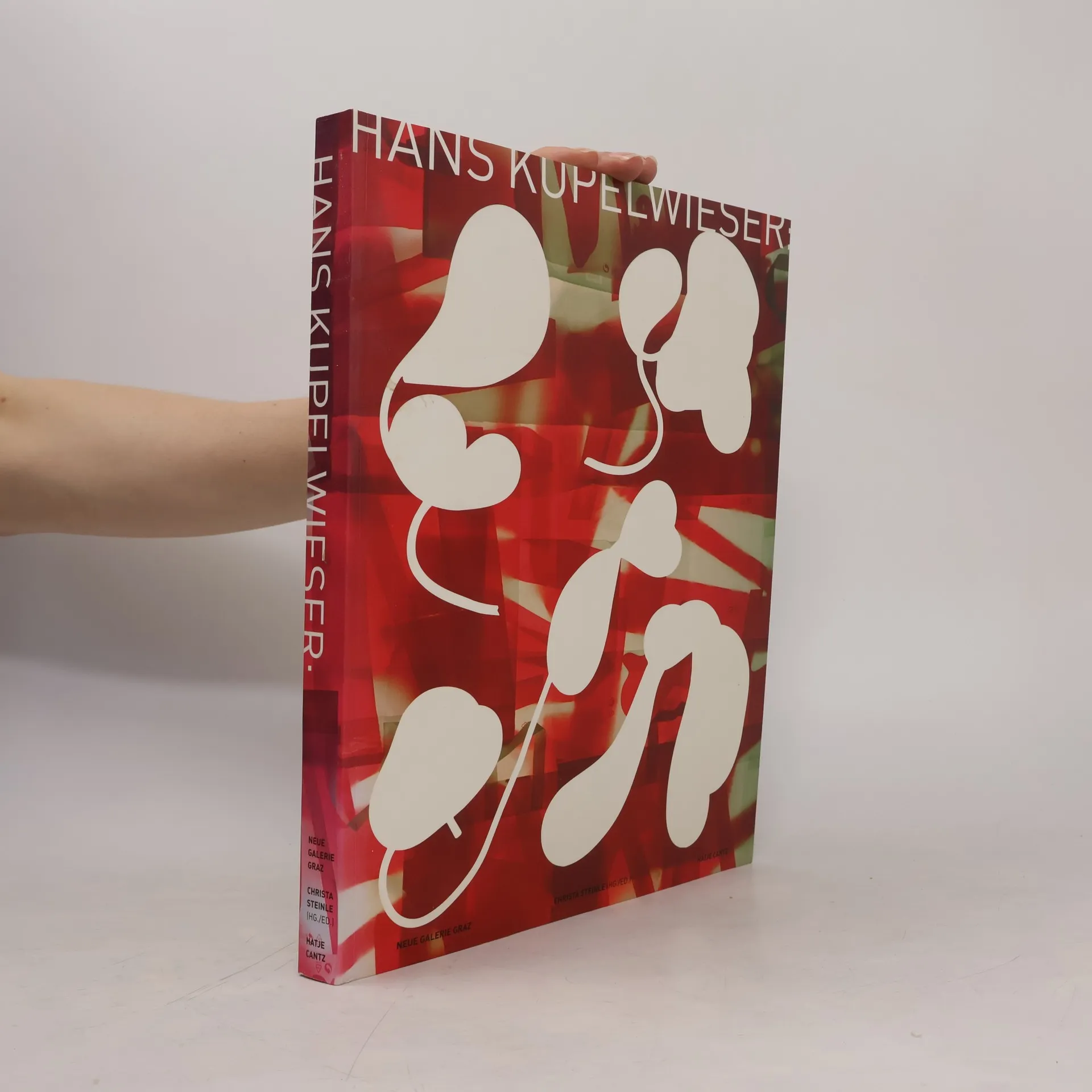
Hans Kupelwieser (*1948 in Lunz) nimmt neben Erwin Wurm und Franz West eine dritte eigenständige Position in der zeitgenössischen österreichischen Skulptur ein, die eine wesentliche Weiterentwicklung des Skulpturenbegriffs in der Nachmoderne darstellt. Von Beginn an verwendet er neue Materialien nicht nur im Feld des Experimentellen wie die Arte povera, sondern in einer Art linguistischer Ausführung operiert er auch mit neuen Bedeutungen dieser Materialien. Eine flache Gummiskulptur oder massive Stahlskulptur, in die Buchstaben als Leerstellen gestanzt werden, die Textzitate bekannter Philosophen wiedergeben, dienen beispielsweise als Paravent und werden so einer neuen Funktion zugeführt. Diese Verschränkung von Materialerweiterung und Operationserweiterung zwischen Form und Funktion ist das Analysefeld von Hans Kupelwieser. Mit zahlreichen großformatigen Abbildungen gibt der Band einen Überblick über die aktuelle Schaffensperiode des Bildhauers mit einigen Referenzwerken aus früheren Perioden. Dabei werden auch seine fotografischen Arbeiten einbezogen, die gleichberechtigt neben und in einem engen Zusammenhang mit seinen Skulpturen stehen. Ausstellung: Neue Galerie Graz am Landesmuseum Joanneum 8.5.-20.6.2004 PETER WEIBEL (*1944) ist sowohl Medienwissenschaftler wie auch Medienkünstler. Mit seinem Œuvre wurde er international berühmt und prägt bis heute Medien- und Kunstdiskurse. Seit 1999 ist er Leiter des ZKM, Karlsruhe.
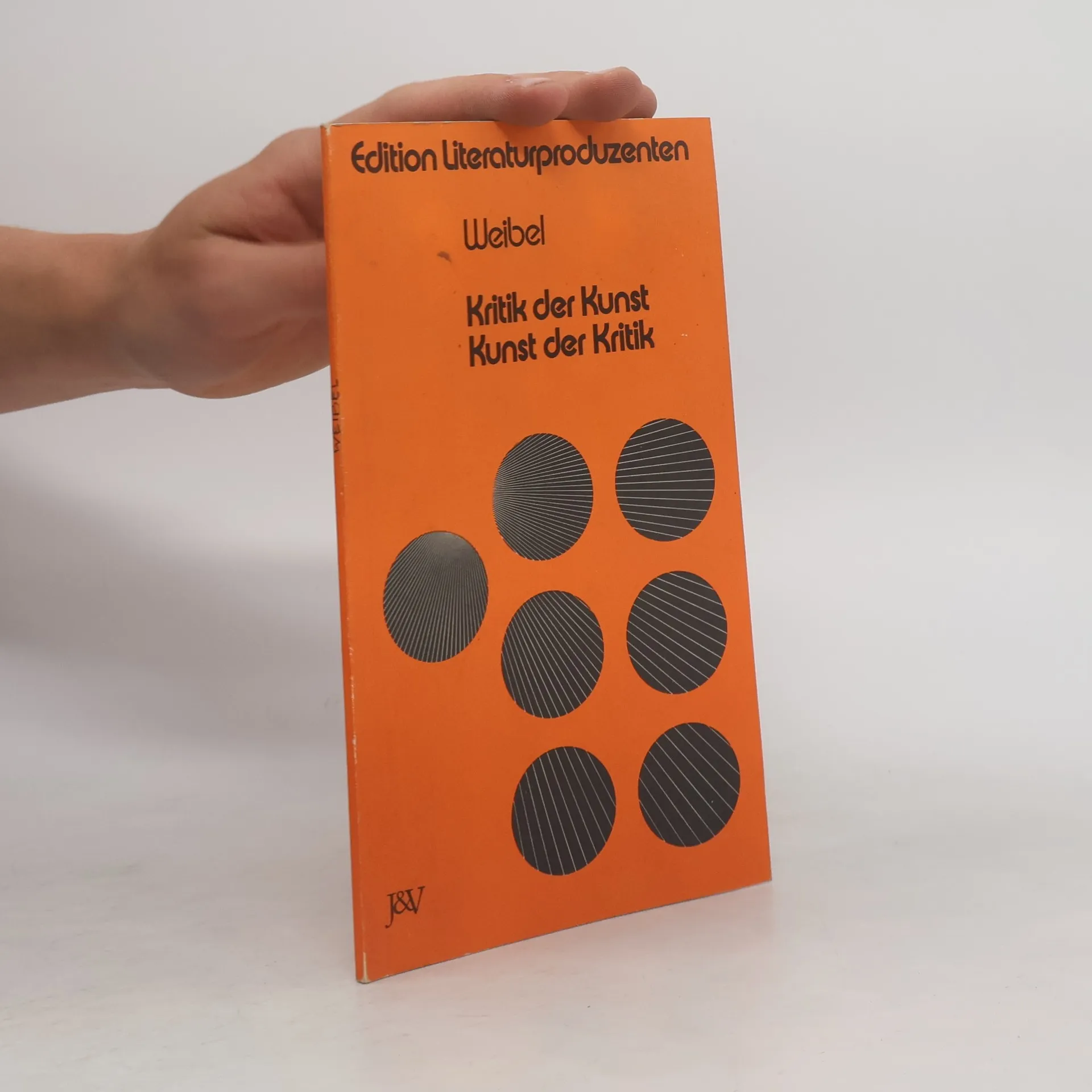
Edition Literaturproduzenten: Kritik der Kunst, Kunst der Kritik
Es says & I say. [Illustr.]
- 69 pages
- 3 hours of reading
German
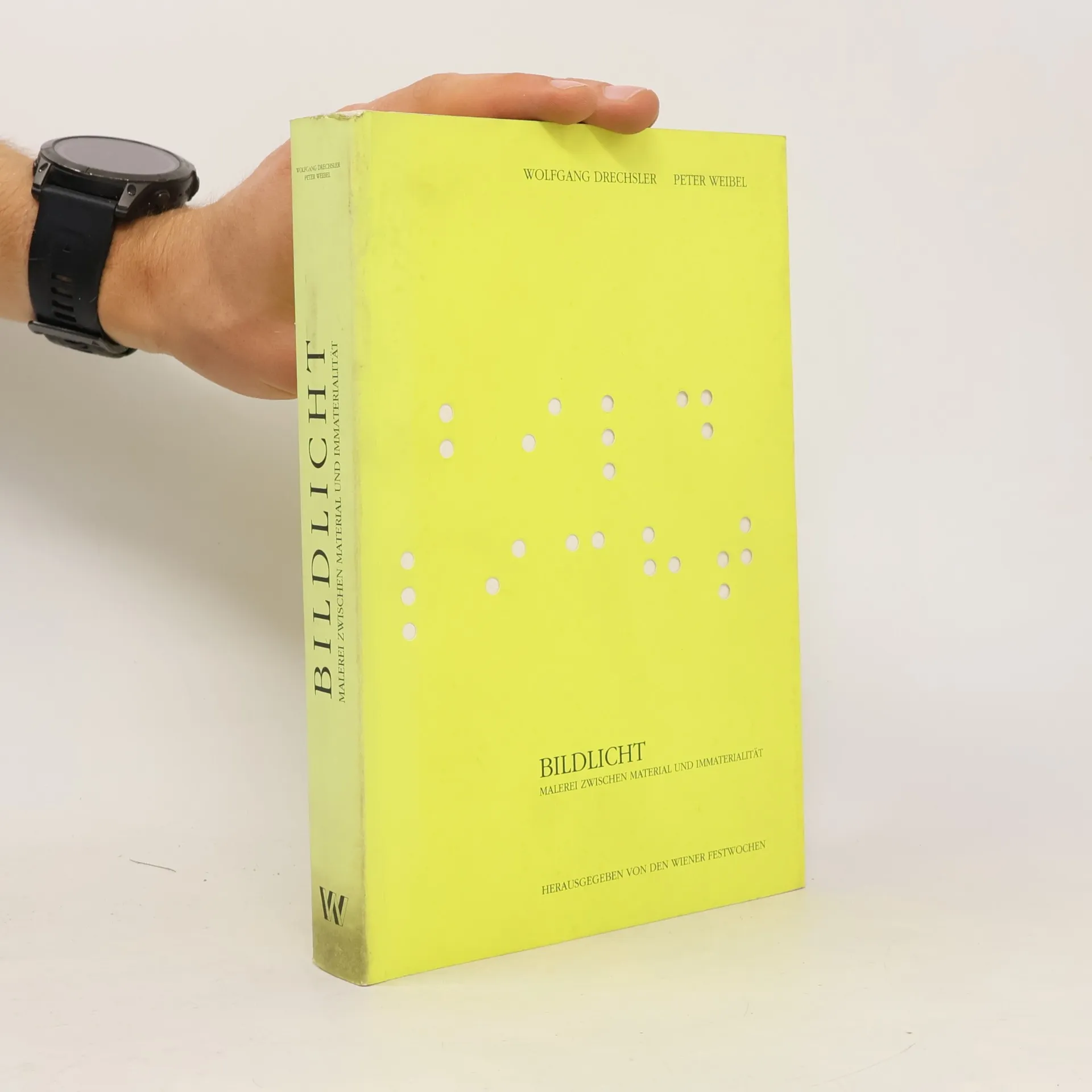
Bildlicht
- 351 pages
- 13 hours of reading
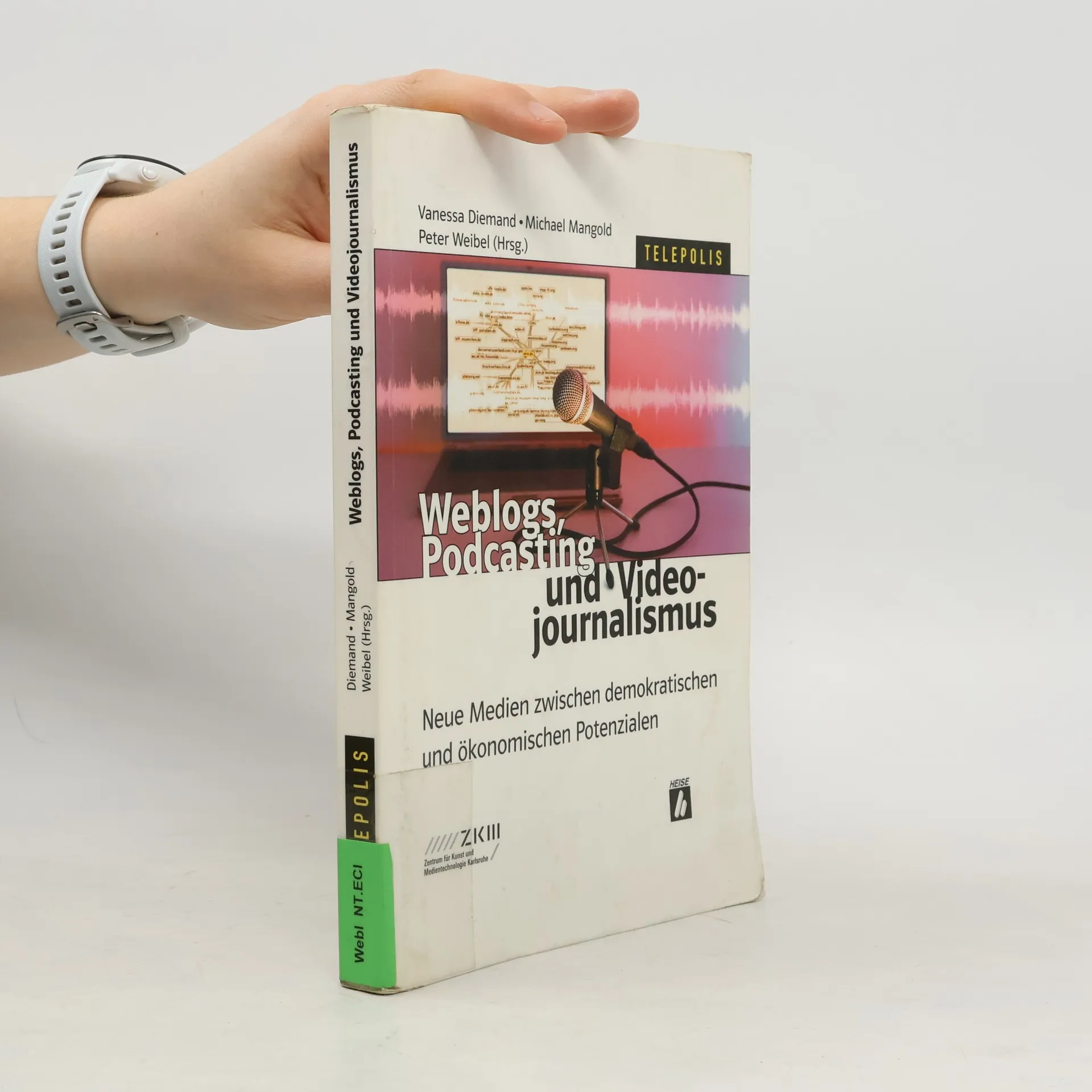
Weblogs, Podcasting und Videojournalismus
Neue Medien zwischen demokratischen und ökonomischen Potenzialen
- 226 pages
- 8 hours of reading
Die zunehmende Verbreitung von Weblogs, Podcasting und Videojournalismus revitalisiert Erwartungen, die bereits in den 1990er Jahren mit dem Internet verbunden waren: Führt die Nutzung jener Technologien zu mehr Demokratie, neuen Formen des Journalismus, neuen wirtschaftlichen Impulsen? Der vorliegende Band untersucht abseits von Euphorie und Kulturpessimismus die demokratischen und ökonomischen Potenziale der neuen Kommunikationsformate. Dies wird aufgrund der perspektivischen Vielseitigkeit der Beiträge realisiert: Sowohl private Anwender als auch Akteure aus der Wirtschaft stellen ihren Umgang mit den aktuellen Medientechnologien dar - der Blickwinkel der Praxis wird schließlich durch Beiträge aus der interdisziplinären Forschung erweitert.
German, English
Peter Weibel, das offene Werk
- 912 pages
- 32 hours of reading
Die Publikation widmet sich dem Frühwerk des international anerkannten Medien- und Konzeptkünstlers Peter Weibel von 1964 bis 1979. Weibel begann 1964 als visueller Poet und übertrug bald die Strukturen der visuellen Kultur von der Seite auf den Bildschirm, während er das Modell der Sprache als Wahrnehmungsmodell im Sinne strukturalistischer und post-strukturalistischer Methoden beibehielt. Diese Entwicklung antizipierte zahlreiche Tendenzen, die später als Konzeptkunst, Kontextkunst und institutionelle Kritik bezeichnet wurden. Ab 1966 wandte Weibel partizipatorische und interaktive Praktiken an, die in Closed-Circuit-Videoinstallationen der frühen 1970er Jahre und den ersten interaktiven Computerinstallationen 1980 mündeten. Mit Beiträgen renommierter Autoren sowie Kurztexten, Manifesten und Flugblättern von Weibel selbst bietet die Publikation einen instruktiven und umfassenden Einblick in sein einflussreiches Schaffen. Peter Weibel, 1944 in Odessa geboren, ist Künstler, Ausstellungskurator und Kunst- sowie Medientheoretiker. Er studierte Literatur, Film, Mathematik, Medizin und Philosophie in Wien und Paris und hatte Lehraufträge im In- und Ausland. Von 1986 bis 1995 war er künstlerischer Berater der Ars Electronica in Linz. Seit 1993 ist er Chefkurator an der Neuen Galerie Graz und Vorstand des Zentrums für Kunst und Medientechnologie in Karlsruhe.
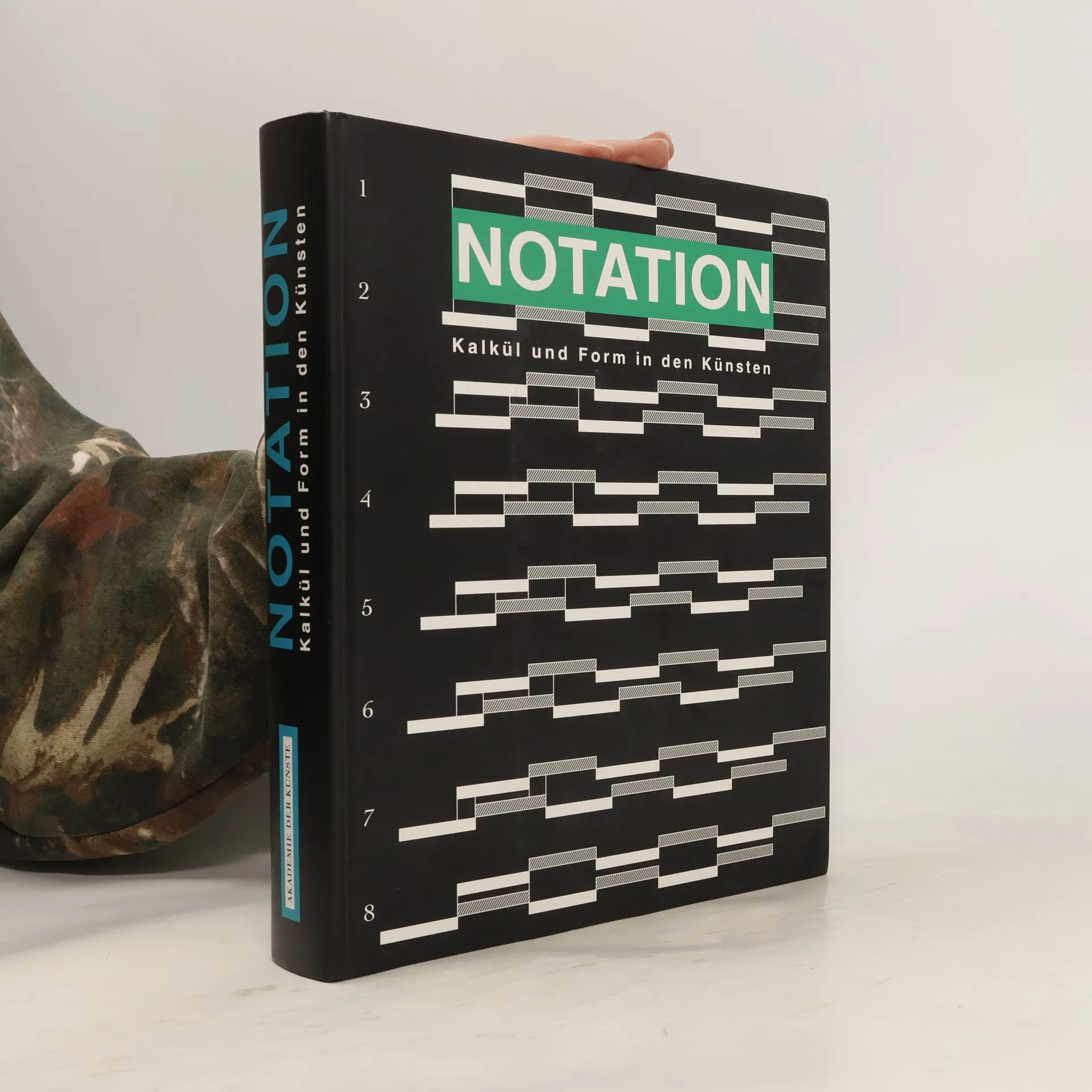
Die Notation verhalte sich zur Improvisation wie das Porträt zum lebendigen Modell, schrieb Ferruccio Busoni 1916 in seinem Entwurf einer neuen Ästhetik der Tonkunst. Der Vortragende habe die Starrheit der Zeichen aufzulösen und in Bewegung zu bringen. Diese Bewegung wirft Fragen zur Bestimmtheit und Unbestimmtheit des Kunstwerks auf. Im 20. Jahrhundert wurde das Verhältnis von Entwurf, Aufzeichnung, Wiederholung, Reproduktion und Werk radikal neu gefasst. 'Notation. Kalkül und Form in den Künsten' thematisiert diese Entwicklungen und stellt für alle Künste die Fragen nach dem offenen Kunstwerk und der Zeitlichkeit künstlerischer Übersetzung, sei es in Musik, Malerei, Architektur, Tanz, Literatur oder experimentellem Film. Technische Medien, beginnend mit der Fotografie, haben diese Fragen in die Zeit gesetzt. Der Katalog zur Ausstellung in der Berliner Akademie der Künste und dem ZKM Karlsruhe untersucht die künstlerischen Prozesse zwischen Konzept und Werk. Er bringt Arbeiten aus allen Kunstbereichen von 1900 bis heute in Beziehung: Partituren und Notationssysteme zu Literatur, Musik, Malerei, Choreografie, Architektur, Fotografie, Film und Medienkunst. Ausgewählte Künstler der Ausstellung umfassen Antonin Artaud, Walter Benjamin, John Cage, Paul Klee, Bridget Riley und viele andere.
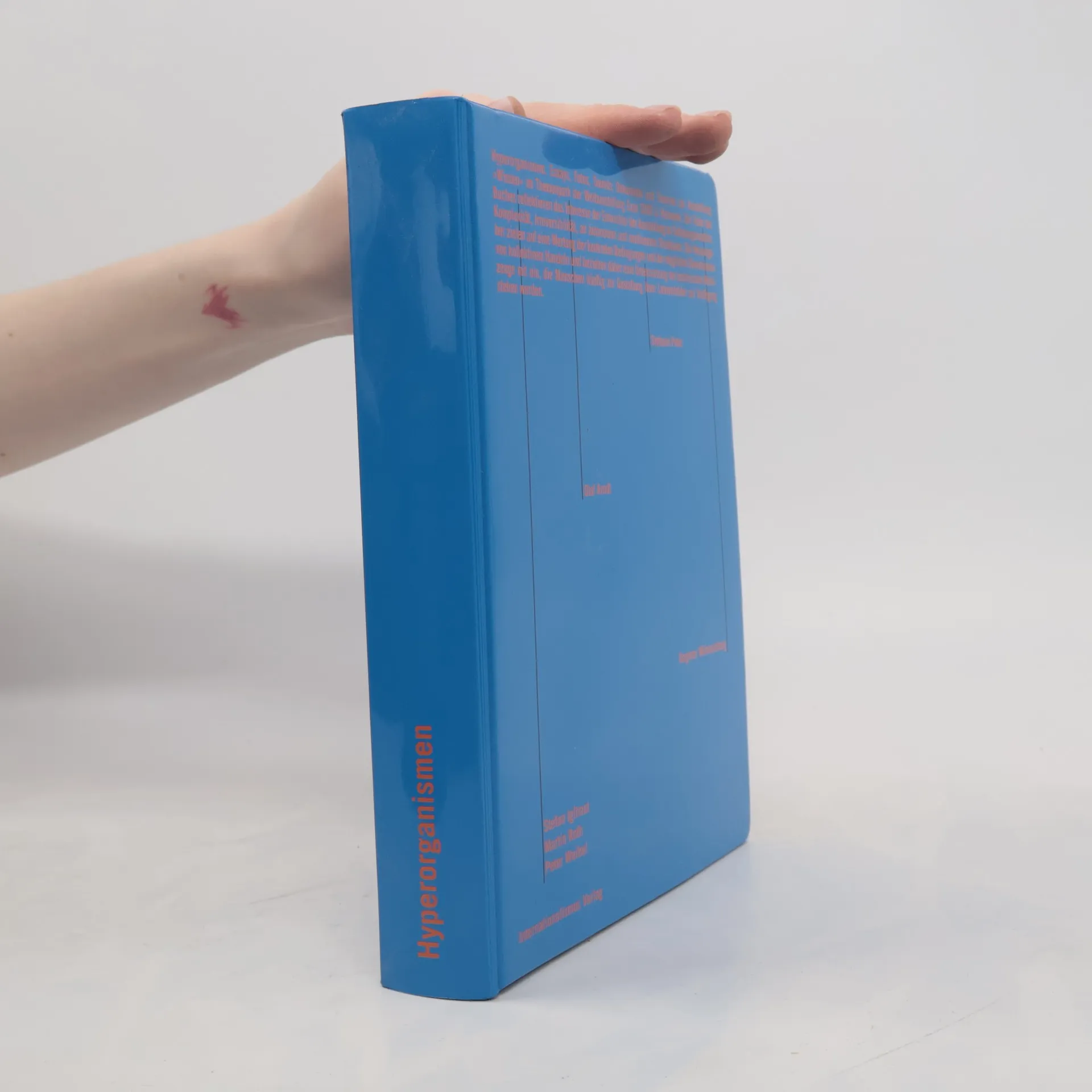
Hyperorganismen
- 451 pages
- 16 hours of reading
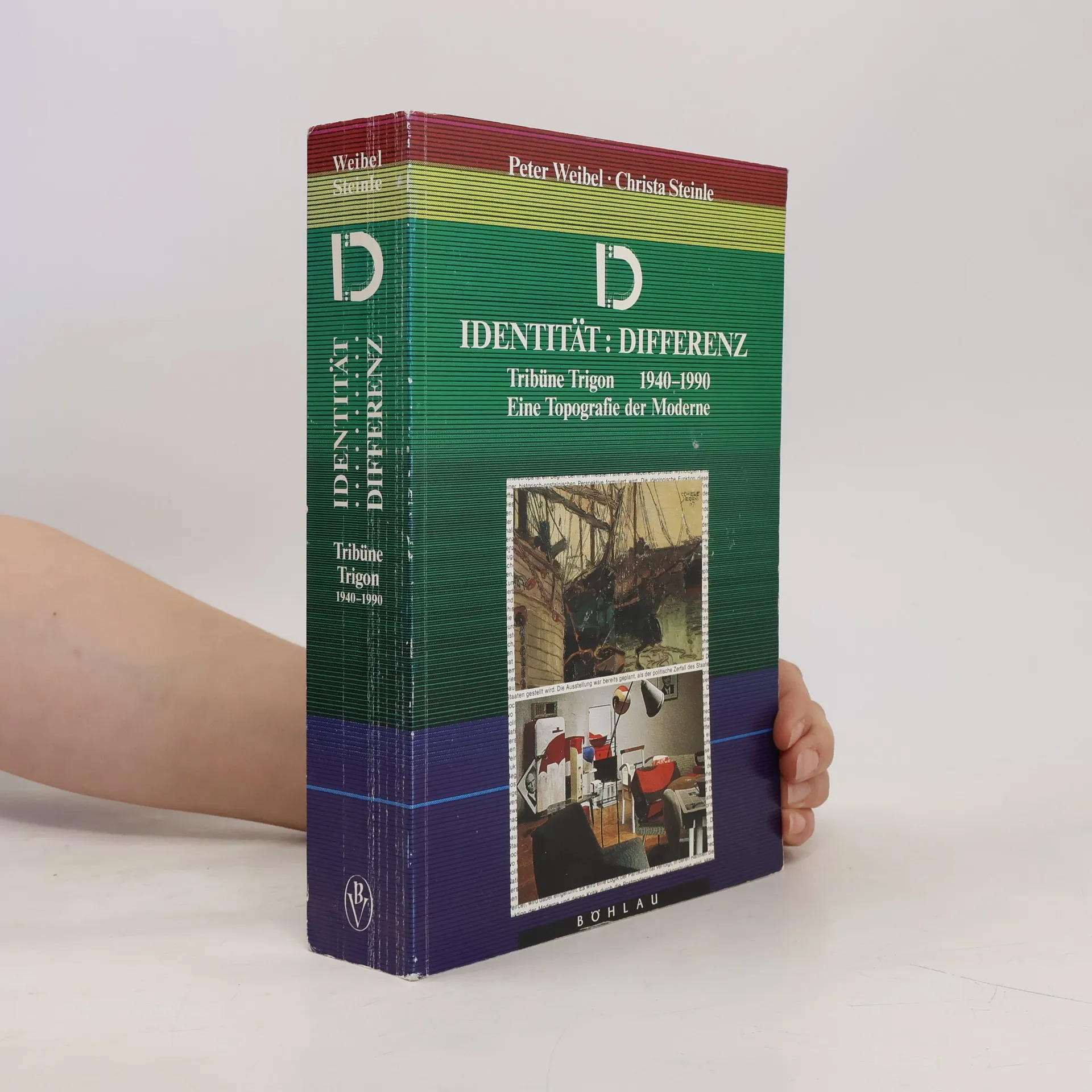
Identität: Differenz
Tribüne Trigon 1940-1990 Eine Topografie der Moderne
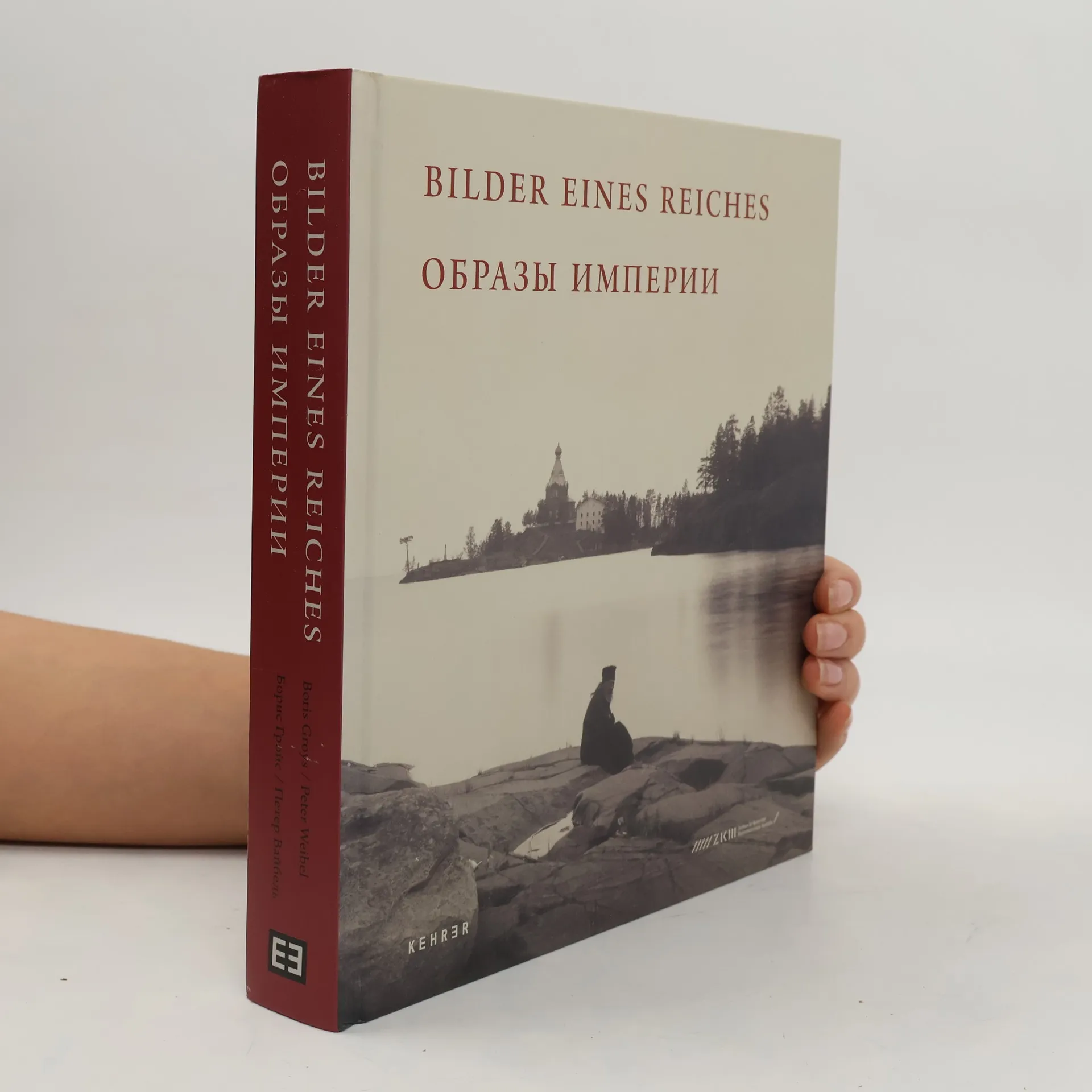
Bilder eines Reiches
- 397 pages
- 14 hours of reading
Der vorliegende Band präsentiert bislang unveröffentlichtes Bildmaterial, das auf eindrückliche Weise das Leben im russischen Reich im 19. Jahrhundert dokumentiert. Im Auftrag des Zaren versuchten Fotografen in den 1860er- und 1870er-Jahren, das für die damalige Zeit neue Medium Fotografie zur systematischen Dokumentation unterschiedlicher Facetten des Lebens im gesamten russischen Reich zu nutzen: verschiedene Bevölke rungsschichten, Völker, Landschaften, Städte, industrielle Projekte, traditionelle Bräuche, Kriegsereignisse und Gefängnisse.?? Da Fotografie meist im privaten oder kommerziellen Rahmen verwendet wurde, stellen diese Bilder einen interessanten sozialgeschichtlichen Sonderfall dar, und in gewisser Weise fungieren sie auch als visuelle Fortschreibungen der russischen realistischen Literatur der damaligen Zeit. Obwohl die Doku mentationsprojekte von offiziellen Stellen unterstützt wurden, werfen die Bilder einen realistischen, illusionslosen Blick auf das vorrevolutionäre Russland. Das Buch versammelt erstmals mehr als 300 Fotos von fünf russischen Museen und zwei privaten Leihgebern und erschließt dadurch eine immer noch wenig bekannte Epoche in der Entwicklung des Mediums Fotografie.
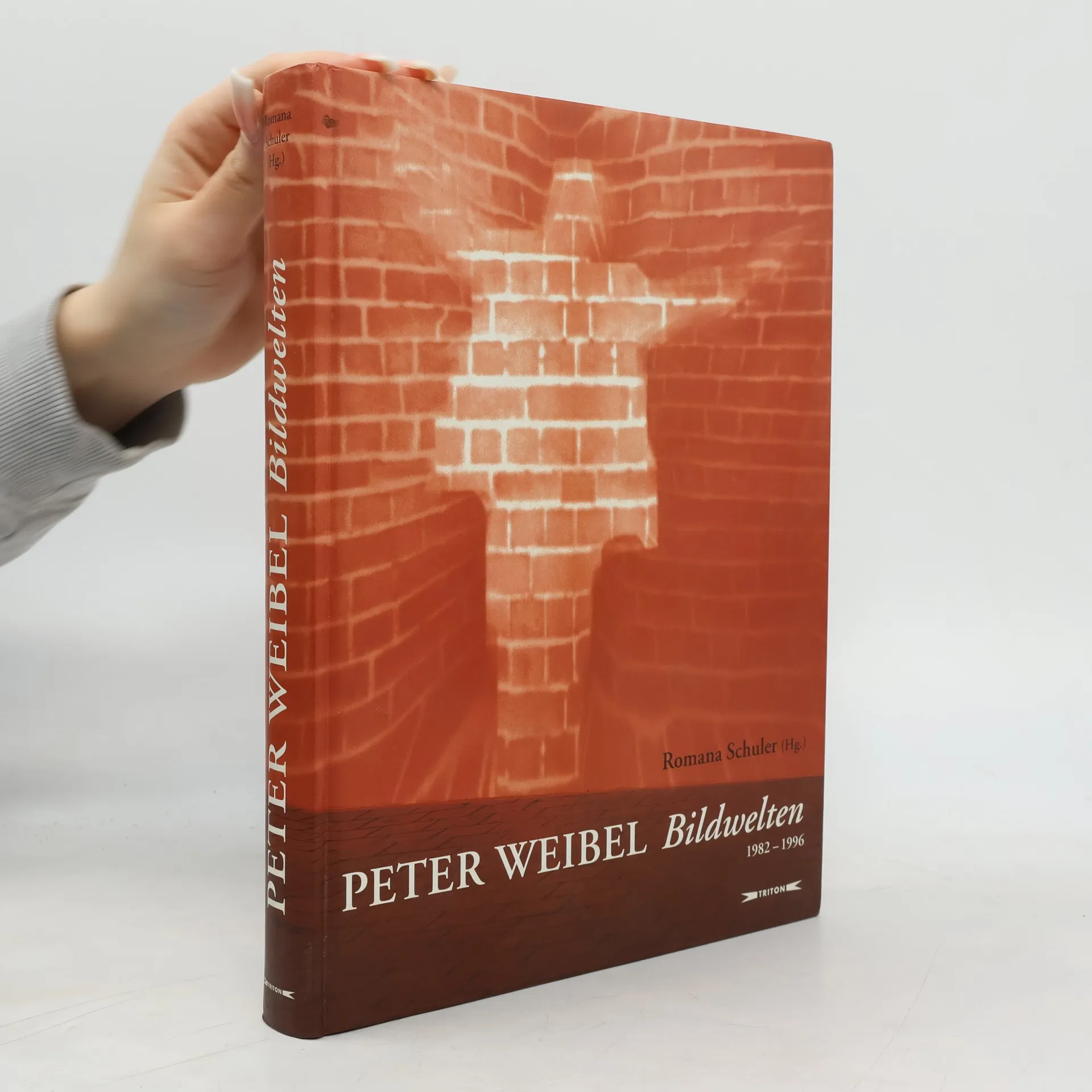
Bildwelten
- 315 pages
- 12 hours of reading
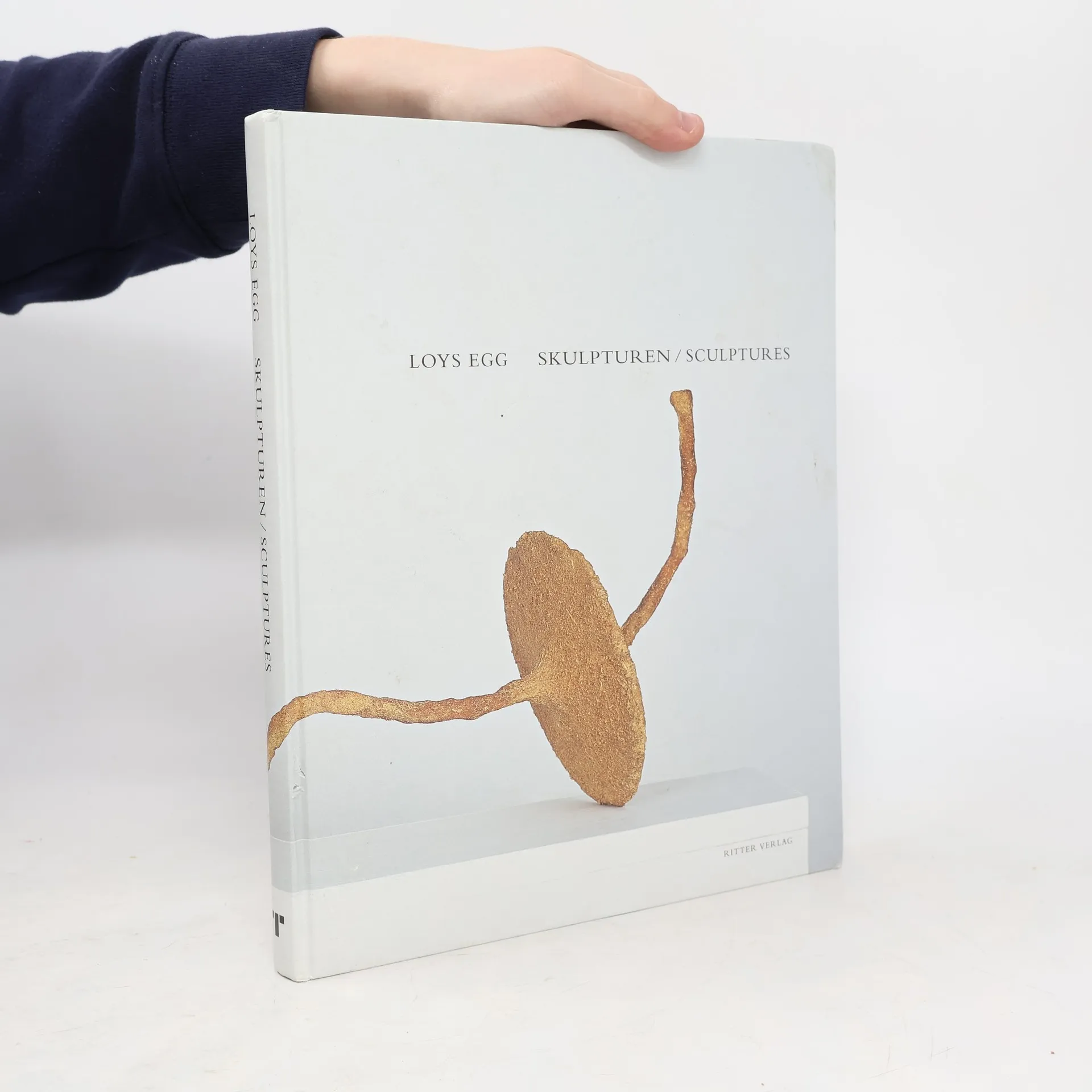
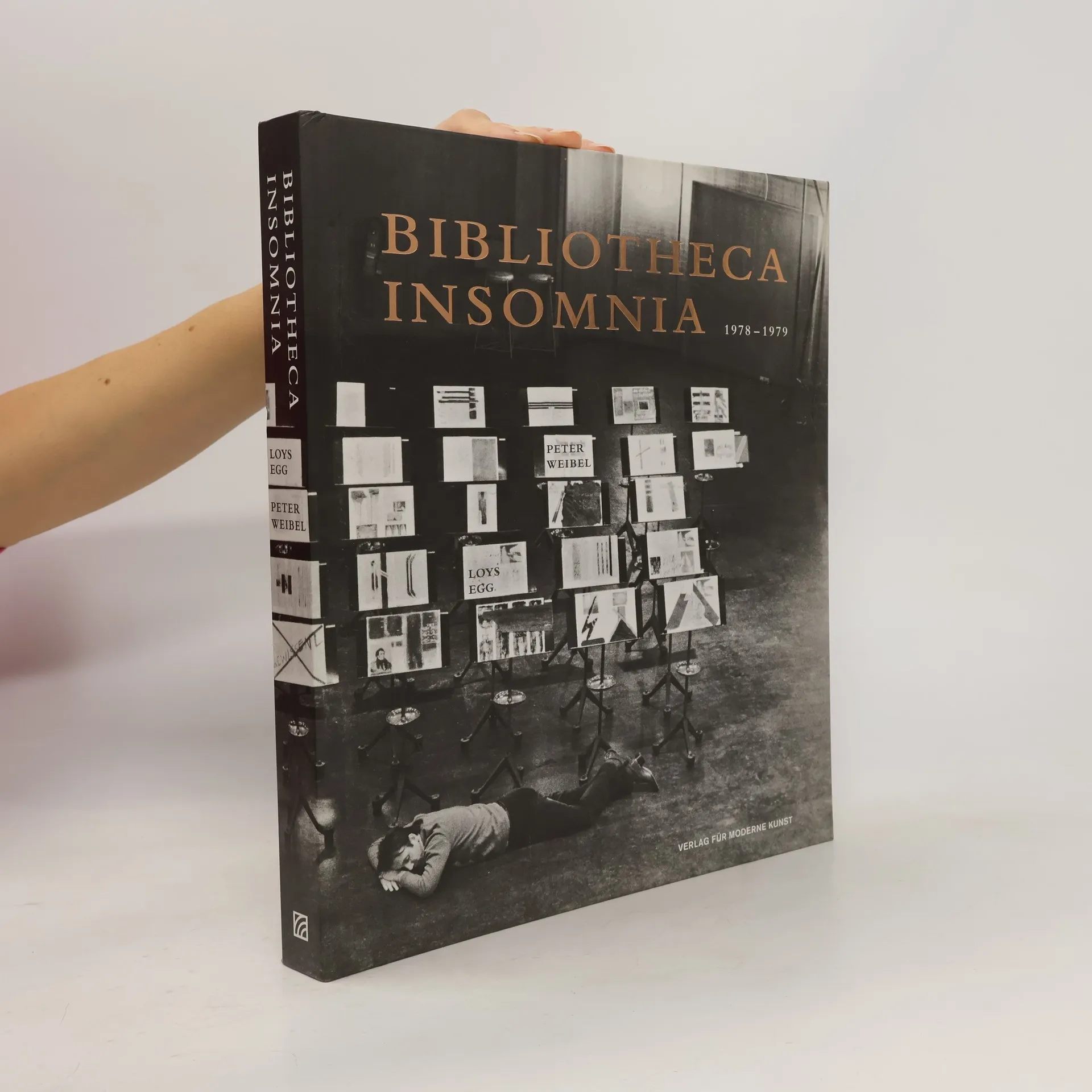
This book presents a collaborative work from 1978–1979 by Austrian artist Peter Weibel (born 1944) and Swiss artist Loys Egg (born 1947). Biblioteca Insomnia consists of 170 works on paper, each of which was created by one artist and augmented with media and text by the other.
Intelligente Ambiente
Intelligent Environment
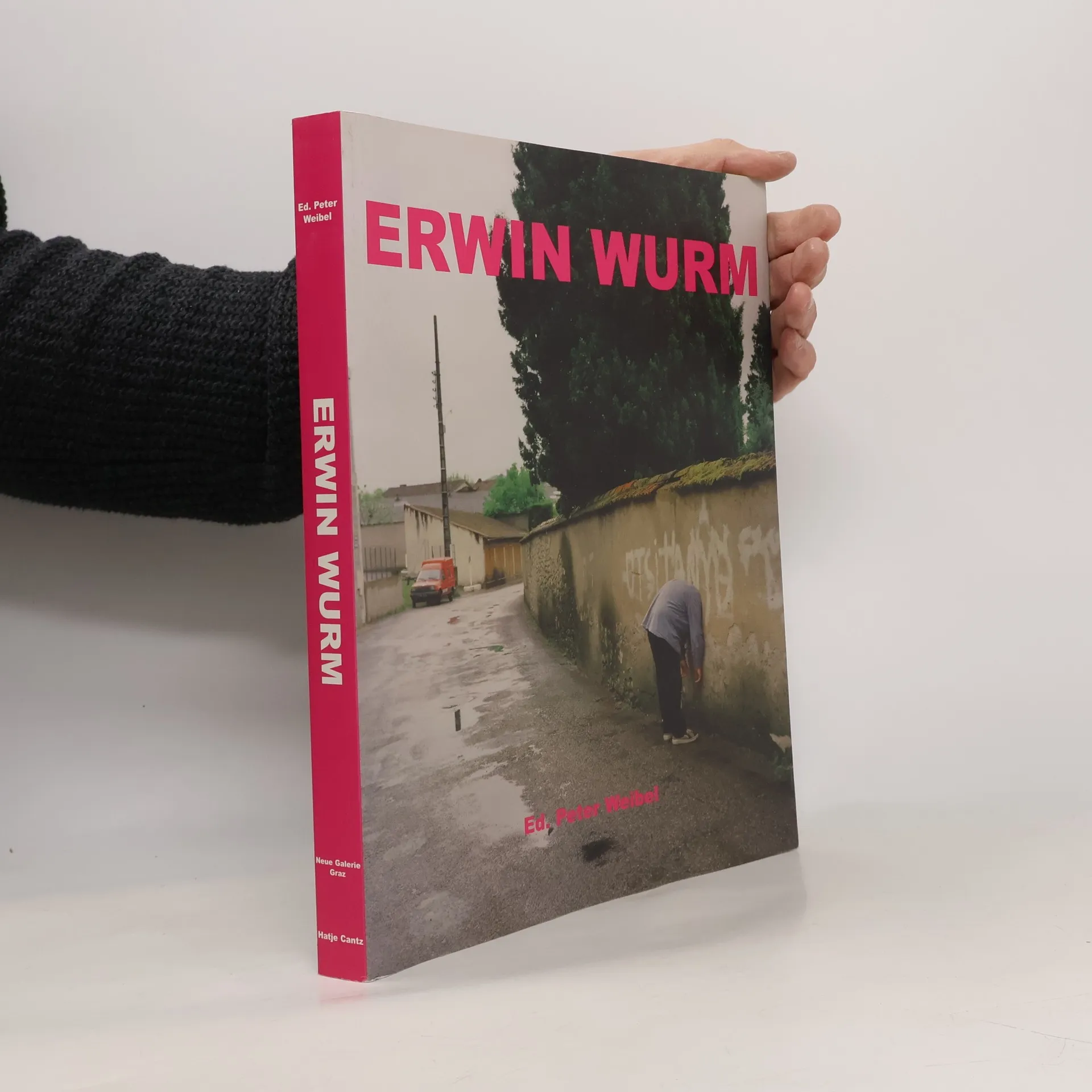
Erwin Wurm
- 280 pages
- 10 hours of reading
Erwin Wurm is a sculptor who does not mold clay, chisel stone, or carve wood. Instead, he provides objects such as pullovers, brooms, and boxes to spectators who are then meant to do something with these objects. The resulting situations, in which a person pulls on a pullover, or balances a broom, or puts a box over her head, are grotesque, unstable, and very temporary, and all that remains of them afterwards are photographs and videos of their short life. In dynamic works such as these, which Wurm collectively titles "One Minute Sculptures," the very concept of sculpture is challenged and expanded, continuing a line of inquiry begun with Marcel Duchamp's ready-mades and furthered by Bruce Nauman and Gilbert & George's performative sculpture works. Wurm is similarly concerned with reinvigorating the static, unchanging art object by introducing ideas of process, action, and the living body, but he adds an element of time to the mixture, insisting on spontaneity, brevity, and endless permutations. Fat Survival provides a broad survey of Wurm's oeuvre from the early 1990s to the present.
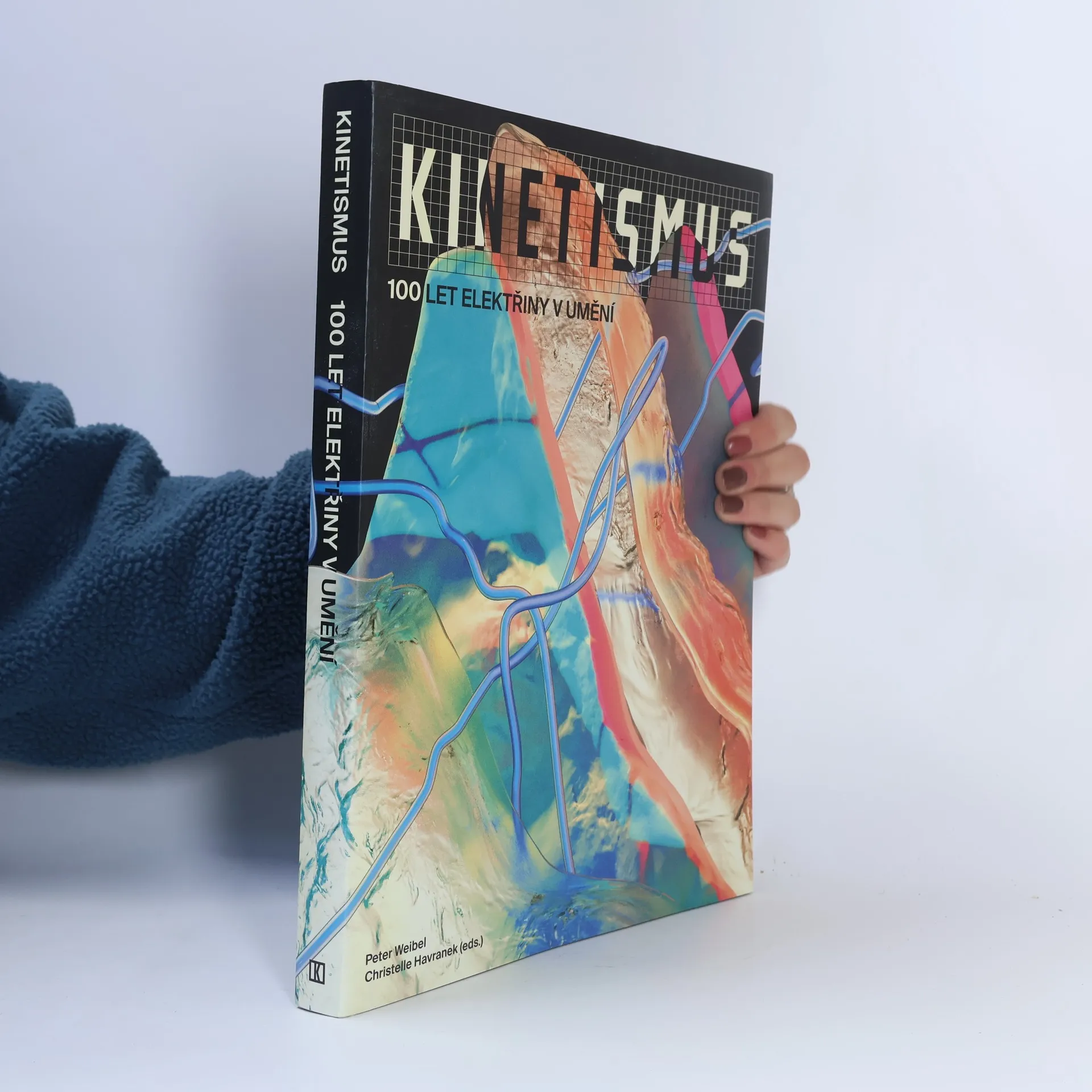
Kinetismus: 100 let elektřiny v umění
- 269 pages
- 10 hours of reading
Od chvíle, kdy se elektřina stala všudypřítomnou, umělci objevují její široké možnosti ve svém díle. Katalog zkoumá proměnu umělecké praxe od roku 1920 do současnosti, přičemž se zaměřuje na kinematografii, zvuk, kinetické sochy, počítačové umění a imerzivní instalace. Historická perspektiva ukazuje, jak elektřina, od umělého osvětlení po výpočetní techniku, formuje naši společnost. Publikace obsahuje esej Petera Weibela, autora koncepce výstavy, a čtyři tematické kapitoly od spolu-kurátorky Lívií Nolasco-Rózsás. Dále jsou zde popisy a reprodukce klíčových děl umělců jako Mary Ellen Bute, William Kentridge, Christina Kubish, Zdeněk Pešánek, Anna Ridler, Nicolas Schöffer, Jeffrey Shaw, Takis, Steina a Woody Vasulka. Koncepci a redakci zajišťují Peter Weibel a Christelle Havranek, zatímco texty přispěli Václav Hájek, Jiří Hájek, Judith Bihr a další. Katalog tak nabízí komplexní pohled na vliv elektřiny na umění a jeho vývoj v průběhu století.
Kamila B. Richter : Ultima Culpa
- 143 pages
- 6 hours of reading
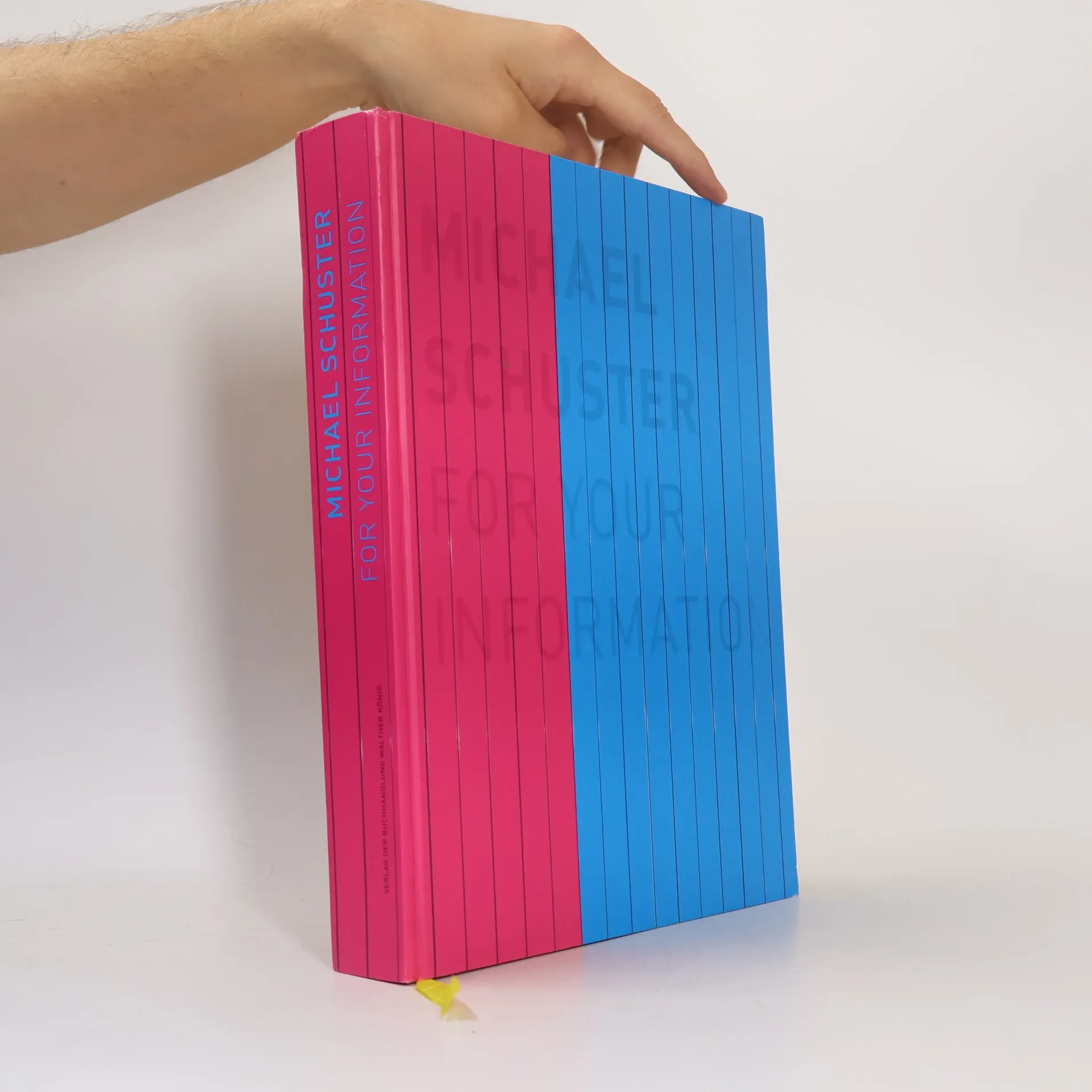
Michael Schuster, For Your Information
- 407 pages
- 15 hours of reading
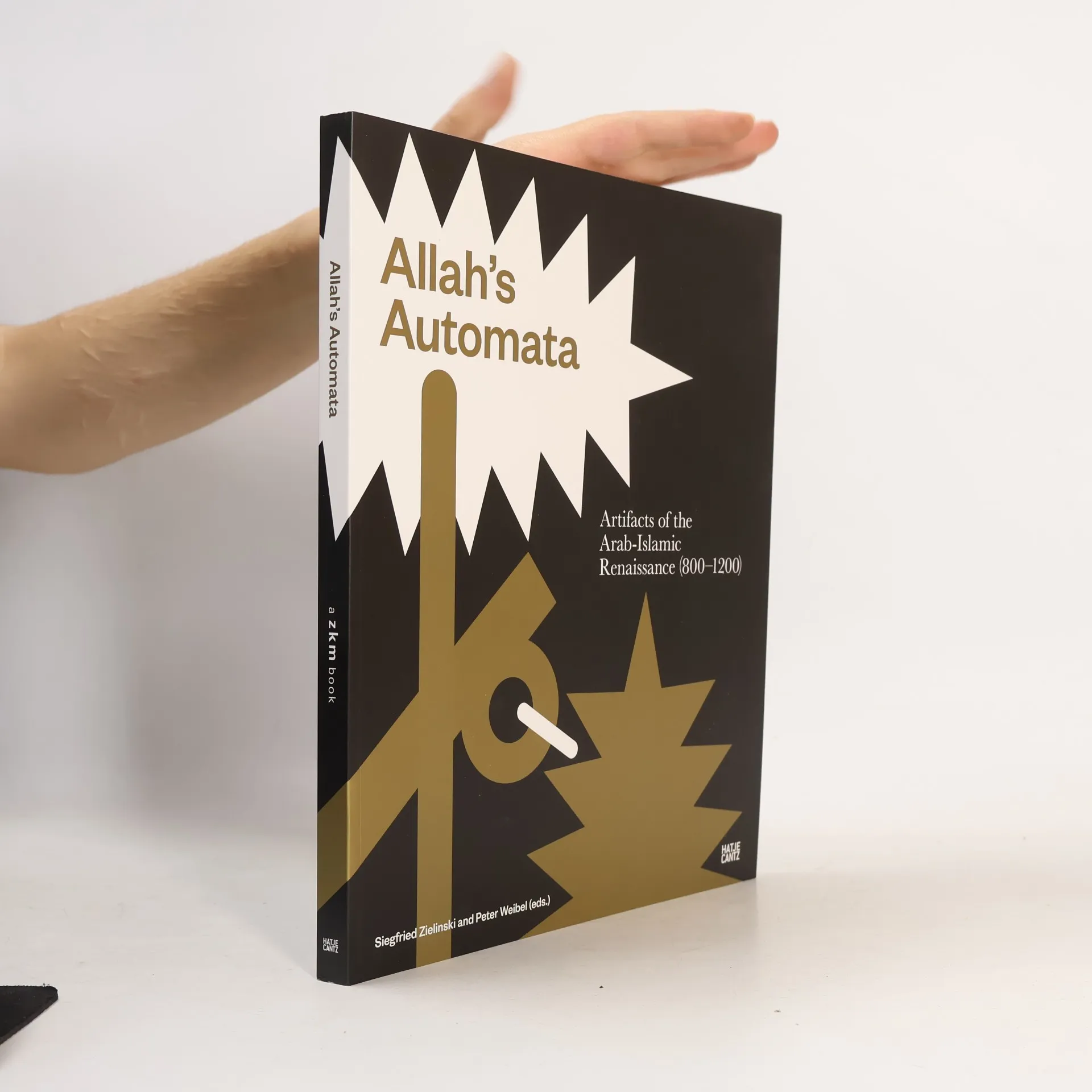
Allah's Automata
- 128 pages
- 5 hours of reading
Jahrhunderte bevor erste Automaten in Europa für Erstaunen sorgten, wurde ihre Technik in arabisch-islamischen Kulturen entwickelt: Bereits zwischen dem 9. und 13. Jahrhundert notierten arabische Gelehrte ihr durch die Übersetzung und Weiterentwicklung antiker Texte und Ideen erworbenes Wissen über Maschinen zur Lobpreisung Gottes des Allmächtigen. Die opulente Publikation stellt vier Meistermanuskripte des Automatenbaus vor: zwei Schriften der Banu Musa ibn Shakir aus der Mitte des 9. Jahrhunderts, eine des Ingenieurs Ibn al-Razzaz al-Jazari, die wohl um 1200 entstanden ist, sowie ein Manuskript des andalusischen Ingenieurs Ahmad ibn Khalaf al-Muradi aus dem 11. Jahrhundert. Begleitende Essays rekonstruieren aus medienarchäologischer Perspektive die Entwicklung der muslimischen Automaten aus den Traditionen von Alexandria, Rom oder Byzanz und eröffnen Ausblicke auf ihre Weiterentwicklung in Europa.
Von den alten Griechen bis zur Gegenwart, vom Buch zum Grammofon, von Gutenberg bis Google – die Veränderungen der Aufzeichnungs-, Speicher- und Übertragungsmedien prägen unsere Kultur. Mit einer sechsbändigen Auswahl seiner Schriften legt Peter Weibel eine Enzyklopädie vor, die alle Bereiche der Medienwelt diskursiv abdeckt. Der Autor ordnet diese Reihe in die Tradition der Aufklärung und der EncyƯclopédie von Denis Diderot und Jean Baptiste le Rond d’Alembert ein. Drei Bände erscheinen im September 2014, drei im Frühjahr 2015. Band 1 behandelt das geƯsamte Spektrum der Architektur unter den BedingunƯgen der Neuen Medien. Band 2 widmet sich den meƯdialen Neuerungen im Bereich der Musik, von autoƯmatischen Kompositionsmethoden bei Mozart bis zur Theorie einer molekularen Musik. Band 3 thematisiert den Einfluss der Neuen Medien auf die Kunst und zeigt etwa, wie das Bild interaktiv und der Betrachter Teil des Werkes wird, wie Realität die Repräsentation ersetzt. Literatur, Politik und Theorie im Kontext der Neuen Medien sind die Themen der weiteren Bände.