Die Bändigung des Zufalls
- 268 pages
- 10 hours of reading


Ian Hacking is Professor Emeritus of Philosophy at the University of Toronto, specializing in the history of science. His work delves into the history and philosophy of science, particularly in the fields of probability, statistics, psychiatry, and biology. Hacking explores how scientific knowledge and methods shape our reality and our understanding of the world. His approach often draws on historical case studies to analyze the philosophical implications of scientific inquiry.

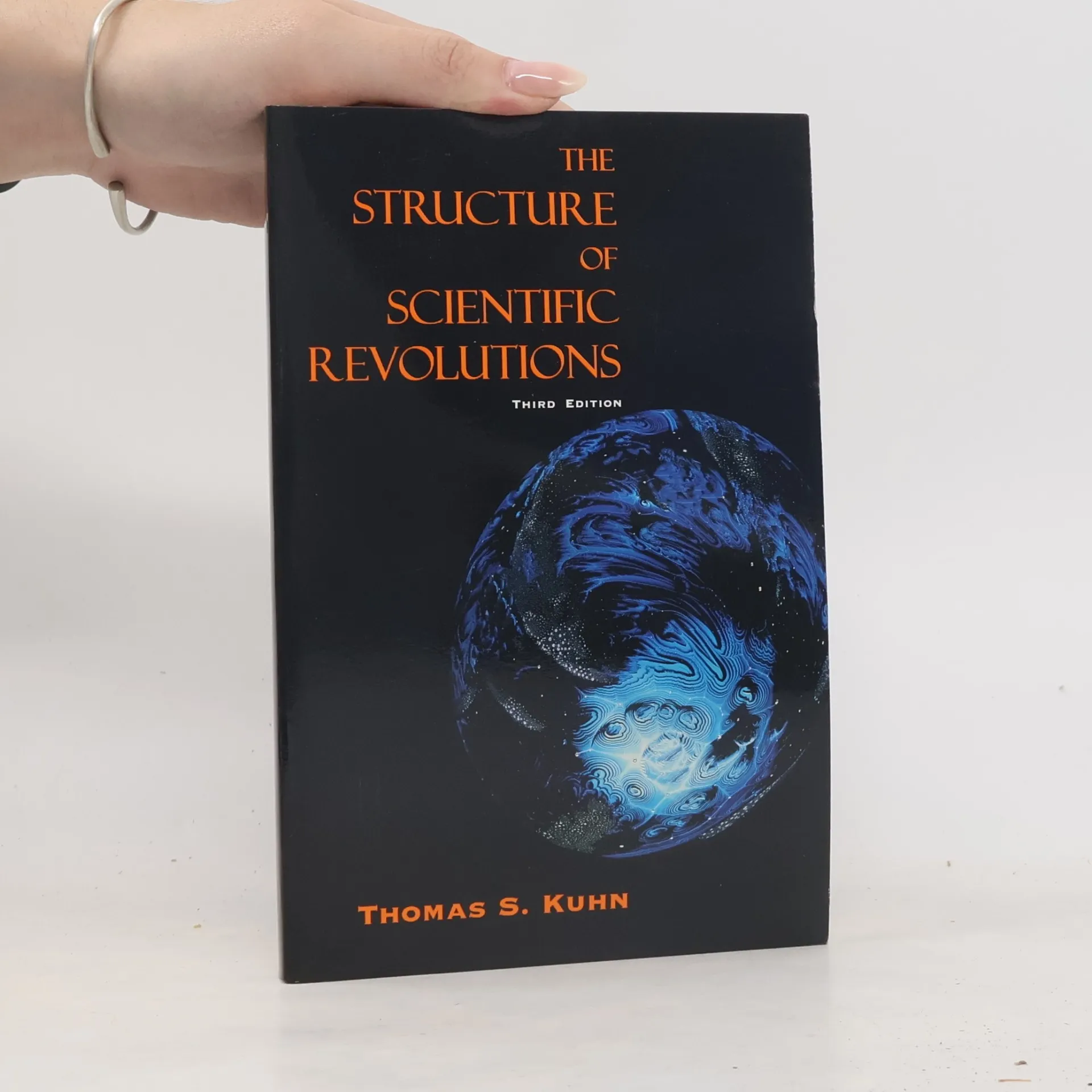


Thomas S. Kuhn's work explaining the process of scientific discovery. This text is the third edition and incorporates a new index.
Paul Feyerabend’s globally acclaimed work, which sparked and continues to stimulate fierce debate, examines the deficiencies of many widespread ideas about scientific progress and the nature of knowledge. Feyerabend argues that scientific advances can only be understood in a historical context. He looks at the way the philosophy of science has consistently overemphasized practice over method, and considers the possibility that anarchism could replace rationalism in the theory of knowledge. This updated edition of the classic text includes a new introduction by Ian Hacking, one of the most important contemporary philosophers of science. Hacking reflects on both Feyerabend’s life and personality as well as the broader significance of the book for current discussions.
Includes an introduction, contextualizing his book in light of developing philosophical trends.
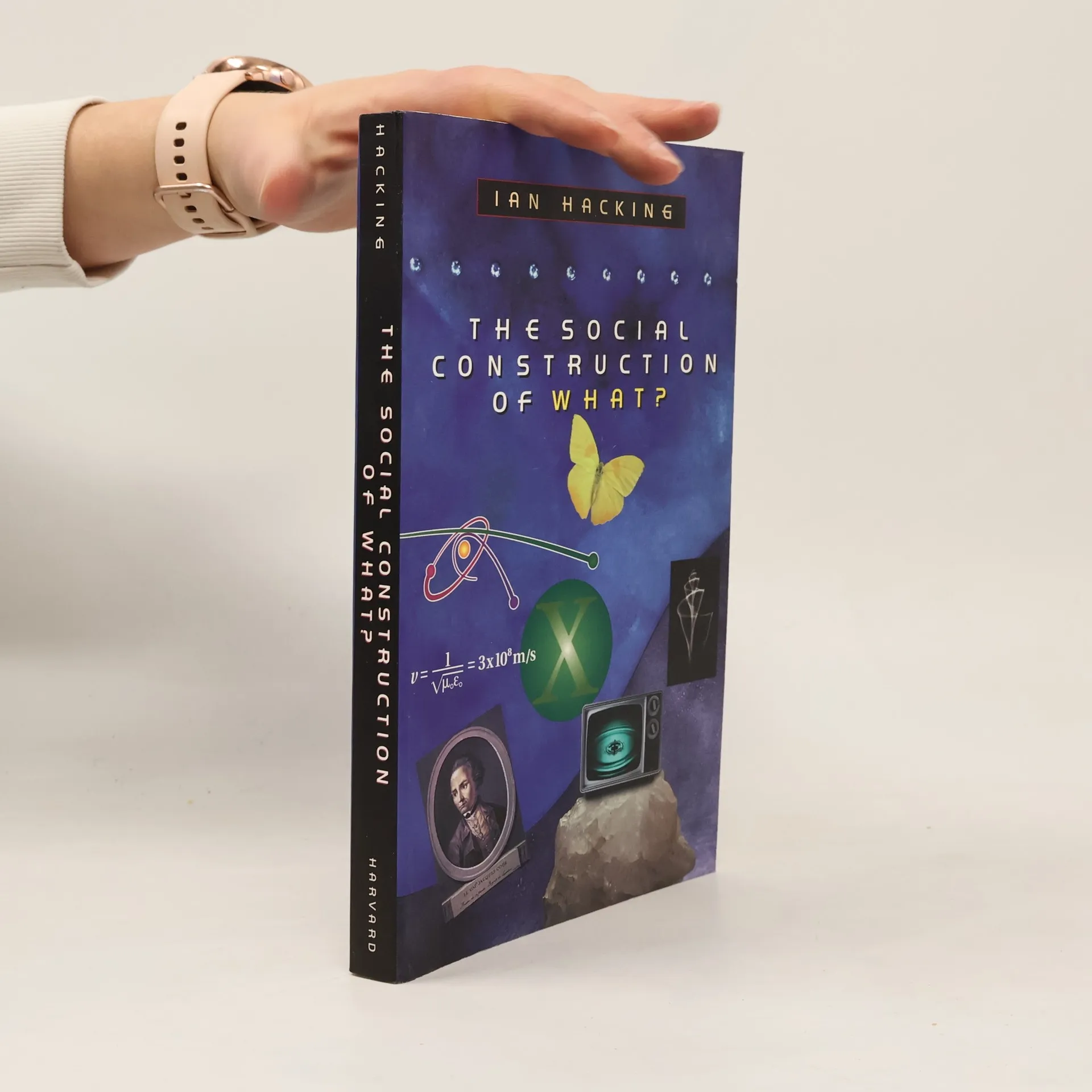
Podtitul: Čo je a čo nie je sociálnou konštrukciou Jeden z najoriginálnejších súčasných filozofov vedy Ian Hacking v knihe rozoberá najzávažnejšie problémy v oblasti sociálnej konštrukcie reality. Ukazuje, že hoci od vydania priekopníckej knihy Petra I. Bergera a Thomasa Luckmana Sociálna konštrukcia reality (1966) uplynulo už takmer 40 rokov, dodnes nie je mnohým autorom – filozofom, sociológom, vedcom z rôznych odvetví – jasný ani len základný pojem. Hacking kritizuje najmä skutočnosť, že novú oblasť postihol údel viacerých pôvodne veľmi perspektívných myšlienok – stali sa módnymi, a tak sa ich zmocnili všetci, od odborníkov až po najväčších laikov. Výsledkom sú spory, ktoré sa niekedy označujú ako „kultúrne vojny“ či „vedecké vojny“. Kniha predstavuje súbor prednášok, ktoré mal autor po celom svete, tematicky ich spája reflexia vývinu názorov na problematiku sociálnej konštrukcie. Publikácia sa vyznačuje jasným výkladom, živým jazykom a nevšedným humorom.
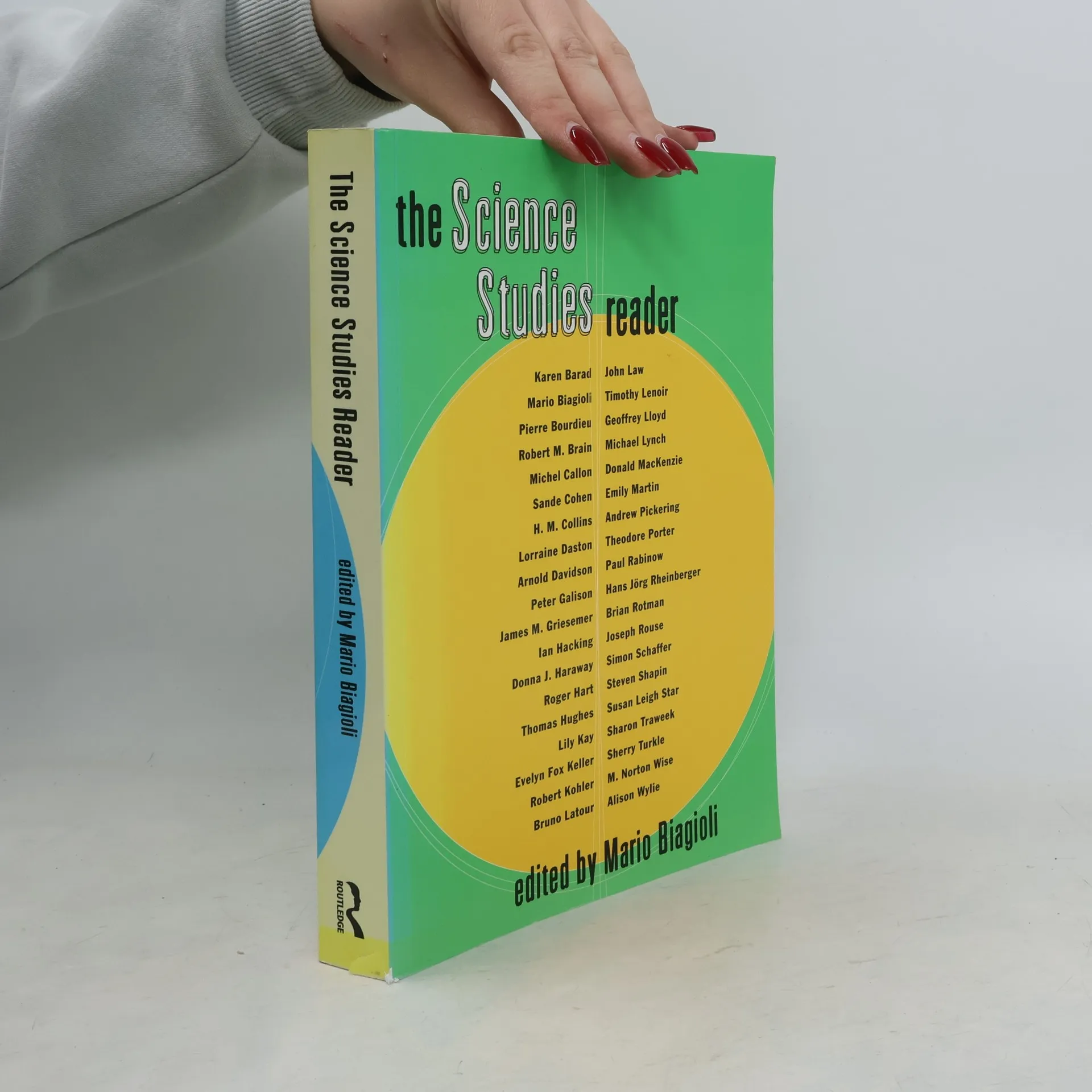
The Reader focuses on the practices of modern and contemporary science and technology located in different national and institutional settings, with some attention to non- Western contexts. By mapping some of the open questions and points of tension likely to occupy the field for years to come, the essays in the Reader cast fresh light on what "science" means at the end of the twentieth century.
Often lost in the debate over the validity of social construction is the question of what is being constructed. Ian Hacking looks at the issue of child abuse, and examines the ways in which advanced research on new weapons influences not the content but the form of science. schovat popis
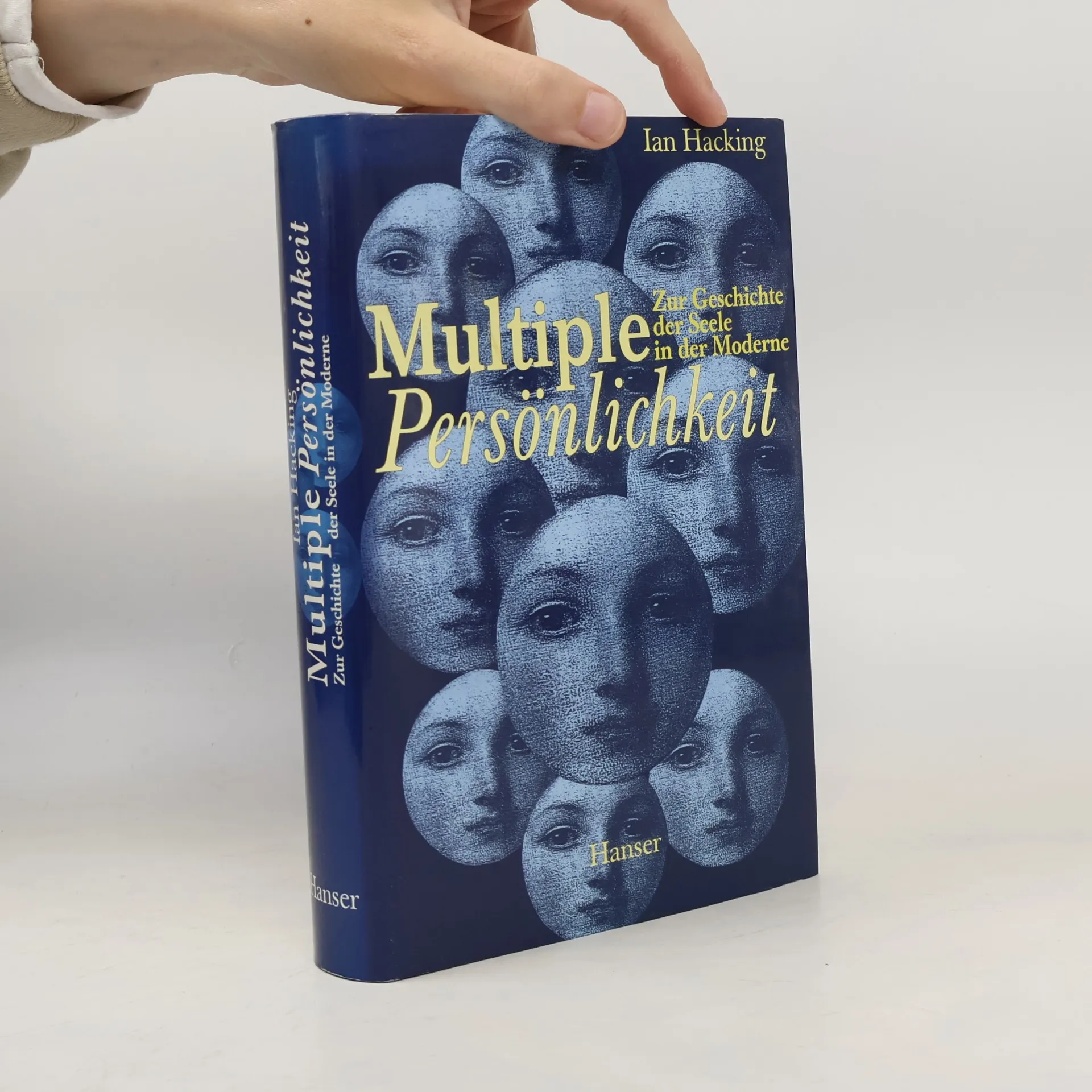
The book explores the surge in diagnosed dissociative disorders, particularly multiple personality disorder (MPD), over the past twenty-five years, linking it to the prevalence of child sexual abuse. Philosopher Ian Hacking examines the moral and political implications of this epidemic, addressing the contentious debates around memory and the potential for false memories. Through this lens, he critically analyzes how society grapples with psychological trauma and the power dynamics involved in understanding and treating these complex issues.
Vor allem in den USA, zunehmend aber auch in Europa mehren sich die »Multiplen Persönlichkeiten«: Menschen, die in sich mehrere, meist ganz verschiedene Persönlichkeiten entdecken. Erwachsene sprechen plötzlich mit der Stimme von Kindern, wechseln zwischen Persönlichkeiten von verschiedenem Charakter, Geschlecht, sexueller Neigung und Alter. Als Ursache werden traumatische Erfahrungen in der Kindheit angesehen, fast immer solche sexuellen Mißbrauchs. Ian Hacking hat diese Epidemie Multipler Persönlichkeiten zum Ausgangspunkt seines Buches gemacht. Dabei beleuchtet er nicht nur den gesellschaftlichen Kontext, er stellt sich auch die Frage, warum die Erklärung der vielfältigen »Ichs« Multipler Persönlichkeiten durch den Mechanismus selektiven Erinnerns einen so zentralen Stellenwert bekommen konnte.
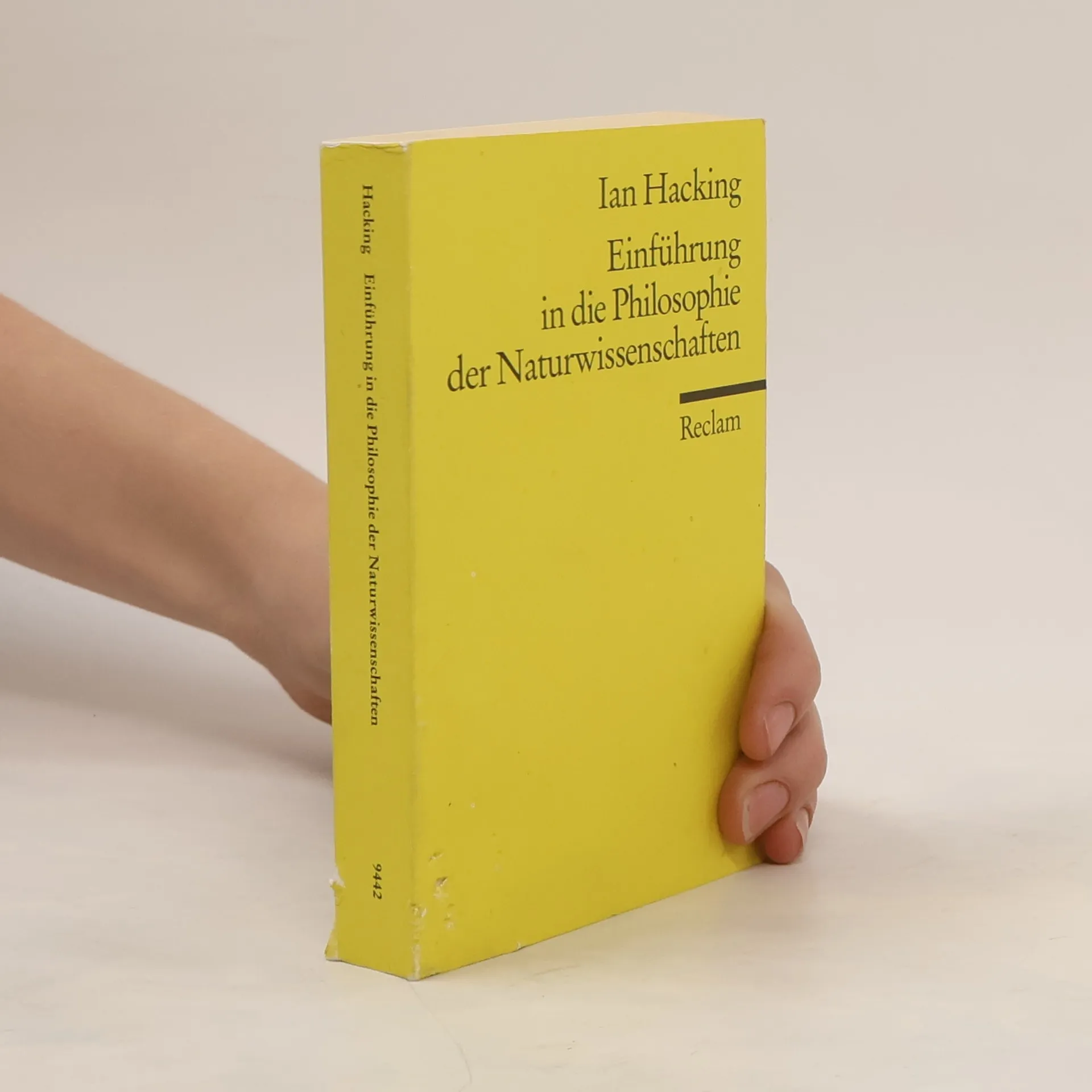
Ein Buch für Philosophen und Wissenschaftler, dessen erster Teil (»Darstellen«) die wesentlichen wissenschaftstheoretischen Grundlagen und Ansätze behandelt (Objektivität, Realismus, Positivismus, Pragmatismus u. a.). Der zweite Teil (»Eingreifen«) bietet eine Einführung in die philosophischen Probleme des Experiments und der Beobachtung mit vielen Fallbeispielen aus Physik, Biologie, Chemie. Es zeigt sich, daß Experiment und Theorie voneinander unabhängig sein können. Das hat Folgen für ein adäquates Verständnis des wissenschaftlichen Realismus.
This book combines detailed scientific historical research with characteristic philosophic breadth and verve.