
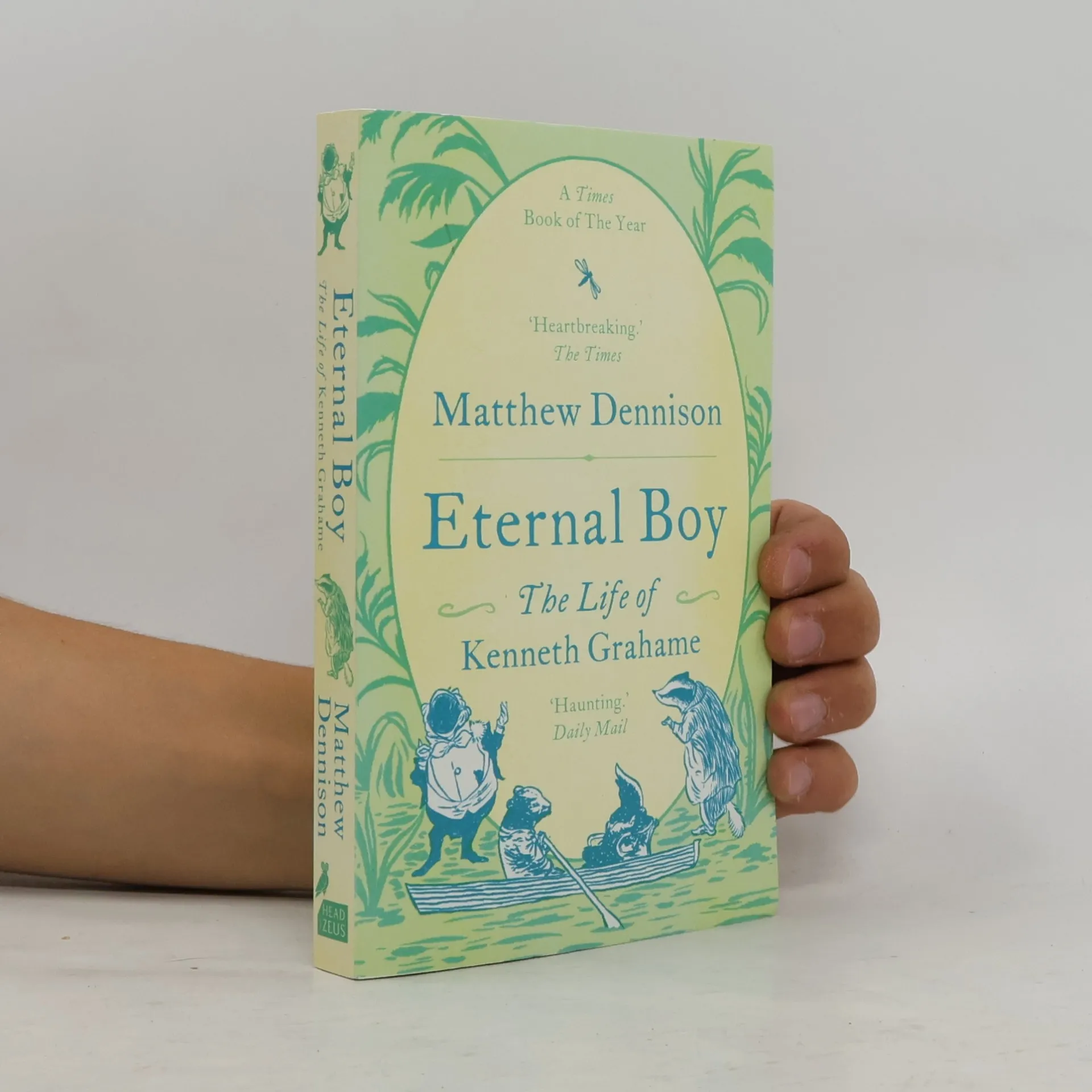

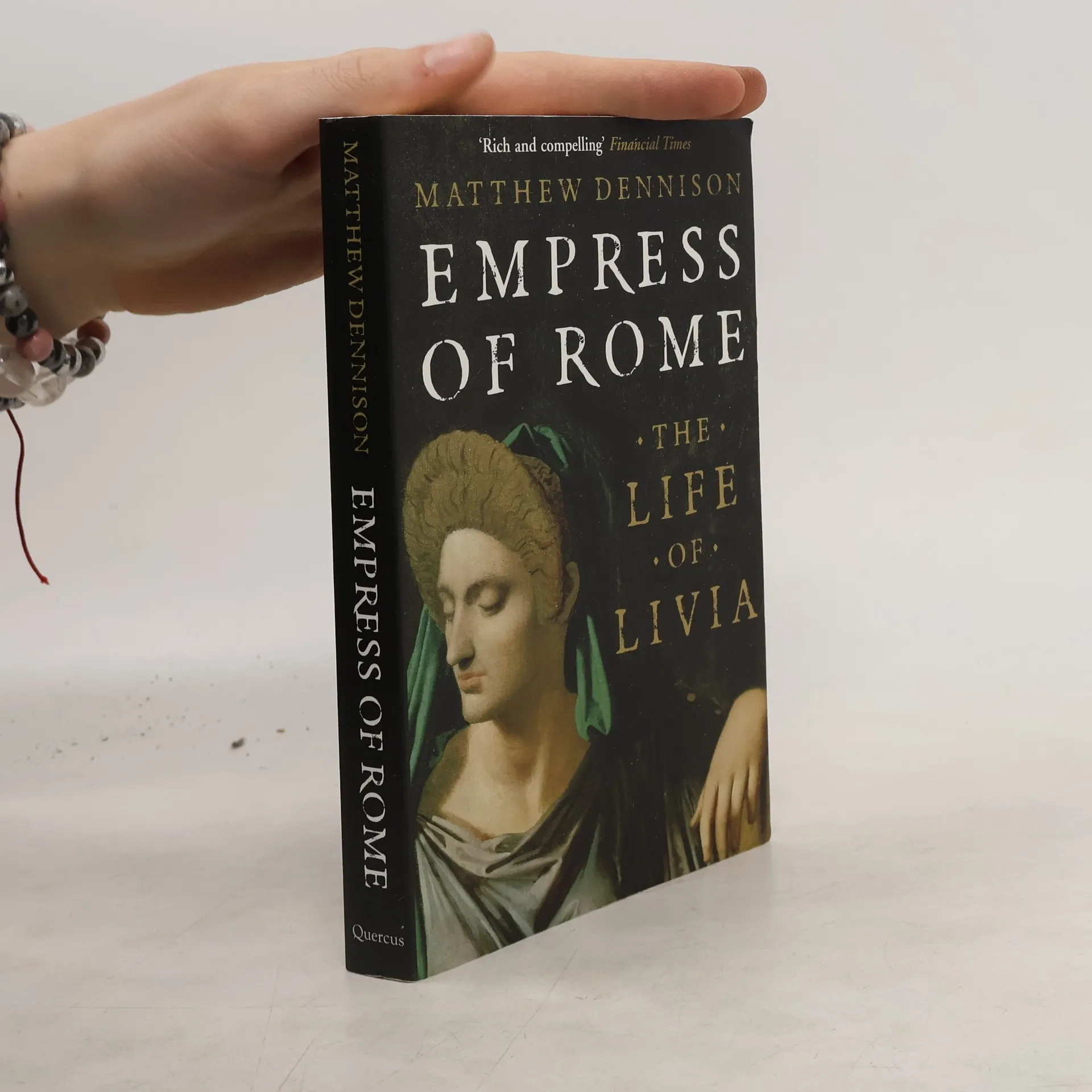

Matthew Dennison is the author of five critically acclaimed works of non-fiction. His writing delves into profound explorations of individuals and their lives, maintaining a keen analytical perspective. Dennison excels at weaving together historical detail with psychological insight, crafting compelling portraits. His style is meticulous and attentive to nuance, inviting readers into a deep engagement with his subjects.
With its combination of sophisticated, high-tech features and extremely reasonable pricing, the Nikon F80/N80 has become a proven winner and one of the most popular cameras on the market. This generously illustrated handbook helps users stretch the camera to its limits, by explaining every aspect of the model’s layout and operation. Find out everything about the basic functions, including focusing and exposure, as well as how to use it out in the field. Take an in-depth look at flash fundamentals, the close-up system, useful lenses, and handy accessories.
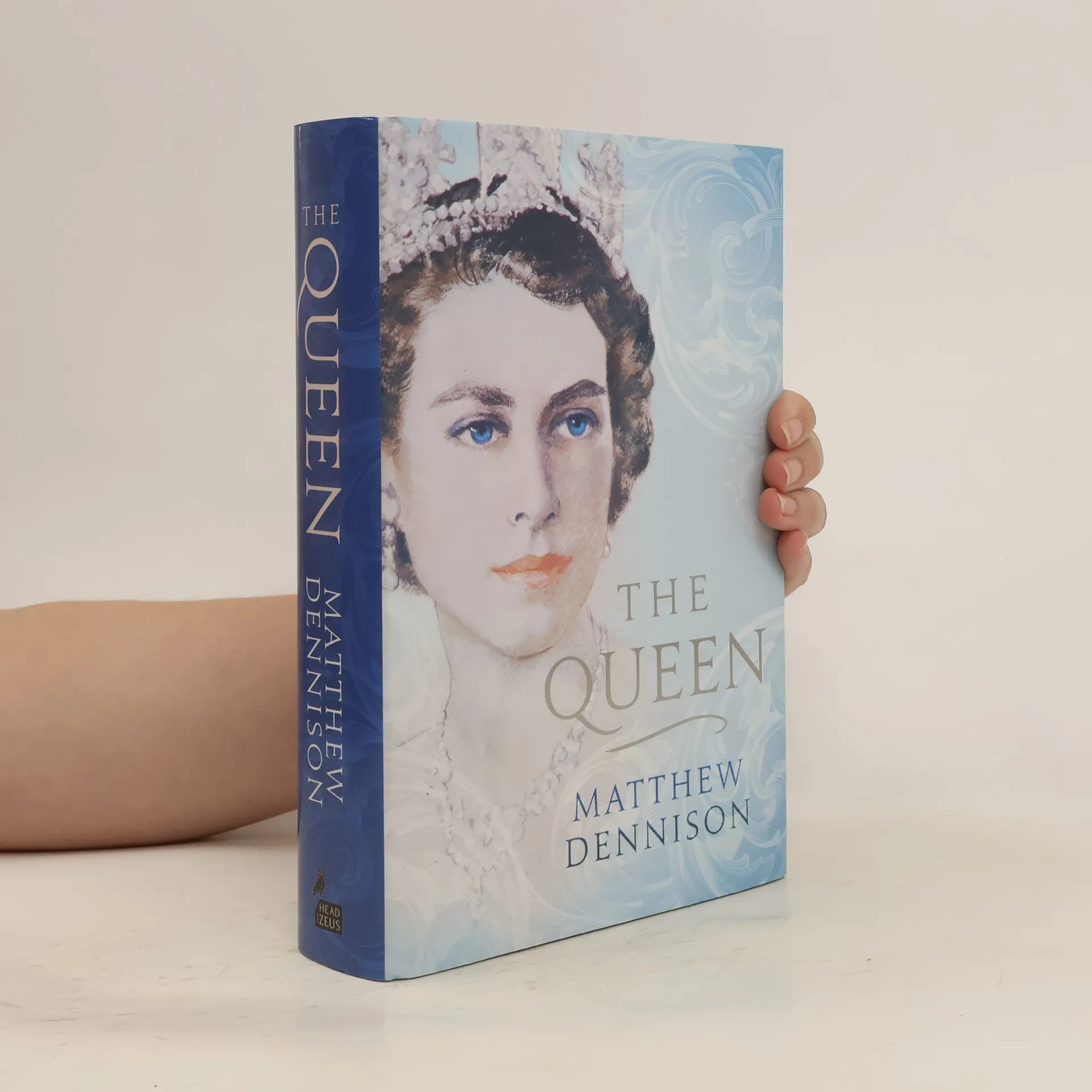
"Monarchy in Britain is a mindset - sociological and emotional - seldom scrutinised save by diehard supporters or detractors. Matthew Dennison's new biography of Elizabeth II offers to evaluate a magisterial reign now spanning seven decades and the Queen's record as practitioner of monarchy. The person of the monarch is the closest an ethnically and culturally diverse society comes to a visible representative of past, present and future, although population changes since 1945 have made it impossible for Elizabeth II convincingly to embody the wide-ranging outlooks and aspirations of a muddled demographic. Instead she is understood as the champion of a handful of 'British' values endorsed - if no longer practised - by the bulk of the nation: service, duty, steadfastness, charity, stoicism: a visible definition of an aspect of 'Britishness'."--Provided by publisher.
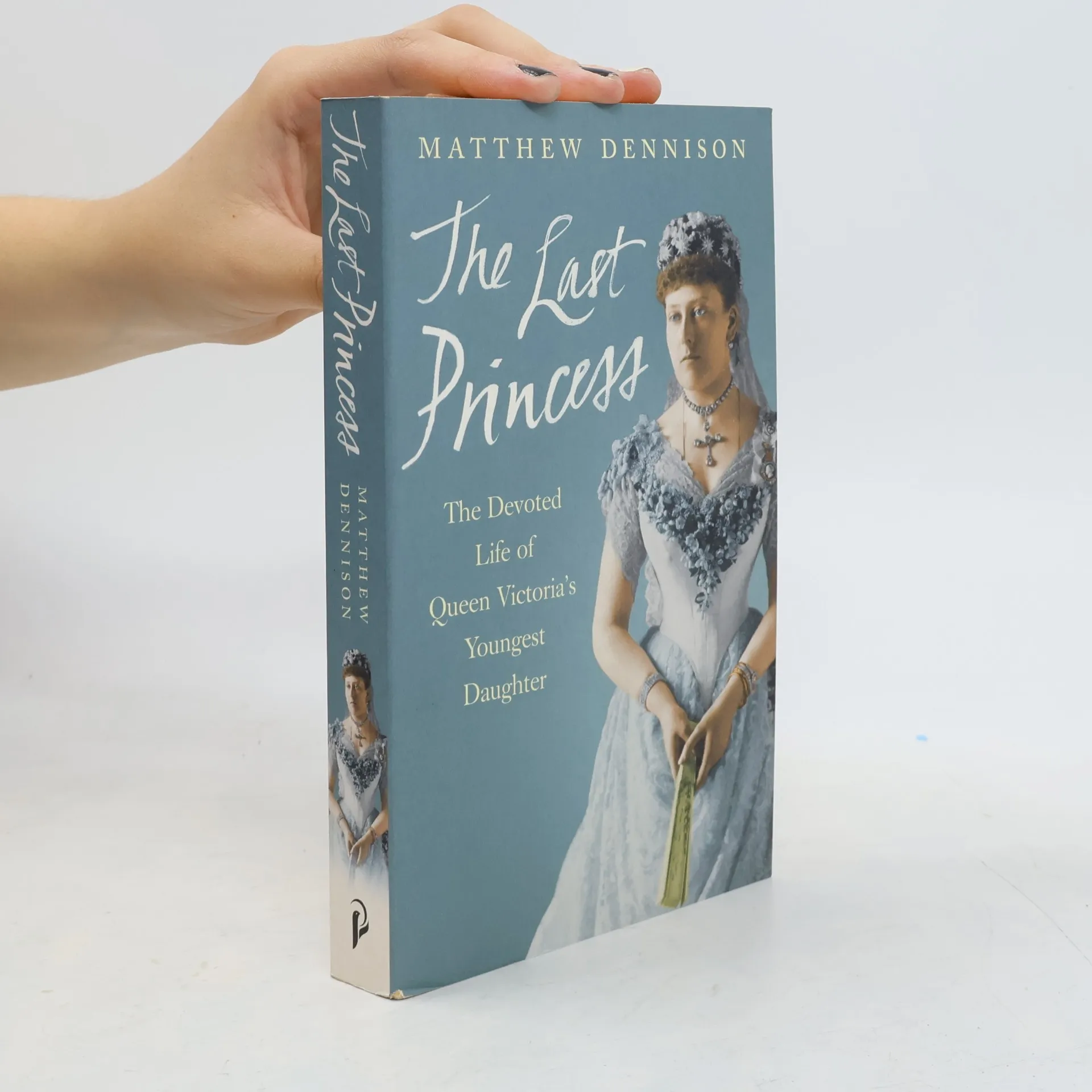
An evocative telling of the life of Queen Victoria and Prince Albert's last-
born child, and of a sometimes fraught royal mother-daughter relationship.
Set against a backdrop of intrigue and personal conflict, this book weaves a compelling narrative that explores complex characters grappling with their pasts and the choices that shape their futures. It delves into themes of identity, resilience, and the search for belonging, offering readers a thought-provoking experience. The author’s vivid prose and skillful storytelling capture the nuances of human emotion, making it a standout choice for those seeking a rich and engaging read.
The Devoted Life of Queen Victoria's Youngest Daughter
302 pages
11 hours of reading
Beatrice was the last child born to Queen Victoria and Prince Albert. Her father died when she was four and as Matthew Dennison relates Victoria came to depend on her youngest daughter absolutely, but she also demanded from her complete submission. It is an enthralling story, not just of a mother/daughter relationship, but of a Queen and subject relationship. Victoria was not above laying it down regally even with her own children. Beatrice succumbed to her mother's obsessive love, so that by the time she was in her late teens she was her constant companion and running her mother's office, which meant that when Victoria died her daughter became literary executor, a role she conducted with teutonic thoroughness. She edited and bowdlerised her mother's Journal that cover 70 years and where possible her voluminous correspondence. But thank goodness Beatrice inherited some of her mother's more steely qualities. Although Victoria tried to prevent Beatrice even so much as thinking of love, her guard slipped when Beatrice was 29. Perhaps Victoria thought she was over the hill, but Beatrice met Liko, Prince Henry of Battenberg, and fell in love. As Dennison puts it: hers was a 'hard-won victory of love over family prejudice, political relactance and, most significantly, Queen Victoria's opposition.' Sadly, Beatrice inherited from her mother the haemophilia gene, which she passed on to two of her four sons and which her daughter Victoria Eugenia, in marrying Alfonso XIII of Spain, in turn passed on to the Spanish royal family. Beatrice, however, did not end up simply as a wife and mother. She loved music and composed a military march which remains in the repertoire of British regimental bands, she sang and she painted. Dennison sums up: 'she was an essential component in the smooth-running of Victoria's queenship. This new exmaination will restore her to her proper prominence -as Queen Victoria's second consort.'