


The John McPhee Reader, first published in 1976, is comprised of selections from the author's first twelve books. In 1965, John McPhee published his first book, A Sense of Where You Are; a decade later, he had published eleven others. His fertility, his precision and grace as a stylist, his wit and uncanny brilliance in choosing subject matter, his crack storytelling skills have made him into one of our best writers: a journalist whom L.E. Sissman ranked with Liebling and Mencken, who Geoffrey Wolff said "is bringing his work to levels that have no measurable limit," who has been called "a master craftsman" so many times that it is pointless to number them.

John McPhee Books
John McPhee is a master craftsman of prose, known for his extraordinary ability to illuminate the intricacies of the world around us. His reportorial style delves deeply into seemingly ordinary subjects, revealing their hidden complexities with meticulous research and a keen eye for detail. Through his work, McPhee explores the narratives embedded in geology, nature, and human ingenuity, inviting readers to consider the interconnectedness of phenomena. His distinctive approach transforms the factual into the fascinating, prompting contemplation on the profound stories within everyday life.


This second volume of The John McPhee Reader includes material from his eleven books published since 1975, including Coming into the Country, Looking for a Ship, The Control of Nature, and the four books on geology that comprise Annals of the Former World.
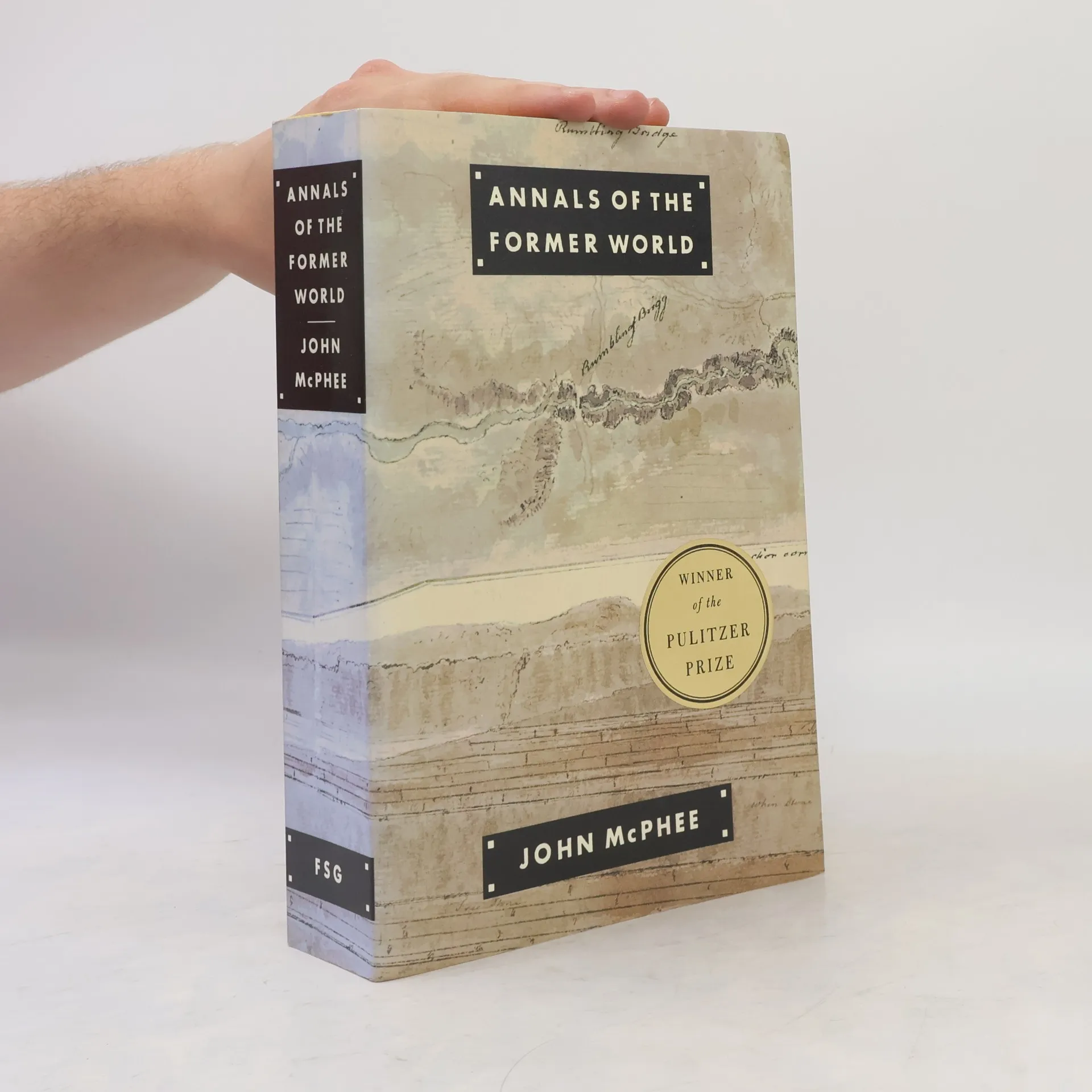
The Pulitzer Prize-winning view of the continent, across the fortieth parallel and down through 4.6 billion yearsTwenty years ago, when John McPhee began his journeys back and forth across the United States, he planned to describe a cross section of North America at about the fortieth parallel and, in the process, come to an understanding not only of the science but of the style of the geologists he traveled with. The structure of the book never changed, but its breadth caused him to complete it in stages, under the overall title Annals of the Former World.Like the terrain it covers, Annals of the Former World tells a multilayered tale, and the reader may choose one of many paths through it. As clearly and succinctly written as it is profoundly informed, this is our finest popular survey of geology and a masterpiece of modern nonfiction.Annals of the Former World is the winner of the 1999 Pulitzer Prize for Nonfiction.
Levels of the Game
- 152 pages
- 6 hours of reading
Levels of the Game is John McPhee's astonishing account of a tennis match played by Arthur Ashe against Clark Graebner at Forest Hills in 1968.It begins with the ball rising into the air for the initial serve and ends with the final point. McPhee provides a brilliant, stroke-by-stroke description while examining the backgrounds and attitudes which have molded the players' games."This may be the high point of American sports journalism"- Robert Lipsyte, The New York Times
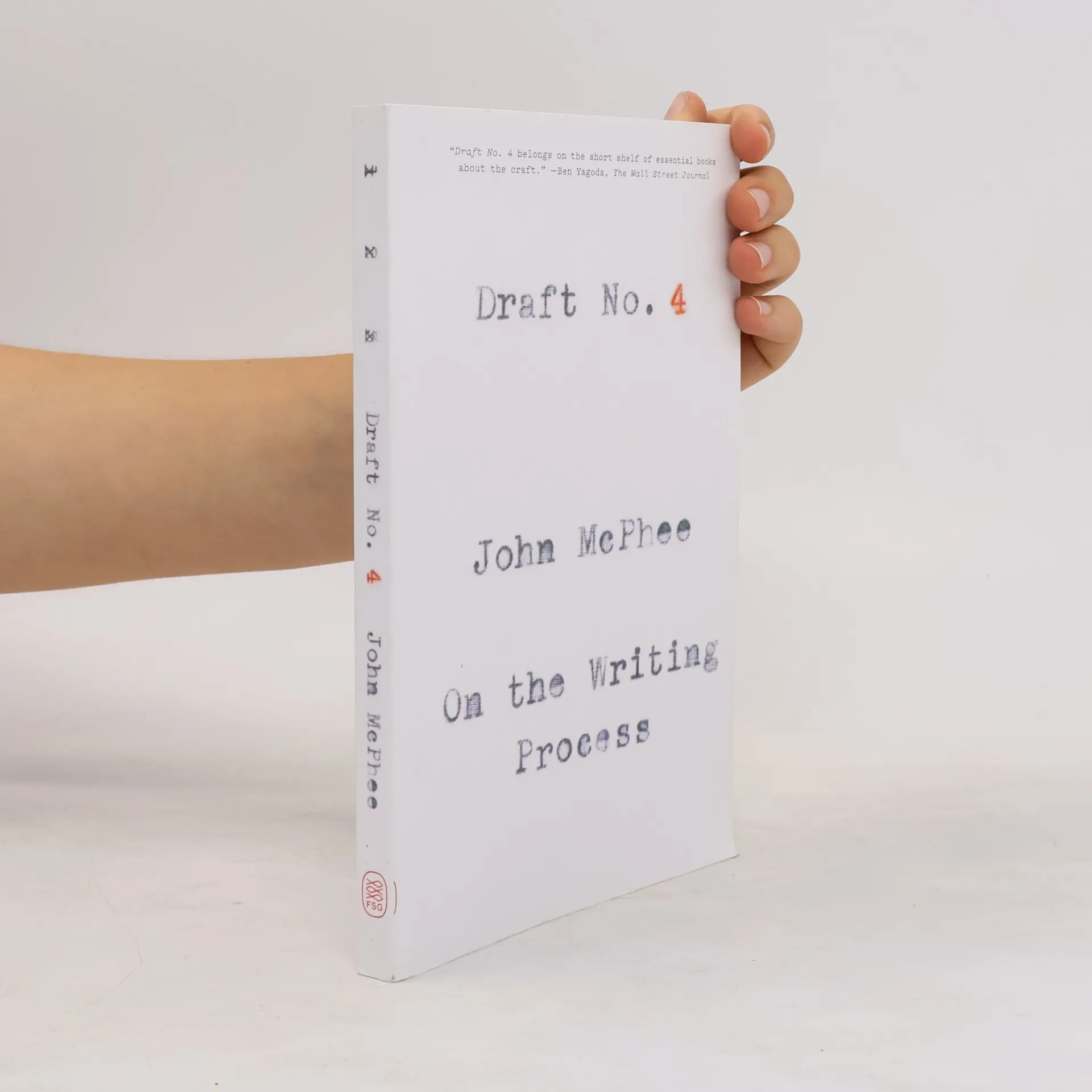
Draft No. 4
- 208 pages
- 8 hours of reading
The long-awaited guide to writing long-form nonfiction by the legendary author and teacher. Draft No. 4 is a master class on the writer’s craft. John McPhee shares insights he has gathered over his long career, and has refined while teaching at Princeton University, where he has nurtured some of the most highly regarded writers of our time. He discusses structure, diction and tone, observing that ‘readers are not supposed to notice the structure. It is meant to be about as visible as someone’s bones’. This book is a vivid depiction of the writing process, from reporting to drafting to revising—and revising and revising. Draft No. 4 is enriched by personal reflections on the life of a writer. McPhee recalls his early years at Time magazine, and describes his enduring relationships with the New Yorker and with his publisher, Farrar, Straus and Giroux. Everything in this luminous book is enlivened by his keen sense of writing as a way of being in the world.
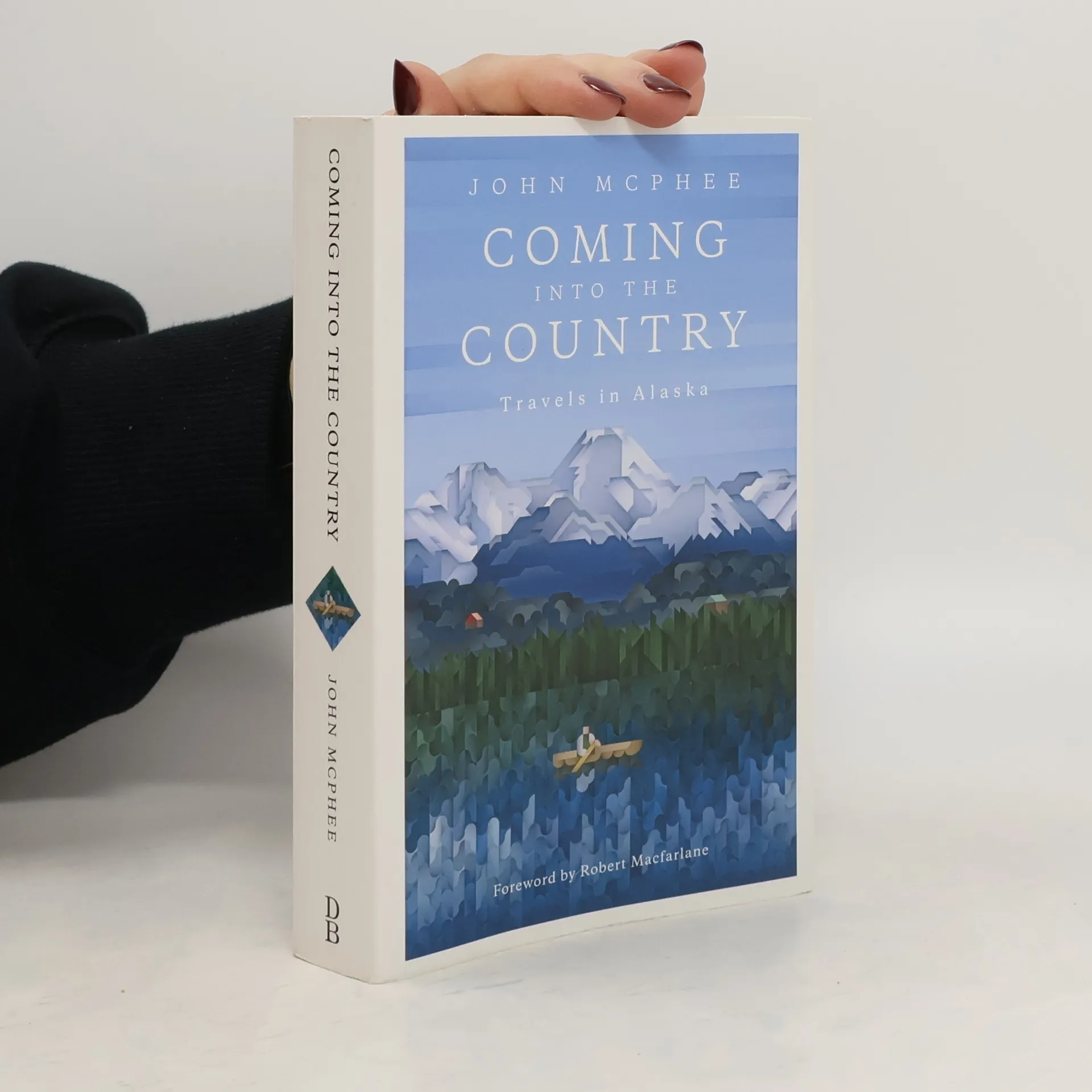
Coming into the Country
- 448 pages
- 16 hours of reading
Plunge into the wild climate of unknown Alaska in this riveting travel account.
The Patch
- 256 pages
- 9 hours of reading
This wide-ranging essay collection serves as a covert memoir of a cult literary figure—New Yorker writer John McPhee.
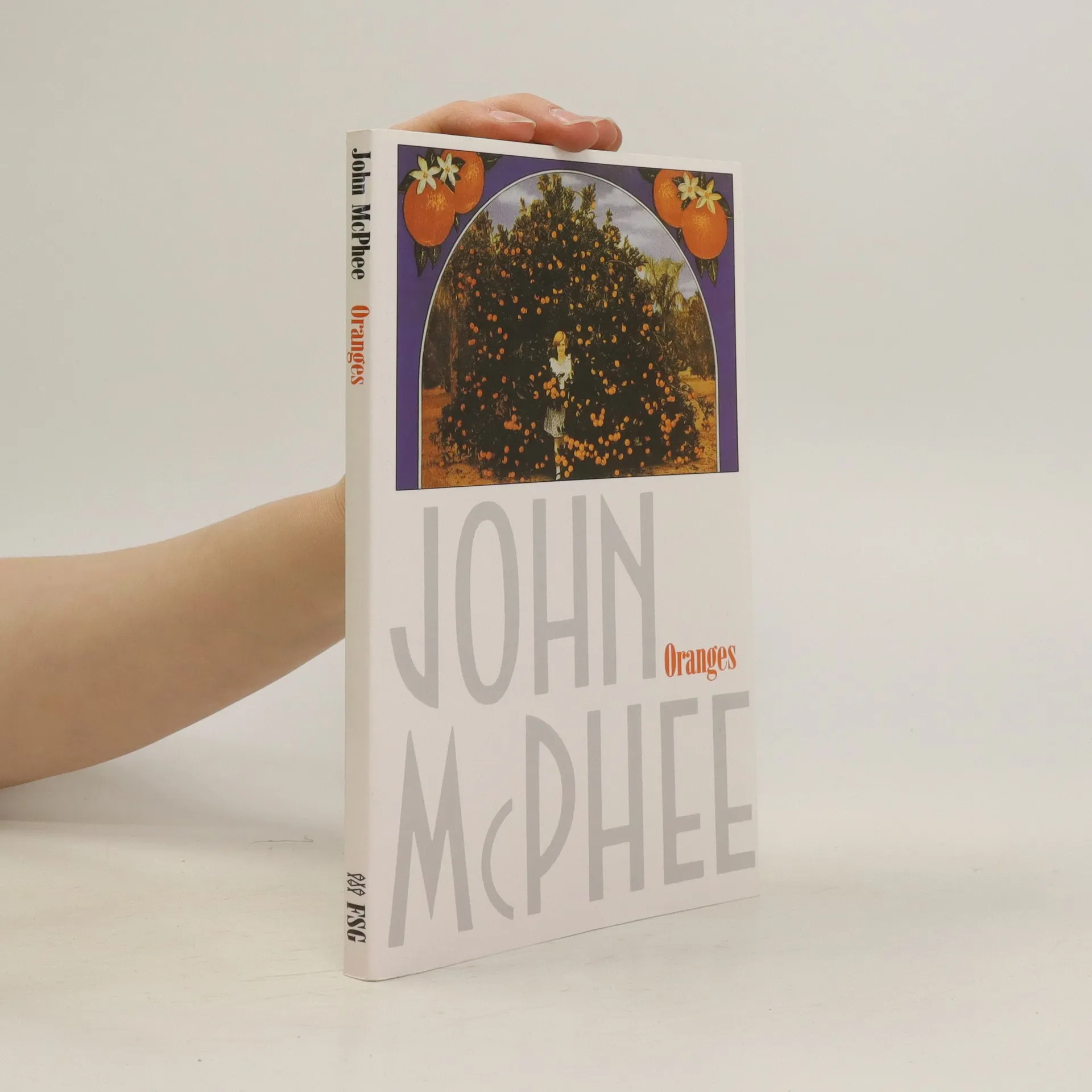
A classic of reportage, Oranges was first conceived as a short magazine article about oranges and orange juice, but the author kept encountering so much irresistible information that he eventually found that he had in fact written a book. It contains sketches of orange growers, orange botanists, orange pickers, orange packers, early settlers on Florida's Indian River, the first orange barons, modern concentrate makers, and a fascinating profile of Ben Hill Griffin of Frostproof, Florida who may be the last of the individual orange barons. McPhee's astonishing book has an almost narrative progression, is immensely readable, and is frequently amusing. Louis XIV hung tapestries of oranges in the halls of Versailles, because oranges and orange trees were the symbols of his nature and his reign. This book, in a sense, is a tapestry of oranges, too—with elements in it that range from the great orangeries of European monarchs to a custom of people in the modern Caribbean who split oranges and clean floors with them, one half in each hand.
Uncommon Carriers
- 256 pages
- 9 hours of reading
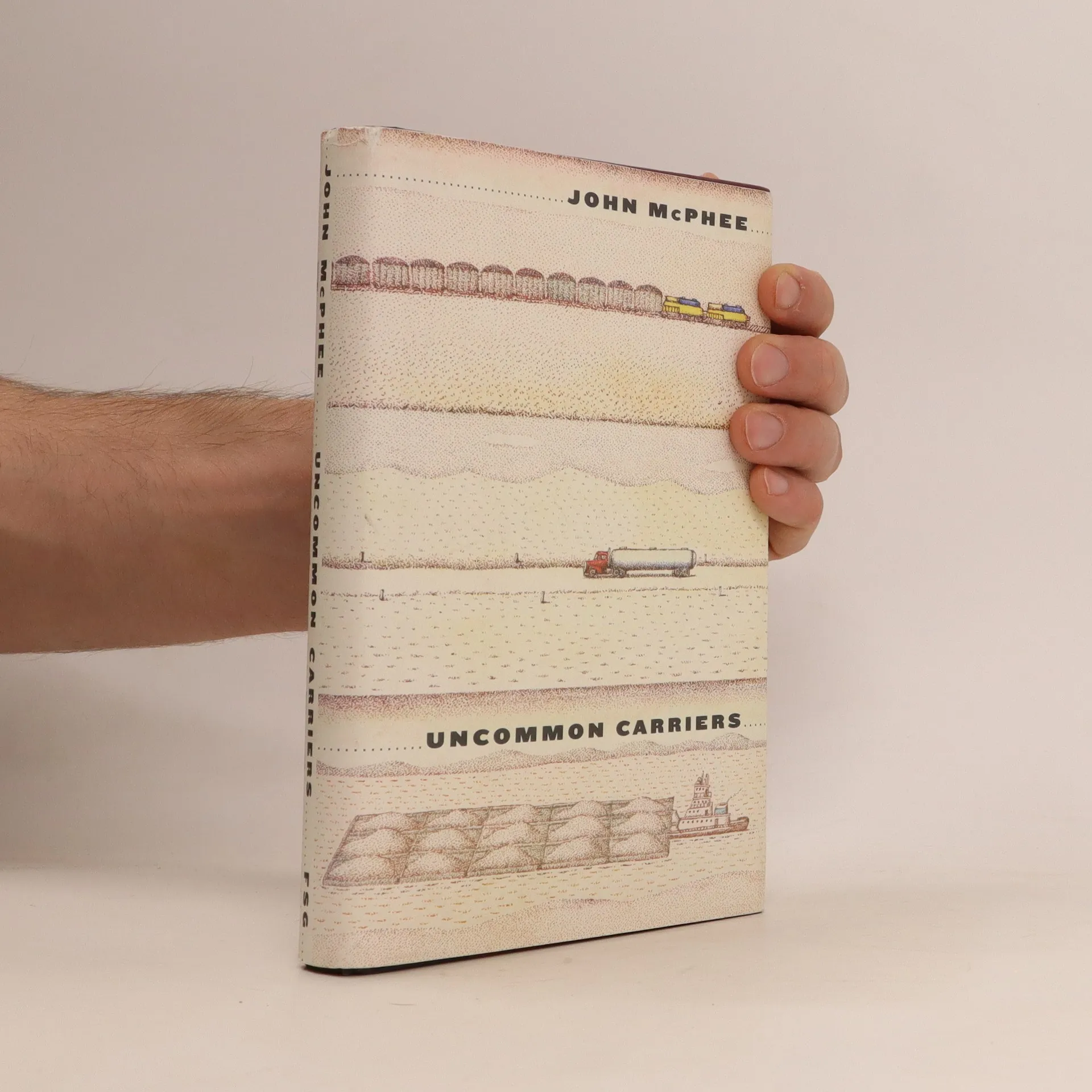
"This is a book about people who drive trucks, captain ships, pilot towboats, drive coal trains, and carry lobsters through the air: people who work in freight transportation. In recent years, John McPhee has spent considerable time with such people, and Uncommon Carriers is his sketchbook of them, of their work, and of his journeys in their company."--BOOK JACKET.
A literary legend’s engaging review of his career, stressing the work he never completed, and why.