Henry Fielding Books
Henry Fielding was an influential British author whose early playwriting career was curtailed by political censorship. After his satirical plays were banned, Fielding turned to novel writing, securing his lasting place in literature. His masterworks are celebrated for their wit, incisive social commentary, and complex characters. Fielding explored human nature and societal ills with a blend of humor and intelligence, establishing himself as a pivotal figure in English prose.


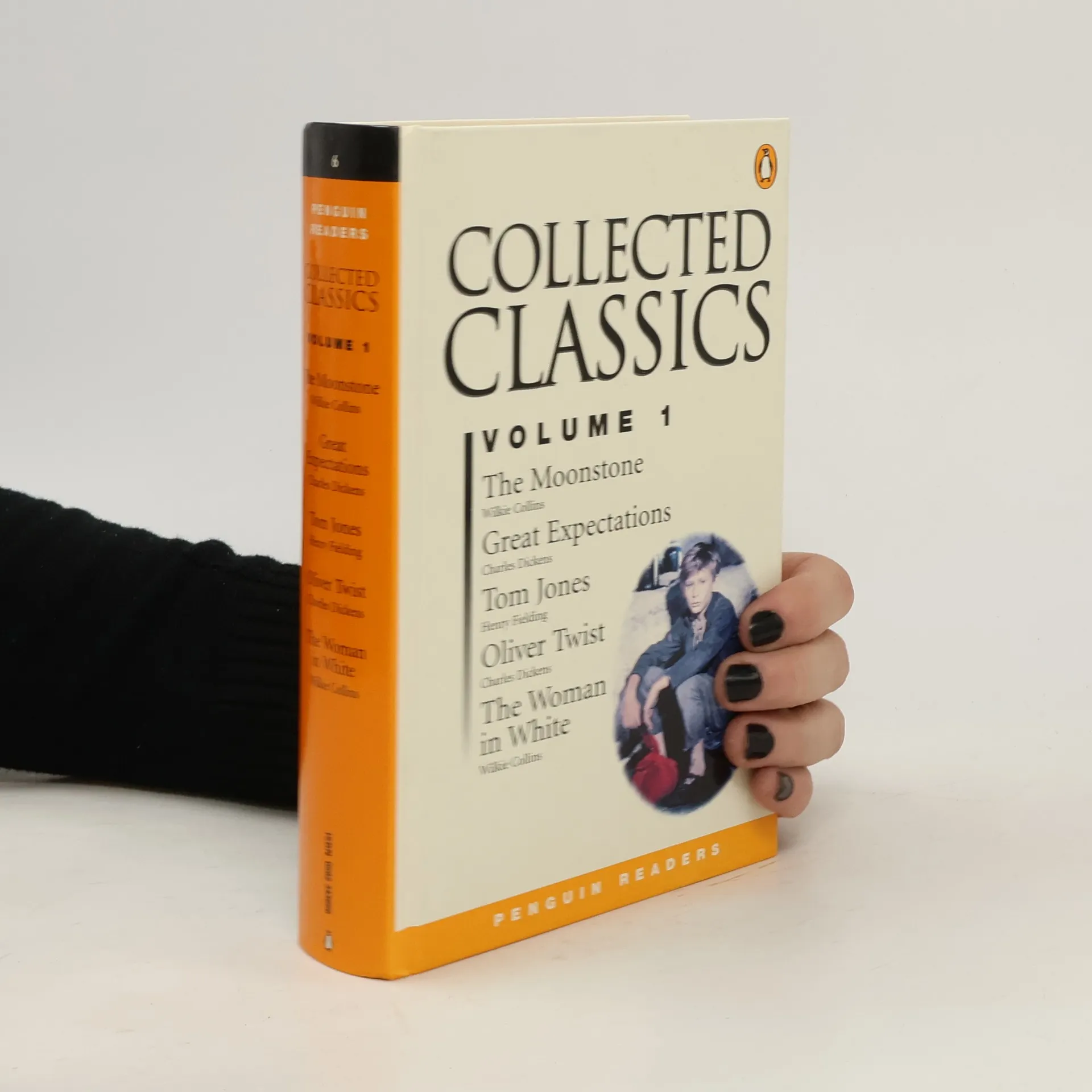
Collected Classics 1
The Moonstone, Great Expectations, Tom Jones, Oliver Twist, The Woman in White
- 555 pages
- 20 hours of reading
Collection of English language classics for advanced readers.
Focused on accessibility, this book is a reproduction of a historical work presented in large print, catering specifically to individuals with impaired vision. The publishing house Megali is dedicated to enhancing the reading experience for those who may struggle with standard text sizes, ensuring that important historical texts remain available and readable for a wider audience.
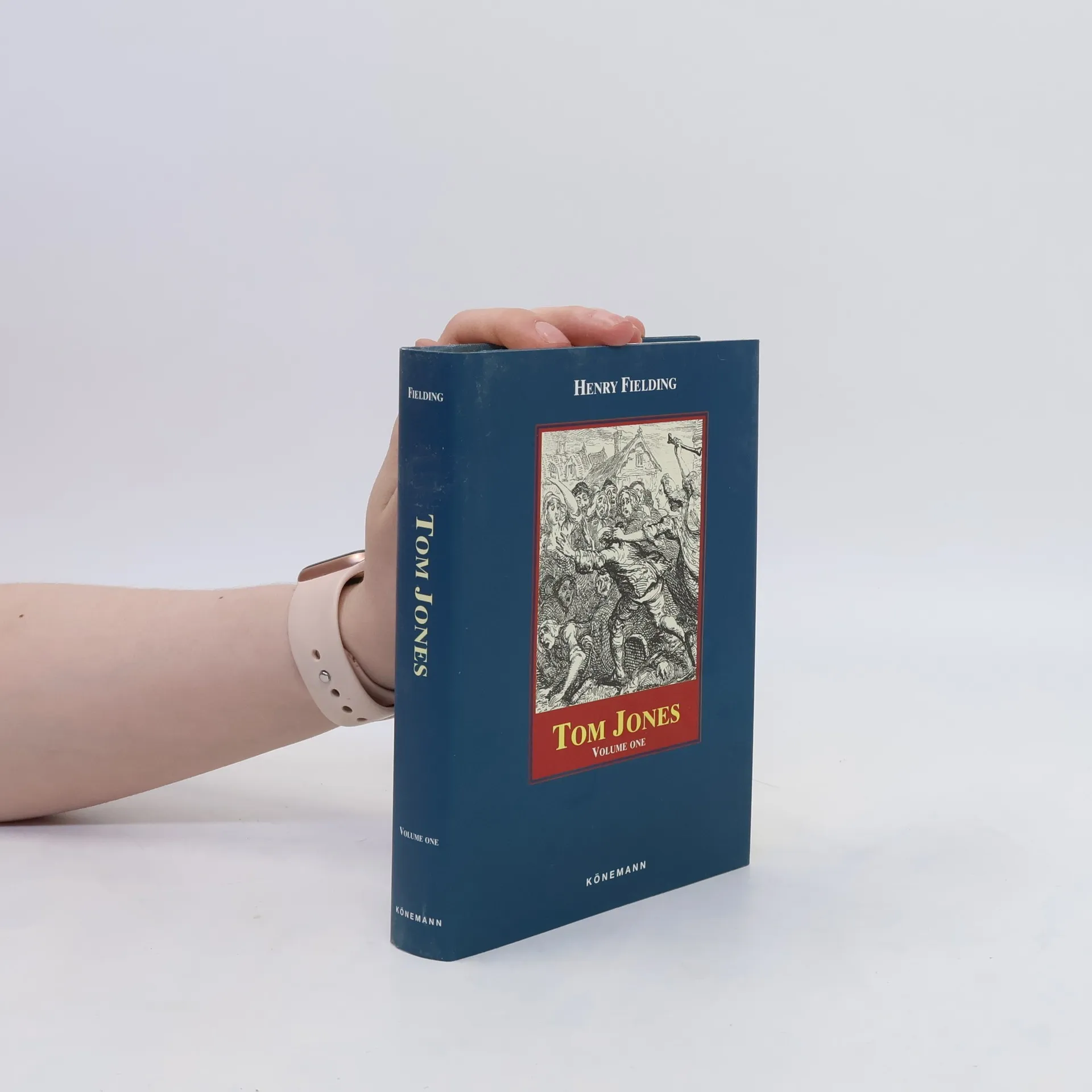
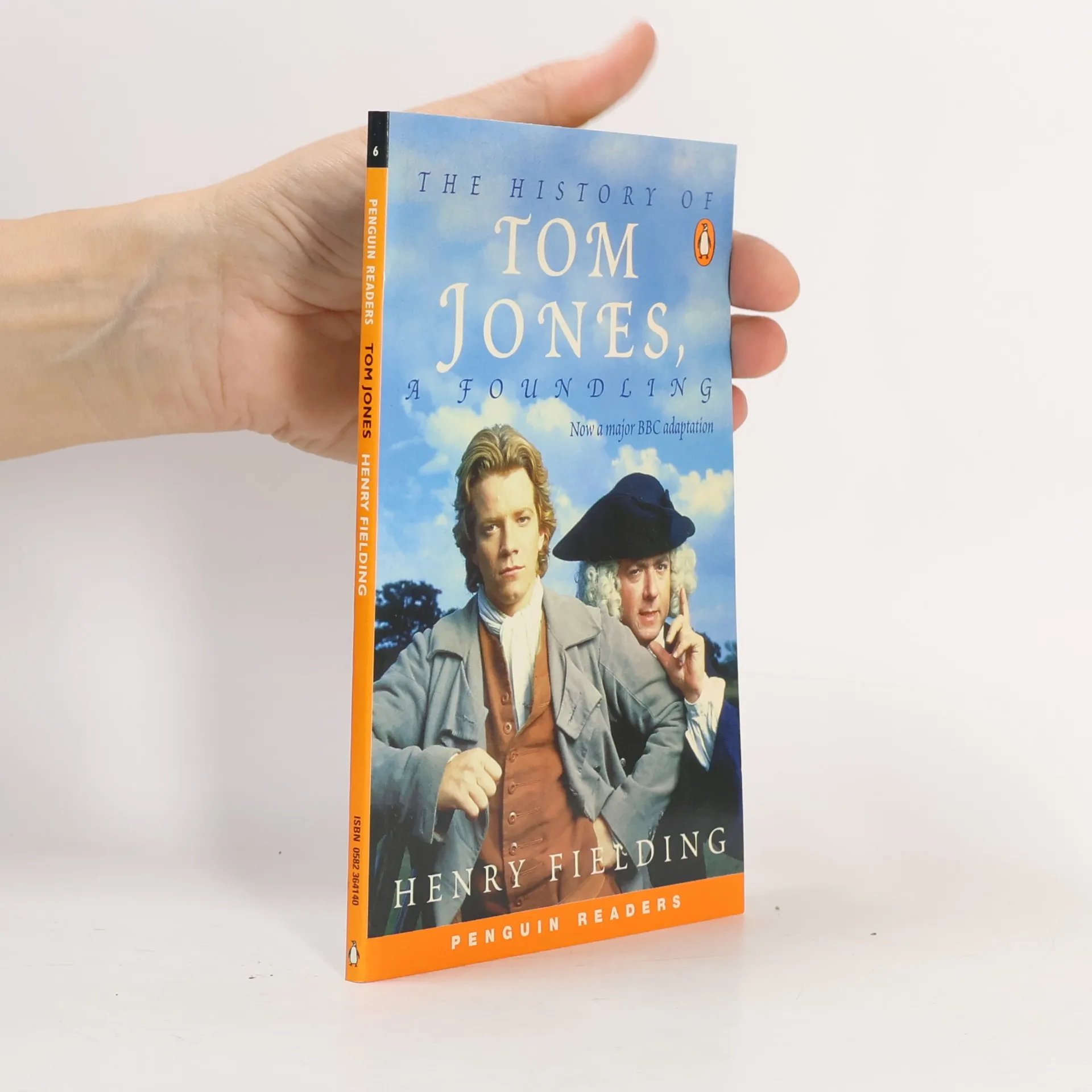
Tom Jones
- 96 pages
- 4 hours of reading
The romantic adventures of a reckless yet personable young man are chronicled in what is considered to be the forerunner of the modern novel.
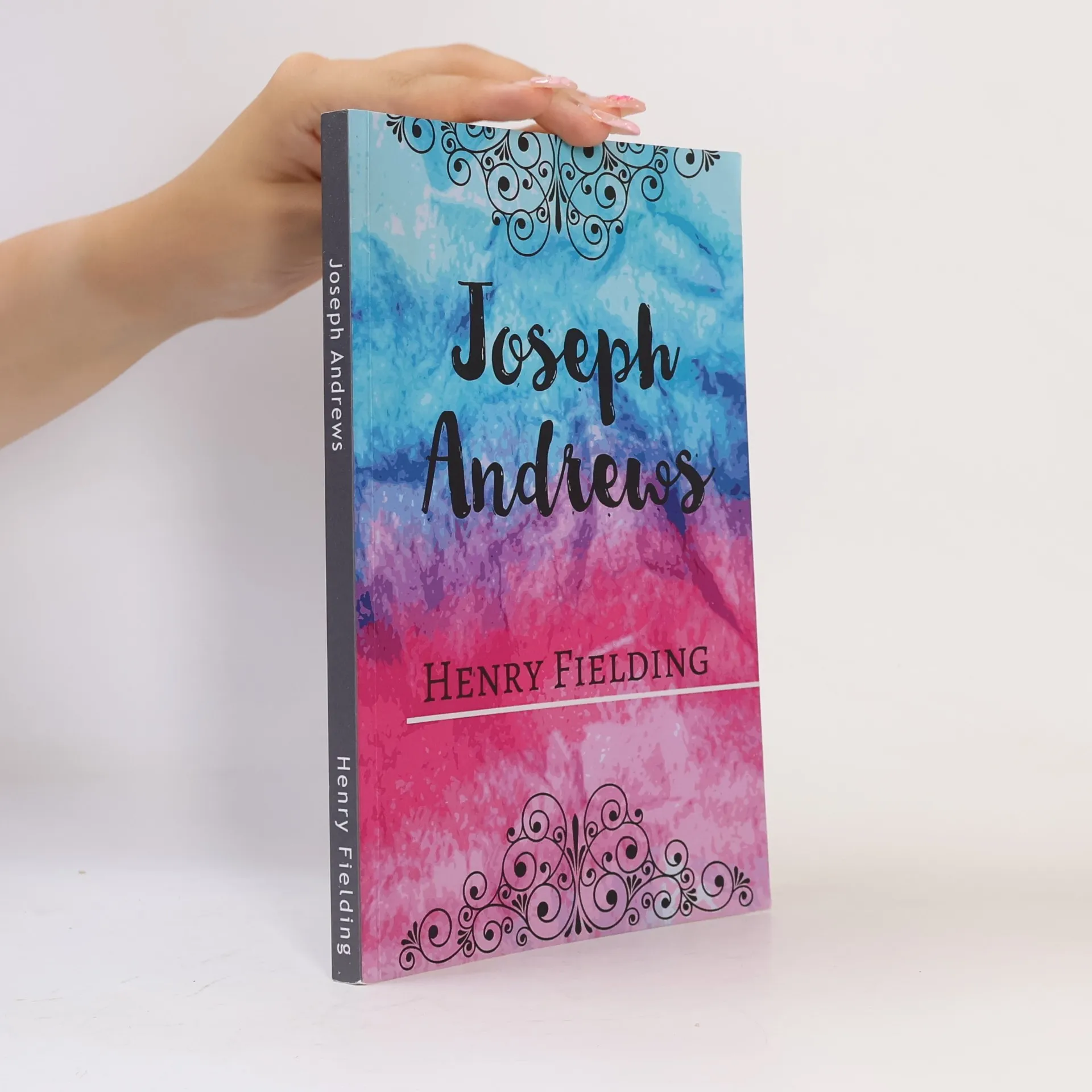
Joseph Andrews
- 156 pages
- 6 hours of reading
Joseph Andrews, the first full-length novel by Henry Fielding, was published in 1742 and is considered one of the earliest novels in English. Fielding describes it as a "comic epic poem in prose," chronicling the adventures of a good-natured footman, Joseph Andrews, as he journeys home from London with his mentor, the absent-minded parson Abraham Adams. The novel embodies the clash of two literary styles of the eighteenth century: the mock-heroic and neoclassical approach of Augustans like Alexander Pope and Jonathan Swift, and the more popular domestic prose fiction of writers such as Daniel Defoe and Samuel Richardson. Drawing inspiration from various sources, it imitates Cervantes' style and humor, employing a picaresque structure characterized by digressions and lower-class characters. While it features bawdy humor, themes of impending marriage, and mysteries surrounding parentage, it also delves into philosophical reflections, classical knowledge, and social commentary, showcasing the complexity and richness of its narrative.
This publication focuses on enhancing accessibility for individuals with impaired vision by offering historical works in large print. The Megali publishing house is dedicated to reproducing these texts, ensuring that important literature remains available to a wider audience.
Focusing on accessibility, this book is a reproduction of a historical work presented in large print, catering specifically to individuals with impaired vision. Published by Megali, a house dedicated to making literature more accessible, it aims to enhance the reading experience for those who may struggle with standard text sizes.
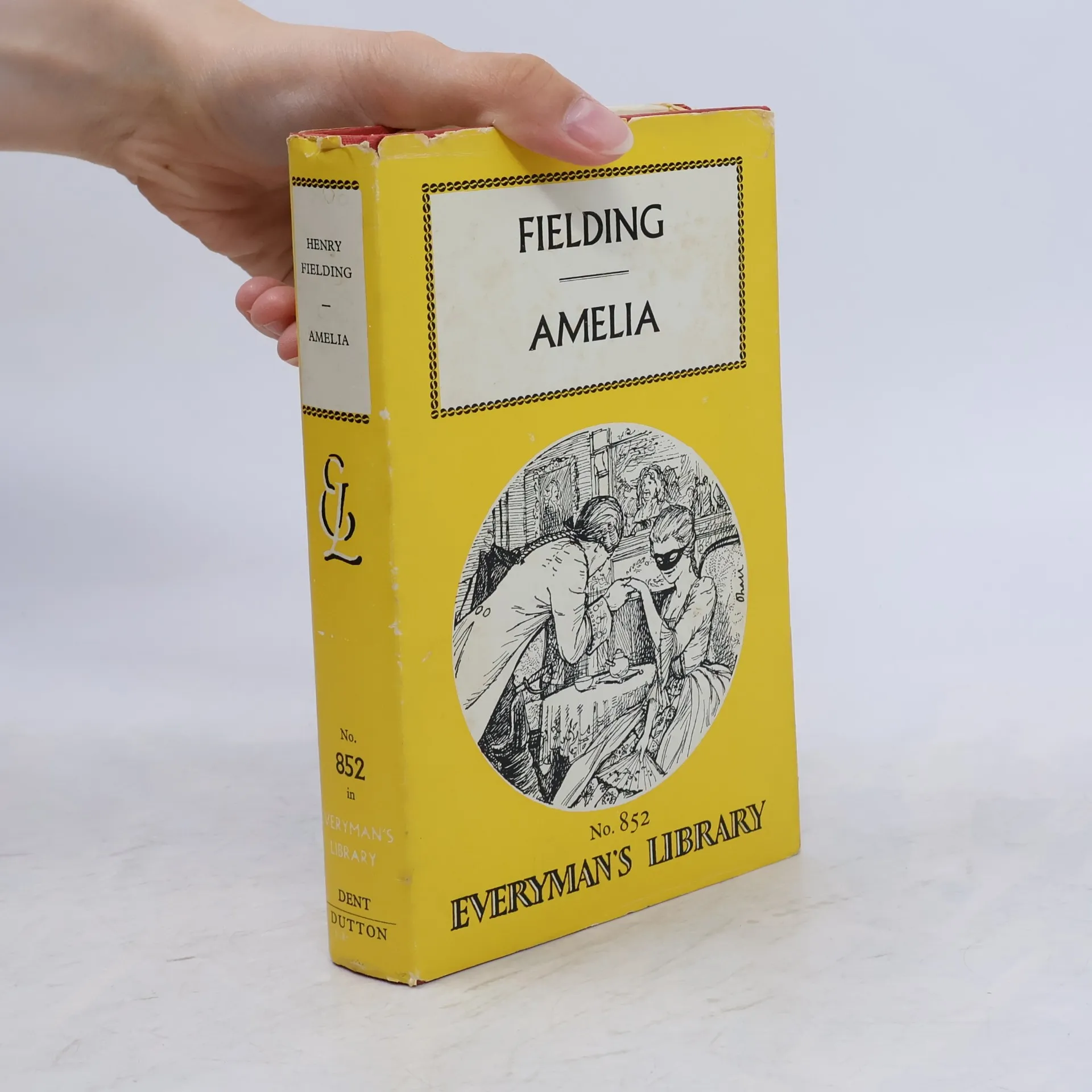
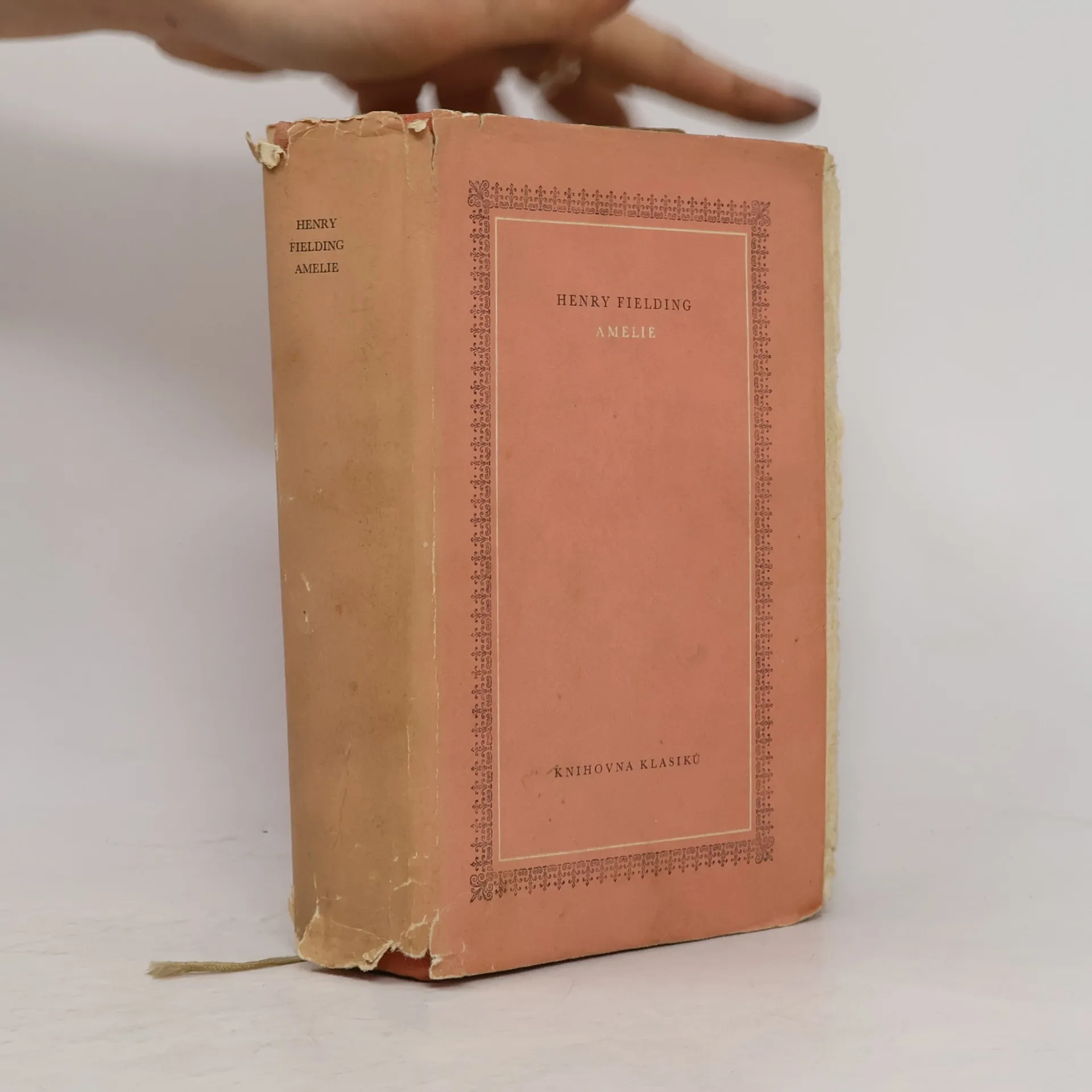
Amelia
- 320 pages
- 12 hours of reading
The trials of Amelia Booth unfold in a vivid 18th-century society, showcasing her resilience amid relentless misfortune. The novel delves into themes of justice and loyalty, highlighting Amelia's virtuous character as she navigates the challenges of her world. Fielding's narrative captures the essence of love and perseverance, making it a compelling exploration of human experience during a tumultuous period.
The History of the Life of the Late Mr. Jonathan Wild the Great 10
- 312 pages
- 11 hours of reading
The book is a reproduction of a historical work, published by Megali, which specializes in creating large print editions to enhance accessibility for individuals with impaired vision. This initiative aims to make classic literature more inclusive, allowing a broader audience to enjoy important texts.
The History of the Adventures of Joseph Andrews and of his Friend Mr. Abraham Adams; In Two Volumes
Volume 2 - in large print
- 264 pages
- 10 hours of reading
This book is a reproduction of a historical work, presented in large print to enhance accessibility for readers with impaired vision. Published by Megali, a house dedicated to making historical texts more approachable, it aims to preserve the original content while ensuring readability.
Focusing on accessibility, this publication by Megali aims to provide historical works in large print format. This initiative is designed to enhance readability for individuals with impaired vision, ensuring that classic texts remain available to a broader audience.
The History of the Adventures of Joseph Andrews and of his Friend Mr. Abraham Adams; In Two Volumes
Volume 1 - in large print
- 248 pages
- 9 hours of reading
Focusing on accessibility, this publication features a reproduction of a historical work in large print, catering specifically to individuals with impaired vision. Megali, the publishing house behind this initiative, is dedicated to enhancing the reading experience for those who require larger text, ensuring that important historical literature remains available and readable for all.
This book is a reproduction of a historical work, specifically designed in large print to enhance accessibility for individuals with impaired vision. Published by Megali, the focus is on making classic literature more readable, ensuring that important texts remain available to a wider audience. The commitment to accessibility highlights the importance of inclusivity in literature.
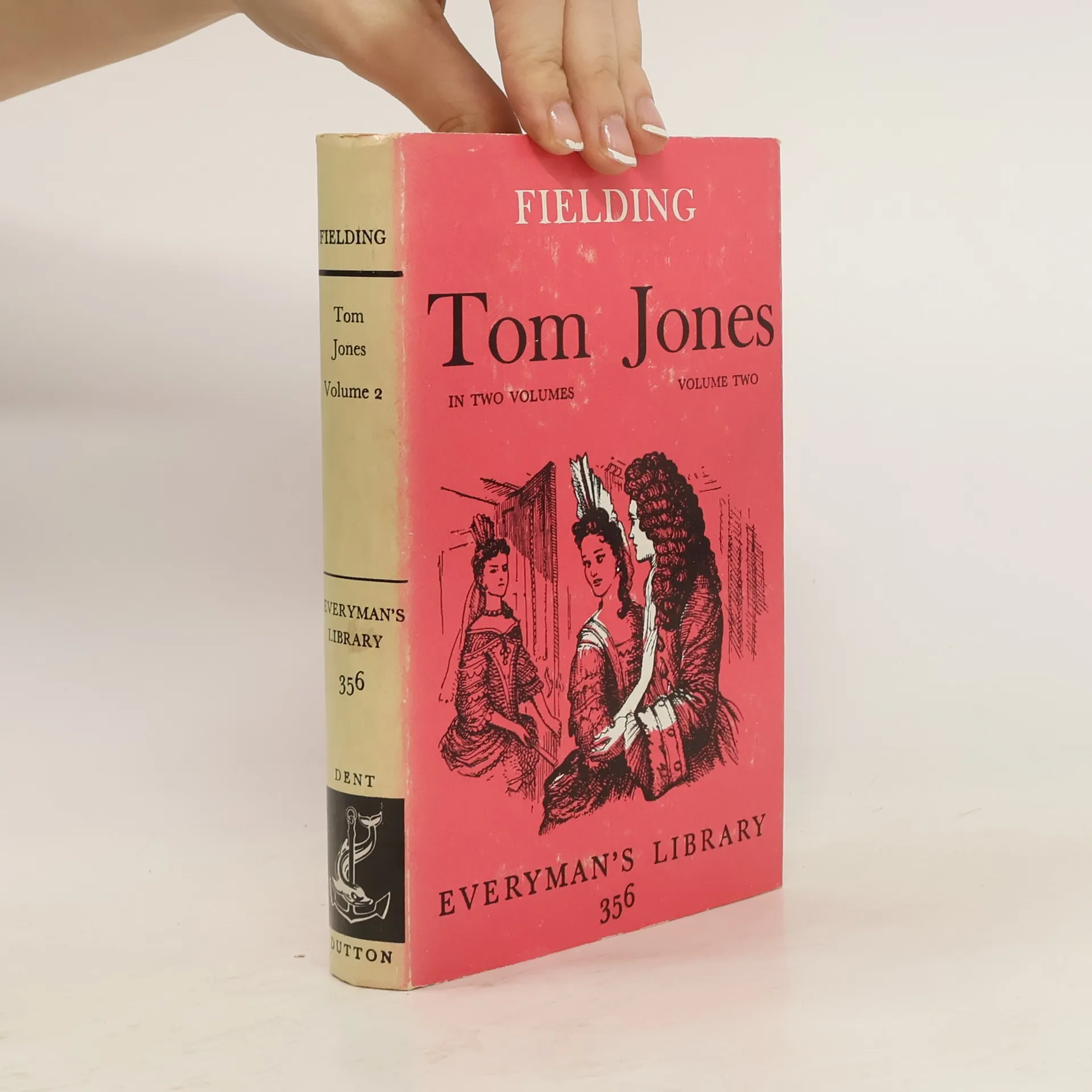
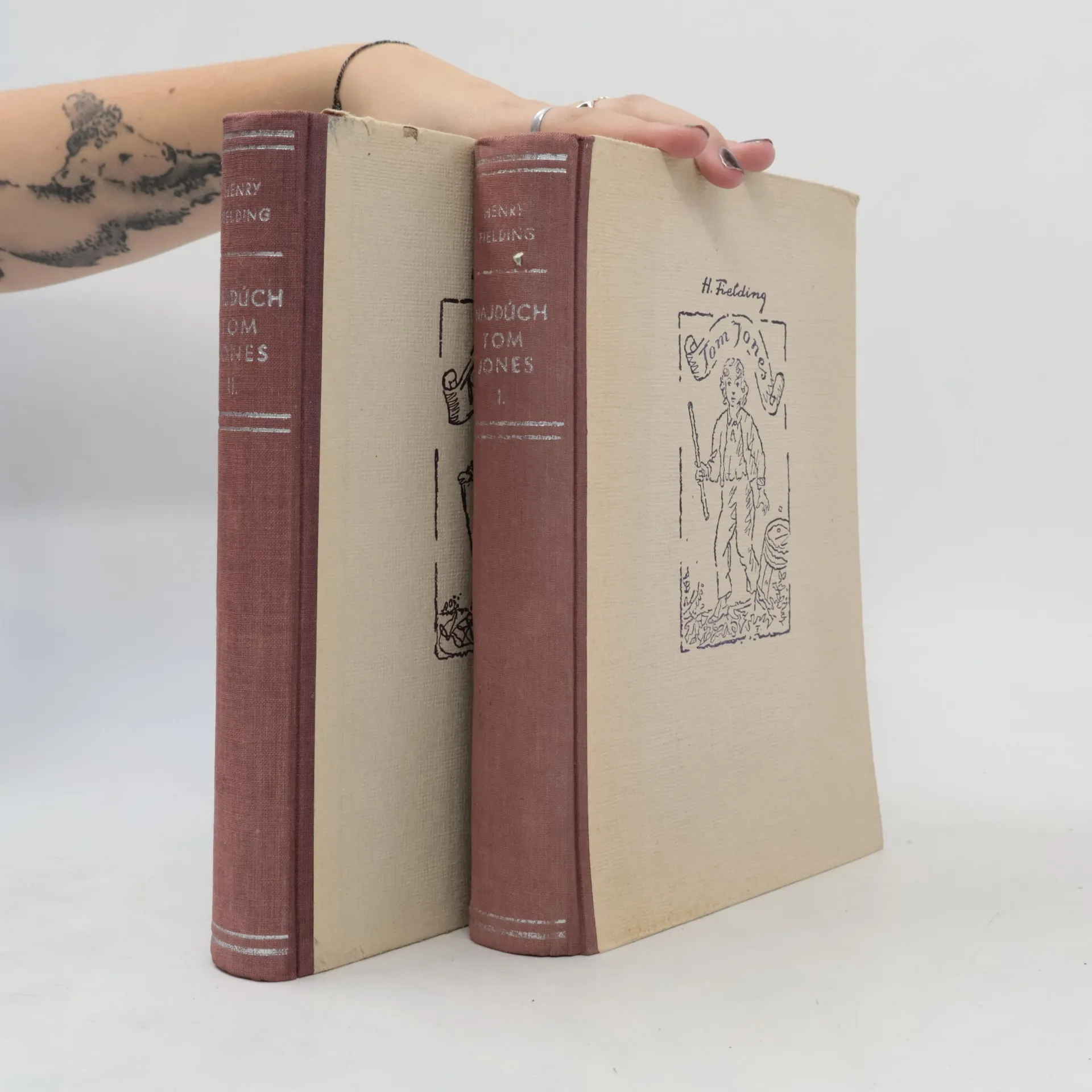
History of Tom Jones, a Foundling; In Two Volumes
Volume 1 - in large print
- 720 pages
- 26 hours of reading
Focusing on accessibility, this publication is a reproduction of a historical work presented in large print, catering specifically to individuals with impaired vision. Megali, the publishing house behind this initiative, emphasizes the importance of making historical literature more readable and inclusive for all audiences.
This book is a reproduction of a historical work, published by Megali, a house dedicated to making literature accessible for individuals with impaired vision through large print editions. The focus on readability enhances the experience for those who may struggle with standard text sizes.
This book is a reproduction of a historical work, presented in large print format to enhance accessibility for readers with impaired vision. The publishing house Megali focuses on making significant texts more readable, ensuring that important historical narratives remain available to a wider audience.
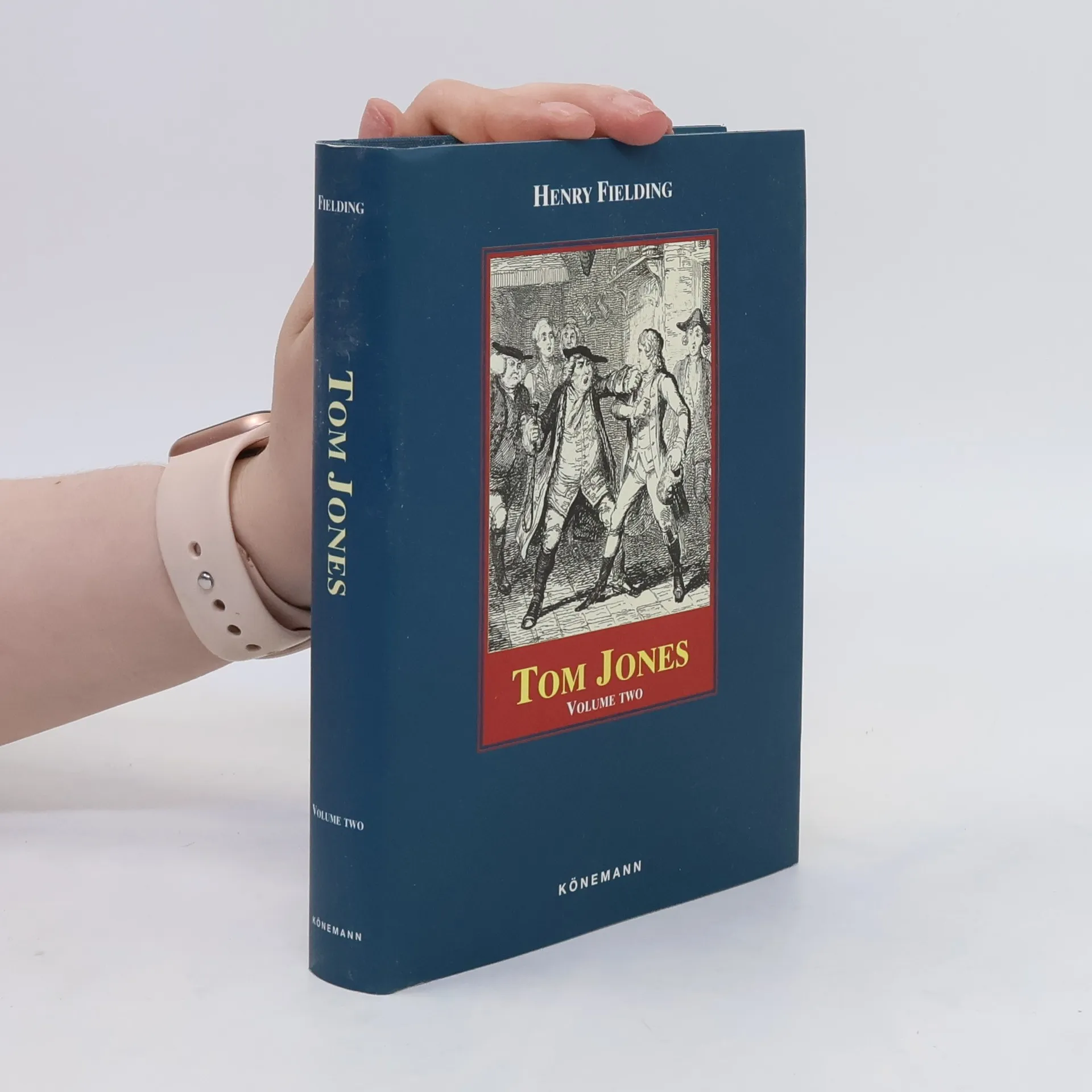
History of Tom Jones, a Foundling; In Two Volumes
Volume 2 - in large print
- 700 pages
- 25 hours of reading
The publishing house Megali focuses on making historical works accessible by producing them in large print, catering specifically to individuals with impaired vision. This commitment to inclusivity ensures that classic literature can be enjoyed by a wider audience, enhancing the reading experience for those who may struggle with standard text sizes.
Fielding'in Joseph Andrews ve Abraham Adams hakkındaki anlatısı, sıradan insanların hikayesidir. İster düşük, ister soylu kökenden olsunlar, asla yüce boyutlarda ideal kahramanlar değildirler; zayıflıkları ve kusurları olan kişilerdir. Bu zayıflıkların ortaya konması, esasen komik ve mizahi etkiler yaratmayı amaçlar ve yazar, bunu kitabının ana konusu ve ahlaki misyonu olarak sunar. İlk olarak, Richardson'un aşırı erdemli romanı Pamela'ya bir parodi ve yanıt olarak başlayan eser, olaylar ilerledikçe İngiliz yollarındaki yaşamın, tavernalarının ve şatolarının geniş bir gerçekçi tasvirine dönüşür. Unutulmaz bir iyi insan tipi olan papaz Adams ile mülk sahibi toplumun ikiyüzlülüğünü ve bencilliğini eleştirir.
Essay über Nichts
- 23 pages
- 1 hour of reading
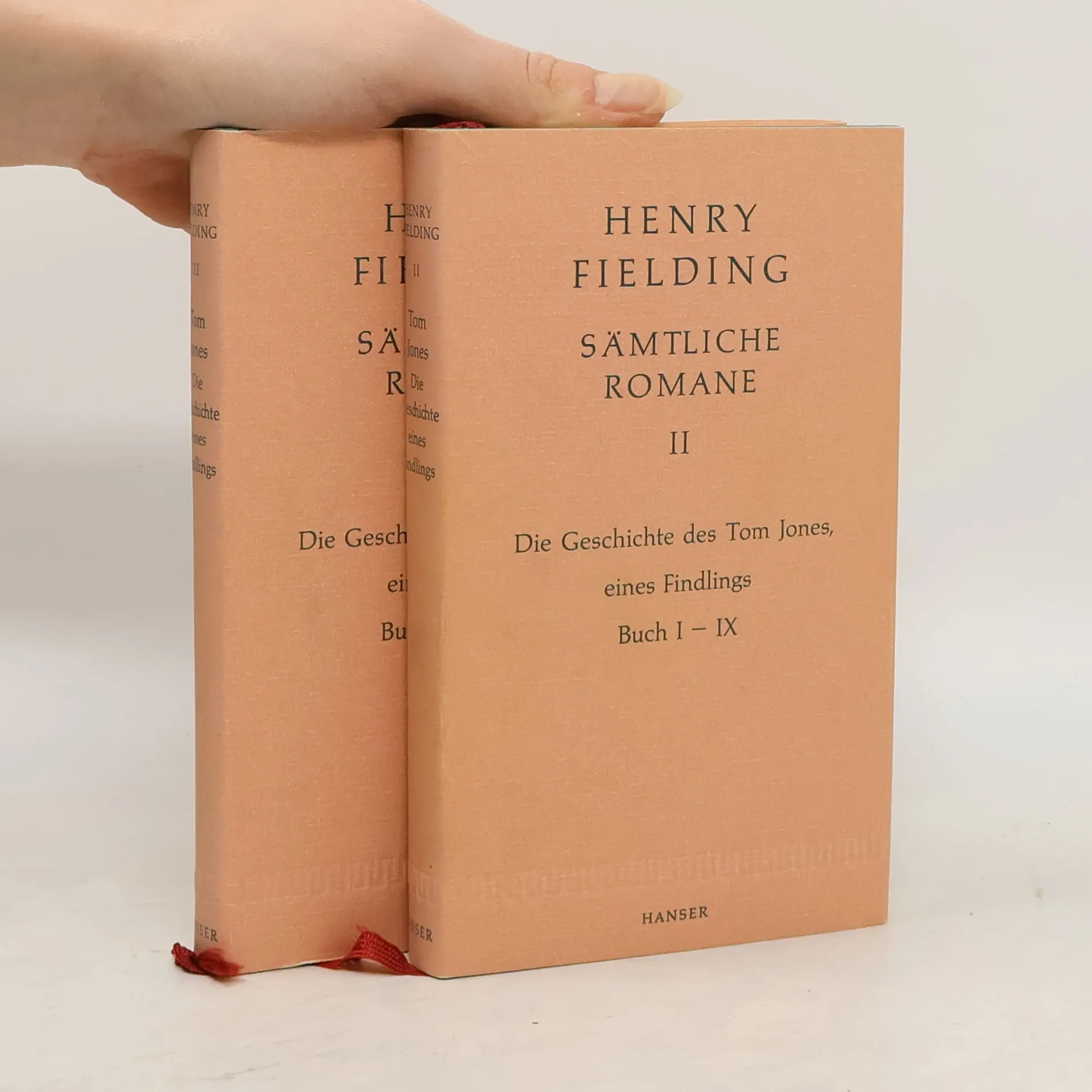
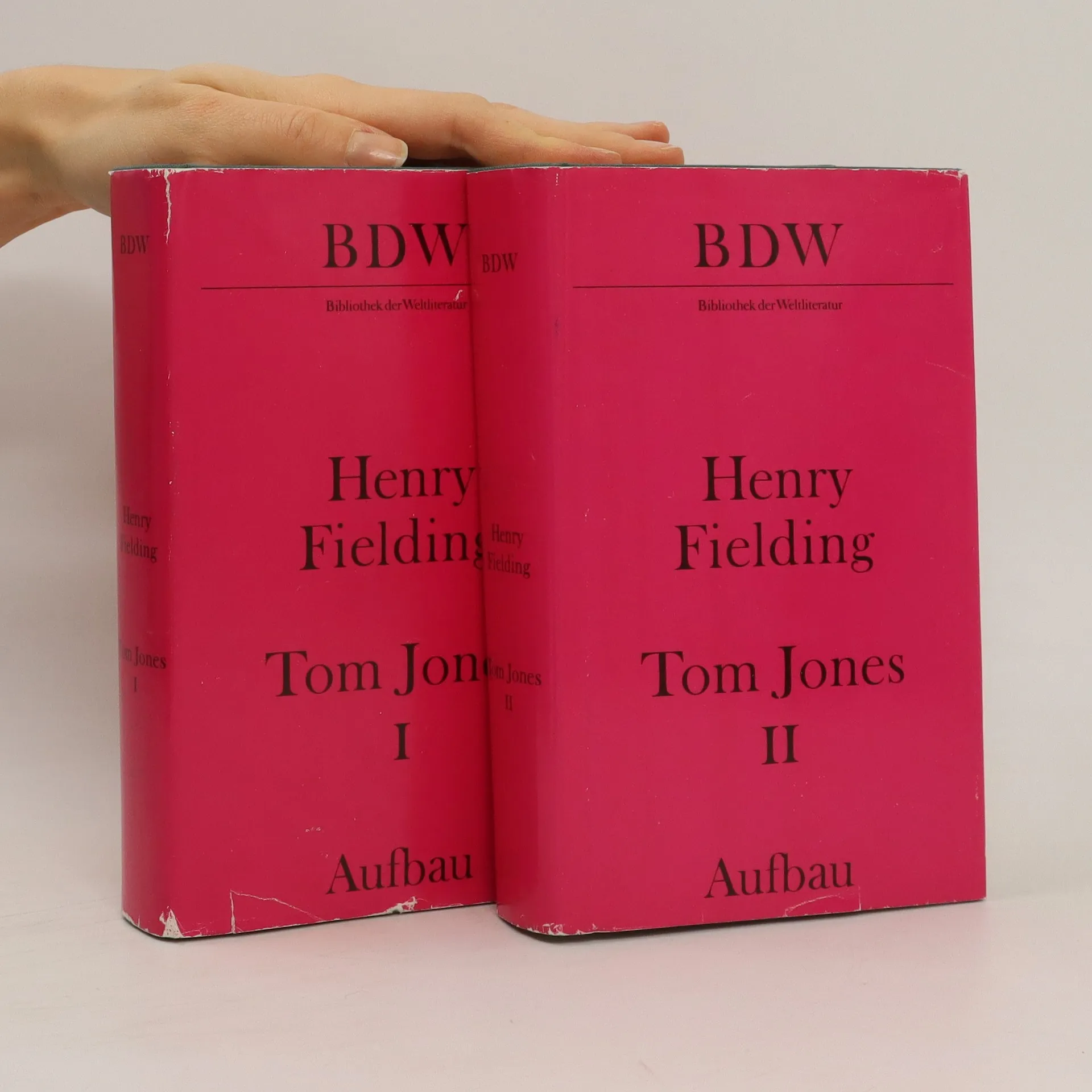
Sämtliche Romane II-III
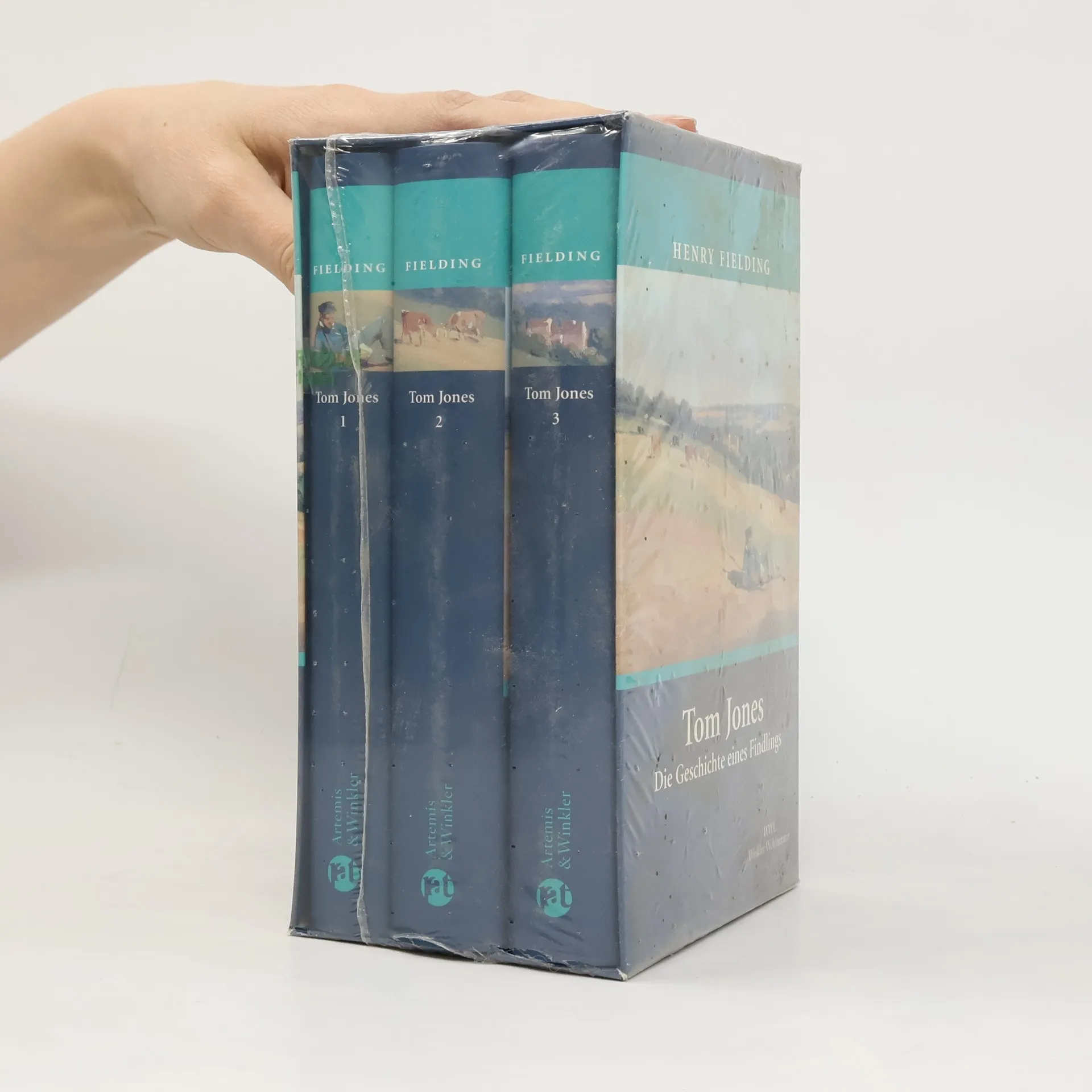
Die Geschichte des Tom Jones, eines Findlings I-XVIII
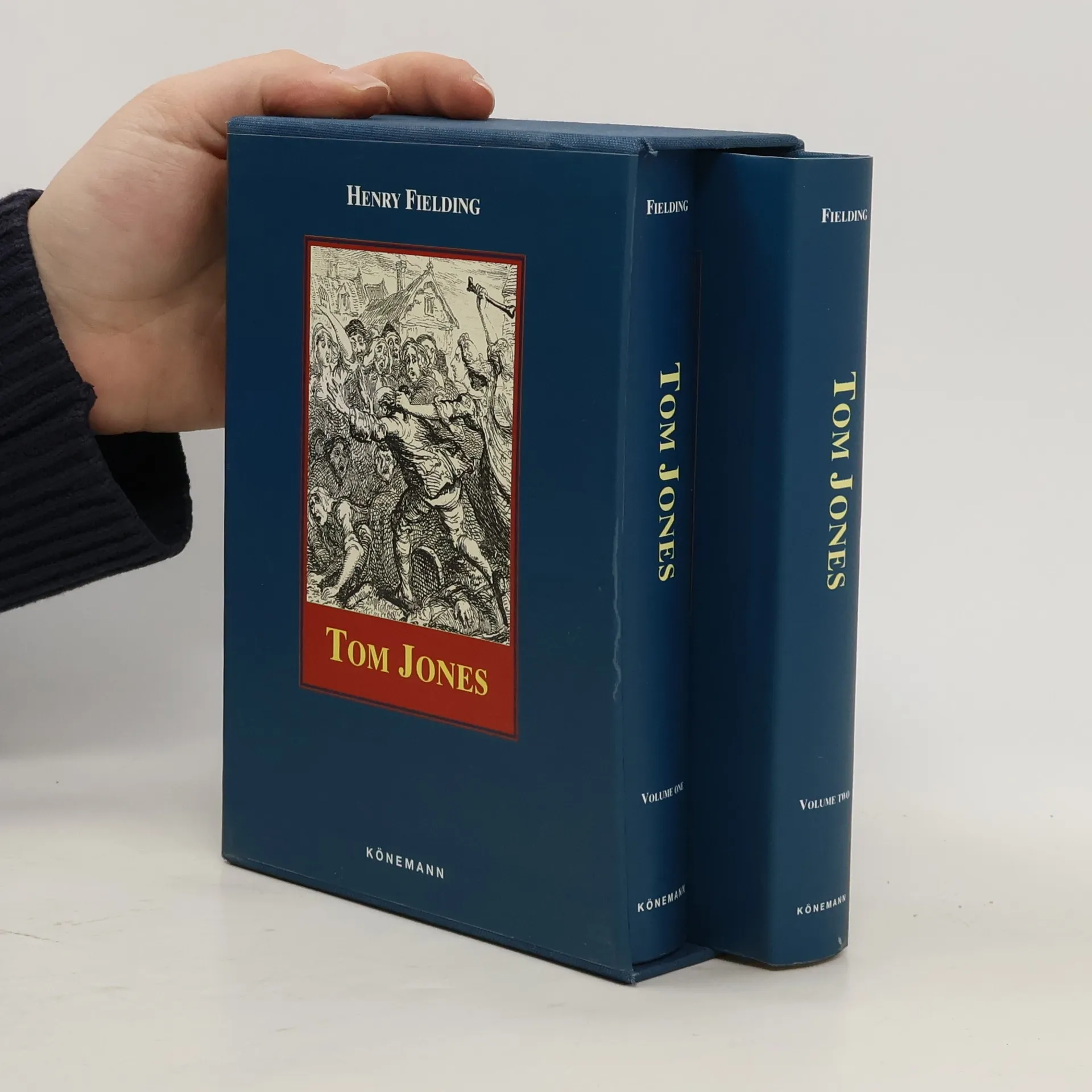
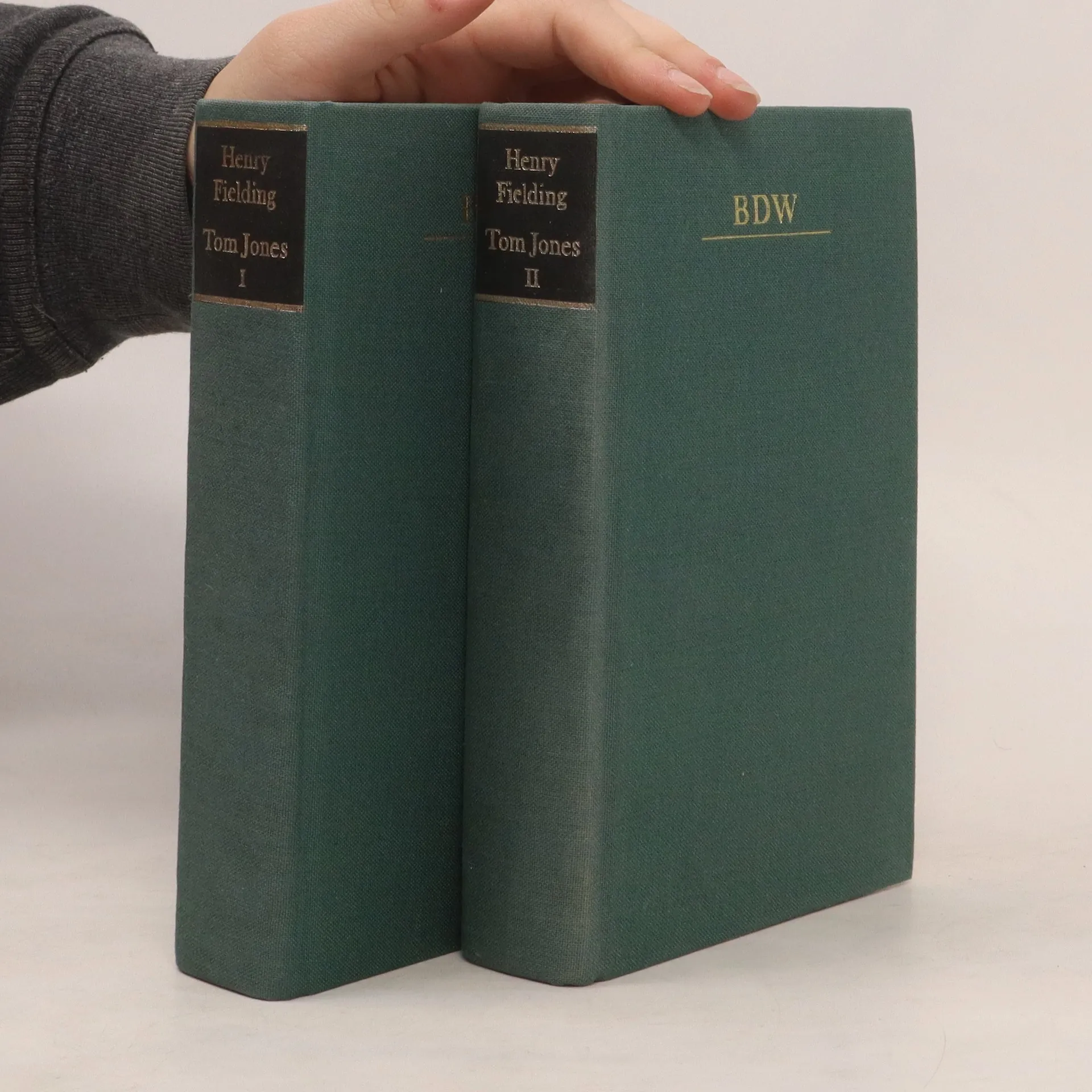
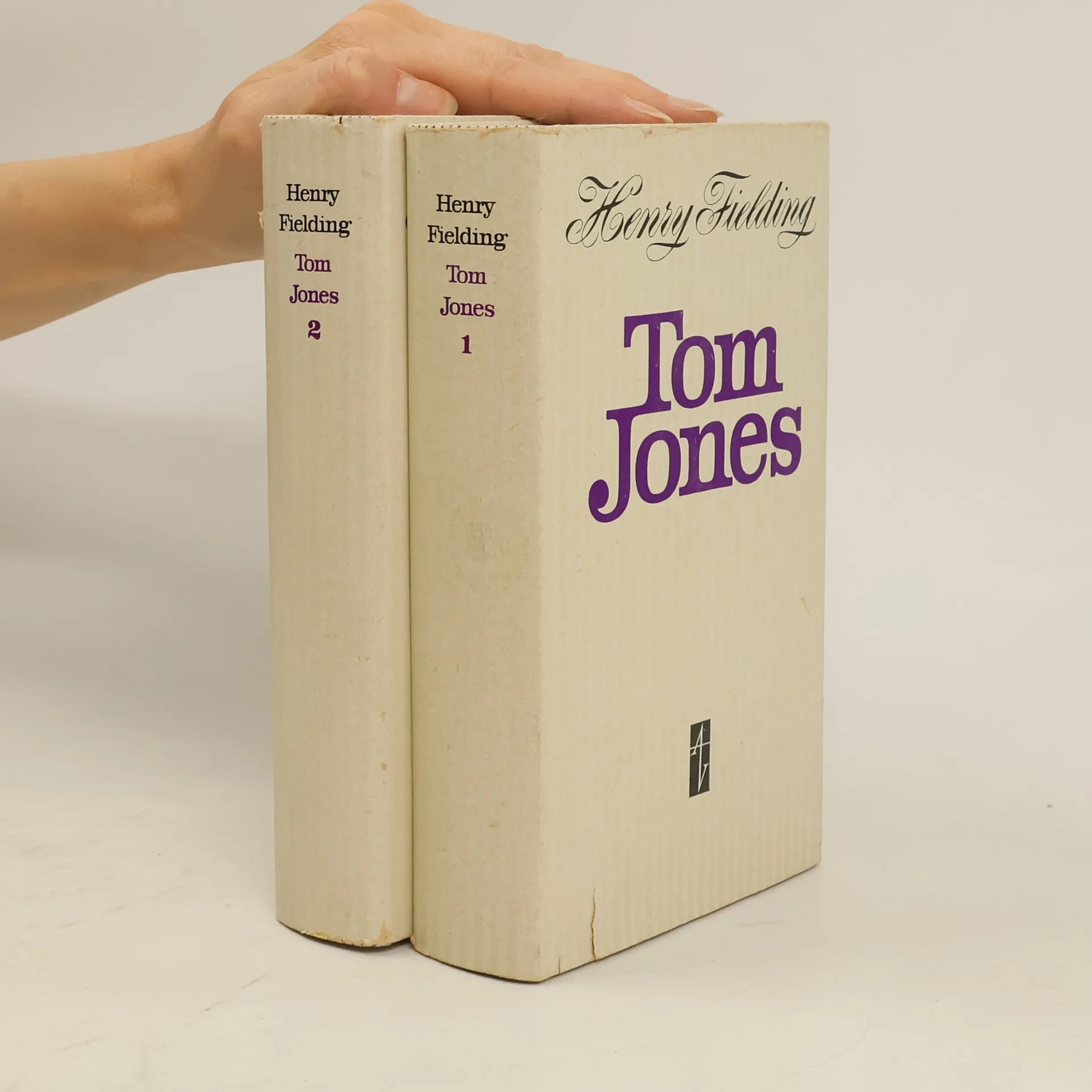
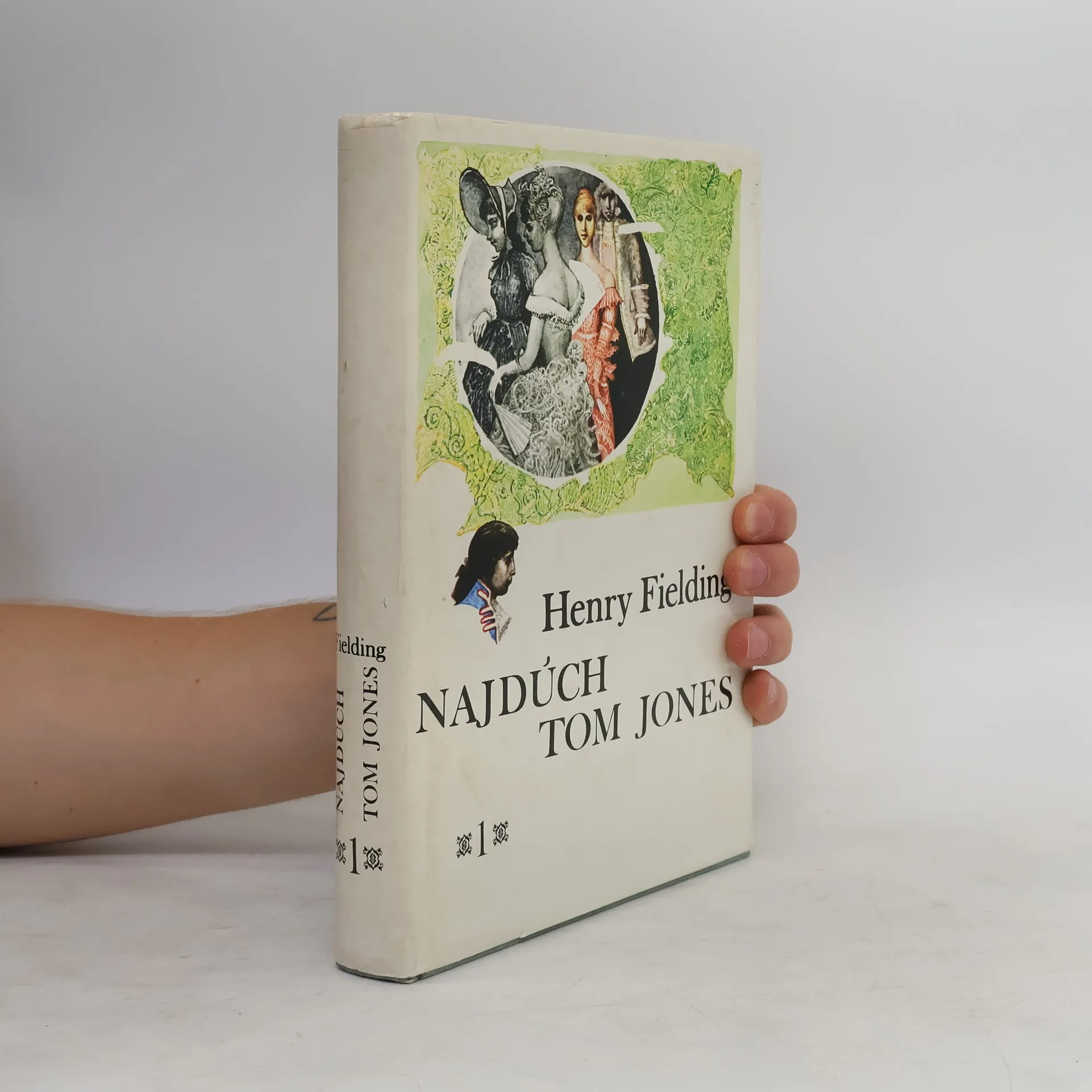
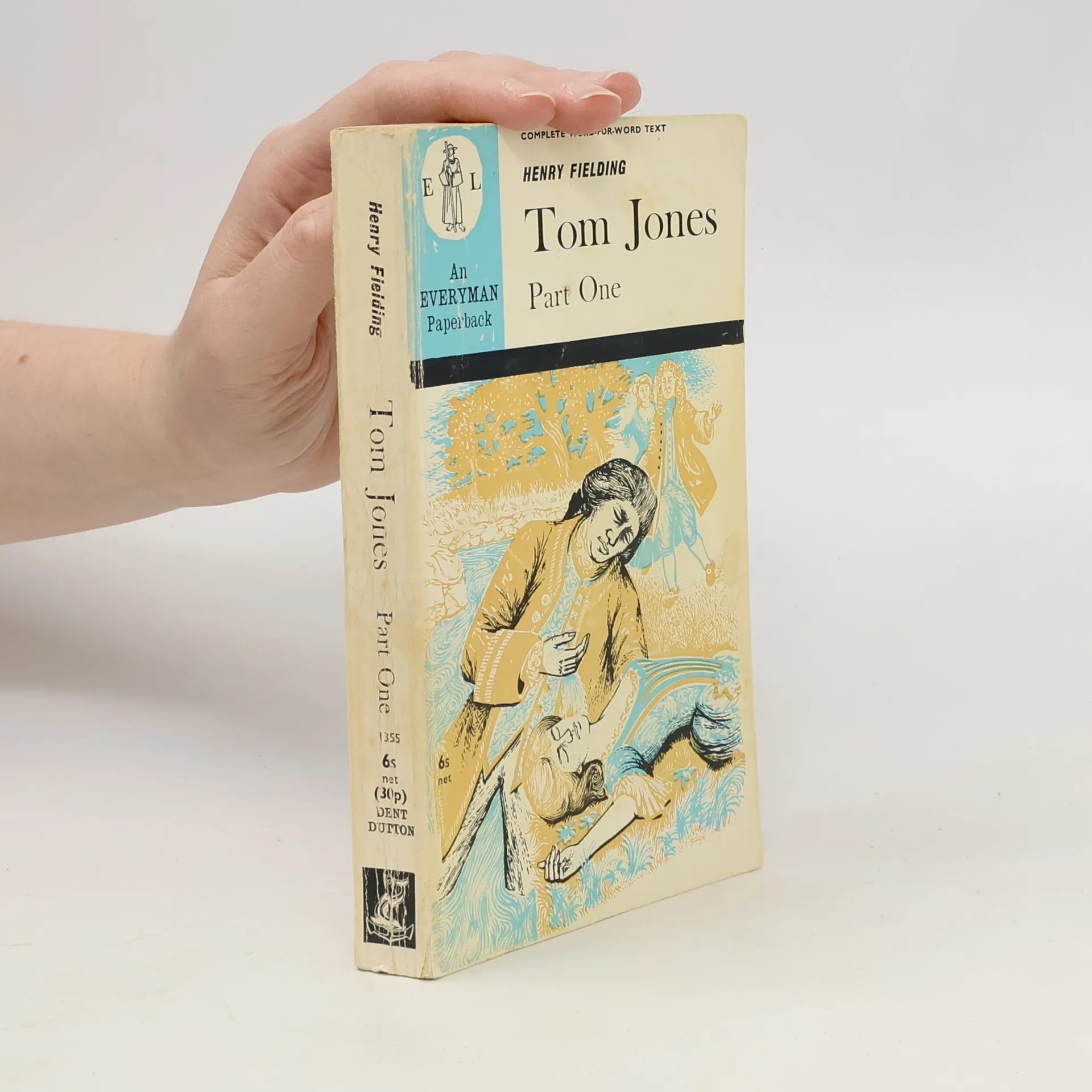
Tom Jones, 1. a 2. část
- 2 volumes
Obsáhlý děj dvousvazkového románu anglického dramatika a spisovatele, osvícence a demokrata sleduje životní osudy milenecké dvojice, které je bráněno v uzavření sňatku majetkovými rozdíly i neznámým původem Toma Jonese. Dobrodružné příhody obou milenců, úklady nastrojené Tomovým bratrem a bohatě rozvětvené episodní děje končí šťastným objevem Tomova původu a jeho sňatkem s vytouženou dívkou. Postavy anglických statkářů, duchovních, život londýnské společnosti i episody o mravní nevázanosti majetných vrstev kontrastují s chudobou venkovského a služebného lidu. Jedno z nejlepších autorových děl zaznamenává kromě mnoha životních moudrostí i velmi pestrý obraz společenského a sociálního dění v Anglii v první polovině 18. století.
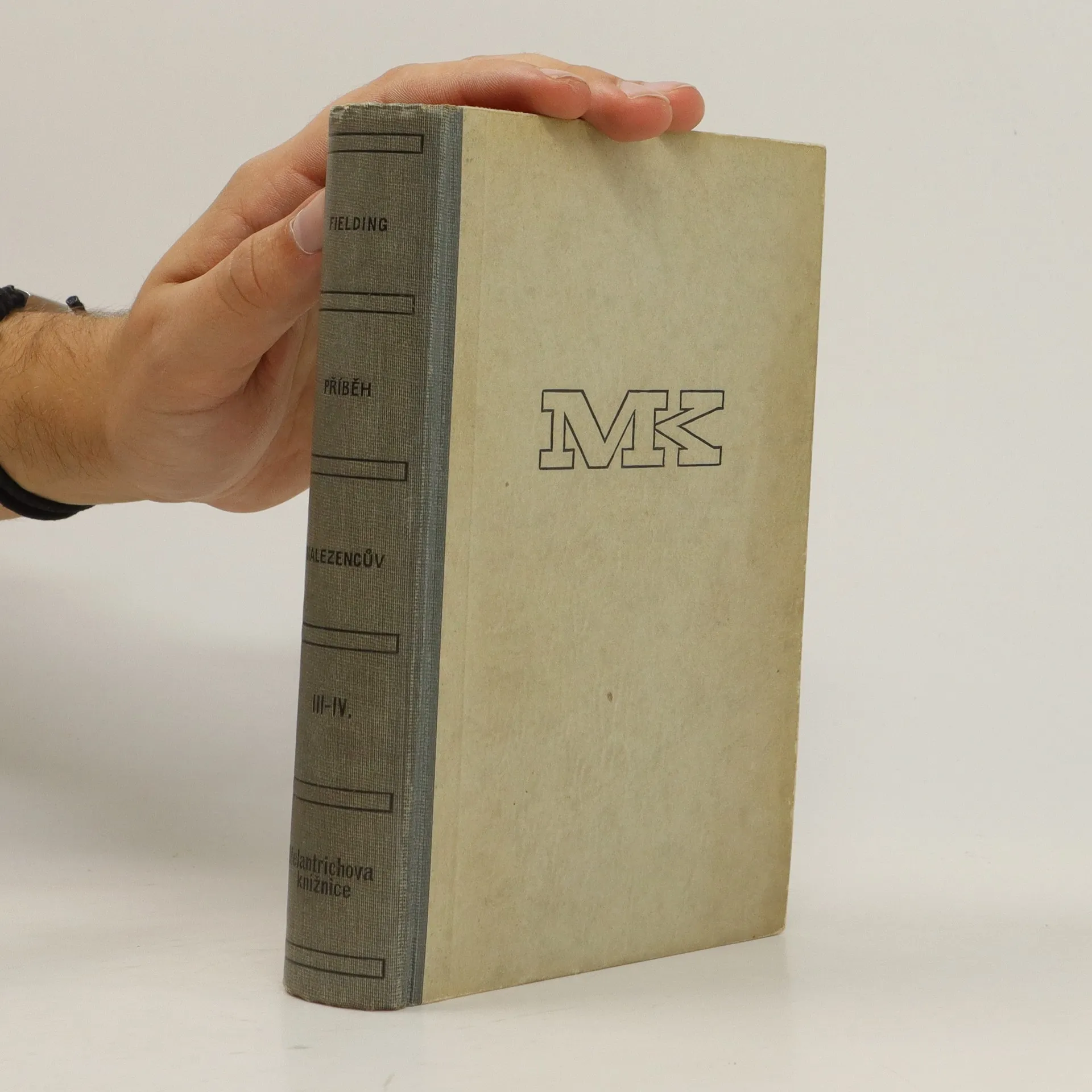
Mistrovské dílo největšího anglického romanopisce 18. století zobrazuje v širokém rozpětí život anglické společnosti v době druhého jakubovského povstání (1745). Příběh titulního hrdiny, nalezence, zapuzeného svým dobráckým pěstounem, statkářem Allworthym, pro pomluvy pokryteckéhoBlifila, který je Jonesovým sokem v lásce k dceři sousedního statkáře Žofii, se odehrává na západoanglickém venkově, na cestách z těchto končin do Londýna a v Londýně, kam Žofie prchá před vnuceným sňatkem. Kontrast mezi chybujícím, ale upřímným a dobrosrdečným Jonesem a svatouškovským, záludným Blifilem tvoří jádro dějové zápletky a ústřední morální a filosofickou náplň díla. Líčení úkladů a pronásledování, kterým je vystavena milenecká dvojice, dává autorovi příležitost ke kritice tehdejších sociálních zlořádů: rodinného despotismu, sňatkových spekulací, prostopášnosti šlechty.
Román zachycuje životní osudy milenecké dvojice, které je bráněno v uzavření sňatku majetkovými rozdíly i neznámým původem T. Jonese. Autor nám podává pestrý obraz společenského a sociálního dění v Anglii 18. století.
Hrdinovia autorových románov sú živé, reálne bytosti z mäsa a krvi a podliehajú všetkým prozaickým nepríjemnostiam každodenného života – trasú sa od zimy, moknú v daždi, zakúšajú prach a špinu na cestách, hádajú sa s krčmármi, majú nedostatok jedla, spánku a peňazí, živia sa len rojčením a túžbami. Autor sa nebojí kompromitovať svojich kladných hrdinov a pripisuje im všetky prirodzené citové potreby, a teda aj z toho vyplývajúce chyby a slabosti. Hlavný predstavitelia románu sú Tom Jones a Žofia Westrenová. Sú to skutočne kladní hrdinovia s nezištným citom, napriek ich komickej stránky pováh, mravných slabostí a pokleskov.
Obsáhlý děj dvousvazkového románu anglického dramatika a spisovatele, osvícence a demokrata sleduje životní osudy milenecké dvojice, které je bráněno v uzavření sňatku majetkovými rozdíly i neznámým původem Toma Jonese. Dobrodružné příhody obou milenců, úklady nastrojené Tomovým bratrem a bohatě rozvětvené episodní děje končí šťastným objevem Tomova původu a jeho sňatkem s vytouženou dívkou. Postavy anglických statkářů, duchovních, život londýnské společnosti i episody o mravní nevázanosti majetných vrstev kontrastují s chudobou venkovského a služebného lidu. Jedno z nejlepších autorových děl zaznamenává kromě mnoha životních moudrostí i velmi pestrý obraz společenského a sociálního dění v Anglii v první polovině 18. století.
Hrdinovia autorových románov sú živé, reálne bytosti z mäsa a krvi a podliehajú všetkým prozaickým nepríjemnostiam každodenného života – trasú sa od zimy, moknú v daždi, zakúšajú prach a špinu na cestách, hádajú sa s krčmármi, majú nedostatok jedla, spánku a peňazí, živia sa len rojčením a túžbami. Autor sa nebojí kompromitovať svojich kladných hrdinov a pripisuje im všetky prirodzené citové potreby, a teda aj z toho vyplývajúce chyby a slabosti. Hlavný predstavitelia románu sú Tom Jones a Žofia Westrenová. Sú to skutočne kladní hrdinovia s nezištným citom, napriek ich komickej stránky pováh, mravných slabostí a pokleskov.
Poslední román anglického prozaika 18. století je dílo vyzrálé moudrosti, kterým autor zamýšlí „vyzdvihnout ctnost a pranýřovat některá nejkřiklavější zla“. Vlastní děj tvoří pásmo příhod z rodinného života slabošského kapitána Boothe a jeho obětavé ženy Amelie, jejichž manželská pohoda je neustále narušována Boothovou lehkověrností a finančními potížemi.
Vstupní svazek vybraných spisů anglického dramatika a romanopisce obsahuje čtyři divadelní hry: Paleček (1730) — Kavárenský politik (1731) — Don Quijote v Anglii (1734) — Historický kalendář na rok 1736 (1737); a román Jonathan Wild (1743). Všem je společné autorovo nesmlouvavé zaútočenína mravy a vady soudobé společnosti. Tepe úplatkářství anglického soudnictví, paroduje dramatickou tvorbu i kritiku, zesměšňuje anglické volby a odhaluje mravní zrůdnost a kořistnictví politiků.
Dva proslulé romány jednoho ze zakladatelů anglického realistického románu Henry Fieldinga (1707–1754), řadící se přímo vedle jeho nejslavnějšího románu o Tom Jonesovi. Cudný lokaj (1742; anglicky také známý zkráceně jako Joseph Andrews) je vynikající humoristické dílo světové literatury a zároveň první realistický anglický román. Terčem autorova smíchu jsou tu hlavně příslušníci tehdejší všemocné šlechty a její měšťáčtí přisluhovači. Jediní, kdož tu zůstávají ušetřeni autorovy útočné satiry, jsou poctiví chudáci, jako je lokaj Andrews, jeho milá-komorná Fanynka a dobrácký farář Adams. Slavný mizera (1743; též známo jako Jonathan Wild) je satirický obraz mravní bídy a zlotřilosti Fieldingovy doby, založený na skutečných událostech. Hrdina tohoto románu Jonathan Wild je vylíčen nejen jako zločinec, ale i jako krutý vykořisťovatel svých pomocníků.
Tom Jones. Příběh nalezence I-II
- 2 volumes