


Explore the latest books of this year!
Bookbot

Scott E. Page

    Diversity and complexity
    The Difference
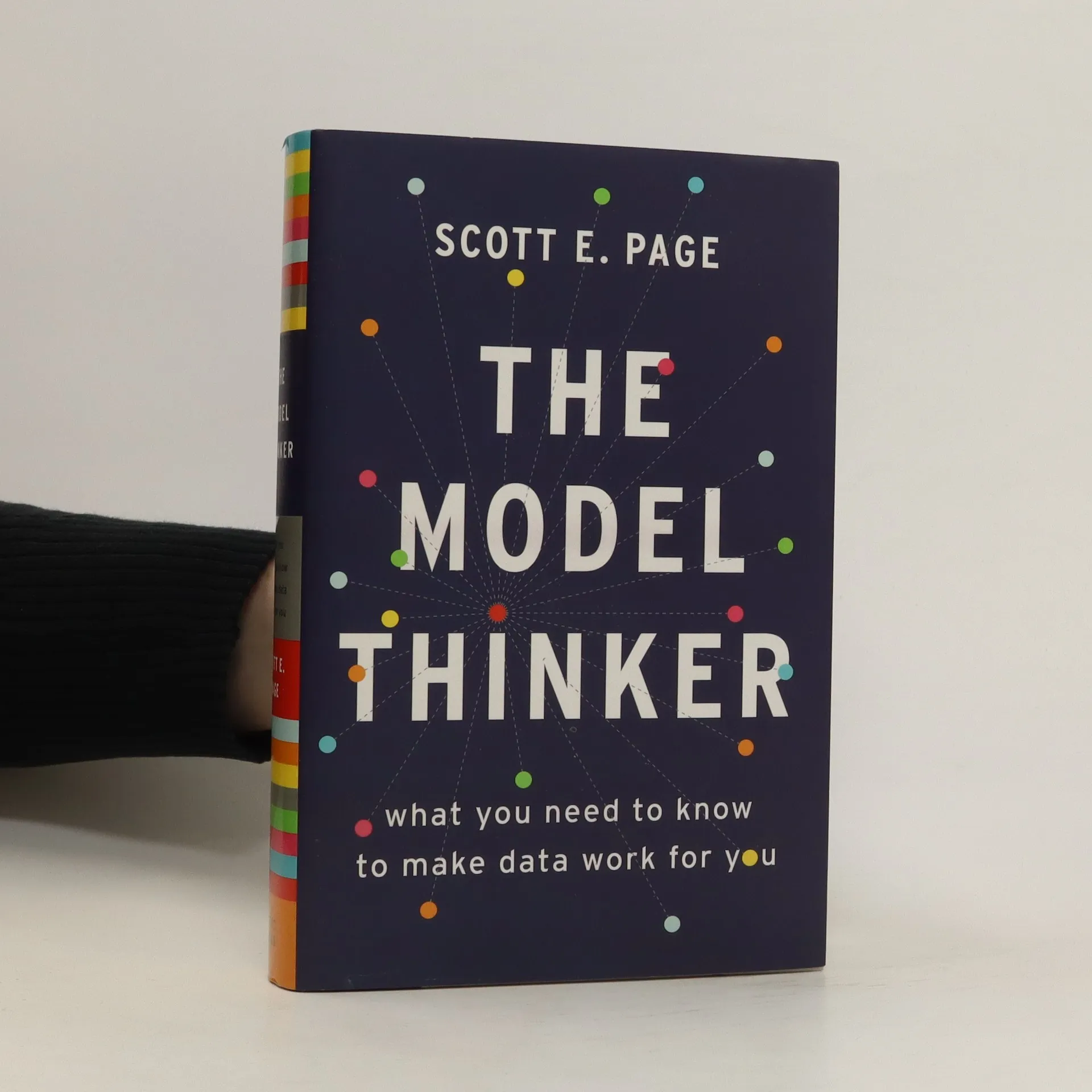
    The Model Thinker : What You Need to know to Make Data Work for You
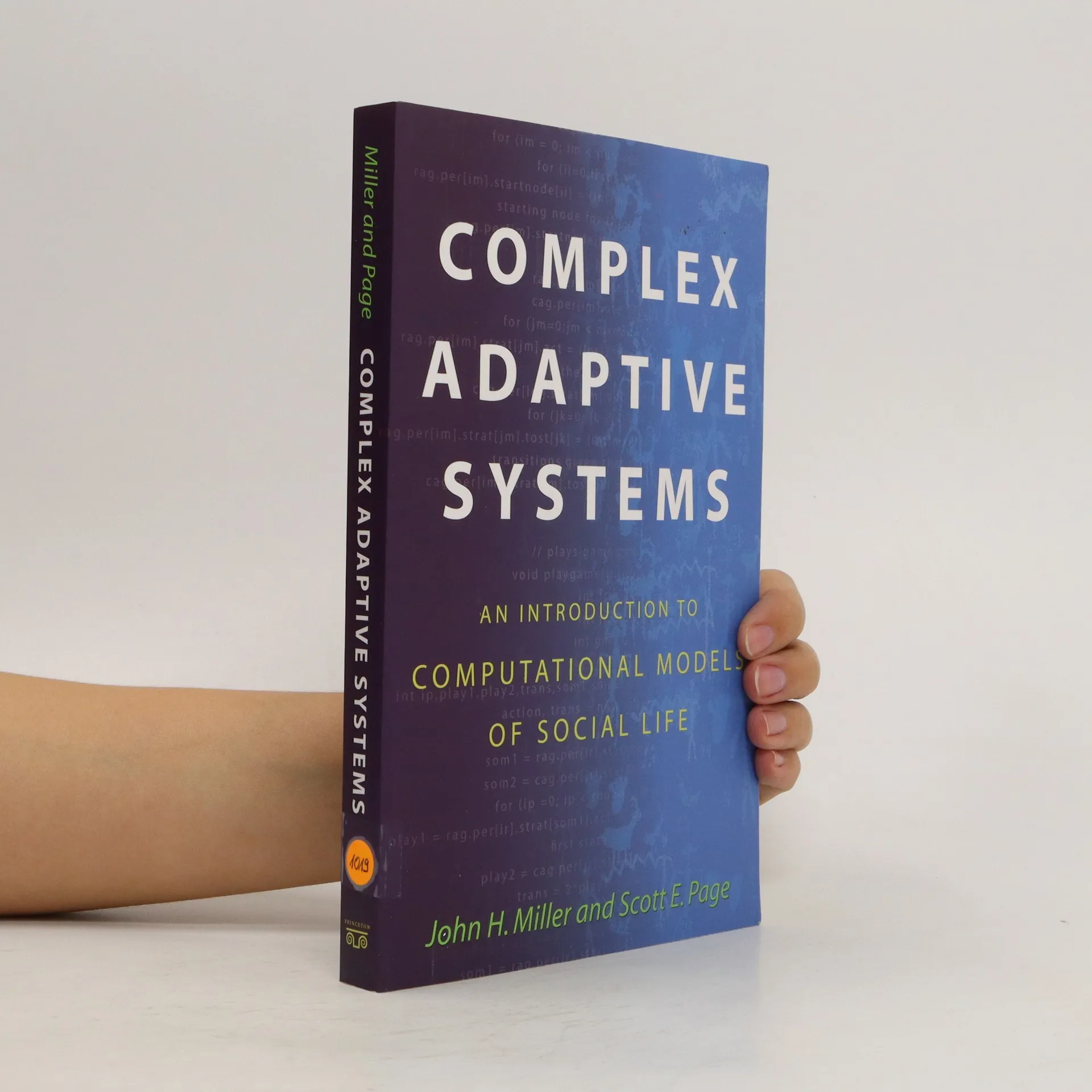
    Complex Adaptive Systems
    The Model Thinker
    • 2021

      The Model Thinker

      • 464 pages
      • 17 hours of reading
      3.9(17)Add rating

      How anyone can become a data whiz From the stock market to COVID-19 charts, census figures to marketing email blasts, we are awash with data. But as anyone who's ever opened up a spreadsheet packed with seemingly infinite lines of data knows, numbers aren't enough: we need to know how to make those numbers talk. In The Model Thinker, social scientist Scott E. Page shows us the mathematical and statistical models-from linear regression to random walks and beyond-that can turn anyone into a data genius. At the core of the book is Page's "many-model paradigm," which shows us how to organize data with multiple models, leading to wiser choices, more accurate predictions, and more robust designs. Whether you're a scientist, pollster, blogger, or business person, The Model Thinker offers a toolkit for becoming a better, clearer thinker, able to leverage data and information to your advantage.

      The Model Thinker
    • 2018

      How anyone can become a data ninja From the stock market to genomics laboratories, census figures to marketing email blasts, we are awash with data. But as anyone who has ever opened up a spreadsheet packed with seemingly infinite lines of data knows, numbers aren't enough: we need to know how to make those numbers talk. In The Model Thinker, social scientist Scott E. Page shows us the mathematical, statistical, and computational models--from linear regression to random walks and far beyond--that can turn anyone into a genius. At the core of the book is Page's "many-model paradigm," which shows the reader how to apply multiple models to organize the data, leading to wiser choices, more accurate predictions, and more robust designs. The Model Thinker provides a toolkit for business people, students, scientists, pollsters, and bloggers to make them better, clearer thinkers, able to leverage data and information to their advantage.

      The Model Thinker : What You Need to know to Make Data Work for You
    • 2010

      Diversity and complexity

      • 291 pages
      • 11 hours of reading

      This book provides an introduction to the role of diversity in complex adaptive systems. A complex system--such as an economy or a tropical ecosystem--consists of interacting adaptive entities that produce dynamic patterns and structures. Diversity plays a different role in a complex system than it does in an equilibrium system, where it often merely produces variation around the mean for performance measures. In complex adaptive systems, diversity makes fundamental contributions to system performance. Scott Page gives a concise primer on how diversity happens, how it is maintained, and how it affects complex systems. He explains how diversity underpins system level robustness, allowing for multiple responses to external shocks and internal adaptations; how it provides the seeds for large events by creating outliers that fuel tipping points; and how it drives novelty and innovation. Page looks at the different kinds of diversity--variations within and across types, and distinct community compositions and interaction structures--and covers the evolution of diversity within complex systems and the factors that determine the amount of maintained diversity within a system. Provides a concise and accessible introduction Shows how diversity underpins robustness and fuels tipping points Covers all types of diversity The essential primer on diversity in complex adaptive systems

      Diversity and complexity
    • 2007

      The Difference

      • 448 pages
      • 16 hours of reading
      3.9(213)Add rating

      In this landmark work, Scott Page redefines our understanding of interpersonal dynamics. The focus is on group thinking and how collective wisdom often surpasses individual brilliance. Why do teams often arrive at better solutions than solitary thinkers? The answer lies in diversity—not just in appearance, but in the unique skills and perspectives each person brings. Page argues that progress and innovation stem more from diverse groups than from isolated geniuses. His research shows that groups with varied viewpoints consistently outperform those of like-minded experts. He emphasizes that diversity leads to superior outcomes, moving beyond the political debates surrounding the topic. Page illustrates why differences are more advantageous than homogeneity, applicable in contexts ranging from democratic societies to scientific research. He also explores practical applications of diversity’s logic to various challenges, sharing intriguing examples, such as the redesign of the Chicago "El" and insights about ketchup storage. Ultimately, Page transforms our understanding of diversity, highlighting how to harness its potential, navigate its pitfalls, and leverage our differences for collective benefit.

      The Difference