
Explore the latest books of this year!
Bookbot

Bruno de Witte

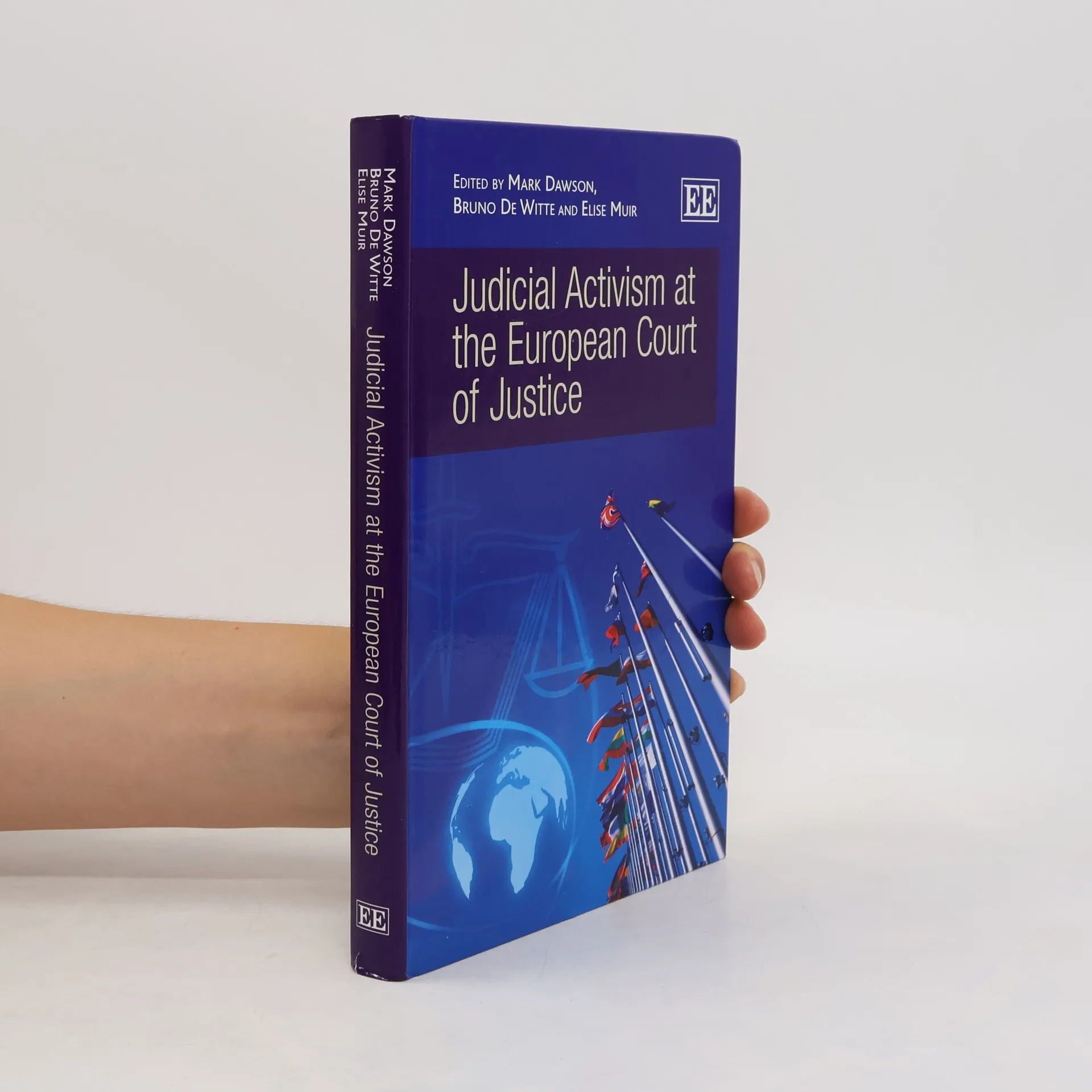
    Judicial Activism at the European Court of Justice
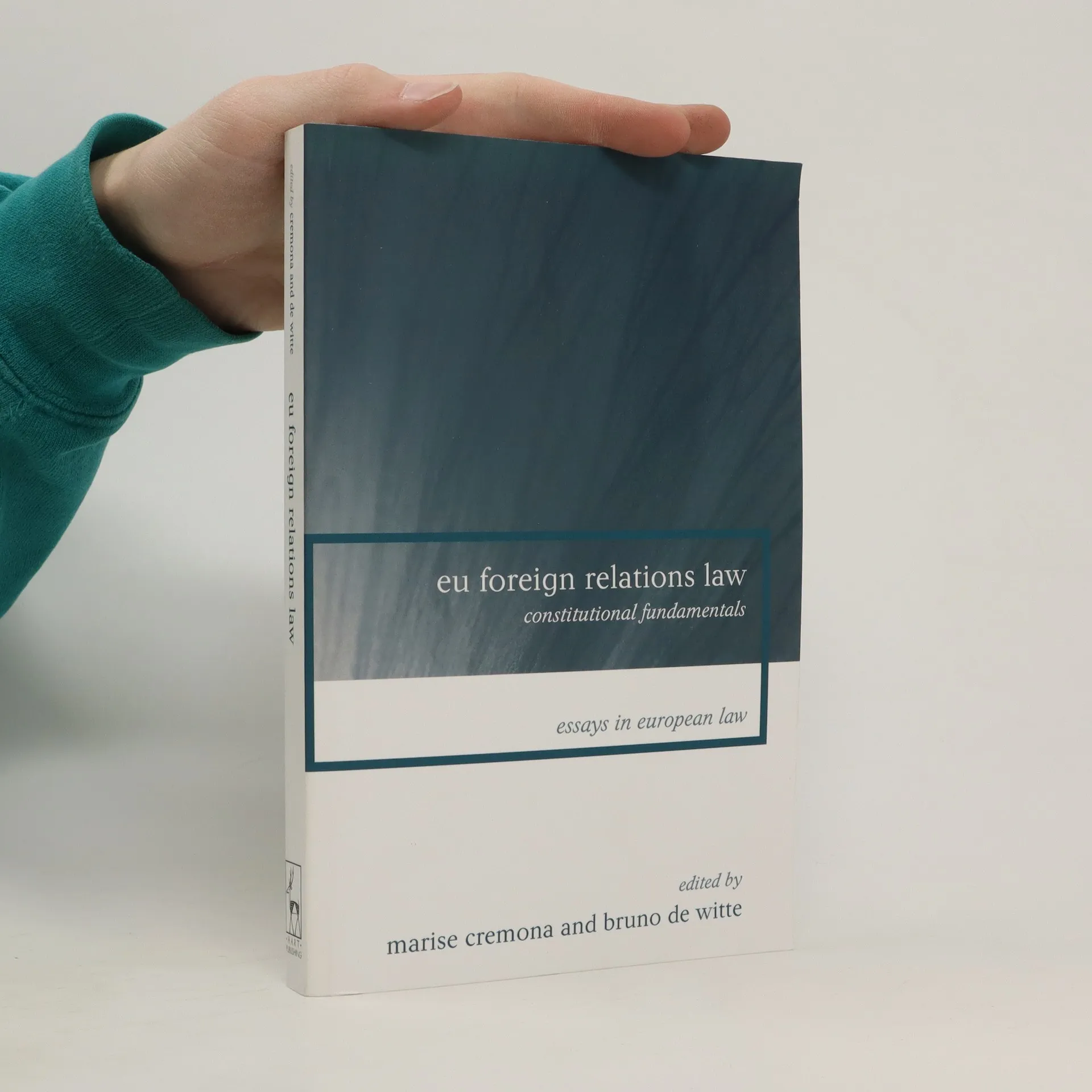
    EU foreign relations law constitutional fundamentals
    • 2013

      This well-constructed collection fills a gap in scholarship by providing a nuanced picture of the Court's role in Europe, engaging with the complexity of law while maintaining a focus on the broader political context. It features well-contextualized discussions on rights, economics, science, and institutions, making it essential for those interested in the political role of the Court of Justice of the EU. The book explores the rationale, components, and responses to claims of judicial activism at the European Court of Justice. Contributions from academics, practitioners, and stakeholders present diverse perspectives on factors influencing the Court's political role, including access rules, institutional design, and substantive functions. Each author encourages readers to view the Court's role as a dynamic interplay among the EU judiciary, European and national political spheres, and various actors with competing legitimacy claims. This volume critically examines the Court's political role while highlighting the opportunities and responsibilities its case law presents to observers, political institutions, and civil society organizations. It will appeal to researchers, graduate students, and EU and national officials alike.

      Judicial Activism at the European Court of Justice
    • 2008

      This book reappraises the constitutional fundamentals of EU foreign relations law. The essays in the book examine and reassess the basic principles of EU foreign relations law that have emerged over 50 years of incremental Treaty-based and judicial development and explore the particular character of the EU's "external constitution." They have been written against a background of change and debate: the deliberation over the character of the appropriate constitutional framework which has surrounded the drafting of the Constitutional and Reform Treaties, the increasingly cross-pillar nature of much EU external action, and renewed interest in the accountability of foreign relations policy and practice to democratic and judicial review within and without the EU. This collection will be of interest not only to EU foreign relations law specialists but also to those concerned with broader constitutional issues within EU law. In exploring the legal context in which the EU seeks to develop an international identity, and to structure and execute policies at the international level, the collection will also interest those working in international relations.

      EU foreign relations law constitutional fundamentals