
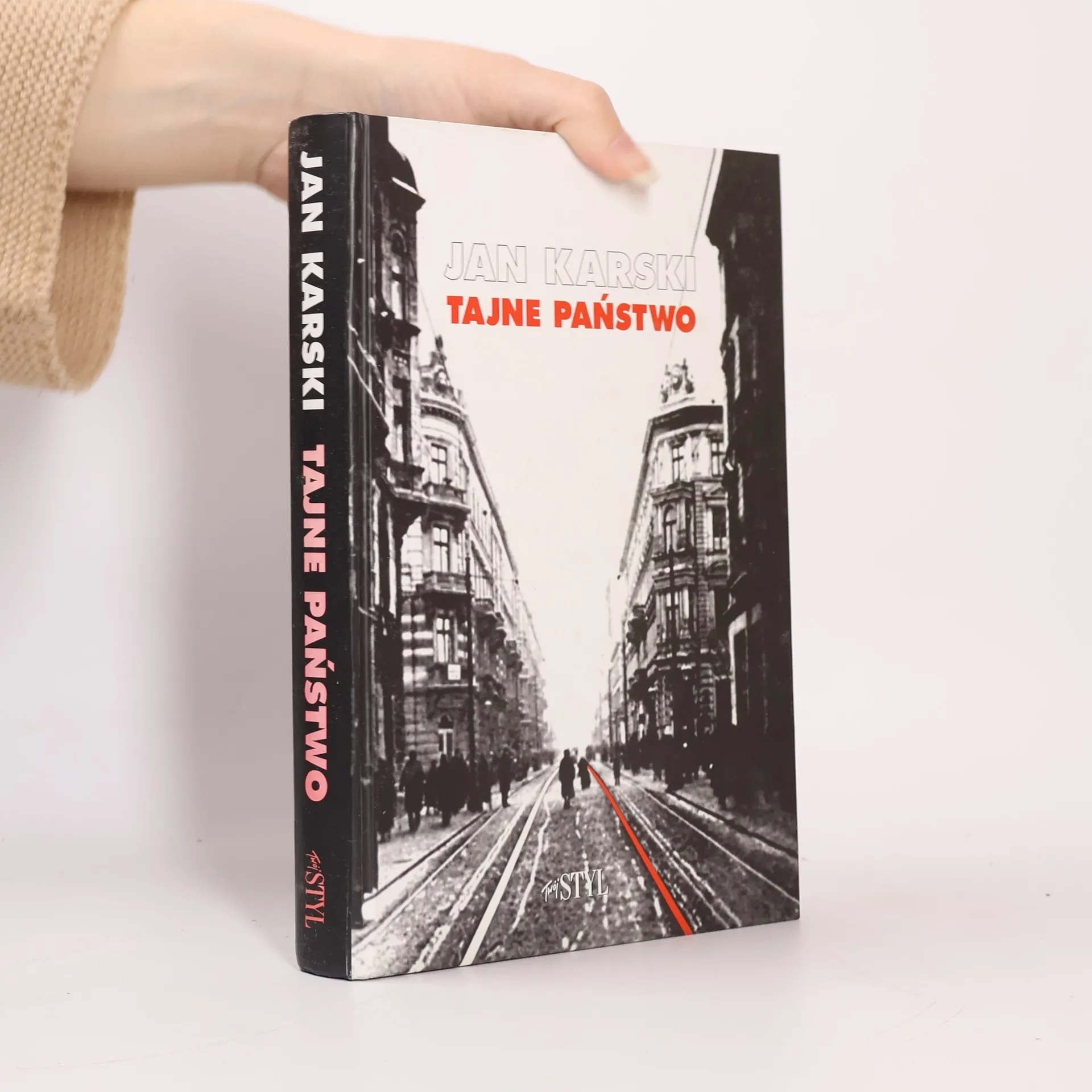
Jan Karski was a Polish resistance fighter during World War II who later became a professor at Georgetown University. His writing delves deeply into the horrors of occupied Europe, specifically highlighting the Nazi extermination camps and the destruction of the Warsaw Ghetto. Karski's texts serve as a powerful testament to human suffering and courage as he sought to inform the Western Allies of these devastating events. His academic work further explored international relations and Eastern European affairs, reflecting his lifelong engagement with political and historical circumstances.
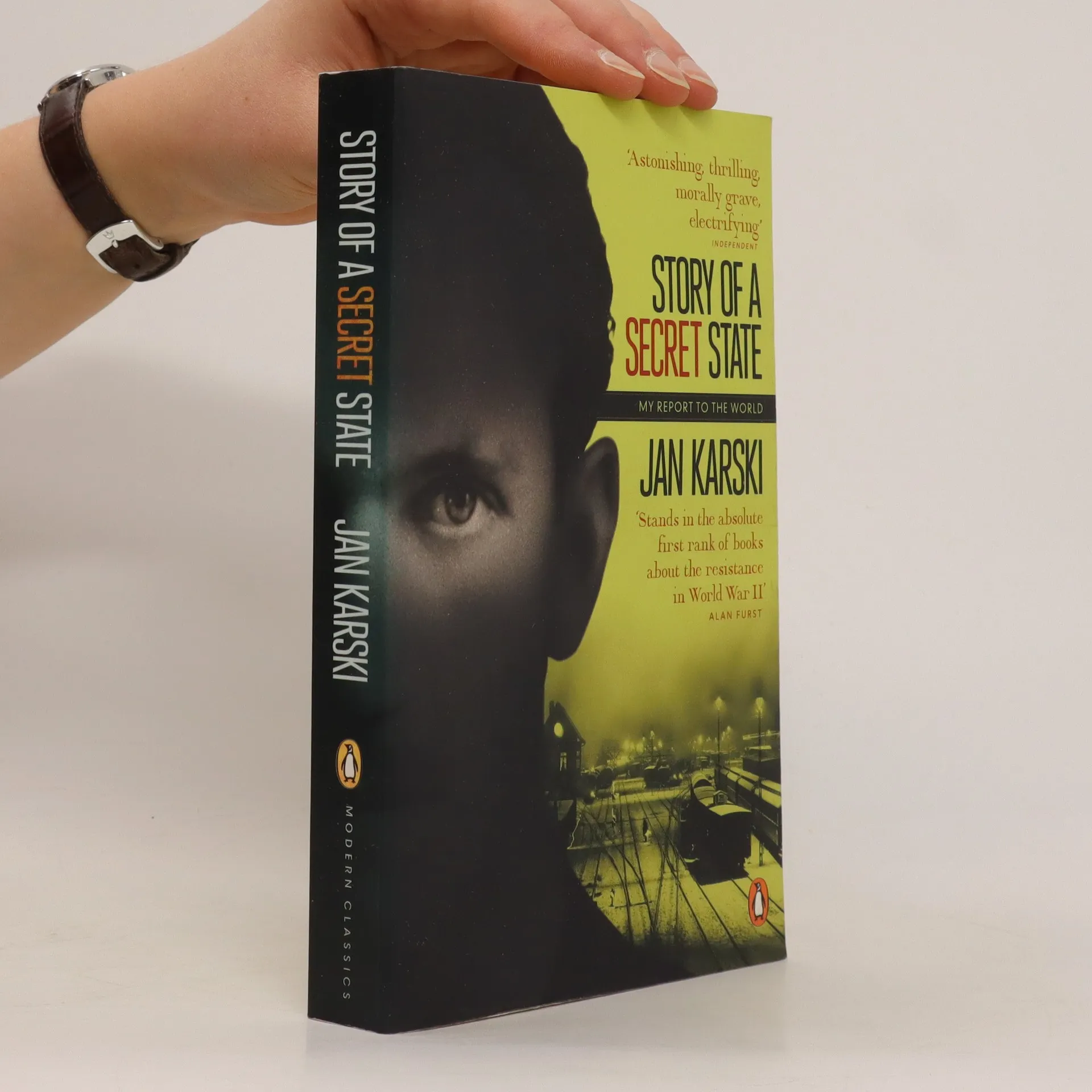
During World War II, Jan Karski disguised himself as a guard to infiltrate a Nazi death camp. Travelling across occupied Europe to England, with his eye-witness report smuggled on microfilm in the handle of a razor, he became the first man to tell the Allies about the Holocaust - only to be ignored. This is his story.
Nikt nie wiedział o Polskim Państwie Podziemnym tyle co on. Mimo śmiertelnego
zagrożenia kilka razy przemierzył Europę jako jego tajny emisariusz. Wpadł
tylko raz. Torturowany przez Niemców, bojąc się, że zdradzi, targnął się na
swoje życie. Ryzykując rozstrzelanie, przedarł się do warszawskiego getta i do
obozu w Izbicy. Złożył przywódcom aliantów wstrząsający raport o nazistowskich
zbrodniach. On pierwszy usiłował obudzić sumienie świata i zatrzymać
Holokaust. Nazywał się Karski. Jan Karski – najsłynniejszy kurier Polski
Walczącej. „Tajne państwo” ukazało się w Ameryce w 1944 roku i natychmiast
stało się bestsellerem. W siedemdziesiątą rocznicę premiery legendarna książka
ukazuje się w nowym tłumaczeniu. Powinien ją mieć na półce każdy polski
patriota.