Dom Casmurro
- 224 pages
- 8 hours of reading
First published in 1899, Dom Casmurro is acknowledged as the finest achievement of the great Brazilian novelist Machado de Assis, and among the most important novels ever written in the Portuguese language.


Elizabeth Hardwick was a distinguished American literary critic and novelist. Her writings delve into the complexities of human relationships and the intricacies of the psyche with sharp intelligence and precise prose. Beyond her fiction, she was a formidable essayist and critic, known for her incisive analyses of contemporary literature and her staunch defense of high artistic standards. As a co-founder of a significant literary journal, she played a pivotal role in shaping the intellectual discourse surrounding literature in her era.

First published in 1899, Dom Casmurro is acknowledged as the finest achievement of the great Brazilian novelist Machado de Assis, and among the most important novels ever written in the Portuguese language.
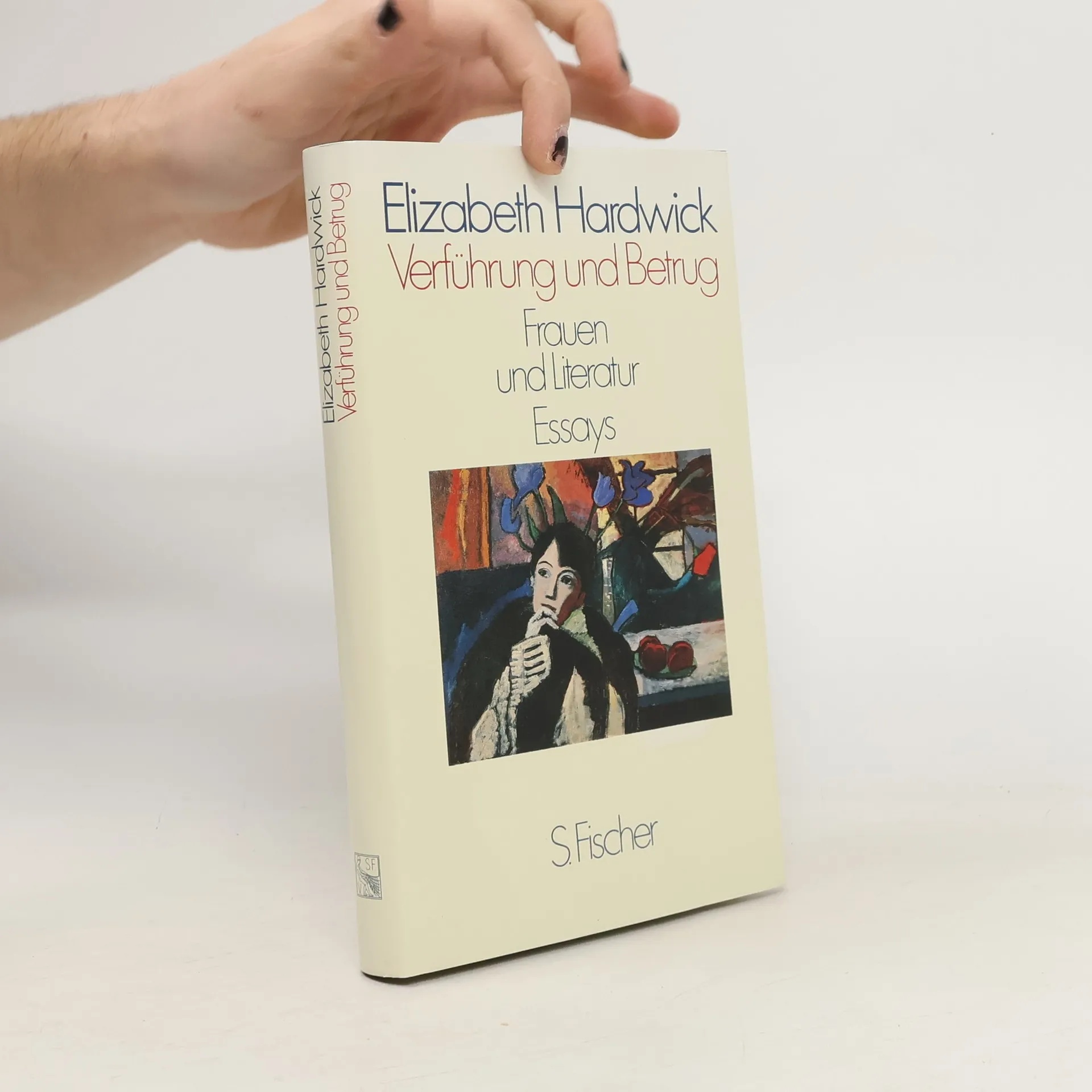
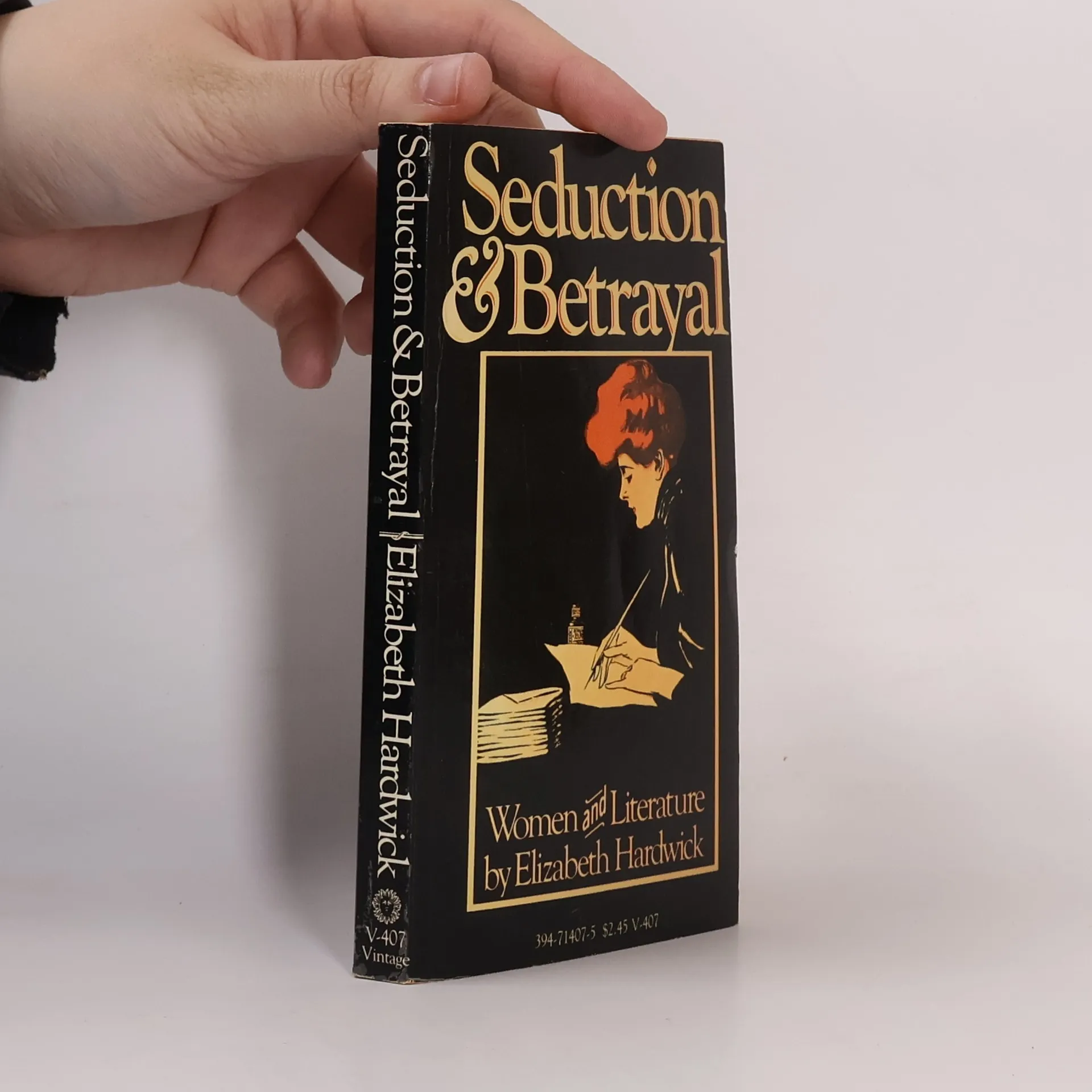
The novelist and essayist Elizabeth Hardwick is one of contemporary America's most brilliant writers, and Seduction and Betrayal, in which she considers the careers of women writers as well as the larger question of the presence of women in literature, is her most passionate and concentrated work of criticism. A gallery of unforgettable portraits--of Virginia Woolf and Zelda Fitzgerald, Dorothy Wordsworth and Jane Carlyle--as well as a provocative reading of such works as Wuthering Heights, Hedda Gabler, and the poems of Sylvia Plath, Seduction and Betrayal is a virtuoso performance, a major writer's reckoning with the relations between men and women, women and writing, writing and life.
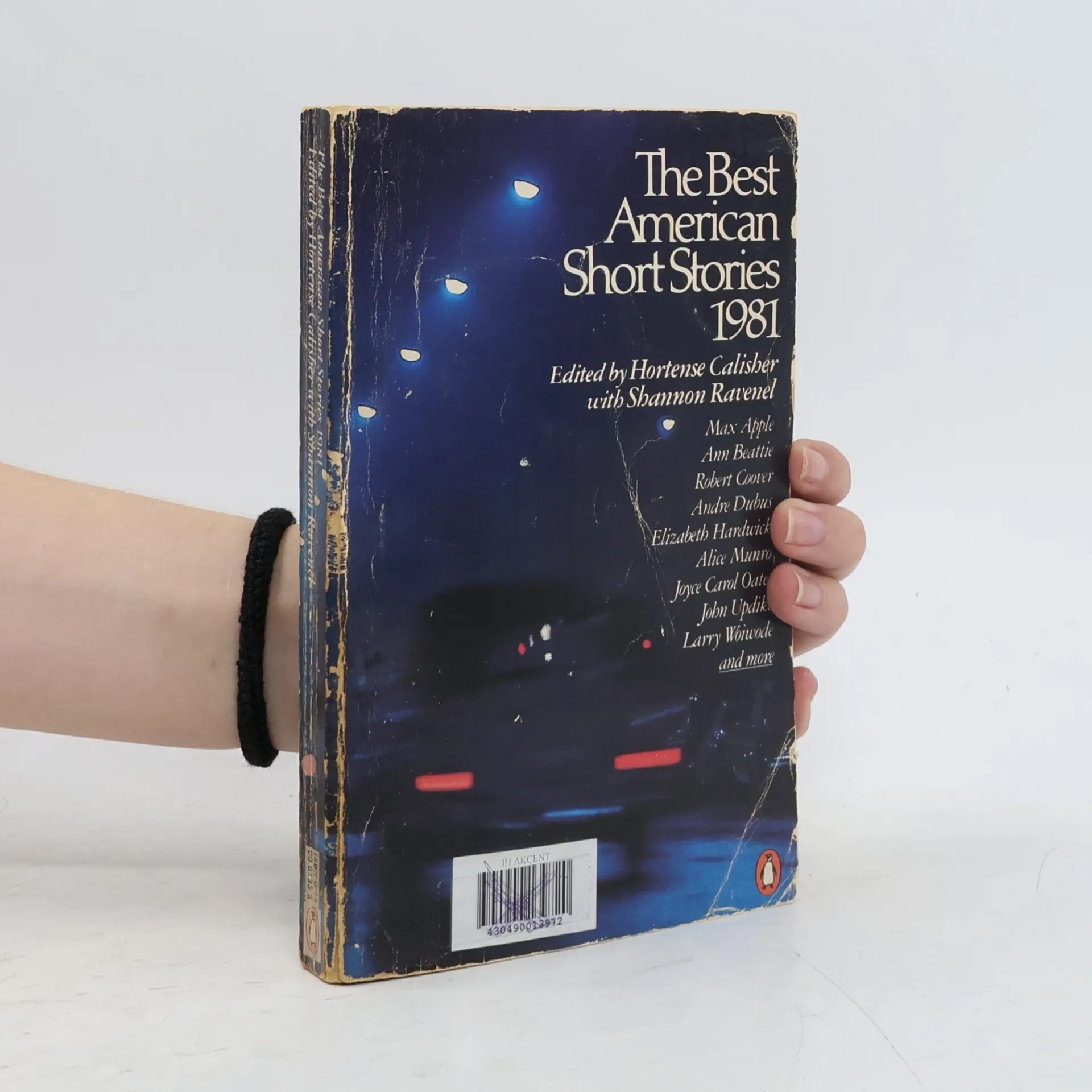
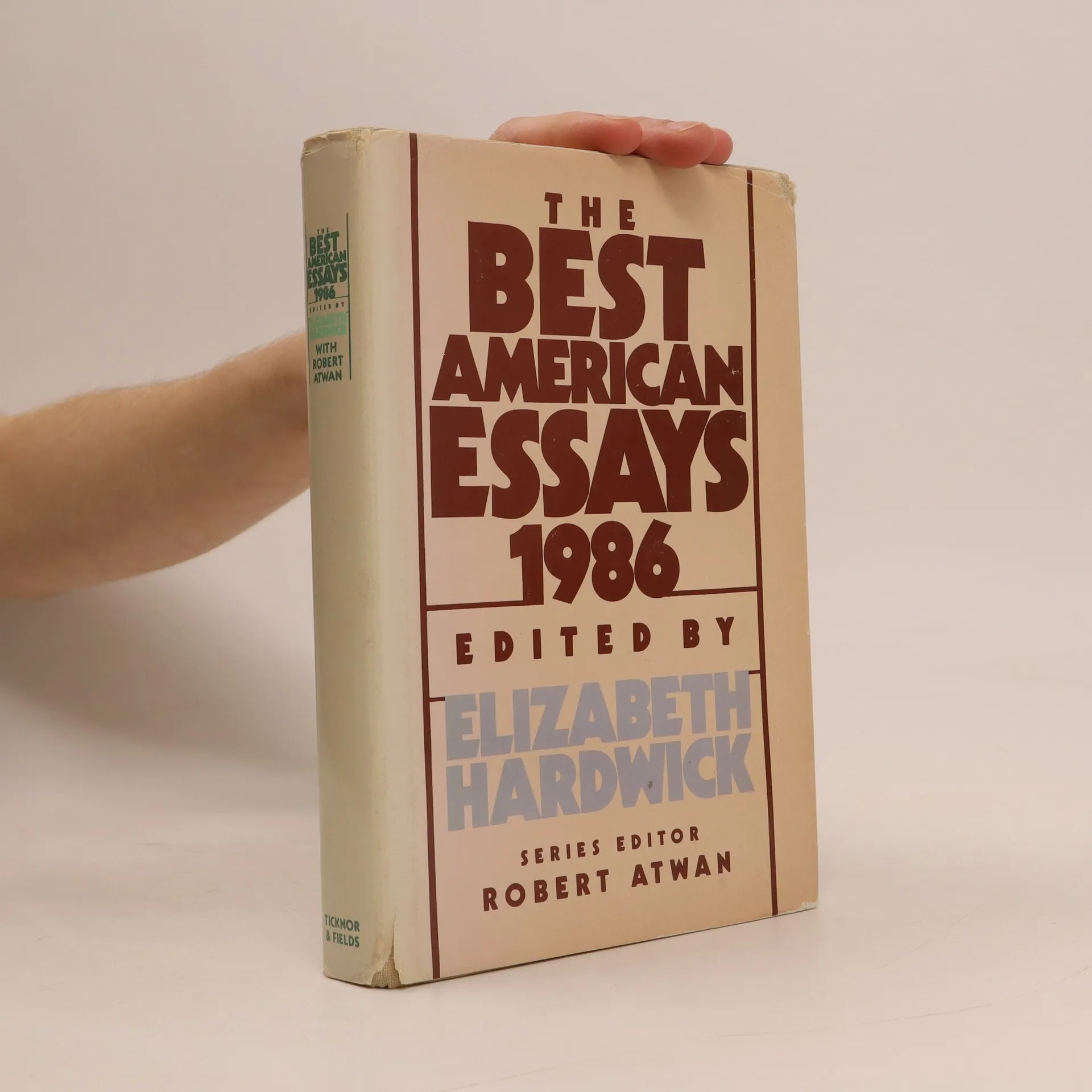
Compiles a selection of the best literary essays of the year 1985 which were originally published in American periodicals.
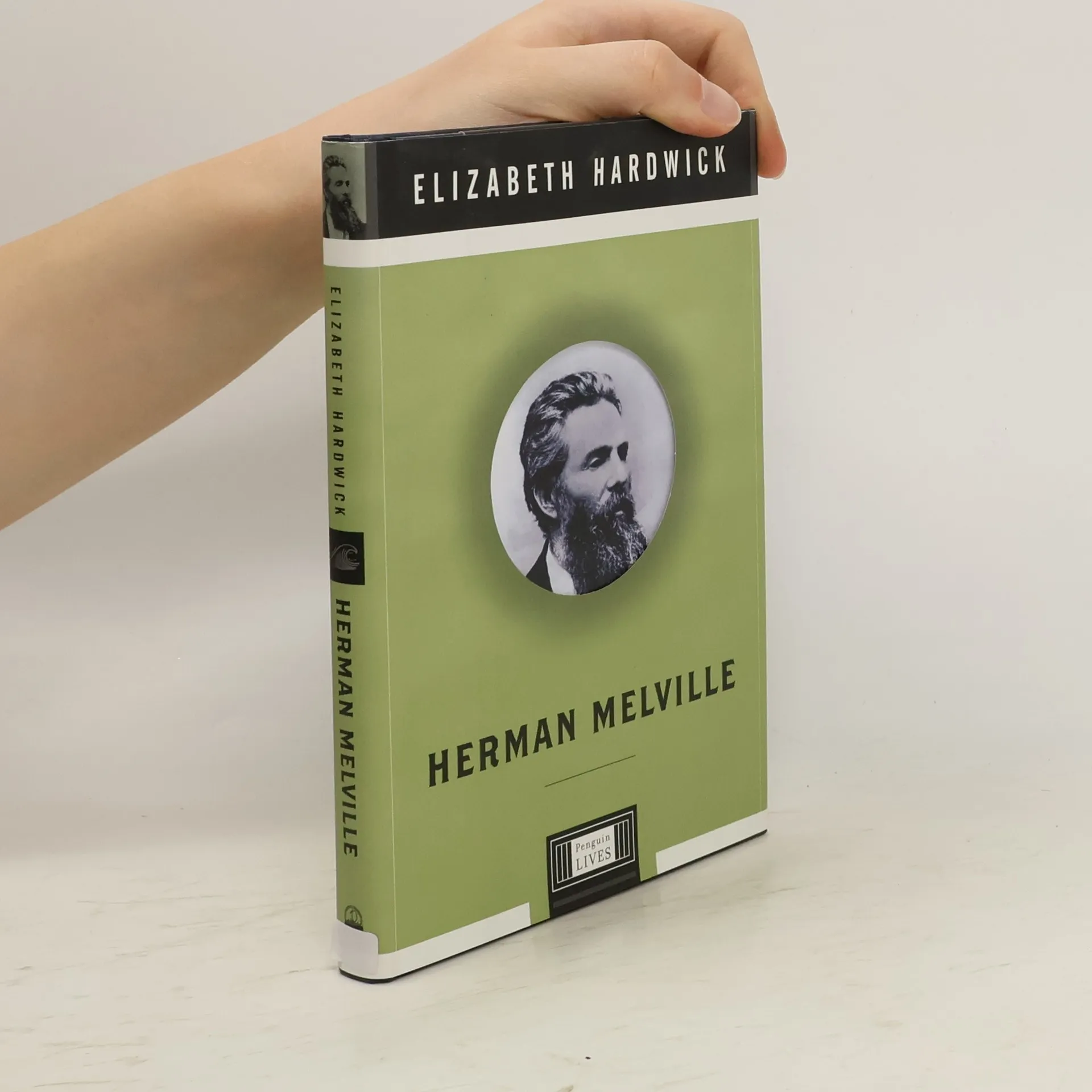
The life story of the author of Moby-Dick furnishes an analysis of all of Melville's writings and depicts his days as a whaleship deckhand and his bitterness over the public's failure to embrace his master work, Moby-Dick. 25,000 first printing.
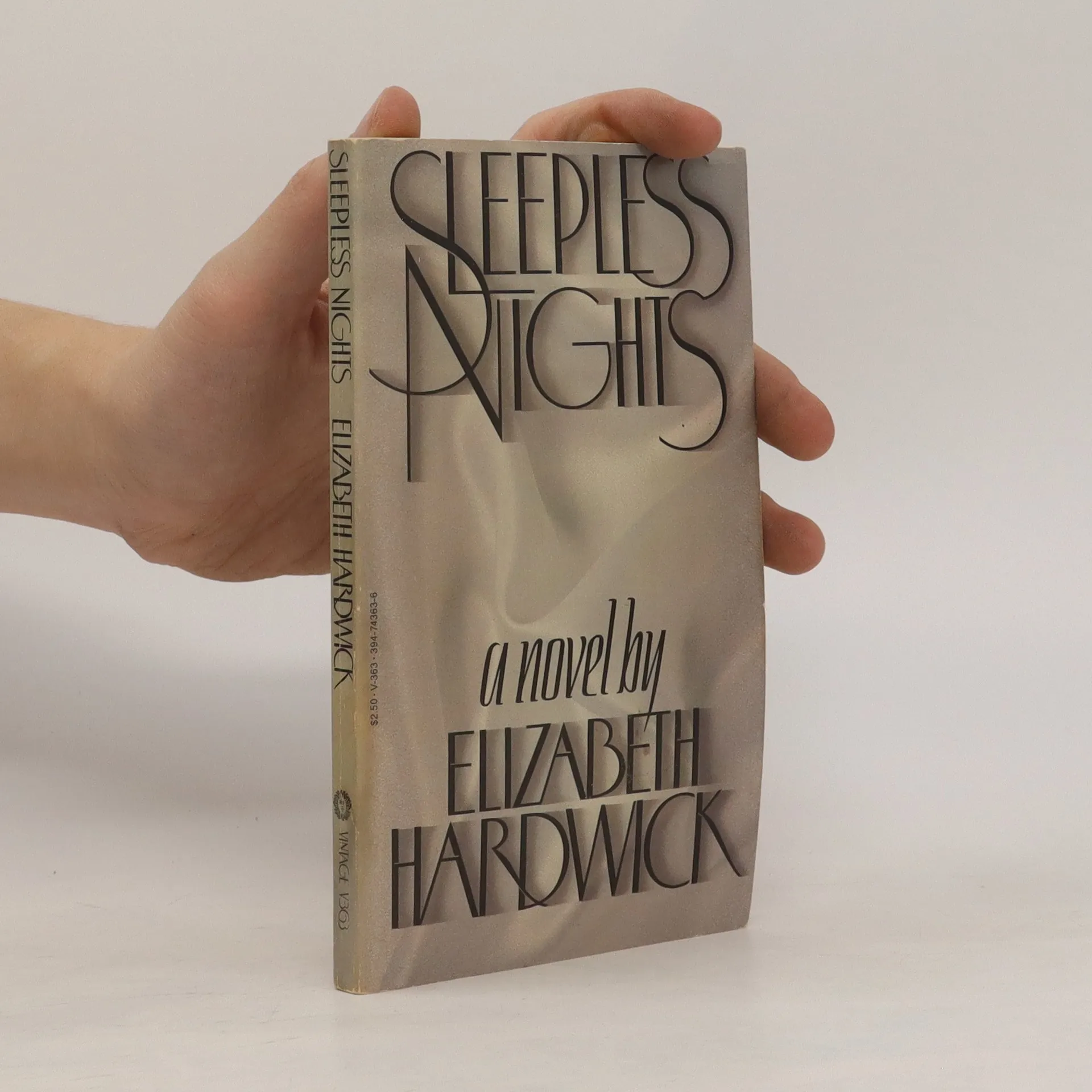
In Sleepless Nights a woman looks back on her life—the parade of people, the shifting background of place—and assembles a scrapbook of memories, reflections, portraits, letters, wishes, and dreams. An inspired fusion of fact and invention, this beautifully realized, hard-bitten, lyrical book is not only Elizabeth Hardwick's finest fiction but one of the outstanding contributions to American literature of the last fifty years.
Short Stories by Ann Beattie, John Updike, Cynthia Ozick, Louis D. Rubin, Mavis Gallant, Alice Munro, Elizabeth Tallent, Hortense Calisher, Joyce Carol Oates, Elizabeth Hardwick, and many others.
›Verführung und Betrug‹ kreist um die Rolle der Frau in der Literatur, sowohl als Autorin als auch als Heldin oder Opfer in den erzählerischen Werken der Weltliteratur. Elizabeth Hardwick stellt uns die Brontës vor Augen, die Frauen in Ibsens Dramen, die »Opfer und Sieger« Zelda Fitzgerald, Sylvia Plath und Virginia Woolf, und die »Amateure«, die Begleiterinnen großer Männer, Dorothy Wordsworth und Jane Carlyle, die selber Tagebücher und Skizzen von hohem Wert hinterließen.(Dieser Text bezieht sich auf eine frühere Ausgabe.)