

Explore the latest books of this year!
Bookbot

Bodo von Dewitz

    11. April 1950 – 17. November 2017
    Chargesheimer 1924-1971. Bohemien aus Köln
    Ich sehe was, was du nicht siehst!
    Traffic
    La Bohème
    Frame 1
    Facts
    • La Bohème

      • 397 pages
      • 14 hours of reading

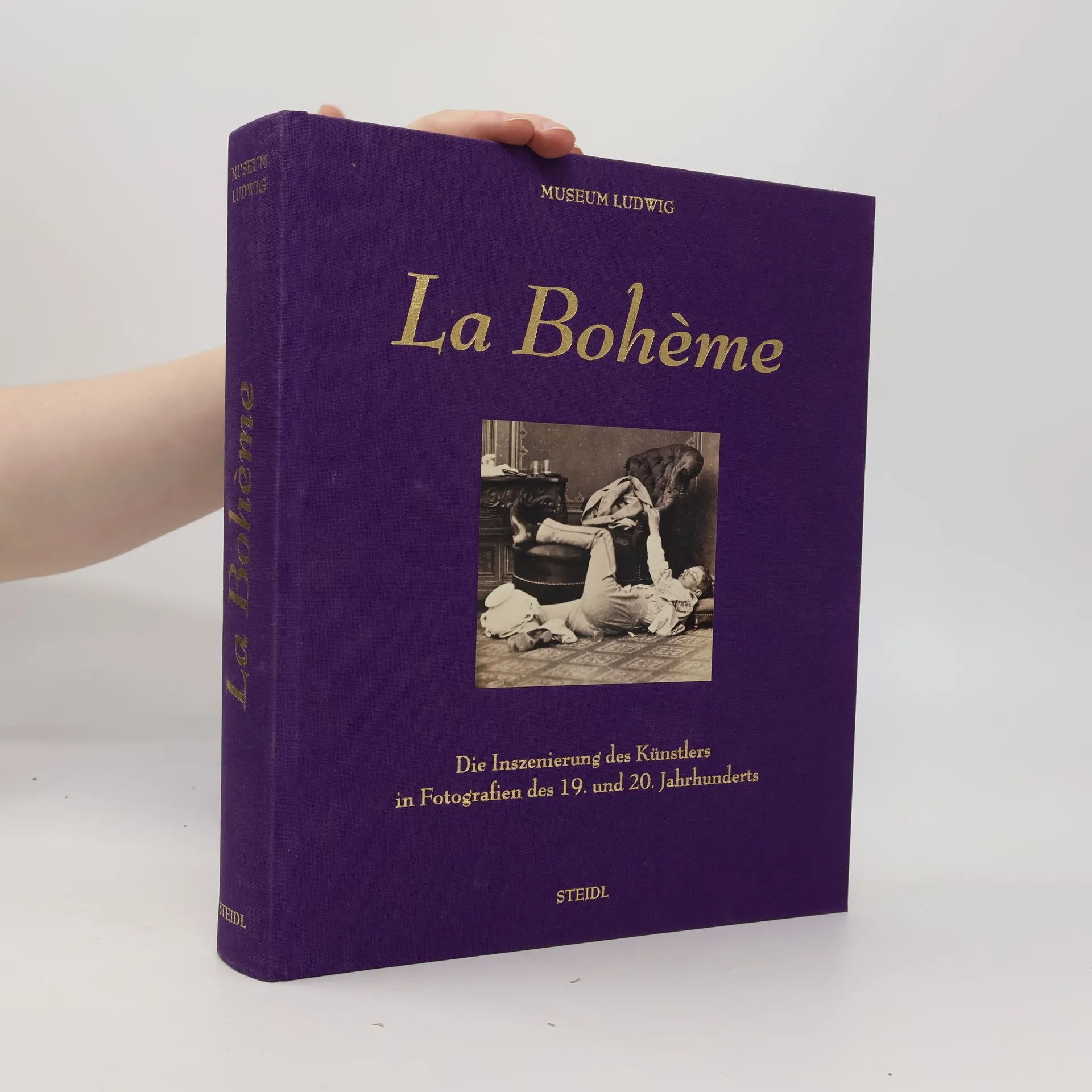
      La Bohème Die Inszenierung des Künstlers in der Fotografie des 19. und 20. Jahrhunderts Henri Murger beschrieb 1851 in seinem Roman 'La Bohème' erstmals das Leben armer Künstler im bürgerlichen Zeitalter. Damit begründete er den romantischen Mythos vom unabhängigen, anarchischen Geist der Kreativen. Schon damals spielte Fotografie eine bedeutsame Rolle: Sie diente der Darstellung und Selbstinszenierung von Künstlern ebenso wie der Dokumentation ihrer Arbeitsverhältnisse und Vergnügungswelten. Legende und Mythos der Bohème wirken bis heute fort in der Literatur, auf der Bühne, im Film sowie im Habitus zahlloser Künstler unserer Zeit. Dieses Buch versammelt Daguerreotypien und Fotografien von Malern, Bildhauern, Literaten und Schauspielern: Einzel- und Gruppenporträts, Atelierszenen und Künstlerfeste aus dem späten Biedermeier und der Belle Epoche bis in die 1920er Jahre. Es schließt mit Darstellungen von den Kölner Lumpenbällen und den legendären Bauhaus-Festen. Neben Bildern von bedeutenden Fotografen wie Nadar, Alois Löcherer, Wilkie Wynfield, J. M. Cameron, August Sander und Lux Feininger umfasst es zahlreiche ungewöhnliche Aufnahmen unbekannter ‚Meister’. In Zusammenarbeit mit dem Museum Ludwig, Köln. Ausstellung: Museum Ludwig Köln, 25. September 2010 – 9. Januar 2011.
      La Bohème2010
    • Bilder machen Leute

      • 223 pages
      • 8 hours of reading

      Im Zeitalter der Massenmedien und der Überflutung mit Bildern sind es – frei nach Gottfried Keller – nicht nur Kleider, die Leute machen, sondern vor allem ihre Bilder. Jede Fotografie entsteht absichtsvoll, wobei Selbstinszenierung des Fotografierten und Inszenierung durch den Fotografen eng miteinander verbunden sind. Die Publikation spürt dem Phänomen umfassend nach und versammelt hierfür über 130 Bildbeispiele – von Daguerreotypien der fotografischen Frühzeit bis zur digital erzeugten kunstfotografischen Serie. Neben Bildern von internationalen Pionieren der Fotografie, wie Richard Scholz, Gustav und Theodor Matter, Johannes Schafgans, und herausragenden Werken von August Sander, Jacob Hilsdorf, Nicola Perscheid, Robert Häusser oder Toni Schneiders werden auch Arbeiten kleiner rheinland-pfälzischer Ateliers präsentiert. Ausführlich beleuchtet werden private Erinnerungsbilder sowie Aufnahmen, die für eine große Öffentlichkeit entstehen, wie etwa Herrscherbilder, Fotografien von berühmten Personen, journalistische und dokumentarische Bilder, Werbefotografien oder Arbeiten aus dem künstlerischen Bereich. Ausstellung: Landesmuseum Koblenz, Festung Ehrenbreitstein 9.3.–18.5.2008

      Bilder machen Leute2008
    • Anlässlich der Ausstellung im Museum Ludwig erschien ein umfangreicher Band über Chargesheimer, der sein Gesamtwerk 36 Jahre nach seinem Tod würdigt. Der Kölner Künstler und Fotograf (1924–1971) überschritt stets die Grenzen des Kulturbetriebs und ist bekannt für seine Fotobücher sowie seine vielseitige künstlerische Arbeit.

      Chargesheimer 1924-1971. Bohemien aus Köln2007
      4.2
    • The newly conceived Yearbook of the DGPh (that is, of the German Photographic Society) dedicates its first edition to collecting. Well-known authors discuss the topic from institutional and personal viewpoints, exploring its key strategies and its psychological aspects. Reviews of the year's most important publications and exhibitions, along with 30 tritones, complete the package, which is directed not just to specialists but to all those interested in photography. This first Yearbook is dedicated to the longtime Honorary President of the DGPh, the photography collector and mentor Professor L. Fritz Gruber, who died last year. Frame #1 honors his collection and his essential nature.

      Frame 12006
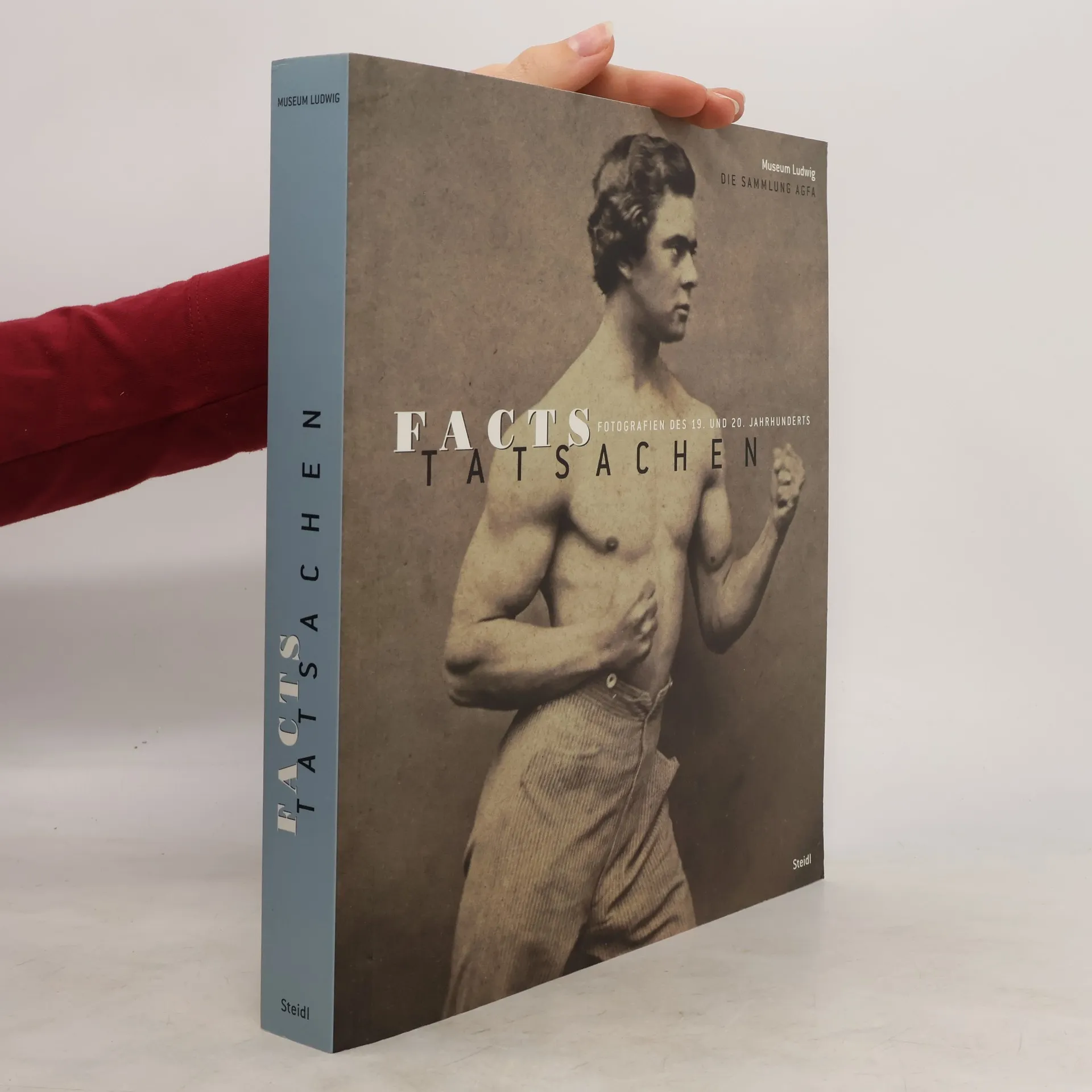
    • The Museum Ludwig in Cologne can lay claim to the earliest Berlin daguerreotypes--albums that once belonged to Alexander von Humboldt, and photographs by Maxime Du Camp of Egypt, by Auguste Salzmann of Jerusalem and August F. Oppenheim of Greece. Its inventory also includes more than 300 portraits of artists, writers and politicians shot by Hugo Erfurth in Dresden and Cologne, and 200 caricatures and illustrations on the behavior of people in front of and behind the camera, as well as numerous documents and autographs from figures ranging from Daguerre to Talbot, from Hermann Biow to Lszlo Moholy-Nagy. Over the past 20 years, parts of this collection have traveled and been published in connection with their appearances elsewhere. Now, for the first time Facts provides an overview of the entire extraordinary collection.

      Facts2006
      3.5
    • Traffic

      • 128 pages
      • 5 hours of reading

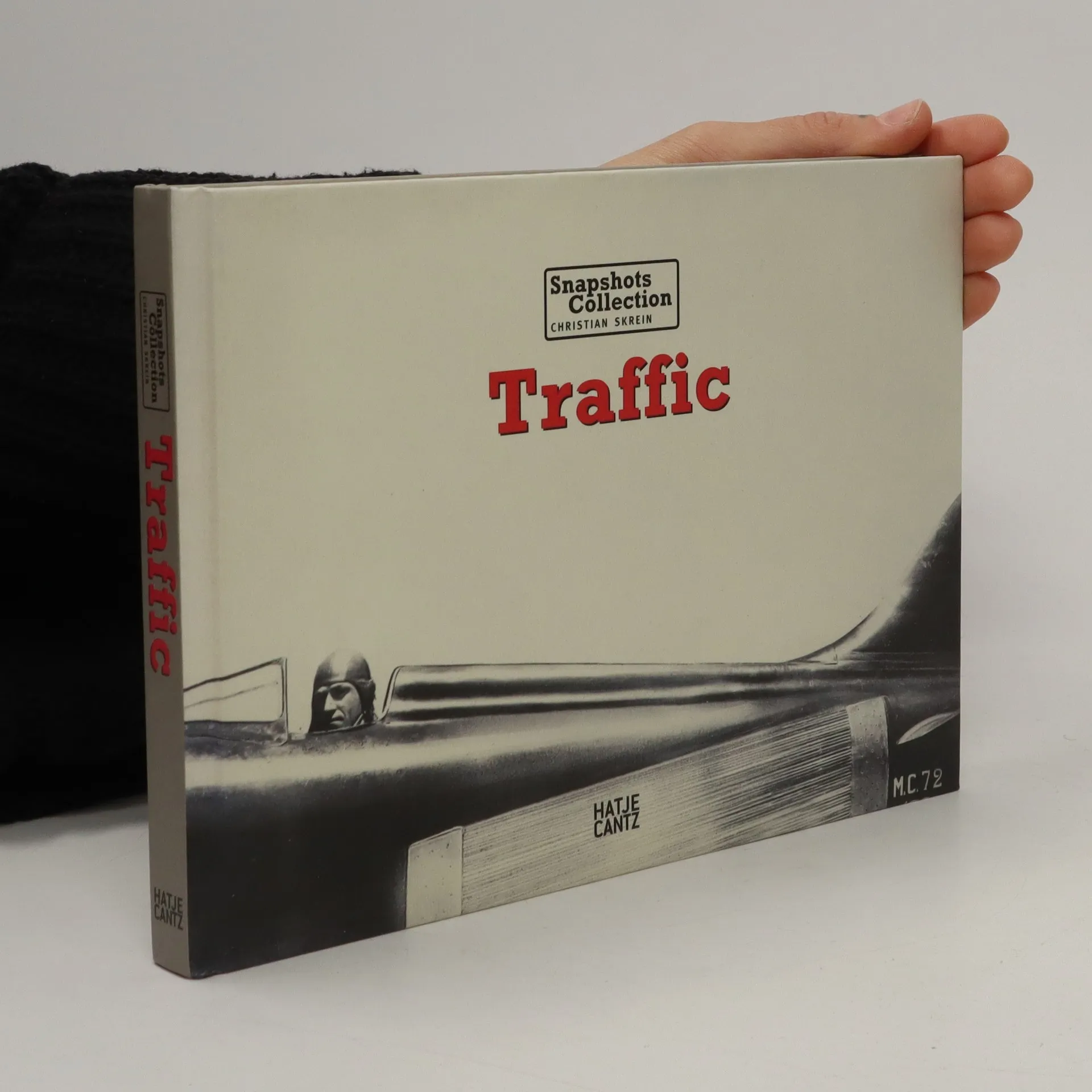
      Christian Skrein, who has also been known to work as a photographer, is lately best known as the proprietor of Snapshots Archiv Skrein (S.A.S.), a collection of nearly one million snapshots and anonymous photographs of every kind from all over the globe--the world's largest such accumulation. Amateur candids, family portraits, straight-faced documentation, double exposures and other potentially beautiful glitches--Skrein seeks them all out with equal enthusiasm. For Traffic, one of the first in a series of thematic albums curated from this smorgasbord, Skrein has combed the contents of thousands of old photo albums and shoeboxes for the best pictures concerning travel and transportation, including discoveries from the early days of handheld cameras as well as more recent personal snapshots. Once again, as in the widely enjoyed The Eye of the Century, the most aesthetically notable and otherwise curious photographs from the SAS illuminate contemporary life and art in unexpected ways.

      Traffic2005
    • Shooting Stalin

      The Wonderful Years of Photographer James Abbe

      • 360 pages
      • 13 hours of reading

      Although he was a contemporary of Alfred Eisenstaedt and Erich Salomon--and was just as smart and foolhardy--James Abbe is by no means as famous as his legendary colleagues. American-born Abbe published superb photo documentaries featuring Stalin's Moscow, the last years of the Weimar Republic and the battlefields of the Spanish Civil War. Obsessive and fearless, Abbe got close to the dictators of Europe--Hitler, Mussolini, Franco--and in 1932, he was the only American given permission to photograph Stalin. Eventually, photographing world leaders became his specialty. In pursuit of various interests, Abbe made contact with Russian film directors and artists such as Sergej Eisenstein, Dziga Vertov and Vsevolod Meyerhold, indulging his passion for film, theater, dance and, above all, the mysteries of whatever happened backstage. Many of his pictures--portraits of Rudolph Valentino, Mae West, Josephine Baker and Charlie Chaplin--have become icons of modern photography. Others, like his portrait of Thomas Mann, remained unknown until their recent discoveries. Shown here is a cross-section of the rich catalogue of Abbe's work, in more than 300 tritones.

      Shooting Stalin2004