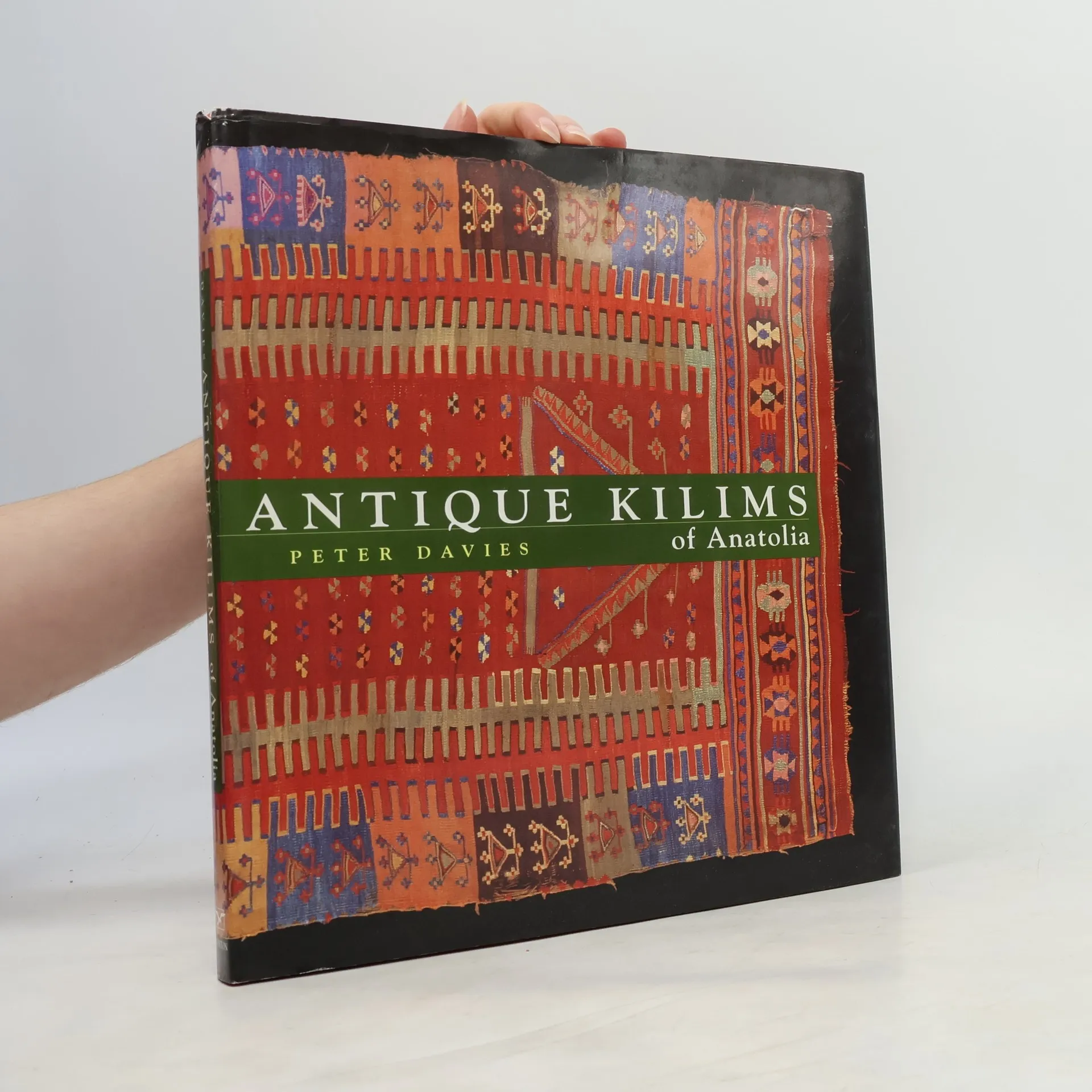
This book promises to be the definitive book on kilims and will certainly move our understanding of the kilim onto a new plane. It also contains 50 examples of kilim.
Peter Davies Books
Peter Davies is a prominent figure in South African media, transitioning from a career in news journalism and editing SA Sports Illustrated to his current role as a presenter on the pay channel MNET. His background in journalism likely informs a keen eye for narrative and detail in his present work.



The American Heritage Dictionary
- 964 pages
- 34 hours of reading
Now available in paperback, the bestselling dictionary that "forever changed many people's notions about what a dictionary should be" (Library Journal). This volume includes more information, more new words, helpful examples, and usage notes, with clear, readable definitions for over 700,000 entries. Over 400 photos and illustrations.
F-104 Starfighter Units in Combat
- 96 pages
- 4 hours of reading
Although built in small numbers for the USAF, the F-104C fought and survived for almost three years in Vietnam. This book covers the technical characteristics of the F-104 Starfighter, one of the most widely-used and popular aircraft in history. It also features photographs detailing the variety of nose-paint schemes and weapons configurations.
F-102 Delta Dagger Units
- 96 pages
- 4 hours of reading
This illustrated study explores the design, development, and deployment of the F-102, a groundbreaking fighter intended to combat the threat of Soviet nuclear-armed bombers.
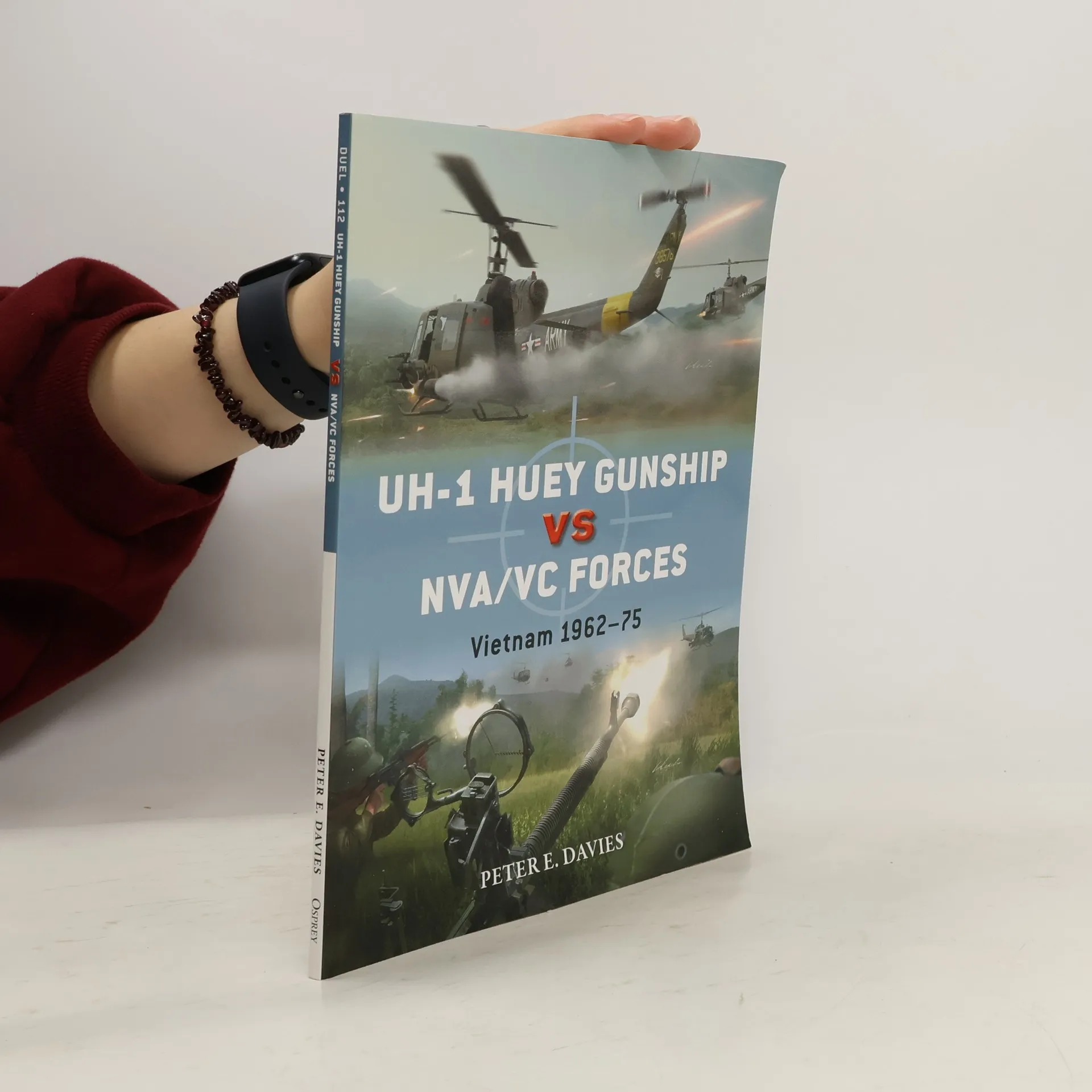
UH-1 Huey Gunship vs NVA/VC Forces
- 80 pages
- 3 hours of reading
The helicopter played a crucial role in the US war effort, particularly highlighting the effectiveness of the gunship concept during the Vietnam War. This exploration focuses on the UH-1 Iroquois, or "Huey," often referred to as the US Army's aerial jeep. This versatile helicopter facilitated troop mobility in challenging jungle environments, enabling airlifting of troops, casualty evacuations, pilot rescues, cargo transport, and rapid command transit. Although helicopters became practical during the Korean War, their evolution accelerated before Vietnam, leading to their use as primary combat tools by 1965. North Vietnamese forces, experienced in jungle warfare, employed tactics that avoided direct confrontations, relying on stealth and difficult terrain to evade US forces. Gunship helicopters, equipped with advanced searchlights and night vision, became essential for tracking and attacking the enemy. The introduction of the UH-1C "Huey Hog" in 1960 marked a significant advancement, offering enhanced power and agility over its predecessor. Heavily armed and easily transportable, these helicopters posed a substantial challenge to insurgent forces. This analysis delves into the innovative tactics and combat strategies introduced by gunship helicopters, as well as the insurgents' responses to the emergence of vertical aviation.
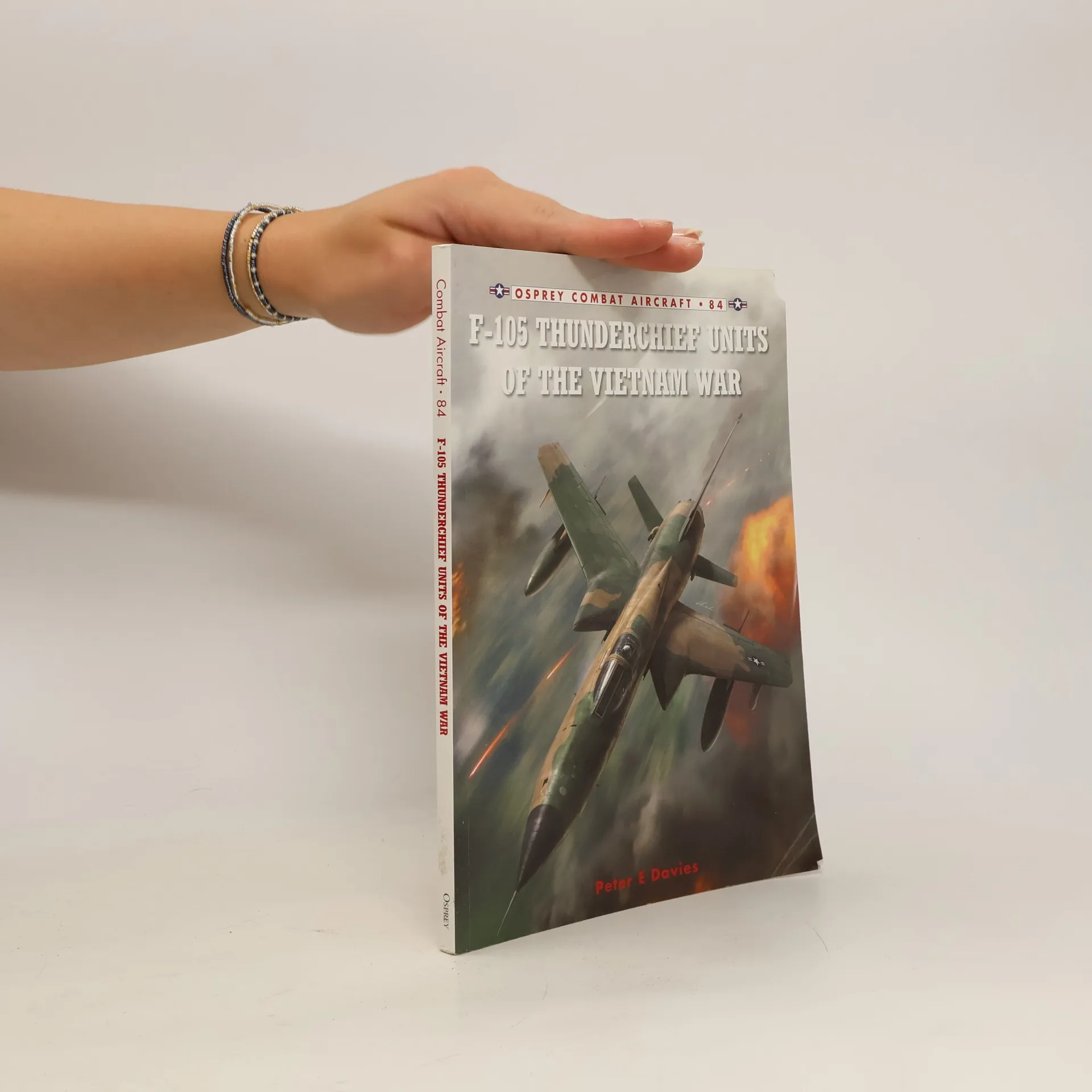
F-105 Thunderchief Units of the Vietnam War
- 96 pages
- 4 hours of reading
Facing the most formidably concentrated air defences in history, pilots of the F-105D flew against North Vietnamese targets day after day during the 43 months of Operation Rolling Thunder. This book illustrates the importance of the Thunderchief in the Rolling Thunder campaign. číst celé
USAF McDonnell Douglas F-4 Phantom II
- 64 pages
- 3 hours of reading
An introduction to USAF squadrons happened just in time for the Vietnam conflict where USAF F-4Cs took over MiG-fighting duties from the F-100 Super Sabre. It deals with this topic.
Antique Kilims of Anatolia
- 160 pages
- 6 hours of reading
It is illustrated with over 80 colorful examples, fine ethnographic photographs, and drawings that explain structural features and designs.
USAF F-105 Thunderchief vs VPAF MiG-17
- 80 pages
- 3 hours of reading
A comparative evaluation of the tactics and technology involved in the battles between the USAF's Republic F-105 Thunderchief fighter-bombers and their VPAF MiG-17 opponents during the Vietnam War.Fully illustrated with stunning artwork, this book shows how the F-105 and the MiG-17, totally different in design and purpose, fought in a series of duels that cost both sides dearly.The F-105D Thunderchief was originally designed as a low-altitude nuclear strike aircraft, but the outbreak of the Vietnam War led to it being used instead as the USAF's primary conventional striker against the exceptionally well-defended targets in North Vietnam and Laos. F-105 crews conducted long-distance missions from bases in Thailand, refueling in flight several times and carrying heavy external bombloads.The MiG-17 was the lightweight, highly maneuverable defending fighter it encountered most often in 1965–68 during Operation Rolling Thunder . A development of the MiG-15, which shocked UN forces during the Korean War, its emphasis was on simplicity and ease of maintenance in potentially primitive conditions.
F-105 Thunderchief MiG Killers of the Vietnam War
- 96 pages
- 4 hours of reading
Despite its 'F-for-fighter' designation, the F-105 was designed and purchased to give the USAF an aircraft capable of the delivery of nuclear weapons at very high speed, long range and below-the-radar altitudes. This title deals with this aircraft. číst celé
US Navy F-4 Phantom II Units of the Vietnam War 1964-68
- 96 pages
- 4 hours of reading
The F-4 Phantom II is perhaps the most famous post-war fighter. This title examines the unique aspects of the Phantom that made it so crucial to US Navy pilots during the Vietnam War - its massive engine power, long range, speed, and, the most powerful airborne search and fire-control radar... číst celé
USN McDonnell Douglas F-4 Phantom II
- 64 pages
- 3 hours of reading
Reveals the design and development history of the naval Phantom, its variants and the exported designs adopted by other NATO countries. Packed with illustrations, and photographs, this book provides a technical history of one of the most famous aircraft ever built.
With first-hand insight into the key role of the US Air Force's fighter-bomber from the Vietnam War through to Operation Desert Storm during the First Gulf War, this book is an unmissable account of some of the most dangerous and demanding missions in the two wars. The advent of the surface-to-air missile (SAM) in the early 1950s threatened the whole concept of aerial bombing from medium and high altitude. Countermeasures were developed during the Korean War, but with little initial success. It was only in the closing stages of the Vietnam War, with the F-4Cww Phantom II (Wild Weasel 4), that this equipment started to become successful enough to allow a substantial investment in converting 116 F-4E Phantom IIs into dedicated SEAD aircraft. This move introduced a new generation of anti-radar missiles which became invaluable in later operations including operations Desert Shield, Desert Storm and Northern Watch over Iraq. This volume features dynamic archival photography from crews who flew the jet, alongside mission accounts and technical details of the development and fielding of the F-4 Wild Weasel in its various iterations. Including specially commissioned artwork of 'sharkmouthed' Phantom IIs in Vietnam jungle camouflage and more modern USAF 'Ghost Gray', this book is the ultimate visual and technical guide to the F-4 Phantom II Wild Weasel Units in combat.
F-4 Phantom II Vs MiG-21
- 80 pages
- 3 hours of reading
"This book draws us into the dangerous world braved by American and North Vietnamese airmen in the skies over Southeast Asia. By detailing the technical specifications of each jet and analyzing their weaponry, avionics and survival equipment, the author reveals the strengths and weaknesses of two of the Cold War's most iconic combat aircraft. Influential wing and regiment commanders and tacticians are profiled, providing a comparative evaluation of their contrasting skills, and how they exploited the fighters' strengths and minimized their weaknesses in combat. First-hand accounts place you in the midst of these epic aerial engagements that were fought over the jungles of North Vietnam, as USAF Phantom-II crews attempted to defend vulnerable fighter-bombers from the aggressive attacks of the well-trained MiG-21 pilots."--Back cover
A-4 Skyhawk vs North Vietnamese AAA
- 80 pages
- 3 hours of reading
An exploration and analysis of the tactics, equipment, and effectiveness of the Douglas A-4 Skyhawk, the US Navy's primary strike weapon during the war in Vietnam, and its main adversary--North Vietnam's antiaircraft artillery network.
An alphabetical word list with entries defining the words and discussing their present usage, including idioms and prepositions used with them.
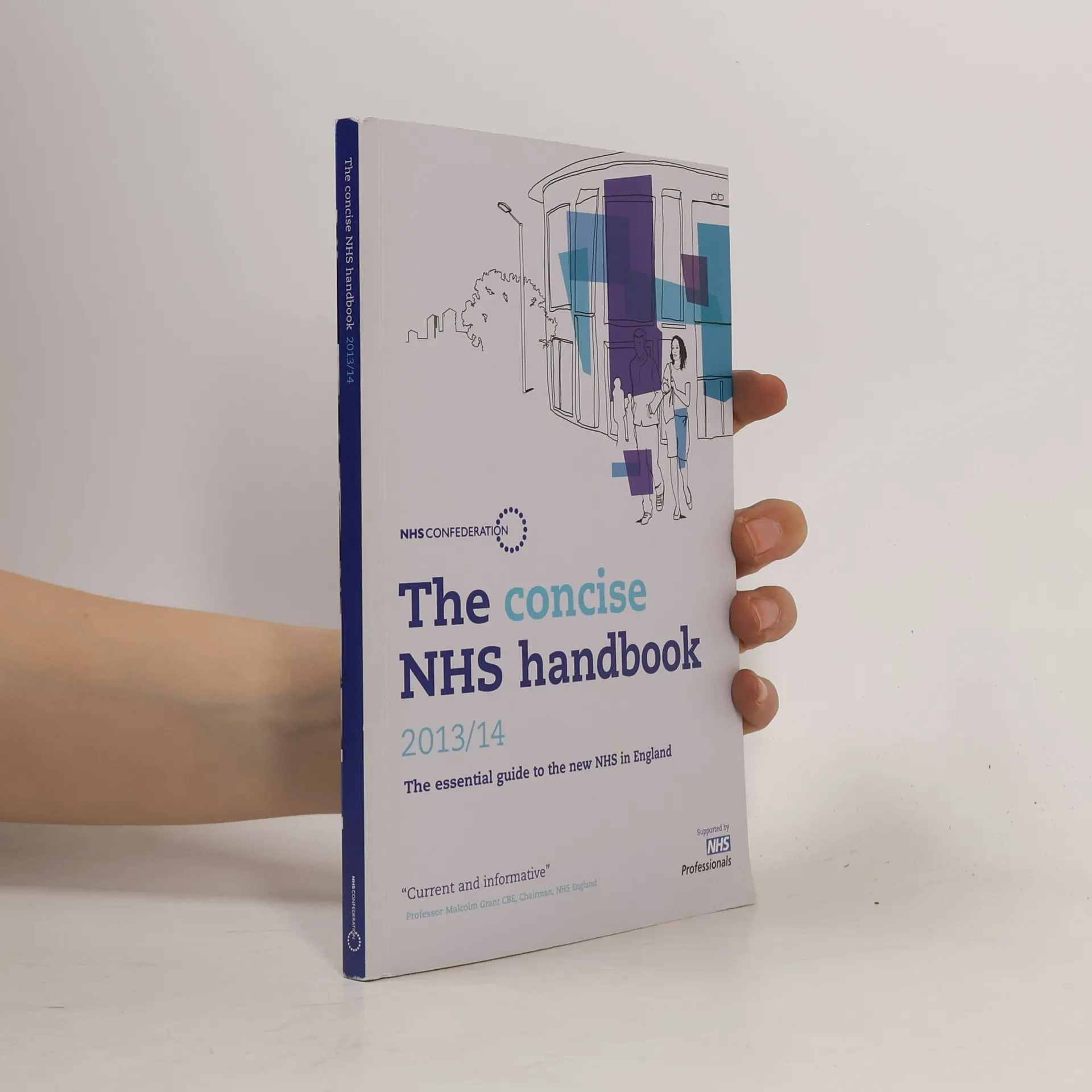
The Concise NHS Handbook 2013/14
The Essential Guide to the New NHS in England
- 136 pages
- 5 hours of reading
With the reformed NHS now operating in full, the handbook provides clear and comprehensive explanations of the new NHS structures as well as the different roles and responsibilities of the newly formed NHS bodies. Additional chapters for 2013/14 cover key areas such as quality, safety and regulation, NHS finances and the NHS workforce.
Art in Poole and Dorset
- 163 pages
- 6 hours of reading
Libro usado en buenas condiciones, por su antiguedad podria contener señales normales de uso
Banbury Report - 27: Molecular Neuropathology of Aging
- 478 pages
- 17 hours of reading
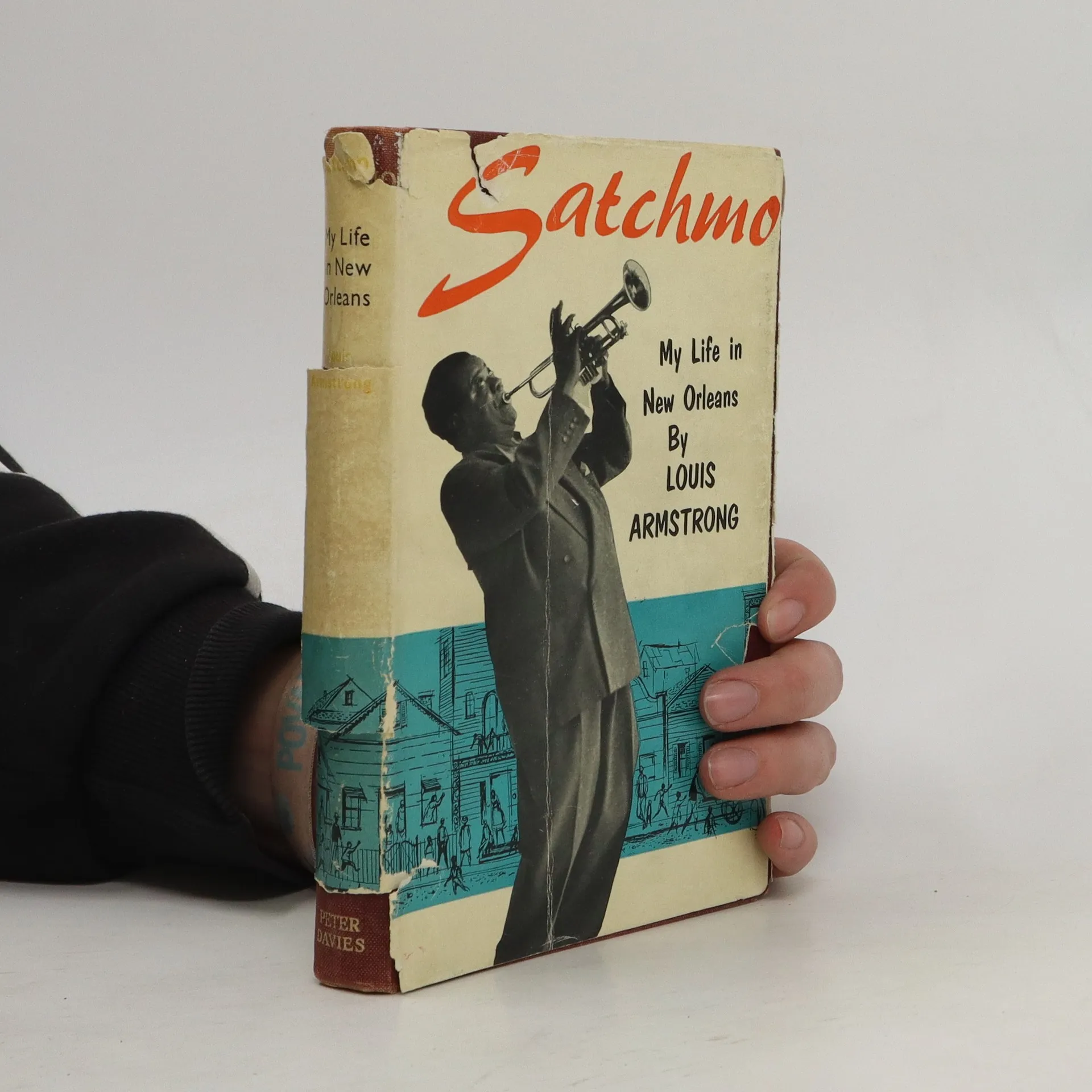
Book by Peter Davies
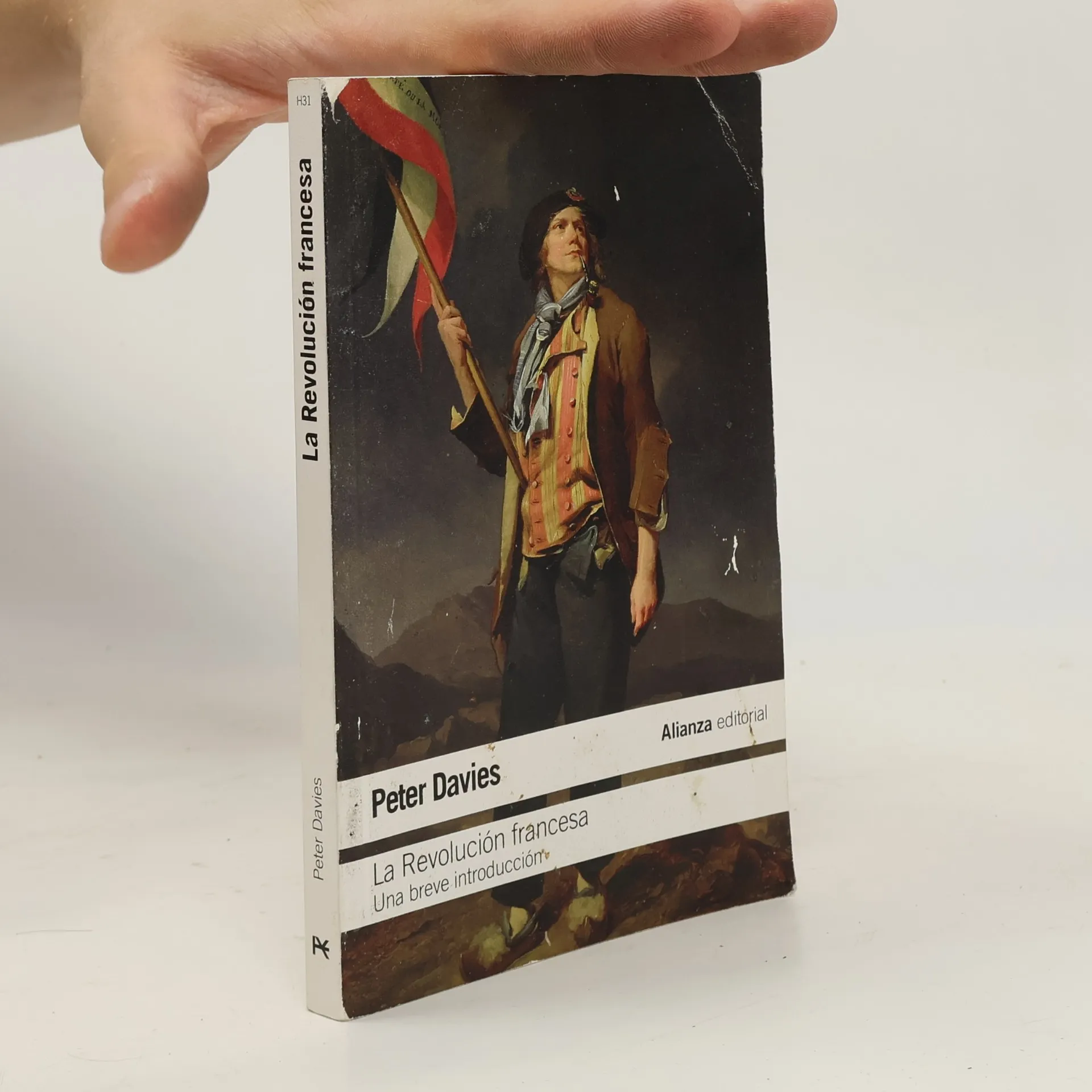
El libro de bolsillo - Historia: La Revolución Francesa
- 248 pages
- 9 hours of reading
Pocos acontecimientos tan decisivos en la historia de Europa y de la civilización occidental como la Revolución francesa que en 1789 asestó el primer golpe a las formas de gobierno del Antiguo Régimen, alumbrando, a su vez, el mundo moderno. En esta breve introducción, Peter Davies nos brinda no sólo un completo panorama de los antecedentes, desarrollo y consecuencias de este suceso crucial, sino también las diversas interpretaciones y análisis que ha venido recibiendo historiográficamente hasta el día de hoy.