
Explore the latest books of this year!
Bookbot

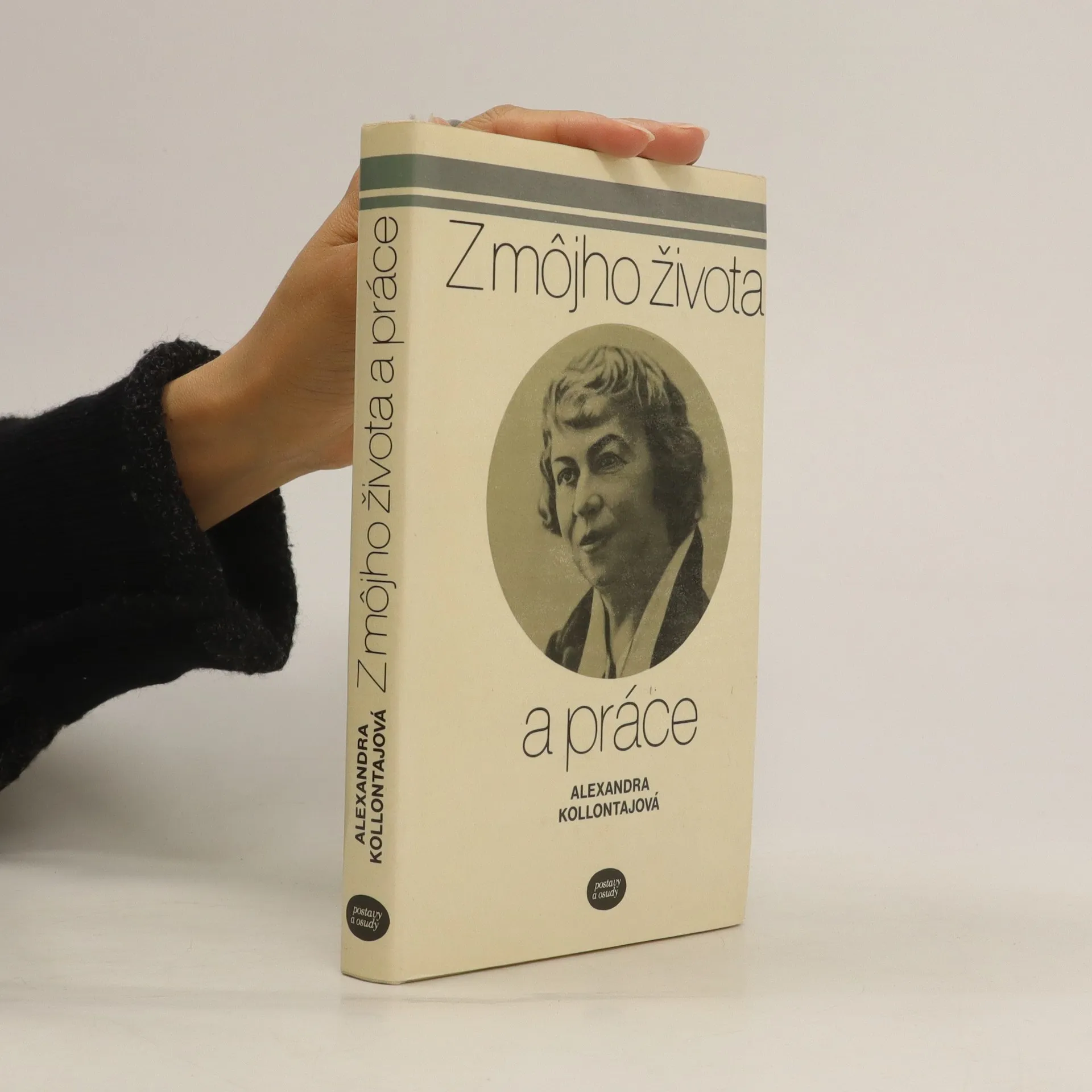
Alexandra Michailowna Kollontai

    March 31, 1872 – March 9, 1952
    Ich habe viele Leben gelebt ...
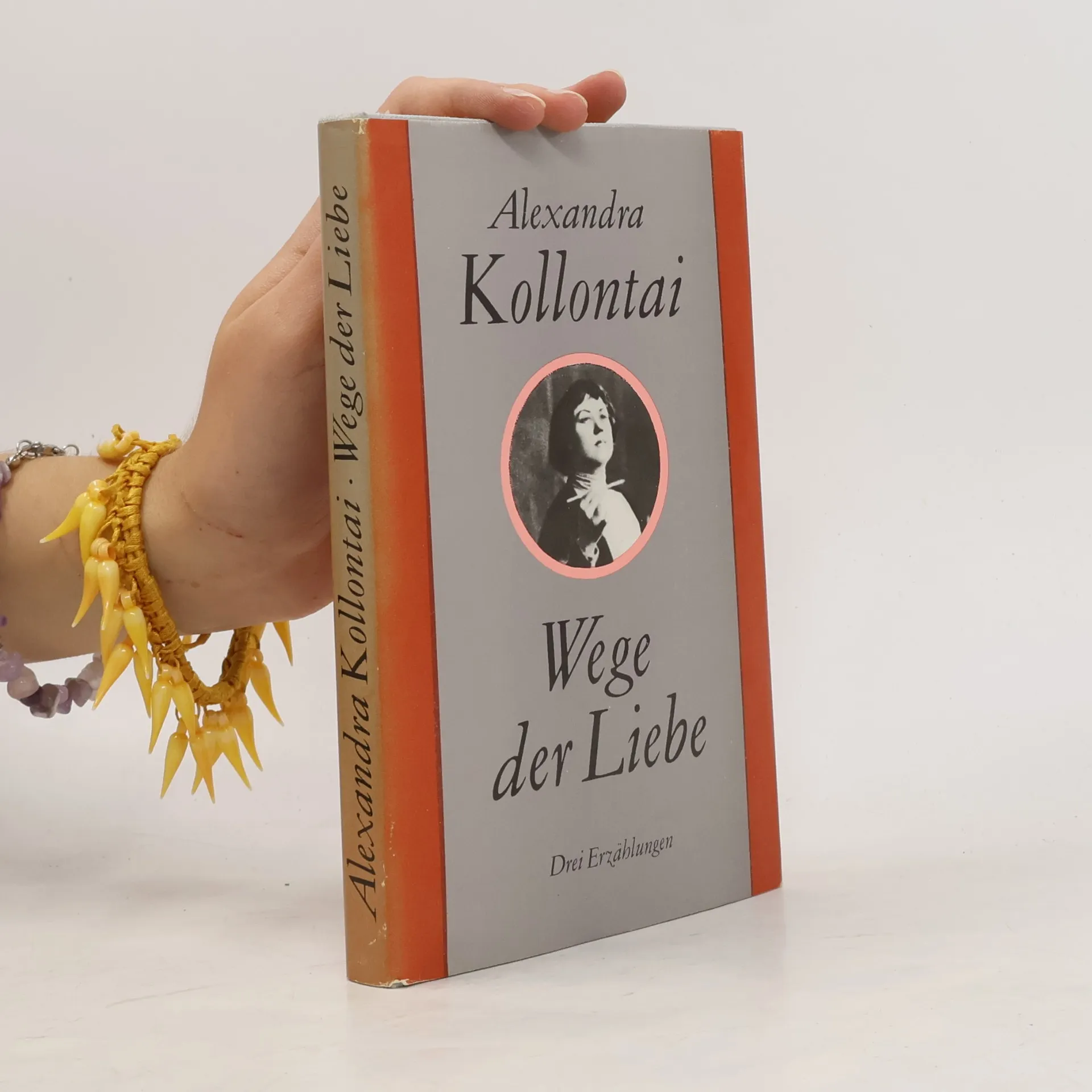
    Wege der Liebe
    The Soviet Woman
    The Social Basis of the Female Question
    Comrade Kollontai
    Love of Worker Bees
    • Love of Worker Bees

      • 232 pages
      • 9 hours of reading
      3.8(324)Add rating

      "Love of Worker Bees, which first appeared in 1923, consists of a remarkable novel and two striking short stories, written by the most famous and gifted Russian woman of the twentieth century. The novel is both a moving love story and a rare graphic portrait of Russian life after the October revolution in 1917. The heroine, Vasilia, struggles to come to terms with her passionate love for her husband and the new world that is coming into being around her. The two stories, "Three Generations" and "Sisters," provide more poignant and fascinating insights into the situation of women. The book includes an introduction by the translator with a biographical sketch of Alexandra Kollontai, an afterward by Sheila Rowbotham and a glossary.

      Love of Worker Bees
    • Comrade Kollontai

      Writings on Sex, Family and Women's Rights

      • 135 pages
      • 5 hours of reading

      Exploring the intersection of sexuality, motherhood, and social welfare, this collection presents the revolutionary ideas of Alexandra Kollontai, a pioneering advocate for women's rights and free love in early 20th-century Russia. As the first woman in a governing cabinet, Kollontai's insights remain relevant today, particularly in discussions surrounding socialism and feminism. Edited by Liza Featherstone, the book features rich illustrations and highlights Kollontai's enduring influence on contemporary issues like abortion rights and family support.

      Comrade Kollontai
    • The Social Basis of the Female Question

      • 400 pages
      • 14 hours of reading

      This groundbreaking work by Alexandra Kollontai offers a critical analysis of the bourgeois women's movement and emphasizes the importance of working-class women in the fight for gender equality. As the first full-length English translation of her 1909 text, it sheds light on revolutionary feminist ideas and the intersection of class and gender struggles, making it a significant contribution to feminist literature and Marxist theory.

      The Social Basis of the Female Question
    • The Soviet Woman

      • 166 pages
      • 6 hours of reading

      The revolutionary legacy of Alexandra Kollontai (1872-1952) has slipped into relative obscurity. This is somewhat surprising, because she was a voluminous writer - on politics, Marxist theory, country-specific economic studies, and the women's question. She left letters, diaries, memoirs and pamphlets, theoretical tracts, articles, and creative literature. She authored two novels, The Love of Worker Bees and Red Love, which explored issues of love and socialist morality. Kollontai was resolutely opposed to bourgeois feminism, the term used to demarcate a form of feminism that was anti-Marxist and that drove an agenda of free love. She was, however, perhaps the only one amongst a small group of women and men communists in her time who engaged intellectually with issues of sexual morality in the context of women's liberation. She envisioned the many possibilities for women's freedom that lay locked in a socialist future, and set out the mechanisms by which women's subordination - political and economic of course, but equally in terms of ideas and attitudes - could and must be undone under socialism. This volume brings together some of her most important writings on gender, sexuality and women's liberation.

      The Soviet Woman
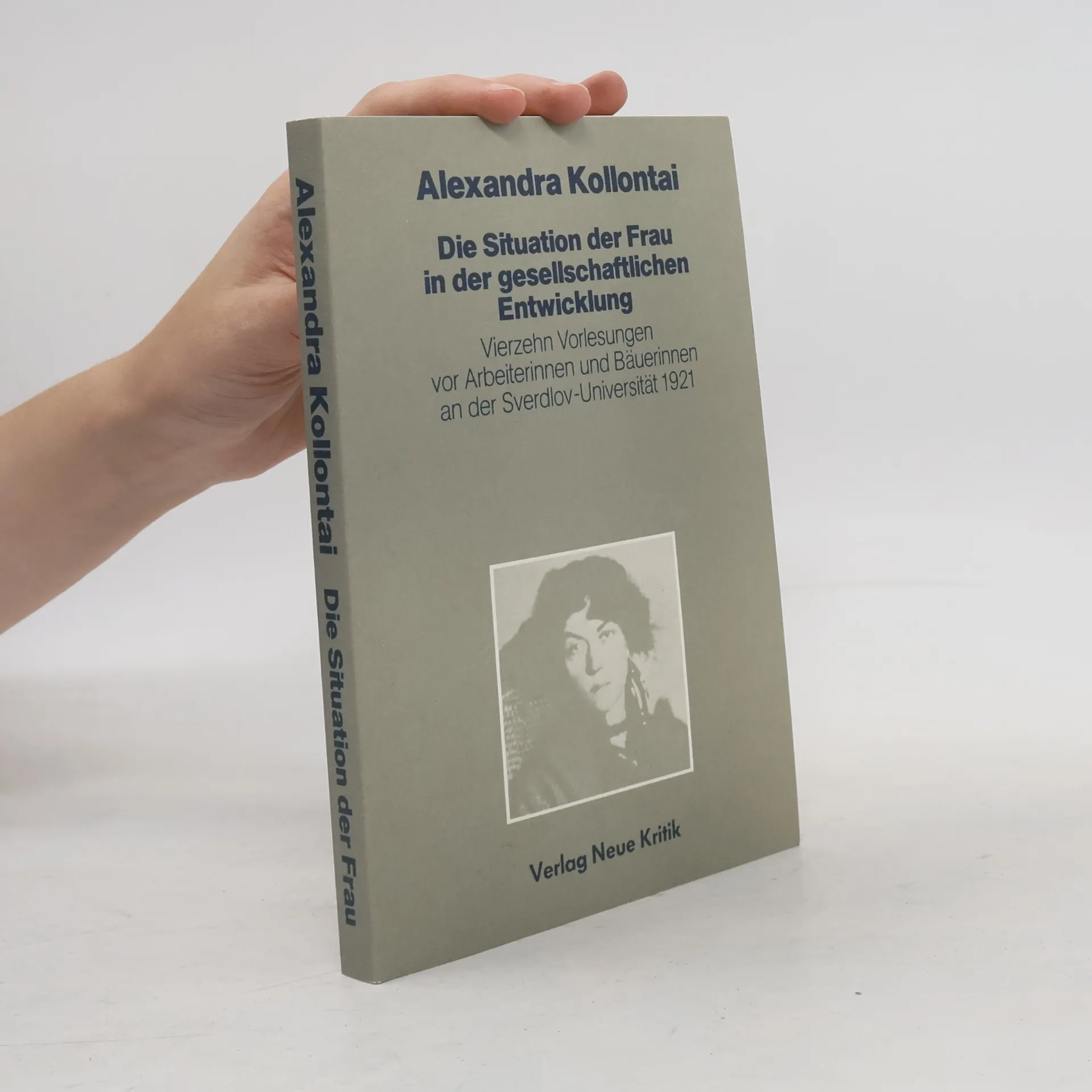
    • Die neue Frau

      Texte und Position zu Geschlechterbeziehungen, "freier Liebe" und neuer Moral

      • 240 pages
      • 9 hours of reading

      Die Analyse von Alexandra Kollontais Ideen der 1920er Jahre beleuchtet die grundlegenden Aspekte der Emanzipation der Frauen. Sie hinterfragt die gesellschaftlichen Moralvorstellungen und thematisiert zentrale Fragen zu Frauengesundheit, Selbstbestimmung und den sozialen Rechten der Frauen. Ihre kritischen Texte bieten einen tiefen Einblick in die Rolle der Frau in der Gesellschaft und zeigen, wie ihre progressiven Ansichten auch heute noch relevant sind. Kollontai gilt als umstrittene Vordenkerin, die versuchte, die Errungenschaften des Feminismus im nachrevolutionären Russland zu verwirklichen.

      Die neue Frau
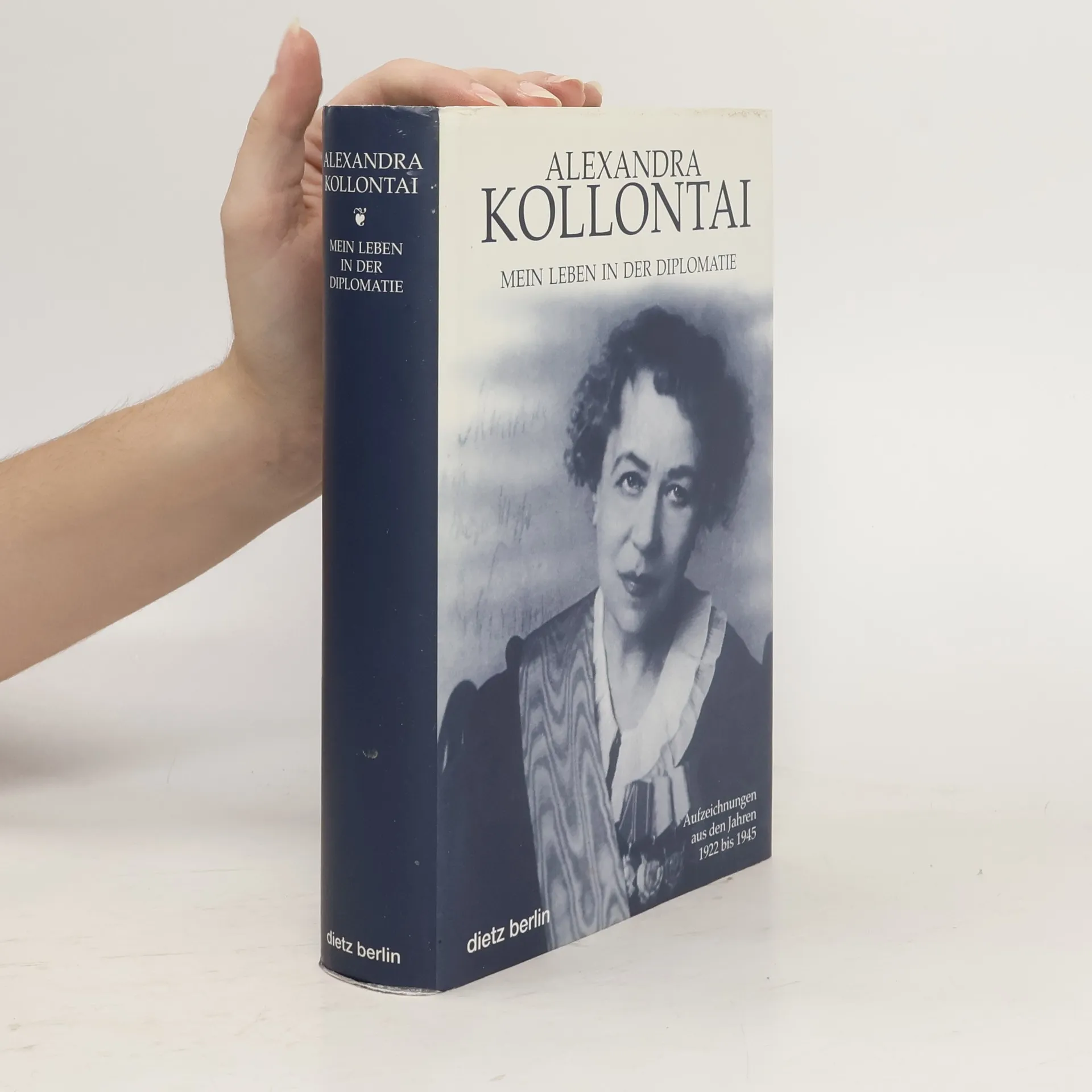
    • Mein Leben in der Diplomatie

      Aufzeichnungen aus den Jahren 1922 bis 1945

      Sommer 1922: Alexandra Kollontai, eine bedeutende Vorkämpferin für die Emanzipation der Frau und erste weibliche Ministerin im Rat der Volkskommissare, sucht nach neuen Herausforderungen nach Differenzen mit Lenin und anderen. Anstelle einer Korrespondententätigkeit wird sie schnell Handelsvertreterin und schließlich erste weibliche Botschafterin der Sowjetunion in Norwegen, später in Mexiko und Schweden. In ihren nach 1945 literarisch bearbeiteten Tagebuchnotizen beschreibt sie eindrucksvoll den mühsamen Kampf um diplomatische Anerkennung, Handelsabschlüsse, Kreditvereinbarungen und die Vorbereitung von Friedensverträgen mit Finnland. Sie schildert Begegnungen mit Partnern, Freunden und Gegnern sowie ihre Erfolge und Rückschläge in der Diplomatie. Ihr Wunsch, das umfangreiche Manuskript zu Lebzeiten zu veröffentlichen, blieb unerfüllt; es wurde erst 2001 in Moskau herausgegeben. Die deutsche Ausgabe, obwohl gekürzt, folgt dem ursprünglichen Manuskript und enthält zusätzliche, durch Forschung und persönliche Erfahrungen erweiterte Passagen. Ergänzt durch handschriftliche Notizen und unveröffentlichte Briefe an bedeutende Persönlichkeiten, entsteht ein facettenreiches Bild von Kollontais zweitem Lebensabschnitt und ihrer Rolle in der russischen Revolution.

      Mein Leben in der Diplomatie