Christopher Chant Books
January 1, 1945

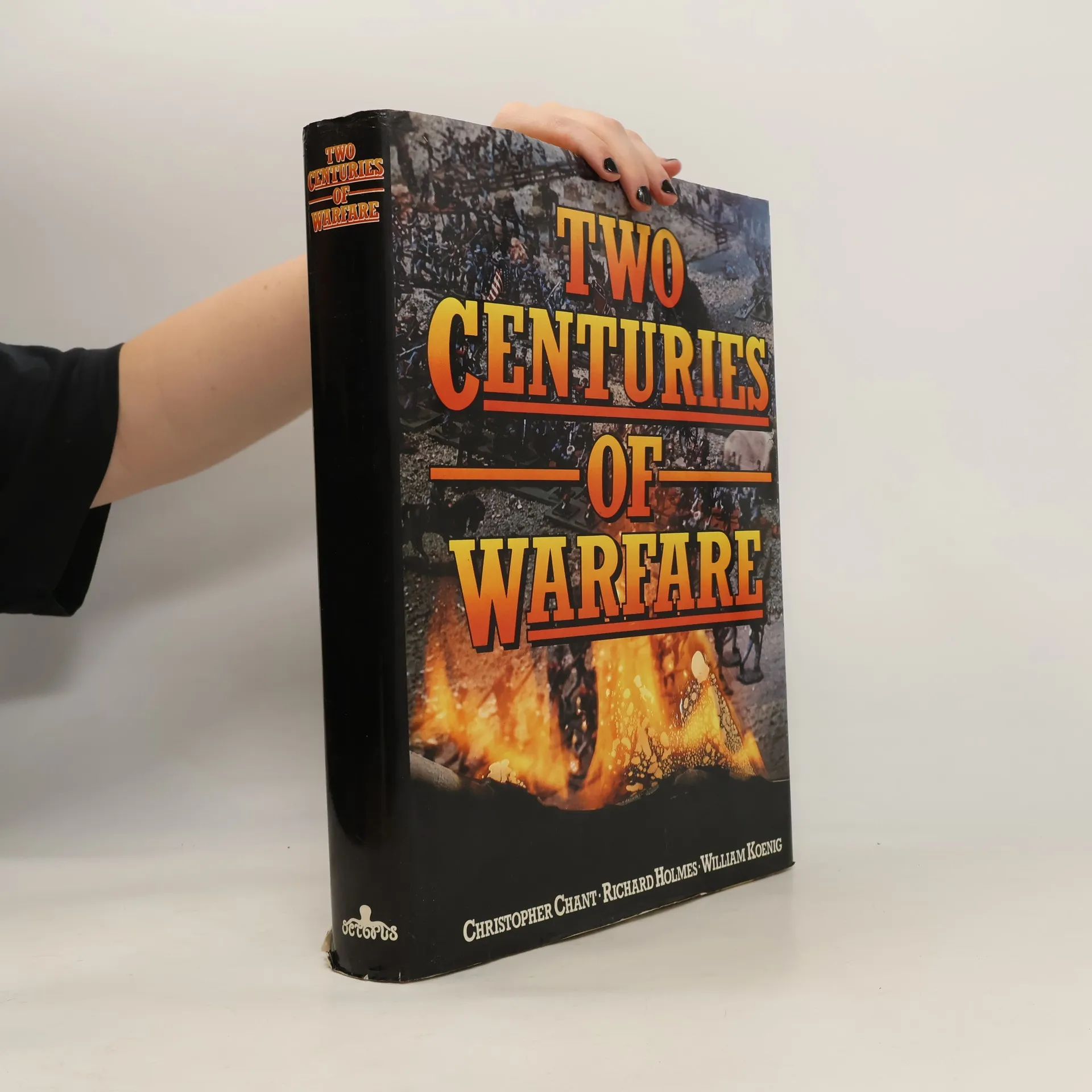
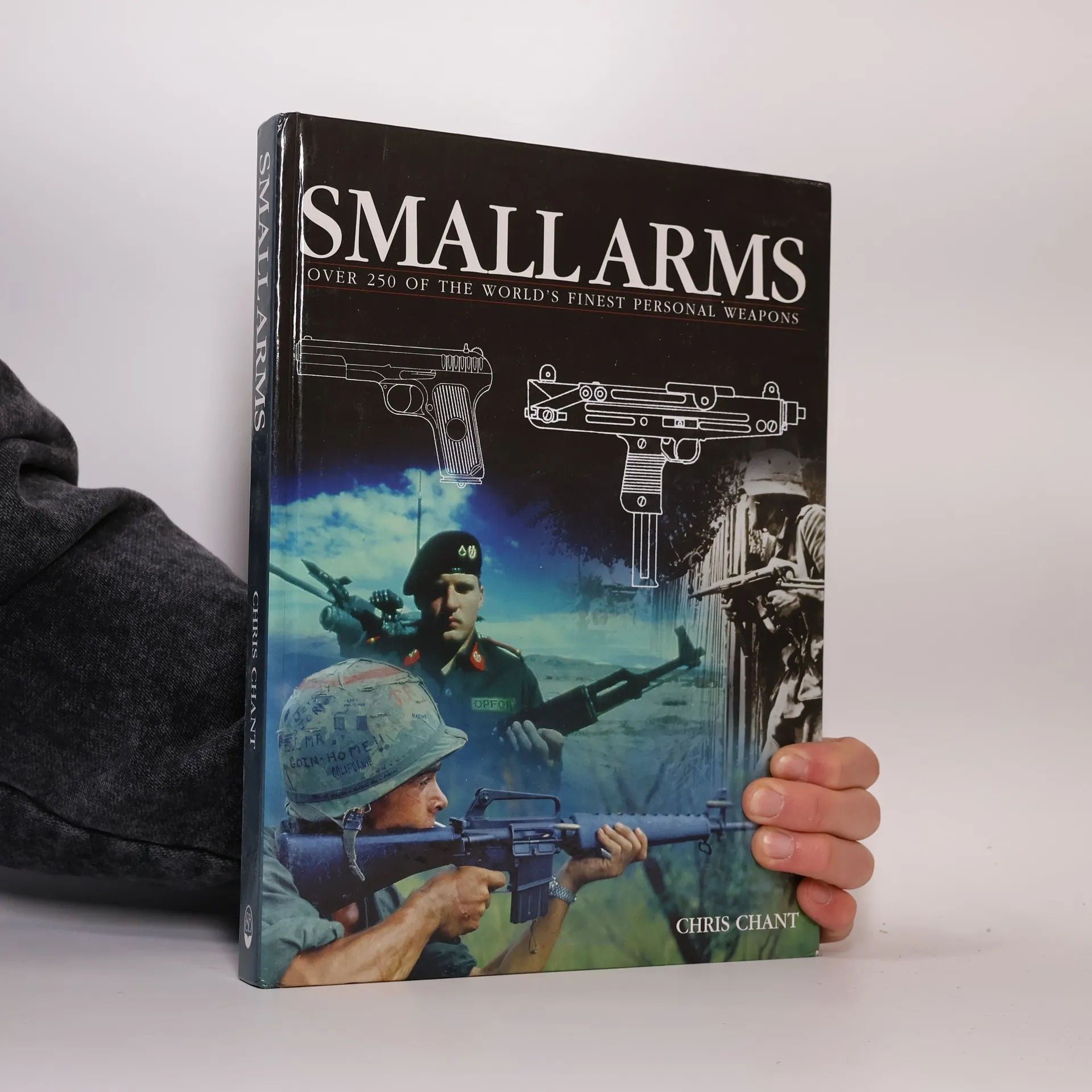
Two Centuries of Warfare
- 480 pages
- 17 hours of reading
Traces the development of warfare tactics and hardware by describing and analyzing twenty-three battles that altered the course of history from the Battle of the Nile in 1798 to the Six Day War of 1967
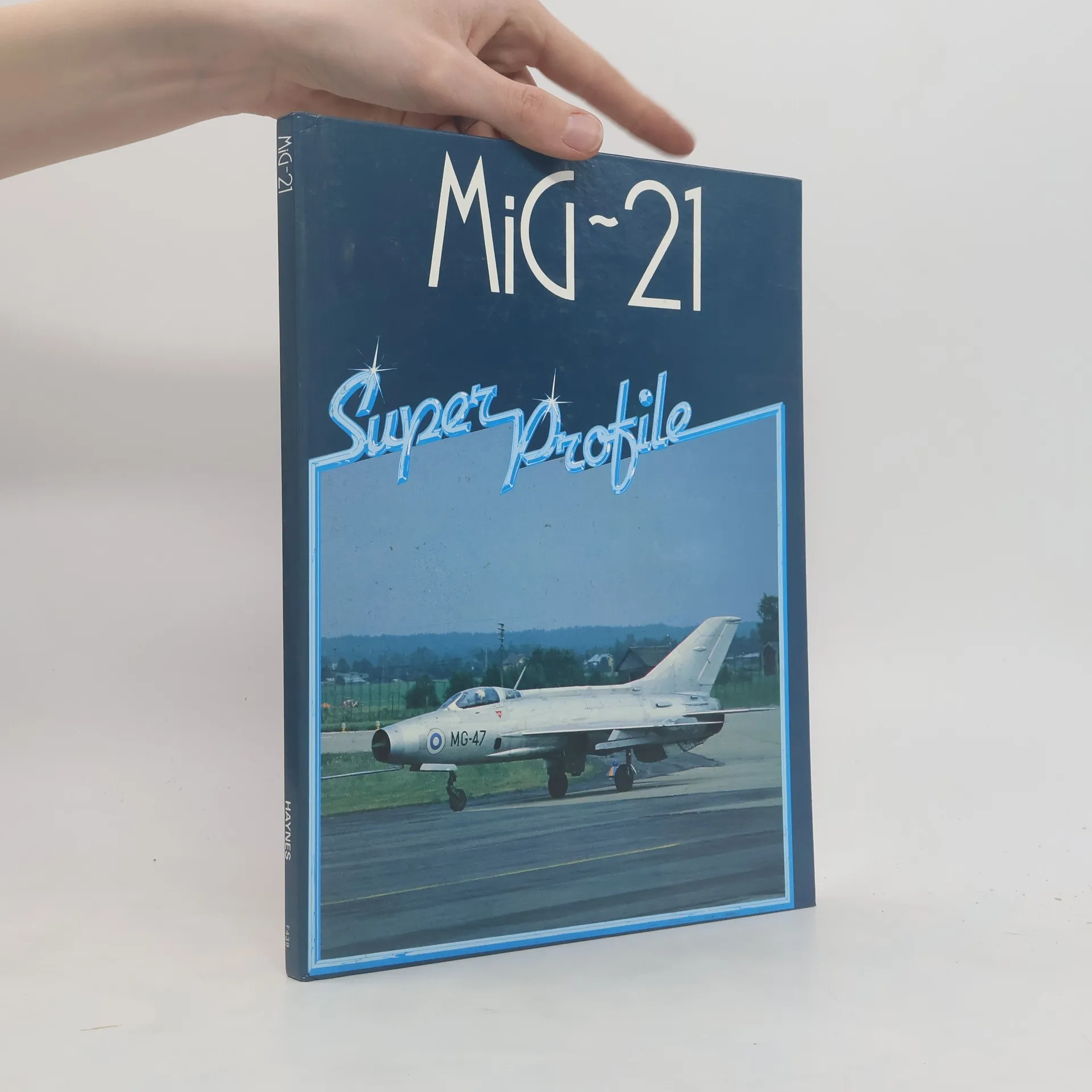
MiG-21. Super Profile
- 56 pages
- 2 hours of reading
Beretter om udviklingen og anvendelsen af det sovjetiske jagerfly, Mikoyan-Gurevich MiG-21, af NATO benævnt Fishbed.
Handbook of British Regiments
- 313 pages
- 11 hours of reading
Since the creation of the standing army in 1661, when each regiment was known by the name of its current colonel, there have been many reforms and rationalizations of the British army. From 31 cavalry regiments and 113 infantry regiments in 1881, at the time of this title's first publication in 1988, the army had reduced to just 16 regiments of armour and 39 regiments of infantry through processes of absorption and amalgamation. The Handbook of British Regiments provides insight into the lineage and history of the approximately 85 regiments and corps which formed the British army towards the end of the 1980s. Comprehensive in coverage, each has a separate entry giving factual details in a layout standardized for easy comparison, including current title, colonel-in-chief, uniform and history, amongst others. A key title amongst Routledge reference reissues, this handbook provides an accessible guide to specialists as well as lay enthusiasts, and illustrates a sense of the continuity and inherited tradition of each regiment and corps.
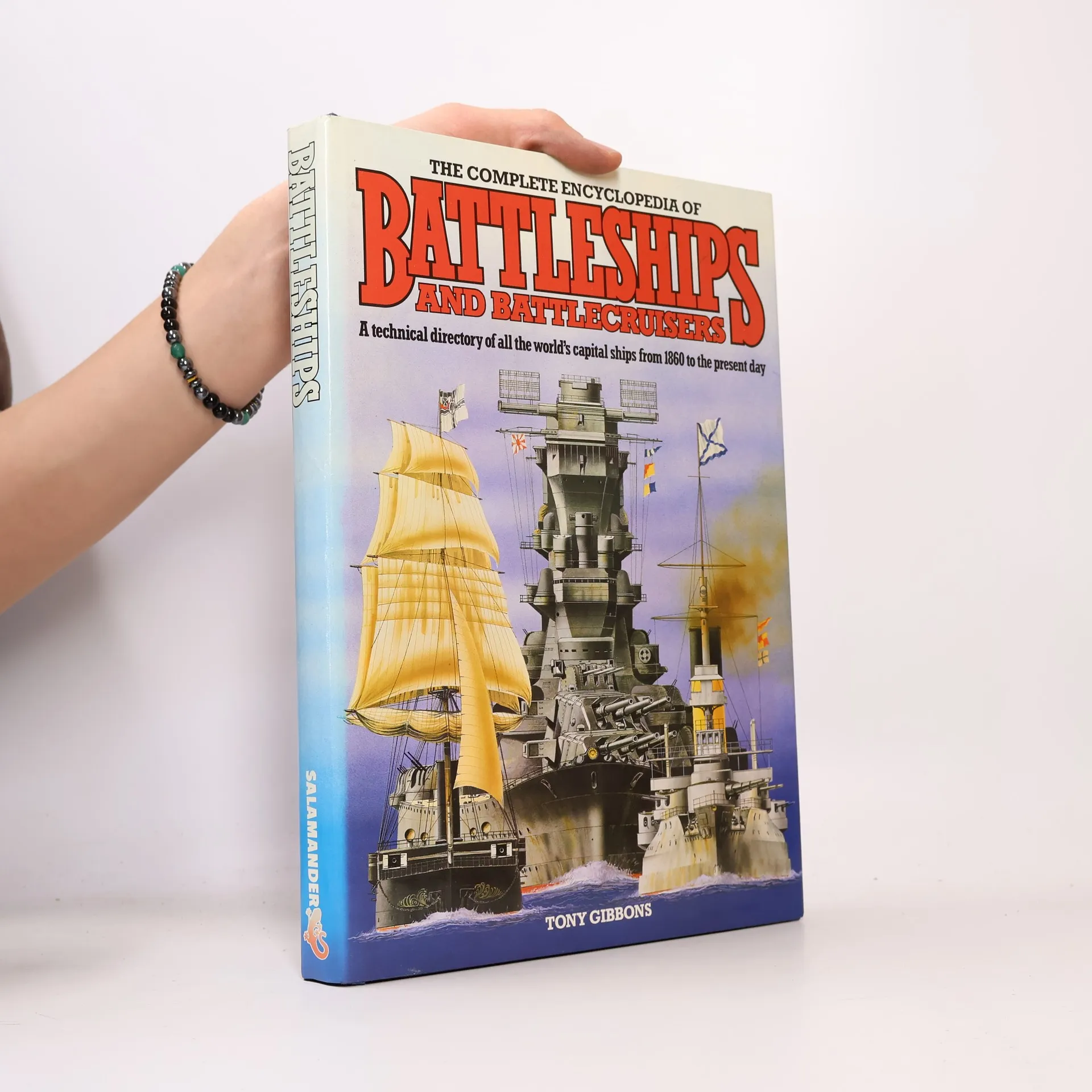
The Complete Encyclopedia of Battleships and Battlecruisers
A Technical Directory of All the World's Capital Ships From 1860 to the Present Day
- 272 pages
- 10 hours of reading
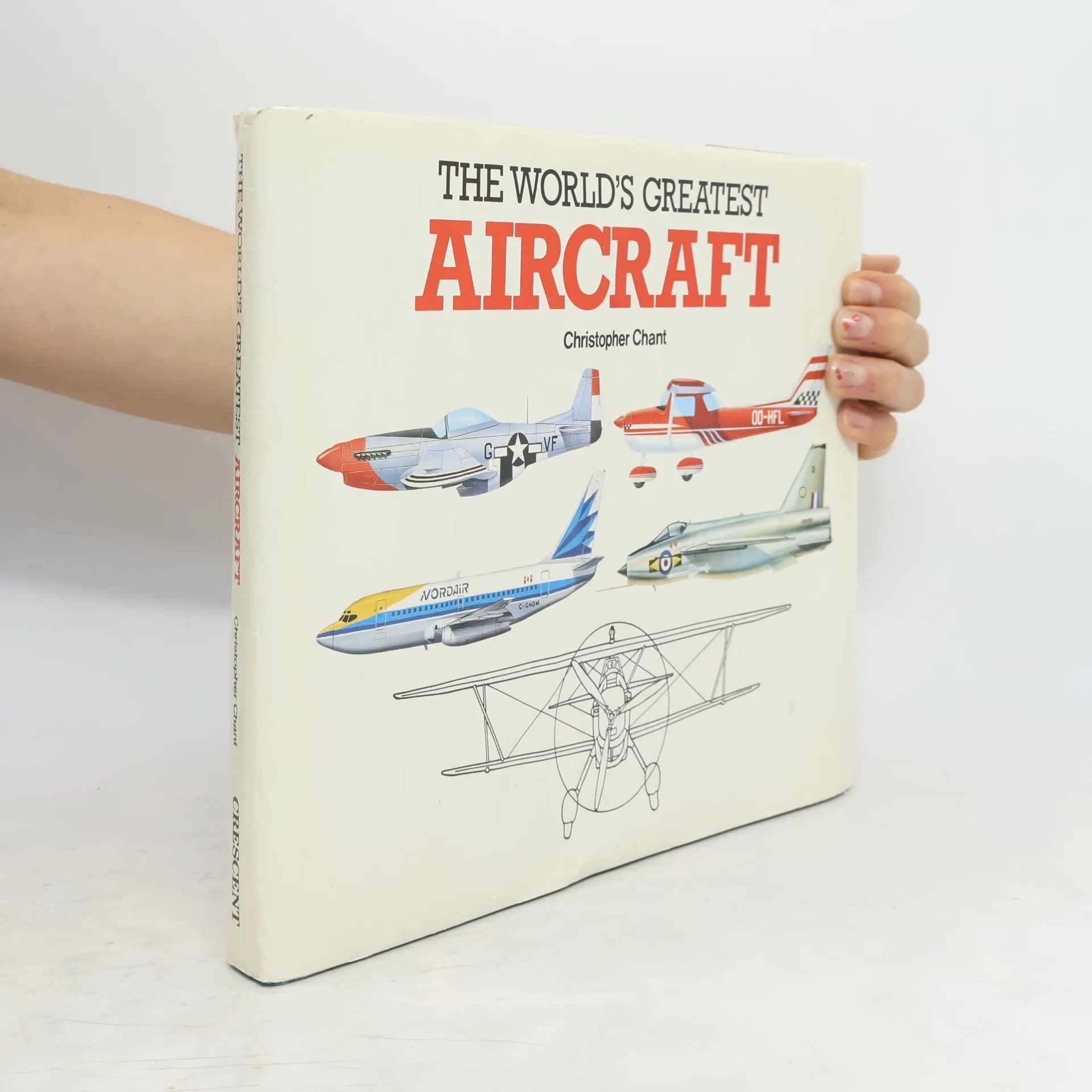
Full-color illustrations bring airplane technology to life in this vibrant guide to the biggest, the smallest, the highest flying, the stealthiest, and the fastest civilian and military aircraft ever built.
Airlines of the World
- 111 pages
- 4 hours of reading
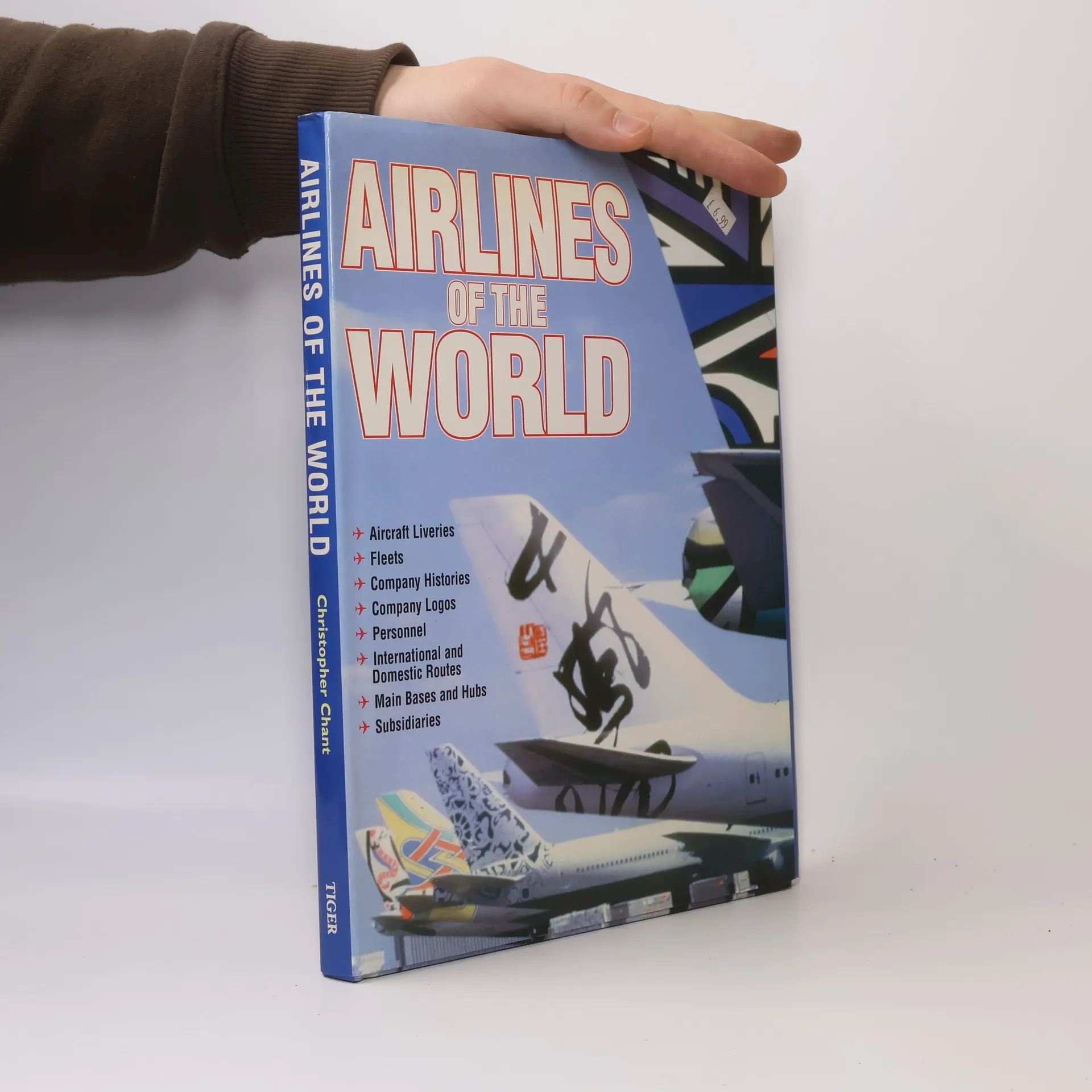
Packed with details of the world's most successful airlines. Based in all parts of the world and each operating a complex network of domestic, regional and intercontinental flights, these airlines are a major force in the world economy as they carry large numbers of business class passengers and freight, and also exercise an important social influence with their involvement in the mass transportation market for economy- or coach-class passengers. Each airline is described with its location, origin, nature, marketing alliances, number of employees, aircraft types and numbers together with machines on order and option, hubs and bases, primary and secondary route networks, numbers and types of simulators for the training of flightcrews, maintenance capabilities, and history.
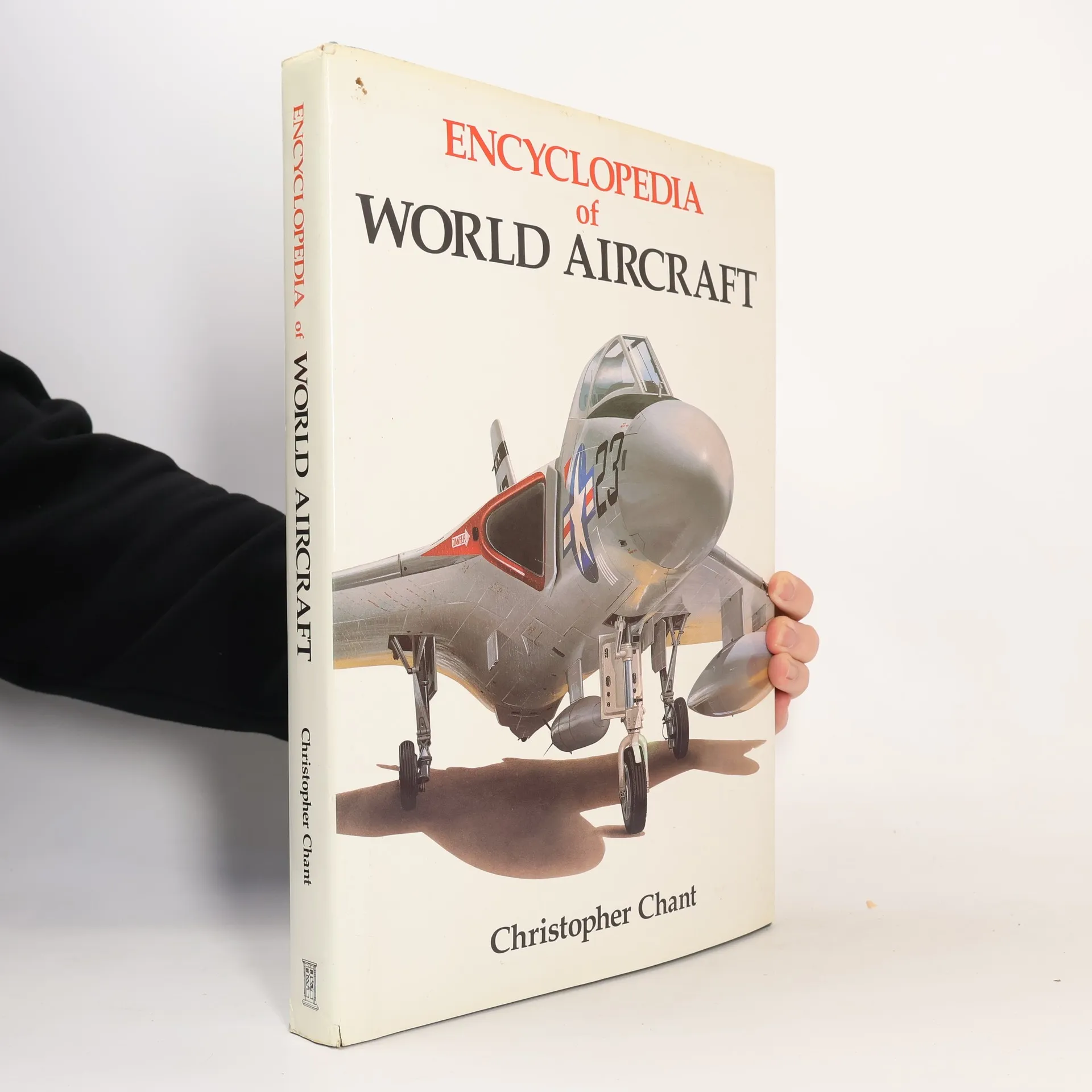
Encyclopedia of World Aircraft
- 352 pages
- 13 hours of reading
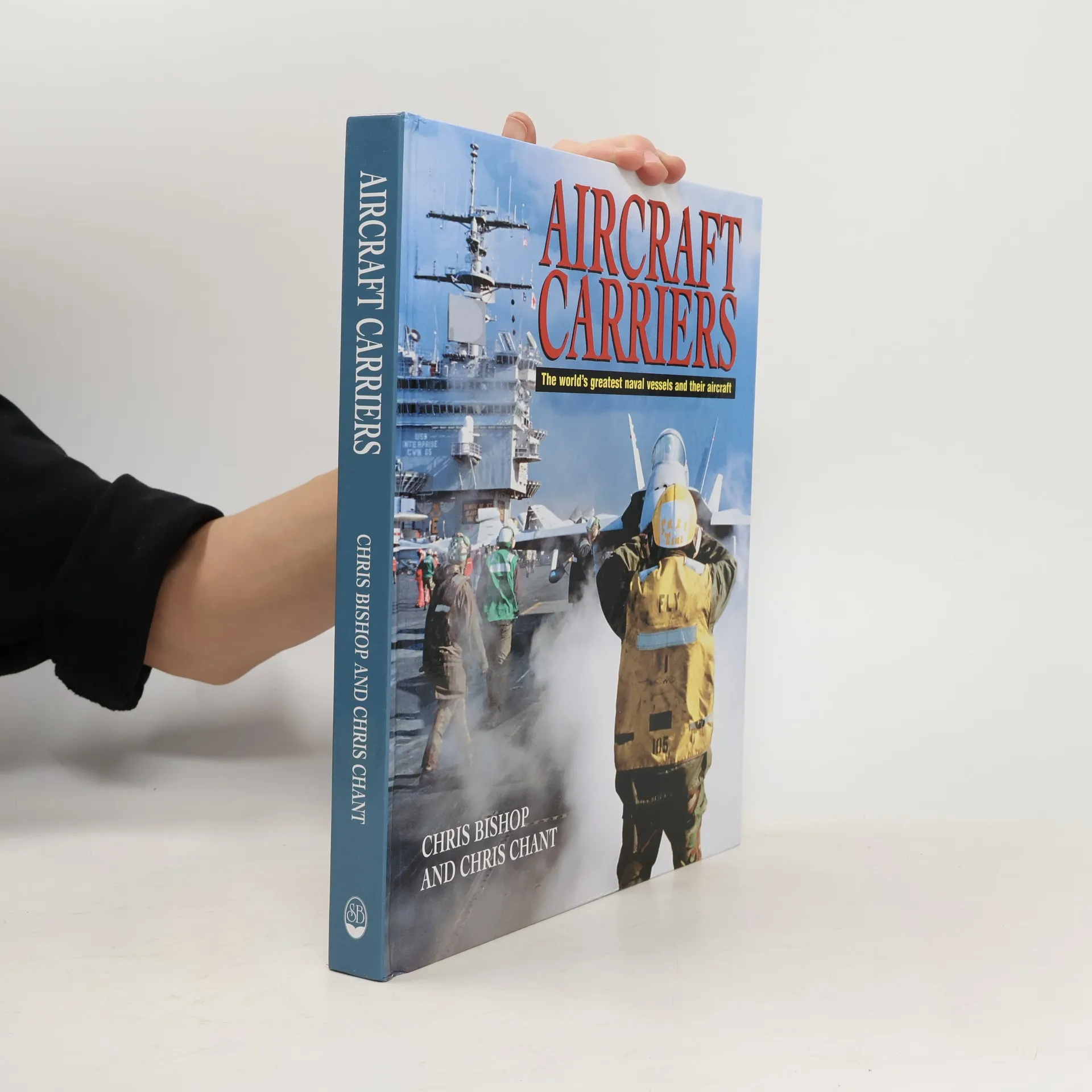
Aircraft Carriers
The World's Greatest Naval Vessels and Their Aircraft
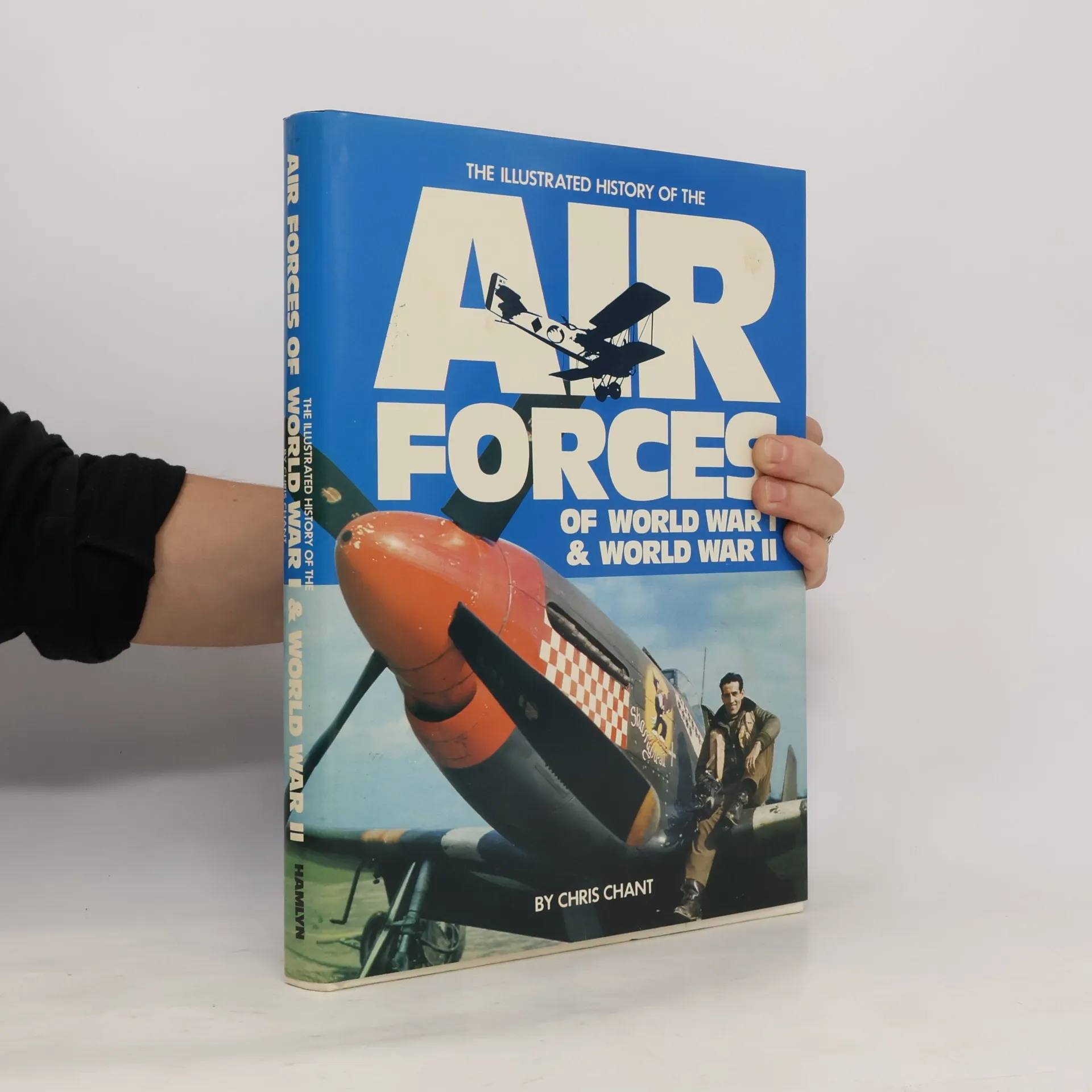
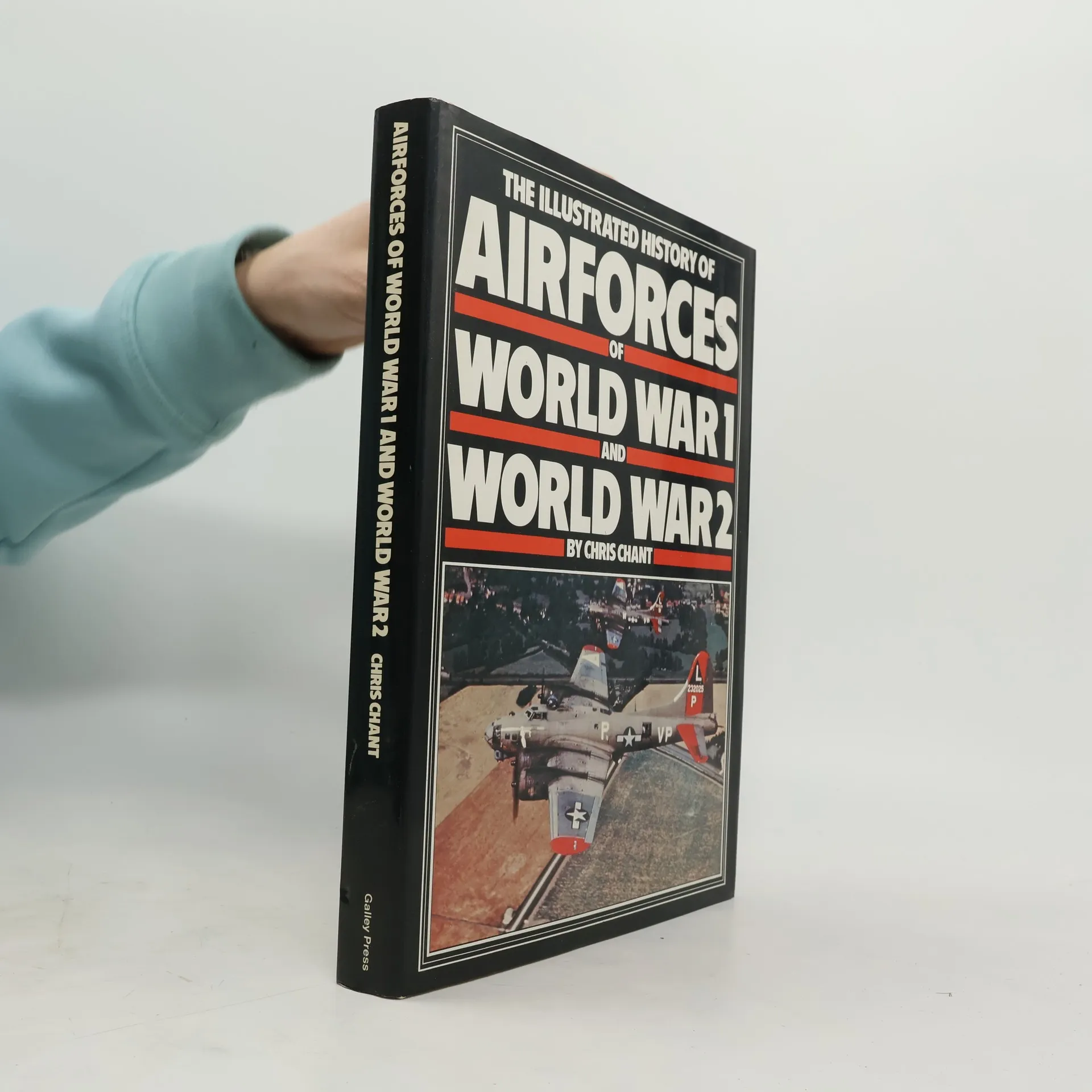
The Illustrated History of the Air Forces of World War I & World War II
- 287 pages
- 11 hours of reading
The airplane was just a decade old when Europe entered the First World War, its military potential largely untested. Aerial warfare was in its infancy, with pilots learning through experience. The interwar years brought significant advancements in aircraft design and performance, as major powers invested heavily in their air forces. Germany, despite post-war restrictions, secretly trained the Luftwaffe in Russia. This era also marked the transition from biplanes to all-metal, stressed-skin monoplanes, producing iconic combat aircraft like the Spitfire and the Messerschmitt BF109. The author traces the evolution of global air forces from early Zeppelin attacks and heroic dogfights to the Blitzkrieg and strategic air power. He explores the growth and traditions of air forces in Germany, Britain, France, Russia, Japan, the United States, and smaller nations, assessing the effectiveness of their personnel and machines and their decisive impact on the wars. The text examines both organizational and technical aspects of air services, culminating in the atomic bombings of Hiroshima and Nagasaki, which underscored air power's strategic significance. This authoritative narrative is enriched with color and black-and-white photographs, along with specially commissioned illustrations, maps, and diagrams.
Ships Of The World's Navies
- 241 pages
- 9 hours of reading
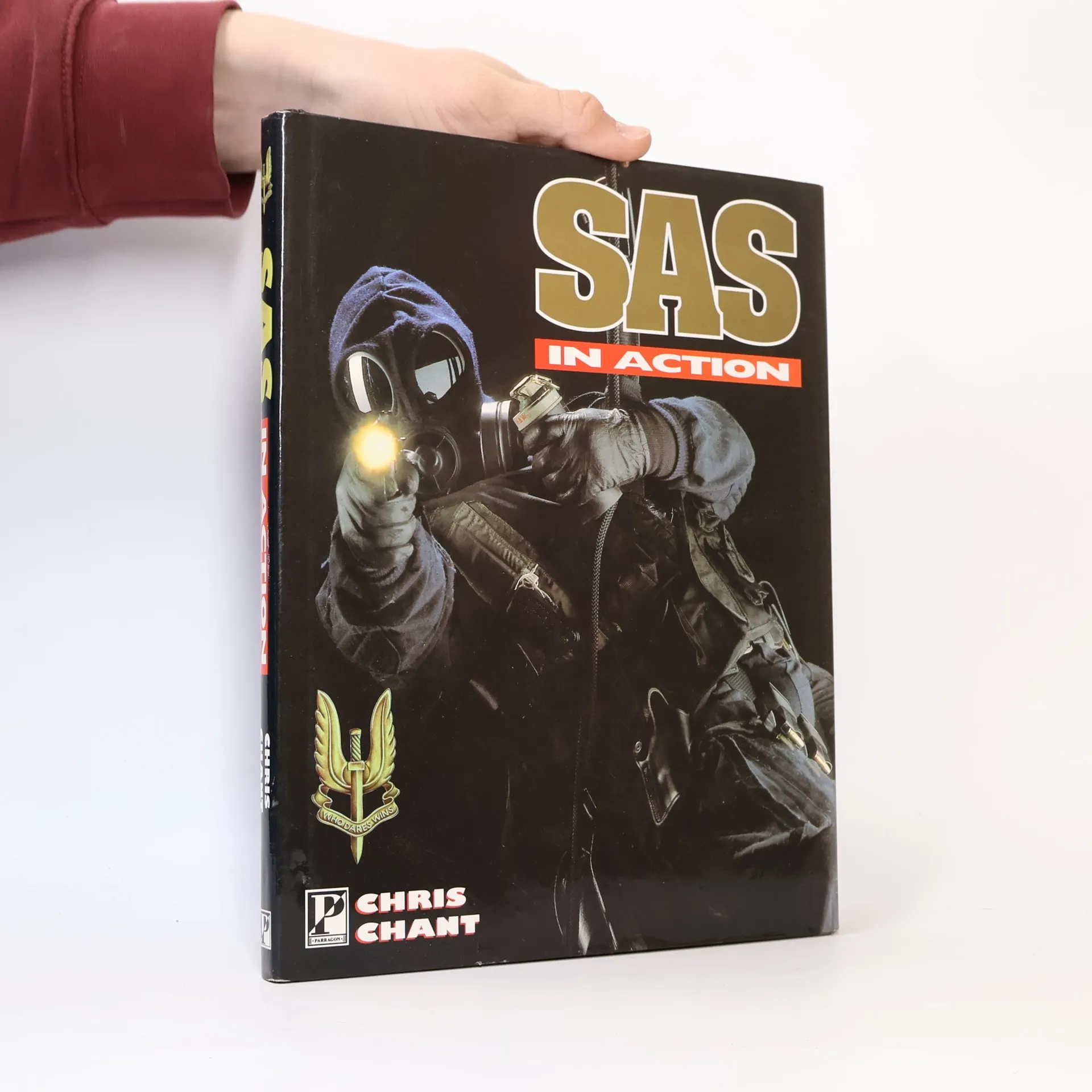
SAS in Action
- 96 pages
- 4 hours of reading
Learn what it takes to be the best of the best. SAS in Action goes behing the scenes with the British Special Air Service (SAS)...
Submarine Warfare Today
- 192 pages
- 7 hours of reading
Describes the different types of submarines in service today, from the giant yet barely detectable ballistic missile submarines to the nuclear and diesel powered attack submarines that patrol the high seas and shipping lanes.
Allied Fighter Aircraft 1939-45
- 192 pages
- 7 hours of reading
A highly illustrated guide to Allied fighter aircraft that fought in Europe during World War II featuring all the main models flown by the Allied air forces from 1939 to 1945. The book covers unit markings, organization, numbers of aircraft flown by campaign and exhaustive specifications for each model, with more than 200 artworks.
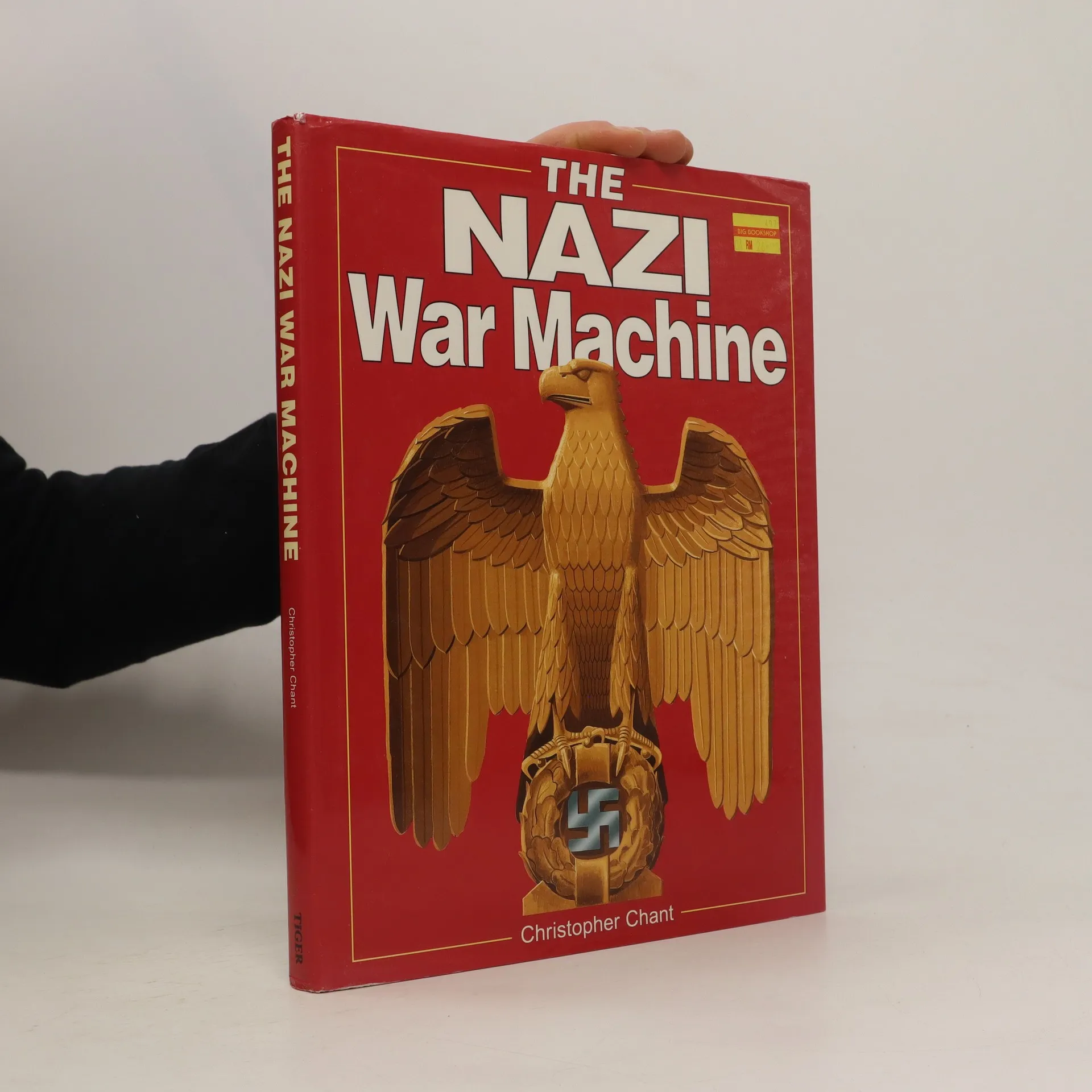
The Nazi War Machine
- 144 pages
- 6 hours of reading
Describes the tactics and weapons used by German forces in World War II.
The World's Navies
- 253 pages
- 9 hours of reading
Covers warships and submarines, sea-launched missiles, and underwater weapons.
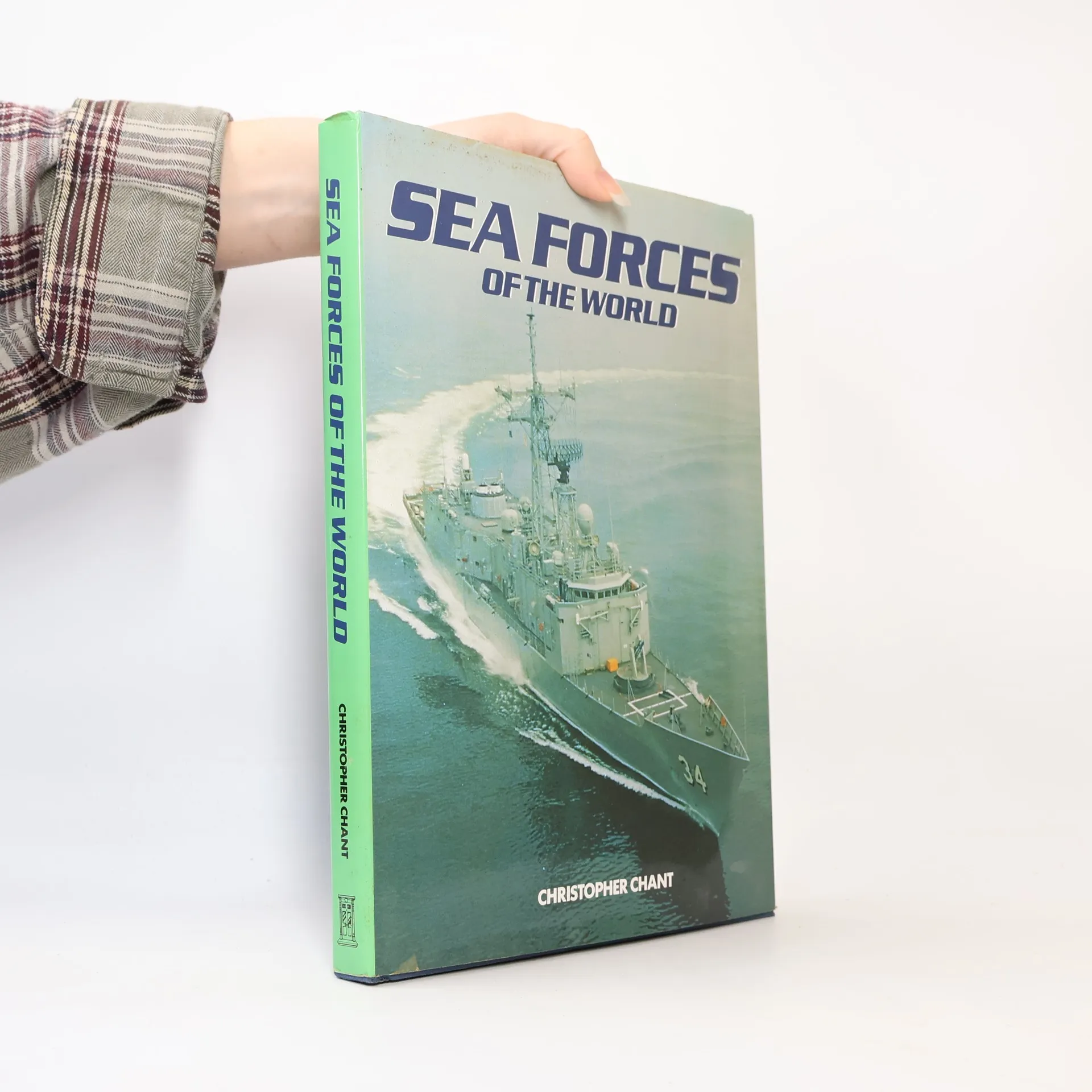
Sea Forces of the World
- 241 pages
- 9 hours of reading
dust jacket shows wear and tear
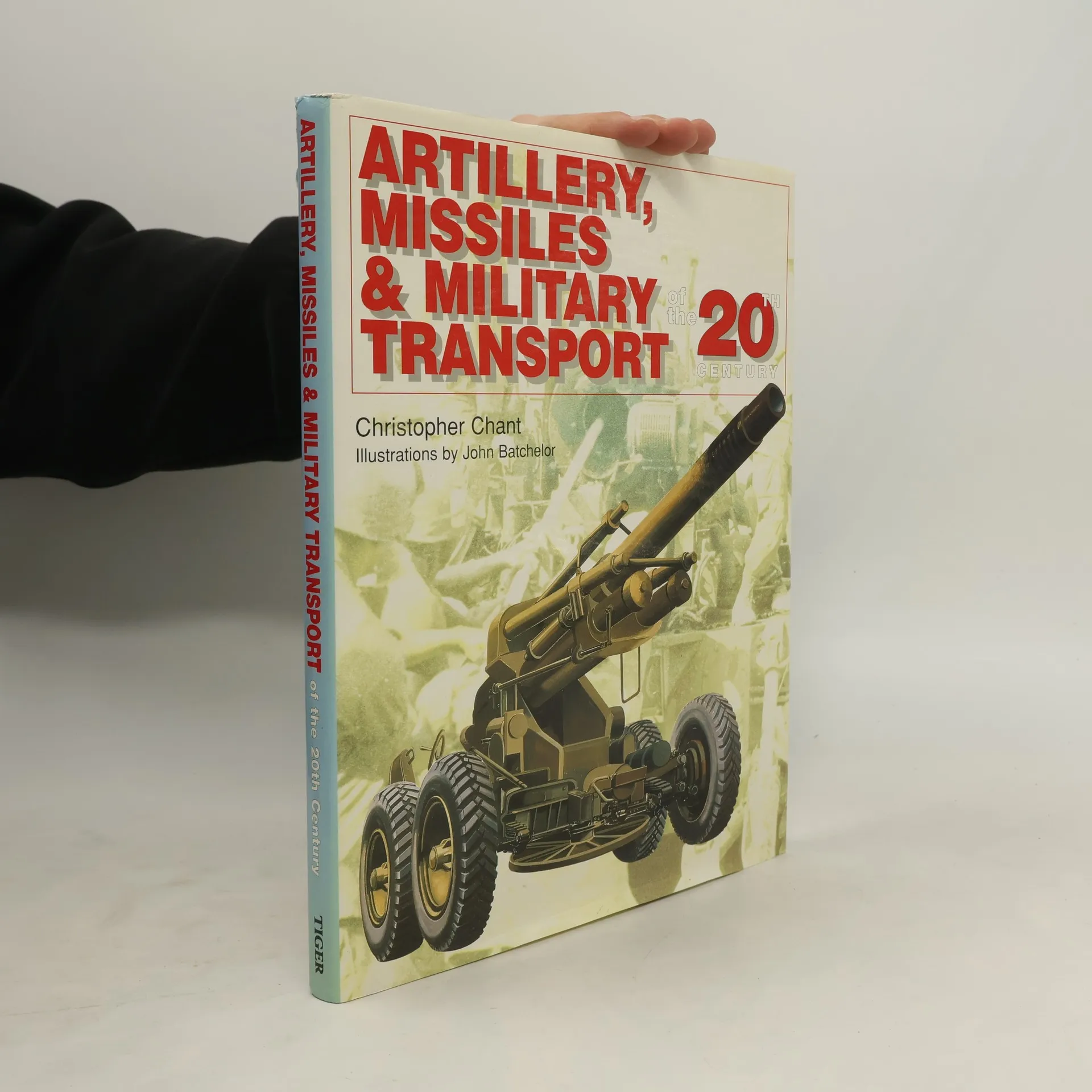
20th Century Military Series: Artillery, Missiles & Military Transport of the 20th Century
- 144 pages
- 6 hours of reading
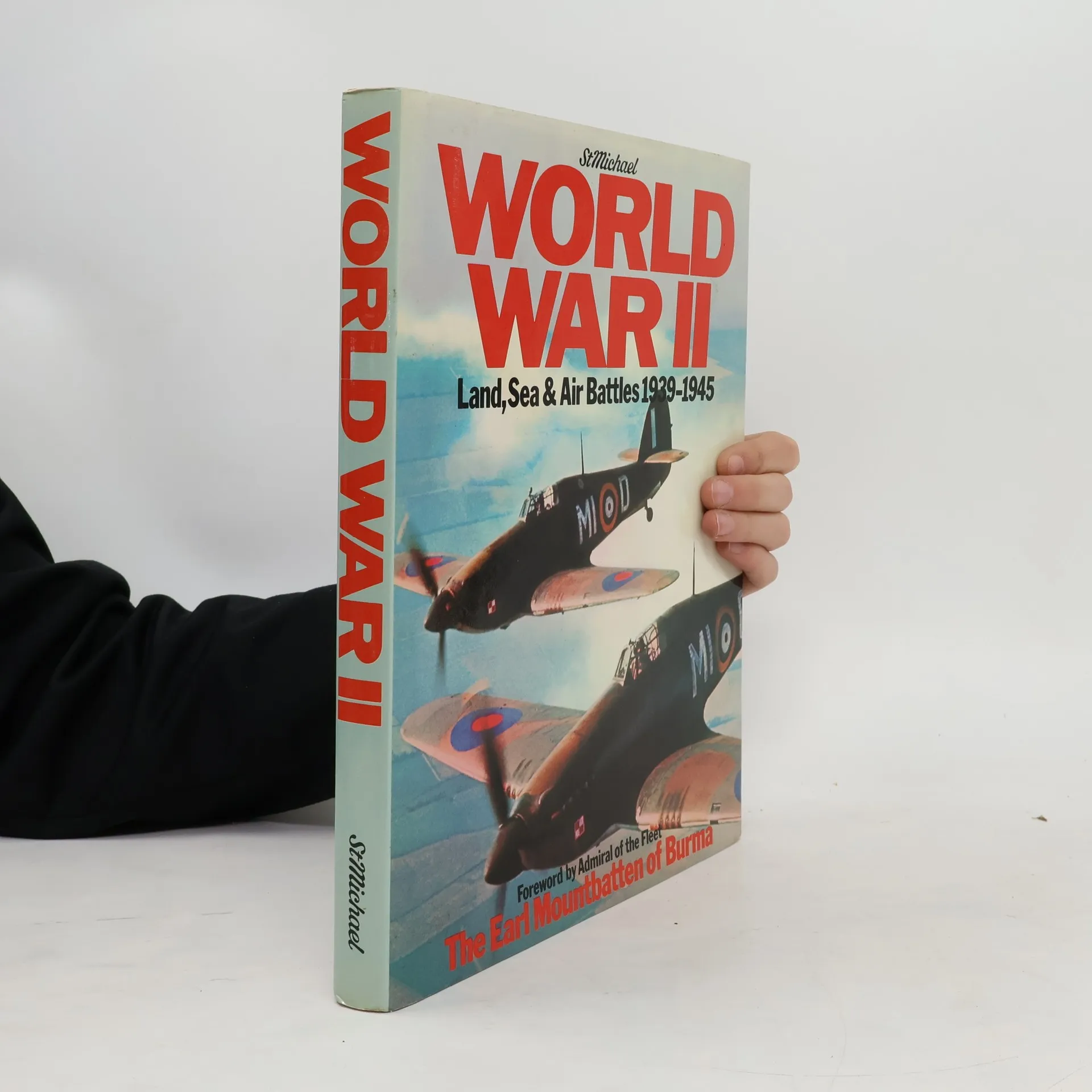
World War II. The Earl Mountbatten of Burma
Land, Sea & Air Battles 1939-1945
- 256 pages
- 9 hours of reading
This informative book has been painstakingly researched and is illustrated with rare, archival photography.
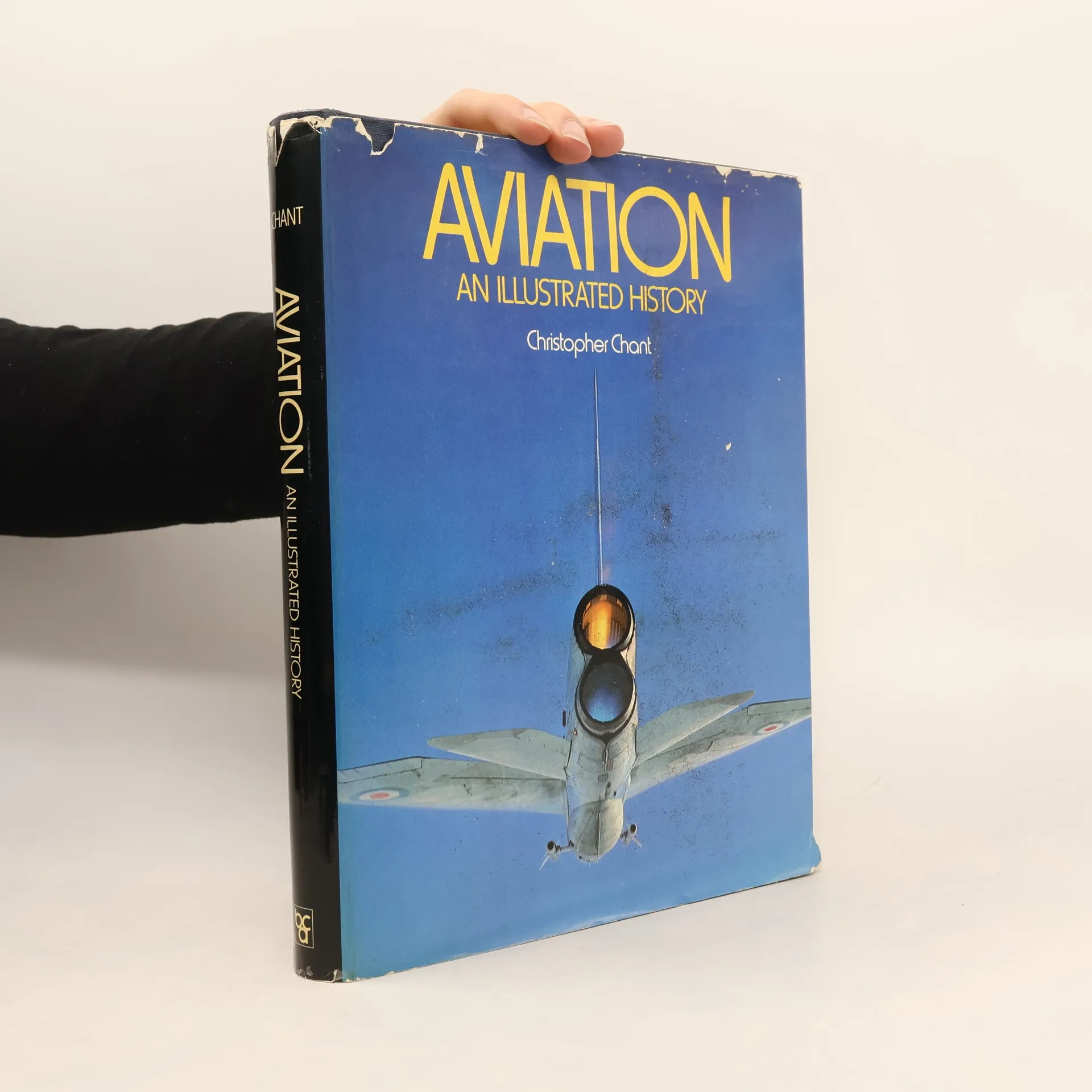
Rigt illustreret beretning om flyvningens historie og udviklingen af flytyper såvel inden for civil- som militærflyvning.
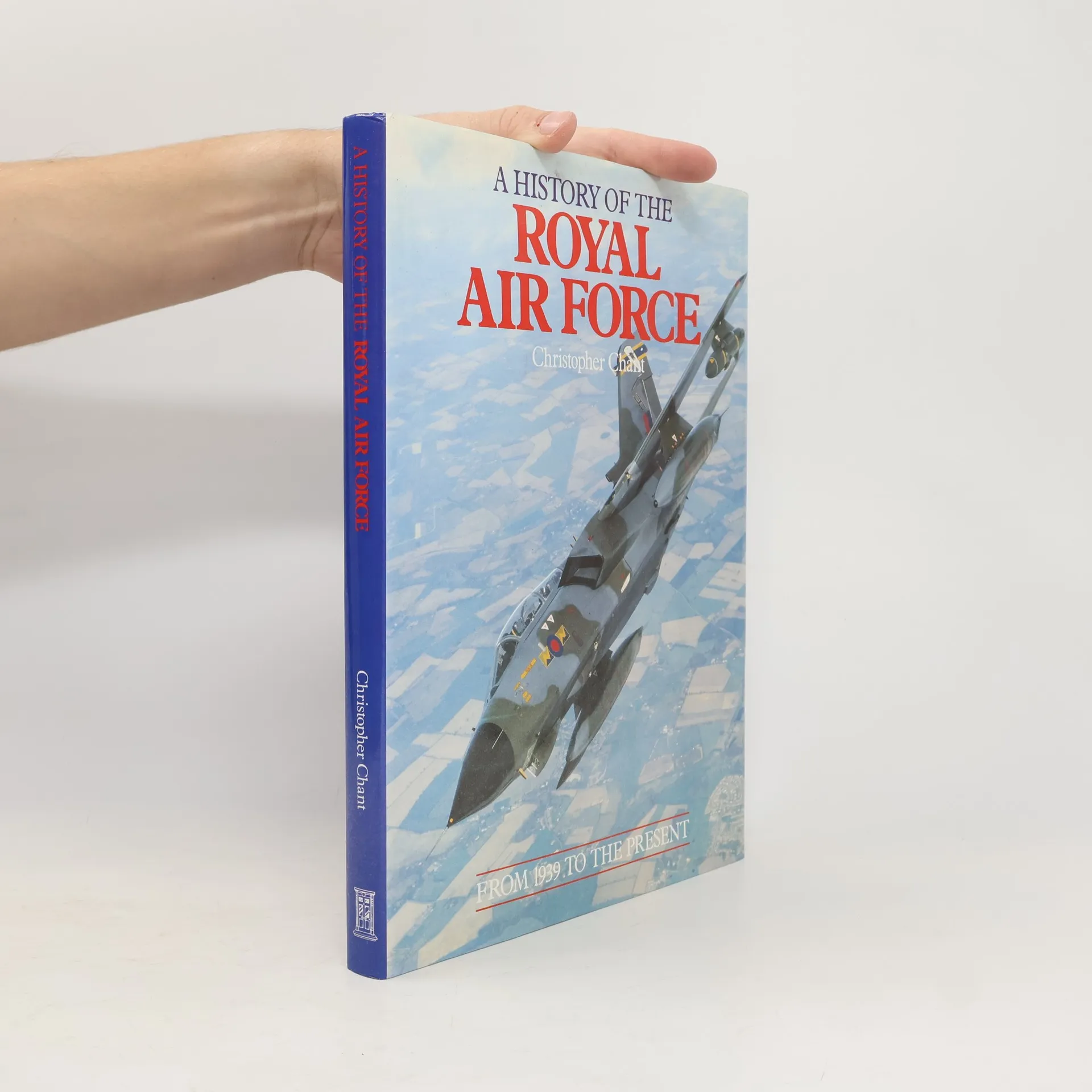
A history of the Royal Air Force
- 183 pages
- 7 hours of reading
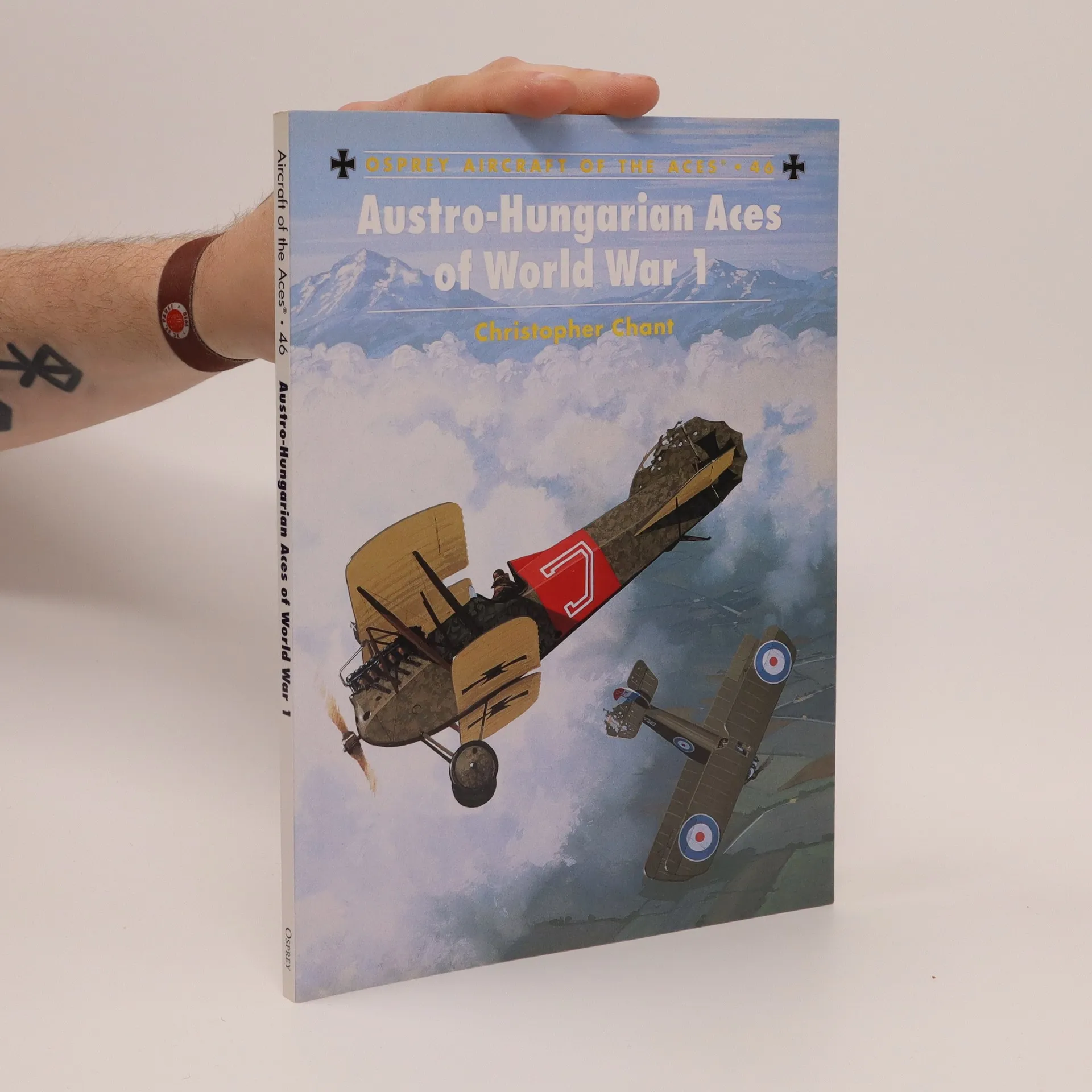
Austro-Hungarian aces of World War 1
- 96 pages
- 4 hours of reading
Starting the war with only 35 aircraft, Austro-Hungarian industry went on to produce only moderate numbers of poor quality aircraft. The fliers of the Austro-Hungarian Empire operating on the Serbian and Russian fronts were fortunate at first, finding themselves faced by small numbers of aircraft yet more obsolescent than their own. Serbia fell in 1915, but when Italy declared war the Austro-Hungarians were still faced with a two-front war – a static front against Italy, and a far more fluid one against Russia. Austro-Hungarian fighter pilots performed bravely and often very effectively under extremely difficult geographic, climatic and operational conditions.
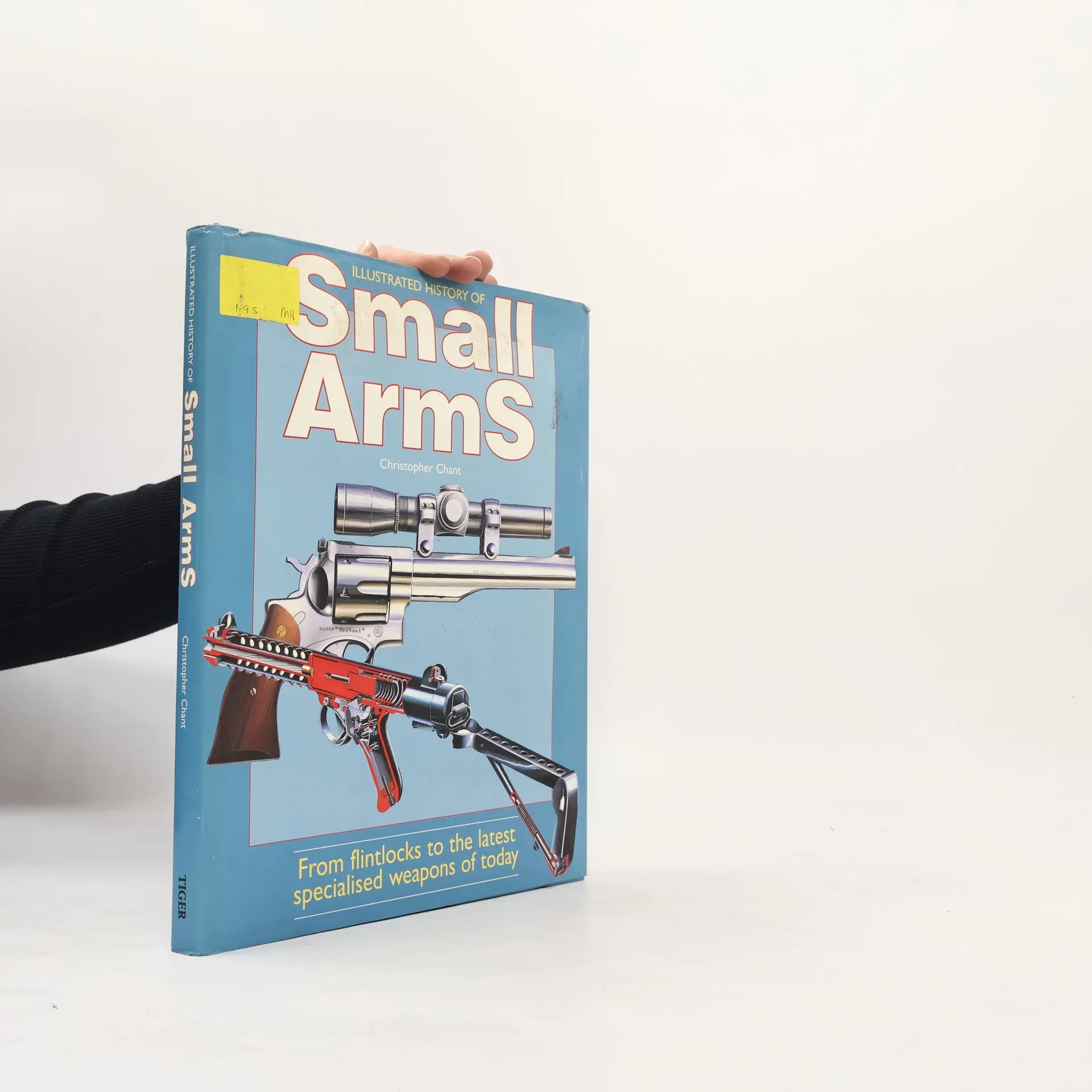
Illustrated History of Small Arms
- 144 pages
- 6 hours of reading
From flintlocks to the latest specialised weapons of today.
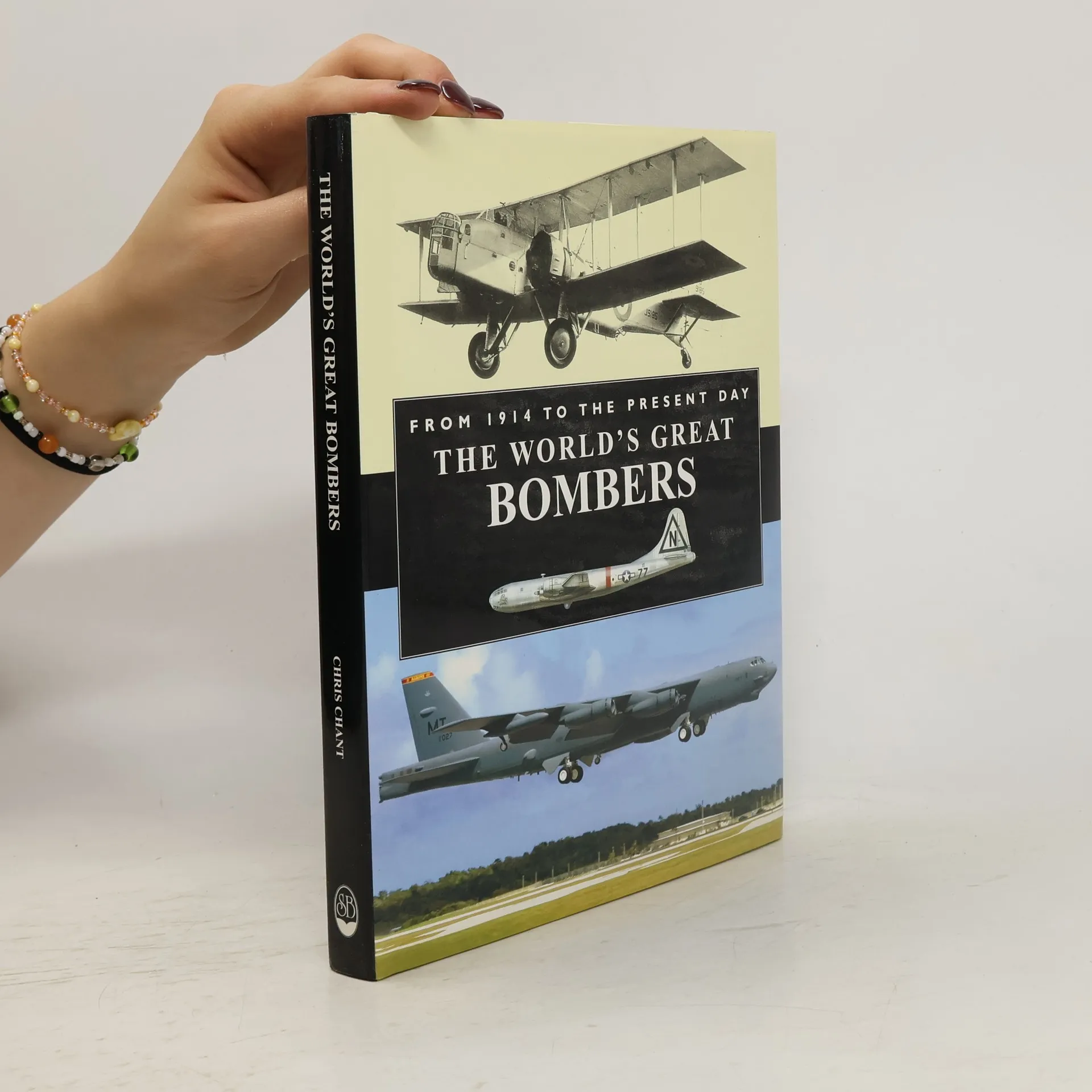
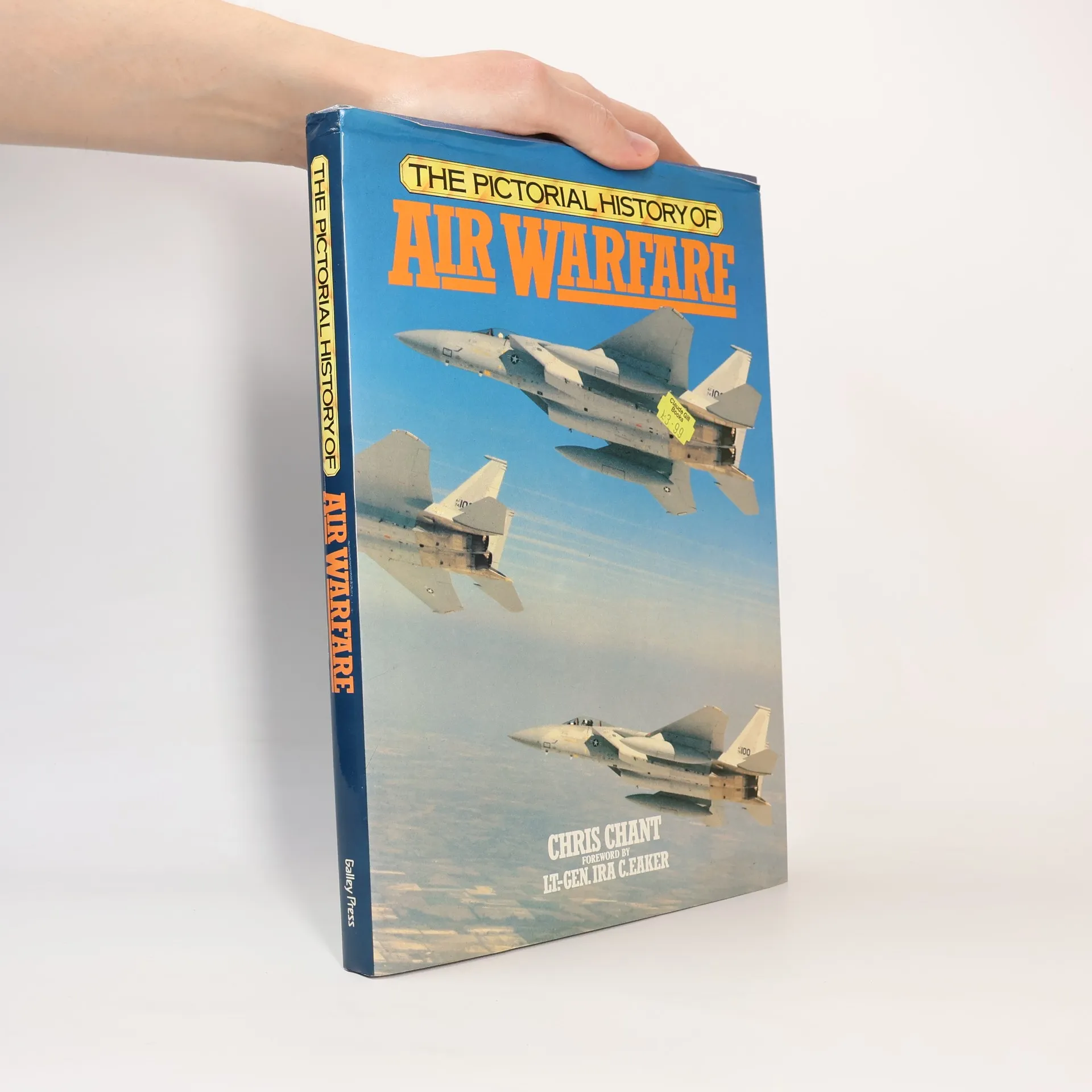
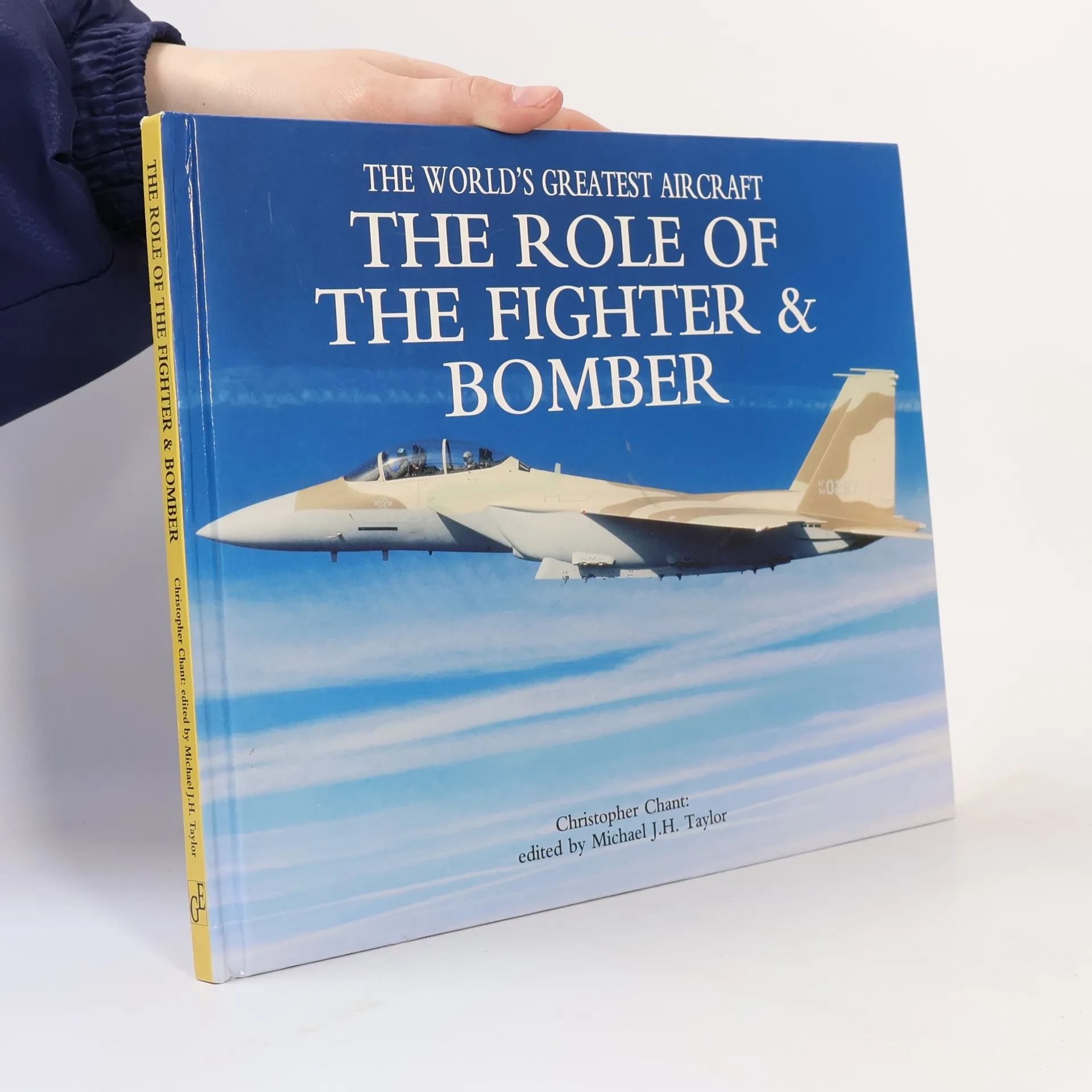
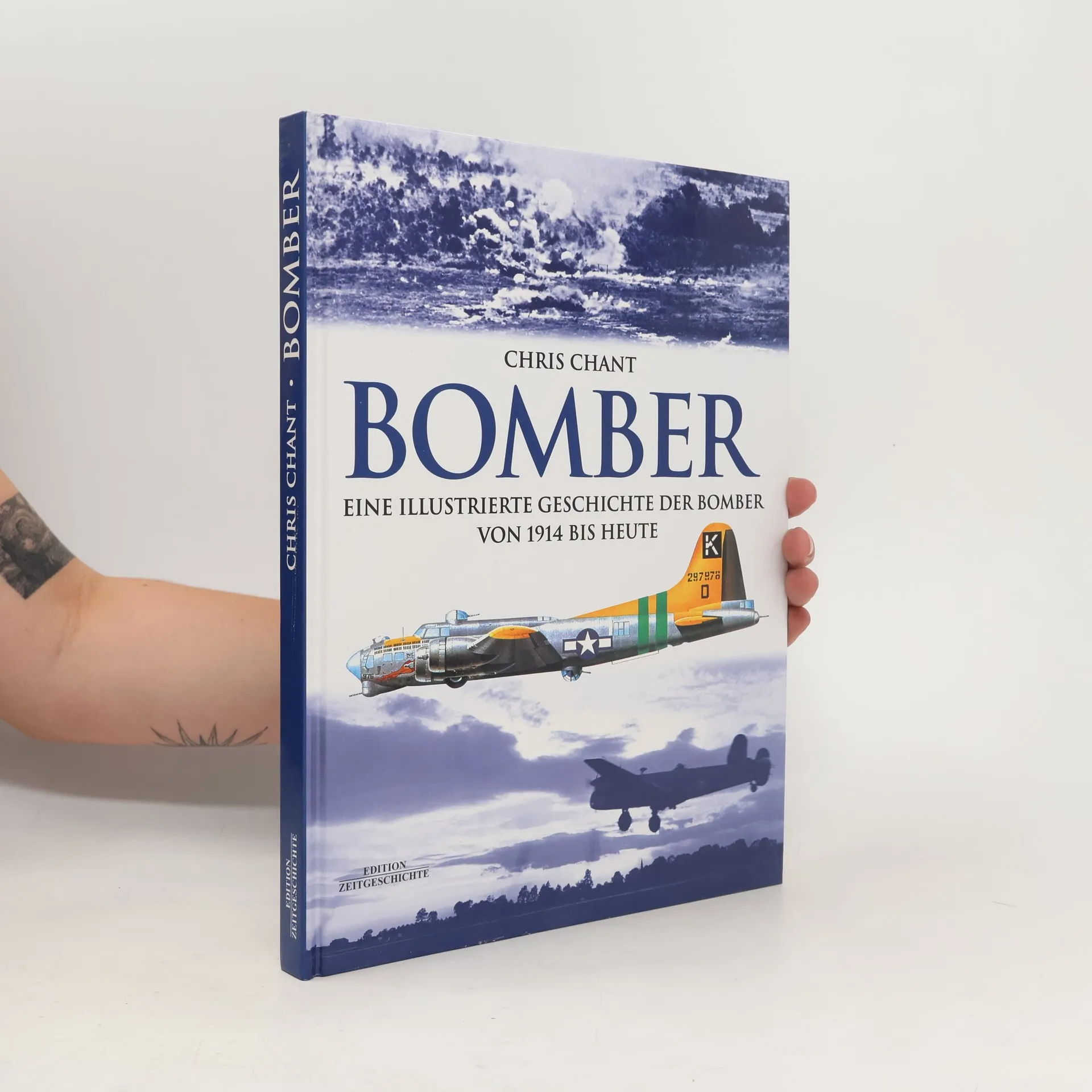
Large book with photographs of the world's greatest bombers, from 1914 to 2005.
British Air Force History. No damage to book, DJ has slight shelfware & curl to some edges, damp stain on inside of DJ at the top edge book not affected.NO International or Priority.
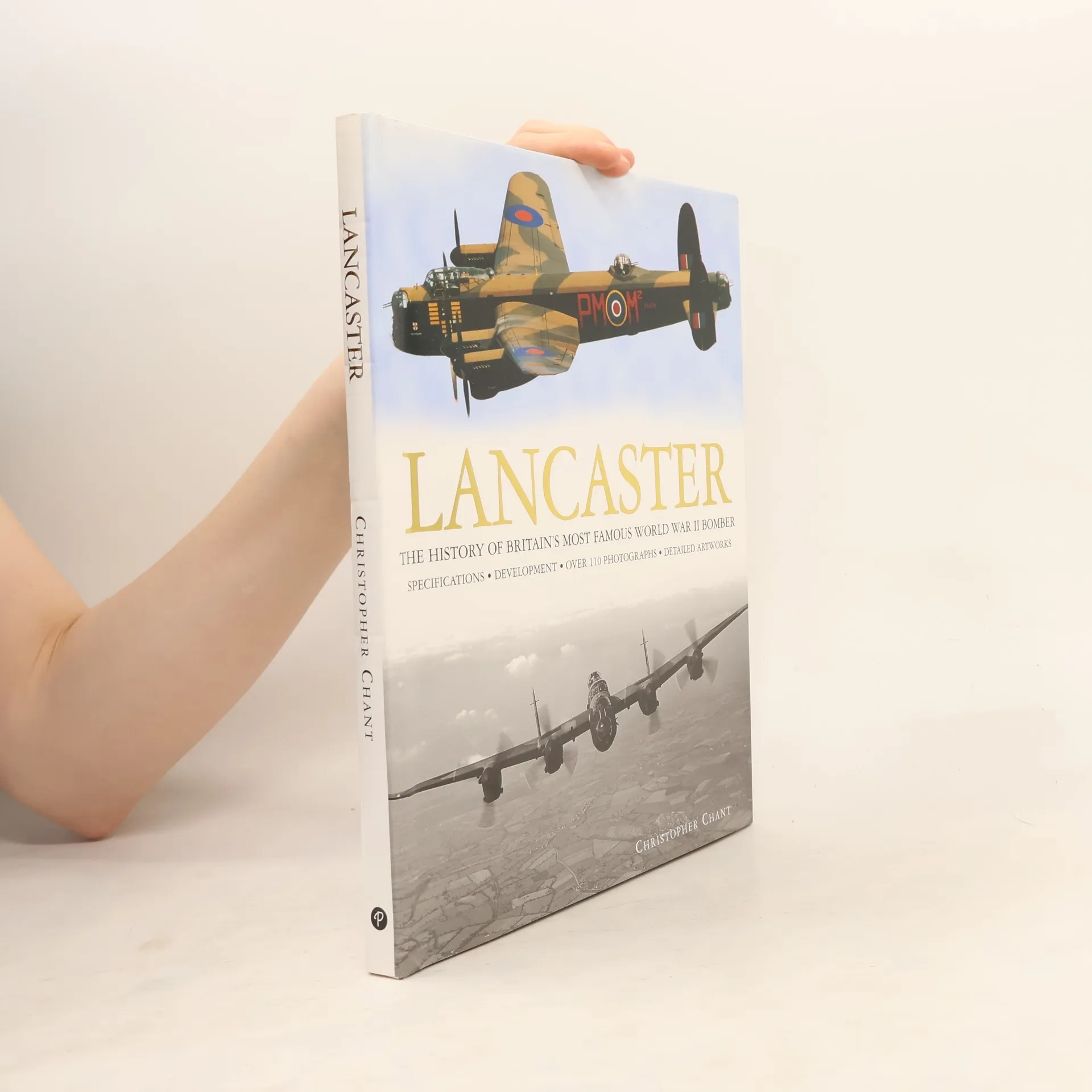
The History of Britain's Most Famous World War II Bomber (Plane Books S.) [Hardcover] Christopher Chant
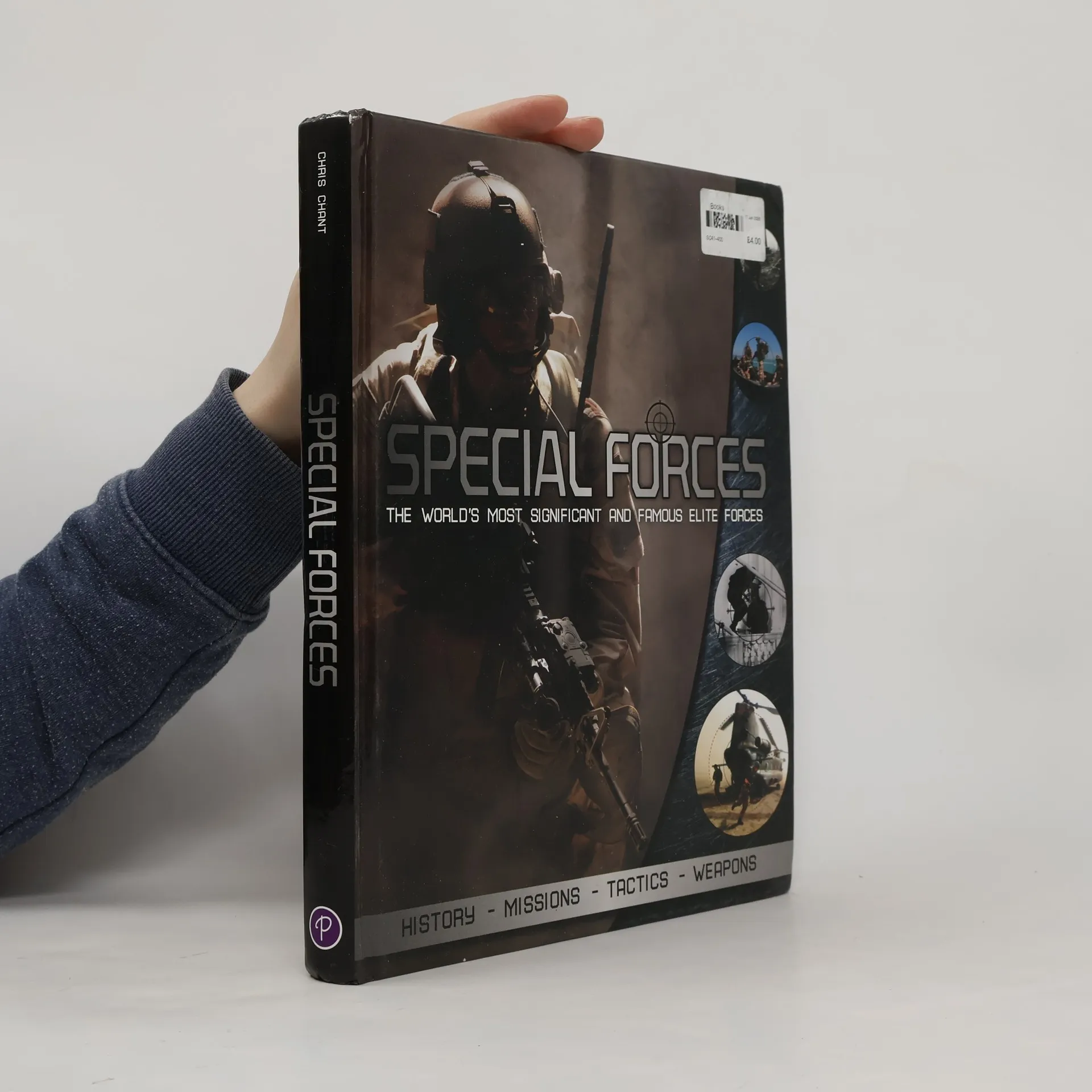
Special Forces
The World's Most Significant and Famous Elite Forces - History - Missions - Tactics - Weapons
- 240 pages
- 9 hours of reading
Special Forces deploys an impressive blend of authoritative text and dramatic photographs to reveal the qualities and skills of the special forces soldier at every stage of their selection, training and operational life. Detailed attention is also given to weapons, combat equipment and methods of transport, while over 25 historical special forces operation features describe combat missions undertaken between 1960 and the present day.
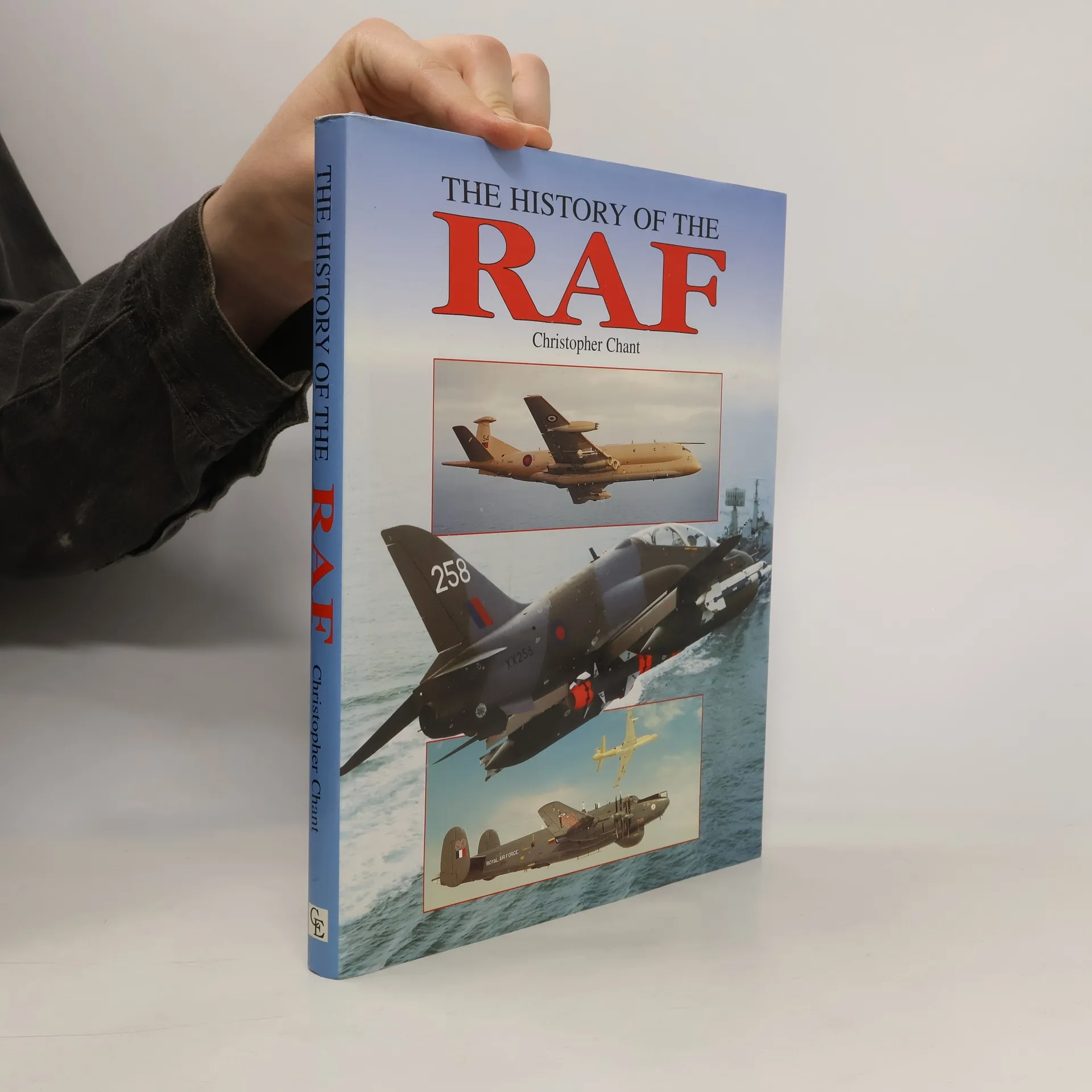
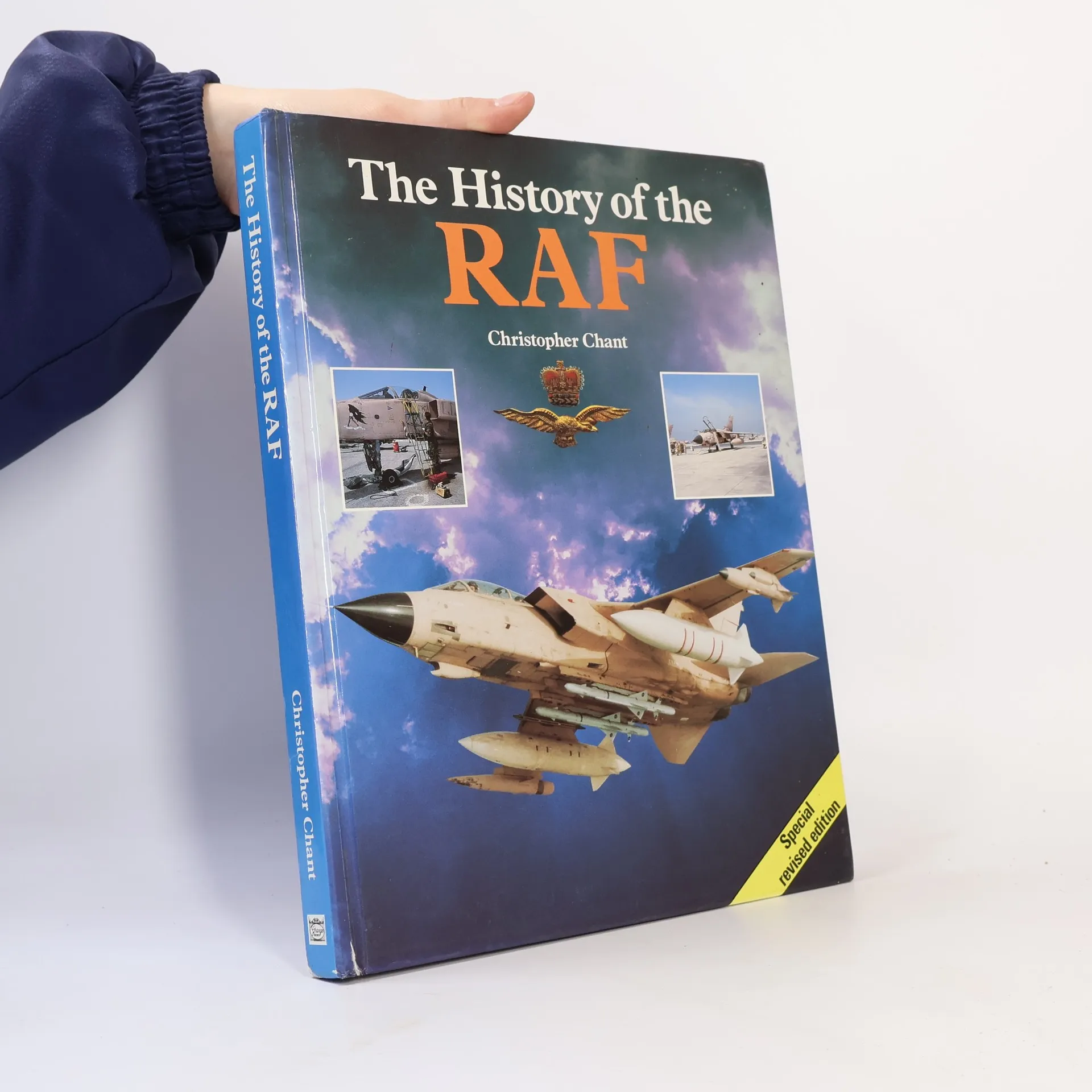
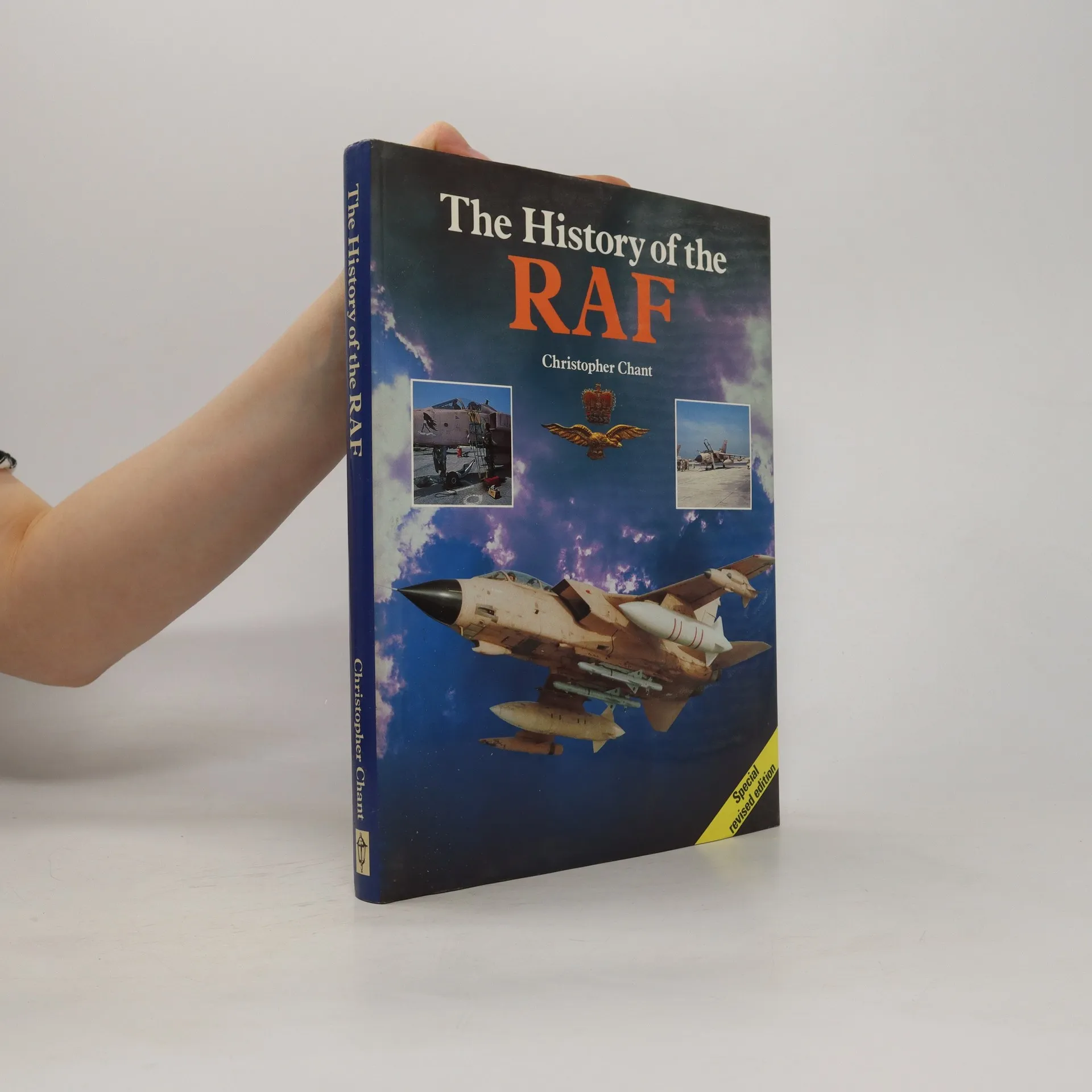
The History of the RAF: Special Revised Edition
- 186 pages
- 7 hours of reading
186 pages Grange Books Ltd (September 1, 1996) English 1856278840 978-1856278843 Product 12.1 x 9.5 x 0.9 inches
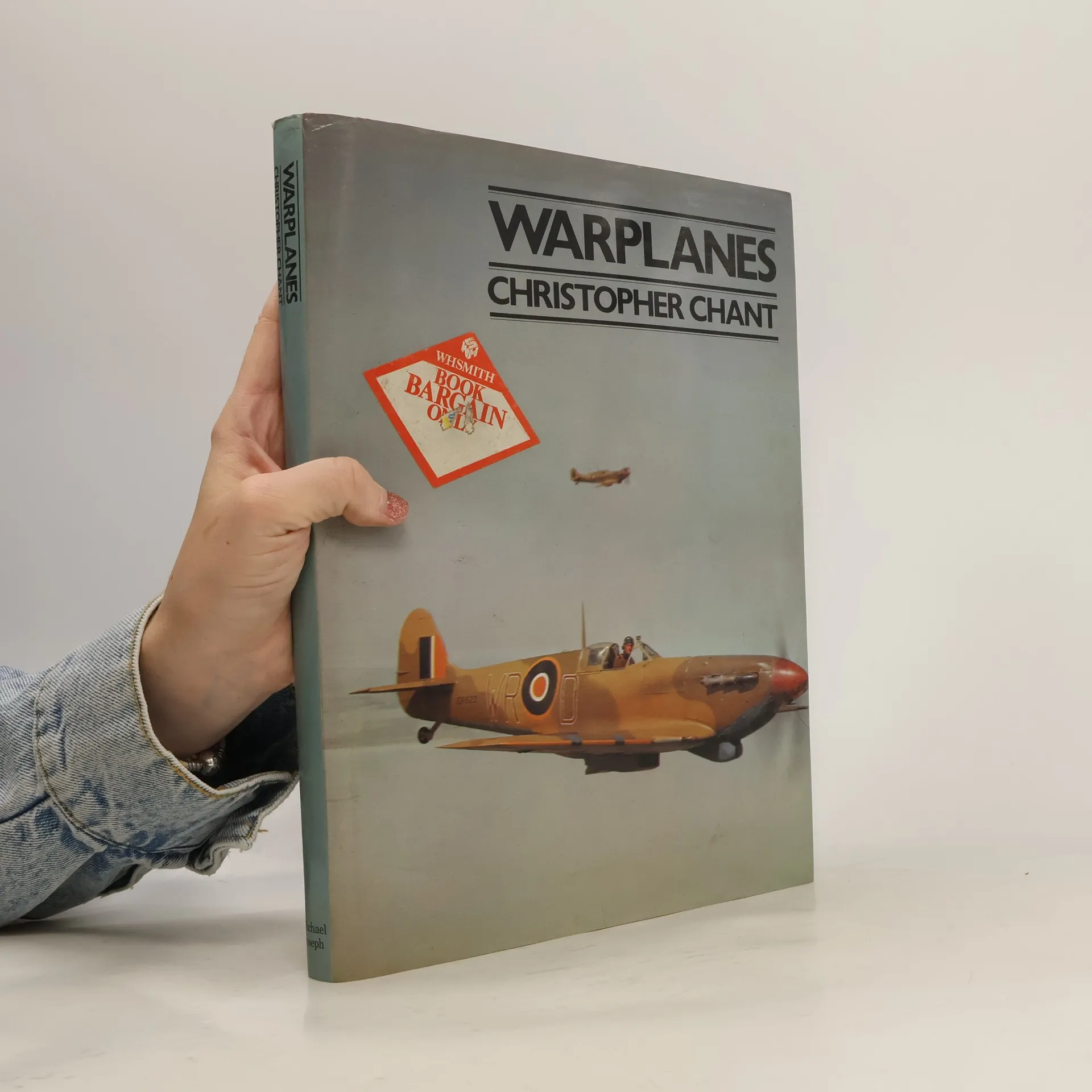
Warplanes
- 192 pages
- 7 hours of reading
Shows what a performance of a ballet is like, looks at ballet class, discusses music, costume, and sets, and gives brief profiles of famous dancers
The World's Greatest Aircraft, Civil Aircraft
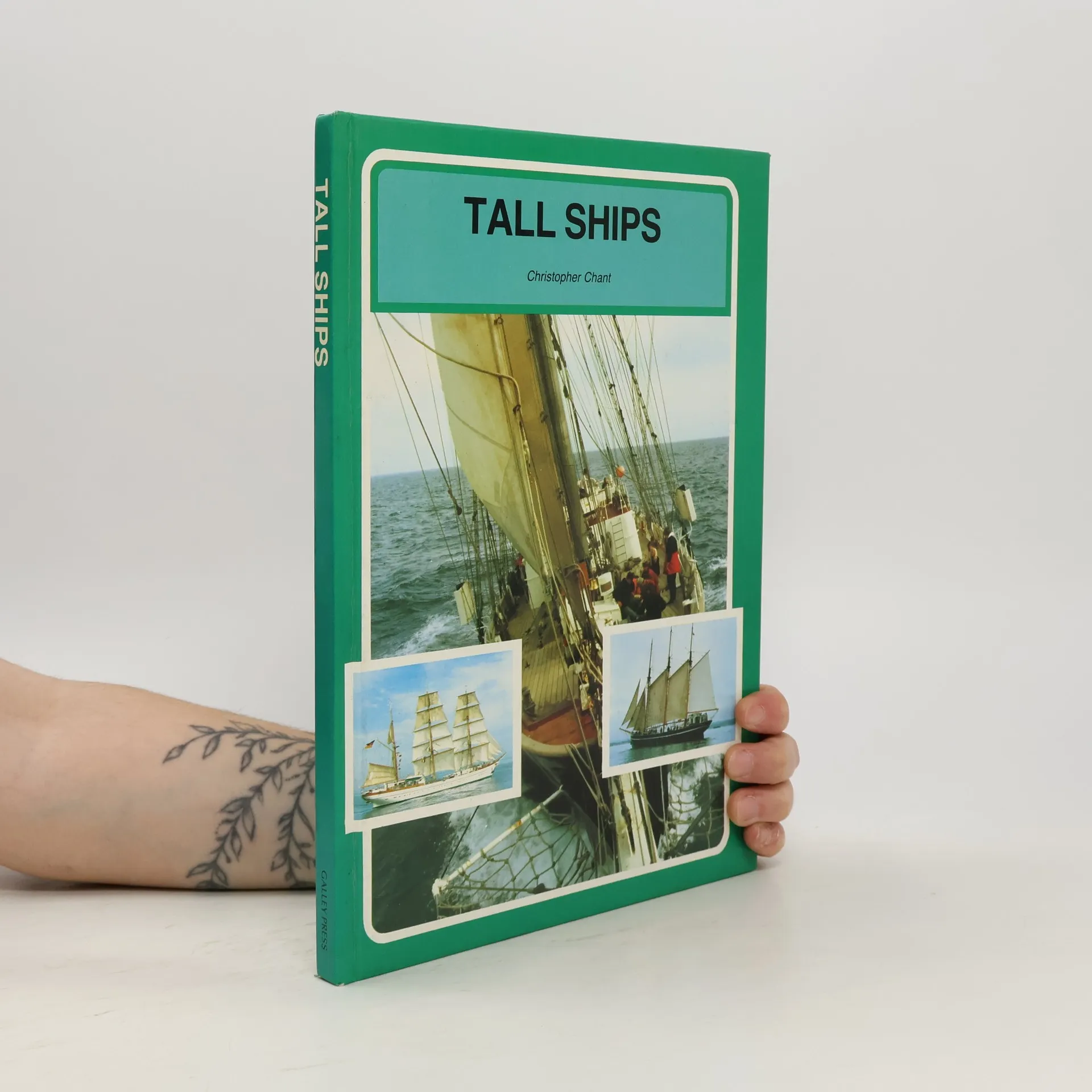
Tall ships
- 64 pages
- 3 hours of reading
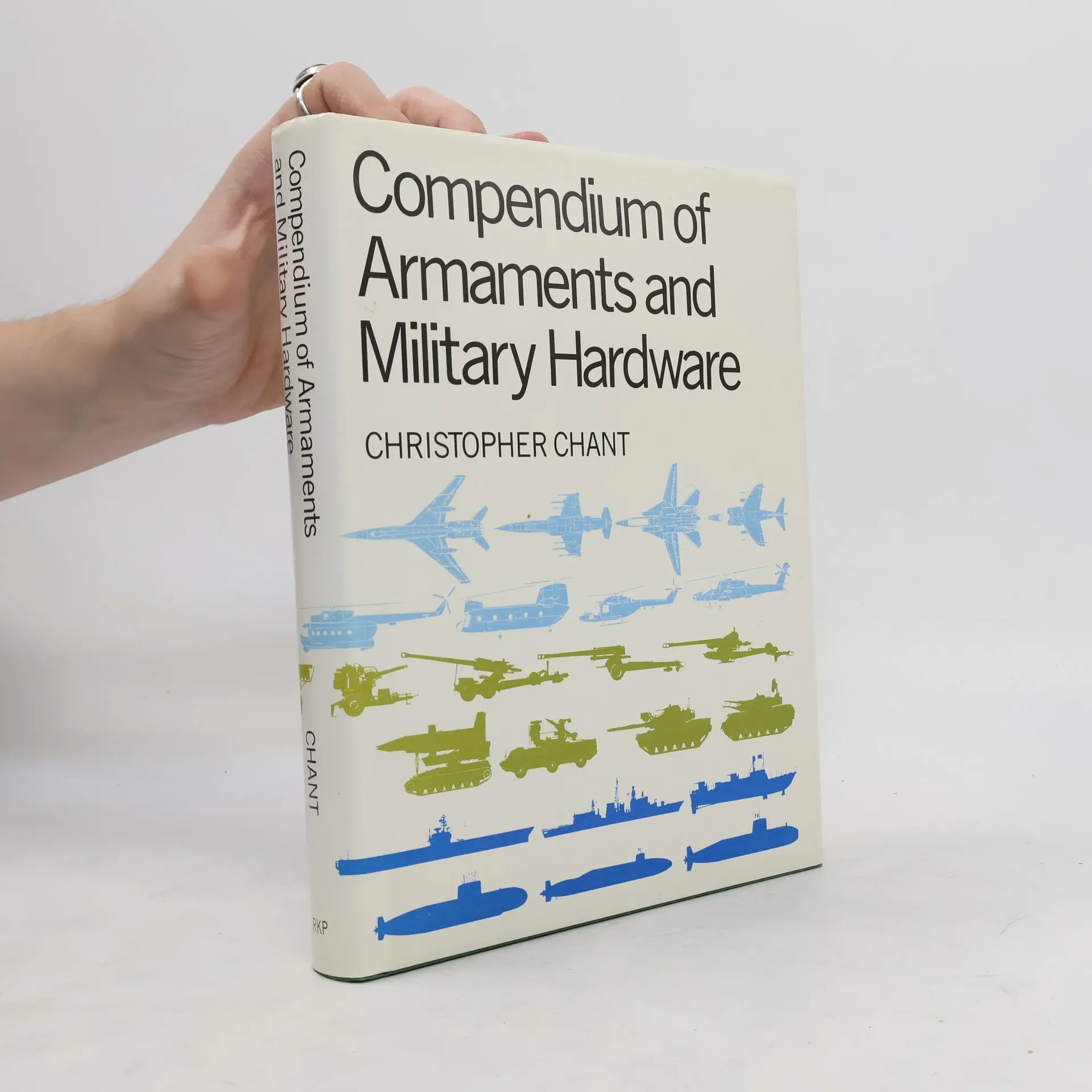
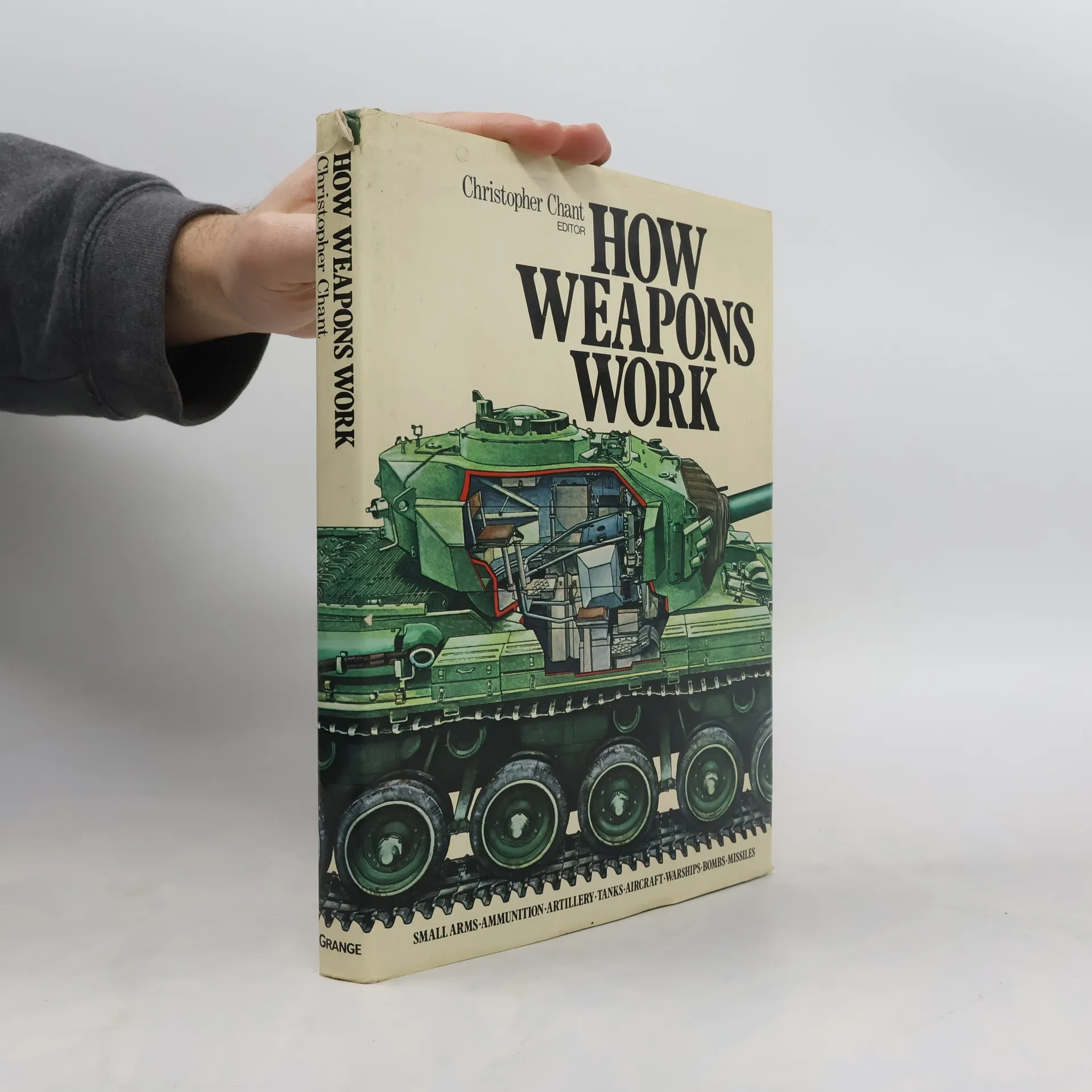
Provides within a single volume the salient technical and operational details of all the most important weapons. The complete range of hardware used in land, sea and air forces throughout the world is covered.
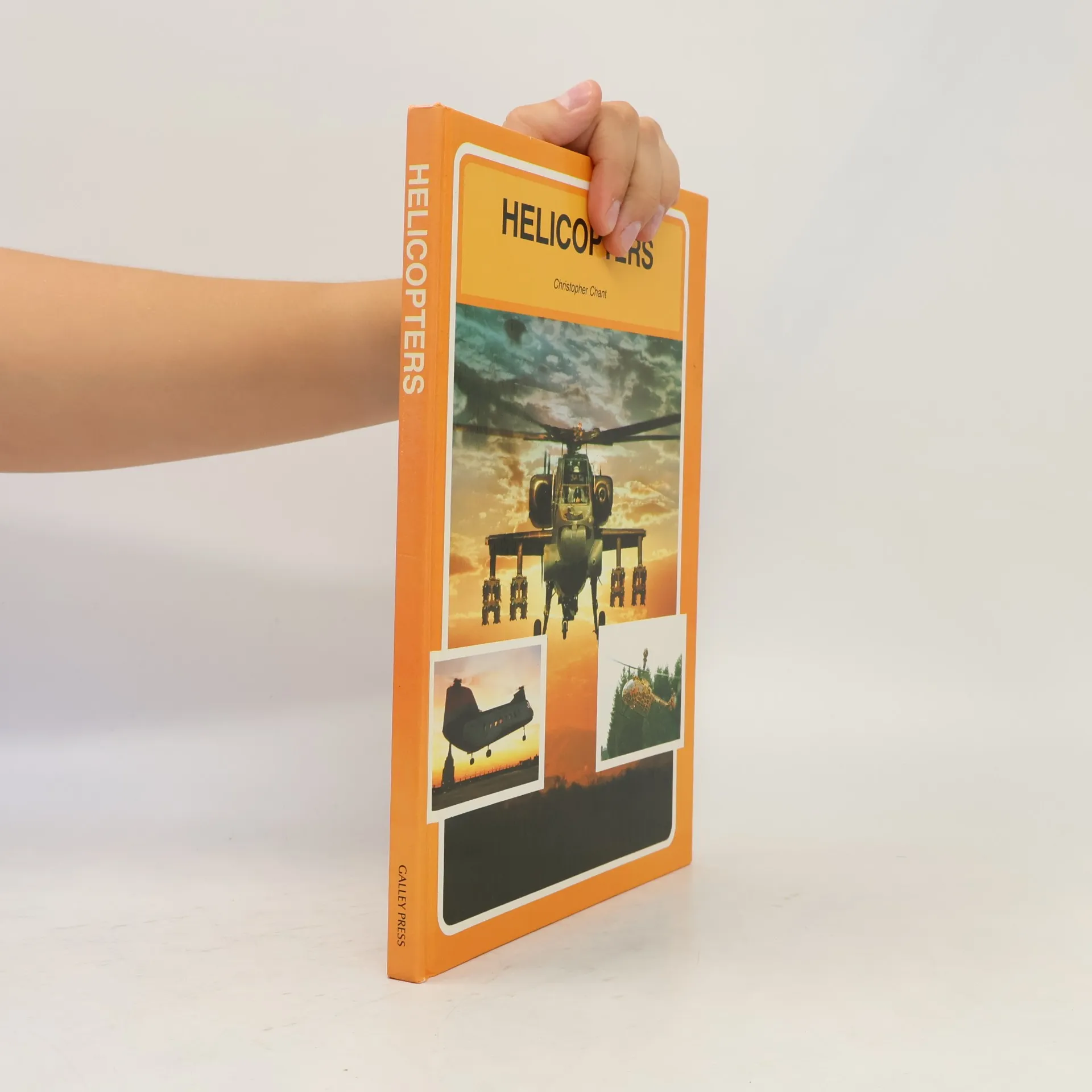
Helicopters
- 64 pages
- 3 hours of reading
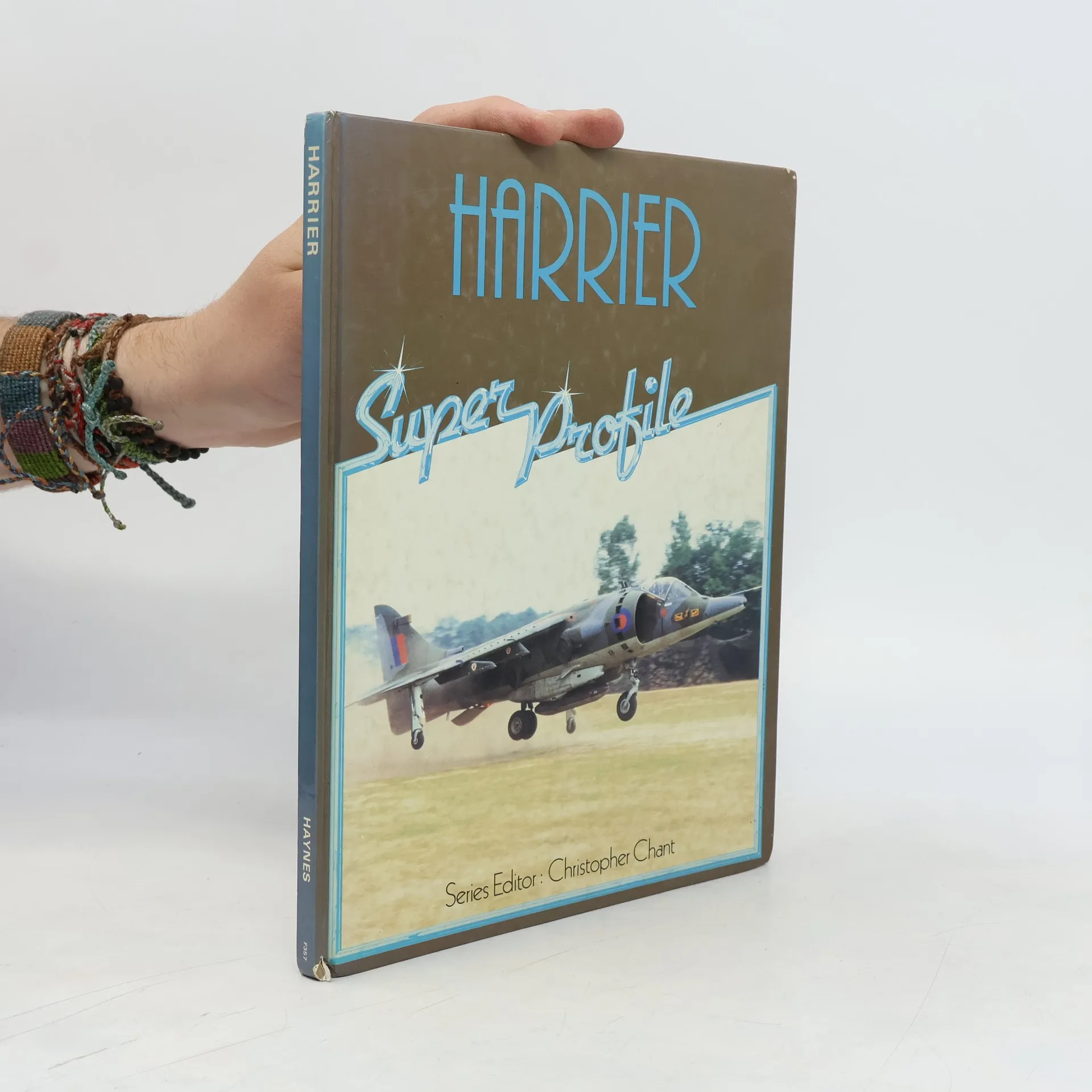
Super Profile: Harrier
- 56 pages
- 2 hours of reading
Development and deployment of the AV-8 Harrier V/STOL jet fighter.
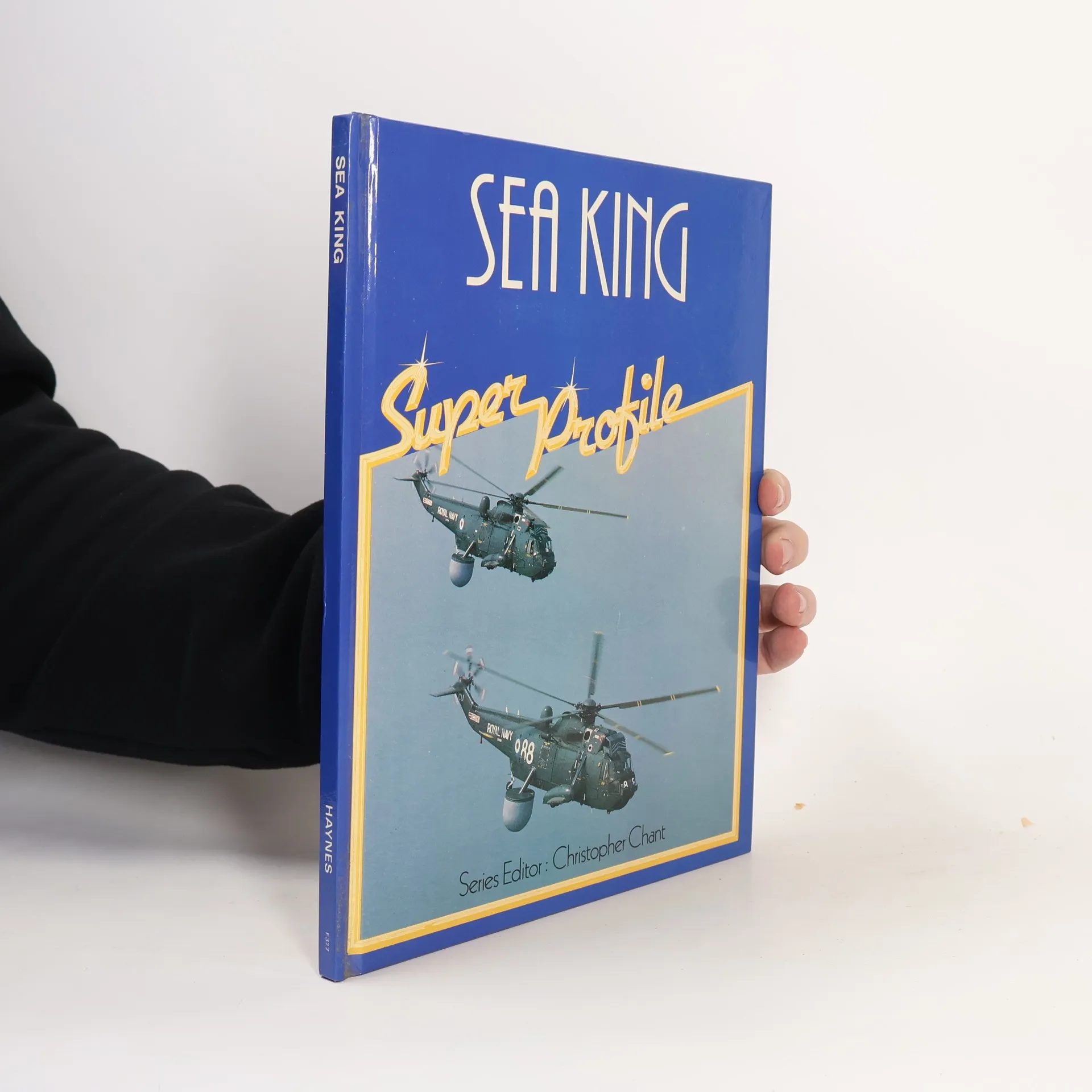
Sea King Super Profile
- 56 pages
- 2 hours of reading
Beskrivelse af den amerikanske helikopter Sikorsky S-61 og den engelske version Westland Sea King.
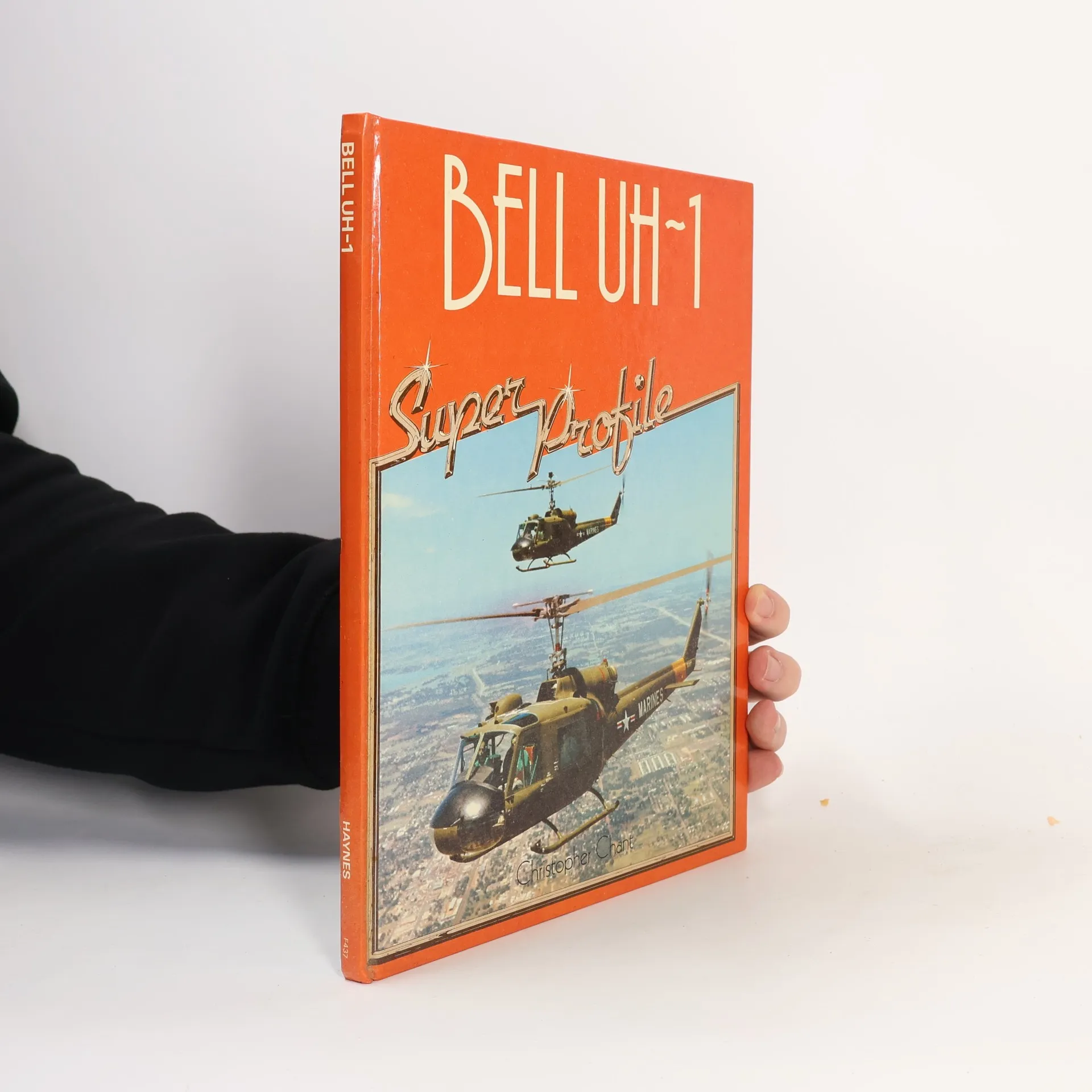
Bell UH-1
- 56 pages
- 2 hours of reading
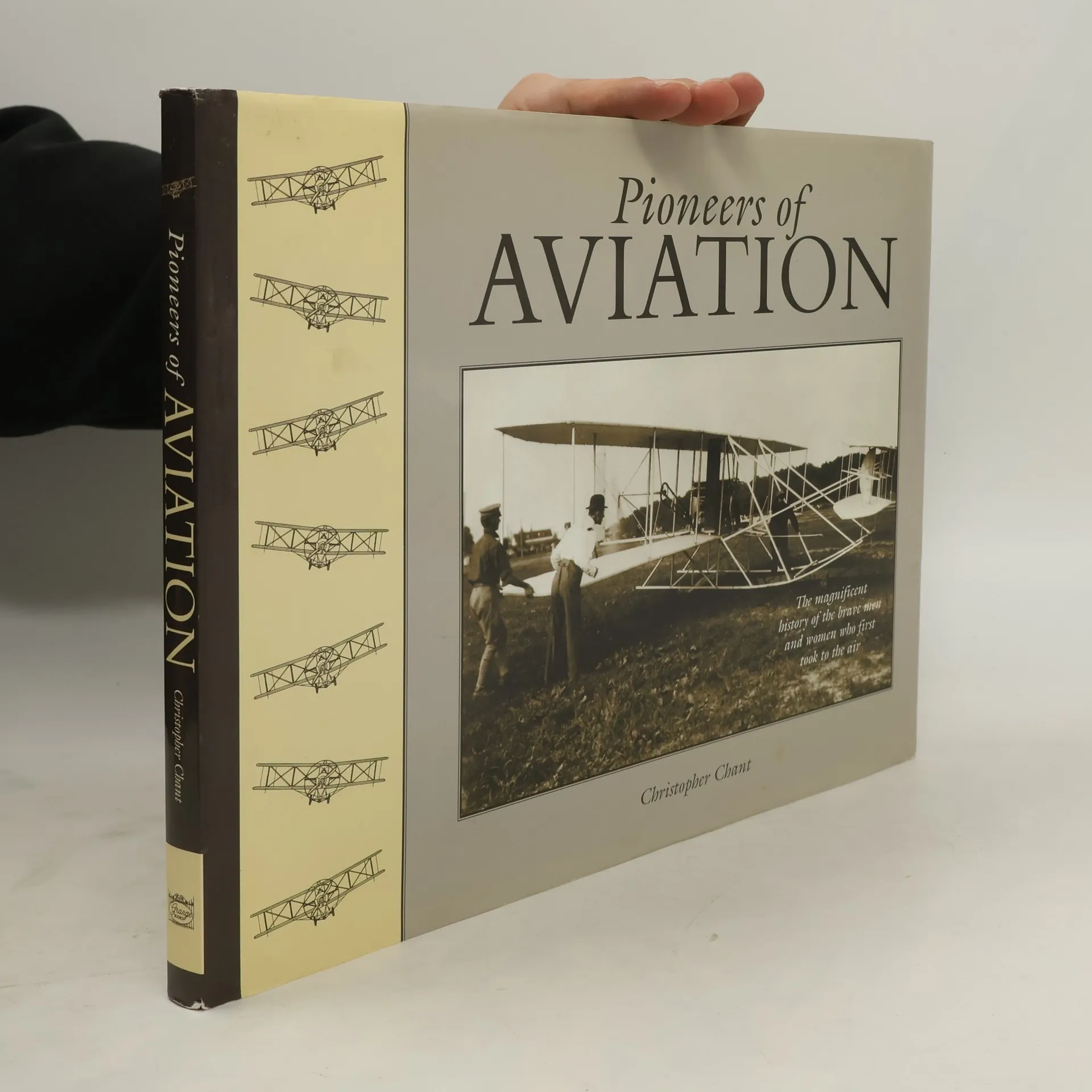
Pioneers of Aviation
The Magnificent History of the Brave Men and Women Who First Took to the Air
- 112 pages
- 4 hours of reading
Beretter om udviklingen inden for såvel den civile som militære flyvning op til tiden ved 2. verdenskrigs udbrud.
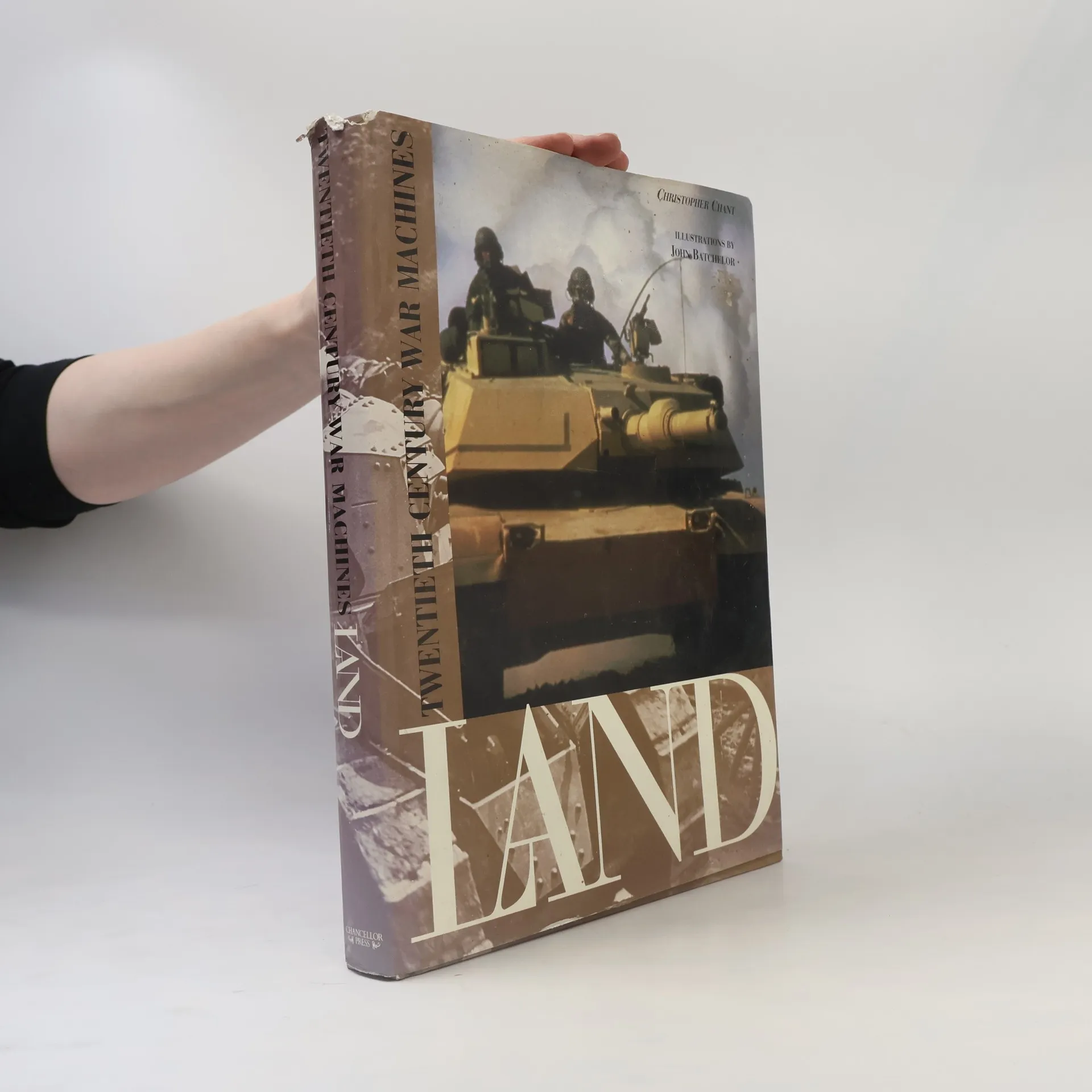
Twentieth Century War Machines: Land
- 288 pages
- 11 hours of reading
This volume in the Twentieth Century War Machines sequence traces the evolution of the tank, together with its armoured relatives.
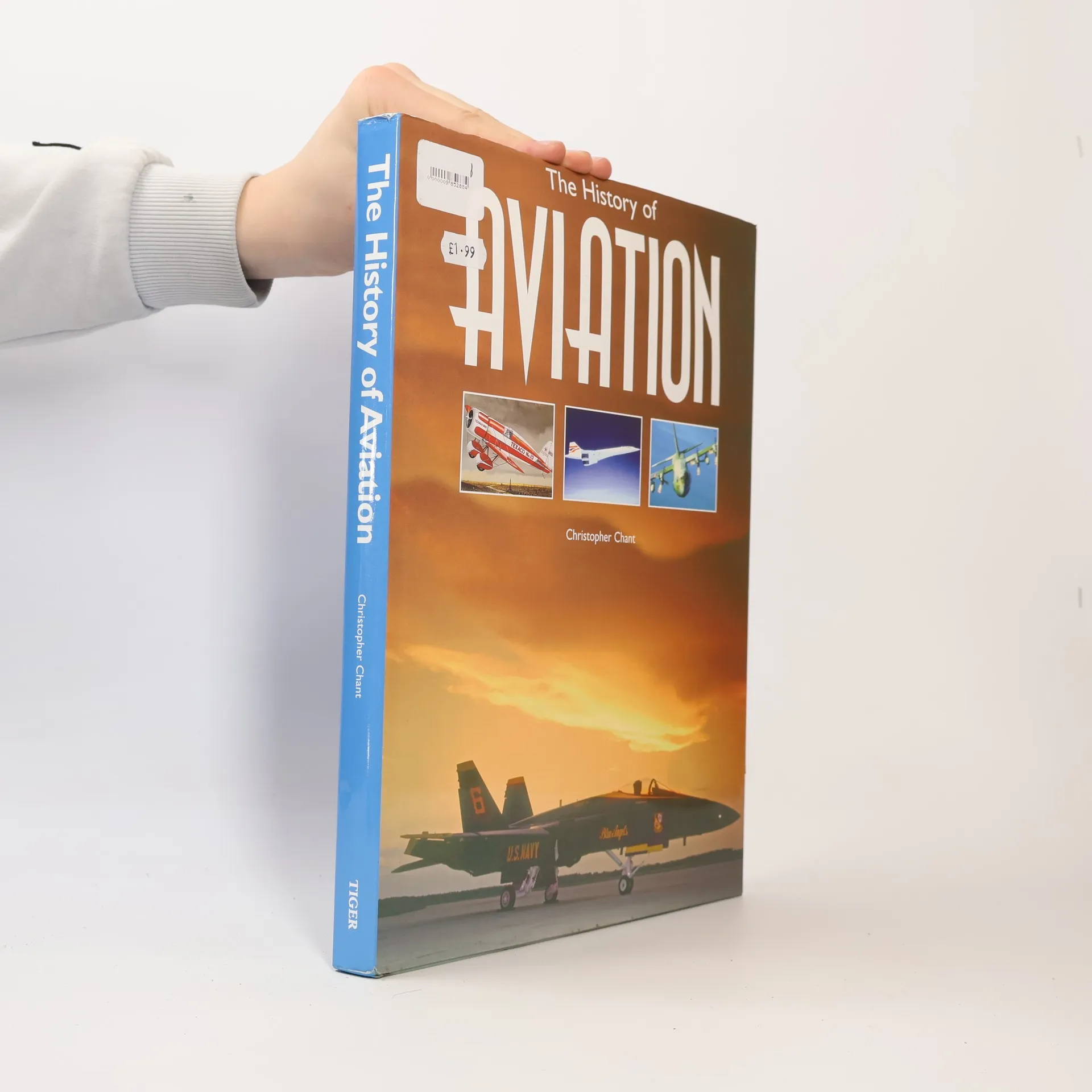
The History of Aviation
- 158 pages
- 6 hours of reading
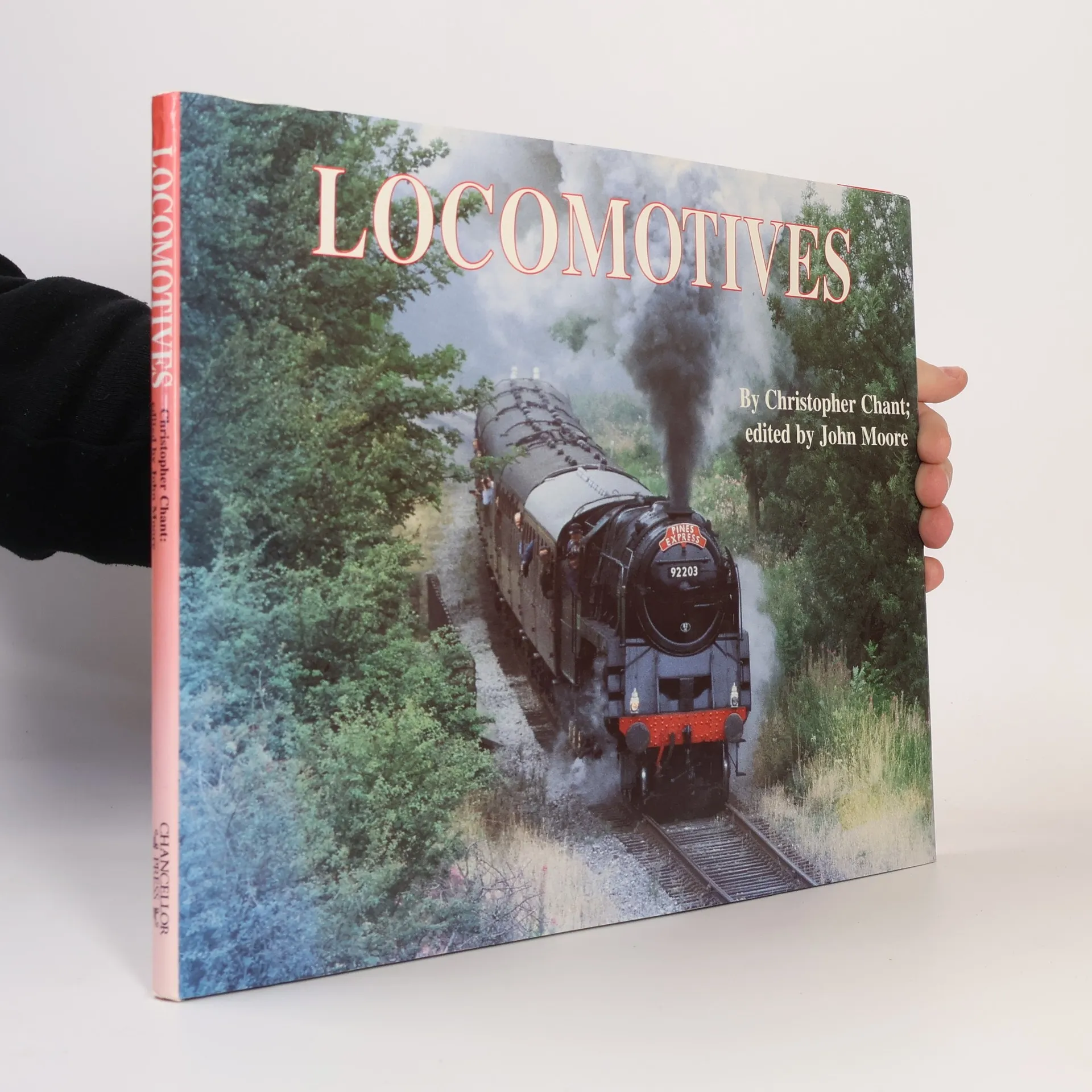
Presents detailed descriptions and illustrations of various models of locomotives.
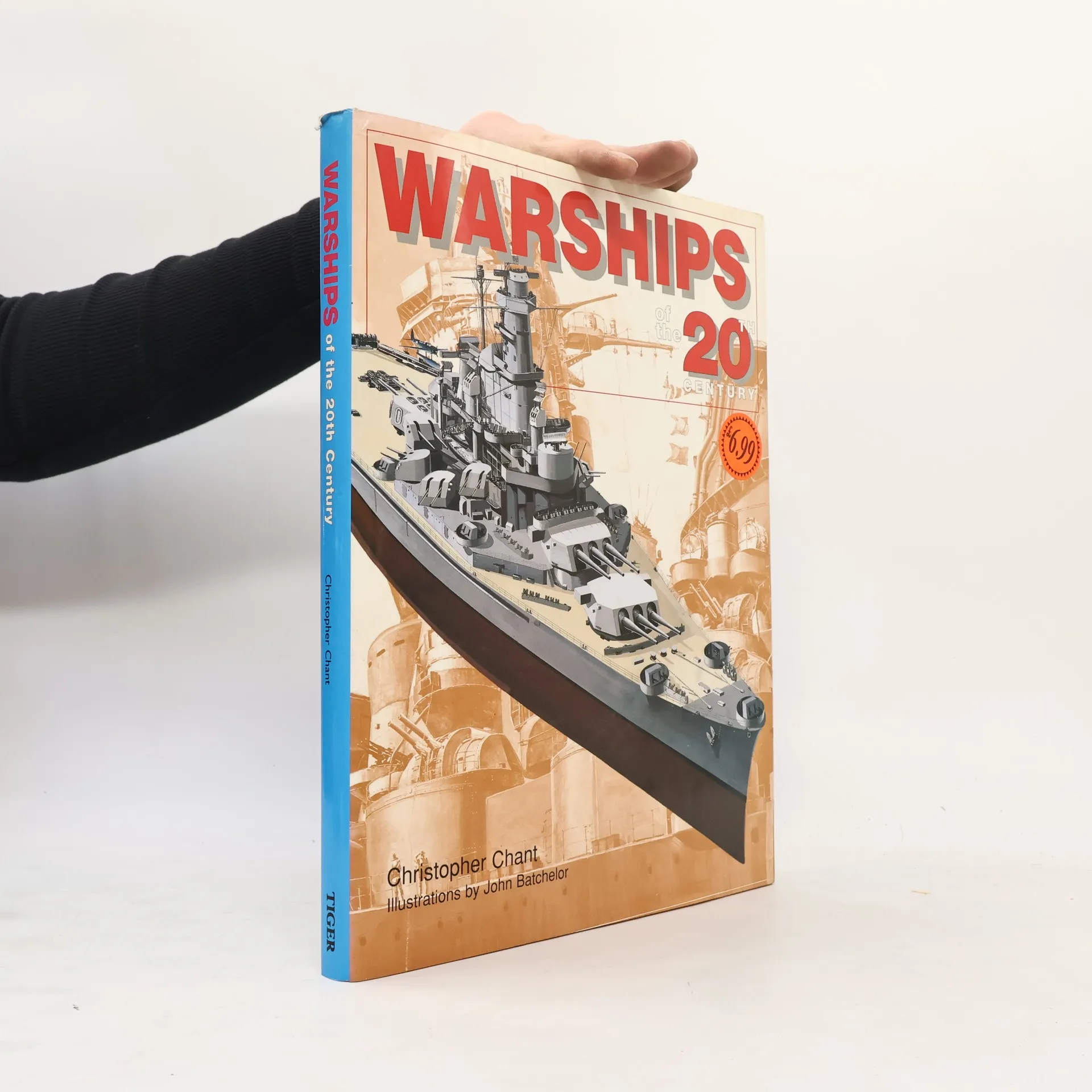
20th Century Military S.: Warships of the 20th Century
- 144 pages
- 6 hours of reading
Hardcover TIGER BOOKS; First Edition edition (1996) English 1855018039 978-1855018037 Product 11.6 x 8.7 x 0.9 inches Shipping 2 pounds
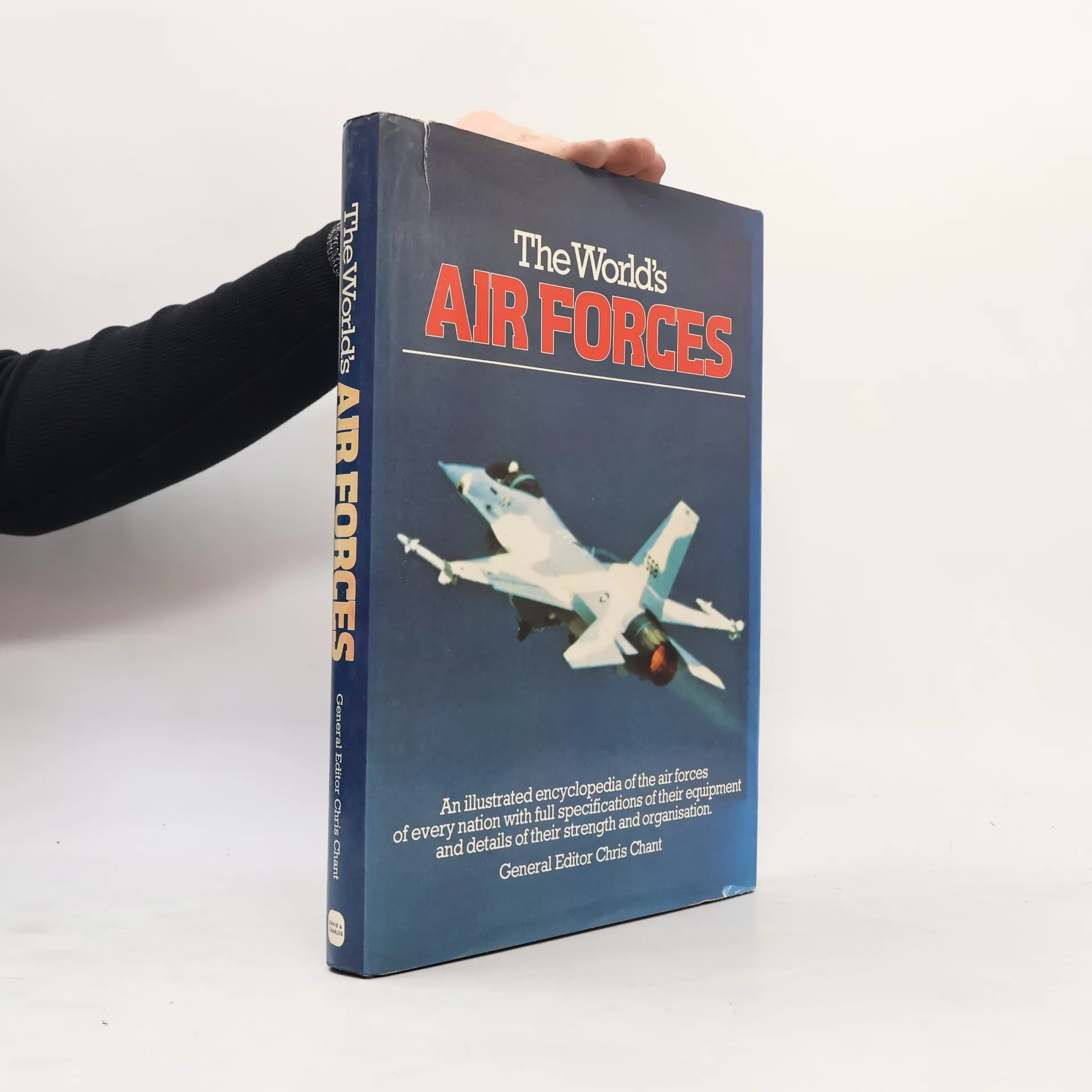
The World's Air Forces
An Illustrated Encyclopedia of the Air Forces of Every Nation With Full Specifications of Their Equipment and Details of Their Strength and Organisation
- 255 pages
- 9 hours of reading
An illustrated encyclopedia of air forces of every nation with full specifications.
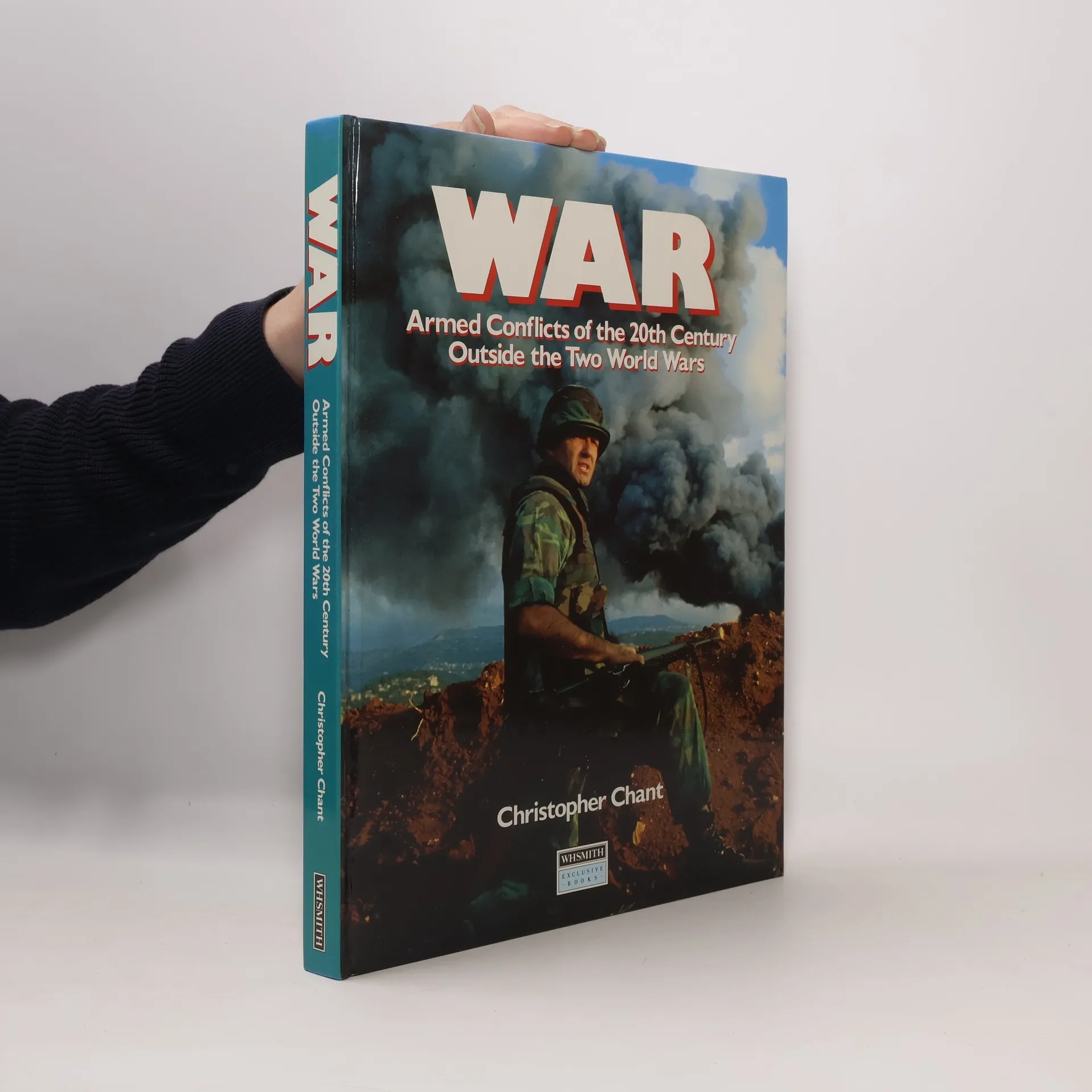
RO60074964. WAR, ARMED CONFLICTS OF THE 20th CENTURY OUTSIDE THE TWO WORLD WARS. 1988. In-4. Relié. Bon état, Couv. convenable, Dos satisfaisant, Intérieur frais. 256 pages. Photo en noir et blanc en frontispice. Illustré de nombreuses photos en couleur et en noir et blanc, dans et hors texte. Texte sur 2 colonnes.. Avec Jaquette. . . Classification Dewey : 420-Langue anglaise. Anglo-saxon
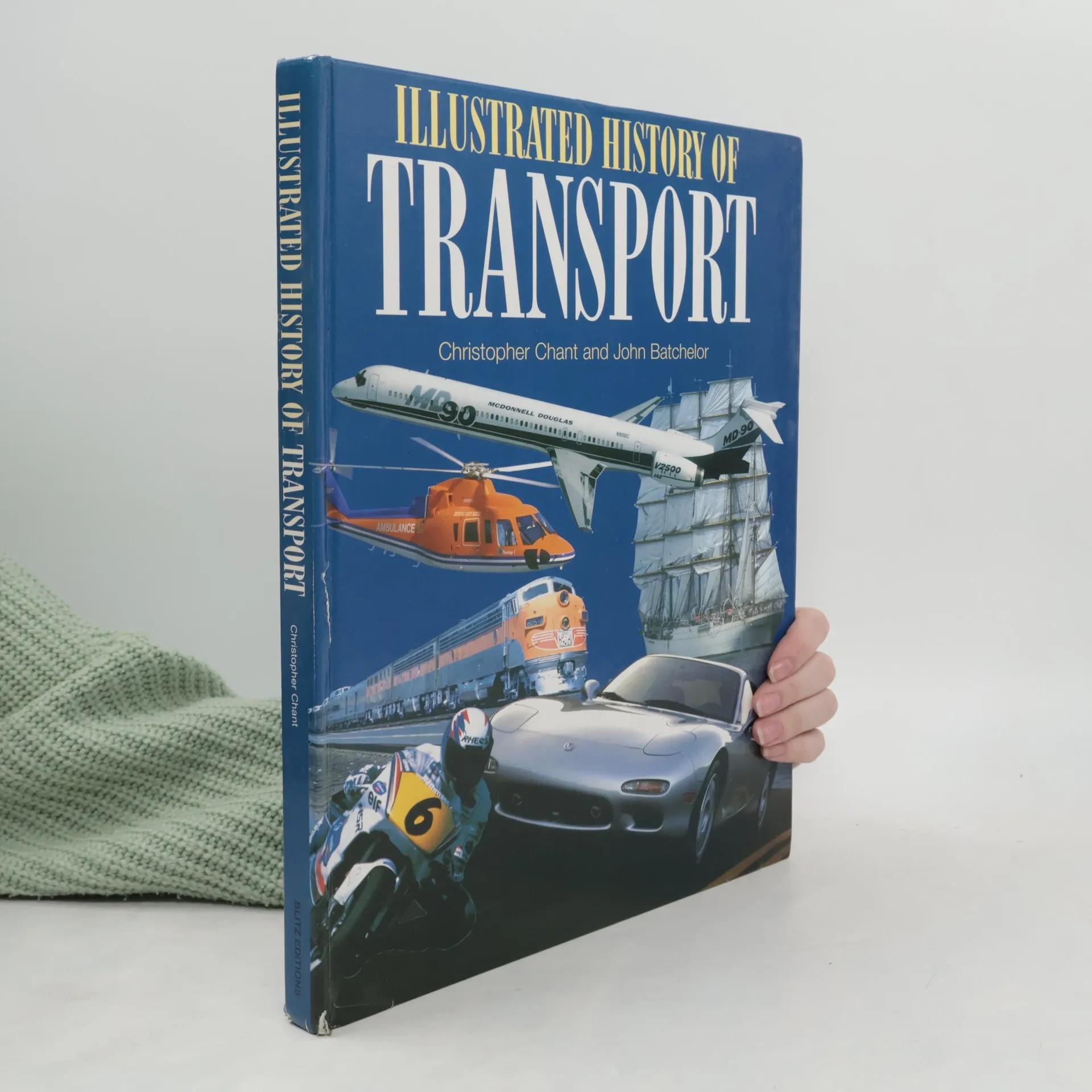
The Illustrated History of Transport
- 184 pages
- 7 hours of reading
Libro usado en buenas condiciones, por su antiguedad podria contener señales normales de uso
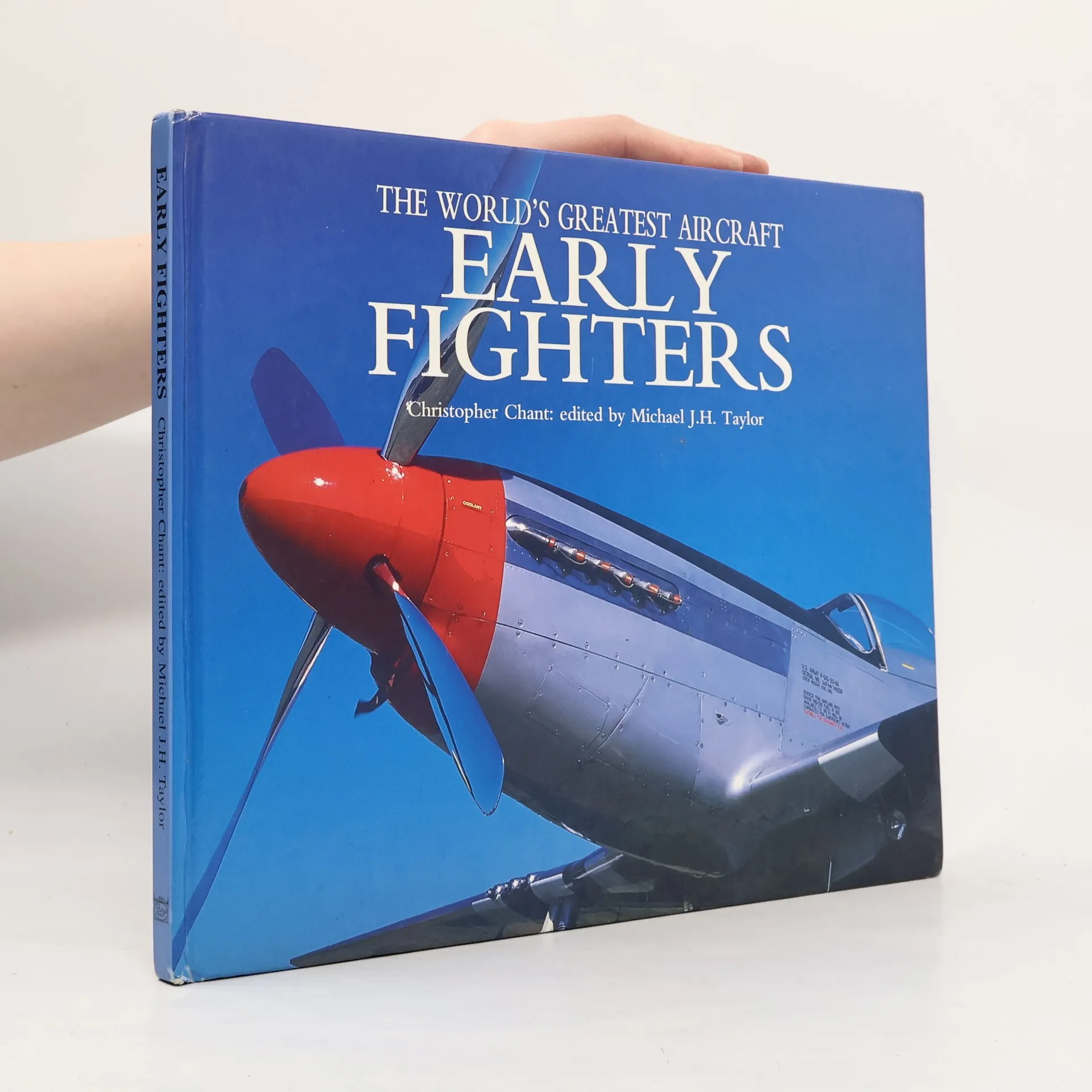
World's Greatest Aircraft: The Early Fighters
- 64 pages
- 3 hours of reading
Drawings, photographs, and text describe a variety of fighter planes, both U.S. and foreign, in use in World Wars I and II, including Britain's Sopwith Camel, the German Fokker and Messerschmitts, the American Curtiss series and the Lockheed Lightning.
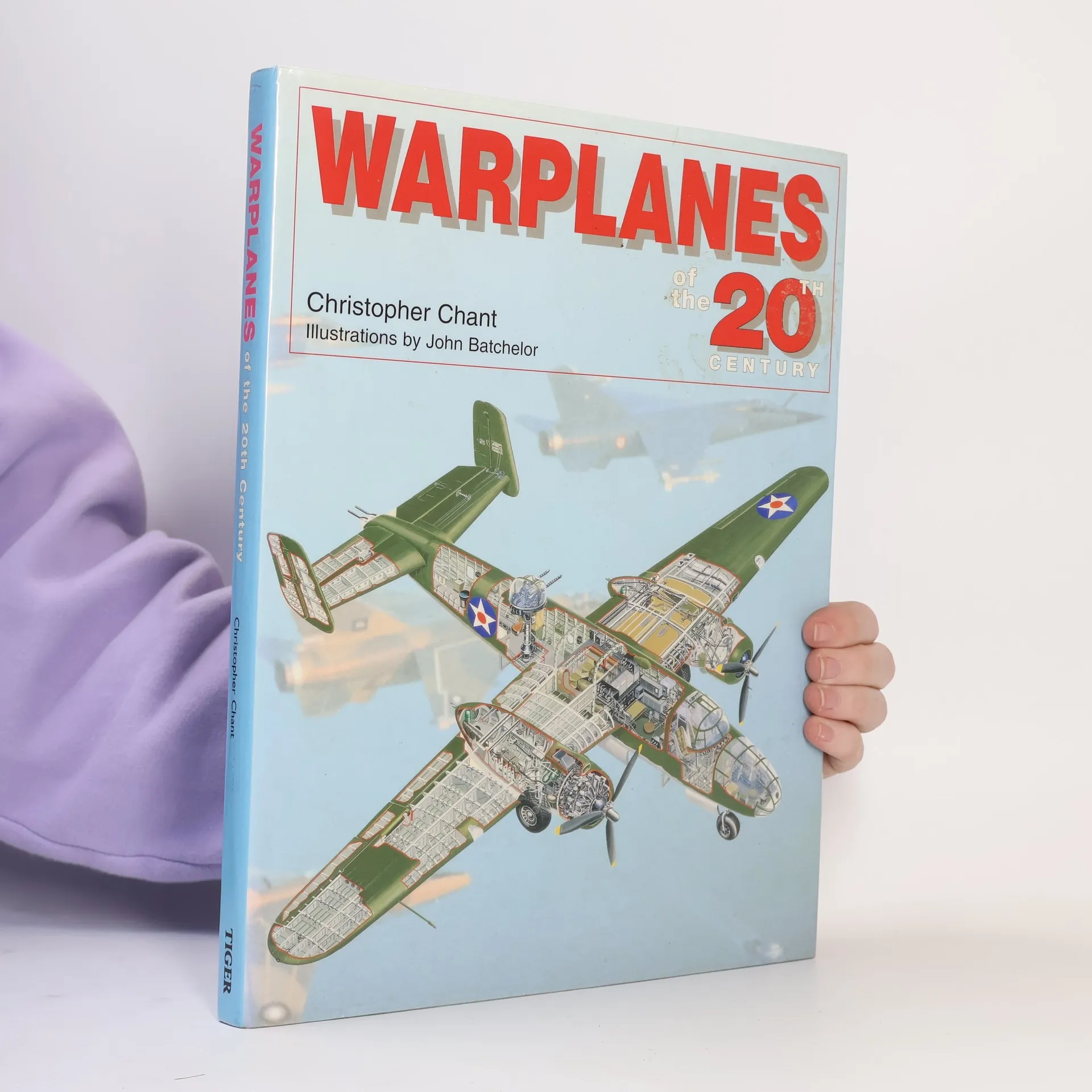
Warplanes of the 20th Century
- 144 pages
- 6 hours of reading
Rigt illustreret beskrivelse af de mest kendte jetjagere og bombefly
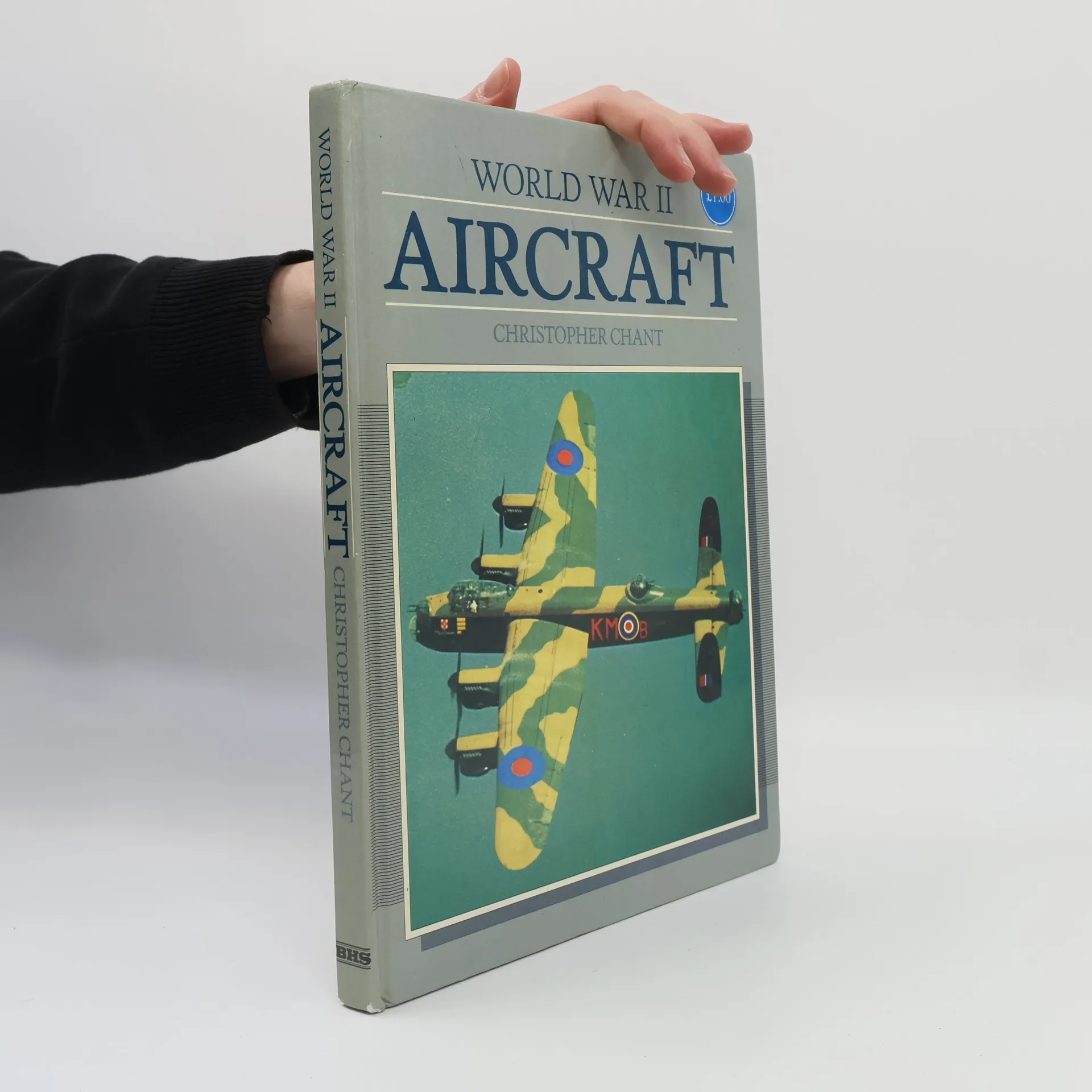
World War II Aircraft
- 143 pages
- 6 hours of reading
Beskriver flytyper fra 2. verdenskrig
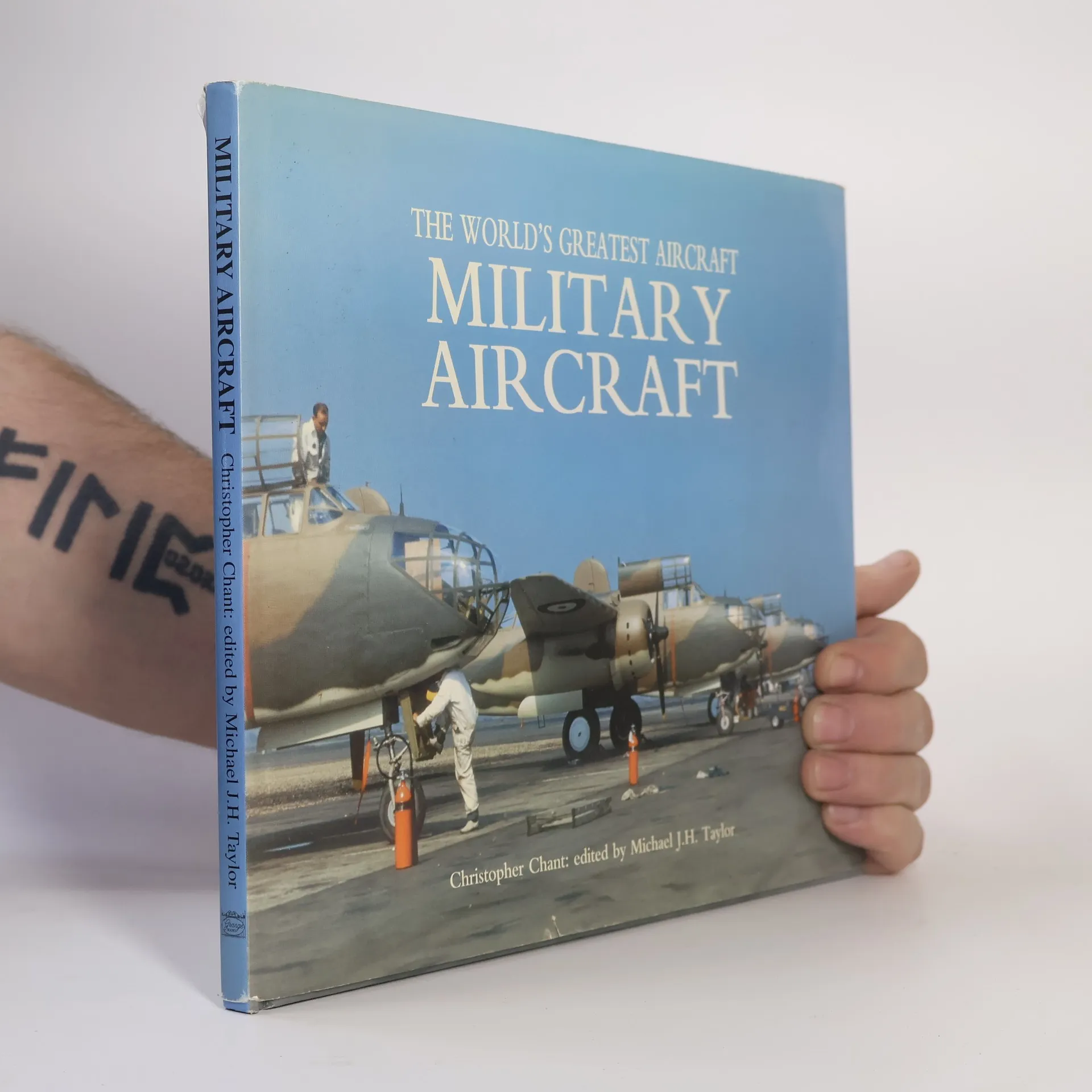
World's Greatest Aircraft: The Military Aircraft
- 64 pages
- 3 hours of reading
Drawings, photographs, and text describe a variety of military aircraft, both U.S. and foreign, including the Martin Marauder, Tupolev Badger, Dassault Mirage, Handley Page Victor, and Grumman Hawkeye.
The Illustrated History of Airforces of World War 1 and World War 2
- 287 pages
- 11 hours of reading
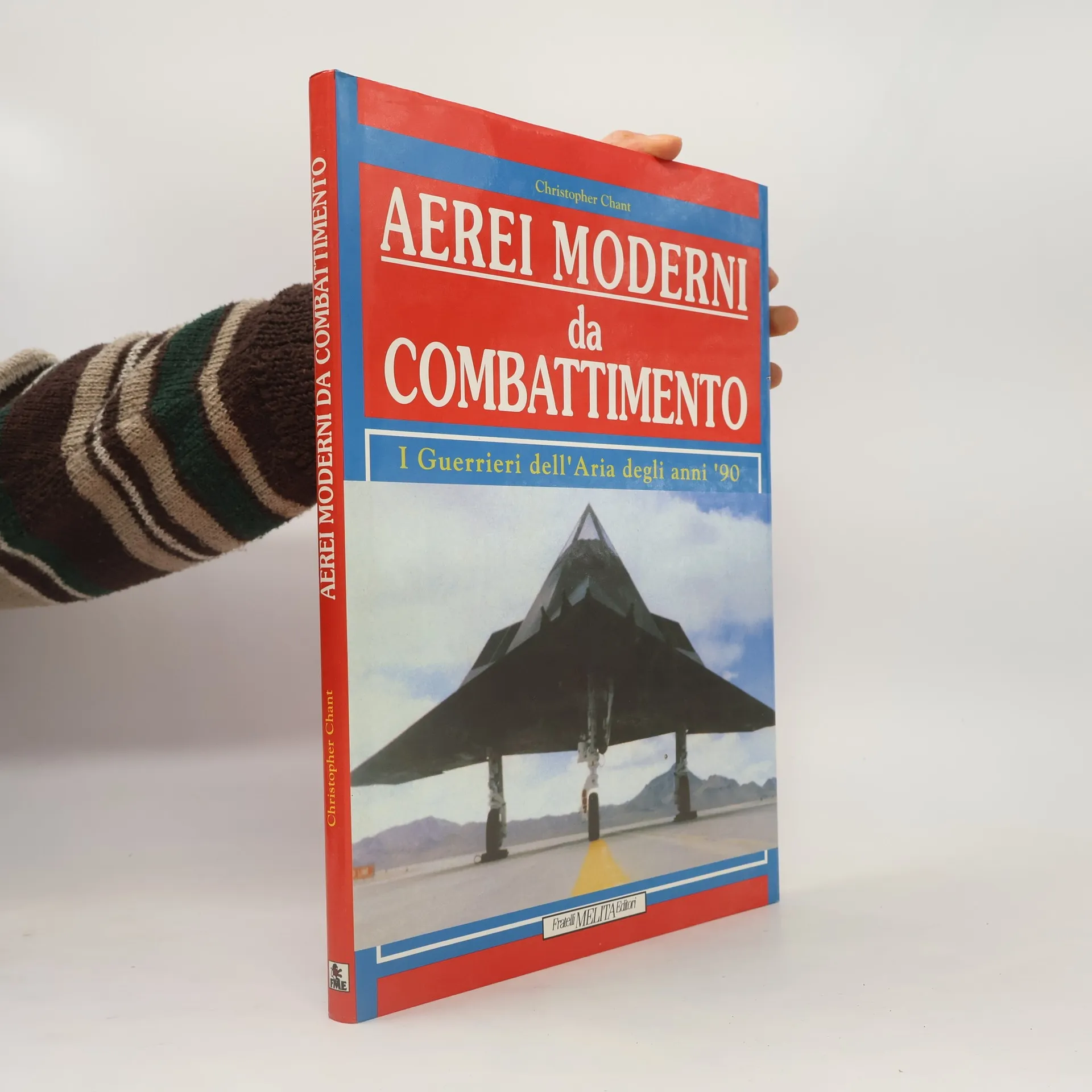
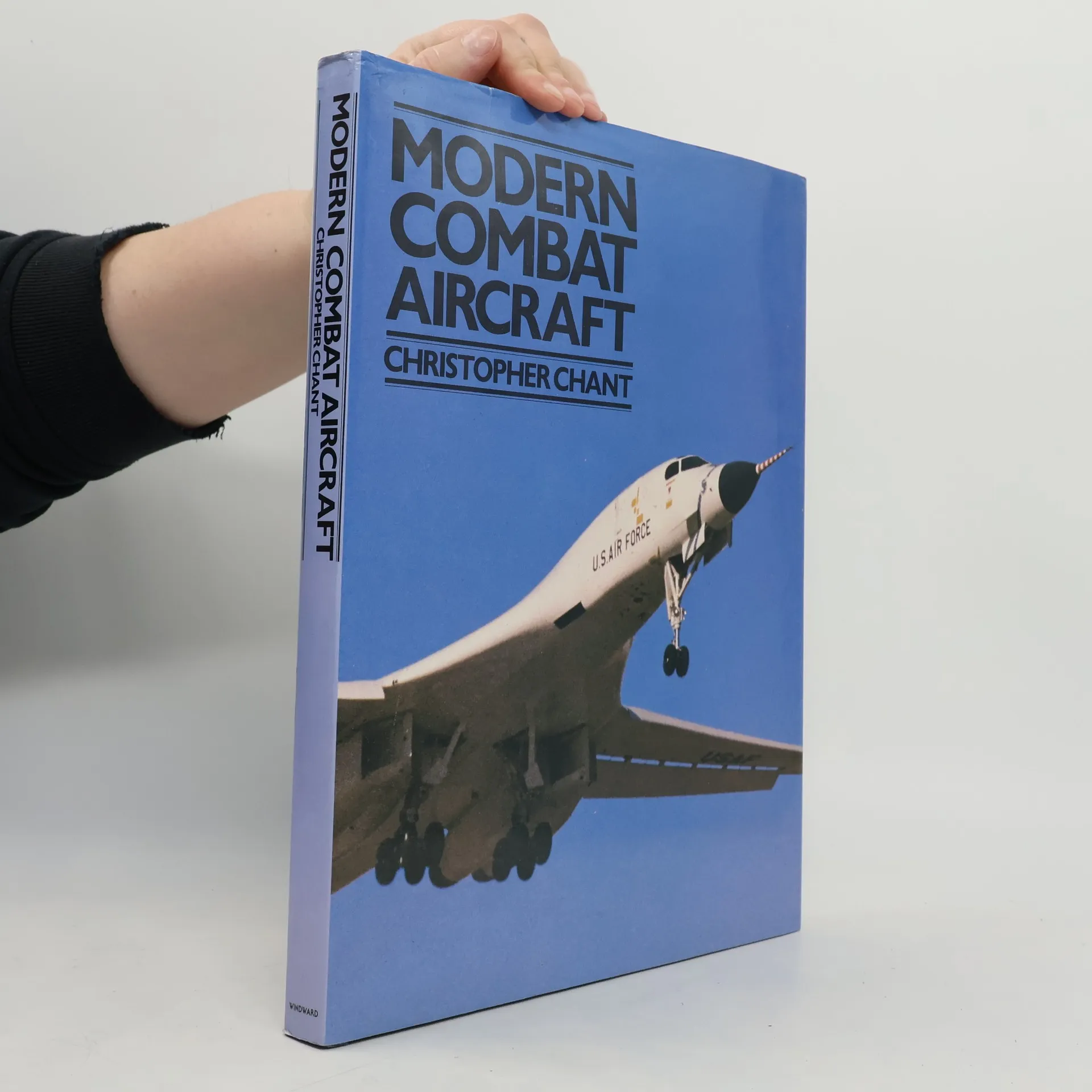
Modern Combat Aircraft
- 192 pages
- 7 hours of reading
Offers technical specifications and background information on fighters, bombers, helicopters, and transport and reconnaissance aircraft.
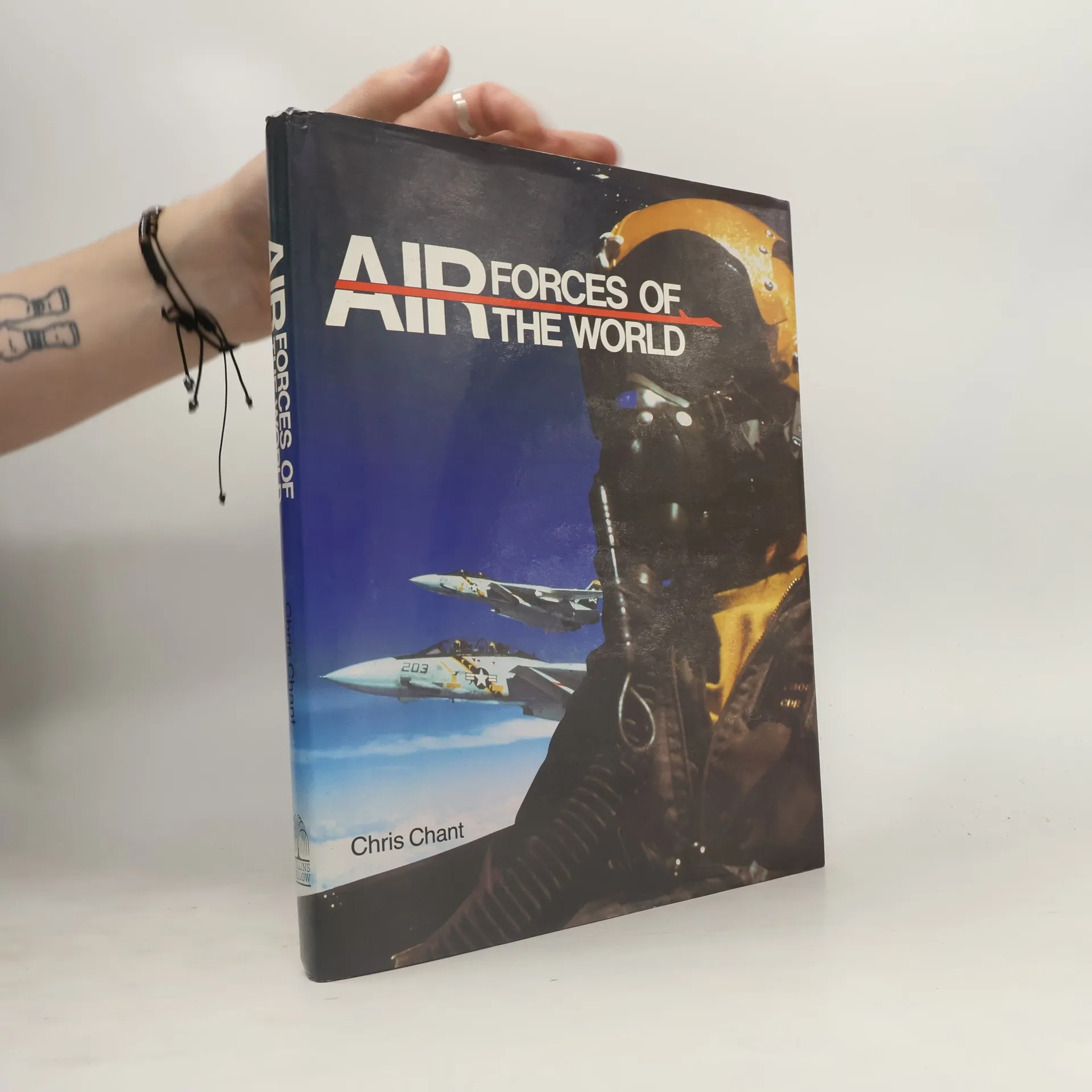
Air Forces of the World
- 234 pages
- 9 hours of reading
Beskriver flyvevåben i alle lande herunder fly- og helikoptertyper.
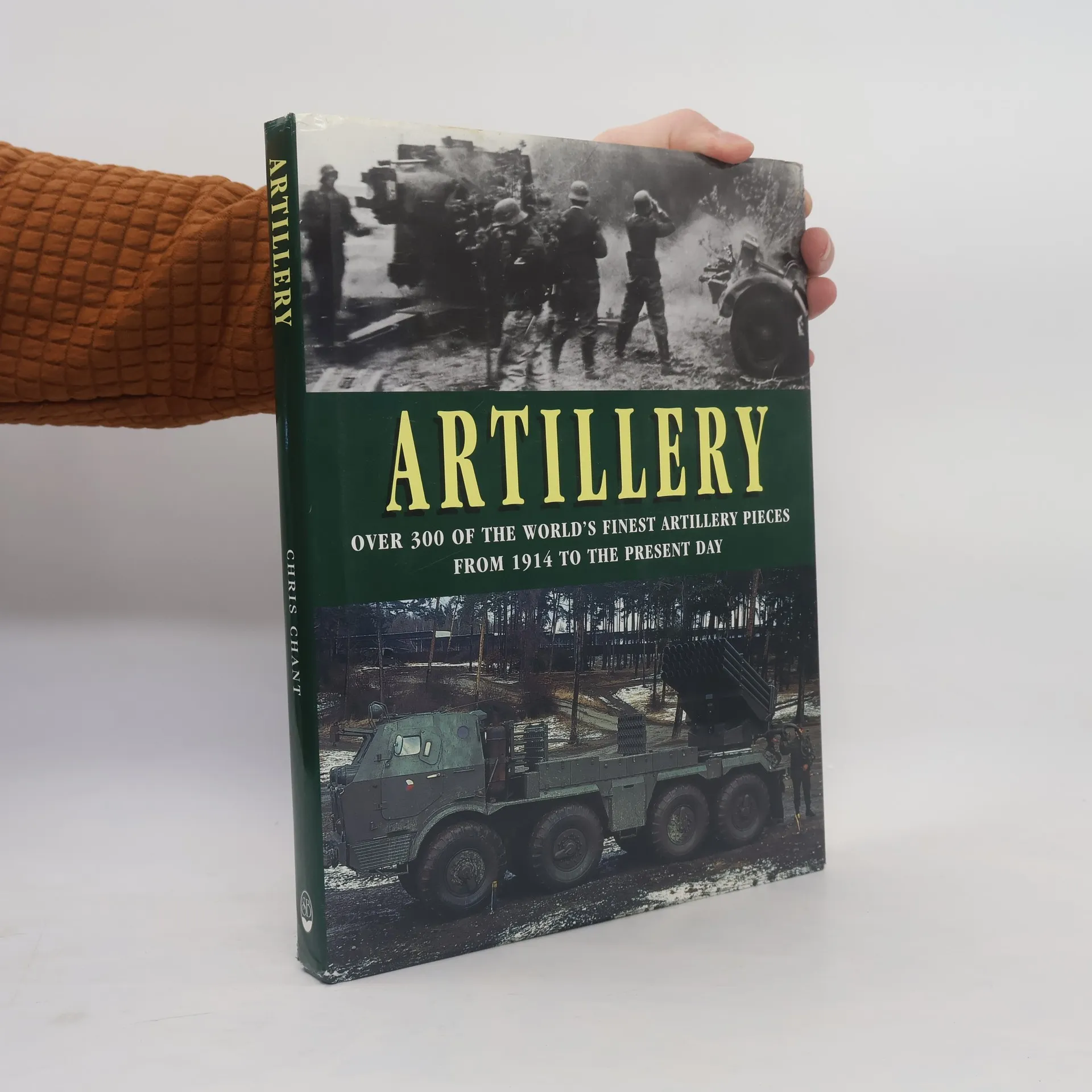
Artillery
Over 300 Of The World's Finest Artillery Pieces From 1914 To The Present Day
- 256 pages
- 9 hours of reading
The World's Railways: Passenger Trains
- 64 pages
- 3 hours of reading
Illustrations and written description of the various train cars that have been used in transporting people.
The World's Greatest Railways
- 447 pages
- 16 hours of reading
The World's Greatest Railways: An Illustrated Encyclopedia with Over 600 Photographs (View amazon detail page) ASIN: 184681779X Binding: Hardcover
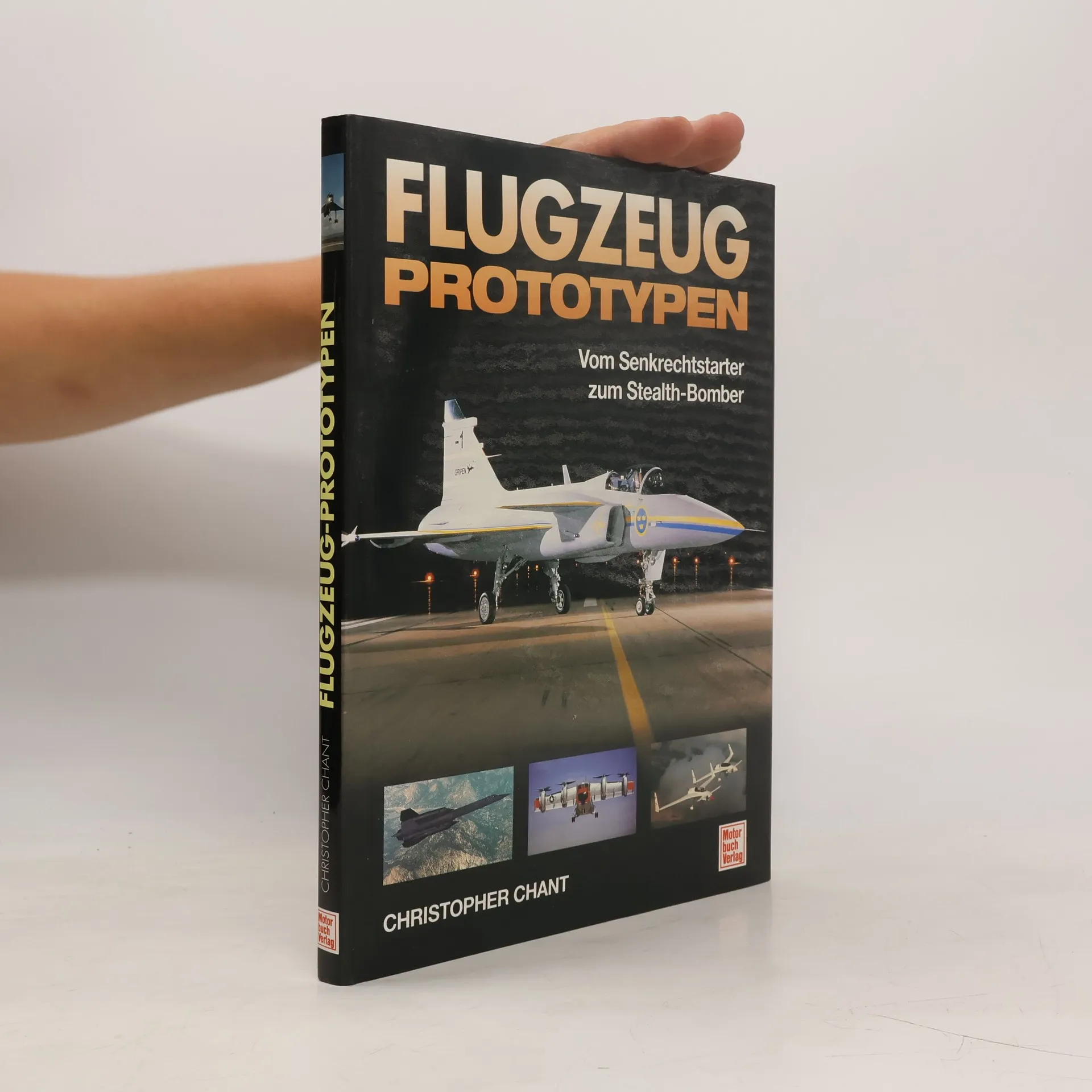
Aircraft Prototypes
Aerospace Technology, From the Light Fighter to the B2 Stealth Bomber
- 128 pages
- 5 hours of reading
Relates in detail the development of some fascinating prototype aircraft from WW2 thru 1989, and relates how many evolved into mass-produced machines. Also explains the historical background, for example, how the destruction of Hiroshima and Nagasaki changed the concept of bombing. Covering bombers, fighters and research aircraft from around the world, this book tells the story of technical achievement meeting mil. need. The development of turbojet powered machines, rocket motors, innovative wing shapes, the introduction of vertical take off and landing technology and much more are explained in detail. More than 100 photos and illustrations in color.
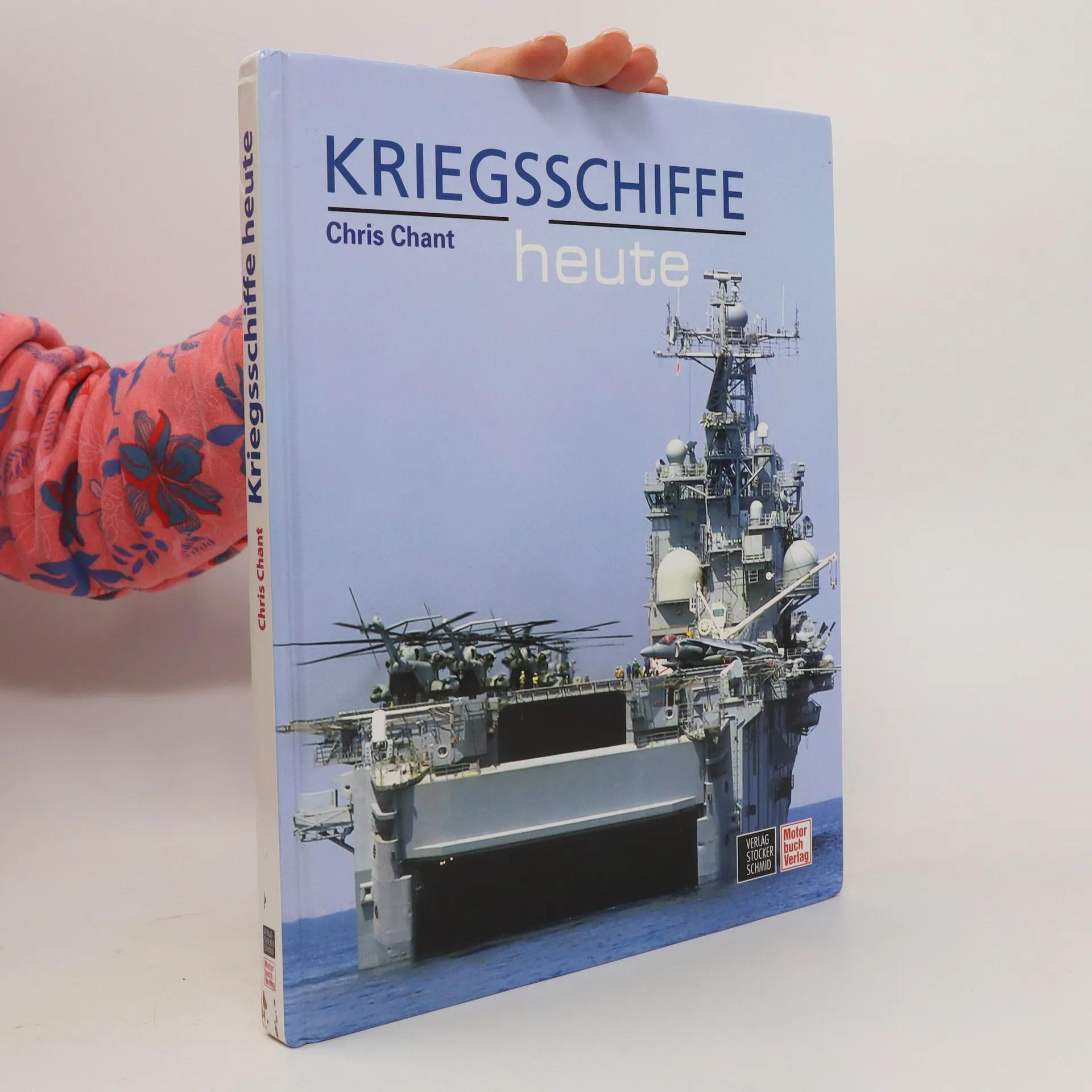
Kriegsschiffe heute
- 192 pages
- 7 hours of reading
Bomber
- 176 pages
- 7 hours of reading
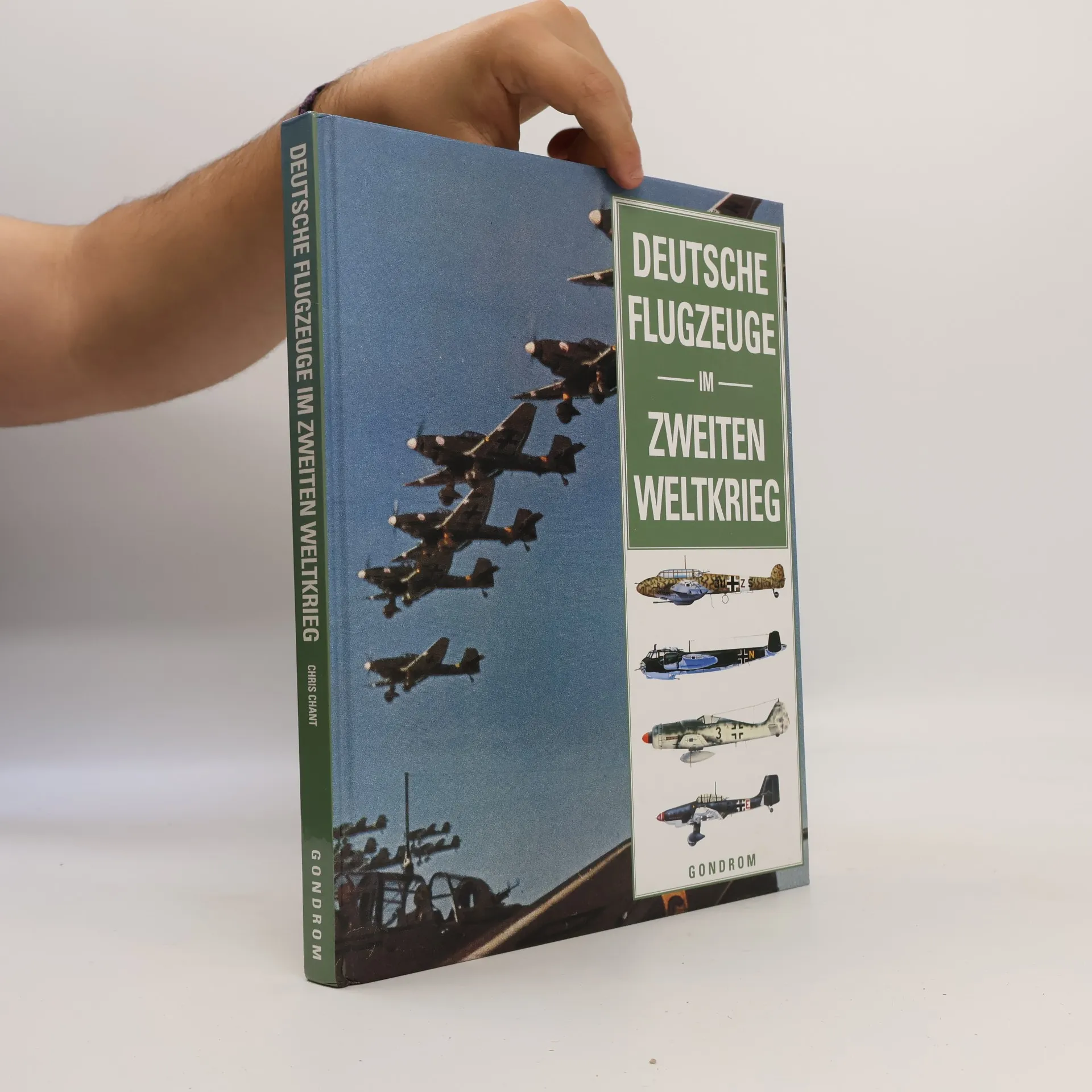
Deutsche Fugzeuge im zweiten Weltkrieg
- 160 pages
- 6 hours of reading
Der Zeppelin
- 112 pages
- 4 hours of reading
Der Zeppelin - 100 Jahre Luftfahrtgeschichte - bk384; Bechtermünz im Weltbild Verlag; Christopher Chant; Paperback; 2000
Das große Buch der Luftkämpfe
Von den Anfängen bis zur Gegenwart mit 650 Abbildungen und Plänen, meist farbig
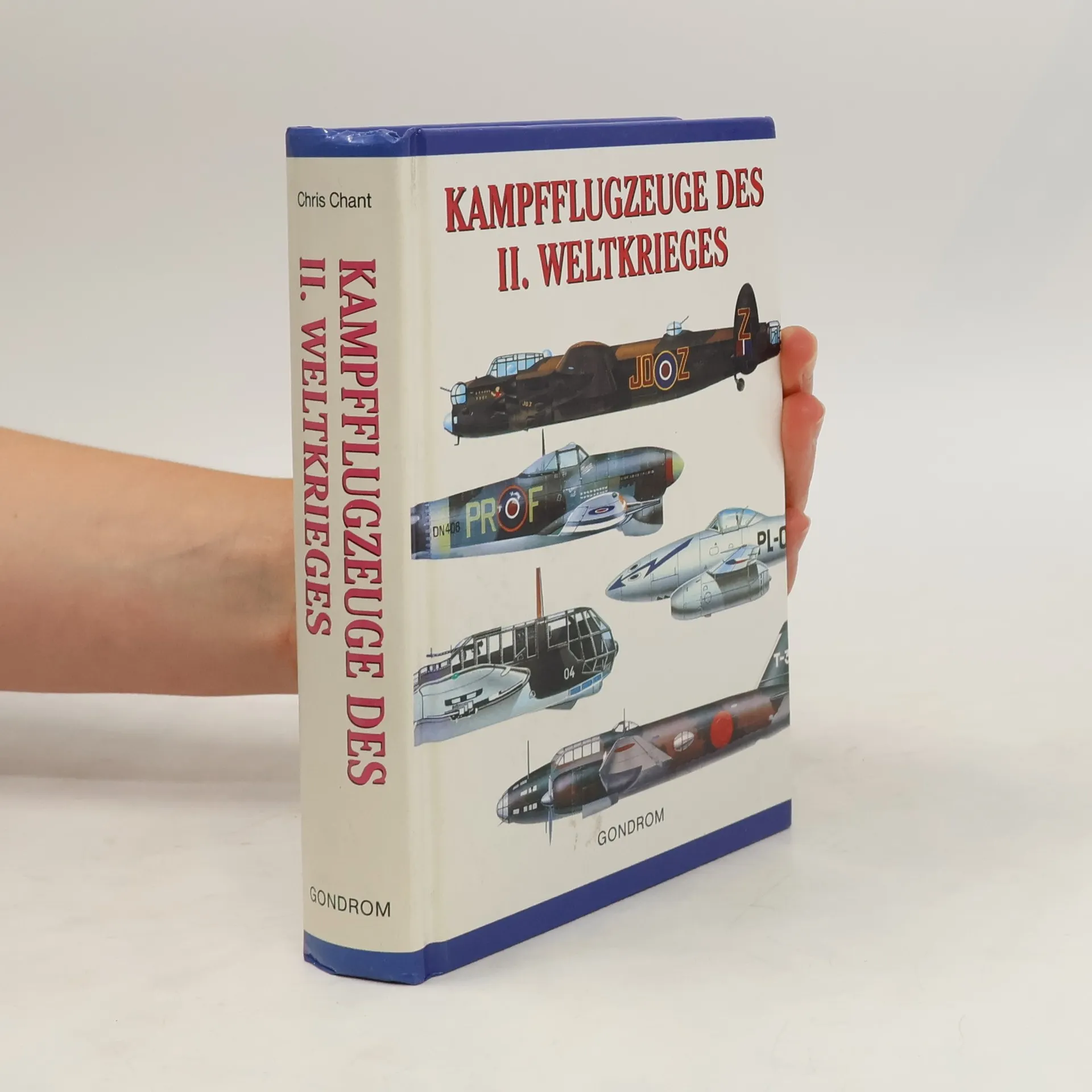
Kampfflugzeuge des II. Weltkrieges
- 319 pages
- 12 hours of reading
Geïllustreerd / Illustrated / Illustré / Illustriert / 9783811217409 / Aviation / Duits / German / Allemand / Deutsch / hard cover / 13 x 17 cm / 319 .pp /
Handfeuerwaffen
- 144 pages
- 6 hours of reading
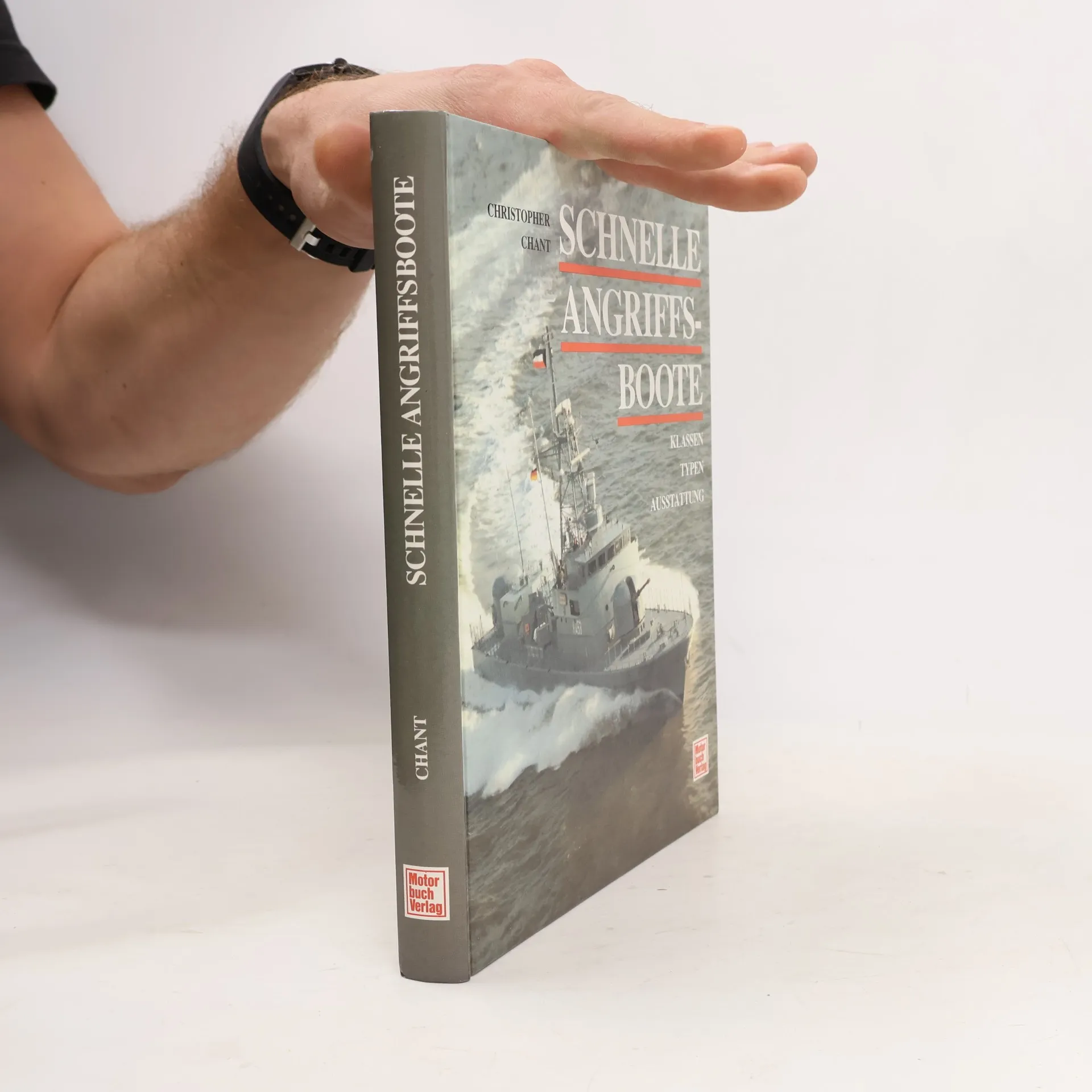
Schnelle Angriffs-Boote
- 240 pages
- 9 hours of reading
Flugzeug-Prototypen
- 128 pages
- 5 hours of reading
Flugzeuge der Welt
- 349 pages
- 13 hours of reading
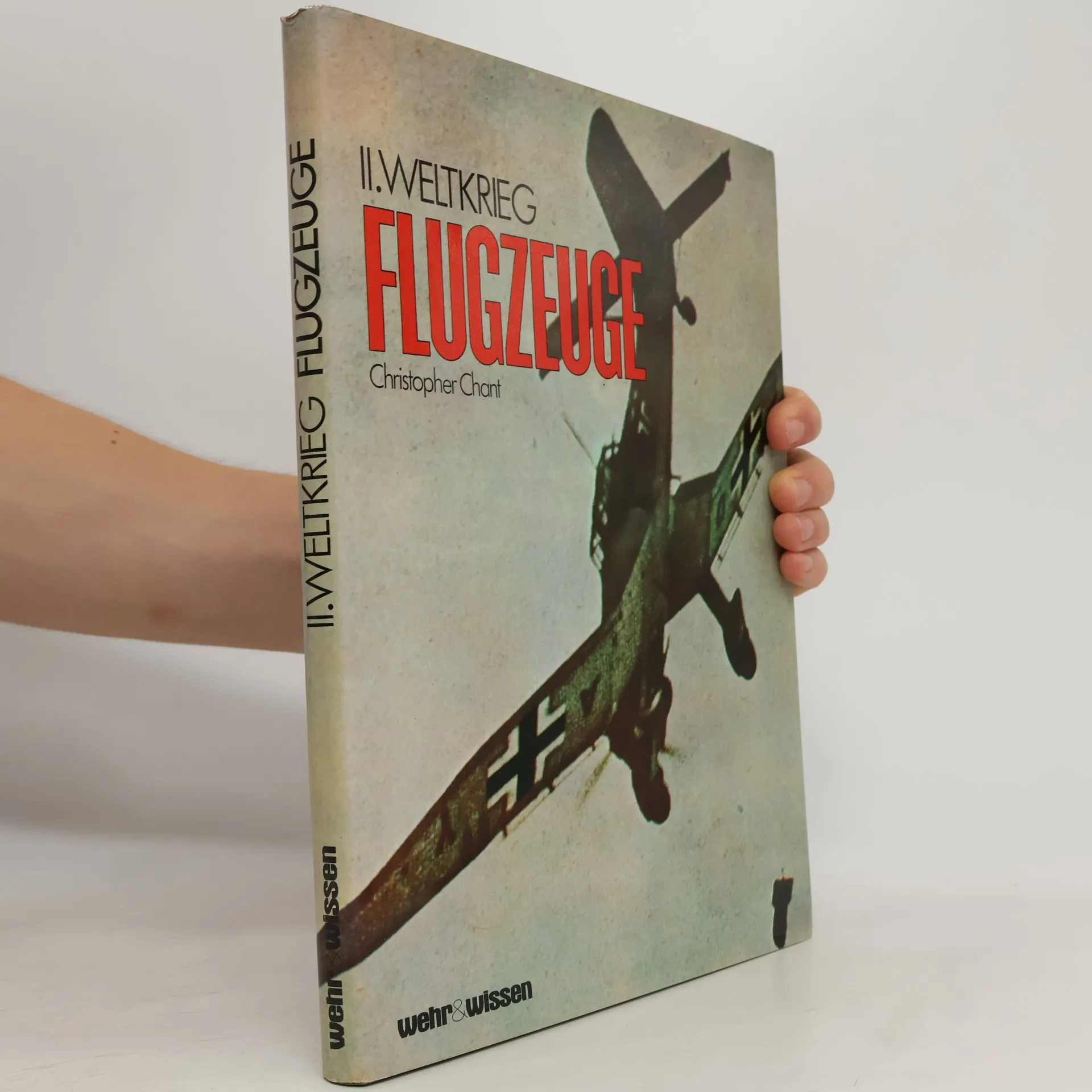
II. [Zweiter] Weltkrieg, Flugzeuge
- 143 pages
- 6 hours of reading
II. Weltkrieg Flugzeuge
Alle Flugzeuge der kriegführenden Mächte









![II. [Zweiter] Weltkrieg, Flugzeuge](https://rezised-images.knhbt.cz/1920x1920/48733389.webp)