Explore the latest books of this year!
Bookbot

Ulrich Teichler

    July 23, 1942
    Higher education and the needs of society
    Higher education and graduate employment in Europe
    Challenges of the 21st century in Japan and Germany
    Employability in higher education
    Higher Education Research - What Else?
    Higher Education and Graduate Employment in Europe
    • Higher Education and Graduate Employment in Europe

      Results from Graduates Surveys from Twelve Countries

      • 176 pages
      • 7 hours of reading

      The study analyzes the relationship between higher education and employment among over 40,000 graduates from various European countries, Norway, the Czech Republic, and Japan, focusing on their socio-biographical backgrounds and career transitions three to four years post-graduation. It highlights similarities and differences in educational outcomes across regions, examining factors like job satisfaction, the relevance of study fields, and critical issues such as equality, specialization versus general competencies, international mobility, and regional diversity in higher education.

      Higher Education and Graduate Employment in Europe
    • The founder of higher education research in Germany, Ulrich Teichler, looks back on more than five decades of higher education research. The economic miracle and university expansion, the student movement, experiments and crises of the 1970s, organisational breakdown, reunification, internationalisation, ranking and management cult - all these are historical stages that are reflected in higher education and science. Ulrich Teichler, directly involved, reports with openness and humour, presenting clever analyses.

      Higher Education Research - What Else?
    • Should education be geared simply to fit the needs of society, or is a broader, more liberal concept of education desirable or practicable? This book presents research and debates the controversial issues.

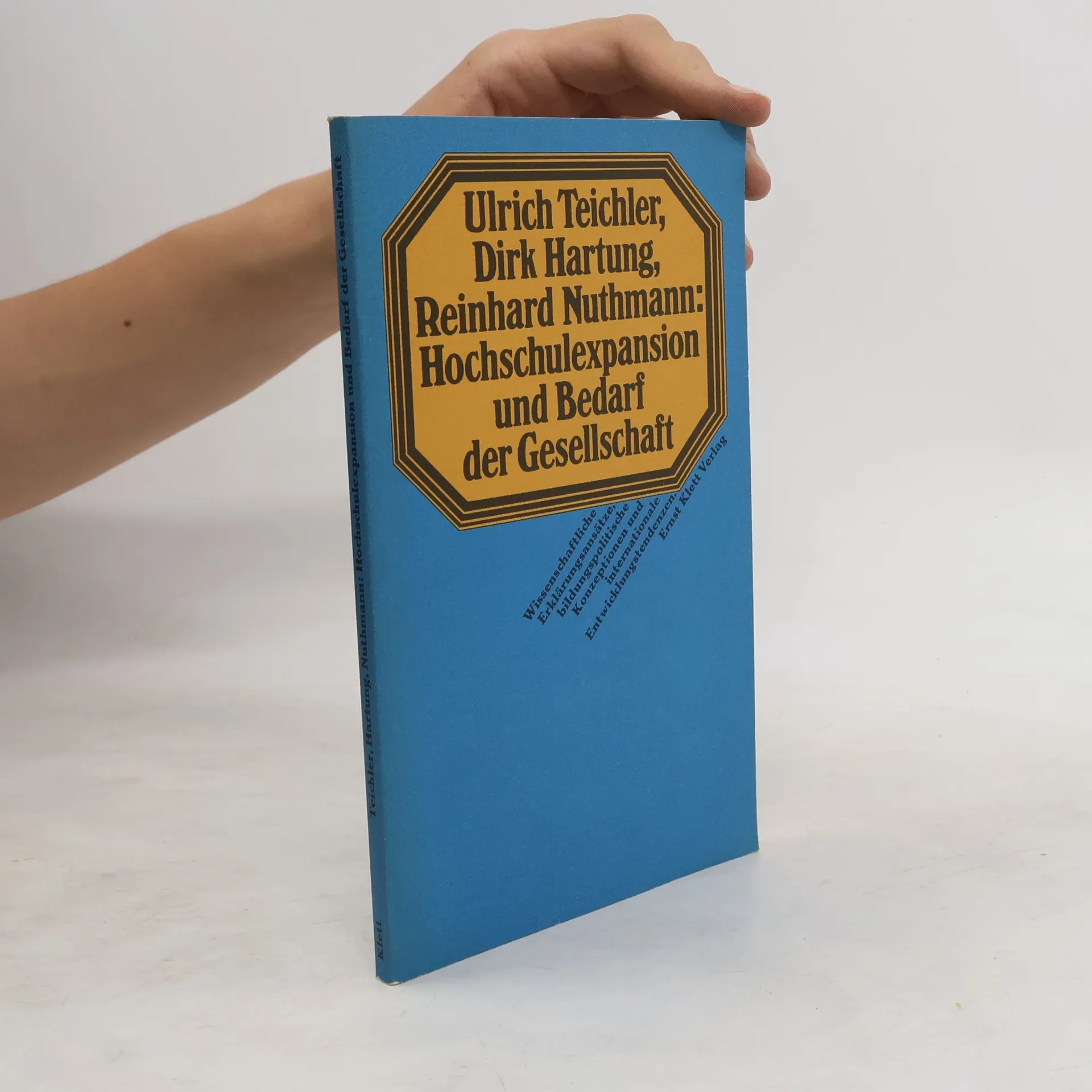
      Higher education and the needs of society
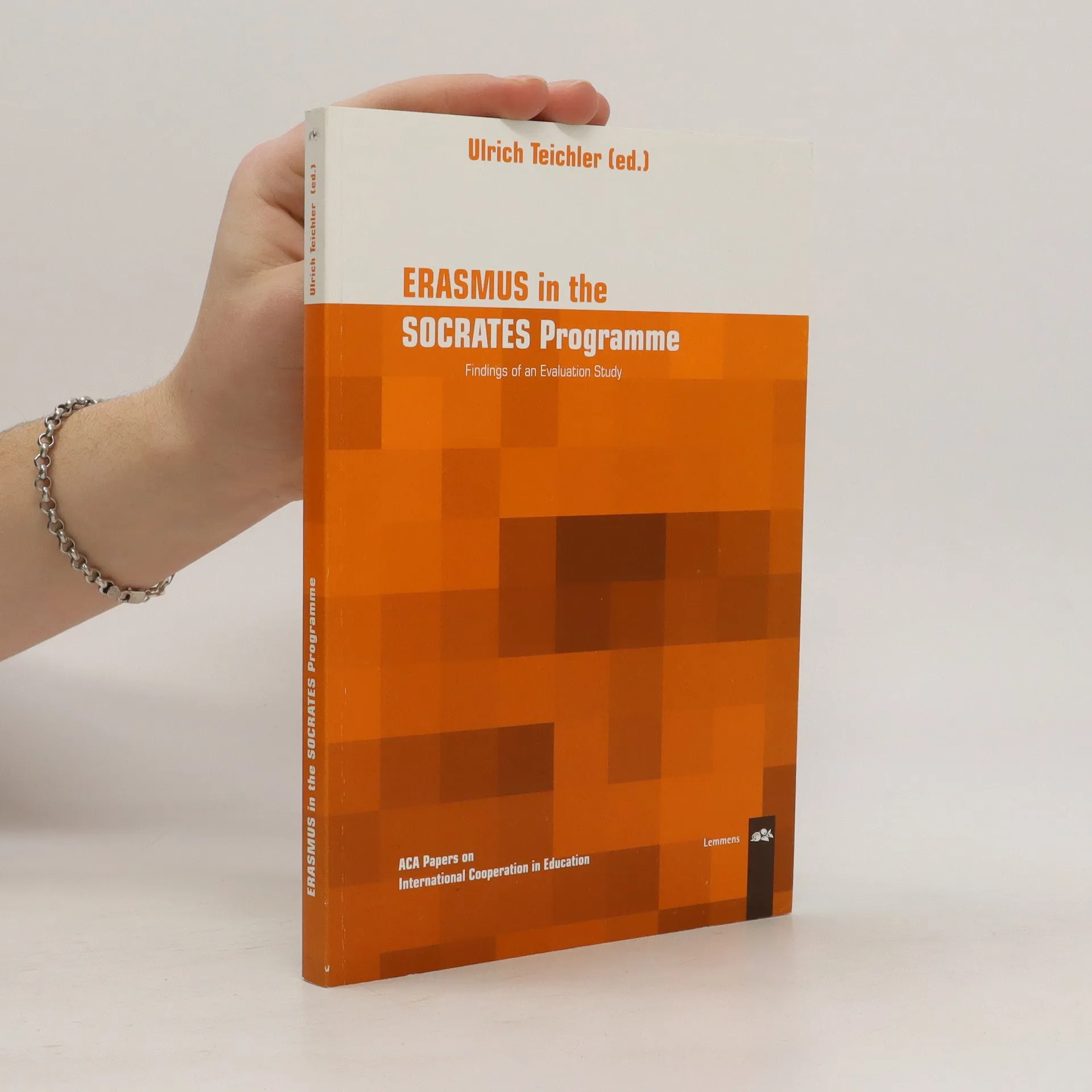
    • ERASMUS, the “flagship” among the educational programmes of the European Union, underwent substantial programmatic and structural changes when it became a sub-programme under the umbrella of the SOCRATES programme in the mid-1990s. The role of the centre of the university was strengthened at the expenses of the networks of departments, and more emphasis was placed on curricular innovation, teaching staff mobility and on involvement of the non-mobile students. This study, being part of the SOCRATES 2000 Evaluation Study, aims to examine the changes occurred in ERASMUS in the late 1990s. It draws from available documents and statistics, and comprises surveys of students, graduates and academics as well as interviews with those involved in curricular innovation and “thematic networks”. The authors call for efforts to keep academics involved, to establish administrative procedures based on trust and to ensure a stronger role of curricular innovation.
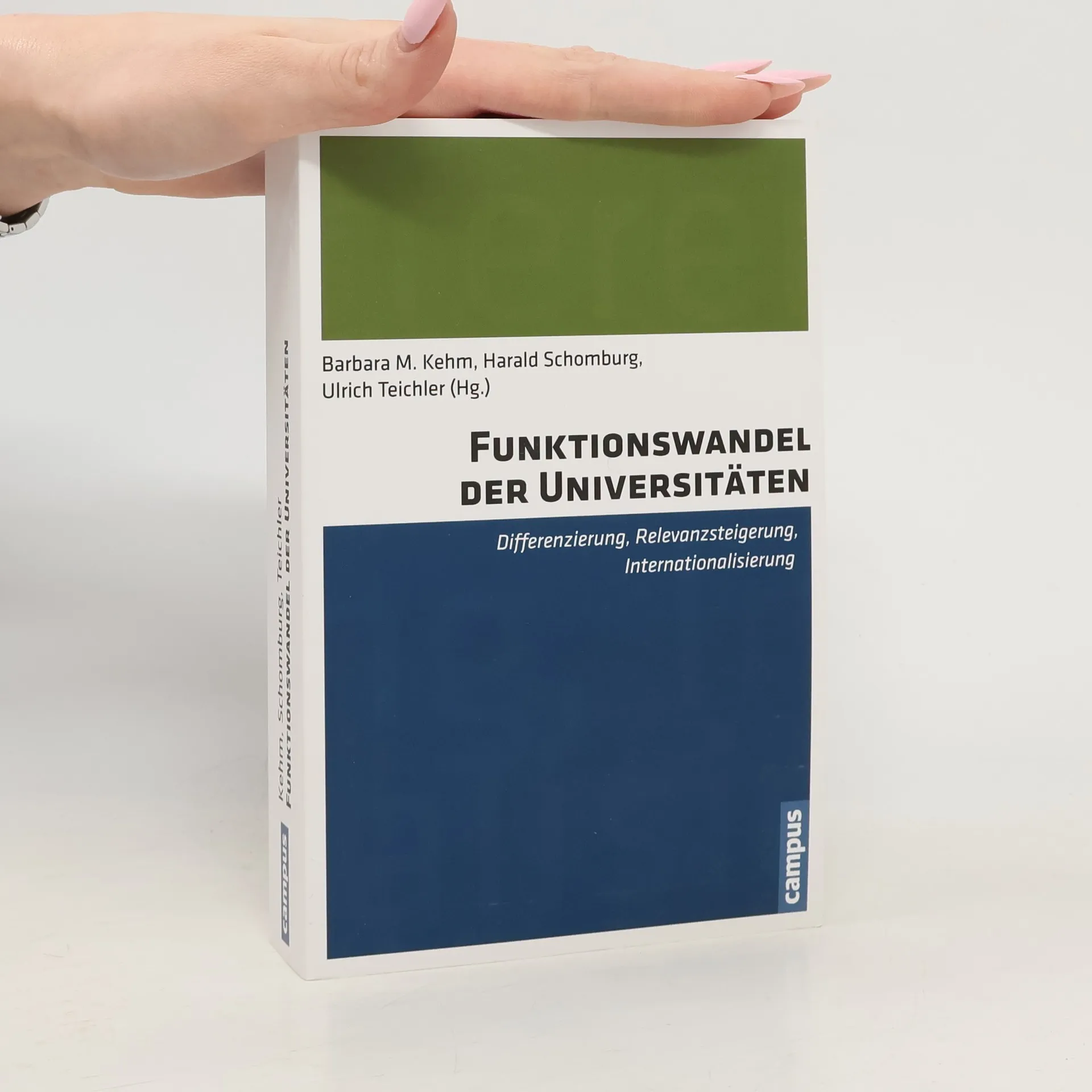
      ERASMUS in the SOCRATES programme
    • Hochschulforschung, was sonst?

      Rückblick auf ein Wissenschaftlerleben. Gespräche mit Anna Kosmützky und Christiane Rittgerott

      Der Begründer der Hochschulforschung in Deutschland, Ulrich Teichler, blickt auf mehr als fünf Jahrzehnte Hochschulforschung zurück. Wirtschaftswunder und Hochschulexpansion, studentische Bewegung, Experimente und Krisen der 1970er Jahre, Organisationsruhe, Wiedervereinigung, Internationalisierung, Ranking- und Management-Kult - all dies sind historische Stationen, die sich in Hochschule und Wissenschaft widerspiegeln. Ulrich Teichler berichtet als unmittelbar Beteiligter mit Offenheit und Humor und liefert zugleich kluge Analysen

      Hochschulforschung, was sonst?