In almost 150 images Waite illuminates a new way of looking at the landscape in Britain while Nicolson provides perceptive essay on the different ways in which we respond and attempt to understand the landscape.
Adam Nicolson Books
September 12, 1957
Adam Nicolson crafts compelling narratives that delve into the intricate connections between landscape, language, and history. His writing is celebrated for its evocative prose and keen observational powers, bringing to life the layers of human experience embedded within the natural world. Nicolson explores the enduring power of place and the evolution of meaning over time, offering readers a profound appreciation for the stories etched into the very fabric of our surroundings. His work invites a deeper understanding of how the past shapes our present and the enduring resonance of words.
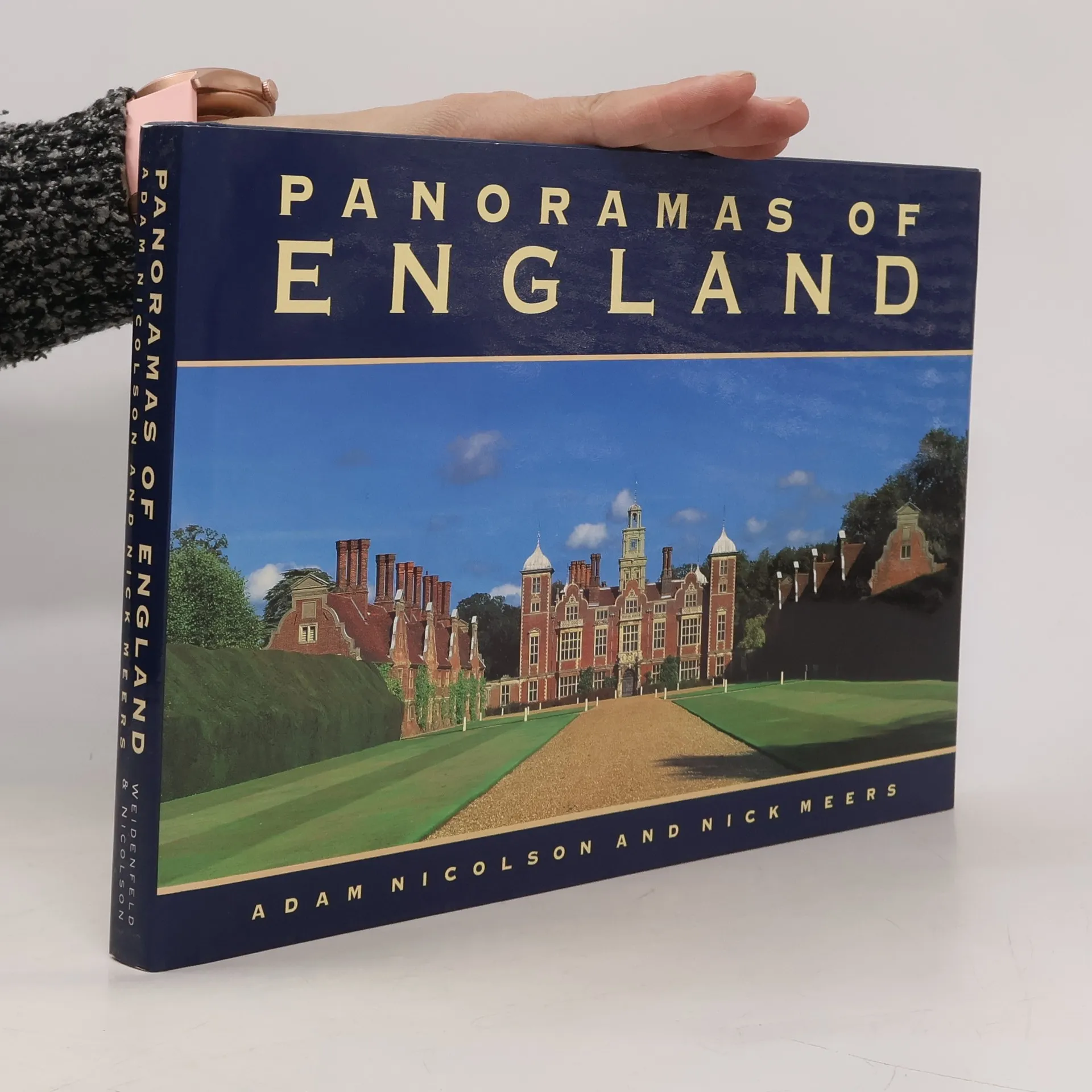

Panoramas of England
- 160 pages
- 6 hours of reading
A photographic tribute to the English landscape, with 70 colour photographs.
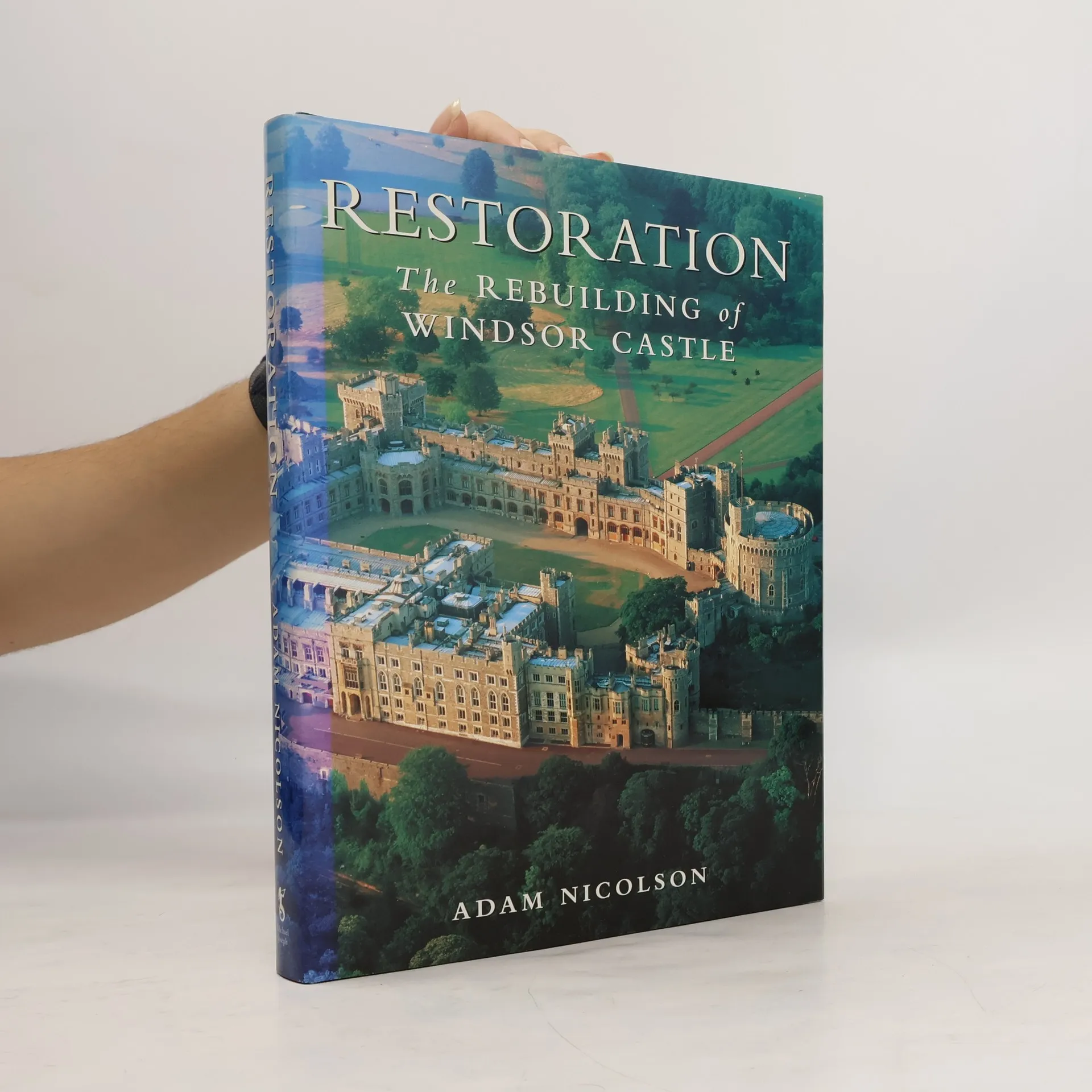
Restoration
The rebuilding of Windsor Castle
Just over five years ago Windsor Castle was devastated by fire. In this book Nicolson charts the years since the fire through to the final rebuilding, including dealing with the fire, the finances of restoring the Castle and the decisions on whether simply to restore or make changes.
Men of Honour
- 400 pages
- 14 hours of reading
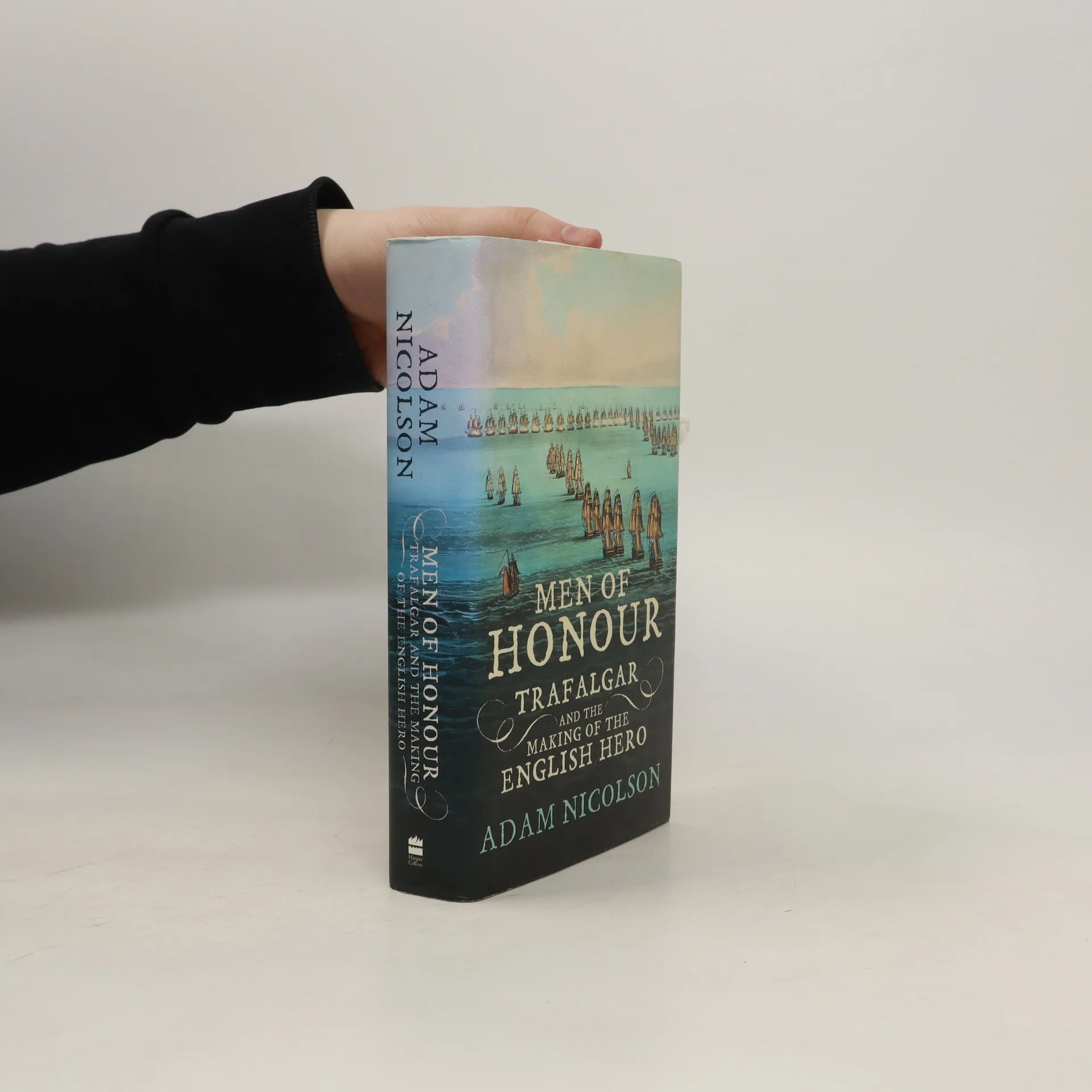
The Battle of Trafalgar can claim to be one of the most known of the great human events. In Men of Honour, Adam Nicolson takes one of the greatest identifiable heroes in British history, Horatio Nelson, and examines the broader themes of heroism, violence and virtue. Trafalgar gripped the nineteenth century imagination like no other battle: it was a moment of both transcendent fulfilment and unmatched despair. It was a drama of such violence and sacrifice that the concept of total war may be argued to start from there. It finished the global ambitions of a European tyrant but culminated in the death of Admiral Horatio Nelson, the greatest hero of the era. This book fuses the immediate intensity of the battle with the deeper currents that were running at the time. It has a three-part framework: the long, slow six hour morning before the battle; the afternoon itself of terror, death and destruction; and the shocked, exultant and sobered aftermath ...
Life in the Tudor Age
- 160 pages
- 6 hours of reading
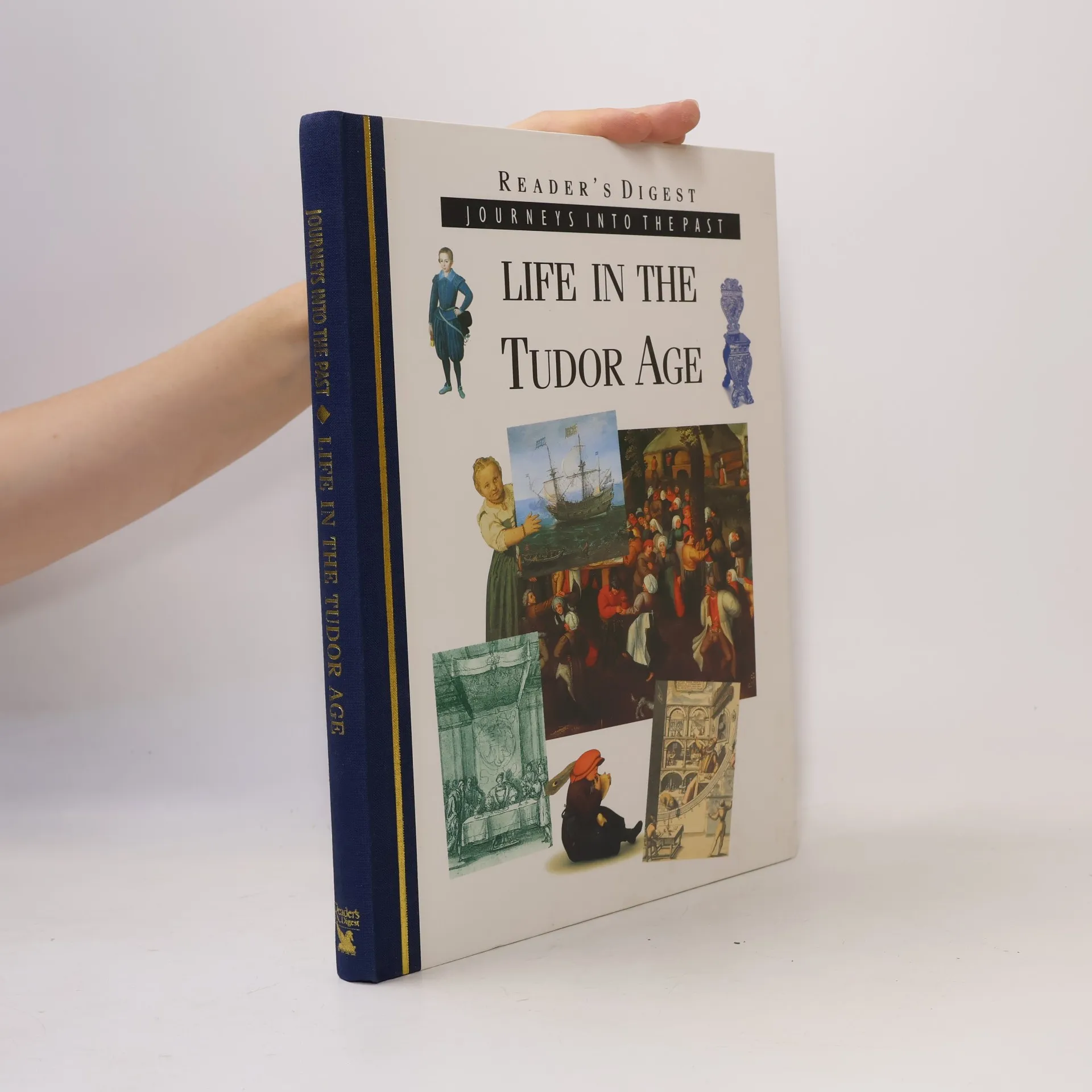
Reveals the contradictions of Tudor life: homes combined luxury and squalor; fashions were exotic but hygiene non-existent: and death and disease struck fear into the hearts of rich and poor alike.
Seamanship
- 224 pages
- 8 hours of reading
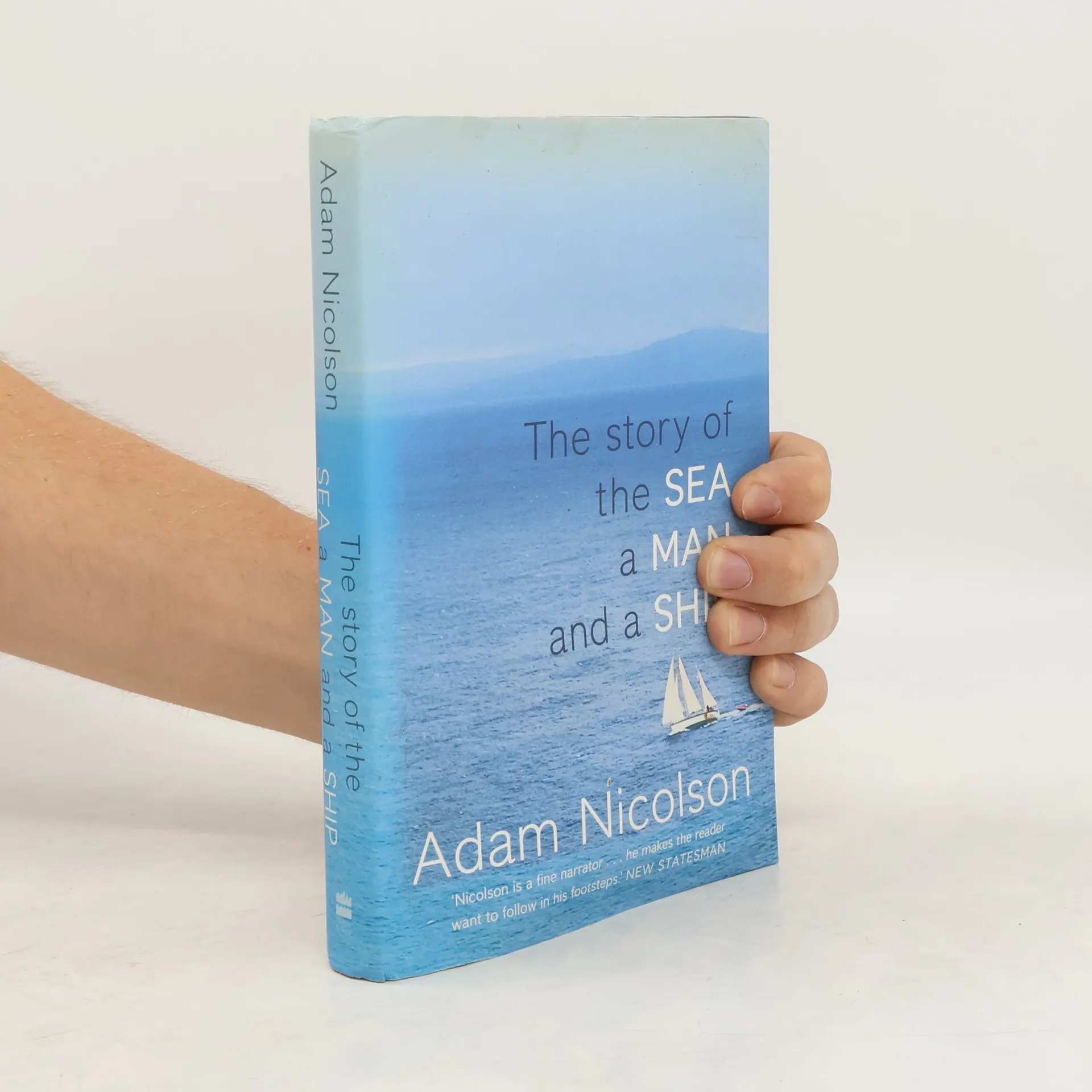
From Land's End to Cape Clear, past Roaringwater Bay and Cod's Head, on past Inishvickillane and Inishtooskert, up through the Hebrides, to Orkney and on to the Faeroes stretches the richest and wildest coastline in Europe. Adam Nicolson decided to sail this coast in the "Auk," a 42-foot wooden ketch, embarking on a 1,500-mile voyage through what he hoped would be a sequence of revelatory landscapes. He was not disappointed."Seamanship" is more than a travel journal. It describes an inner journey as much as an outer one--disasters and discoveries, powerful landscapes and modern visionaries, and encounters with the animals living on the wild edge of the Atlantic. Above all, it is about the gaps that open up between those who go and those who stay at home."Seamanship," in the end, is not about the sea. It's about being alive.
A fascinating, lively account of the making of the King James Bible.
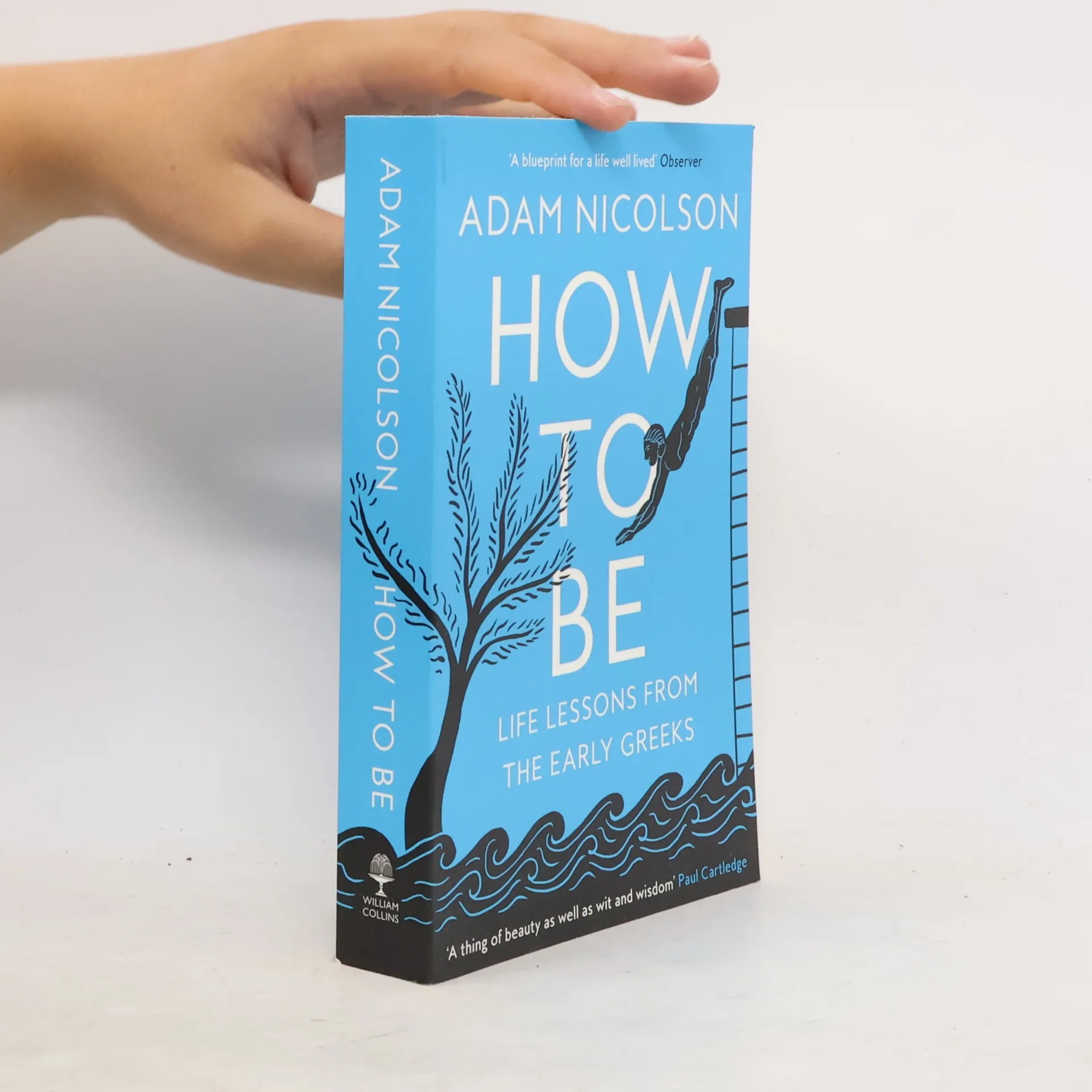
How to Be
- 384 pages
- 14 hours of reading
A TIMES BOOK OF THE YEAR What is the nature of things? Must I think my own way through the world? What is justice? How can I be me? How should we treat each other?
The National Trust Book of Long Walks
- 287 pages
- 11 hours of reading
Describes ten walks in Great Britain, each between eighty and five hundred miles, and provides information about the wildlife, history, and legends of each area.
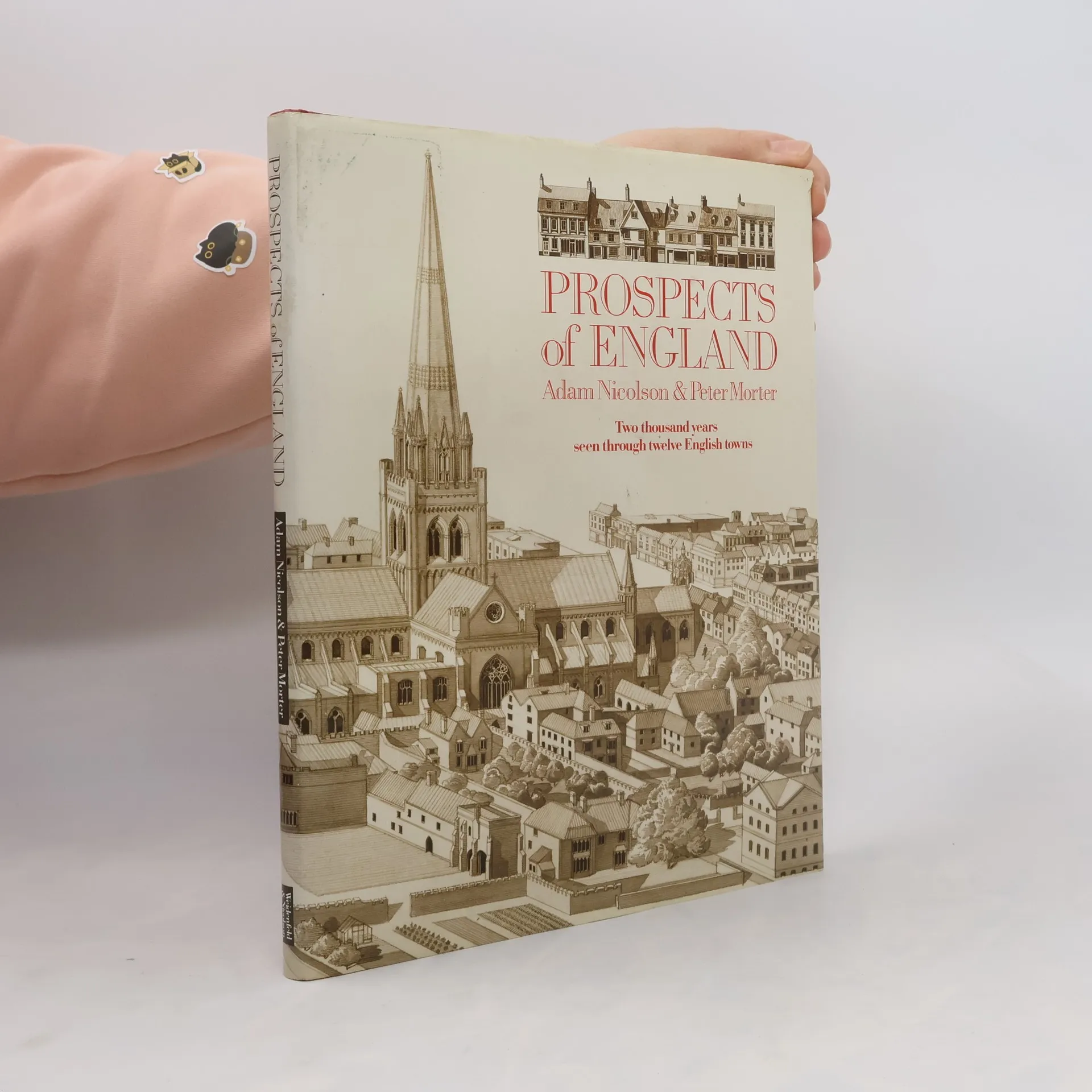
Describes architectural points of interest in twelve small English towns and covers both Roman city planning and early twentieth century industrial buildings
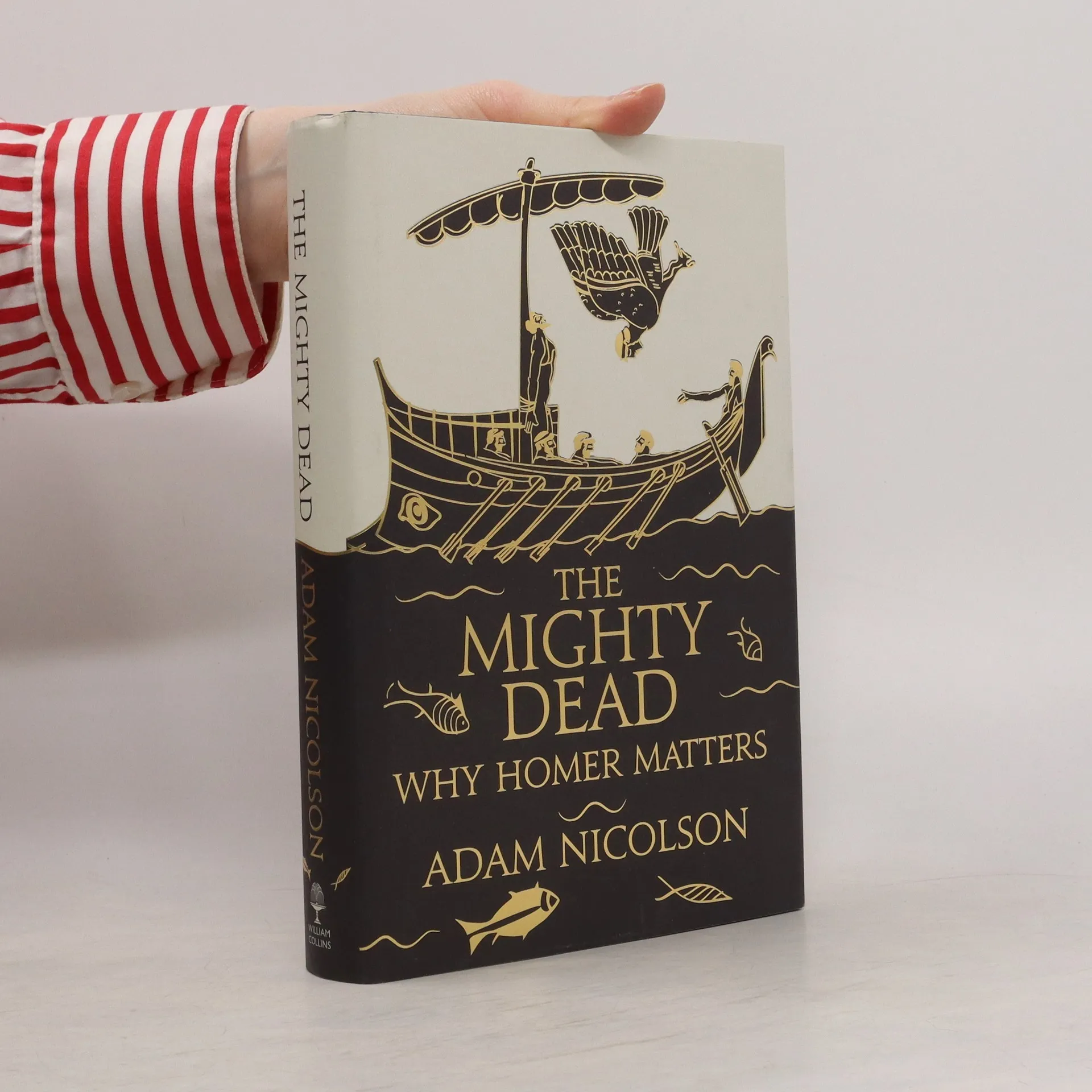
Where does Homer come from? And why does Homer matter? His epic poems of war and suffering can still speak to us of the role of destiny in life, of cruelty, of humanity and its frailty, but why they do is a mystery. How can we be so intimate with something so distant?
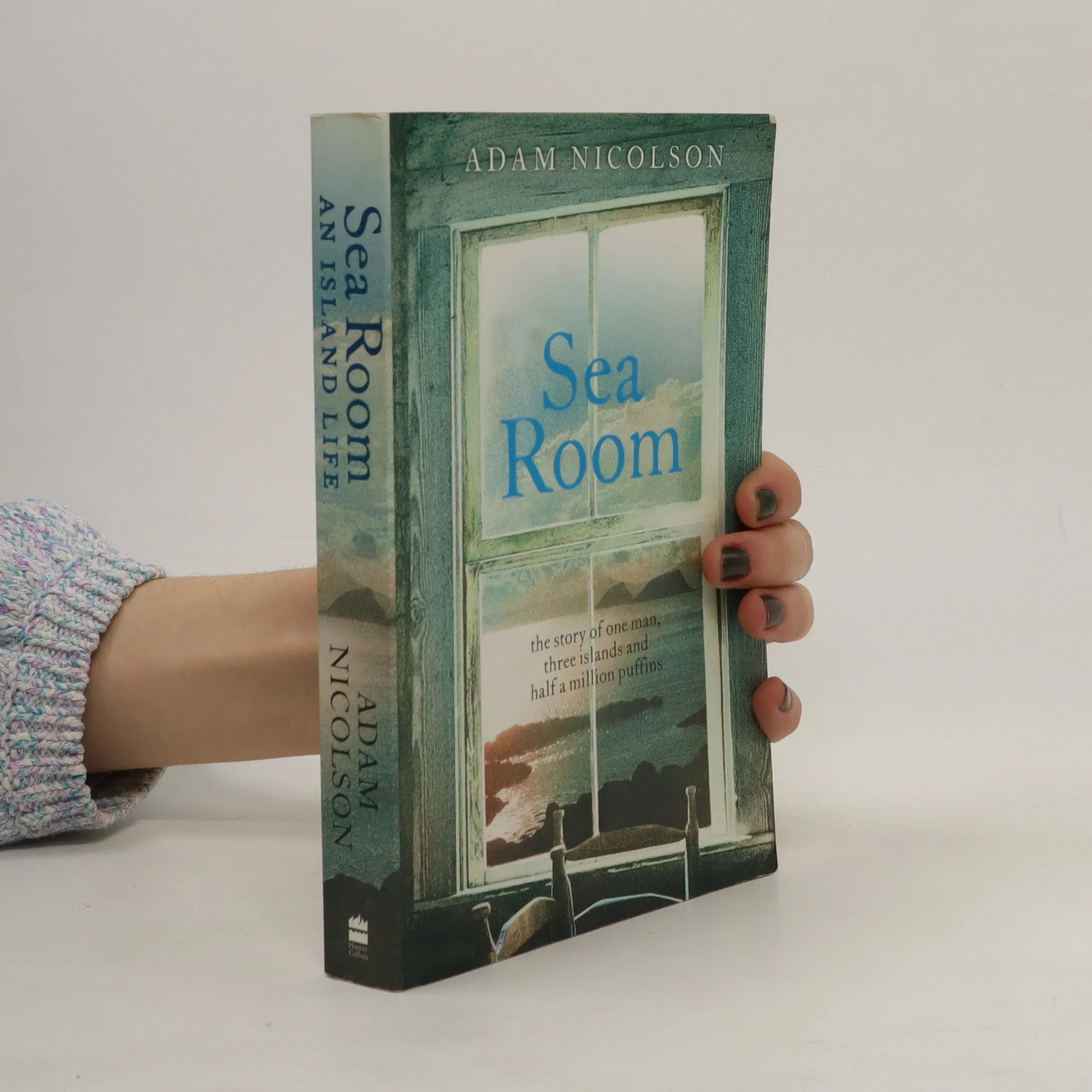
Sea Room
- 256 pages
- 9 hours of reading
Have you ever wondered what it would be like to be given your own remote islands? Thirty years ago it happened to Adam Nicolson. Aged 21, Nicolson inherited the Shiants, three lonely Hebridean islands set in a dangerous sea off the Isle of Lewis. With only a stone bothy for accommodation and half a million puffins for company, he found himself in charge of one of the most beautiful places on earth. The story of the Shiants is a story of birds and boats, hermits and fishermen, witchcraft and catastrophe, and Nicolson expertly weaves these elements into his own tale of seclusion on the Shiants to create a stirring celebration of island life.
sea is not made of water
- 384 pages
- 14 hours of reading
'A remarkable and powerful book, the rarest of things ... Nicolson is unique as a writer ... I loved it' EDMUND DE WAAL'Miraculous ... An utterly fascinating glimpse of a watery world we only thought we knew' PHILIP HOAREFew places are as familiar as the shore - and few as full of mystery and surprise.
Life Between the Tides
- 384 pages
- 14 hours of reading
LONGLISTED FOR THE WAINWRIGHT PRIZE 2022 'A remarkable and powerful book, the rarest of things ... Nicolson is unique as a writer ... I loved it' EDMUND DE WAAL Few places are as familiar as the shore - and few as full of mystery and surprise.
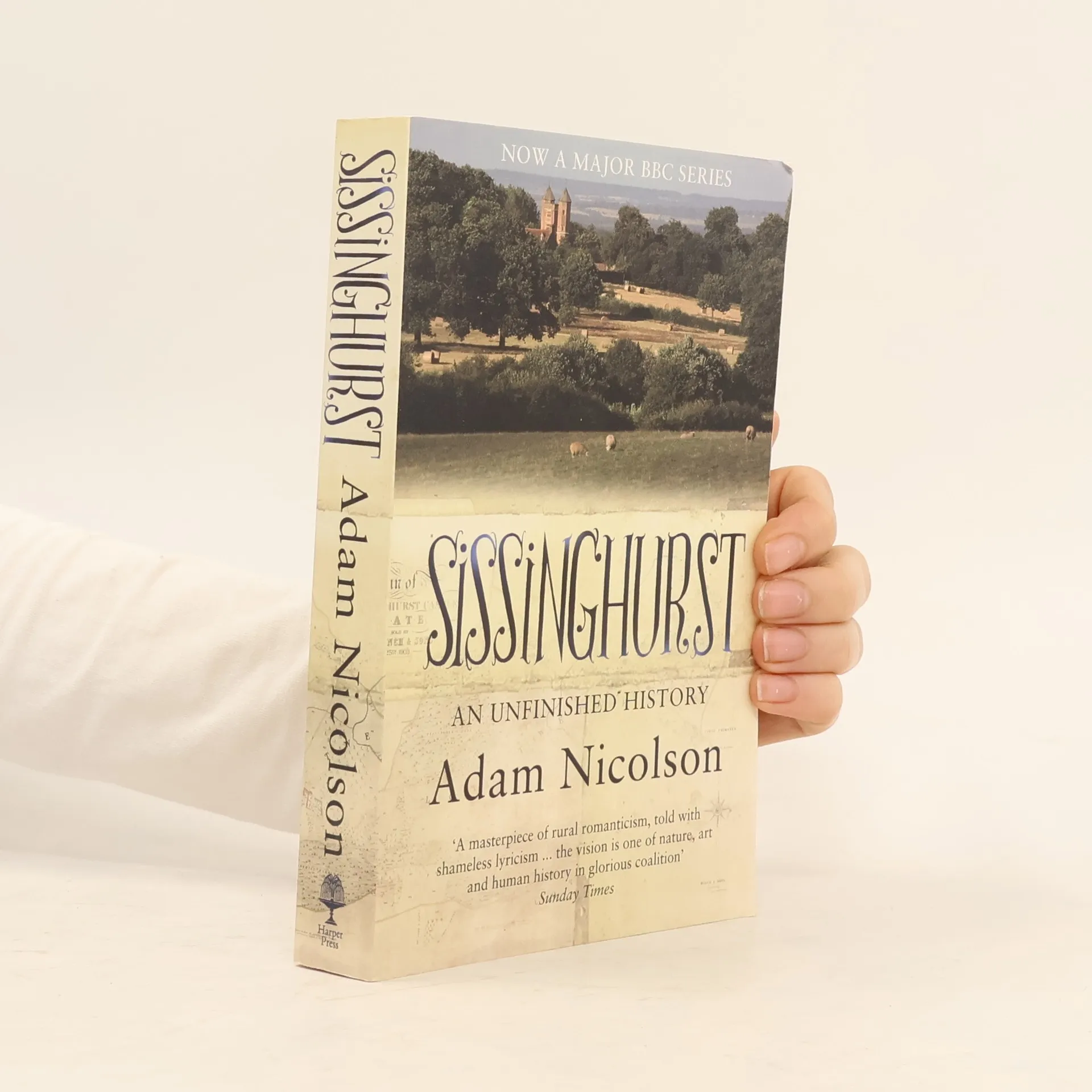
A fascinating account from award-winning author Adam Nicolson of the history of Nicolson's own national treasure, his family home: Sissinghurst.
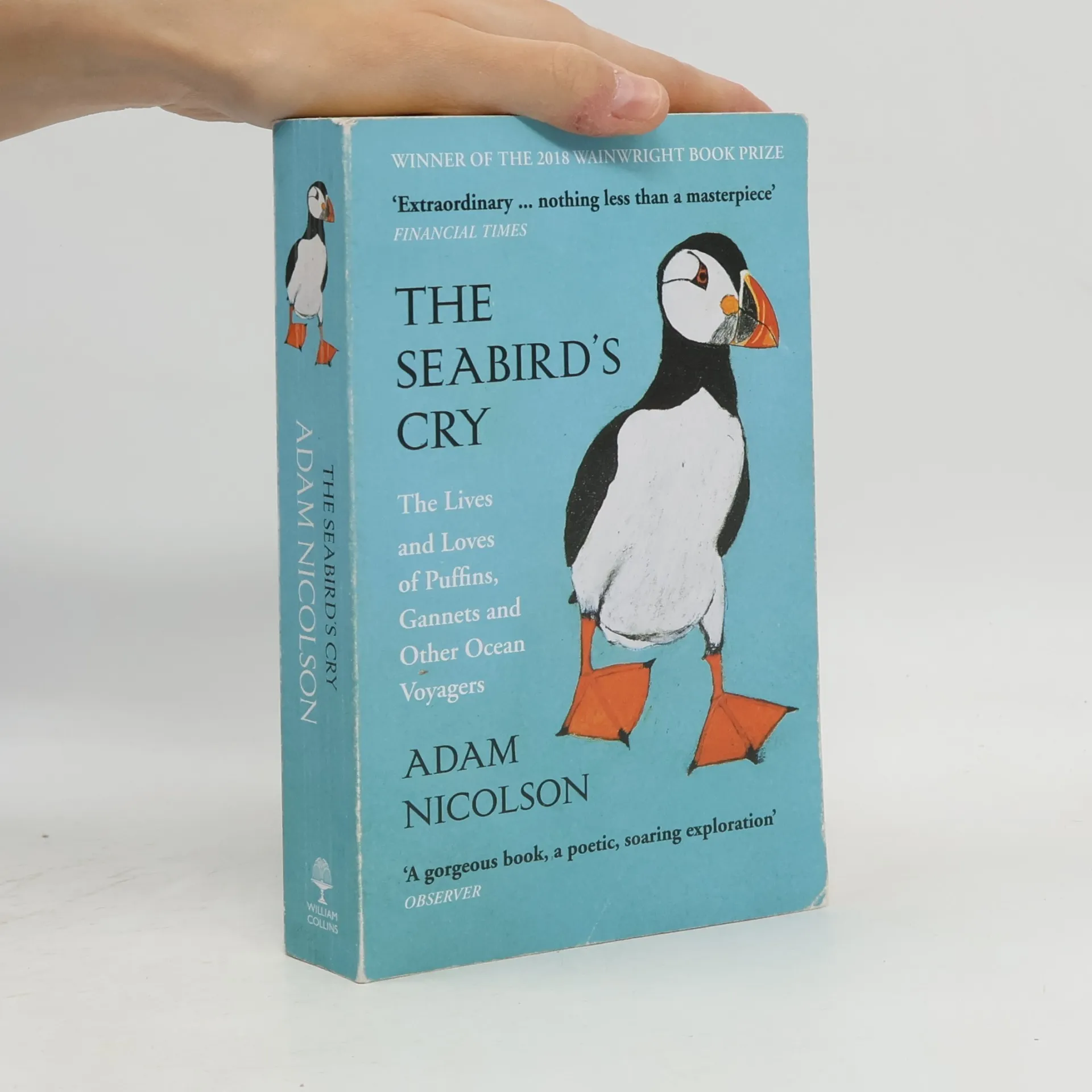
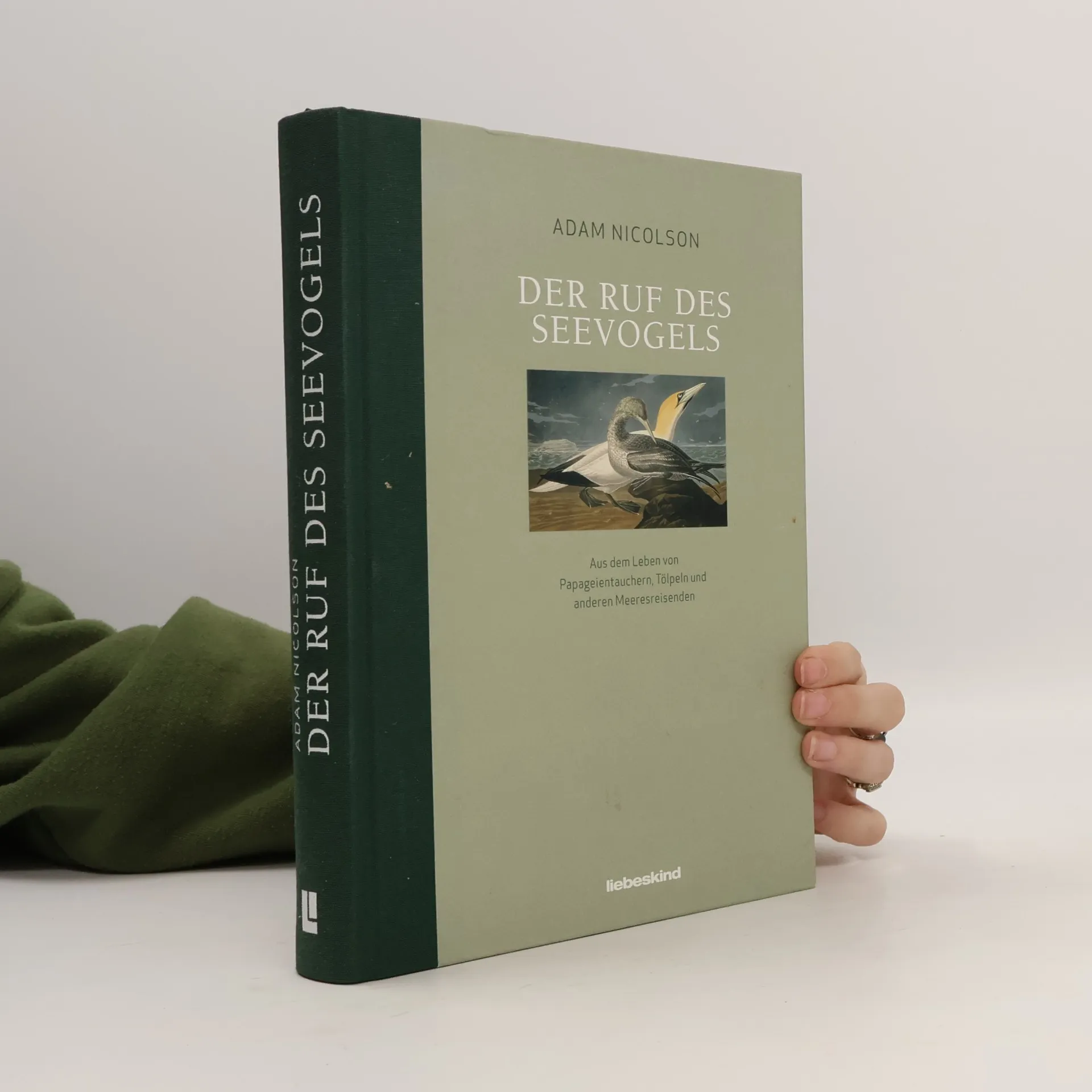
Die Schönheit der Natur und bahnbrechende Entdeckungen in einem Buch. Ein außergewöhnliches Porträt der bedrohten Welt der Meeresvögel. Meeresvögel haben seit langem Dichter und Schriftsteller inspiriert. Doch erst heute, dank Computern und Satellitennavigation, offenbart sich die Einzigartigkeit dieser gefiederten Reisenden voll und ganz. Entdecke ihr Familien- und Liebesleben. Niemand kann die ozeanischen Wanderer schöner beschreiben als Adam Nicolson, Naturforscher, britischer Lord und Liebhaber der Literatur. Begib dich mit ihm auf ein maritimes Abenteuer und entdecke die Geheimnisse der bedrohten Welt der Himmelsreisenden, bevor es zu spät ist.
Der Ruf des Seevogels
- 384 pages
- 14 hours of reading
Seit Adam Nicolson als Junge die unbesiedelten Shiant Islands vor der schottischen Küste besuchte, ist er von Seevögeln fasziniert. Die Inselgruppe ist bekannt für ihre markanten Klippen, die große Kolonien von Papageientauchern, Trottellummen und Dreizehenmöwen beherbergen. Viele Seevögel legen zeit ihres Lebens unglaubliche Distanzen zurück, immer einem inneren Kompass folgend, der sich nach Signalen aus der Natur richtet, manche so subtil wie der Geruch von meilenweit entferntem Plankton. Seit jeher haben diese Vögel die Fantasie der Menschen beflügelt. Sie sind die einzige Art der Schöpfung, die auf dem Meer, in der Luft und an Land zu Hause ist. Bisher konnte der Mensch sie immer nur an ihren Brutplätzen beobachten, weshalb sie lange als Botschafter einer mythischen Welt jenseits des Horizonts galten. Erst in jüngster Zeit bekommen wir eine Vorstellung davon, wie es ihnen ergeht, wenn sie draußen auf See sind ... So wie Seevögel Grenzgänger zwischen erlebten und imaginären Welten sind, überwindet Adam Nicolson die Kluft zwischen Wissenschaft und Literatur. In seinem faszinierenden, brillant erzählten Band zeigt er, dass Seevögel unsere Mitspieler im Drama des Lebens sind – und zugleich Metaphern für das, was wir sind und sein können.
Seeraum
Ein schottisches Inselleben
An seinem einundzwanzigsten Geburtstag erhält Adam Nicolson von seinem Vater, dem Sohn von Vita Sackville-West und Sir Harold Nicolson, eine kleine schottische Inselgruppe: die Shiants. Gelegen an den äußeren Hebriden fallen ihre steilen schwarzen Klippen fünfhundert Meter tief in den kalten, nach mystischen, halb menschlichen Kreaturen benannten »Strom der Blauen Männer«. Robben tummeln sich an ihren Ufern. Hummer suchen sich ihren Weg durch Steine und Tang. Und am Himmel drehen Tausende von Papageientauchern ihre Runden. Auf diesen Inseln mit ihrer jahrhundertealten Vergangenheit, die von ruhelosen Geistern und Geschichten über alte Schätze heimgesucht werden, bietet sich Nicolson ein Ort der Zuflucht und der Einsamkeit. Sie werden ihm zur Heimat und offenbaren ihm »das Freiheitsgefühl, das einen auf einer wasserumtosten Insel durchflutet«. In leidenschaftlicher, zum Funkeln gebrachter Sprache zelebriert Seeraum die Landschaft dieses windgepeitschten, bezaubernd schönen Anwesens und teilt mit uns die Wunder der natürlichen Welt in all ihren Facetten und Paradoxien.