

Dva hráči, třicet dva figurek, šedesát čtyři polí. A stovky let historie, myšlení a fascinace. Šachy jsou všude kolem nás. Ať už je to šachovnicový vzor, spousta jazykových obratů typu „myslet pár tahů dopředu“ či „patová situace“, samozřejmé spojování šachů a inteligence, nebo rostoucí popularita hry samé — zkrátka šachy představují neoddělitelnou součást západní kultury a společnosti. Během své dlouhé a spletité historie tato ve svých pravidlech jednoduchá, ale o to komplexnější hra stačila ovlivnit filozofii, umění i politiku a dodnes nepřestává fascinovat miliony hráčů po celém světě. Nesmrtelná hra vypráví její dějiny od počátků ve starověké Persii přes pozoruhodnou cestu středověkou Evropou až po dnešní velmistry zápolící s umělou inteligencí. Je však i příběhem jedné legendární partie z devatenáctého století, označované právě jako „nesmrtelná hra“, či destruktivní závislosti, kterou šachy mohou v lidech vyvolat. Nesmrtelná hra je milostným dopisem této hře her i vstupenkou do barvitého a nečekaného světa, který se ukrývá za čtyřiašedesáti políčky.
David Shenk Book order
David Shenk is an author who delves into complex subjects with remarkable depth and clarity. His writing explores the intersection of human potential and external influences, from innate abilities to the impact of information overload. Shenk focuses on uncovering the underlying patterns and deeper truths that shape our lives and society. His approach is analytical yet accessible, offering readers engaging and insightful perspectives.


- 2022
- 2021
Exploring the impact of faith, David Shenk's narrative weaves together his experiences in diverse communities, from Shirati Village in East Africa to the orchards of Lancaster County, PA. His journey began with a childhood question about the significance of Jesus, leading him to a life dedicated to Christian missions. Through his travels, Shenk shares powerful stories from various cultures and religions, illustrating the transformative difference that faith can make in people's lives. This is a profound exploration of mission and the universal quest for meaning.
- 2011
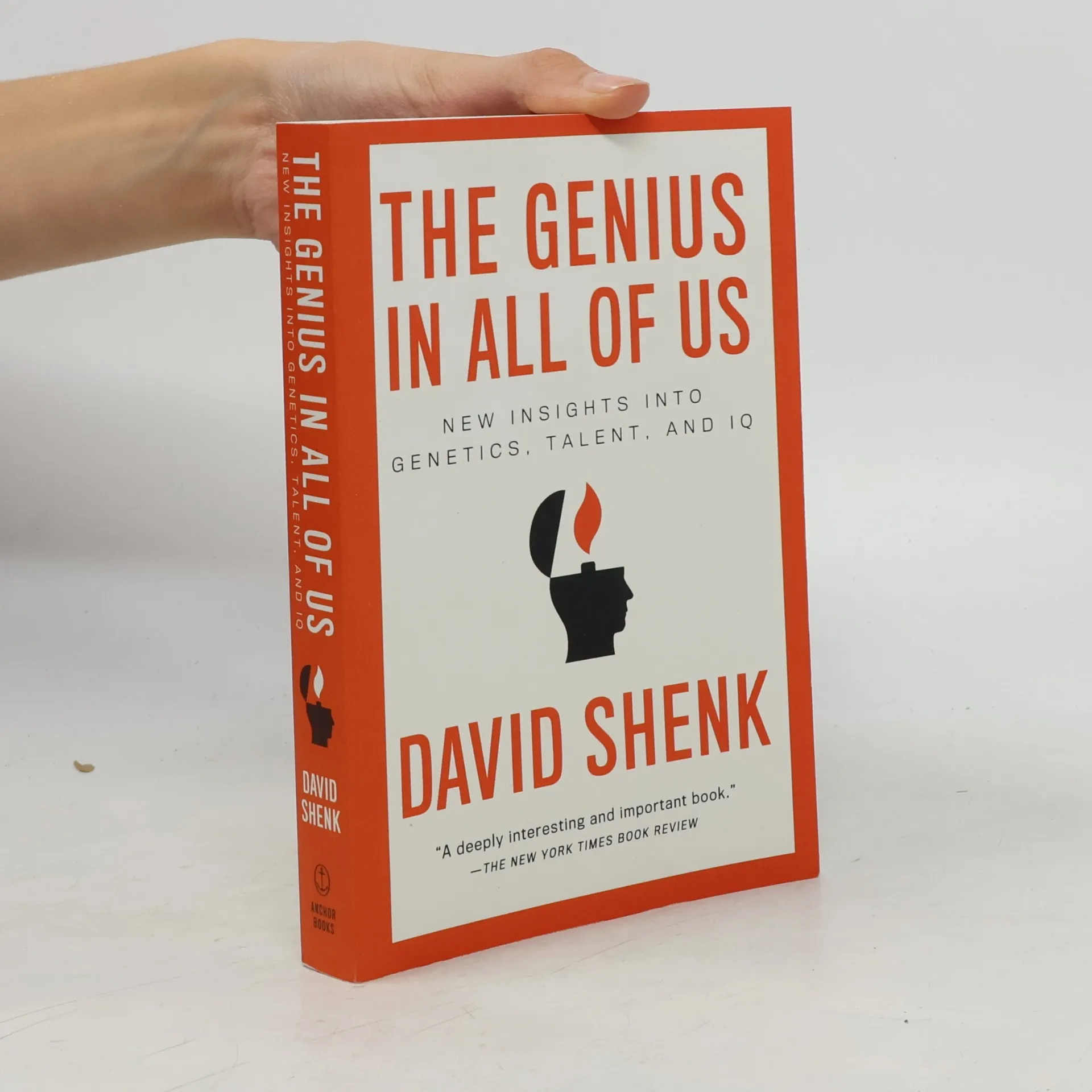
The Genius in All of Us
- 400 pages
- 14 hours of reading
"Fresh insights into the nature of exceptional peformance…. A deeply interesting and important book” (New York Times Book Review) that offers a revolutionary and life-changing message on the new science of human potential. Is true greatness obtainable from everyday means and everyday genes? Conventional wisdom says no, that a lucky few are simply born with certain gifts. Now you can forget everything you think you know about genes, talent, and intelligence, and take a look at the amazing new evidence. Here, interweaving cutting-edge research from numerous scientific fields, David Shenk offers a new view of human potential, giving readers more of a sense of ownership over their accomplishments, and freeing parents from the bonds of genetic determinism. As Shenk points out, our genes are not a “blueprint” that dictate individual destinies. Rather we are all the product of interplay between genes and outside stimuli—a dynamic that we can influence. It is a revolutionary and life-changing message.
- 2006
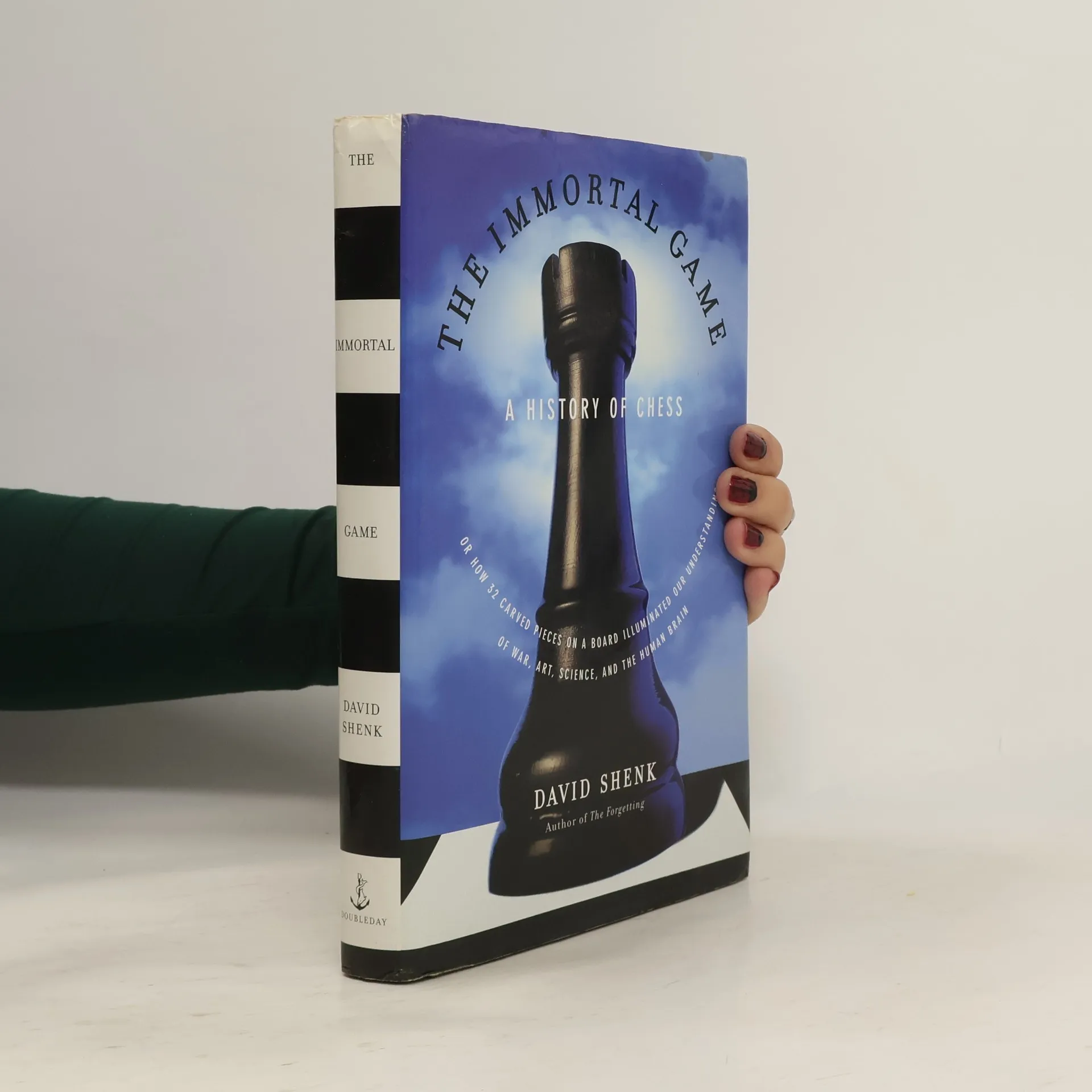
A history of chess explains how the game, its rules, and its pieces have had a profound influence on military strategy, literature, the arts, mathematics, and the development of artificial intelligence
- 2005
- 2002
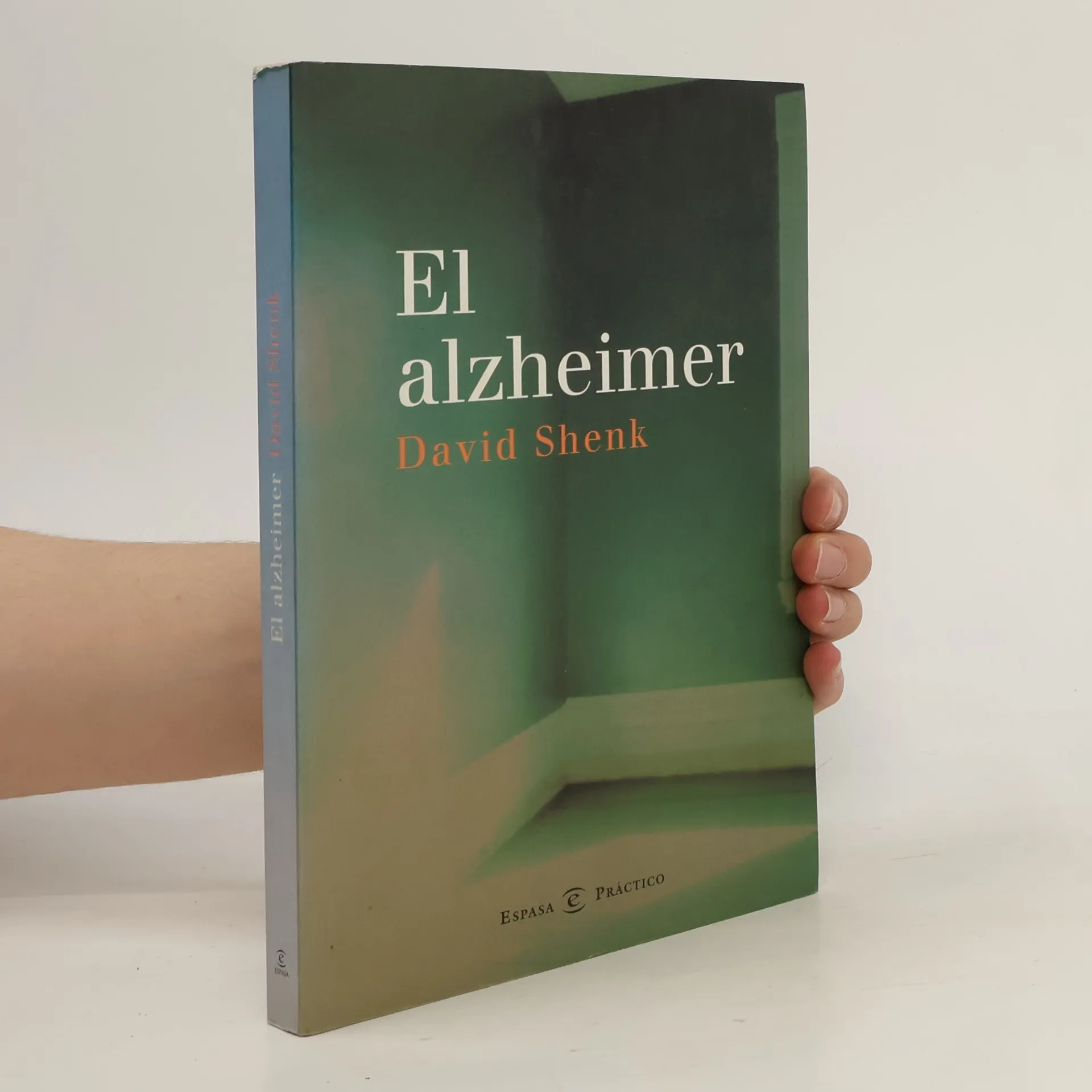
El alzheimer
- 301 pages
- 11 hours of reading
Winner of the 2002 BMA Popular Medicine Book Prize, this haunting literary and scientific examination delves into Alzheimer’s disease and the quest for a cure. Described as a remarkable and definitive work on the subject, it is incisive, humane, and infused with dry humor, all presented with quiet authority. The author, drawing from personal experience in caring for an Alzheimer’s patient, offers profound insights into the disease's stages, prognosis, and impact on memory and identity. Alois Alzheimer’s groundbreaking discovery in 1906 linked specific brain pathology to behavioral changes, marking the beginning of our understanding of this debilitating condition. While rare in younger individuals, it affects 10% of those aged 65 and older, escalating to 50% among those 85 and above. As the baby boomer generation ages, the number of Alzheimer’s cases is projected to quadruple, making it the fastest-growing disease in developed nations. The foreword highlights how this work challenges our perceptions of caregiving and independence, reminding us that life encompasses more than mere health and youth. The author’s poignant and scientific history of Alzheimer’s is anchored in the belief that memory is fundamental to our identity and the essence of our lives.
