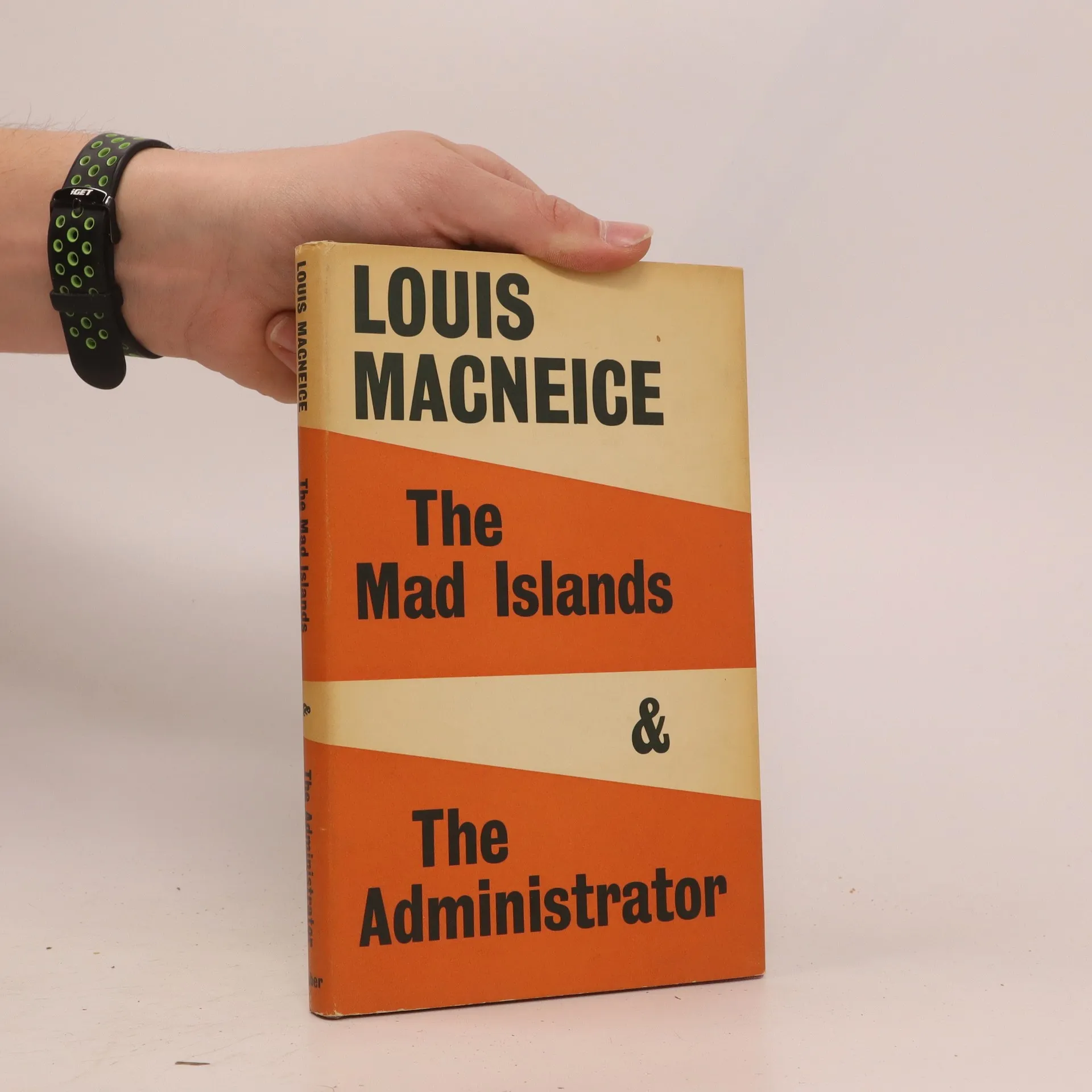
Collected Poems of Louis MacNeice
- 593 pages
- 21 hours of reading
Collected poems of Louis MacNeice written between 1925 and 1948. Compiled by the author.


A key voice among the "thirties poets," this author cultivated a style that was both relaxed and deeply attuned to social and emotional currents. His writing navigates political landscapes with a humane sensibility, offering a thoughtful opposition to totalitarianism without overt simplicity. He frequently returned to his Irish roots, infusing his work with a unique perspective shaped by this heritage. Readers appreciated his socially conscious yet emotionally resonant poetry, which achieved considerable public acclaim during his lifetime.

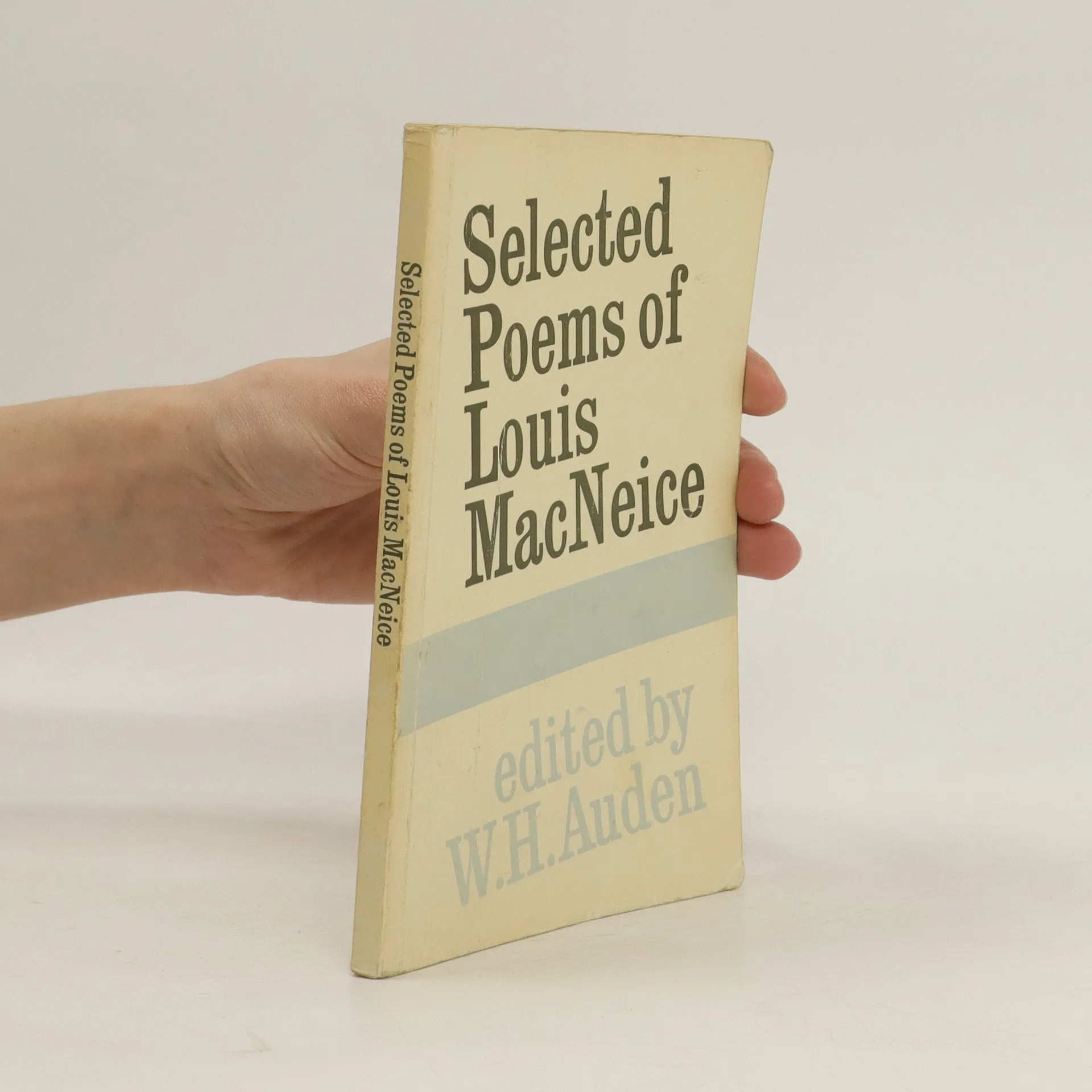
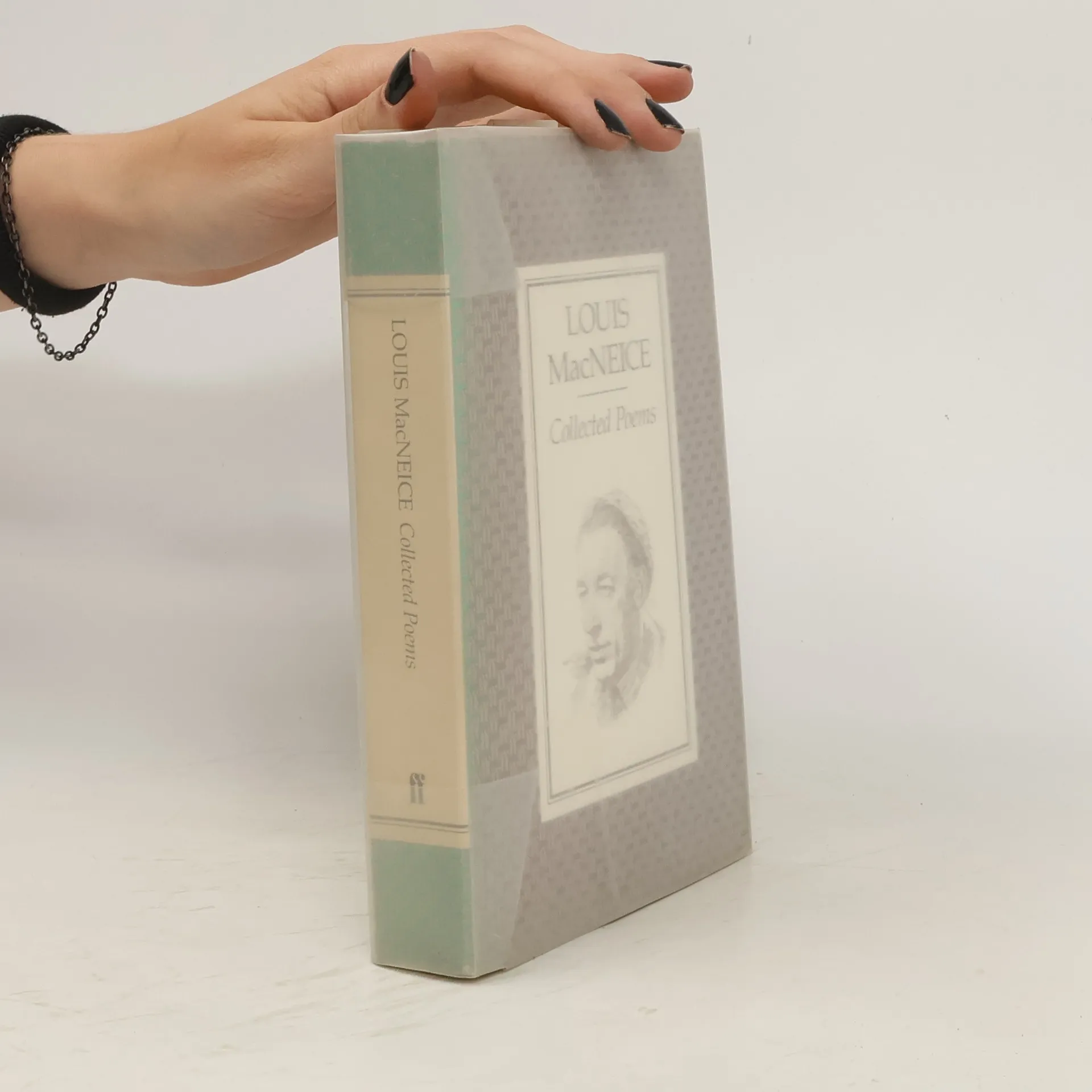
Collected poems of Louis MacNeice written between 1925 and 1948. Compiled by the author.
This volume brings together all of Berryman's poetry, except for his epic The Dream Songs, ranging from his earliest unpublished poem (1934) to those written in the last months of his life (1972). A definitive edition of one of America's most distinguished poets.
Written between August and December 1938, Autumn Journal is still considered one of the most valuable and moving testaments of living through the thirties by a young writer.
Book by MacNeice, Louise
This Pulitzer Prize-winning collection of poems is celebrated for its raw intensity and masterful craftsmanship. With themes that continue to resonate, the work challenges conventions and evokes powerful emotions, leaving an enduring impact on readers long after its initial release. Its bold exploration of complex subjects ensures that it remains both shocking and thought-provoking decades later.
In the summer of 1936, W H Auden and Louis MacNeice visited Iceland on commission to write a travel book, but found themselves capturing concerns on a scale that were far more international. This is a collaboration in poetry and prose, reportage and correspondence, published in 1937 with the Spanish Civil War newly in progress.
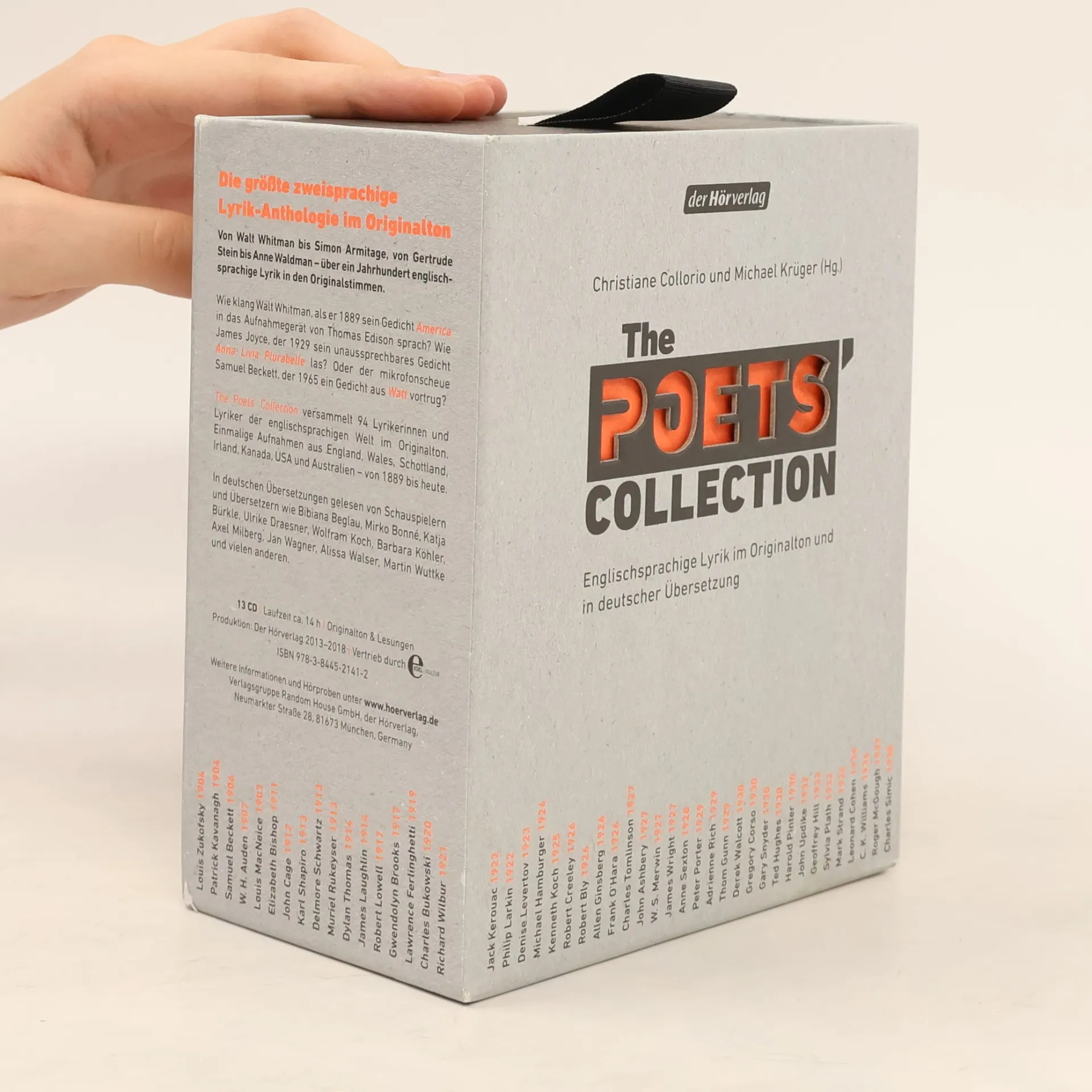
Englischsprachige Lyrik im Originalton und in deutscher Übersetzung
Die größte zweisprachige Lyrik-Anthologie im Originalton versammelt 94 englischsprachige Lyrikerinnen und Lyriker und bietet seltene Sprachaufnahmen, die in mehrjähriger Recherche zusammengetragen wurden. Die Anthologie nimmt die Hörer mit auf eine zeitliche und geographische Reise durch das letzte Jahrhundert der englischsprachigen Welt. Die Übersetzungen werden von erstklassigen Schauspielern gelesen und stammen von angesehenen Lyrikern und Übersetzern. Zu den vertretenen Dichtern gehören Alfred Lord Tennyson, Robert Browning, Walt Whitman, William Butler Yeats, Rudyard Kipling, Edgar Lee Masters, James Weldon Johnson, Walter de la Mare, Gertrude Stein, Robert Frost, Carl Sandburg, Wallace Stevens, James Joyce, William Carlos Williams, Ezra Pound, H.D. (Hilda Doolittle), Robinson Jeffers, Edith Sitwell, Marianne Moore, T. S. Eliot, Conrad Aiken, Edna St. Vincent Millay, Archibald Macleish, Dorothy Parker, E. E. Cummings, Robert Ranke Graves, Louise Bogan, Ernest Hemingway, Langston Hughes, Ogden Nash, Louis Zukofsky, Patrick Kavanagh, Samuel Beckett, W. H. Auden, Louis MacNeice, Elizabeth Bishop, John Cage, Karl Shapiro, Delmore Schwartz, Muriel Rukeyser, Dylan Thomas, James Laughlin, Robert Lowell, Gwendolyn Brooks, Lawrence Ferlinghetti, Charles Bukowski, Richard Wilbur, Jack Kerouac, Philip Larkin, Denise Levertov, Michael Hamburger, Kenneth Koch, Robert Creeley, Robert Bly, Allen Ginsberg, Frank O'Hara, Charles Tomlinson