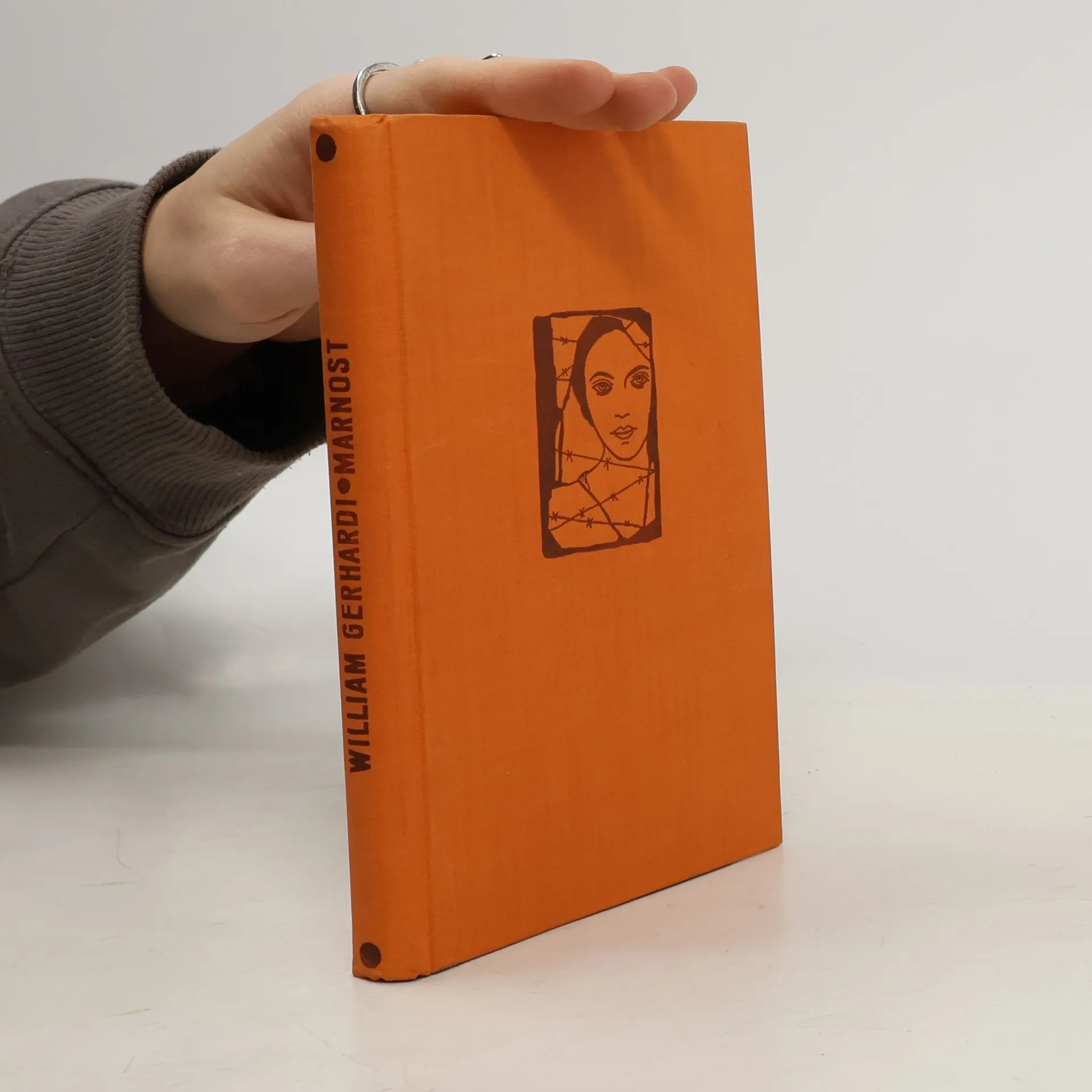
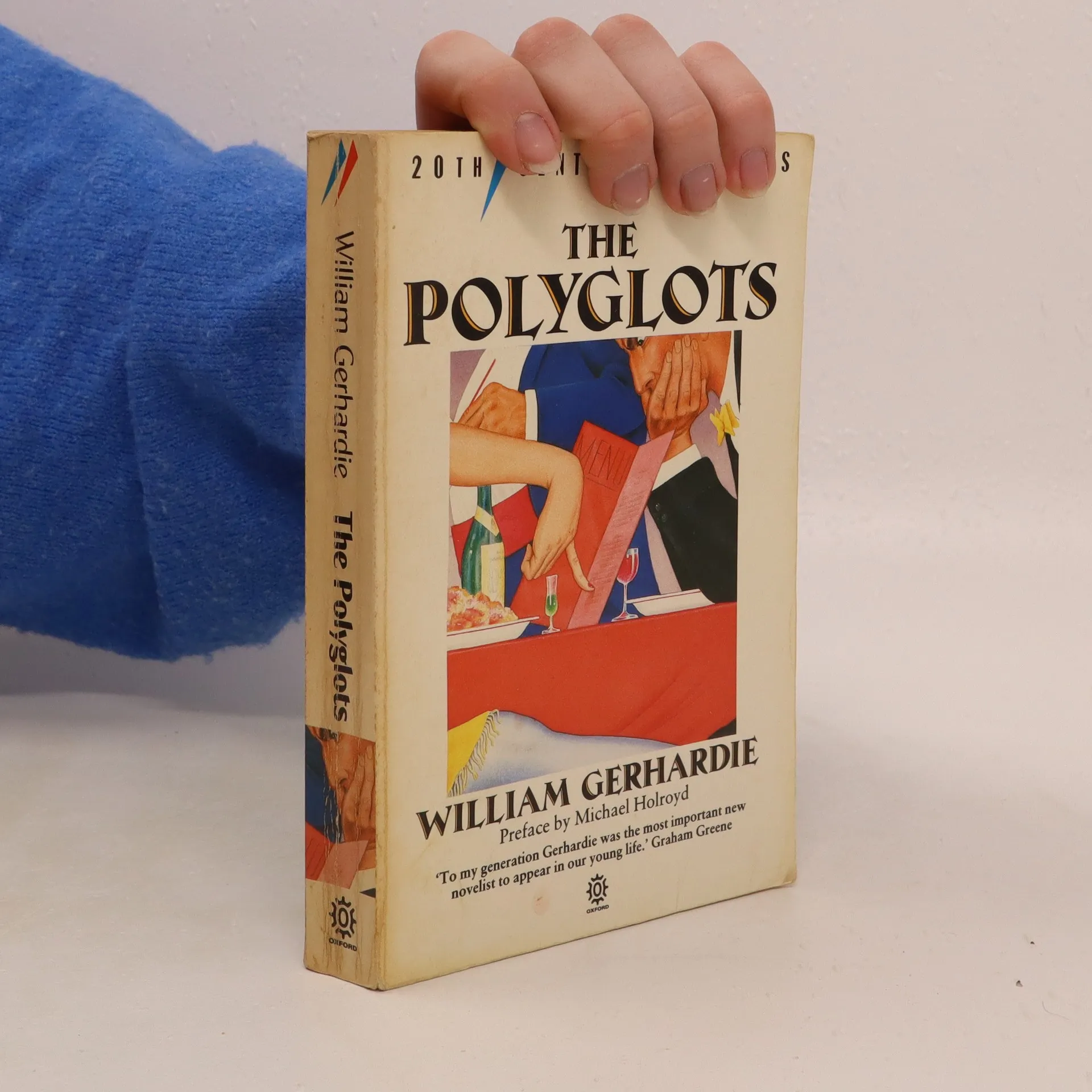
William Alexander Gerhardie was an Anglo-Russian novelist and playwright, recognized as one of the most critically acclaimed English novelists of the 1920s. His writing often drew upon his experiences in Russia and his childhood visits to pre-revolutionary Russia, with a style significantly influenced by the tragicomic approach of Russian authors like Chekhov. Gerhardie's novels, such as "Futility" and "The Polyglots," are noted for their exploration of themes like 'waiting' and their shared sense of comic nihilism. Though his prominence waned after World War II, his distinctive literary voice and impact on English literature continue to be appreciated, with his works experiencing a resurgence in interest.
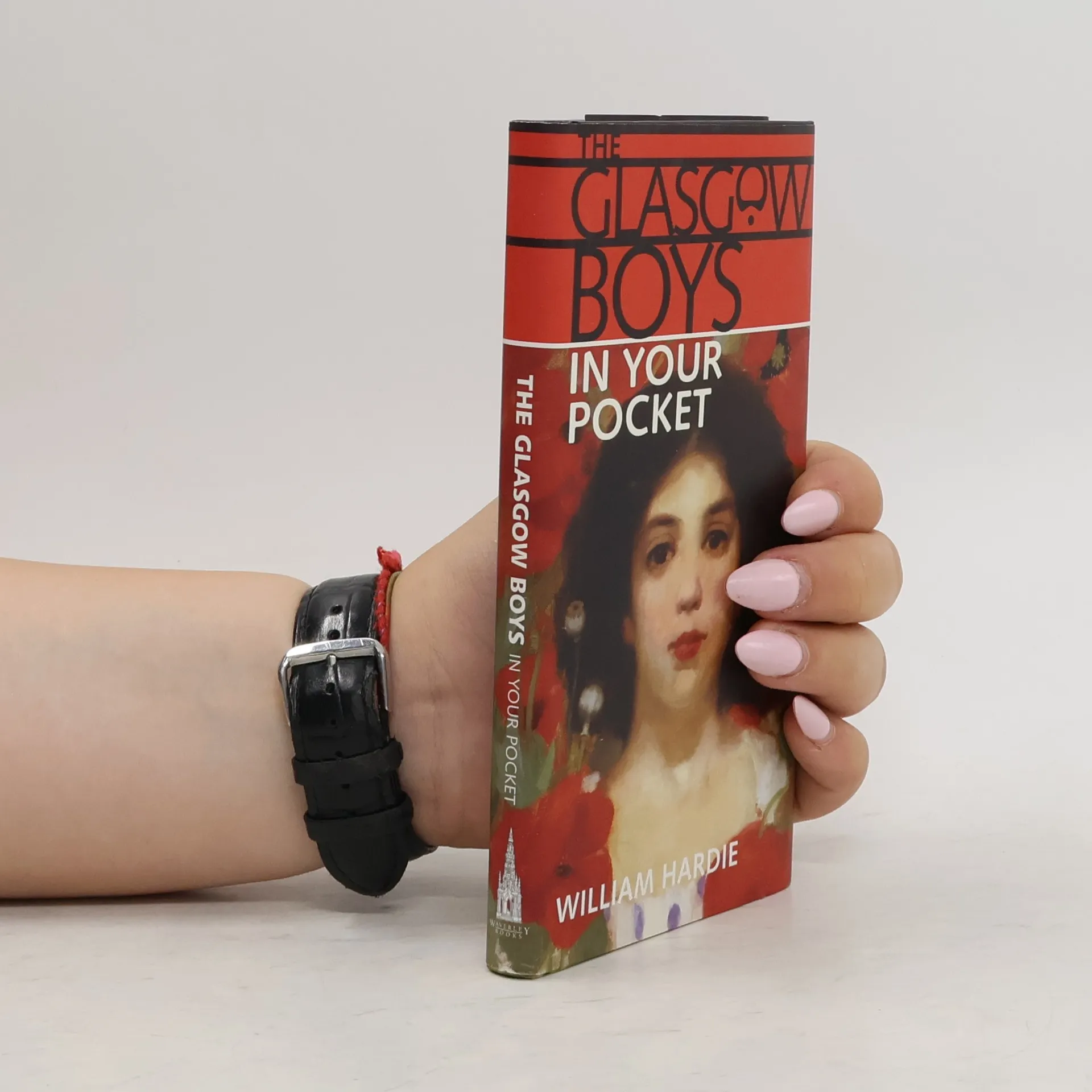
The Glasgow Boys revolutionized Scottish painting from 1880 until around 1895,
although their influence lasted until just before World War 1. They painted
outdoors, and captured a way of life that changed Scottish painting. This
title introduces them.
Hailed by his famous contemporaries including Edith Wharton, H.G. Wells, Katherine Mansfield, Graham Greene, and Evelyn Waugh, who called him a "genius," William Gerhardie is one of the twentieth century's forgotten masters, and his lovely comedy Futility one of the century's neglected masterpieces. It tells the story of someone very similar to Gerhardie himself: a young Englishman raised in Russia who returns to St. Petersburg and falls in love with the daughter of a hilariously dysfunctional family--all played out with the armies of the Russian Revolution marching back and forth outside the parlor window. Part British romantic comedy, part Russian social realism, and with a large cast of memorable characters, this astoundingly funny and poignant novel is the tale of people persisting in love and hope despite the odds.