
In 1914 Russia¿s doomed Tsar, Nicholas II, ordered his armies to invade German territory as soon as they had mobilized. They moved faster than the Germans gave them credit for and panic stories of Cossacks running amok in East Prussia led the German High Command to call back two army corps from the invasion of France. The two Russian armies involved in the attack were led by generals that hated each other more than the Germans; their lack of cooperation and signal staff¿s tendency to transmit radio messages without bothering to encode them helped the Germans plan and execute a massive ambush. The Russian 2nd Army was annihilated and the Tsarist forces never recovered the initiative until their defeat in 1917.
John Sweetman Books


The Crimean War 1854-1856
- 96 pages
- 4 hours of reading
This bitter war between Russia and Turkey, aided by Britain and France, was the setting for the stuff of legends. This book details the gallant yet suicidal Charge of the Light Brigade, now immortalised in film: in the words of Tennyson, 'Into the Valley of Death rode the Six Hundred'. It relates the reports made by the first real war correspondant, William Russell of the London Times - reports which served only to highlight the army's problems - and memorialises the heroic deeds of Florence Nightingale, who struggled to save young men from the most formidable enemy in the Crimean War: not the Russians, but cholera.
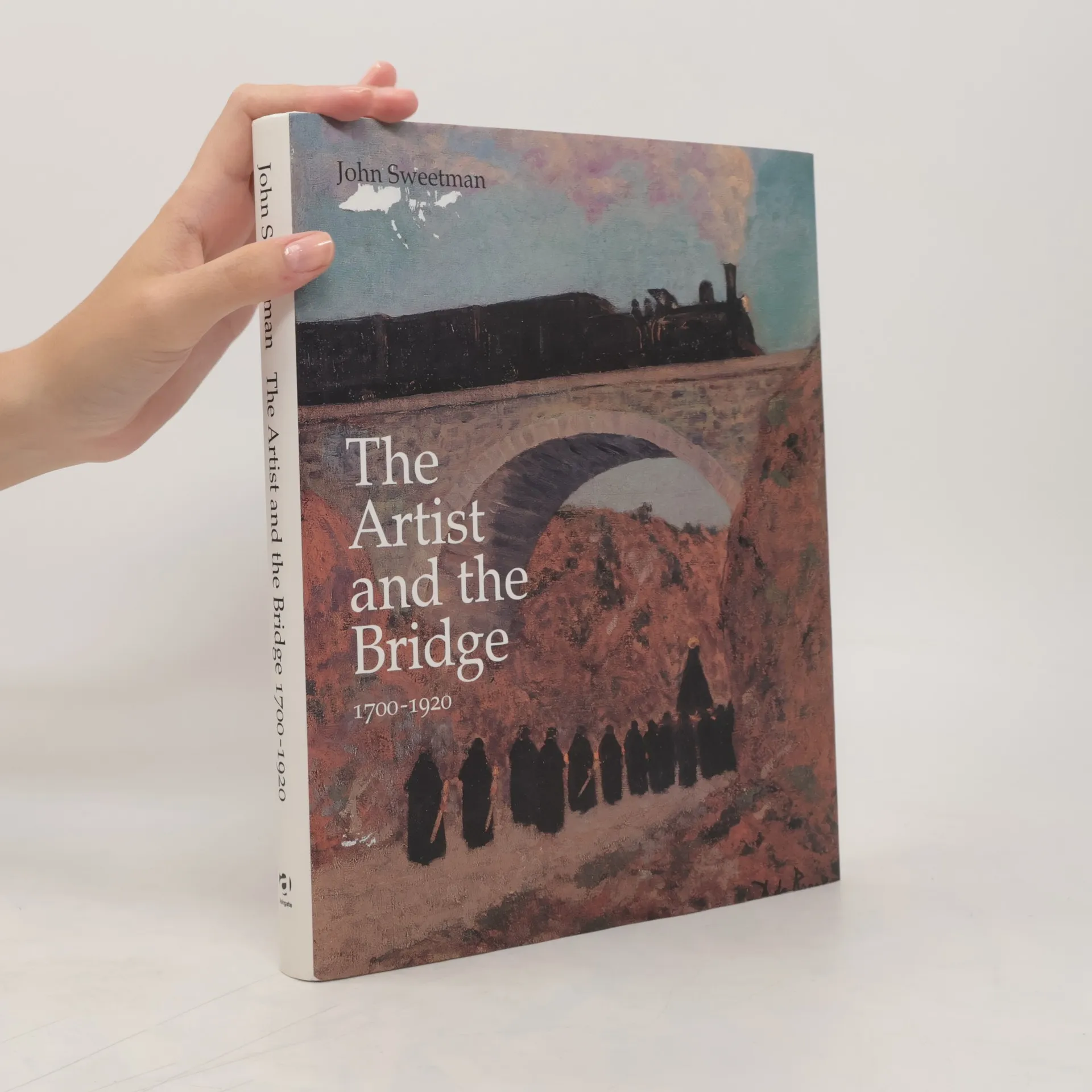
The Artist and the Bridge, 1700-1920
- 208 pages
- 8 hours of reading
The bridge was a popular feature in painting throughout the period from 1700 to 1920, but why did so many artists choose to portray the structures? This study traces the history of the bridge in painting and printmaking through a range of works, including William Etty's The Bridge of Sighs, Claude Monet's The Railway Bridge, Wassily Kandinsky's Composition IV and C.R.W. Nevinson's Looking Through Brooklyn Bridge, revealing its complex role as both symbol and metaphor, and as a place of vantage, meeting and separation.
Cavalry of the Clouds
- 224 pages
- 8 hours of reading
In 1917, David Lloyd George declared that airmen were ‘the cavalry of the clouds ... the knighthood of this war’. But such a romantic image, lavishly embroidered post-war by writers of adventure stories and Hollywood film makers, was roundly condemned by British veteran Harold Balfour and German ace Manfred von Richthofen. Both were aware of the harsh and deadly reality of aerial warfare and the impact of mounting casualties on families at home. For the first time, bombing raids hit civilians in their own houses as well. In Cavalry of the Clouds John Sweetman traces the evolution of air power in North-West Europe, which culminated in the formation of a separate air force, the RAF. Extensively researched, Cavalry of the Clouds draws on a wide range of personal correspondence involving British, Australian, Canadian, South African, American and German airmen, as well as a wealth of more formal records and documents.
A page-turning detective memoir - fascinating insider insight into prominent Irish crimes and the forensics that helped to solve them.
Based on interviews and correspondence with those closely associated with, and actually involved in, the Dambusters Raid.
Jagd auf die Tirpitz
- 200 pages
- 7 hours of reading
