Explore the latest books of this year!
Bookbot

David Knoke

    The Future of the Office
    Social Network Analysis
    Political Networks
    The Leader's Checklist,10th Anniversary Edition
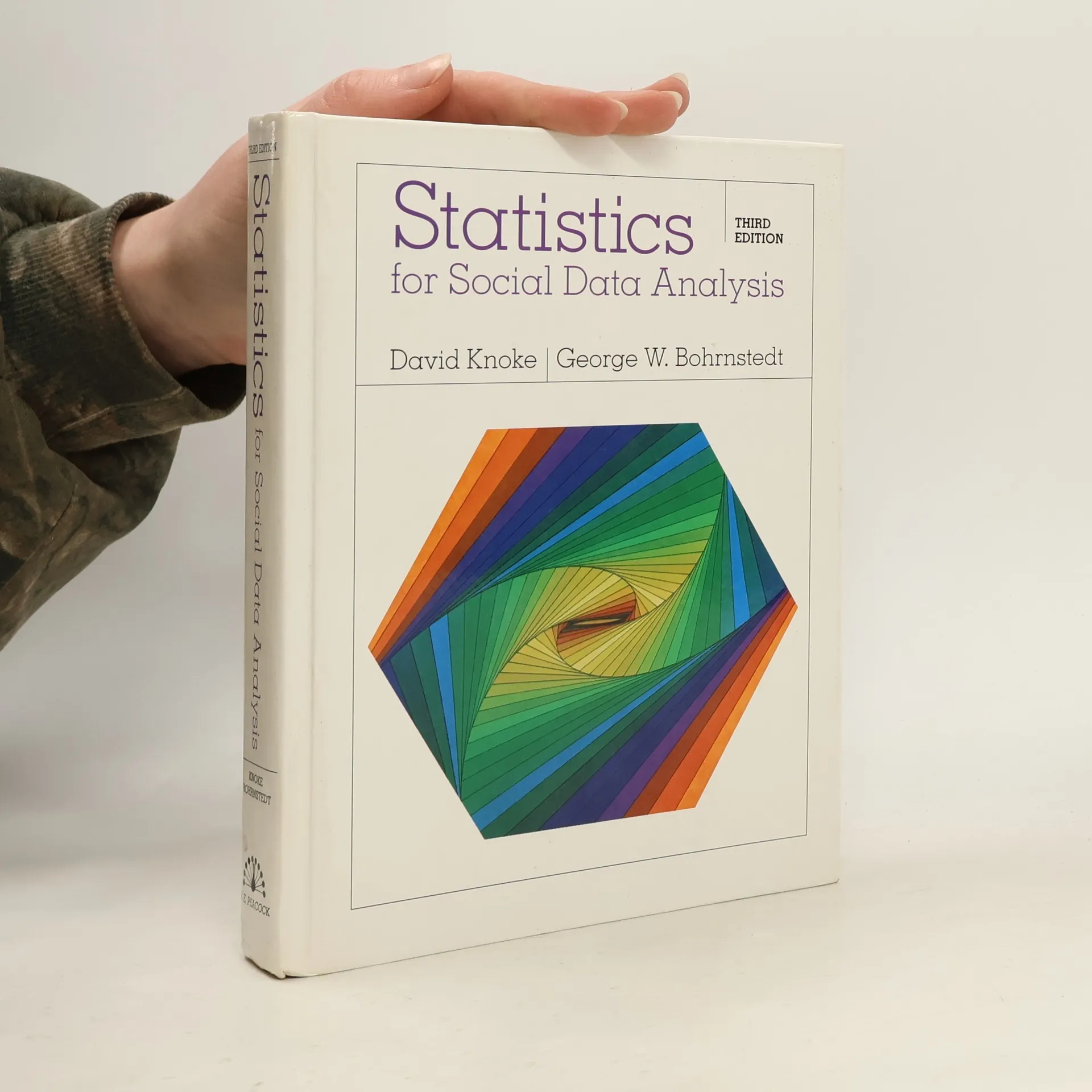
    Statistics for Social Data Analysis
    Liar Liar
    • Liar Liar

      • 176 pages
      • 7 hours of reading
      4.5(16)Add rating

      A powerful story of perseverance and strength throughout one woman's fight for justice after an horrific campus assault.

      Liar Liar
    • In The Leader's Checklist, 10th Anniversary Edition: 16 Mission-Critical Principles, world-renowned leadership expert and Wharton professor Michael Useem shows you how to lead through any challenge-for those moments when leadership really matters.

      The Leader's Checklist,10th Anniversary Edition
    • Political Networks

      The Structural Perspective

      • 308 pages
      • 11 hours of reading
      3.6(11)Add rating

      Focusing on the structural or network approach to political behavior, this book delves into nearly two decades of research that highlights the significance of relationships among social actors in shaping political power. It explores the dynamics of influence and domination, revealing how these networks interact to form a comprehensive view of the political landscape. Key topics include voting behavior, social movements, and the power dynamics within organizations and nation-states, alongside theoretical insights and future research directions.

      Political Networks
    • Social Network Analysis

      • 200 pages
      • 7 hours of reading
      3.8(42)Add rating

      Focusing on social network analysis, this primer provides a clear introduction to essential network concepts and methodologies. It covers techniques for data collection and offers insights into analytical methods, making it a valuable resource for those looking to understand the dynamics of social networks.

      Social Network Analysis
    • The Future of the Office

      • 108 pages
      • 4 hours of reading
      3.3(28)Add rating

      In a prescient new book, The Future of the Office: The Hard Choices We All Face on Working from Home and Remote Work, Wharton professor Peter Cappelli lays out the facts in an effort to provide both employees and employers with a vision of their futures. Cappelli unveils the surprising tradeoffs both may have to accept to get what they want.

      The Future of the Office
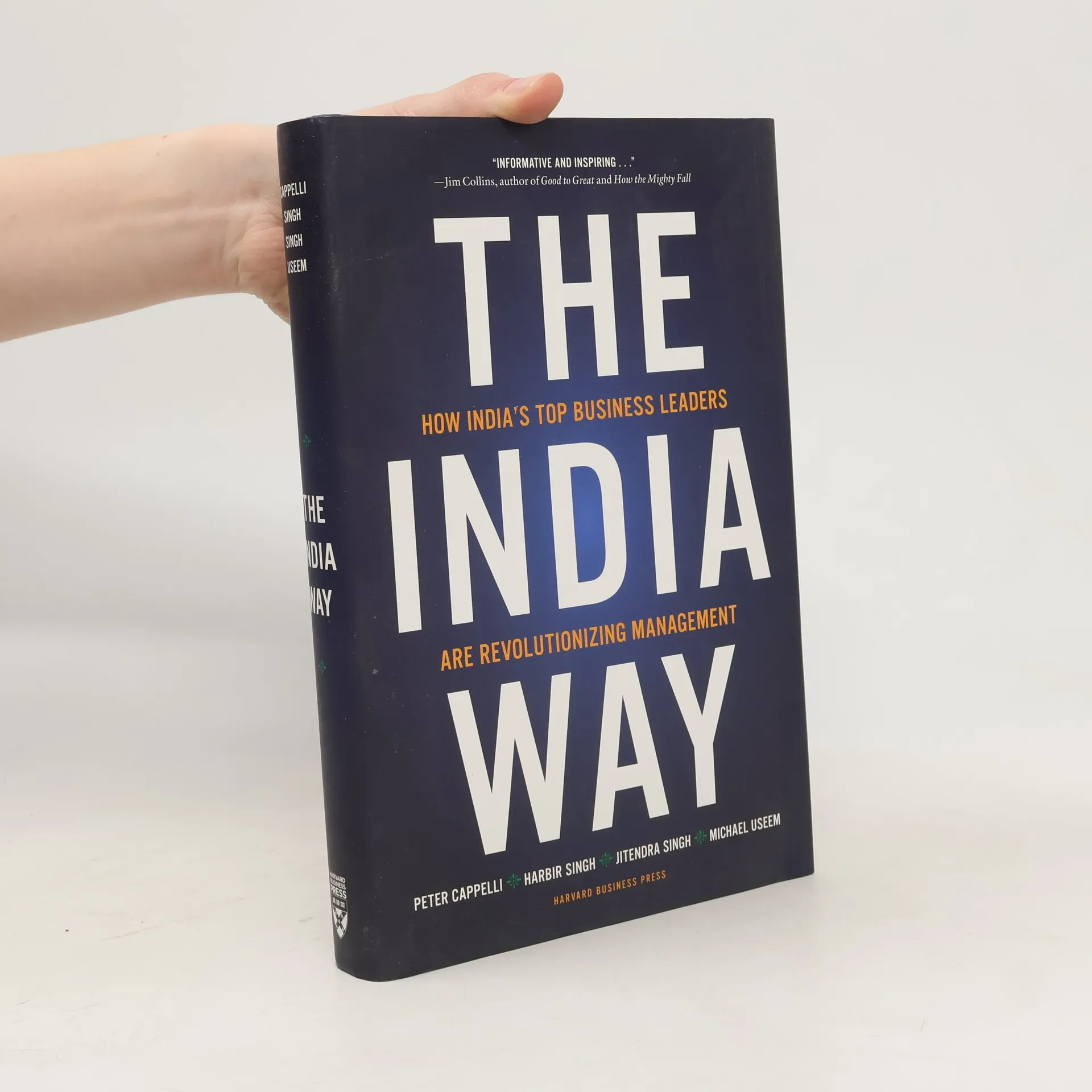
    • The India Way

      • 332 pages
      • 12 hours of reading
      3.4(73)Add rating

      Exploding growth. Soaring investment. Incoming talent waves. India's top companies are scoring remarkable successes on these fronts. This book unveils these companies secrets. It explains how these innovations work within Indian companies, identifying those likely to remain indigenous and those that can be adapted to the Western context.

      The India Way
    • Comparing Policy Networks

      Labor Politics in the U.S., Germany, and Japan

      • 308 pages
      • 11 hours of reading

      The book explores the contrasting relationships between government and economy in the United States, Germany, and Japan, focusing on their labor policies during the 1980s. Through collaborative research, it examines how each nation's social organization and policy-making processes shape their labor domains, highlighting the unique approaches taken by these powerful free market societies. The findings provide insights into the effectiveness and implications of different national strategies in managing labor relations.

      Comparing Policy Networks
    • Why have jobs gotten so much worse? In Our Least Important Asset, Peter Cappelli argues that as financial accounting has become the guide for determining the success of companies, its inability to assess the reality of employment creates distortions and a short-sighted approach to management. In the process, employers undercut decades of evidence about what works to improve the quality, productivity, and creativity of workers. Drawing on decades of experience and research, Cappelli provides a comprehensive and insightful critique of the modern workplace, where the gaps in financial accounting make things worse for everyone, from employees to investors.

      Our Least Important Asset
    • Explores how Victorian novelists used the science of feeling to understand reading as an embodied process that cultivates empathy.

      Reading Bodies in Victorian Fiction