Brimming over with the inspirational words and thoughts of some of our finest writers, Cries of the Spirit is a beautiful sourcebook of poetry and prose in praise of life and all that it entails. Here women's voices fill the age-old silence about matters central to their experience-from menstruation, sexual intimacy, and childbirth to caretaking, household rituals, and death. These writings represent a healing vision of the sacred that emerges from the particular consciousness of women-a vision that partakes of the world of earth and flesh.
Marge Piercy Books
March 31, 1936
Marge Piercy crafts compelling narratives that delve into the lives of women, exploring themes of feminism and social justice with unwavering commitment. Her extensive body of work spans novels and poetry, offering rich explorations of societal change and the human condition. Piercy artfully weaves historical elements, Jewish mysticism, and personal reflections into her stories, creating layered and thought-provoking prose. Her style, often characterized by personal free verse, reflects a deep dedication to the ideals of social progress and the mending of the world.




Vida
- 447 pages
- 16 hours of reading
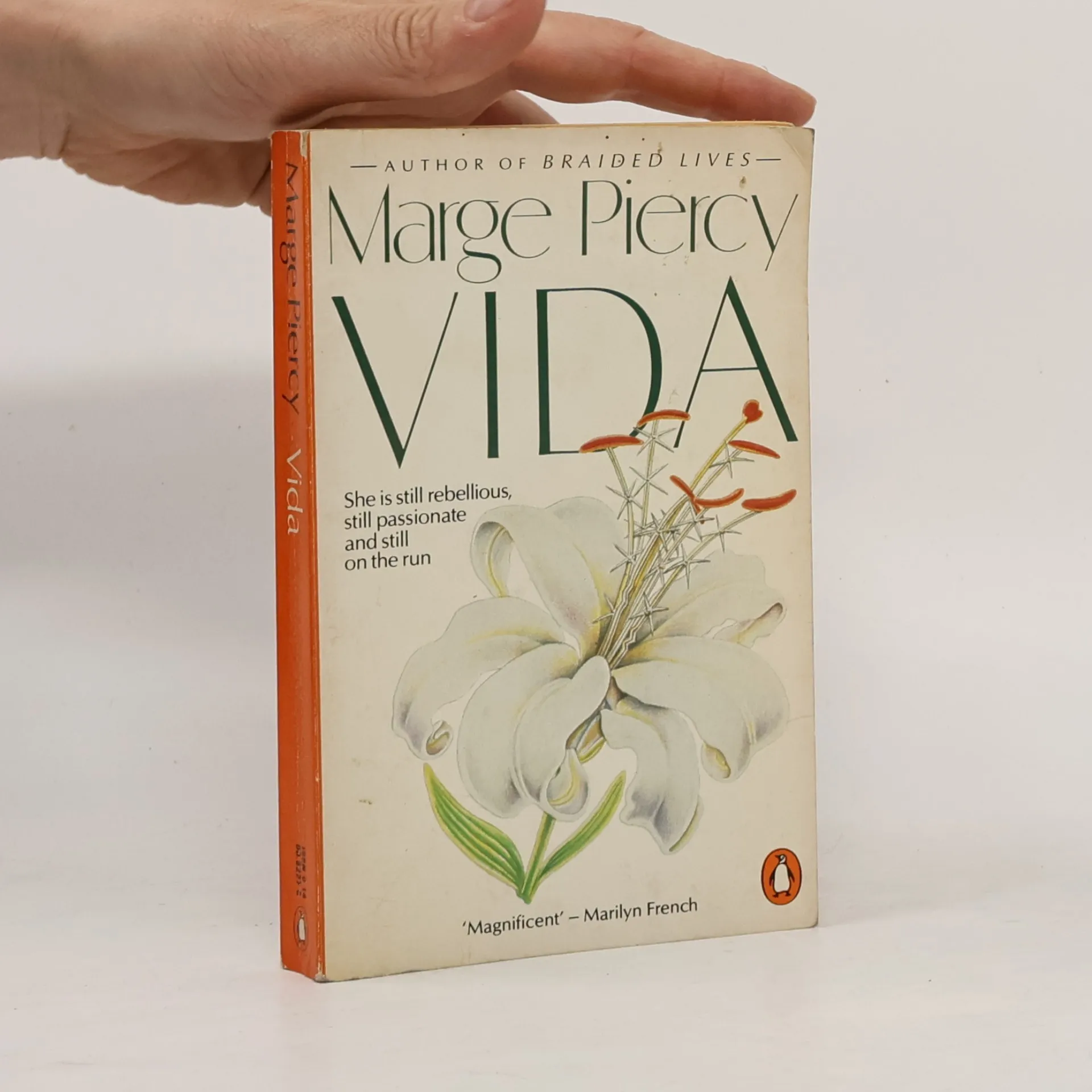
"This epic story is fueled with intense commitment and sensuousness." LOS ANGELES TIMES BOOK REVIEW Vida was their star--the beautiful, charismatic radical from the pages of LIFE magazine--the symbol of the passionate rebellion of the sixties. Now, ten years later, the shouting is over, but Vida is still on the run. Staying in Network hideouts, traveling disguised, fearing every glance, she finds her best protection is her distrust of everyone--a lesson learned from past treacheries. And now, knowing the dangers, she finds herself warming again toward a man, an outcast ten years younger than herself.
Gone to Soldiers
- 864 pages
- 31 hours of reading
In a stunning tour-de-force, Marge Piercy has woven a tapestry of World War II, of six women and four men, who fought and died, worked and worried, and moved through the dizzying days of the war. A compelling chronicle of humans in conflict with inhuman events, Gone to Soldiers is an unforgettable reading experience and a stirring tribute to the remarkable survival of the human spirit.
The Longings of Women
- 544 pages
- 20 hours of reading
Roman om tre meget forskellige kvinder: En akademiker, en kvinde, der er anklaget for at myrde sin mand, og en rengøringskone.
My Mother's Body, Marge Piercy's tenth poetry collection, derives its title from a poignant poem that culminates a sequence dedicated to her mother. This work delves into the complex and intimate dynamics of the mother/daughter relationship, offering both a harrowing and ecstatic exploration of continuity and identification. "The Chuppah" features poems from her wedding ceremony with Ira Wood, celebrating powerful female love. Throughout the collection, Piercy's Jewish identity and faith are prominently woven into her verses. Readers familiar with Piercy's earlier works will recognize her signature blend of the personal and political, alongside her affection for animals and the Cape landscape. The poems address a variety of themes, including housework, accidents, dreams, societal issues like nuclear fears, and the objectification of women. In "Does the light fail us, or do we fail the light?" she candidly reflects on relationships with the elderly and her father. Some of the most poignant pieces are domestic, particularly in the concluding sequence, "Six underrated pleasures," which reveals the joy and mystery found in everyday women's tasks, affirming self and maternal connections. Overall, this collection stands out as one of Piercy's most powerful and balanced works.
Her seventh and most wide ranging collection. In the 1st of 2 sections, the poems move from the amusingly elegiac to the erotic, the classical to the funny. The 2nd section is a series of 15 poems for a calendar based on lunar rather than solar divisions
The collection begins with poignant elegies dedicated to the poet's estranged half-brother, setting a deeply emotional tone. It features a blend of serious and humorous poems that explore themes of womanhood and the delicate relationship between humanity and nature. The work culminates in the uplifting piece "The Art of Blessing the Day," which celebrates life and gratitude. This diverse range of poems showcases the poet's ability to blend humor with profound reflections, making it a significant addition to contemporary poetry.
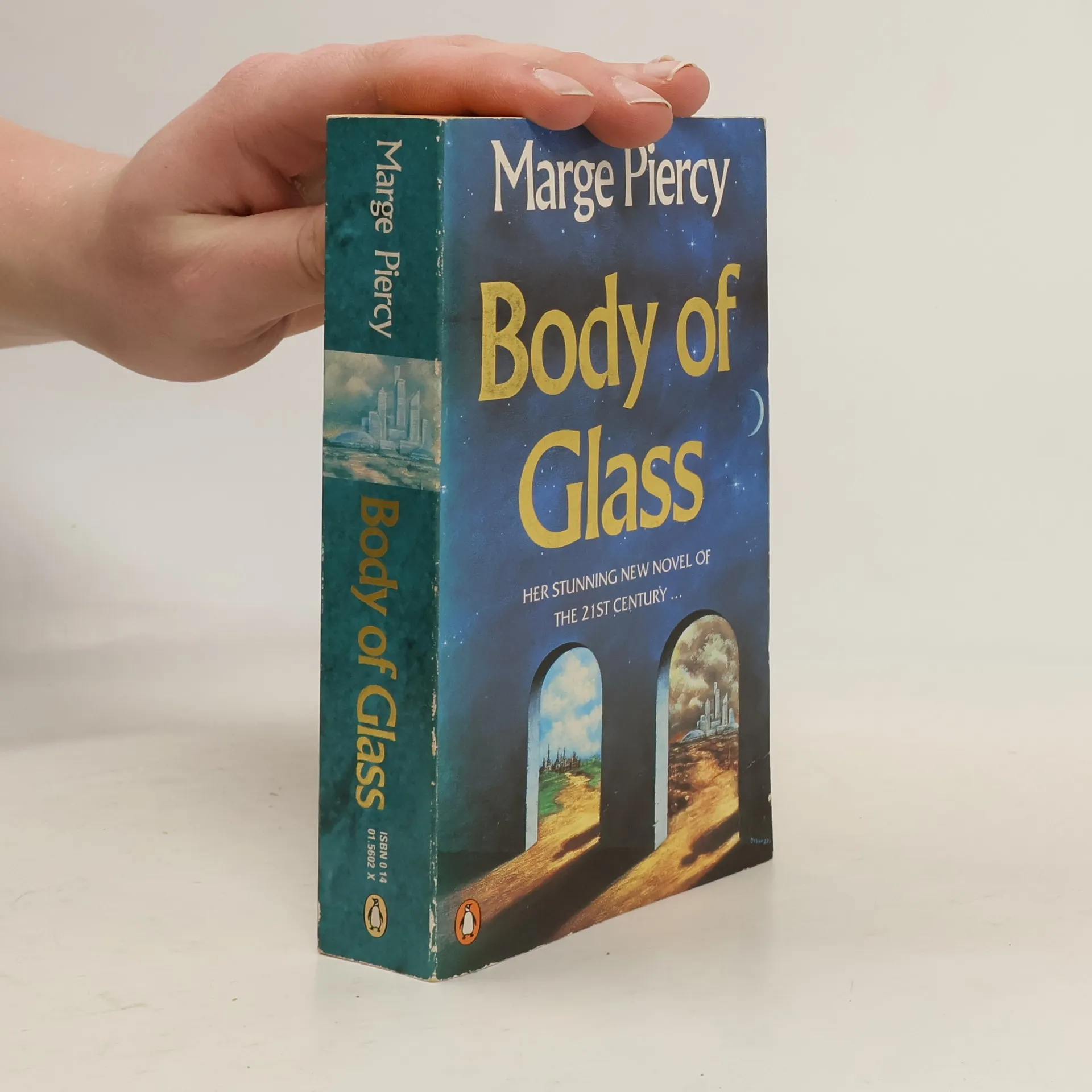
A strange mixture of past and future, woven around the Jewish community in Prague during the 16th-century holocaust, and the new world in the 21st century. The author also wrote "Braided Lives", "Gone to Soldiers", "Small Changes", "Summer People" and "Vida".
About women and rape.
Often compared to Margaret Atwood's The Handmaid's Tale and Naomi Alderman's The Power - Woman on the Edge of Time has been hailed as a classic of speculative science fiction. Disturbing and forward thinking, Marge Piercy's remarkable novel will speak to a new generation of readers.
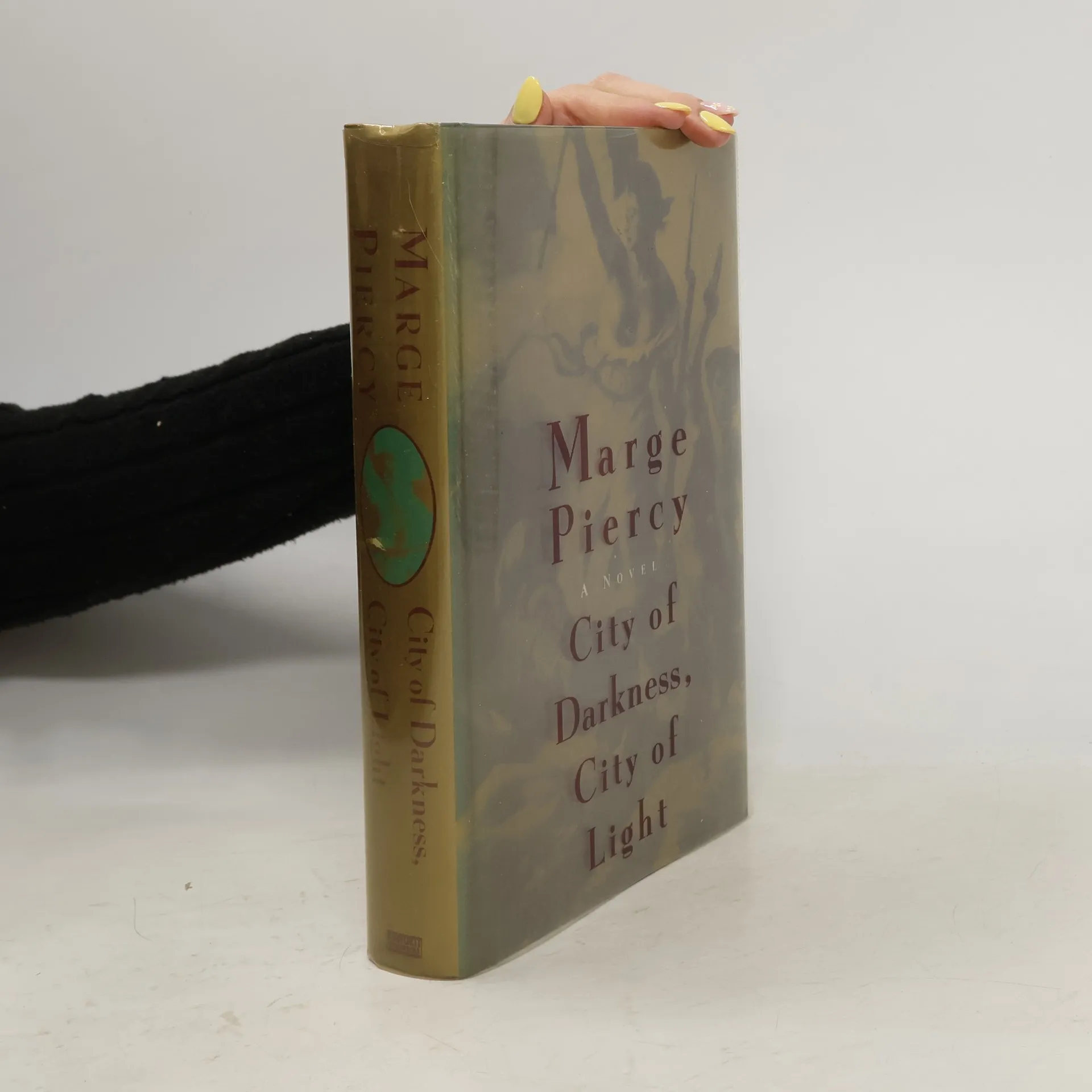
Robespierre and Danton are often remembered as the key figures of the French Revolution, but a vital narrative remains untold: the brave women who ignited the movement by taking to the streets. In this thought-provoking novel, Marge Piercy vividly brings to life three women who played significant roles during this tumultuous period. Claire Lacombe escapes poverty by joining a traveling theater troupe, becoming a symbol of defiance and testing the theory that women can effect change just as men do. Manon Philipon, a jewel's daughter, finds her political voice as the ghostwriter for her husband, Jean Roland, and the hostess of his salon, inspired by Rousseau’s ideals. Meanwhile, Pauline Léon, who owns a chocolate shop, witnesses the brutal realities of the Revolution and believes that women must apply pressure to prevent starvation. As the Revolutionary Republican Women emerge, the men engage in political infighting, with Robespierre, Danton, and Condorcet vying for power amidst the chaos. Piercy reveals their vulnerabilities and desires, intertwining their stories with the broader events of the Revolution, including the march on Versailles and the rise of the Terror. This novel captures the essence of the French Revolution while exploring the ideals and sacrifices of those who sought to change the world.
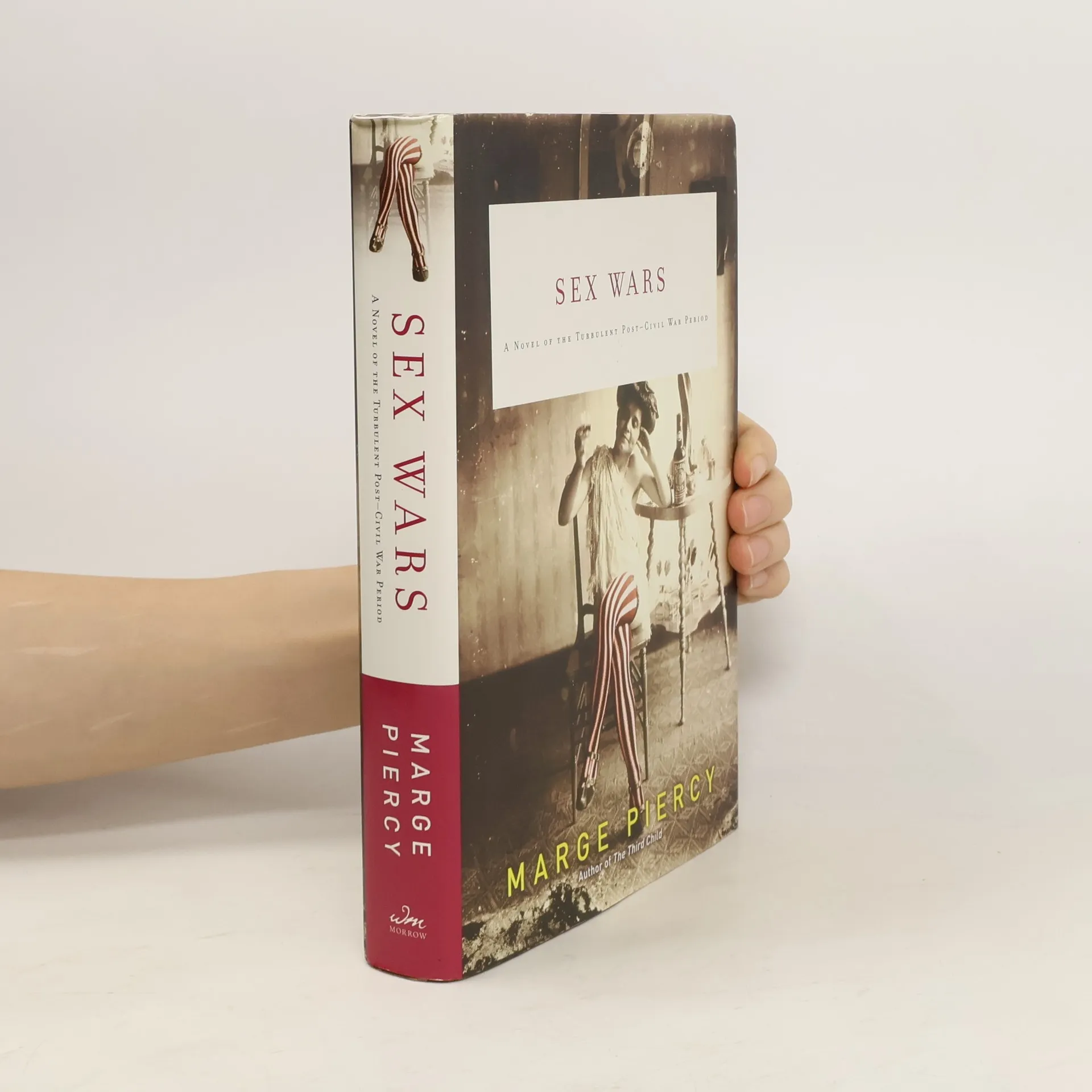
Post-Civil War New York City is the battleground of the American dream. In this era of free love, emerging rights of women, and brutal sexual repression, Freydeh, a spirited young Jewish immigrant, toils at different jobs to earn passage to America for her family. Learning that her younger sister is adrift somewhere in the city, she begins a determined search that carries her from tenement to brothel to prison—as her story interweaves with those of some of the epoch's most notorious figures: Elizabeth Cady Stanton; Susan B. Anthony; sexual freedom activist Victoria Woodhull, the first woman to run for president; and Anthony Comstock, founder of the Society for the Suppression of Vice, whose censorship laws are still on the books. In the tradition of her bestselling World War II epic Gone to Soldiers , Marge Piercy once again re-creates a turbulent period in American history and explores changing attitudes in a land of sacrifice, suffering, promise, and reward.
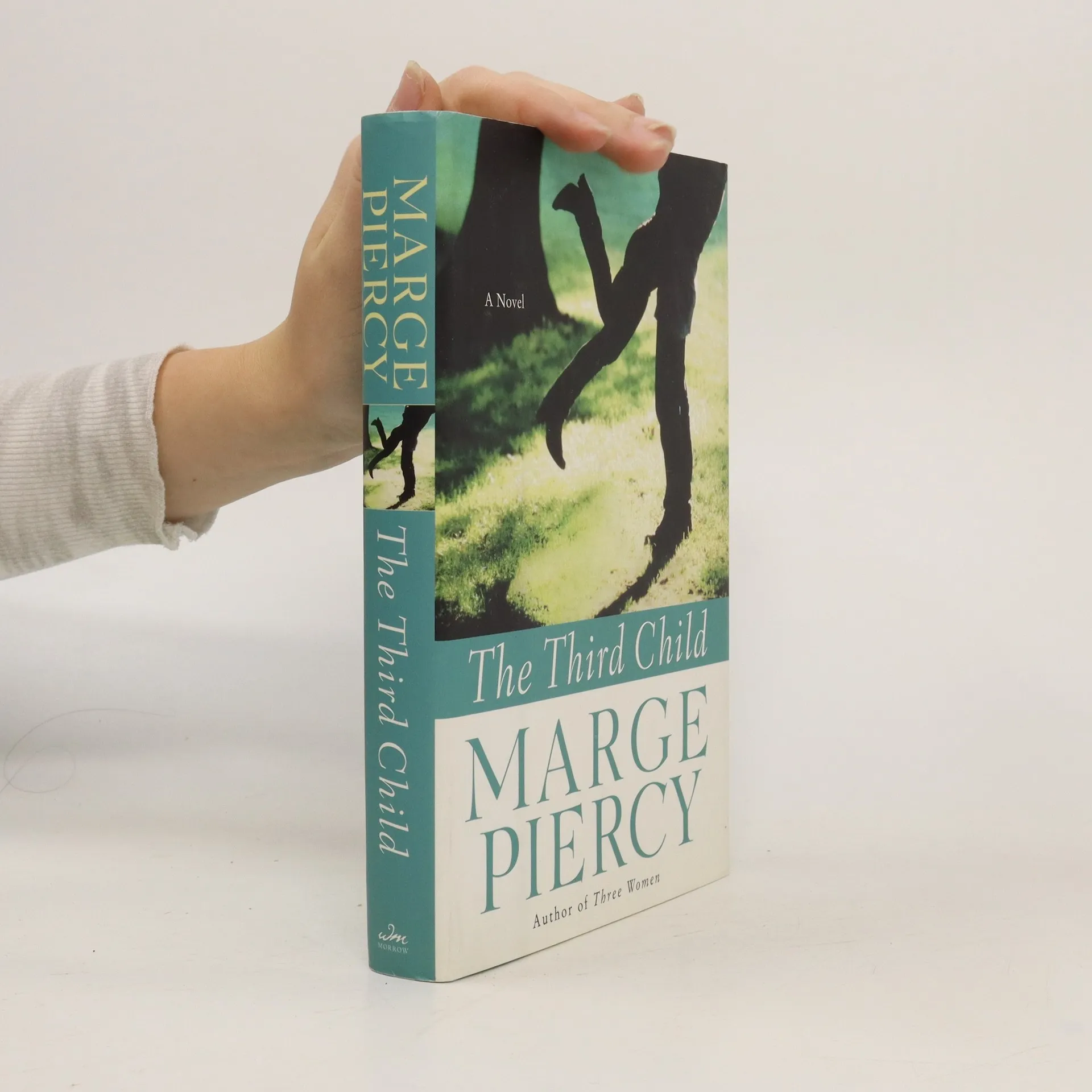
The renowned novelist and poet Marge Piercy tells a contemporary love story set in the twin realms of college and national politics In the politically prominent Dickinson family, ambition comes first, and Melissa, the third child, has always felt that she comes last. Going away to college offers her a chance at a life free from her brilliant mother's constant scrutiny and her famous father's lack of interest. There she meets Blake, a man of mixed race and apparently unknown parentage. His adoptive parents are lawyers whose defense of death- row cases has brought them head-to-head with Melissa's father, the former governor of Pennsylvania who is now a U.S. senator. Melissa and Blake's attraction is immediate; their affair, fiery. Yet Blake is keeping a dangerous secret from Melissa, one that could destroy them -- and their families. Dealing with themes of love, honesty, identity, and the consequences of ambition, this thoughtful, beautifully written story is a remarkable and provocative page-turner.
The writers in this anthology aim to offer honest and heartfelt perspectives on the strength and significance of mother-daughter ties. They explore the enormous diversities and depths that make up a daughter's relationship with her mother.
Braided Lives
- 444 pages
- 16 hours of reading
Jill and Donna are cousins and lifelong best friends but could not be more different. Despite their contrasting characters, fiercely independent, dark, street-smart Jill and pretty, blond, alluring Donna are very close, attending college together in Ann Arbor and then moving to New York City after graduation. Ultimately veering onto different life paths, they both experience love, betrayal, friendship, pain, independence, and fear. Though their fates differ as widely as their personalities, both reflect the danger that sex poses for women during a time in which abortions are illegal: an affair could destroy a woman's life, and a chance encounter or a night of love could be a matter of life and death. Spanning 20 years and teeming with vivid characters, this poignant novel tells the powerful, unsentimental story of two young women coming of age in a time of enormous social upheaval.
Alternative Economics, Alternative Societies
- 238 pages
- 9 hours of reading
Stufen aus Glas
- 495 pages
- 18 hours of reading
Stufen aus Glas - bk2011; Diana Verlag im Heyne Verlag; Marge Piercy; pocket_book; 2001
I giorni dell'odio
- 633 pages
- 23 hours of reading