

This author delves into subjects that have captivated them since childhood, bringing a wealth of experience from literary criticism and journalism to their work. Their writing showcases a profound understanding of artistic forms, spanning literature, film, and even opera libretti. Having published essays and reviews for two decades, they have honed a distinctive style and a sharp perspective on culture. Their body of work stands as a testament to a lifelong passion for language and the arts.
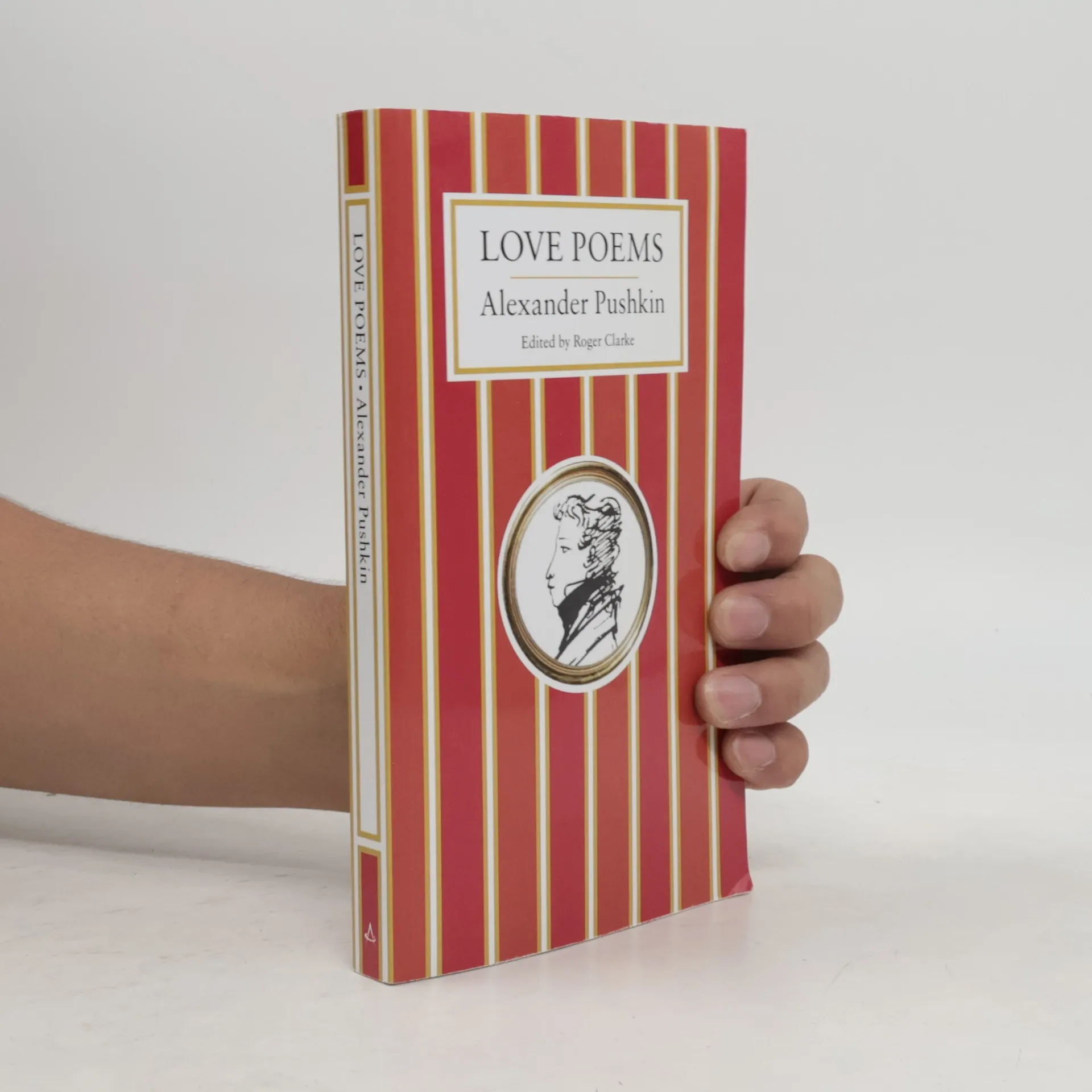
One of the many aspects of Alexander Pushkin's immense contribution to Russian language and literature, and perhaps the one he is most popular for, is his mastery of the love poem, a genre which he perfected like few others before or after him. This volume contains a selection of his most famous and enduring verse explorations of love, such as 'I Loved You', 'Night' and 'I Well Recall a Wondrous Meeting', pieces which are crowning achievements of the European canon and still have the same timeless emotional resonance today.
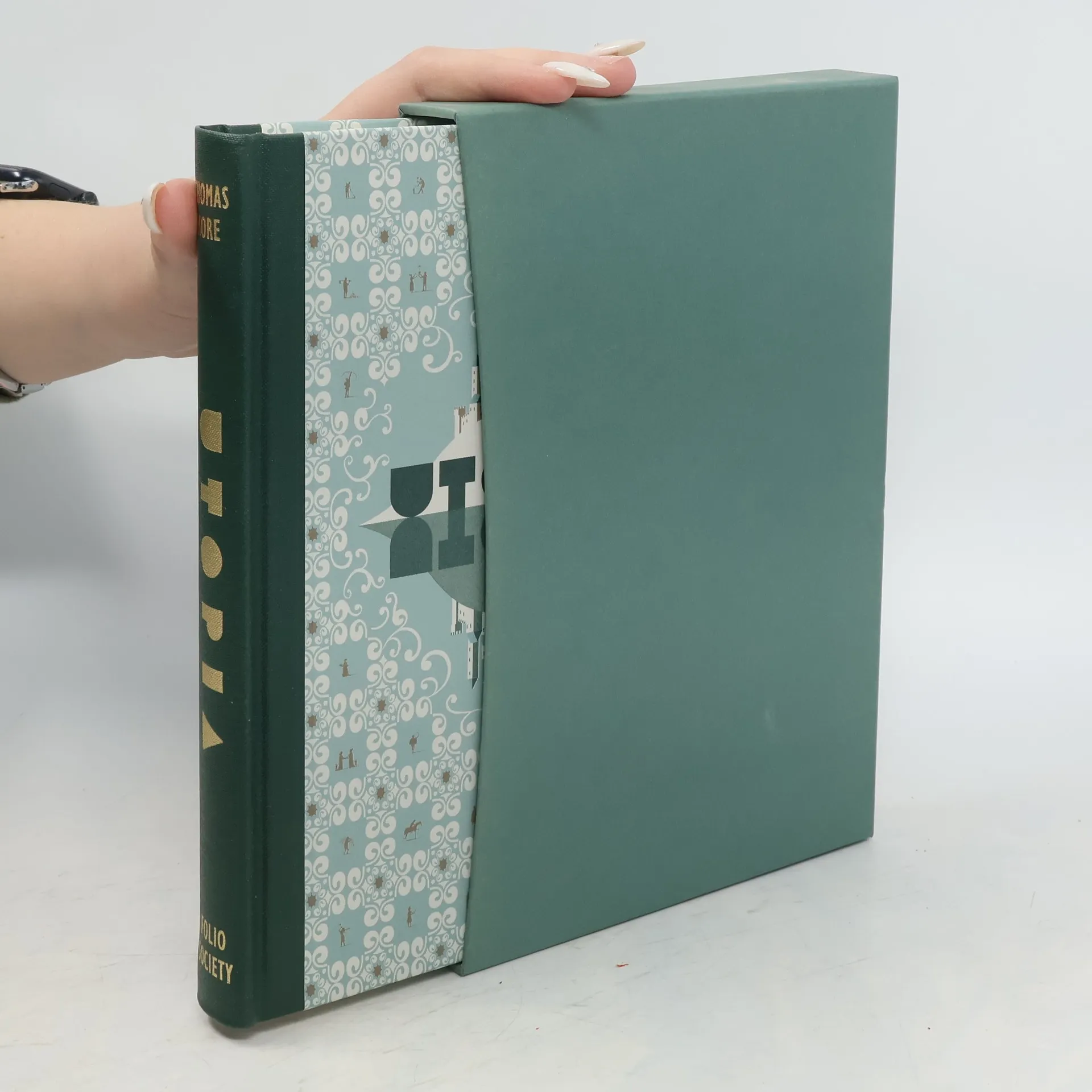
First published in Latin in 1516, Utopia was the work of Sir Thomas More (1477–1535), the brilliant humanist, scholar, and churchman executed by Henry VIII for his refusal to accept the king as the supreme head of the Church of England. In this work, which gave its name to the whole genre of books and movements hypothesizing an ideal society, More envisioned a patriarchal island kingdom that practiced religious tolerance, in which everybody worked, no one has more than his fellows, all goods were community-owned, and violence, bloodshed, and vice nonexistent. Based to some extent on the writings of Plato and other earlier authors, Utopia nevertheless contained much that was original with More. In the nearly 500 years since the book's publication, there have been many attempts at establishing "Utopias" both in theory and in practice. All of them, however, seem to embody ideas already present in More's classic treatise: optimistic faith in human nature, emphasis on the environment and proper education, nostalgia for a lost innocence, and other positive elements. In this new, inexpensive edition, readers can study for themselves the essentials of More's utopian vision and how, although the ideal society he envisioned is still unrealized, at least some of his proposals have come to pass in today's world.
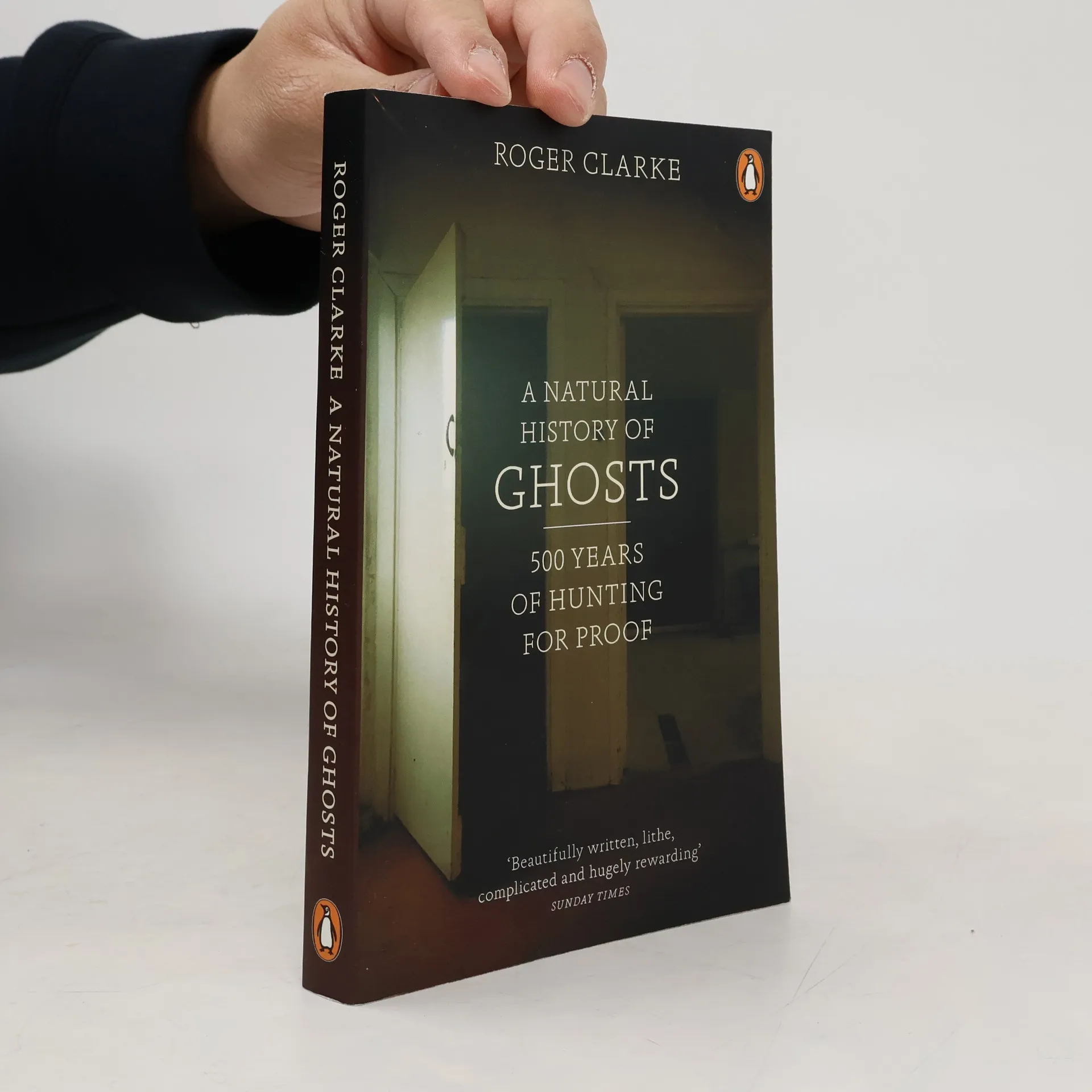
What explains sightings of ghosts? Why do they fascinate us? What exactly did the haunted see? What did they believe? And what proof is there? This title deals with these questions
The subject of whether ghosts exist has fascinated some of the finest minds in history and it remains a subject of overwhelming interest today. This comprehensive history of the evolution of the ghost in the West examines the subject in its preferred environment - through the stories we tell each other.
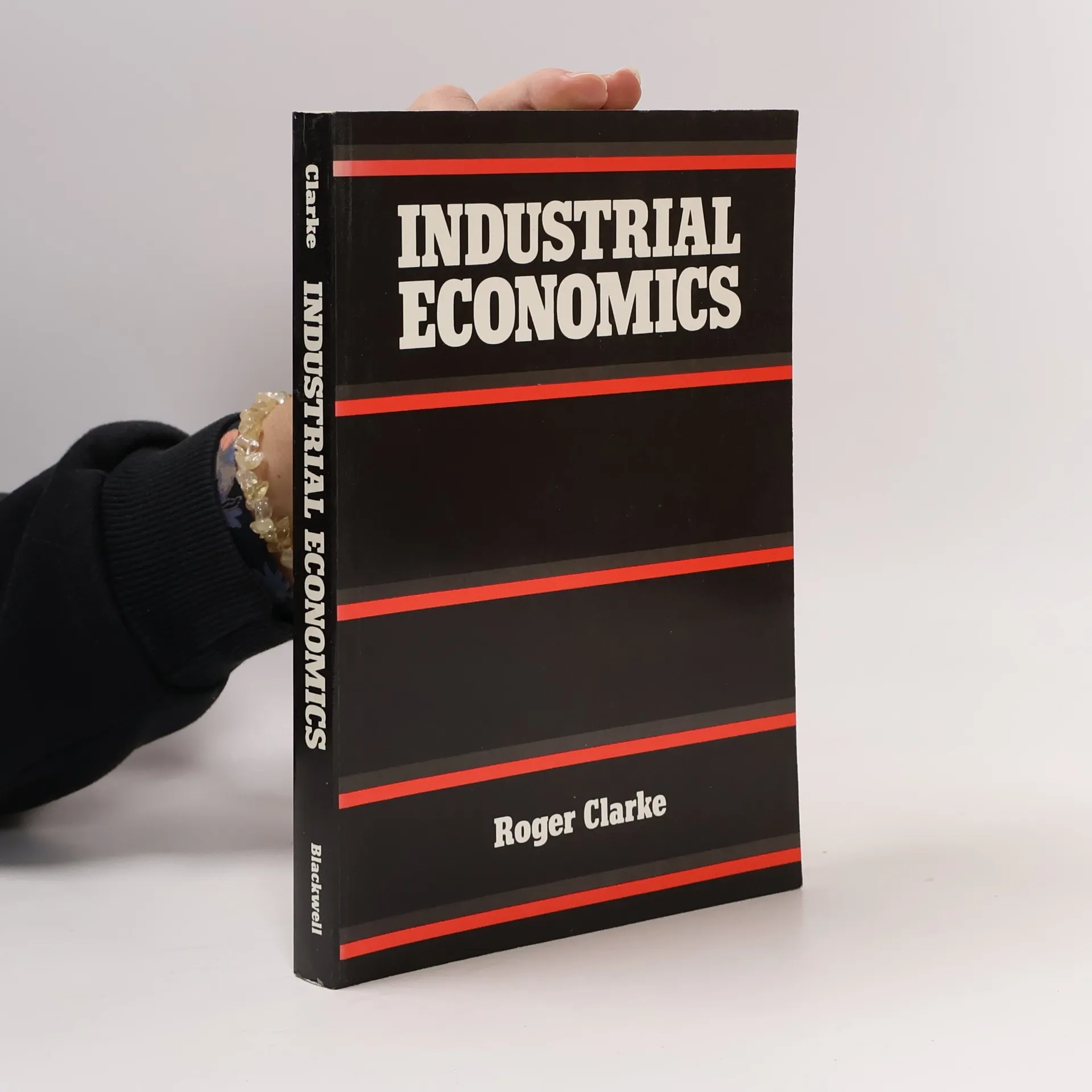
In this clear and concise text, Roger Clarke provides balanced and comprehensive coverage of the core topics in industrial economics. Industrial Economics concentrates on the development of analytic principles in the subject, considering available statistical and descriptive evidence as appropriate. The text uses a non-mathematical approach as far as possible.
Wer hatte im Dunkeln noch nie das Gefühl, verfolgt zu werden oder unerklärliche Geräusche zu hören? Egal wie aufgeklärt wir unser Leben gestalten, nur wenige von uns sind völlig immun gegen die Erfahrung des Unheimlichen, gegen wohligen Grusel und nächtliche Angst. Doch was steckt hinter dem, was wir »Spuk« nennen? Was meinen wir wirklich, wenn wir von »Gespenstern« sprechen? Diese Fragen treiben Roger Clarke seit frühester Jugend um. Er nimmt an Séancen teil und übernachtet in verhexten Häusern, erklärt okkulte Praktiken und übernatürliche Phänomene. Das Ergebnis seiner lebenslangen Recherche und Obsession ist dieses ungeheuer unterhaltsame Buch, präzise wie eine kriminalistische Beweisaufnahme und dabei nicht ohne ironische Distanz. Clarke erzählt hier die schaudererregendsten Geistergeschichten von der Antike bis in unsere Gegenwart. Er berichtet von Praktiken der Geisterbeschwörung und Kontaktaufnahmen mit dem Jenseits ebenso wie von den modernsten Techniken der Gespensterjäger. Dabei untersucht Clarke auch die physikalischen und sozialen Aspekte des Spuks, entwirft eine Taxonomie der Gespenster und klassifiziert Kreaturen von Wiedergängern und Poltergeistern bis hin zu Zeitreisephänomenen und beseelten Gegenständen.