Explore the latest books of this year!
Bookbot

Pankaj Mishra

    January 1, 1969

    Pankaj Mishra is a distinguished Indian essayist and novelist whose work delves into themes of social and cultural transformation, the longing for fulfillment, and the pursuit of modernity. His travelogues and essays often explore the intersection of tradition and globalization, while his novels wryly portray characters seeking meaning beyond their own cultural contexts. Mishra skillfully blends memoir, history, and philosophy to illuminate the relevance of ancient thought for contemporary times. His writing is marked by a keen insight into the human psyche and social dynamics across diverse landscapes.

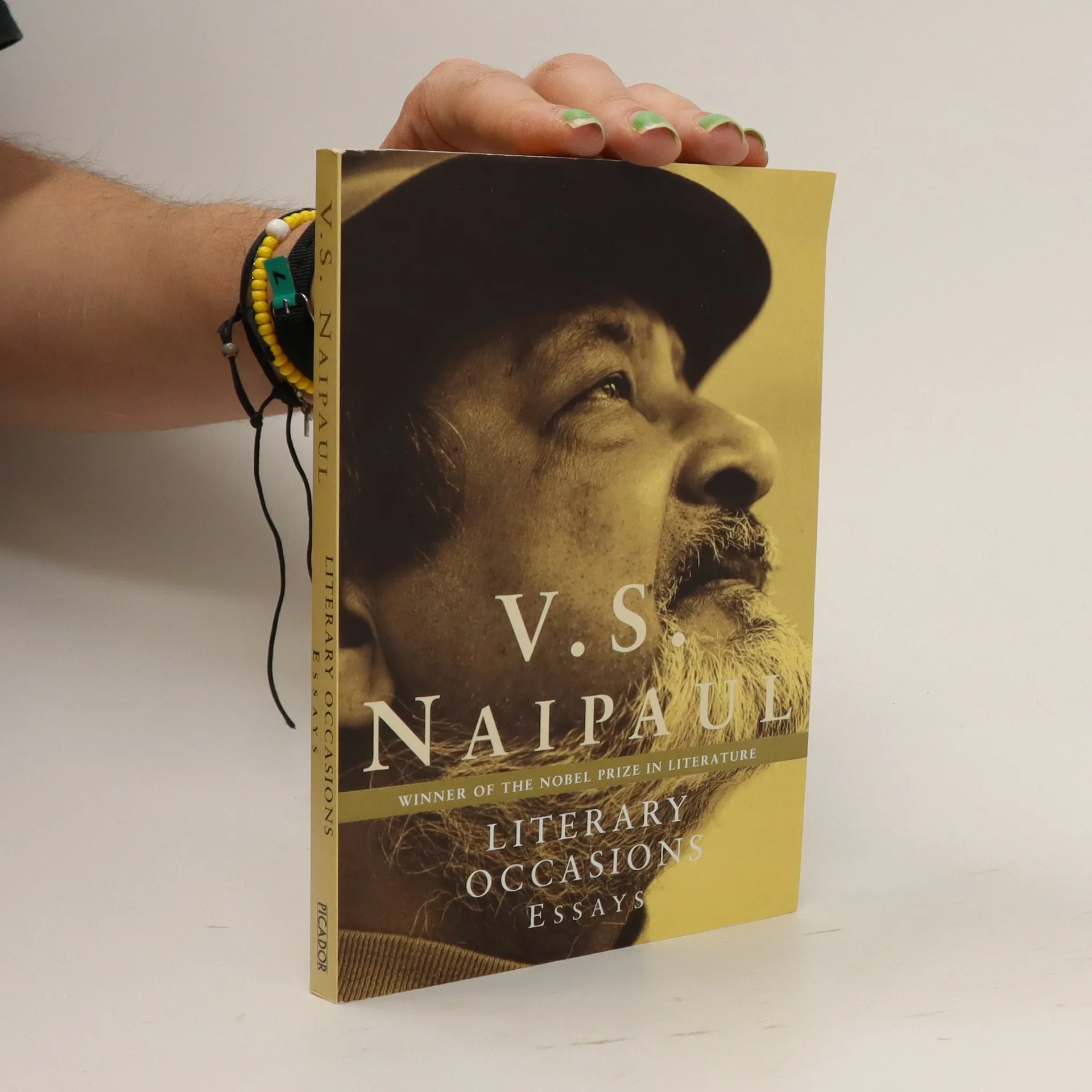
    Literary occasions : essays
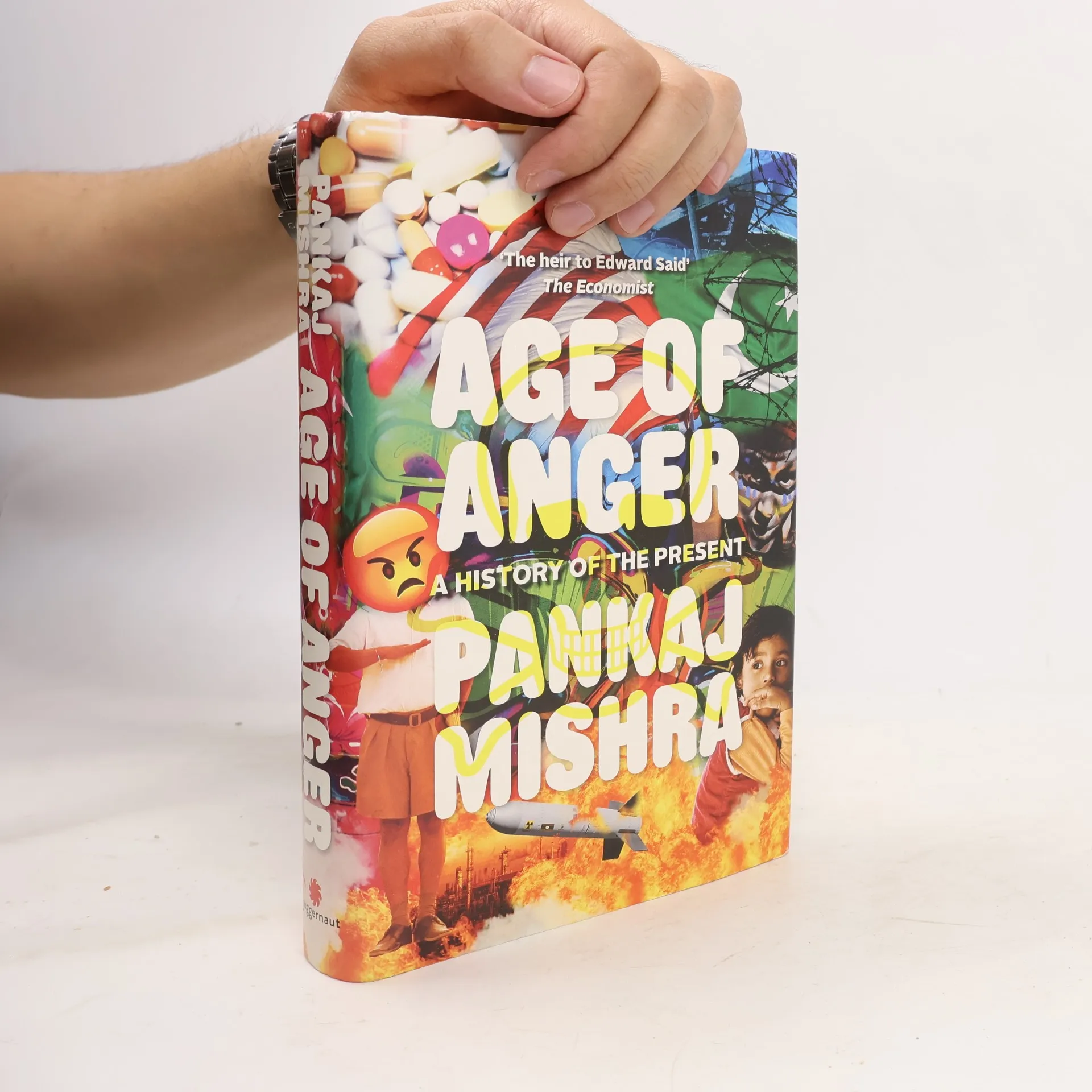
    Age of anger : a history of the present
    Bland Fanatics
    Siege of Krishnapur
    From the Ruins of Empire
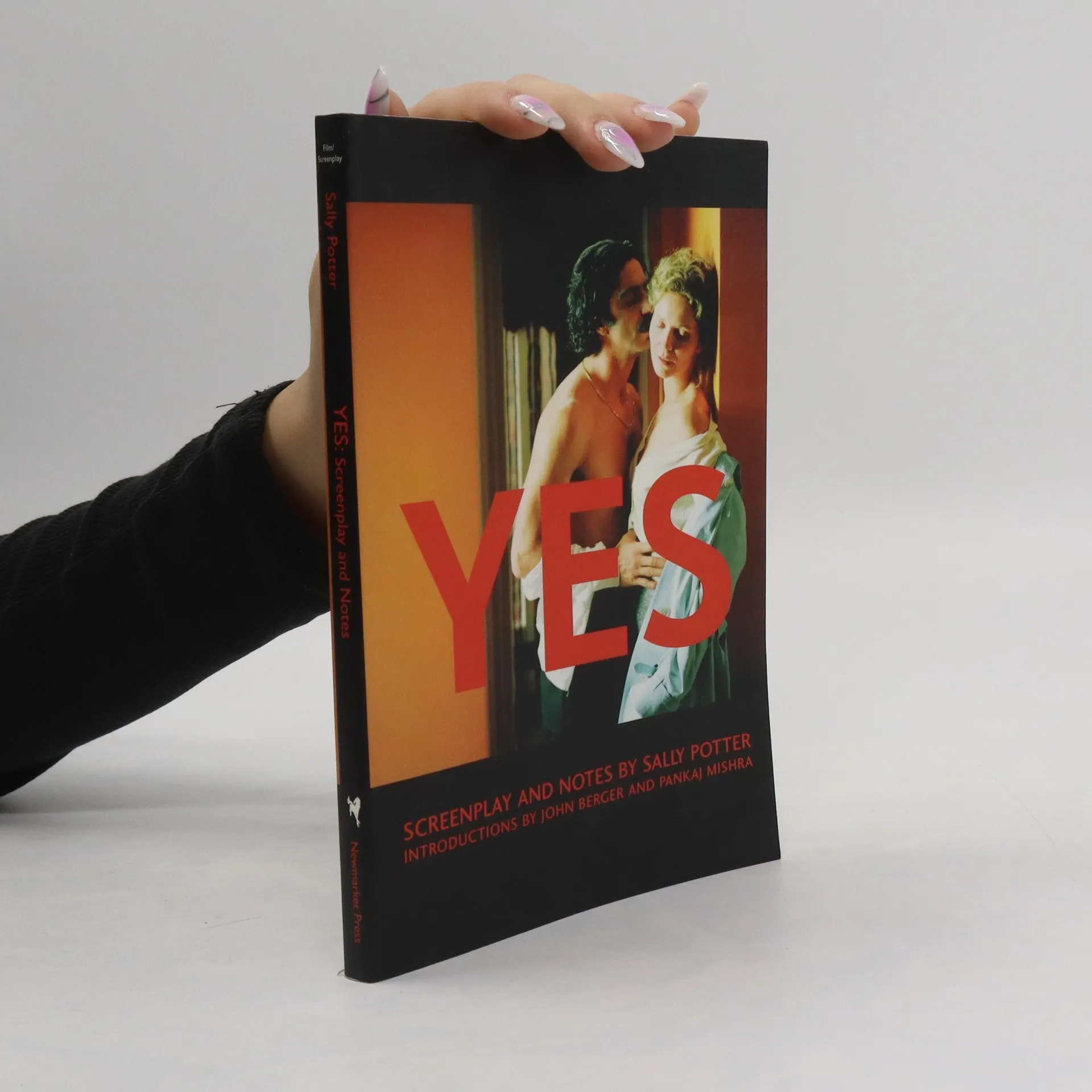
    Yes
    • Yes

      • 105 pages
      • 4 hours of reading
      4.1(28)Add rating

      "Since 'Thriller' and the widely acclaimed 'Orlando', writer-director Sally Potter has been known as a pioneer filmmaker. [... YES is] easily her masterpiece to date. The central action, set in contemporary London, involves a successful scientist locked in a passionless marriage and conducting an intensely sexual affair with a Lebanese immigrant worker. But this sturdy dramatic situation is only the beginning."--Publisher's description. Includes both the finished screenplay and the original short film script it was based on, as well as photos, credits, and a question-and-answer session with Sally Potter and actress Joan Allen

      Yes
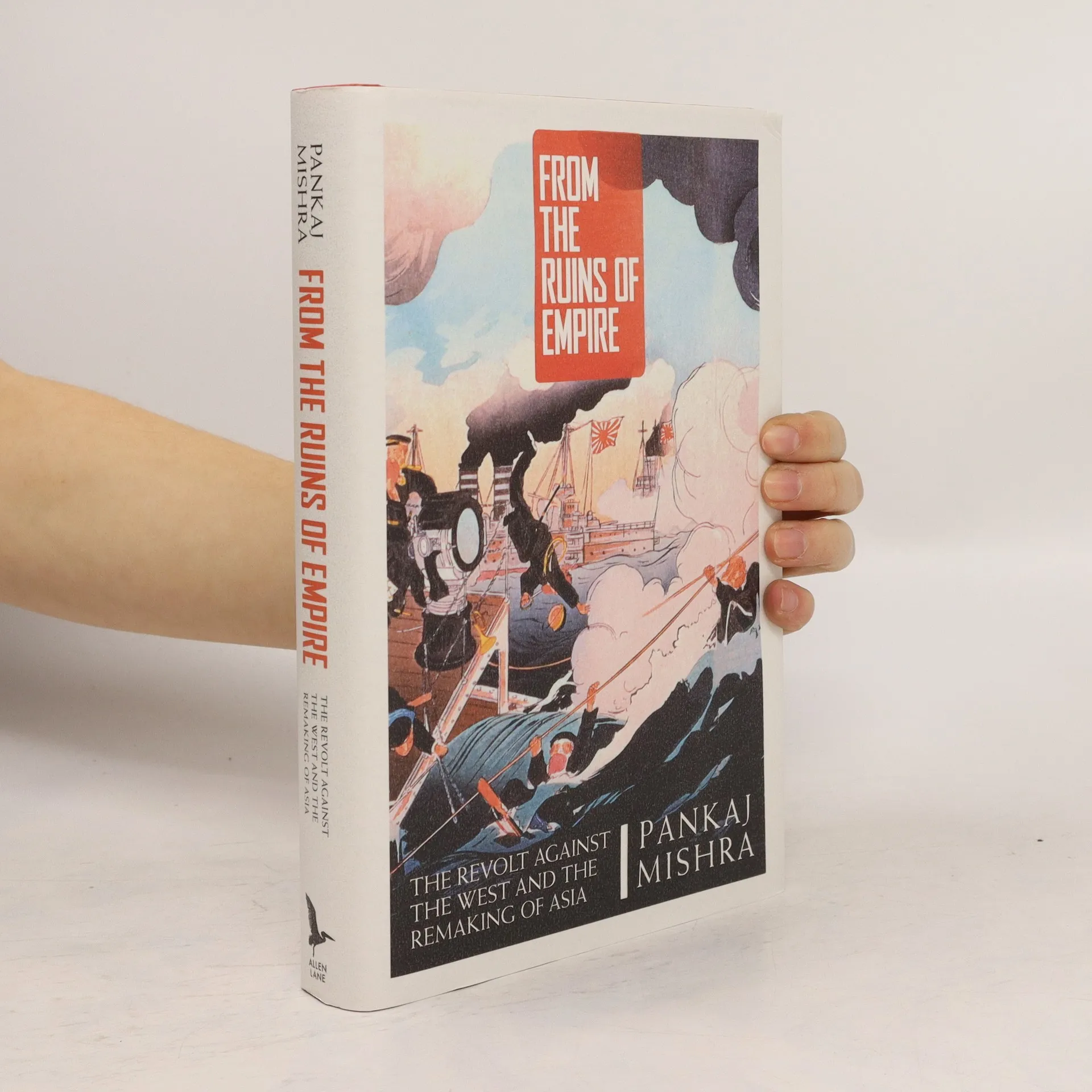
    • A surprising, gripping narrative depicting the thinkers whose ideas shaped contemporary China, India, and the Muslim world.

      From the Ruins of Empire
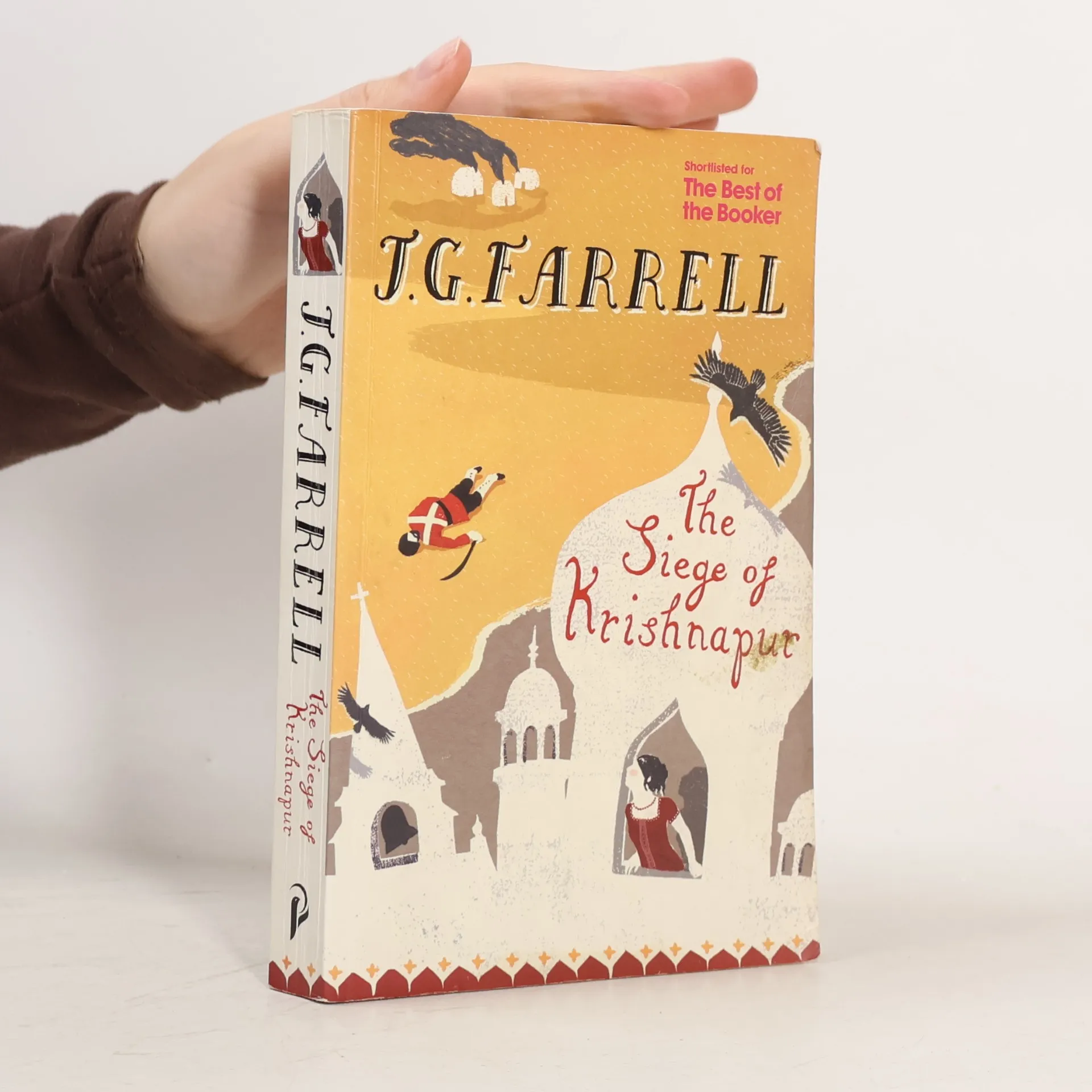
    • Farrell introduces us gradually to a large cast of characters as he paints a vivid portrait of the Victorians' daily routines that are accompanied by heat, boredom, class-consciousness and the pursuit of genteel pastimes intended for cooler climates. Even the siege begins slowly, with disquieting news of massacres in cities far away. When Krishnapur itself is finally attacked, the Europeans withdraw inside the grounds of the Residency where very soon conditions begin to deteriorate: food and water run out, disease is rampant, people begin to go a little mad. Soon the very proper British are reduced to eating insects and consorting across class lines. Farrell's descriptions of life inside the Residency are simultaneously horrifying and blackly humorous.

      Siege of Krishnapur
    • Bland Fanatics

      • 224 pages
      • 8 hours of reading
      3.9(362)Add rating

      One of the most acclaimed essayists writing today on the political hysteria plaguing the West

      Bland Fanatics
    • Age of anger : a history of the present

      • 416 pages
      • 15 hours of reading
      3.8(64)Add rating

      "How can we explain the origins of the great wave of paranoid hatreds that seem inescapable in our close-knit world - from American 'shooters' and ISIS to Trump, from a rise in vengeful nationalism across the world to racism and misogyny on social media? In Age of Anger, Pankaj Mishra answers our bewilderment by casting his gaze back to the eighteenth century, before leading us to the present. He shows that as the world became modern those who were unable to fulfil its promises - freedom, stability and prosperity - reacted in horrifyingly similar ways- intense hatred of invented enemies, attempts to re-create an imaginary golden age, and self-empowerment through spectacular violence. Today, just as then, the wider embrace of mass politics, technology, and the pursuit of wealth and individualism has cast many more billions adrift in a literally demoralized world, uprooted from tradition but still far from modernity - with the same terrible results. Making startling connections and comparisons, Age of Angeris a history of our present predicament unlike any other."

      Age of anger : a history of the present
    • Literary occasions : essays

      • 224 pages
      • 8 hours of reading
      3.7(166)Add rating

      Charting half a lifetime spent exploring the written word, these eleven articles include Naipaul’s boyhood experiences of reading books and his first youthful efforts at writing them; the evolution of his ideas about the extent to which individual cultures shape identities and influence literary forms; Naipaul’s observations on Conrad, his literary forebear; the moving preface he wrote to the only book his father ever published; and his reflections on his career, ending with his celebrated Nobel lecture ‘Two Worlds’. A remarkable companion piece to The Writer and the World, Naipaul’s previous volume of highly-acclaimed essays, Literary Occasions is a stirring contribution to the fading art of the critic, and a revelation of a life in letters.

      Literary occasions : essays
    • Age of Anger

      • 416 pages
      • 15 hours of reading
      3.6(150)Add rating

      Urgent, profound and extraordinarily timely John Banville

      Age of Anger
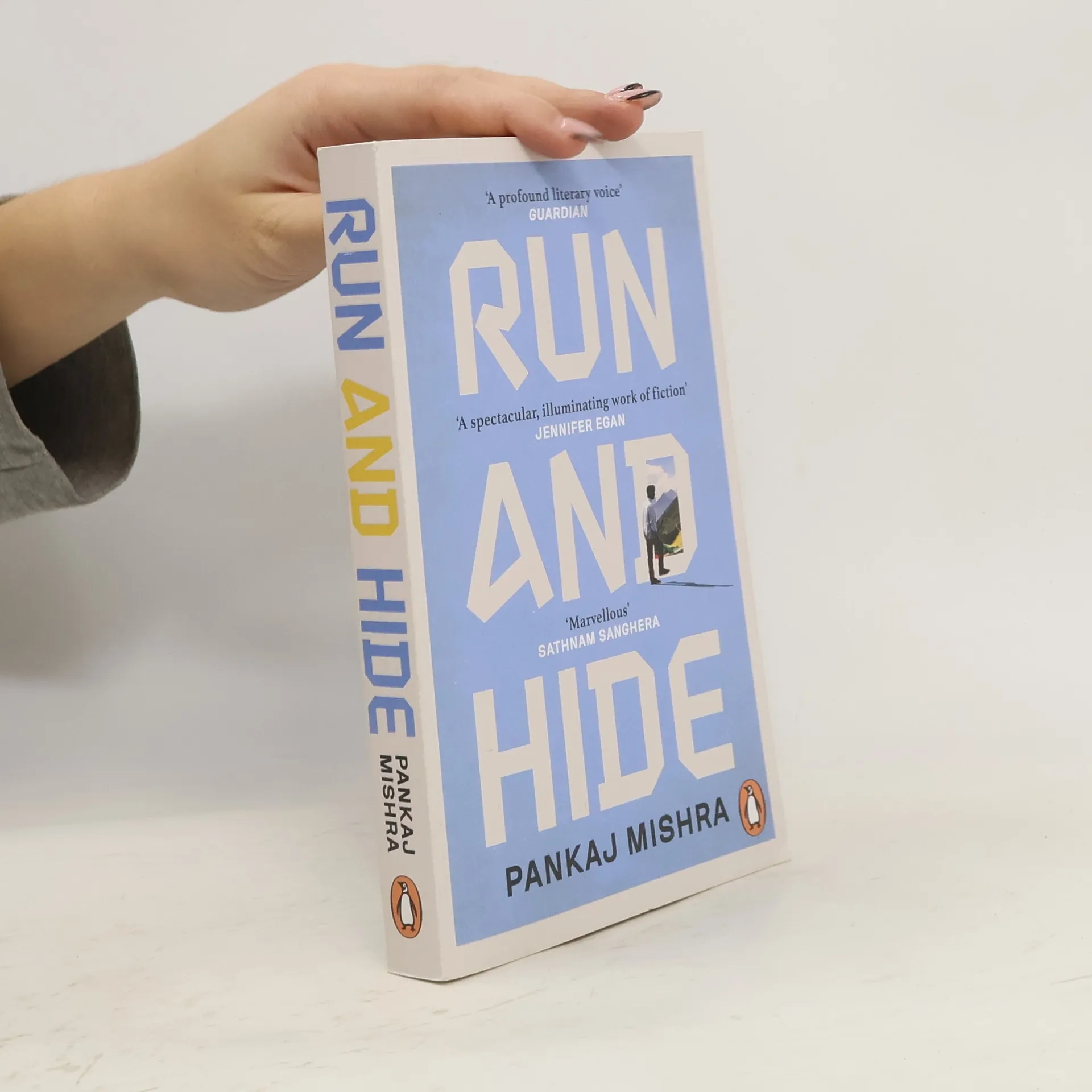
    • Run And Hide

      • 336 pages
      • 12 hours of reading
      3.1(15)Add rating

      FROM THE AWARD WINNING AUTHOR OF AGE OF ANGER COMES A GATSBY-ESQUE TALE OF WEALTH AND AMBITION 'A book that demands to be read' MOHSIN HAMID 'Terrific . . . deeply satisfying to read' KAMILA SHAMSIE Arun and his two classmates, Aseem and Virendra, are the success stories of their generation. As graduates of the prestigious Indian Institute of Technology, they have smashed social barriers and played-out Gatsby-style fantasies across the globe. Run and Hide is a lyrical and piercing story of morality, materialism and upheaval in an every-changing world. 'Sharp, provocative and engaging . . . Run and Hide might be the most zeitgeisty novel you could read' SPECTATOR 'One of the finest, bravest writers we have' JUNOT DIAZ 'It'll entertain the hell out of you' MOHAMMED HANIF 'A novel of loss and moral collapse worthy of Henry James' JOSHUA FERRIS

      Run And Hide
    • Samar, a young man of limited means, moves to Benares, the ancient city of learning, to lose himself in the world of books. There he meets Rajesh, a poor student, and Catherine, a young French woman, who shows him a very different side of his own country--and self. A resonant and ambitious novel, The Romantics is both the story of a sentimental education and of the widening fault lines within contemporary India.

      The Romantics
    • Literature at the End of History

      Returning Politics to Culture

      • 272 pages
      • 10 hours of reading

      The book critiques the perceived cultural stagnation and moral decline in Western societies, exploring the implications of this backwardness on contemporary life. It delves into historical and philosophical contexts, examining how cultural values have shifted over time. The author presents a thought-provoking analysis of societal norms, questioning the impact of modernity on traditional values and suggesting pathways for cultural rejuvenation. Through various examples, the narrative challenges readers to reflect on the future of Western civilization.

      Literature at the End of History