Jim Hodges
- 160 pages
- 6 hours of reading
The first in-depth survey of the life and work of one of America's most celebrated contemporary artists



The first in-depth survey of the life and work of one of America's most celebrated contemporary artists
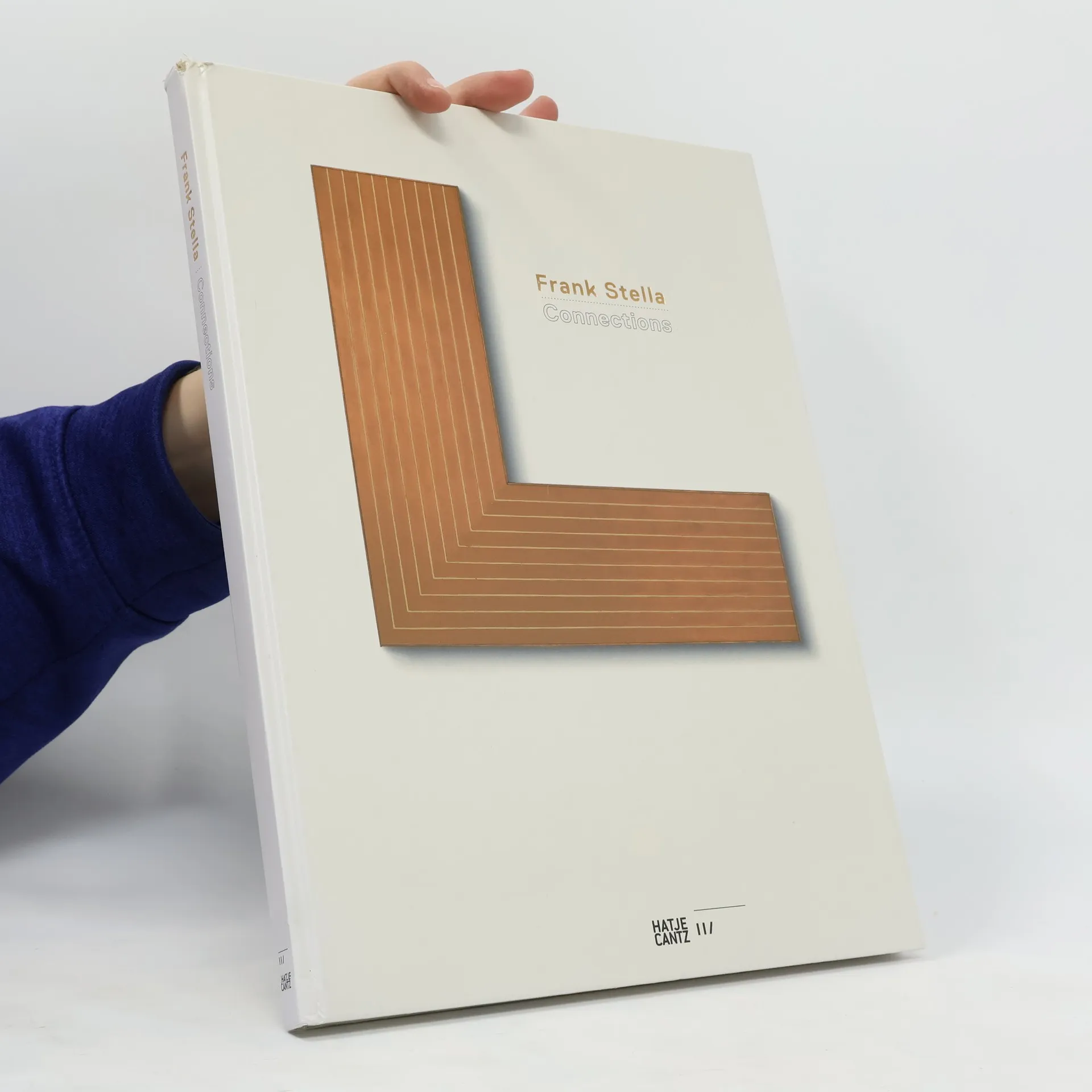
Frank Stella (*1936 in Malden, Massachusetts) verwischt in seinem Werk die Grenzen zwischen Malerei, Skulptur und Architektur. Über fünfzig Jahre hinweg hat der Künstler sich stets neu erfunden und nach neuen Herausforderungen gesucht. Frank Stella: Connections stellt eine sorgfältige Auswahl seiner Gemälde und Skulpturen in umfassenden Themengruppen einander gegenüber. Im Rahmen einer nur grob vorgegebenen Chronologie ermöglichen Zeitsprünge Begegnungen, Gegenüberstellungen und Dialoge zwischen Arbeiten aus unterschiedlichen Serien, und ermöglichen so die Untersuchung der grundlegenden Motive und ungewöhnlichen Stringenz von Stellas künstlerischem Werk. Die Publikation umfasst frühe minimalistische Arbeiten, Beispiele aus bedeutenden Serien wie den Irregular Polygons oder den Protractor-Gemälden der 1960er-, Polish Village, Circuits und Cone and Pillar aus den 1970er- und 1980er Jahren, sowie Metallreliefs und monumentale freistehende Skulpturen, die in den letzten beiden Jahrzehnten entstanden. Ausstellung: Haunch of Venison, London 30.9.–19.11.2011
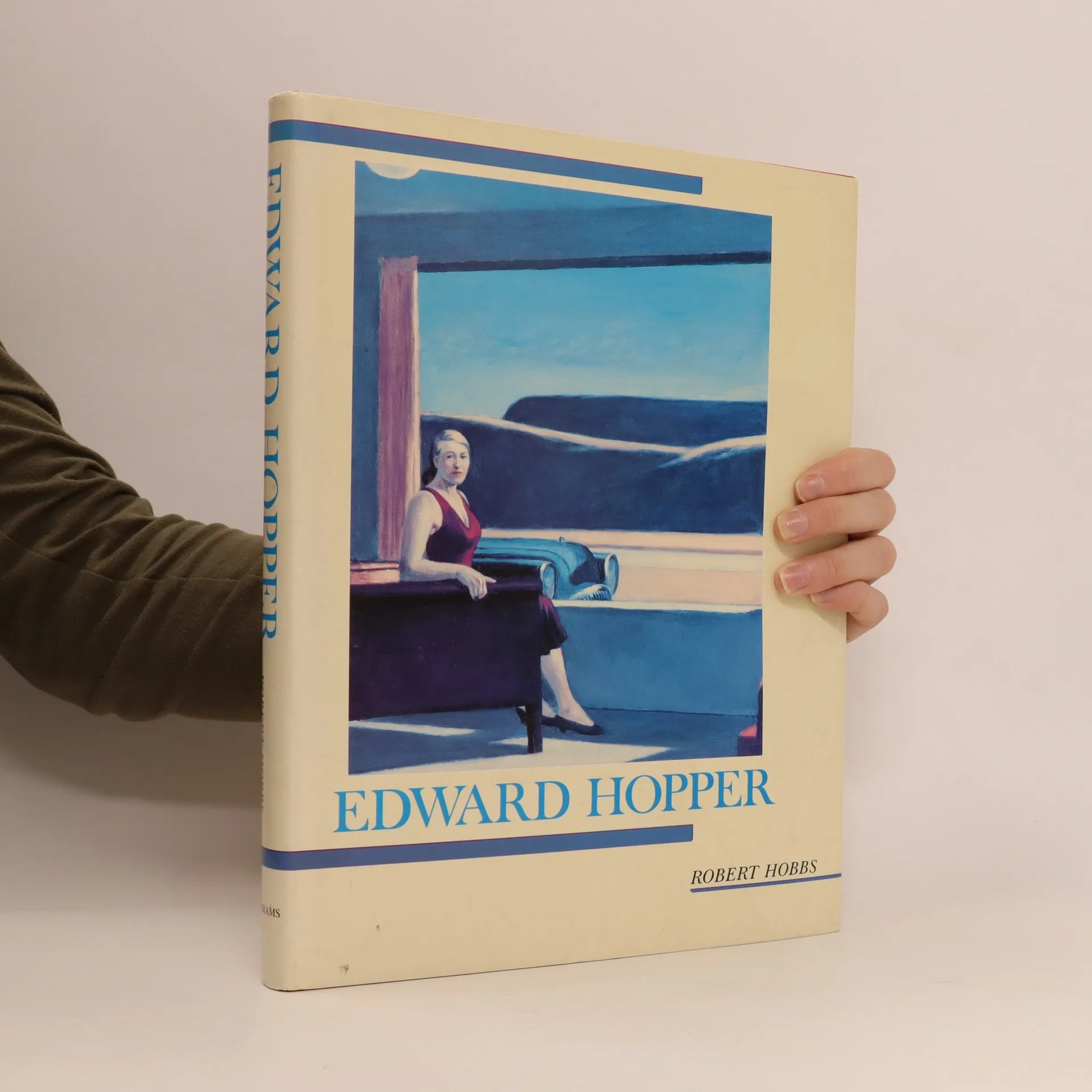
by Robert Hobbs,Abrams,1987, 4to New ins in Nr New DJ
By exploring the connection between Robert Motherwell's abstract expressionism and Alfred North Whitehead's process metaphysics, this book offers a fresh perspective on the influences shaping Motherwell's art. It delves into the interplay between philosophy and visual art, highlighting how metaphysical concepts inform artistic expression and creativity. Through an interdisciplinary lens, the work uncovers the deeper intellectual currents that inform Motherwell's artistic vision.
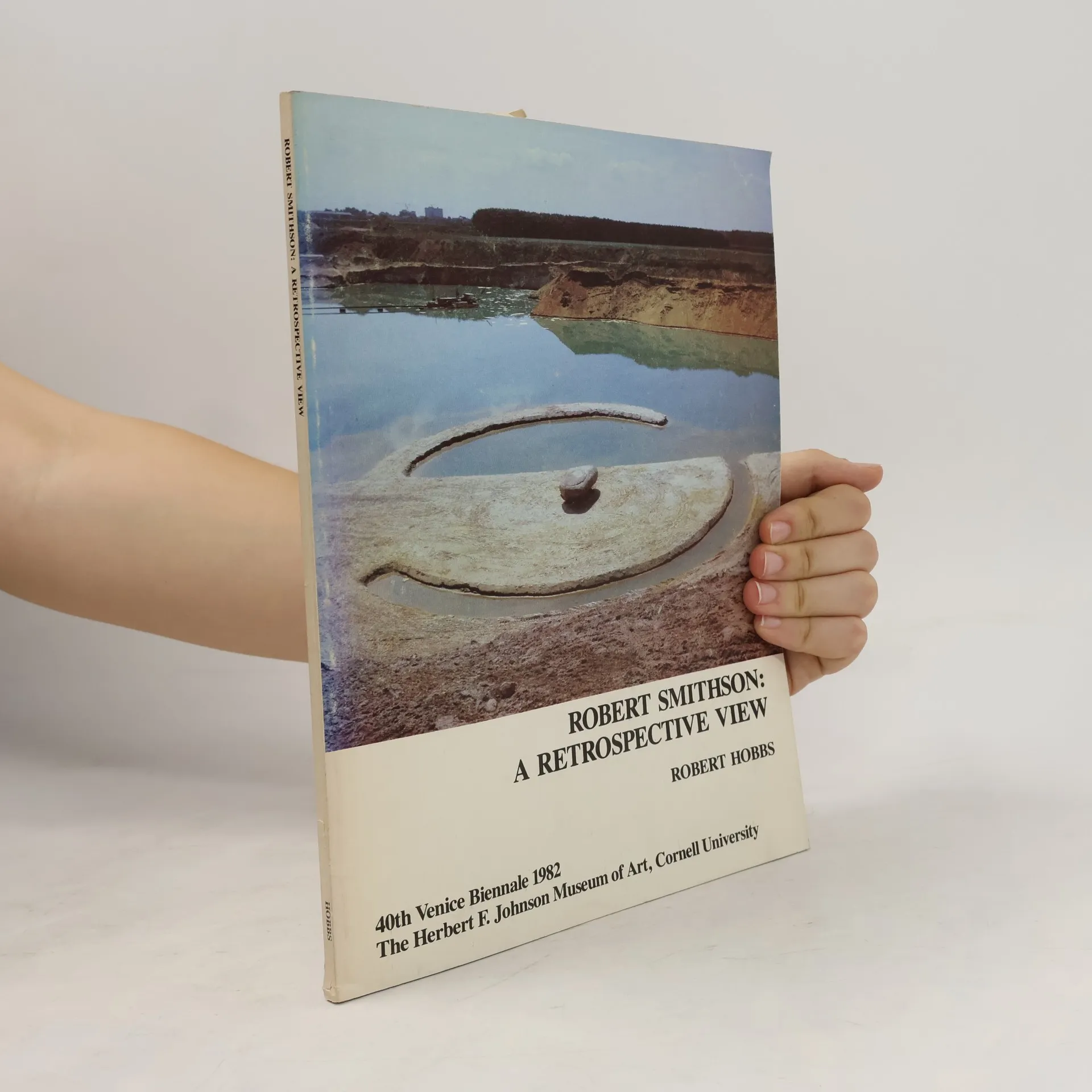
A Retrospective View