His Holiness the Dalai LamaBook order (chronological)
Tenzin Gyatso, an influential Nobel Peace Prize laureate and the world's most recognized Buddhist monk, serves as a spiritual leader in Tibetan Buddhism. His teachings focus on compassion, secular ethics, and human connection, resonating with readers globally. Through his writings and public discourse, he disseminates messages of universal responsibility and interfaith harmony. His distinctive approach and profound insights into human spirituality make him a memorable author.
An Annotated Commentary on the Fifth Dalai Lama's Oral Transmission of Ma?jusri
780 pages
28 hours of reading
Understanding one's own mind is crucial in Buddhism, as it helps individuals recognize and overcome unconscious desires and aversions that can lead to suffering. The book explores the importance of self-awareness and mindfulness in achieving inner peace and clarity. By delving into these concepts, readers are guided on a path to enlightenment and personal transformation.
His Holiness the 14th Dalai Lama tells the story of his life with stunning illustrations by world-renowned artist Rima Fujita.One of the most revered spiritual figures of our time—His Holiness the Fourteenth Dalai Lama—tells the story of his life in this intimate, timeless, and approachable book. Featuring luminous illustrations from world-renowned artist Rima Fujita and some never-before-shared details, it’s the perfect way to explore the life of the Dalai Lama. This simple yet powerful text combined with stunning artwork will captivate readers of all ages—and will take you on a mystical journey you won’t soon forget.
Lessons from the Life and Teachings of His Holiness the Dalai Lama
Nobel Peace Prize Laureate His Holiness the Dalai Lama shares valuable lessons of peace and compassion specifically for children, drawing from his own childhood experiences. Through engaging stories, he imparts wisdom that encourages young readers to embrace kindness and understanding, fostering a sense of empathy and connection.
Volume 5 of the Library of Wisdom and Compassion, In Praise of Great Compassion, presents the Dalai Lama's teachings on compassion, regarded as the essence of the Buddha's message. While earlier volumes focused on individual responsibility, this volume emphasizes opening our hearts to others and strengthening our resolve to benefit all sentient beings. It begins with cultivating a positive attitude through the four immeasurables—immeasurable love, compassion, empathic joy, and equanimity—drawing from both the Pāli and Sanskrit traditions, and fostering the altruistic intention of bodhicitta. Using examples from renowned Buddhist texts like Candrakīrti's Madhyamakāvatāra, readers are guided to aspire for full awakening for the benefit of all beings and to commit to the bodhisattva ethical code. The volume concludes with Tibetan Buddhist mind training practices that challenge self-centered views, highlighting the flawed logic of self-grasping that leads to suffering. It encourages a realistic perspective that maintains balance through happiness and suffering, making all circumstances conducive to the path. Volume 6 will further explore compassion by detailing the ten perfections, outlining a comprehensive bodhisattva path to supreme awakening.
The fourth volume of the Dalai Lama’s definitive Library of Wisdom and Compassion series, now in paperback. Delve into the substance of spiritual practice in Following in the Buddha's Footsteps, the fourth volume in the Dalai Lama's definitive series on the path to awakening. His Holiness discusses the Buddha, Dharma, and Sangha, why they are reliable guides on the path, and how to relate to them. He then describes the three essential higher trainings in ethical conduct, concentration, and wisdom that are common to all Buddhist traditions, showing us how to live a life free of harm to self or others and how to develop single-pointed concentration and the higher states of concentration available to earnest practitioners. The chapters on wisdom are in-depth teachings on the noble eightfold path and the four establishments of mindfulness for developing greater awareness and understanding of our body, feelings, mind, and other phenomena. Together these topics form the core of Buddhist practice. This is a book to treasure and refer to repeatedly as you begin the path, progress on it, and approach the final goal of nirvana.
The second volume in the Dalai Lama’s definitive and comprehensive series on the stages of the Buddhist path, The Library of Wisdom and Compassion. Volume 1, Approaching the Buddhist Path, contained introductory material that set the context for Buddhist practice. This second volume, The Foundation of Buddhist Practice, describes the important teachings that will help us establish a flourishing Dharma practice. Traditional presentations of the path in Tibetan Buddhism assume the audience already has faith in the Buddha and believes in rebirth and karma, but the Dalai Lama realized early on that a different approach was needed for his Western and contemporary Asian students. Starting with the four seals and the two truths, His Holiness illuminates key Buddhist ideas, such as dependent arising, emptiness, and karma, to support the reader in engaging with this rich tradition. This second volume in the Library of Wisdom and Compassion series provides a wealth of reflections on the relationship between a spiritual mentor and student, how to begin a meditation practice, and the relationship between the body and mind.
The Dalai Lama tells the life story of his remarkable teacher, Ling Rinpoché, who remained a powerful anchor for him from childhood and into his emergence as a global spiritual leader. The Sixth Ling Rinpoché (1903–83) was a towering figure in Tibetan Buddhism. Combining great learning with great humility, he was ordained by the Thirteenth Dalai Lama and went on to serve as the head of the Geluk tradition and as the senior tutor to the present Dalai Lama. In temperament and wisdom, he had a profound influence on the Dalai Lama’s spiritual development, and he became a steadying presence for His Holiness during the chaotic changes that defined the Tibetan experience of the twentieth century, with the invasion of their county by Communist forces and the subsequent rebuilding of their culture in India. Ling Rinpoché’s extensive travels among exiled communities abroad and across India buoyed the spirits of the Tibetan diaspora, and the training and activities of this consummate Buddhist master, here told by the Dalai Lama in the traditional Tibetan style, will inspire and amaze. Over one hundred archival photos bring the text to life.
Explores the nature of the material world through the five aggregates used by Buddhist thinkers, discussing such topics as sources of knowledge, the scope of reason, and the nature of time.
Much in the same vein as DELIVERING HAPPINESS, LOOPTAIL combines Bruce Poon Tip's extraordinary first-person account of his entrepreneurial instincts to start and develop G Adventures, a highly successful international travel adventure company, and along the way, he reveals his unusual management secrets that keep his employees fully engaged and his customers extremely happy.
Stories of Remarkable Encounters and Timeless Insights
272 pages
10 hours of reading
The Wisdom of Compassion offers unique insights into the Dalai Lama’s life and his commitment to translating compassion into action through engaging stories of his interactions with diverse individuals. This portrayal reveals the Dalai Lama as both human and humane, showcasing his playful, optimistic approach to the world and deep empathy for others’ suffering. He illustrates the tangible benefits of kindness, forgiveness, and compassion, demonstrating that opening our hearts is the path to true happiness. The book paints an intensely personal portrait of the Dalai Lama, highlighting his friendship with a blind Irishman, whom he affectionately calls his hero. It also details his collaboration with a neuroscientist, leading to significant discoveries about the human brain. Additionally, it includes touching accounts of his encounters with a little beggar girl, a disabled boy in critical care, and a man training grandmothers to be solar engineers. The Dalai Lama’s principles focus on the practical application of compassion, enriched by decades of experience and captivating anecdotes. These insights aim to help readers lead more fulfilling lives, reinforcing the message that practicing compassion is essential for both personal happiness and the happiness of others.
Photographer Don Farber has followed His Holiness, the DalaiLama for 30 years. This documentary and inspirational work celebratesthe life and work of a leader unique in the modernworld. Farberas photographs capture the charismatic spiritualfigure, highlighting the reverence shown him wherever he goes.Of equal interest are the quieter moments that reveal the privateindividual and his compelling humanity. Through followingin the footsteps of His Holiness we learn more about his character,and about the central tenets of Tibetan Buddhisma
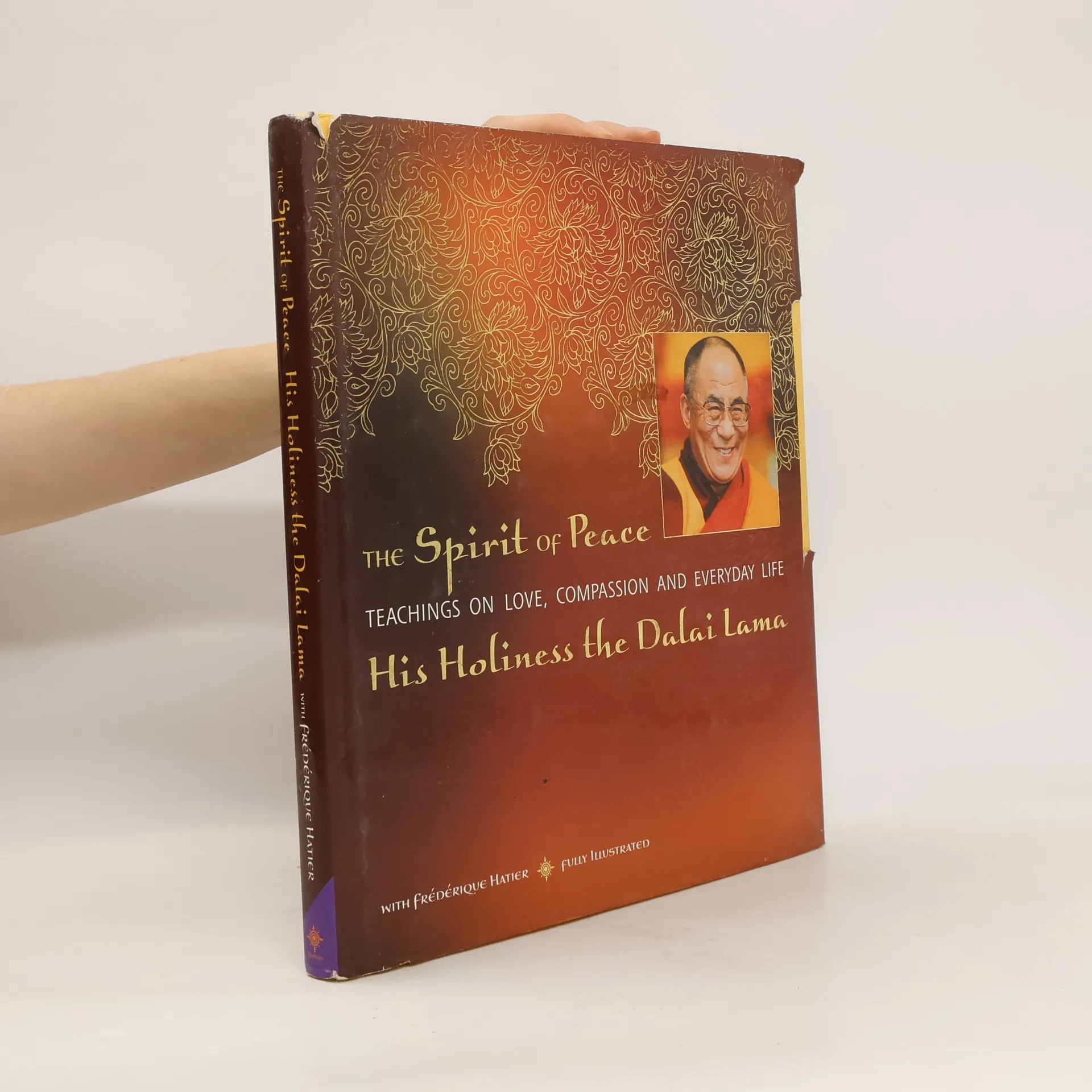
His Holiness the Dalai Lama is celebrated as Buddhism's pre-eminent spiritual master andteacher, embodying the highest aspirations of this rich tradition that is more than 2,500 years old. With both profundity and simplicity, he has carried the nuanced teachings of the Buddha to the far corners of the globe, and in the process has touched and transformed millions of lives. Like the Buddha himself, the Dalai Lama, with his ever-smiling face, reaches out to people in ways that connect to their individual mental dispositions, abilities, and everyday realities. Buddhism, which never seeks to proselytize, has been made accessible by the Dalai Lama to both non-Buddhists and Buddhists alike so that we may all learn from one of the most valuable strands of our shared heritage. This fascinating book brings together extracts from some of His Holiness's most powerful writings and talks. As he explains the elements of the Buddha's teachings and the basic practices of meditation, he also engages
Drawn from the teachings of the world-renowned leader, His Holiness the Dalai Lama, comes a practical, seven-step guidebook for developing love for others and transforming every relationship in life.
Craving, anger, hatred, discontent, depression... The Buddha's teaching shows how to tackle them at the root cause: The mind - Third printing international edition
In this unique and important book, one of the world’s great spiritual leaders
offers his practical wisdom and advice on how we can overcome everyday human
problems and achieve lasting happiness. The Art of Happiness is a highly
accessible guide for a western audience, combining the Dalai Lama’s eastern
spiritual tradition with Dr Howard C. Cutler’s western perspective. Covering
all key areas of human experience, they apply the principles of Tibetan
Buddhism to everyday problems and reveal how one can find balance and complete
spiritual and mental freedom. For the many who wish to understand more about
the Dalai Lama’s approach to living, there has never been a book which brings
his beliefs so vividly into the real world.
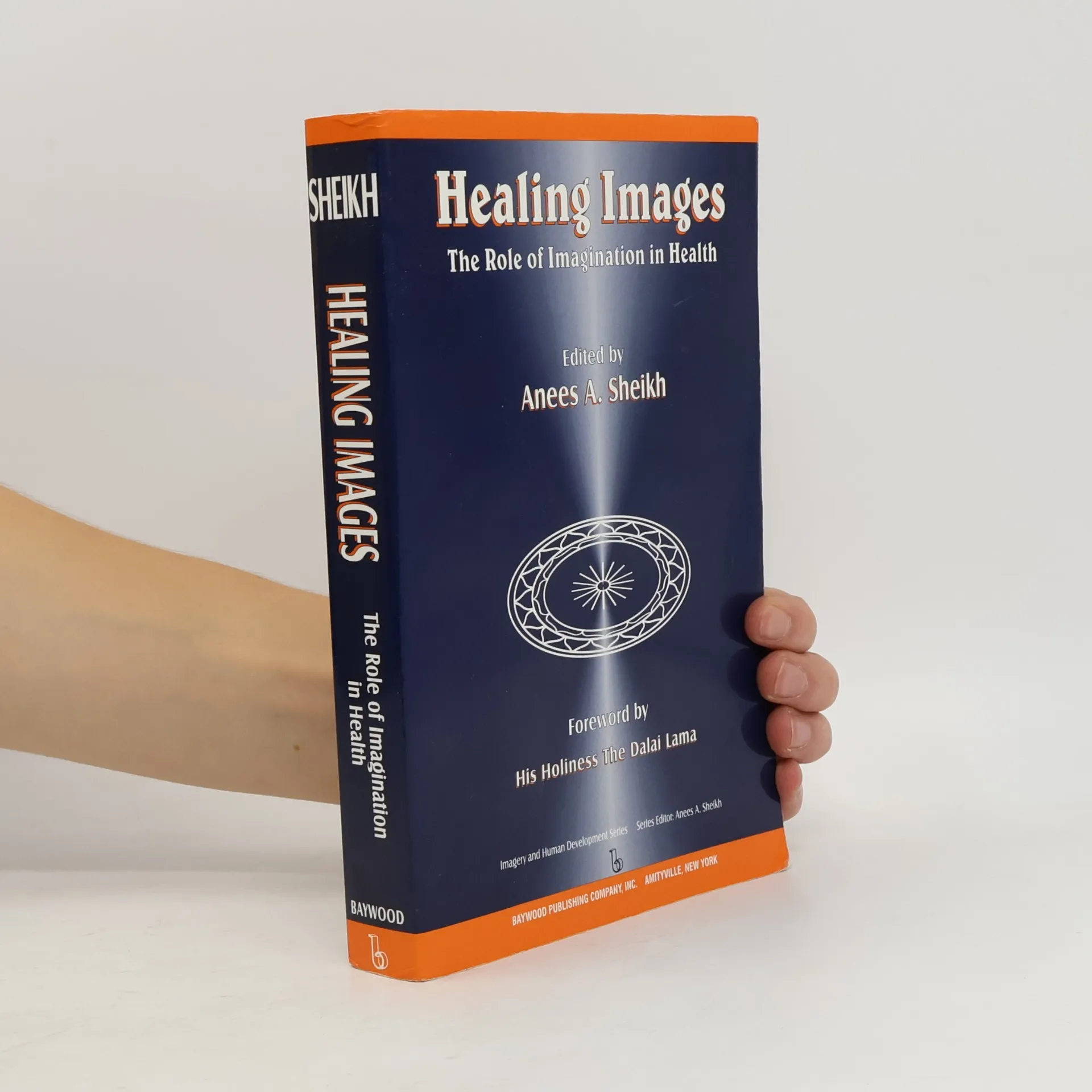
"Healing Images: The Role of Imagination in Health" details the function and capacity of imagination in health. This work consists of 22 chapters and discusses theory, research, and clinical applications. Presented is a brief history of the use of imagery for healing in both Eastern and Western traditions, a review of research that deals with the physiological consequences of imagery and related approaches, and an explanation of how images lead to such bodily changes. "Healing Images" covers the latest theory and research on the relationship between imagery, cerebral laterality, and healing. An attempt is also made to integrate modern systems theory with concepts of information and energy, which disclose the role of imagery and love in health. Imagery and music in health are also discussed.
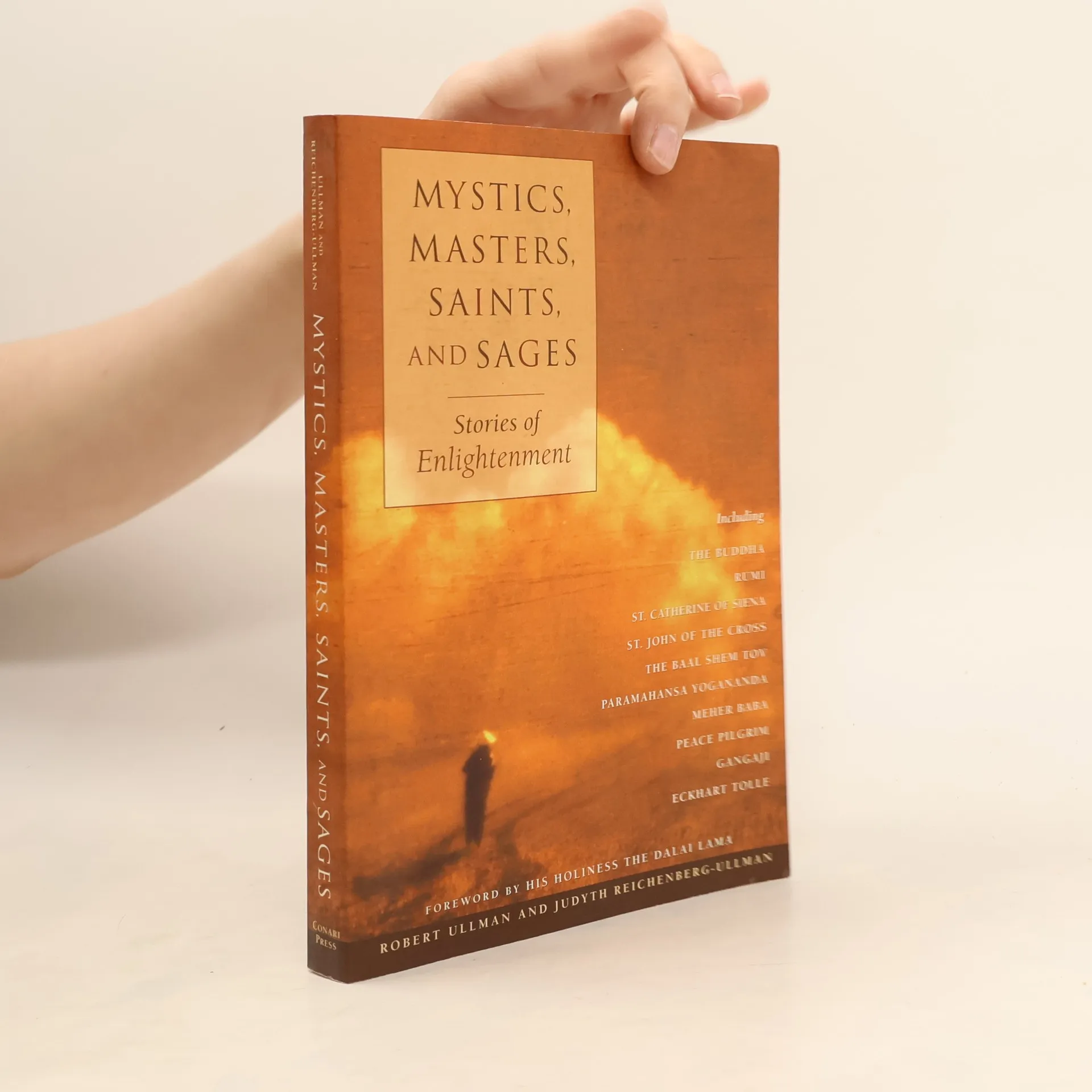
Be inspired by these 34 unique stories of the moment of enlightenment. In each of the stories in this book lay spiritual gems waiting to be discovered by the sincere seeker. This is not just a dry text. These writings were authored directily by realized beings describing their own experience in crossing over from individual to cosmic consciousness. Such dramatic and immediate accounts will open your heart and mind to the possibility of your own inner peace, enlightenment, and selfrealization. These stories have the power to transmit the state of these great beings, which can aid you in awakening to your divine nature.
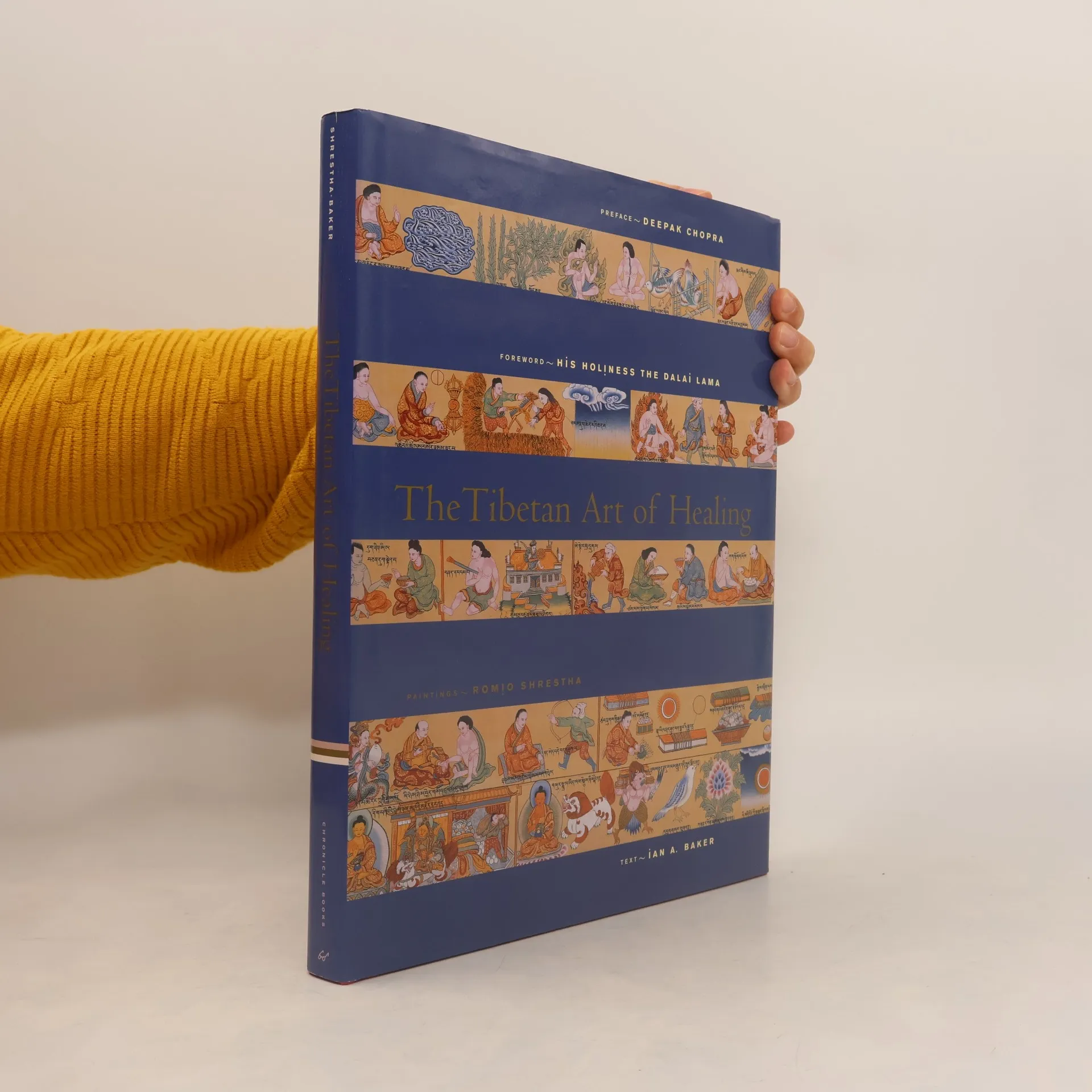
A beautifully illustrated book is based on a revered collection, once considered lost, of four-hundred-year-old Tibetan thangkas--paintings about our search for physical and spiritual well-being--on the art of healing. Simultaneous. IP.
Beyond Dogma presents a record of a 1993 visit to France by His Holiness the Dalai Lama, recipient of the 1989 Nobel Peace Prize and the world's most prominent Buddhist leader. During a series of public lectures and question-and-answer sessions with political activists, religious leaders, students, scientists, Buddhist practitioners, and interfaith organizations, His Holiness responds to a wider range of contemporary social, political, and religious issues. Topics include the practice of Buddhism in the West; nonviolence, human rights, and the Tibetan crisis; ecumenical approaches to spirituality; the meeting of Buddhism and science; and more.
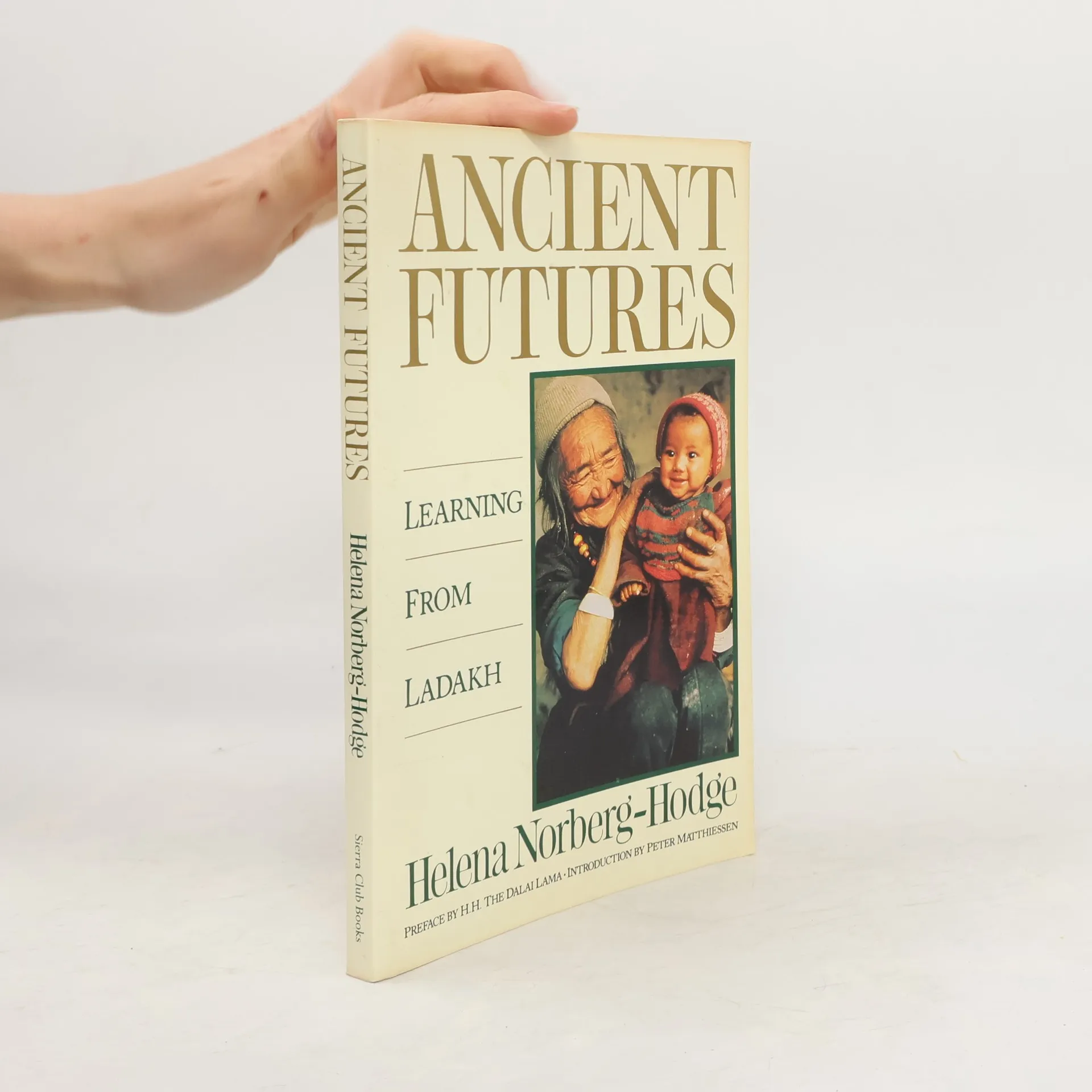
The swiftly evolving socioeconomic life of Ladakh, whose people struggle to balance growth and technology with cultural values, offers crucial lessons in sustainable development. This gripping portrait of the western Himalayan land known as “Little Tibet” moves from the author’s first visit to idyllic, nonindustrial Ladakh in 1974 to the present, tracking profound changes as the region was opened to foreign tourists, Western goods and technologies, and pressures for economic growth. These changes in turn brought generational conflict, unemployment, inflation, environmental damage, and threats to the traditional way of life. Appalled by these negative impacts, the author helped establish the Ladakh Project (later renamed the International Society for Ecology and Culture) to seek sustainable solutions that preserve cultural integrity and environmental health, while addressing the Ladakhis’ hunger for modernization. This model undertaking effectively combines educational programs for all social levels with the design, demonstration, and promotion of appropriate technologies such as solar heating and small-scale hydro power. Examining how modernization changes the way people live and think, Norberg-Hodge challenges us to redefine our concepts of “development” and “progress.” Above all, Ancient Futures stresses the need to carry traditional wisdom into the future—our urgent task as a global community.