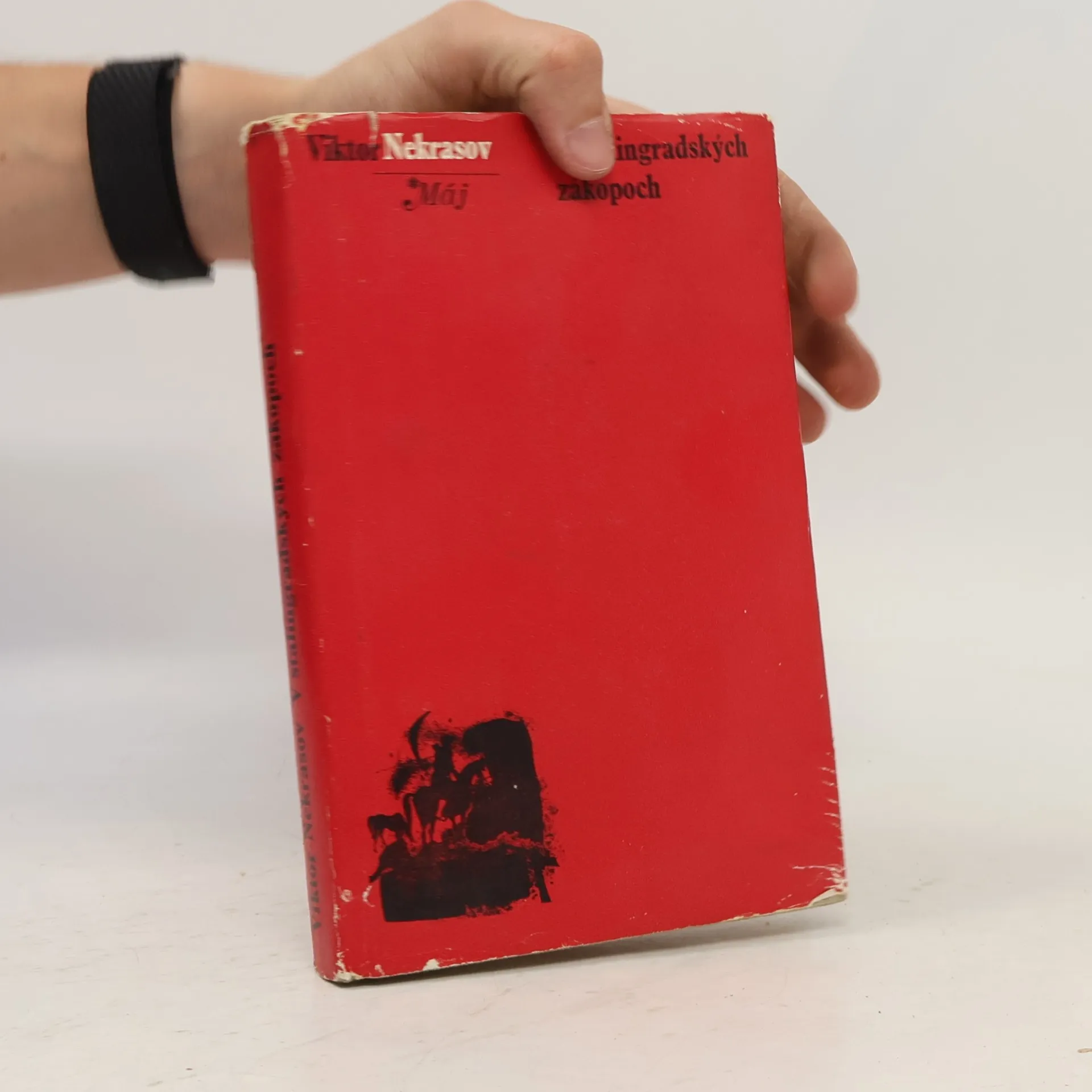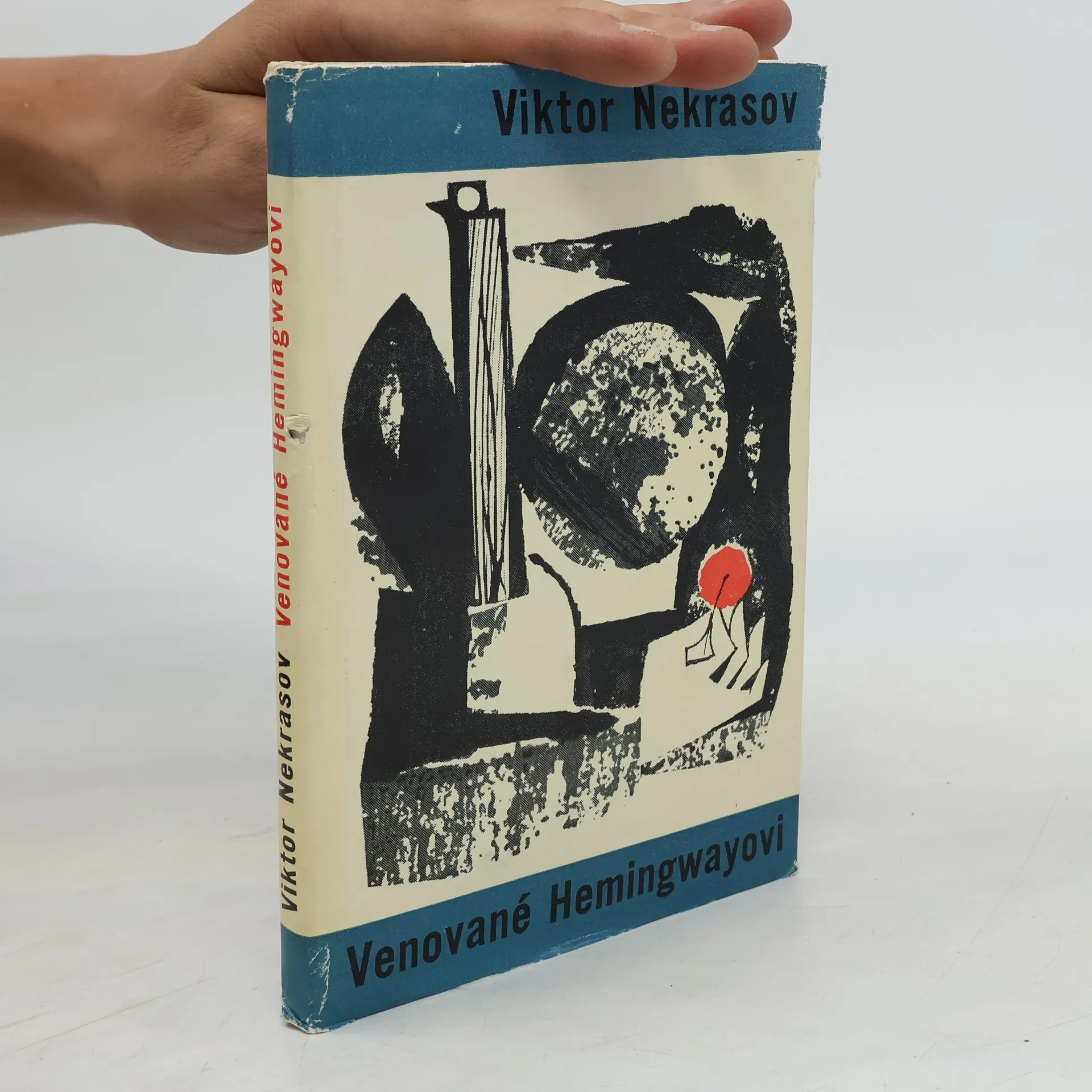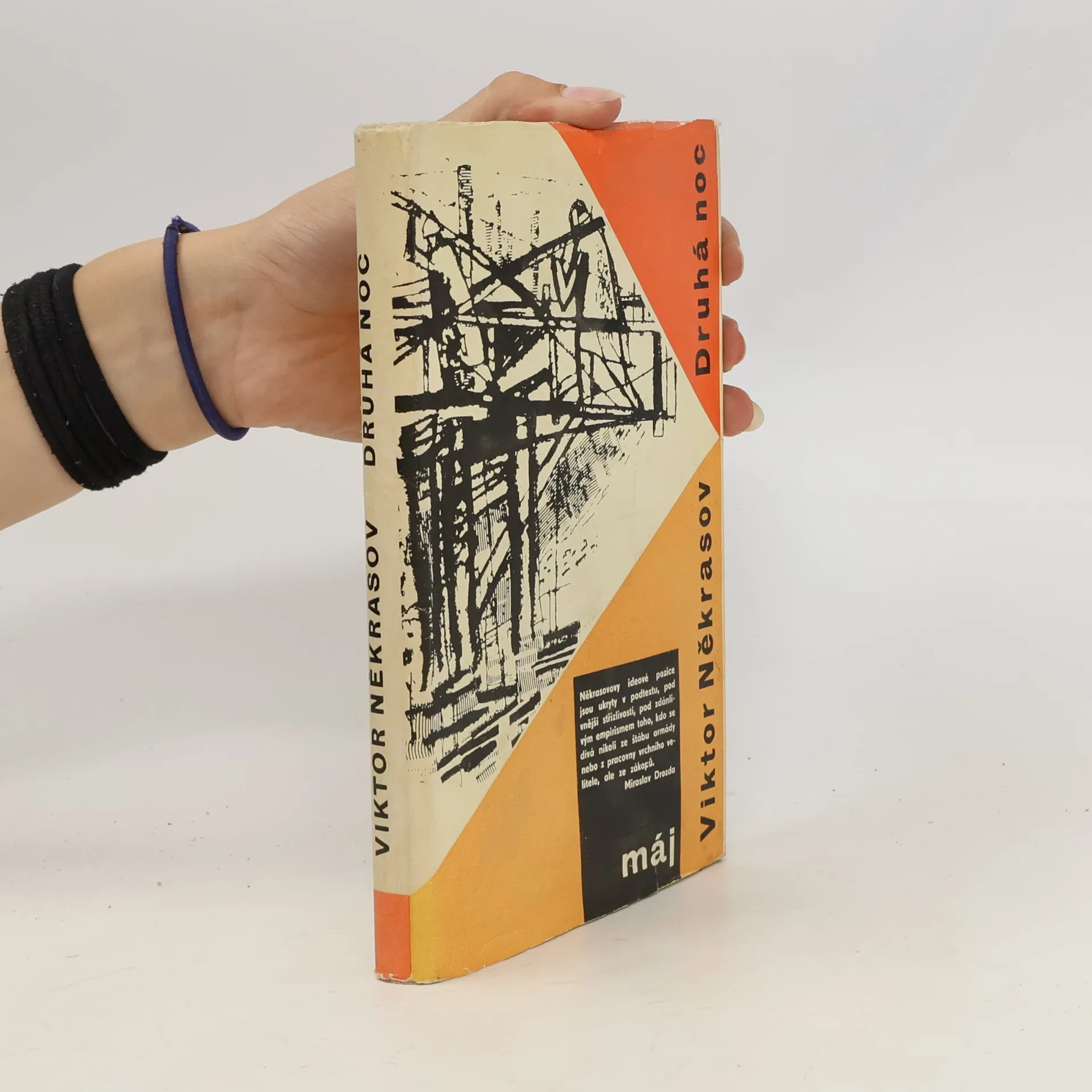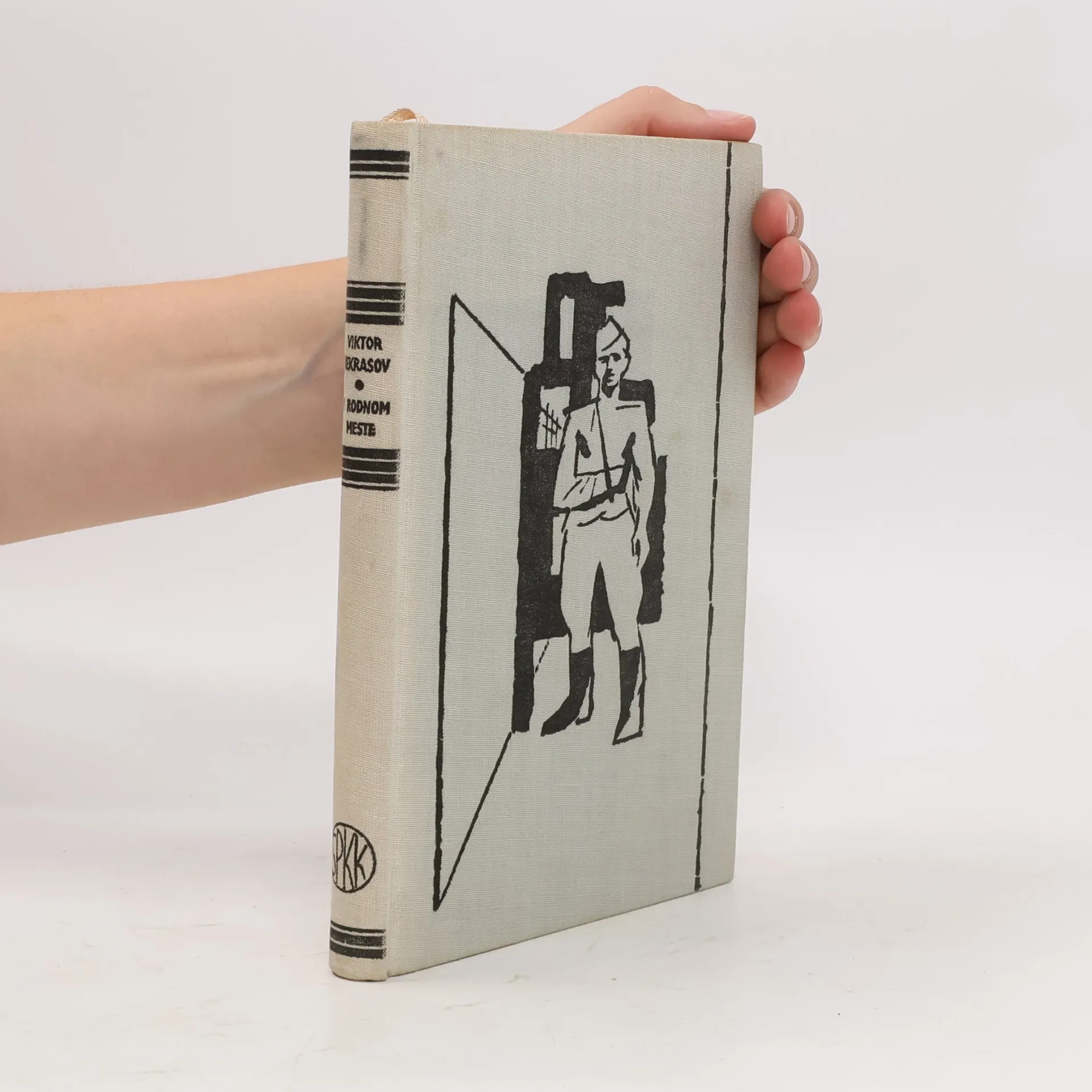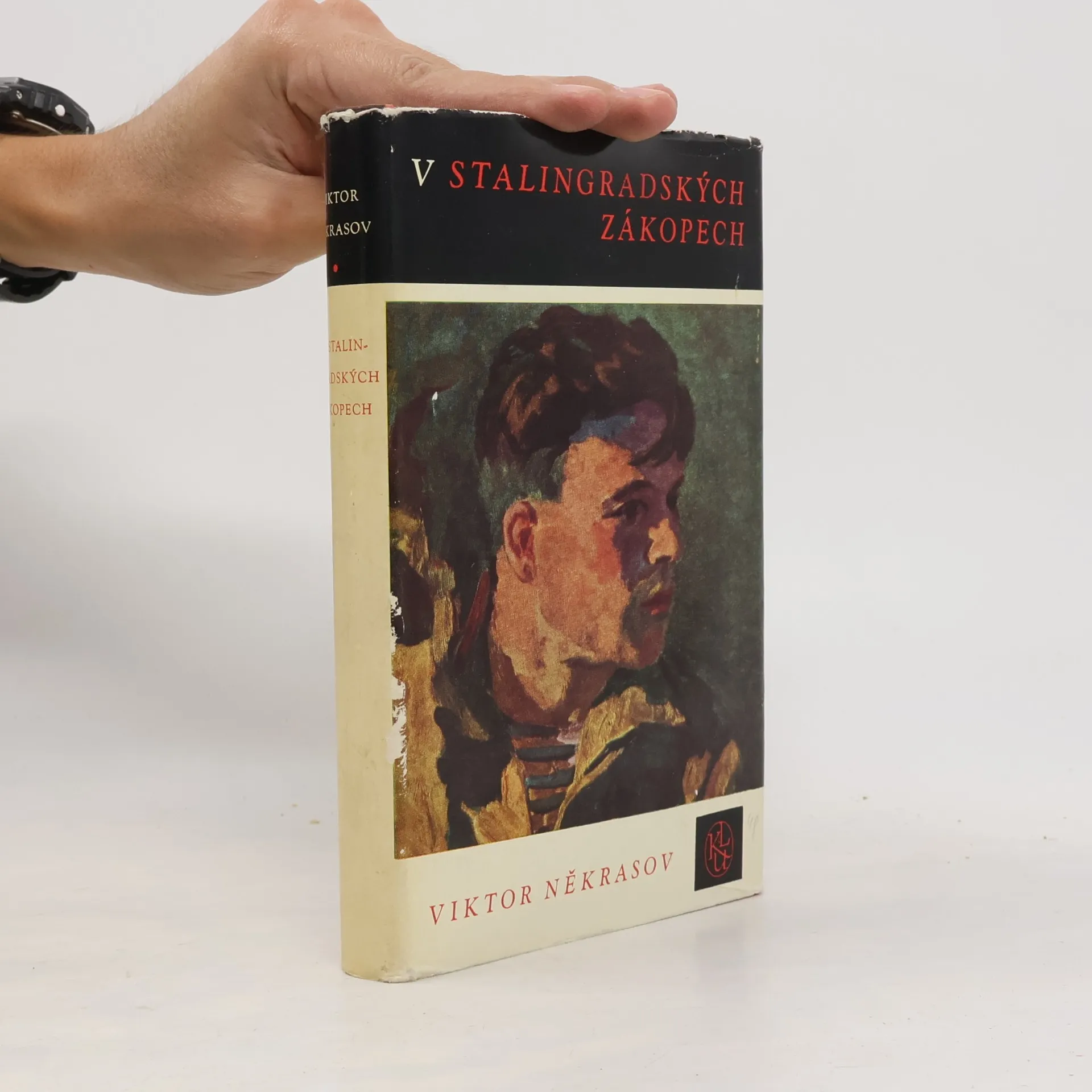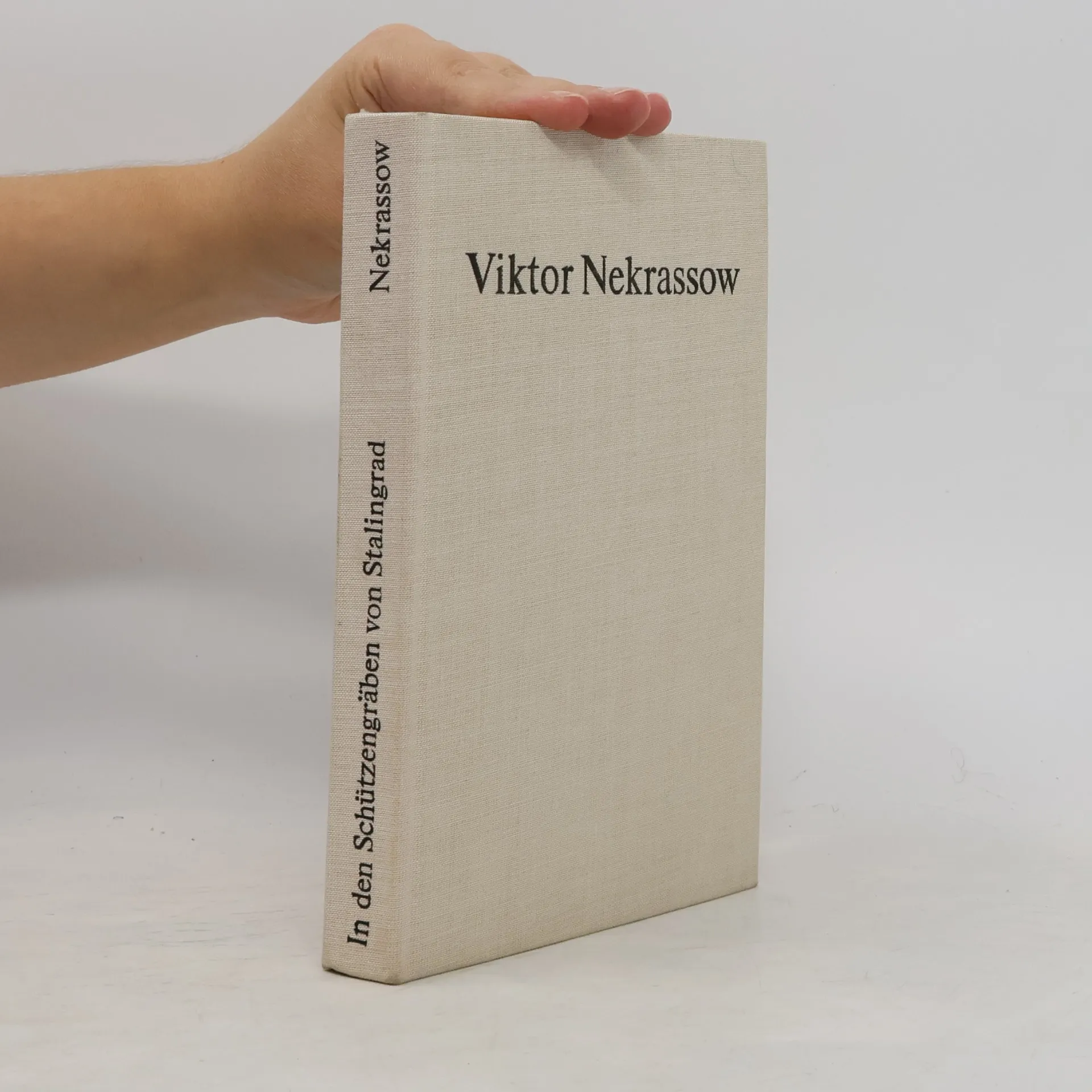
Первая и главная книга Виктора Платоновича Некрасова - повесть "В окопах Сталинграда" - возможно, лучшее произведение о войне, трагическое, честное и пронзительное. Война до конца дней писателя оставалась самым значительным событием жизни, самым тяжким испытанием, которое он с честью выдержал. "Солдат, мушкетер, гуляка Некрасов, - писал о нем Андрей Синявский, - божья милость, пушкинское дыхание слышались в этом вольном зеваке... Он носил с собой и в себе вдох свободы". В состав книги вошли также военные рассказы и повесть "Кира Георгиевна". Содержание: Новичок. Рассказ. Сенька. Рассказ. Чертова семерка. Рассказ. В окопах Сталинграда. Повесть. Кира Георгиевна. Повесть. Вторая ночь. Рассказ. Случай на Мамаевом кургане. Рассказ. Рядовой Лютиков. Рассказ. Посвящается Хемингуэю. Рассказ. Август-Фридрих-Вильгельм. Рассказ. Переправа. Рассказ. Судак. Рассказ.
Wiktor Nekrassow Book order (chronological)
Viktor Nekrasov was a Russian writer whose work was deeply shaped by his wartime experiences and his critical stance against totalitarian regimes. His early writings, drawing from his time at Stalingrad, offered a stark realism, while his later novels became increasingly critical of the Stalinist and post-Stalinist eras. Nekrasov bravely challenged prevailing ideologies, even speaking out for a monument at Babi Yar, which ultimately led to his expulsion from the Communist Party and emigration. His prose maintains an authentic voice, exploring themes of courage, identity, and the struggle for freedom of thought.


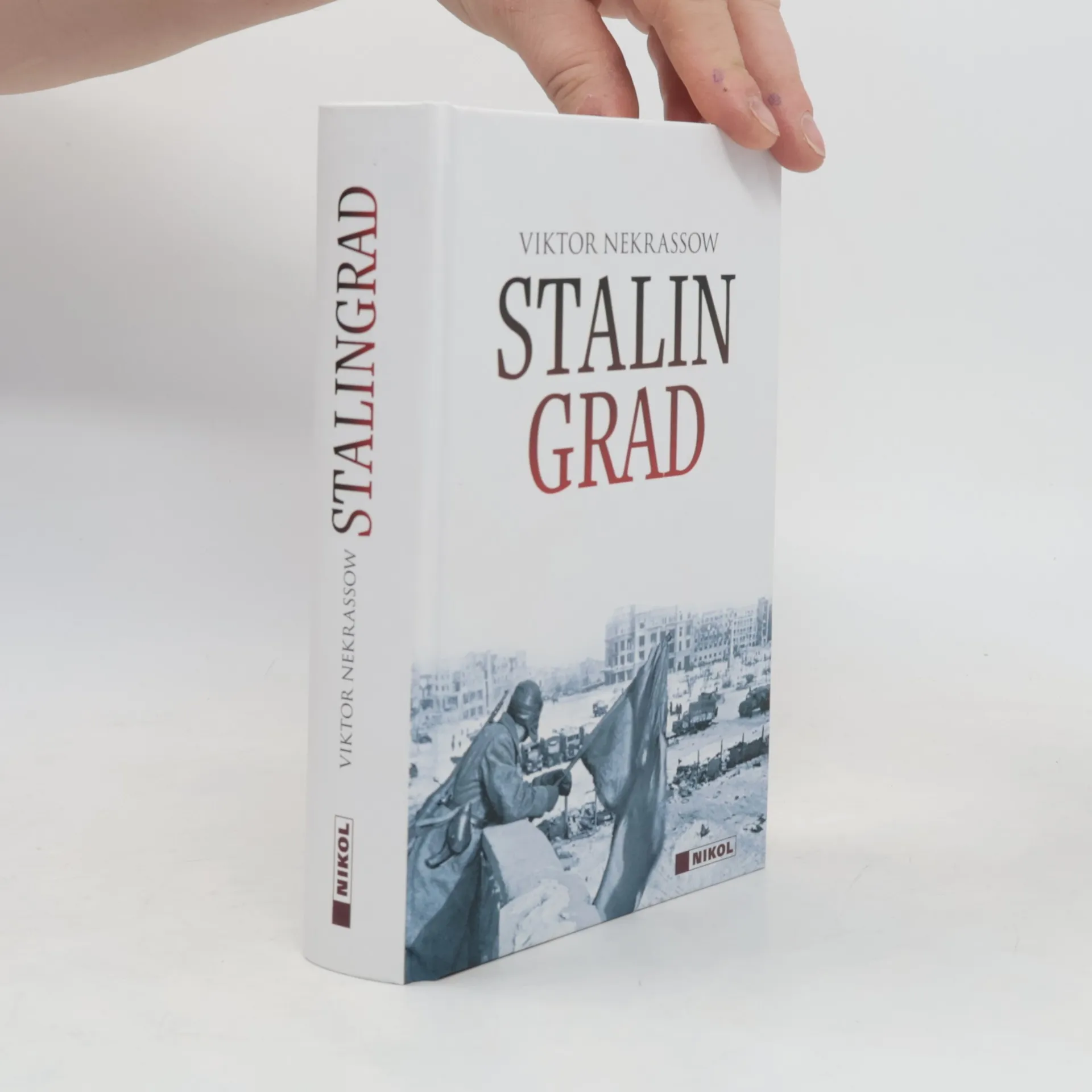
Die Schlacht um Stalingrad 1942/43 war eine der größten und entscheidendsten Schlachten des Zweiten Weltkriegs. Stalin war entschlossen, den deutschen Vorstoß ins Kaukasusgebiet mit allen Mitteln zu verhindern und keine weiteren Gebietsverluste hinzunehmen. Je länger die Schlacht dauerte, desto mehr wurde sie für Hitler und Stalin zu einer Prestigefrage. Sie kostete allein auf deutscher Seite etwa 60 000 Soldaten das Leben. Viktor Nekrassow kämpfte als Offizier auf sowjetischer Seite, er schildert die Schlacht um Stalingrad aus der Sicht des unmittelbar Beteiligten. Sein Roman, den er im Lazarett zu schreiben begann und der bereits 1946 erschien, gilt als einer der authentischsten zu diesem Thema.
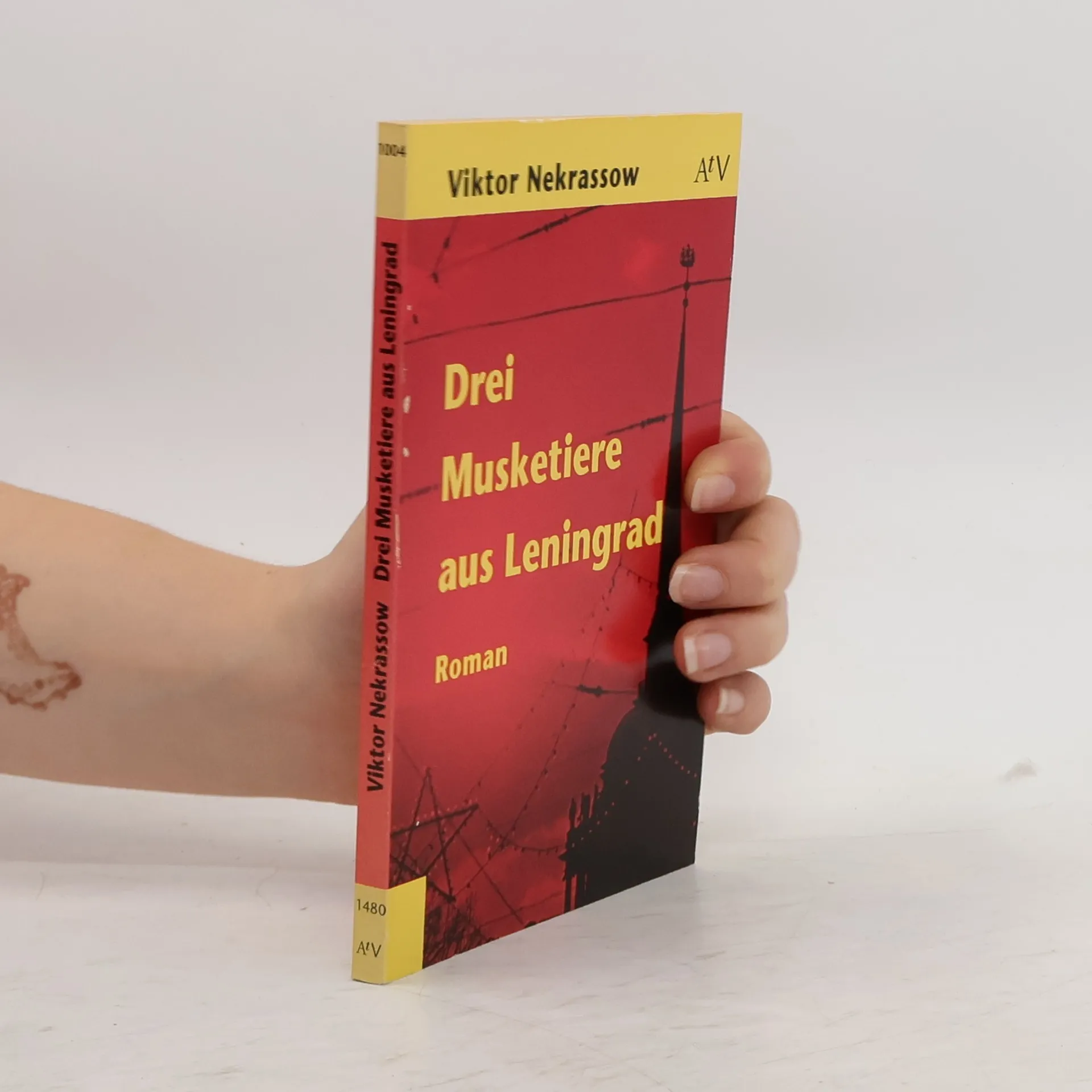
Drei Musketiere aus Leningrad
- 111 pages
- 4 hours of reading
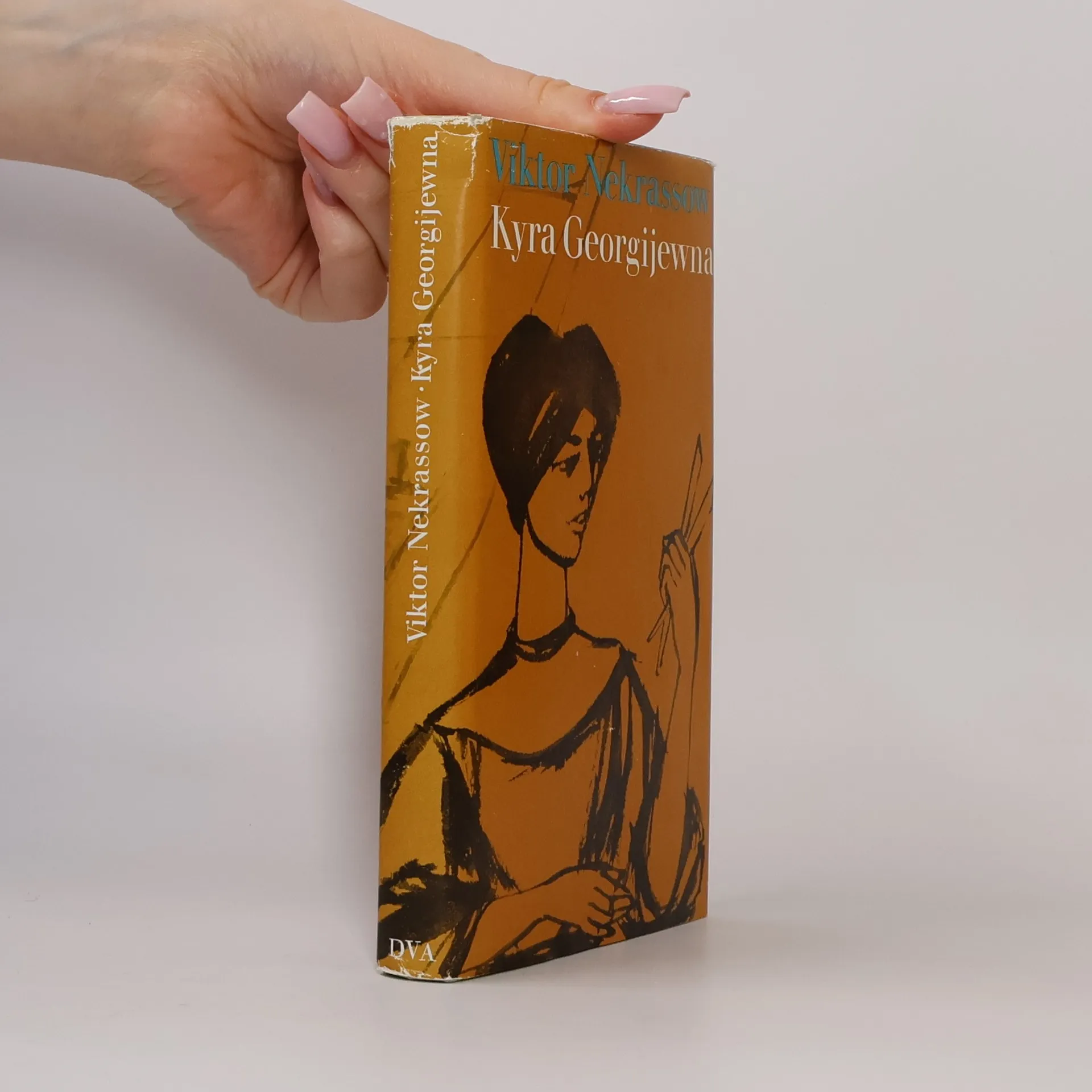
Kyra Georgijewna
- 128 pages
- 5 hours of reading
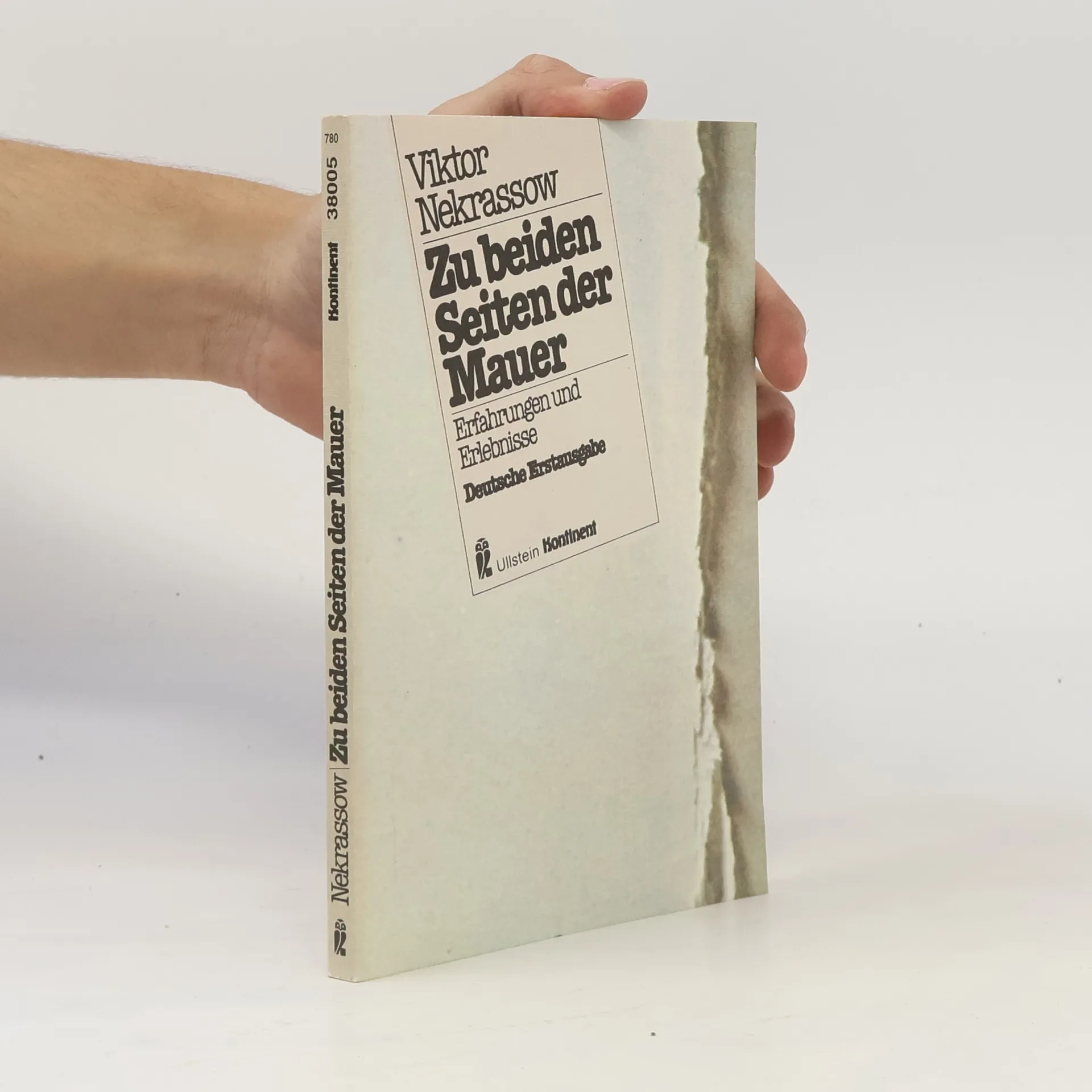
Zu beiden Seiten der Mauer
- 153 pages
- 6 hours of reading
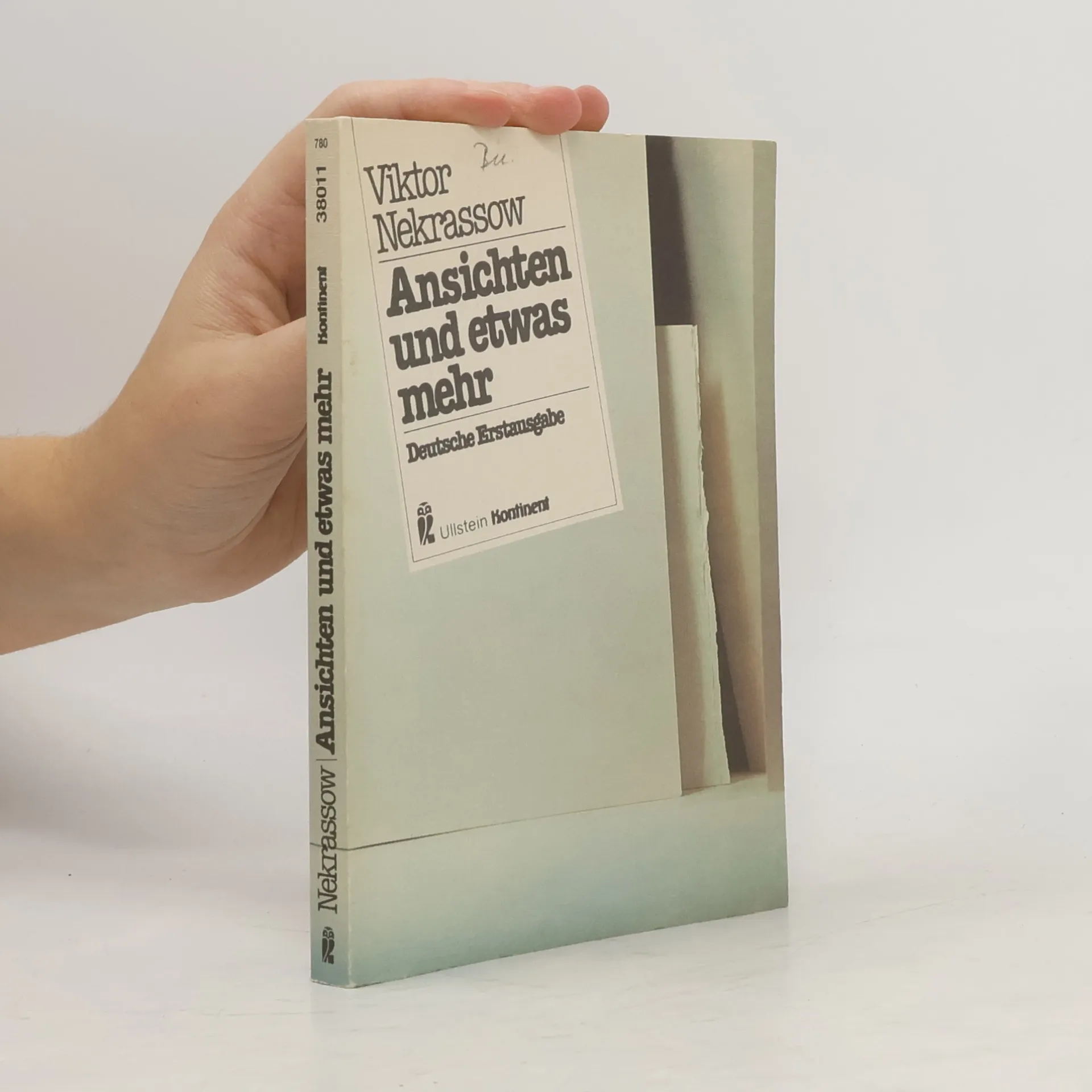
Ansichten und etwas mehr
- 221 pages
- 8 hours of reading
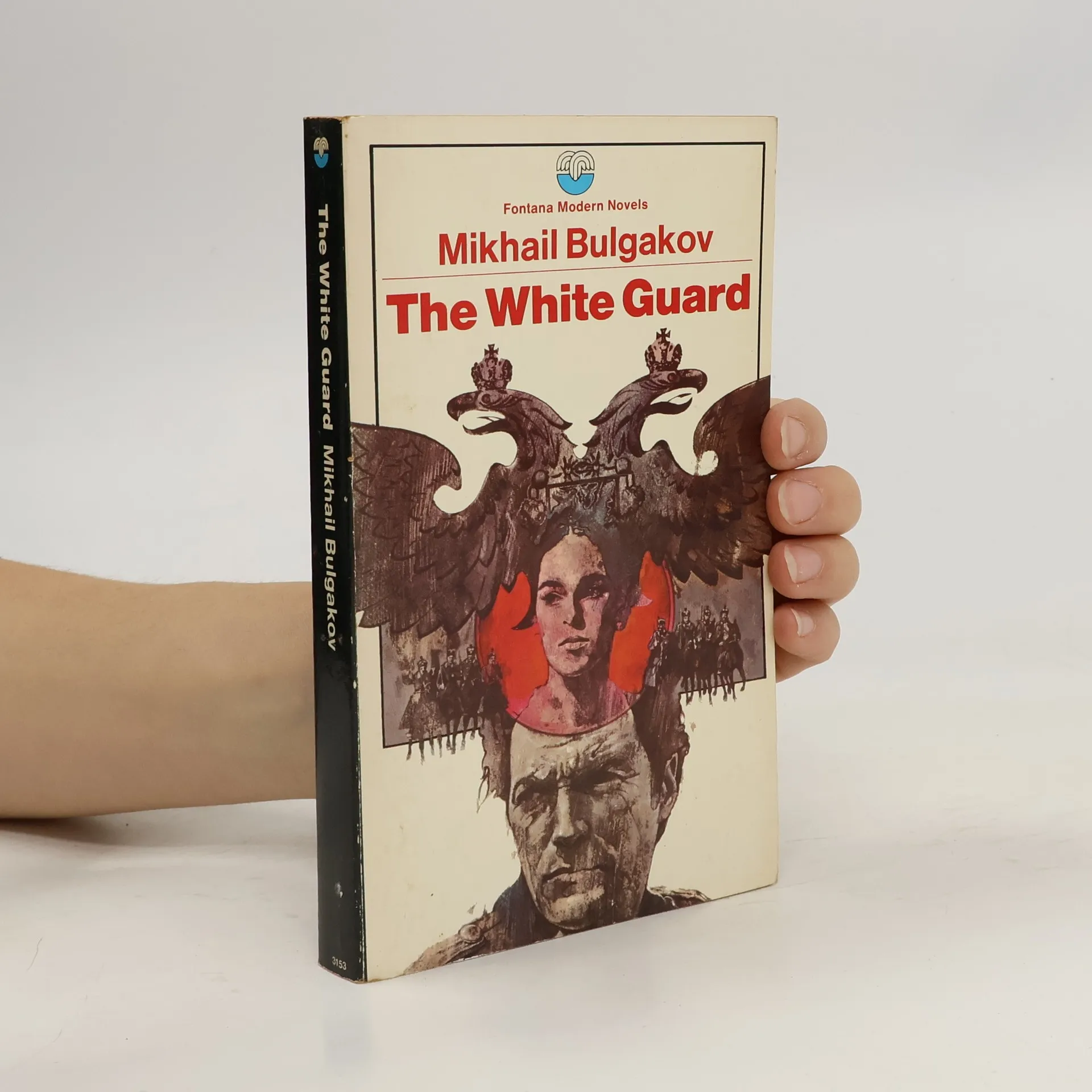
The White Guard
- 319 pages
- 12 hours of reading
Drawing closely on Bulgakov's personal experiences of the horrors of civil war as a young doctor, "The White Guard" takes place in Kiev, 1918, a time of turmoil and suffocating uncertainty as the Bolsheviks, Socialists and Germans fight for control of the city. It tells the story of the Turbins, a once-wealthy Russian family, as they are forced to come to terms with revolution and a new regime.