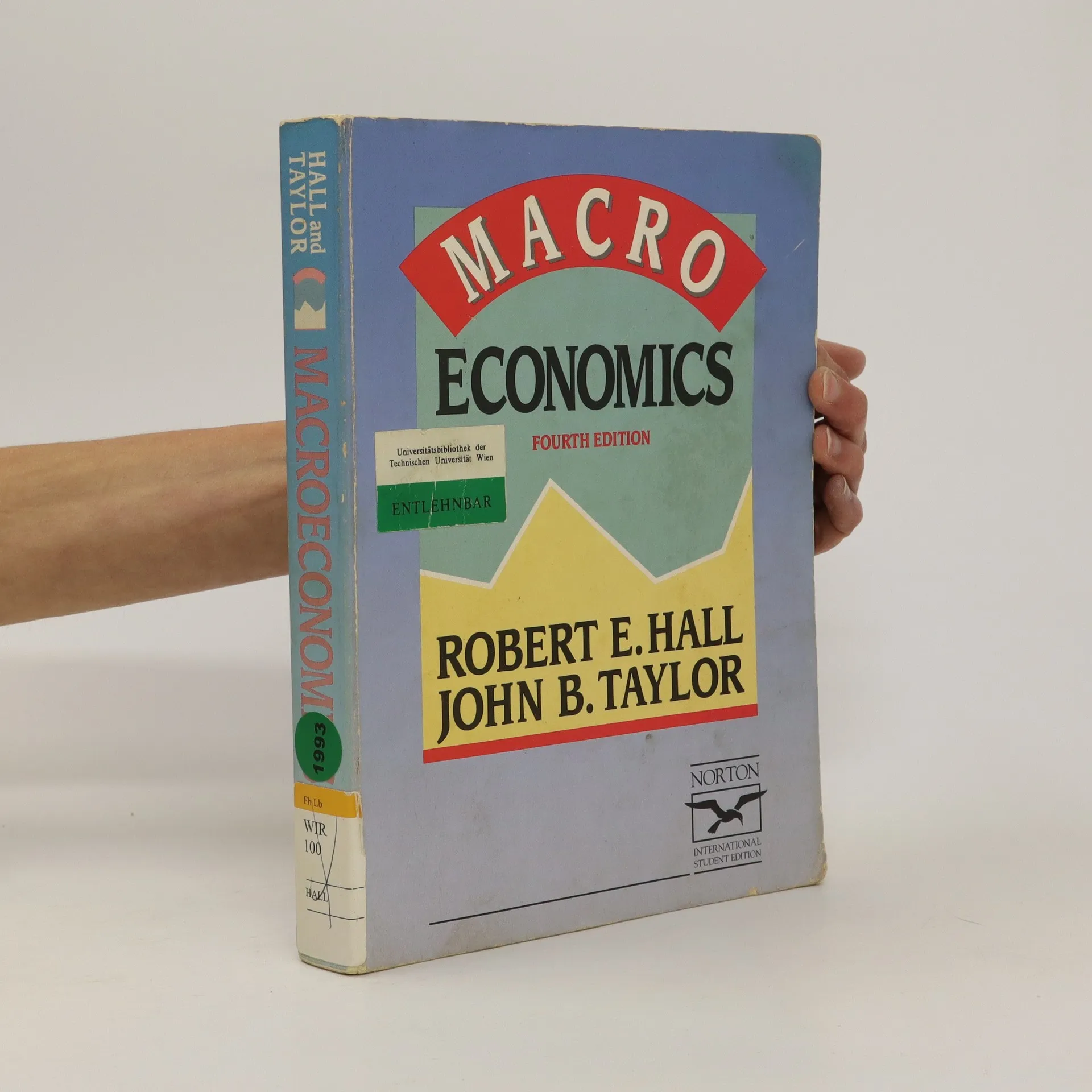
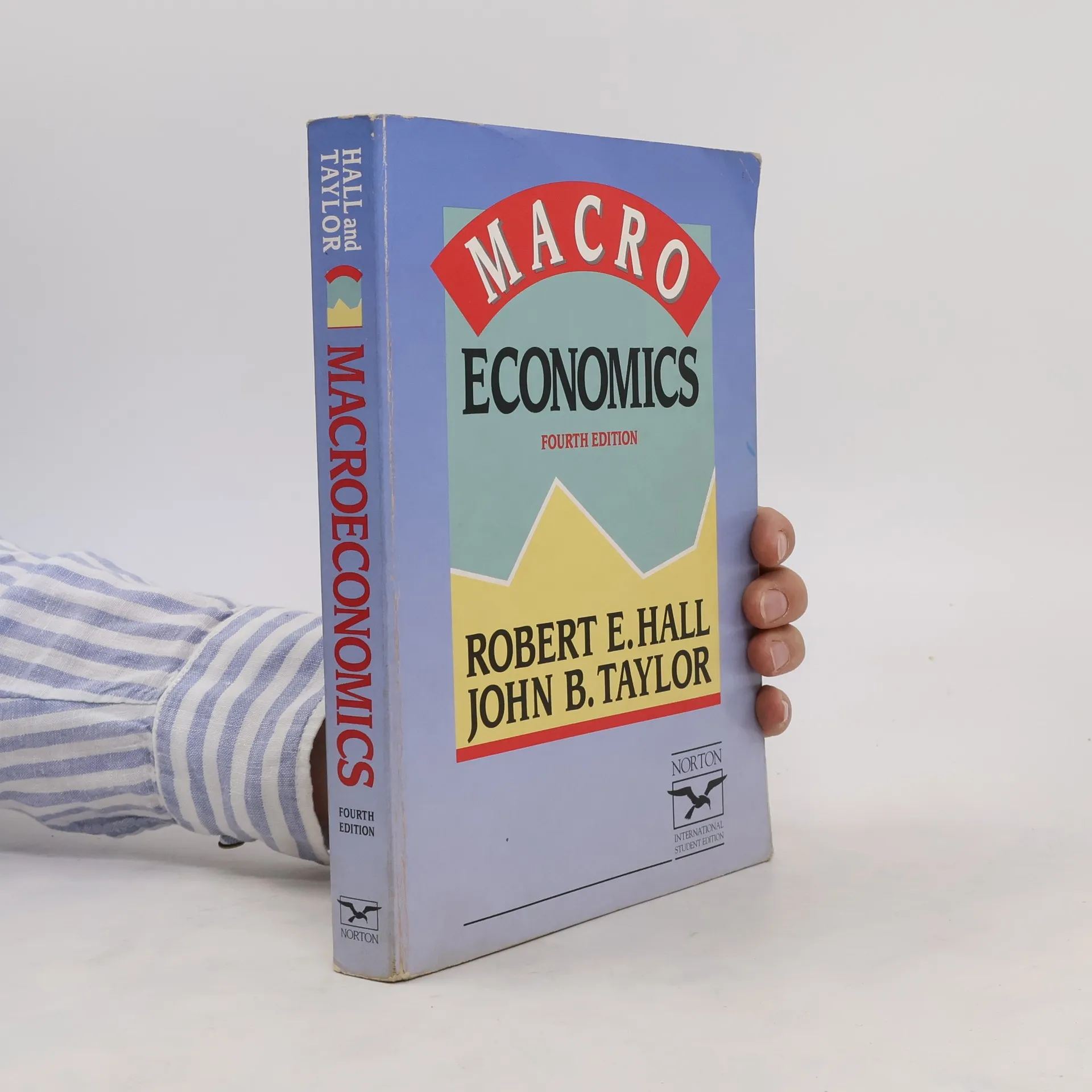
This author delves deeply into economic theory and policy. Their work focuses on critical economic issues and their societal impact. Through research and writing, they contribute to understanding complex economic systems. Their expertise lies in analyzing economic strategies and their implications.
The text incorporates the most current data and theory into a signature single-model approach, clearly demonstrating the real-world applications of macroeconomic theory. It includes updated and expanded coverage of long-run economic growth, the Taylor Rule, and international economics. A revised study guide and a new online edition of Macrosolve, the innovative multimedia learning resource, are fully integrated with the text.
Show students how today's macroeconomic policy issues, decisions, and applications impact them every day with the practical, accessible presentation in MACROECONOMICS. Written by acclaimed economists Hall and Lieberman, this straightforward, contemporary text remains as current as the latest headlines. Fresh new cutting-edge examples throughout this edition as well as updated mini-cases clearly illustrate core macroeconomic principles and applications in action. This edition's streamlined chapters focus on today's most important macroeconomic theories and events as well as how they relate to practical situations. This easy-to-understand comprehensive text equips students with a solid foundation in macroeconomics that students can build on for success no matter what their careers. New diagrams, interactive online exercises, graphing applications, and Internet research resources give students hands-on experience in understanding current macroeconomic challenges. This edition presents the latest thinking from leading economics. Dynamic online resources, such as Aplia® (the leading online homework manager), CourseMate online tools, and CengageNOW®, ensure students master macroeconomic principles and applications. Important Notice: Media content referenced within the product description or the product text may not be available in the ebook version.