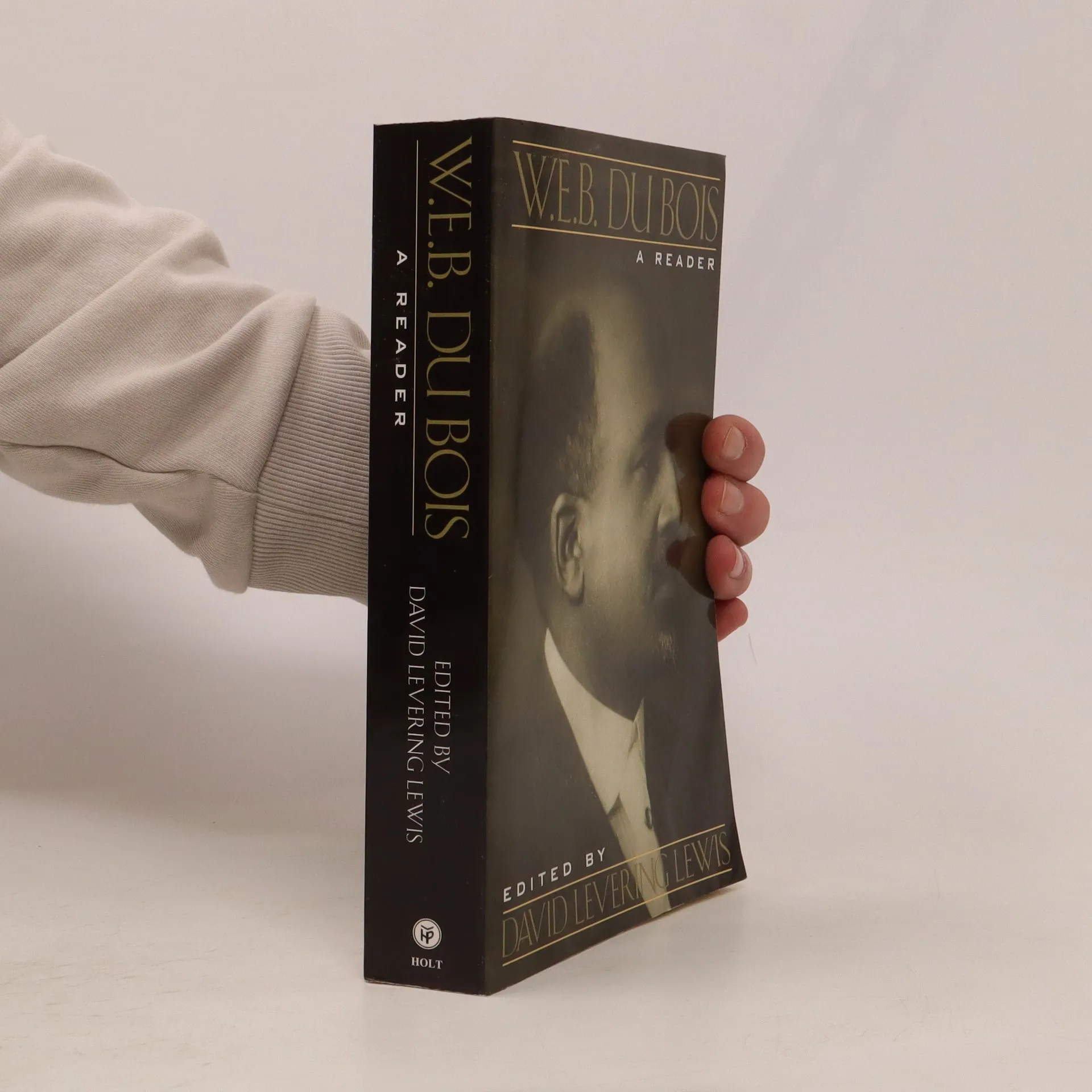
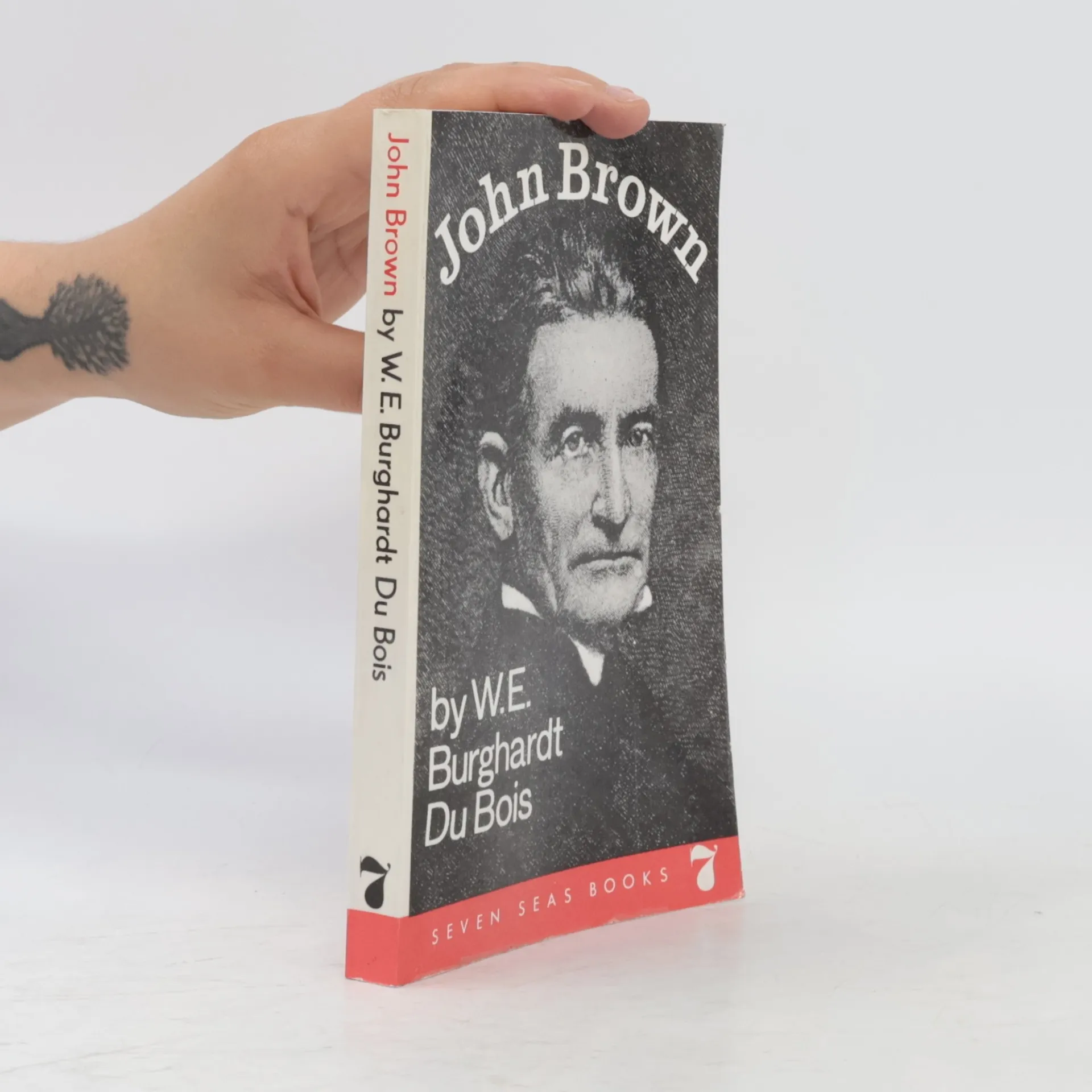
The collection features pivotal essays by W. E. B. Du Bois, showcasing his early concepts such as "the veil," "double-consciousness," and the "problem of the color line." Spanning from 1894 to 1906, these writings, some previously unpublished or recently translated, reveal Du Bois's profound historical insights and his evolving thoughts on race and identity. This volume serves as a crucial companion to his renowned work, The Souls of Black Folk, highlighting the foundational ideas that shaped his intellectual legacy.
The Suppression of the African Slave-Trade / The Souls of Black Folk / Dusk of Dawn / Essays and Articles
1334 pages
47 hours of reading
William Edward Burghardt Du Bois was a prominent historian, sociologist, novelist, editor, and political activist, recognized as the most gifted black intellectual of his era. This volume showcases his essential writings, reflecting a life committed to racial justice. His first book, The Suppression of the African Slave-Trade to the United States 1638–1870 (1896), provides a dispassionate account of America's tolerance for the slave trade, highlighting the moral failures that led to the Civil War. In The Souls of Black Folk (1903), a collection of poignant essays, Du Bois articulates the harsh realities of racism while celebrating the resilience and pride of black America, paying homage to black music and religion, and reflecting on his personal experiences, including the loss of his infant son.
Dusk of Dawn (1940) serves as an autobiographical exploration of the "race problem," detailing his upbringing, education, and involvement with the NAACP, as well as his developing Pan-African consciousness. His essays and speeches, spanning from 1890 to 1958, address critical issues such as education in a segregated society, black culture, the legacy of Marcus Garvey, and the experiences of black soldiers in WWI. The editorials from The Crisis (1910–1934), during Du Bois’s most influential period, cover a wide range of American political and cultural topics, showcasing his sharp wit and profound insights.
The Philadelphia Negro is the first, and perhaps still the finest, example of
engaged sociological scholarship-the kind of work that, in contemplating
social reality, helps to change it.
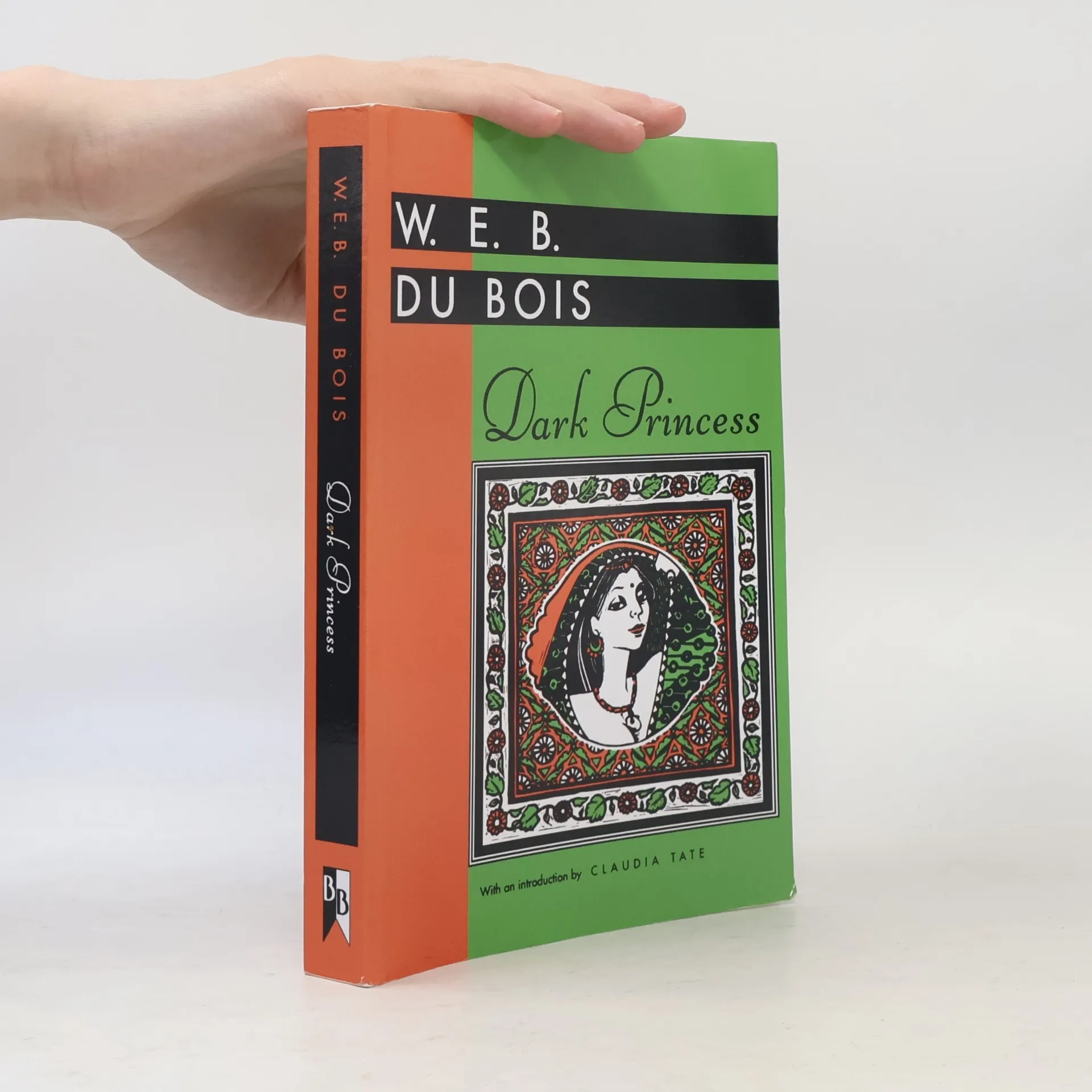
Du Bois' radical text is a rare statement of values formed around the vision
of a collective life, where the humanity of black women and men is treated
with dignity and equality. He expresses his themes through a series of
literary forms: polemic essay, prayer, poetry and short science fiction.
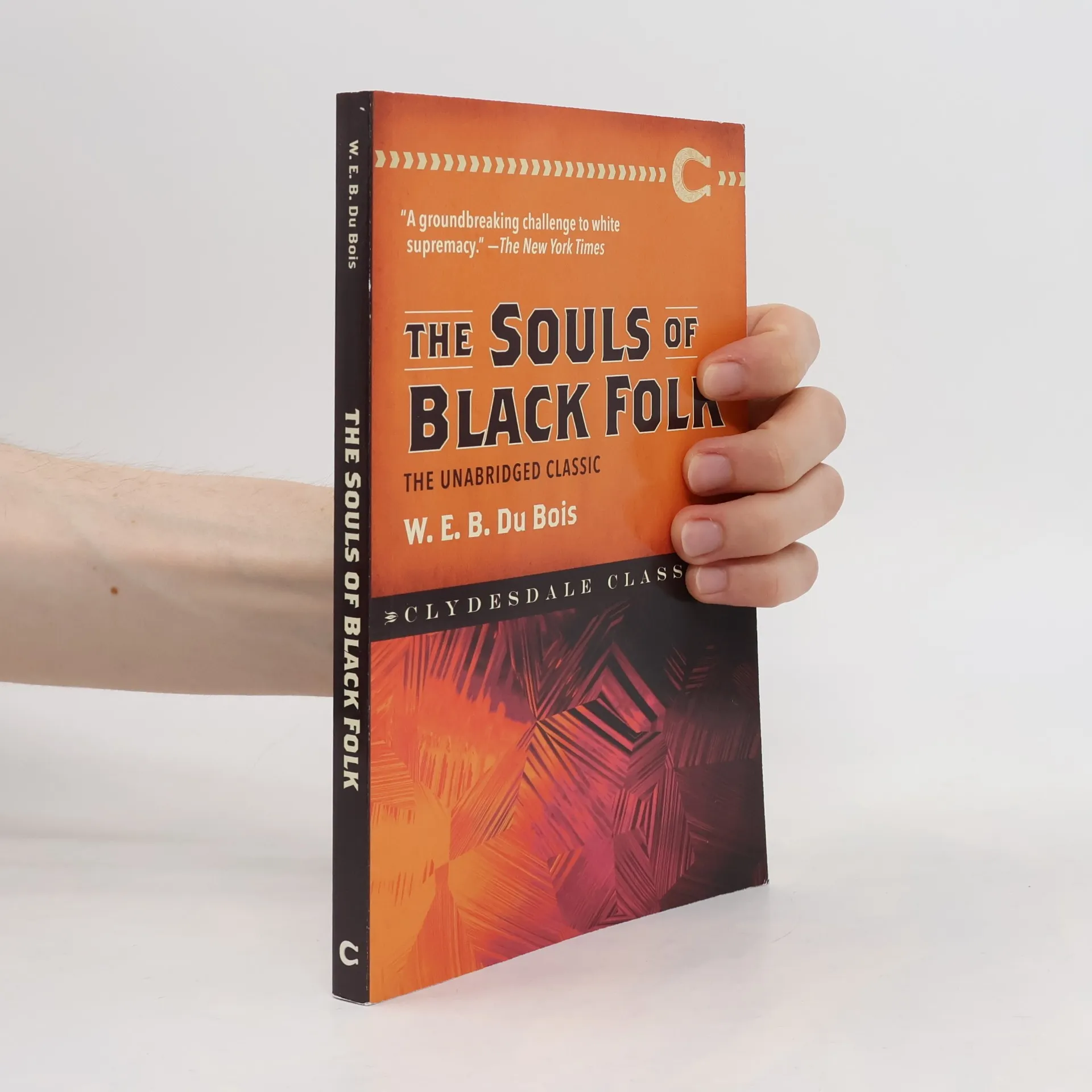
One of the Most Important Books on Civil Rights, Race, and Freedom Ever Written. “A groundbreaking challenge to white supremacy.” —The New York Times A classic work of American literature, African-American history, and sociology by W. E. B. Du Bois, The Souls of Black Folk is a monumental collection of essays that examines race and racism in America during the early 1900s and prior. Du Bois derived much of the book’s content from his own personal experience as an African-American living during these tumultuous times, which resulted in an expertly crafted firsthand account of the trials of oppression and segregation existing in America. Many of the book’s essays formulated Du Bois’s then-perceived radical thought and platform for change, and eventually became catalysts that sparked protest movements across the country. Containing some of the most revered work on the topic of race, this stunning new trade edition of The Souls of Black Folk is perfect for anyone interested in African-America literature and history.
A thorough account of Africa's history and its lasting influence on Western culture told from the perspective of the disparate descendants who inherited its legacy. W.E.B. Du Bois highlights the hidden stories that connect these varied communities. Originally published in 1915, The Negro presents an expansive analysis of the African diaspora over the course of history. W.E.B. Du Bois uses a critical eye to survey the early depictions of the continent, debunking stereotypical myths about its social structure. He addresses the generational impact of slavery as well as the capitalistic system that made it possible. It's an honest look at the effects of white supremacy, classism and its place in modern society. From Ethiopia and Egypt to the West Indies and Latin America, Africa's influence is undeniable. The Negro sheds light on the ignored history of the continent and its many descendants. It's a vital piece of literature that acknowledges and celebrates its cultural power. With an eye-catching new cover, and professionally typeset manuscript, this edition of The Negro is both modern and readable.
UP FROM SLAVERY
The autobiography of Booker T. Washington is a startling portrait of one of the great Americans of the late nineteenth and early twentieth century. The illegitimate son of a white man and a Negro slave, Washington, a man who struggled for his education, would go on to struggle for the dignity of all his people in a hostile and alien society.
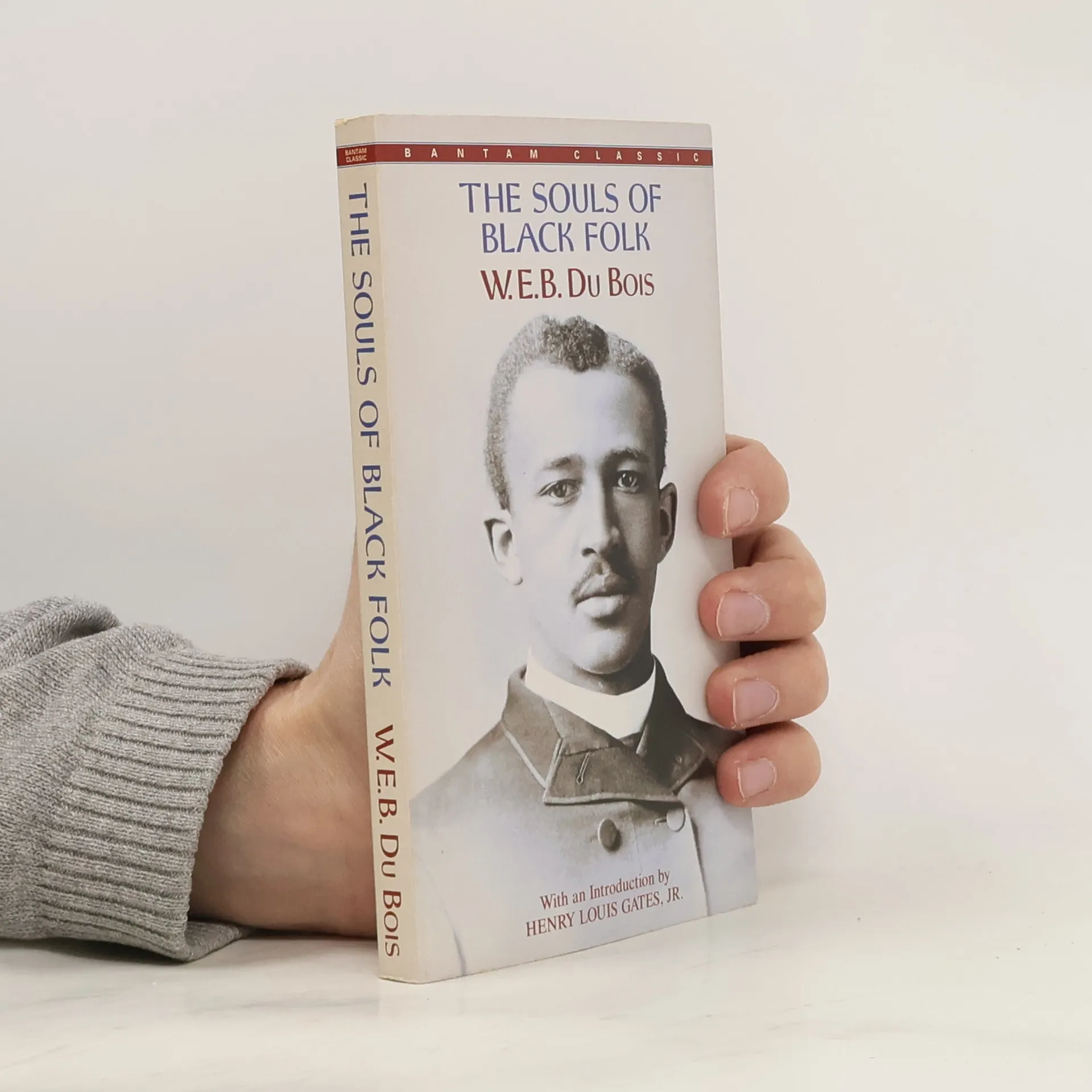
THE SOULS OF BLACK FOLK
W.E.B. Du Bois's classic is a major sociological document and one of the momentous books in the mosaic of American literature. No other work has had greater influence on black thinking, and nowhere is the African-American's unique heritage and his kinship with all men so passionately described.
THE AUTOBIOGRAPHY OF AN EX-COLORED MAN
Originally published anonymously, James Weldon Johnson's penetrating work is a remarkable human account of the life of black Americans in the early twentieth century and a profound interpretation of his feelings towards the white man and towards members of his own race. No other book touches with such understanding and objectivity on the phenomenon once called "passing" in a white society.
These three narratives, gathered together in Three Negro Classics, chronicle the remarkable evolution of African-American consciousness on both a personal and social level. Profound, intelligent, and insightful, they are as relevant today as they have ever been.
W. E. B. Du Bois was one of the most important American authors of the
twentieth century. While he is best known for his writings on themes of Black
social and political life in the United States, this volume highlights his
critical insights into empire and global politics.
A survey of the historical development of the idea of race, this anthology offers pre-twentieth century theories about the concept of race, classic twentieth century sources reiterating and contesting ideas of race as scientific, and several philosophically relevant essays that discuss the issues presented. A general Introduction gives an overview of the readings. Headnotes introduce each selection. Includes suggested further readings.
The Comet (1920) is a science fiction story by W. E. B. Du Bois, created during his time at The Crisis, the NAACP's magazine, where he showcased emerging black artists of the Harlem Renaissance. This pioneering speculative fiction imagines a catastrophic event that devastates New York City and abruptly ends white supremacy. The narrative begins with bank messenger Jim Davis, who, after retrieving old records from the vault, discovers a city plunged into chaos following a comet's passage, which has released toxic fumes. Lower Manhattan appears frozen in time, with bodies scattered across the eerily silent streets. As he regains his senses, he encounters a wealthy woman in need of assistance. They soon realize they may be the last living people on Earth, and the survival of civilization hinges on their ability to unite as human beings, transcending racial divides. The story explores the depths of human connection in the face of disaster and questions how far this newfound acknowledgment can lead them. This edition features a beautifully designed cover and professionally typeset manuscript, presenting Du Bois's classic work of African American literature for contemporary readers.
As a foundational text for African American identity and civil rights, this work profoundly influences social movements and the struggles of Black Americans. It explores themes of race, culture, and the quest for equality, offering deep insights into the African American experience. The author's reflections challenge societal norms and inspire generations to seek justice and understanding, making it a pivotal work in American literature and history.
Exploring the historical contributions of African Americans, W. E. B. Du Bois presents a compelling narrative that challenges traditional views of American history. Through a series of essays, he highlights the vital roles played by Black individuals in shaping the nation, from labor and military service to the arts and women's rights movements. Du Bois argues against the myth of inferiority and seeks to rectify the historical record, asserting that the African American experience is integral to America's identity and culture. This edition revives a classic of African American literature for contemporary audiences.
W. E. B. Du Bois was a public intellectual, sociologist, and activist on behalf of the African American community. He profoundly shaped black political culture in the United States through his founding role in the NAACP, as well as internationally through the Pan-African movement. Du Bois's sociological and historical research on African-American communities and culture broke ground in many areas, including the history of the post-Civil War Reconstruction period. Du Bois was also a prolific author of novels, autobiographical accounts, innumerable editorials and journalistic pieces, and several works of history. Published posthumously in 1968, The Autobiography of W. E. B. Du Bois is his last and most complete autobiography. Covering his life over almost a century of living in America, it's the closest thing we have to a true autobiography of this important scholar and activist. The book, broken up into three parts, delves into the 90-year-old Du Bois's thoughts on everything from his relationship with sex to his storied association with the NAACP to his political persecution during the Cold War years to his many travels abroad. As Du Bois writes, he takes the reader on a journey to "view my life as frankly and fully as I can." With a series introduction by editor Henry Louis Gates, Jr., and an introduction by Werner Sollors, this edition is essential for anyone interested in African American history.
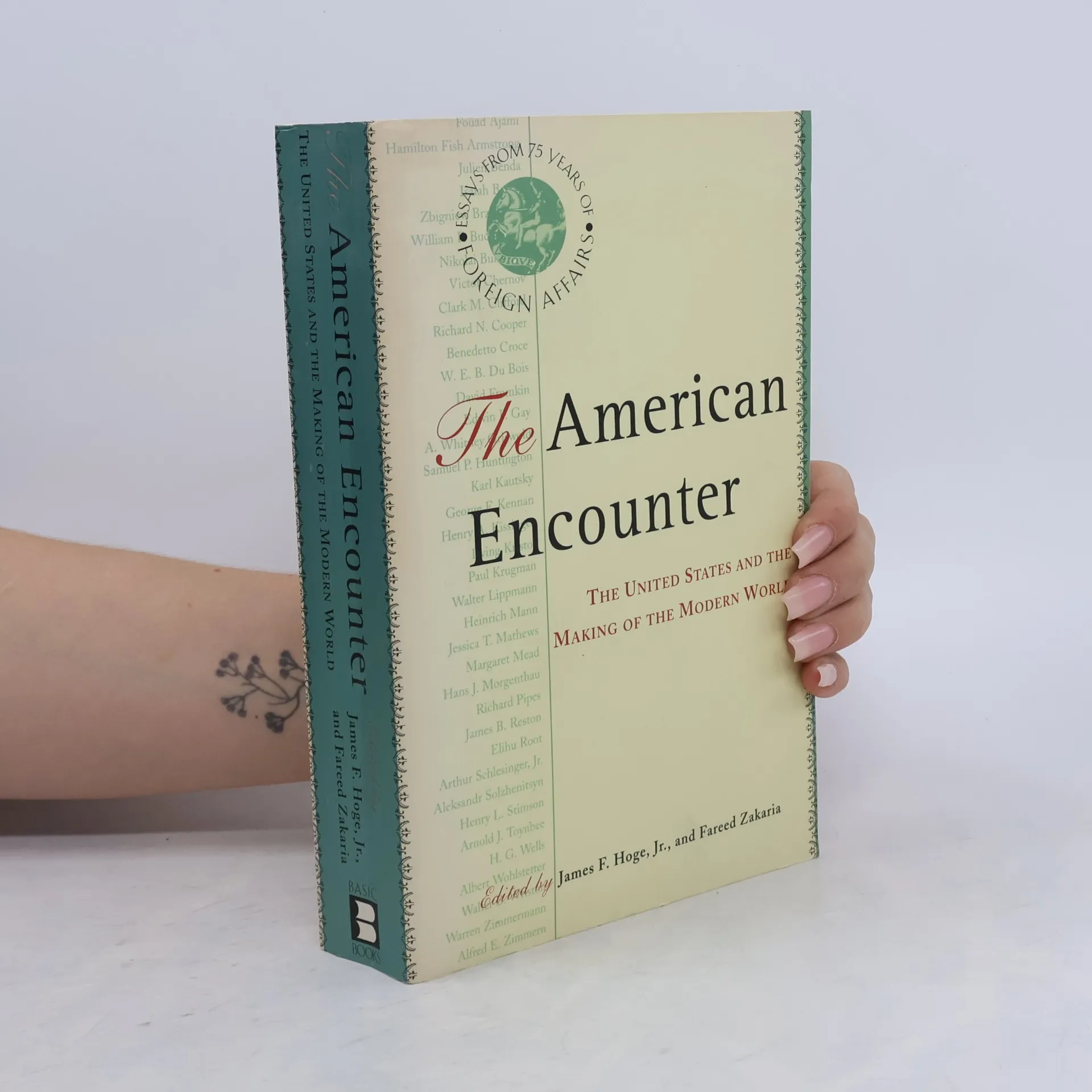
The United States and the Making of the Modern World: Essays from 75 Years of Foreign Affairs
672 pages
24 hours of reading
Since its founding in 1922, Foreign Affairs has established itself as the premier journal of international relations, offering profound commentary on global politics and economic policy. America's significant role in world events—military, political, economic, and ideological—has been central to discussions within its pages. Notably, it was here that George Kennan introduced the containment policy, shaping U.S. Cold War strategy. The journal has hosted debates among statesmen-scholars like Henry Kissinger and Arthur Schlesinger on critical issues such as nuclear weapons and human rights, while journalists like Walter Lippmann and James Reston have provided insightful analyses of American foreign policy. Thinkers like Isaiah Berlin and Samuel Huntington have explored the evolving dynamics of the world. In The American Encounter , readers will discover landmark essays that reflect a unique intellectual history of the past century and America's extraordinary influence within it. This collection stands apart, as there is no other publication like Foreign Affairs . The American Encounter serves as a vital connection to historical giants—visionaries whose insights and warnings resonate today, enhancing our understanding of America's role on the global stage.
1936 reist der afroamerikanische Soziologe W. E. B. Du Bois zu einem mehrmonatigen Forschungsaufenthalt ins nationalsozialistische Deutschland. Als scharfer Kritiker des Rassismus in seinem eigenen Land beobachtet er den Antisemitismus und die Entrechtung der Juden im "Dritten Reich". Seine wöchentlichen Reportagen aus diesen Monaten erscheinen hier zum ersten Mal in deutscher Sprache. Du Bois berichtet über die Wagner-Festspiele in Bayreuth und das Deutsche Museum in München, über deutsche Bierlokale und die Olympischen Spiele in Berlin, bei denen auch schwarze Sportler antreten. Mit der Vertrautheit des Deutschlandkenners und dem fremden Blick des schwarzen Amerikaners betrachtet er die totalitäre Diktatur. Du Bois beobachtet entlang der "Farbenlinie", "along the color line", und stellt überrascht fest, dass er persönlich kaum Diskriminierung erfährt. Umso mehr erschüttert ihn die Verfolgung der Juden: «Sie übertrifft an rachsüchtiger Grausamkeit und öffentlicher Herabwürdigung alles, was ich je erlebt habe», fasst er seine Eindrücke zusammen, «und ich habe einiges erlebt».