Exploring ancient scriptures, this collection delves into texts that were excluded from the biblical canon, offering insights into early Christianity and the diverse beliefs of that era. It highlights the historical significance and theological implications of these rejected writings, providing readers with a deeper understanding of the formation of the Bible. The book emphasizes the cultural and spiritual contexts of these texts, inviting reflection on the nature of faith and the complexities of religious history.
Joseph B. Lumpkin Books

The Lost Books of the New Testament
- 412 pages
- 15 hours of reading
Exploring early Christian writings that were excluded from the New Testament, this book delves into the fascinating history and theological implications of these lost texts. It examines the reasons behind their exclusion and offers insights into the beliefs and practices of early Christian communities. Readers will encounter diverse perspectives on faith, morality, and the nature of Jesus, enriching their understanding of early Christianity and its evolution. This exploration invites reflection on the complexities of religious canon formation and the enduring quest for spiritual truth.
The Gospel of Mary Magdalene
- 100 pages
- 4 hours of reading
The story of Mary empowers us. To many, she is the captive, possessed, enslaved, caught in the midst of crime and tragedy, but at once redeemed, set free, and loved by God himself. She is hope and triumph. She represents the power of truth and love to change the life of the lowest and most powerless of us. She is you and me in search of God. The Gospel of mary Magdalene serves to shake our concepts and assumptions of early Christianity. Did Jesus give Mary special and personal knowledge and teaching? Did he take Mary to be his wife? Could the couple have produced children? Gnostic theology leaves open the possibility. Peter said to Mary; "Sister we know that the Savior loved you more than all other women. Tell us the words of the Savior that you remember and know, but we have not heard and do not know. Mary answered him and said; "I will tell you what He hid from you." The Gospel of Mary Magdalene
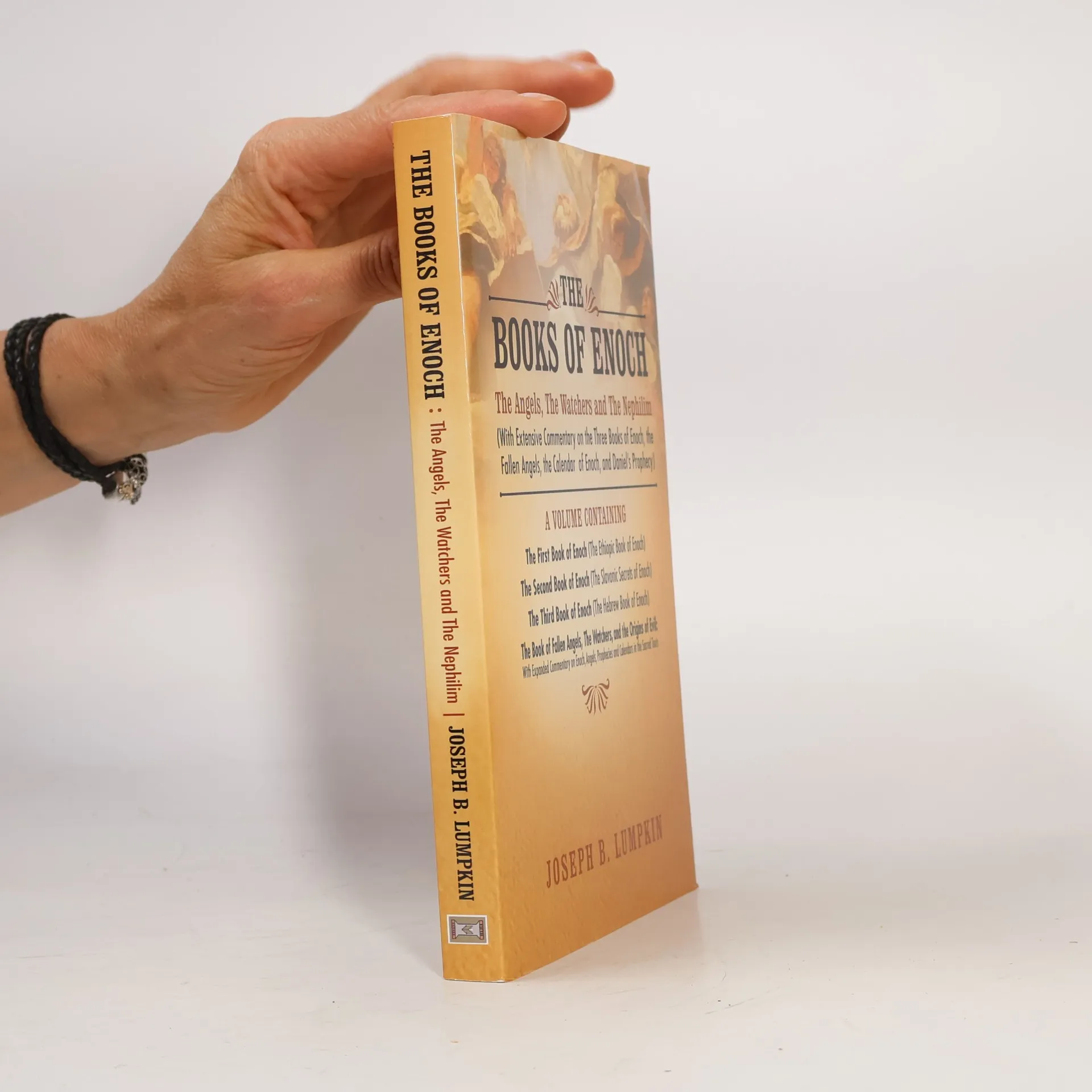
The Books of Enoch
- 364 pages
- 13 hours of reading
This expansive volume contains modern translations of all three major books making up the body of Enochian literature along with copious notes and commentary.
The Didache
The Teaching of the Twelve Apostles: A Different Faith - A Different Salvation
- 158 pages
- 6 hours of reading
This collection features key early Christian texts, including the Didache presented in both English and Greek, which provides insights into the teachings and practices of the early Church. Additionally, it includes the "Q" source document, believed to be a foundational text for the Gospels, and the Book of James, which emphasizes practical Christian living and faith. Together, these works offer a comprehensive look at the beliefs and instructions that shaped early Christianity.
The Book of Jubilees; The Little Genesis, the Apocalypse of Moses
- 226 pages
- 8 hours of reading
Attributing its authorship to Moses, this ancient text presents a unique angelic perspective on biblical history, narrated during his time on Mount Sinai. It explores significant events from creation to the flood, including Adam's fall, the union of fallen angels with humans, and the resulting demonic offspring. The narrative asserts a transformation in humanity's nature post-flood, suggesting a reduction in sinful traits compared to earlier generations. Additionally, it provides detailed insights into Israel's history, culminating in the aftermath of the exodus from Egypt.
Set in a midrash style, this apocryphal narrative explores the period from the creation of Adam and the Garden of Eden to the era of Enoch. It delves into the dynamics between angels and demons, particularly focusing on Satan's strategies to undermine humanity. The text offers rich insights for those intrigued by religious themes and the complexities of spiritual conflict, making it essential reading for serious students of religion and history.
The Gnostic Gospels of Philip, Mary Magdalene, and Thomas
- 164 pages
- 6 hours of reading
And the companion (Consort) was Mary of Magdala (Mary Magdalene). The Lord loved Mary more than all the other disciples and he kissed her often on her mouth (the text is missing here and the word mouth is assumed). The others saw his love for Mary and asked - Why do you love her more than all of us? The Savior replied, - Why do I not love you in the same way I love her? - (The Gospel of Philip) - Peter said to Mary; -Sister we know that the Savior loved you more than all other women. Tell us the words of the Savior that you remember and know, but we have not heard and do not know. Mary answered him and said; -I will tell you what He hid from you. - (The Gospel of Mary Magdalene) - Seizing on the texts above, writers of both fiction and non-fiction allowed their pens to run freely amidst conjecture and postulation of marriage and children between Jesus and Mary Magdalene. The writers of The Da Vinci Code and Holy Blood, Holy Grail took these passages and expanded them into storylines that have held readers captive with anticipation. Did Jesus take Mary to be his wife? Could the couple have produced children? Gnostic theology leaves open the possibility.
The Books of Jasher
The Book of Jasher, The J. H. Parry Text And The Book of Jasher, also called Pseudo-Jasher, The Flaccus Albinus Alcuinus Text
- 458 pages
- 17 hours of reading
The Book of Jasher is an ancient text referenced in the Bible, specifically in II Samuel. It is believed to contain historical accounts and narratives that expand upon biblical stories, providing additional context and details about significant events and figures in scripture. This work aims to offer readers a deeper understanding of biblical history and its implications, making it a valuable resource for scholars and enthusiasts of religious texts.
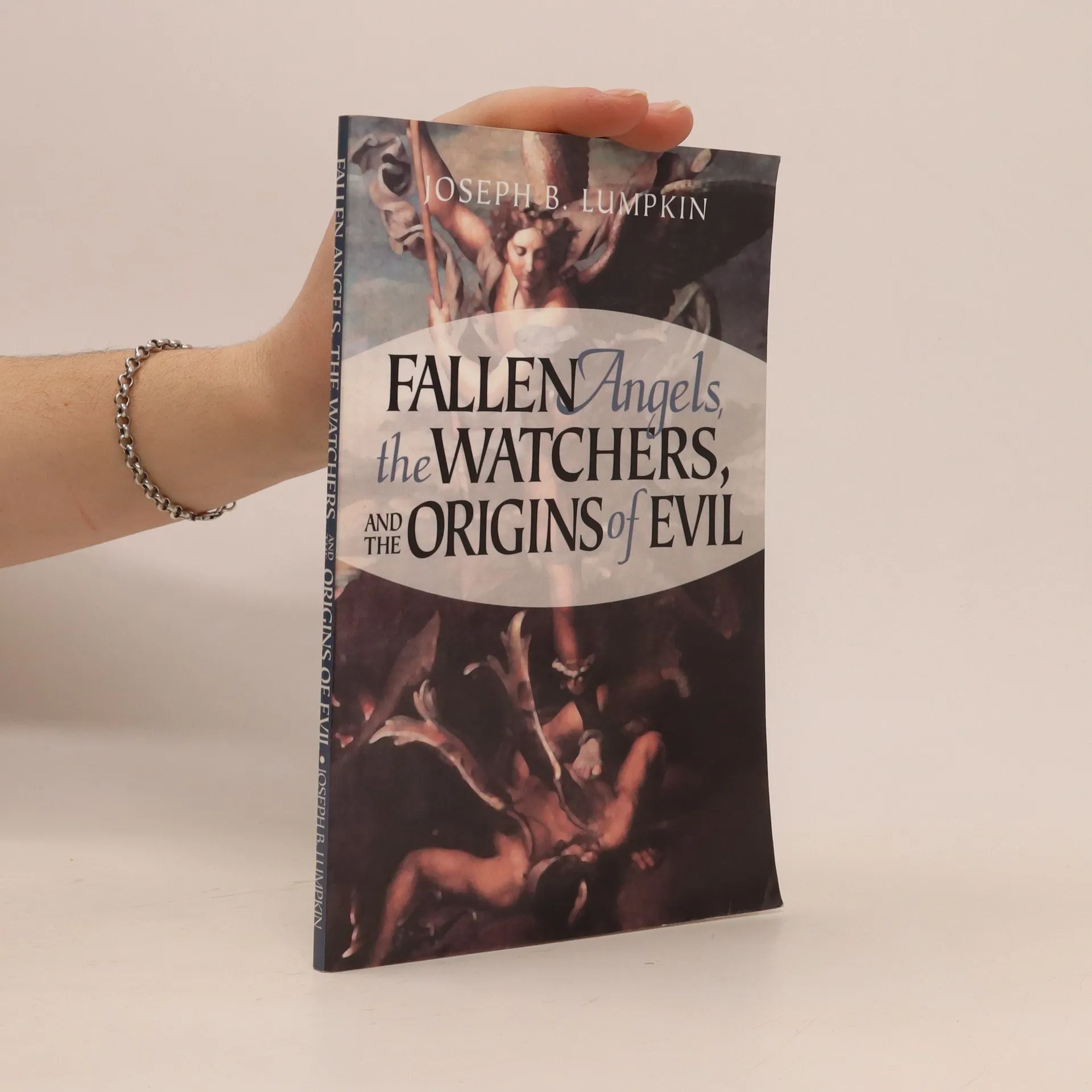
Fallen Angels, the Watchers, and the Origins of Evil
- 132 pages
- 5 hours of reading
Evil walked the earth when angels fell. Evil stalks us now in disembodied spirits; immortal wraiths once clothed in flesh when angel and women bred; spirits released from their fleshly prisons when their bodies were destroyed for drinking the blood of men. Evil also lives inside of the common man; set free when pride kills reason and eats integrity whole. There is evil that entraps us and evil that tugs from within. But neither have control until we choose to relent. Evil is a choice of action, of thoughts entertained too long, of arrogance pushing aside the last vestiges of compassion. Evil resides within the problem of choice. What is evil? Could it be as simple as pernicious selfishness? Could it be the drive for immediate gratification without regard for others? Man's life is limited; one hundred years or less. But, the souls of angel and watcher are eternal. Consider how much evil can be wrought through the millennia of immediate gratification on an eternal scale. By contrasting and comparing ancient texts such as Enoch, Jasher, Jubilees, the Bible, and various others containing stories of the creation of angels, demons, and man, a full and panoramic history of evil is produced. In this history the startling revelation of the descent of man and angels, and the evolution of evil on earth is clearly revealed.