

Explore the latest books of this year!
Bookbot

Jenny Odell

    January 1, 1986
    Zeit finden
    Jak robić nic? Manifest przeciw kultowi...
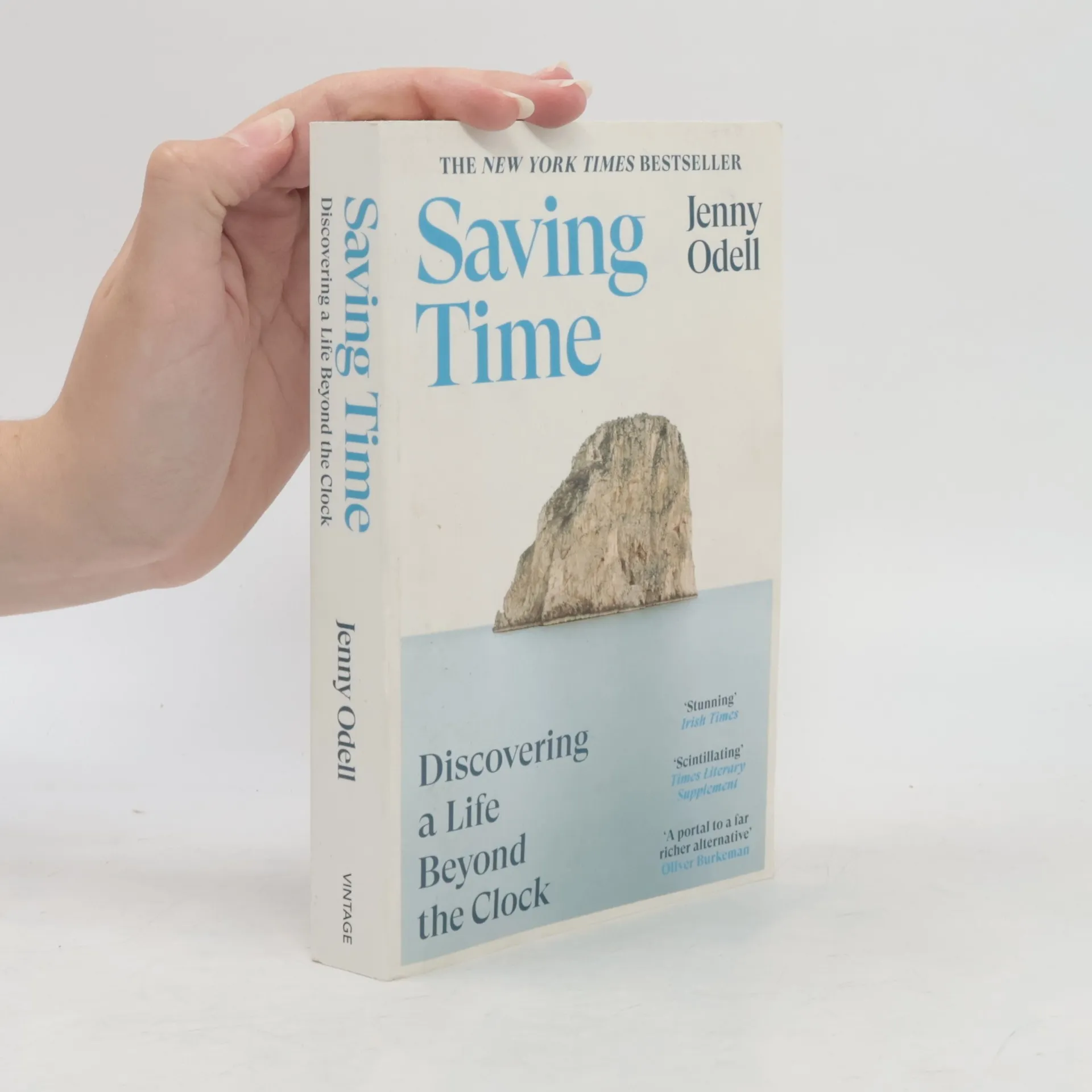
    Saving Time
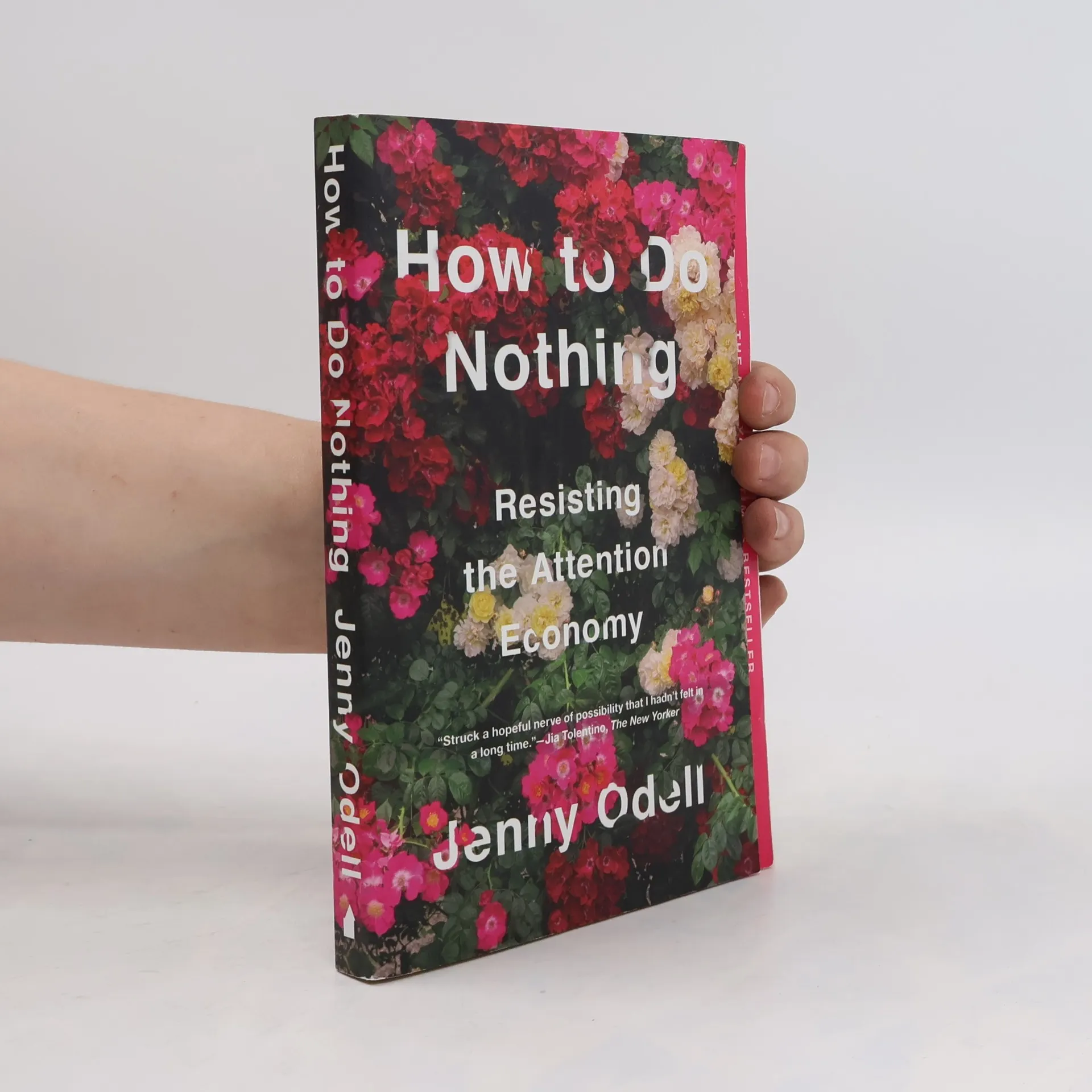
    How to Do Nothing
    • How to Do Nothing

      • 256 pages
      • 9 hours of reading
      3.7(46312)Add rating

      Nothing is harder to do these days than nothing. But in a world where our value is determined by our 24/7 data productivity . . . doing nothing may be our most important form of resistance. So argues artist and critic Jenny Odell in this field guide to doing nothing (at least as capitalism defines it). Odell sees our attention as the most precious-and overdrawn-resource we have. Once we can start paying a new kind of attention, she writes, we can undertake bolder forms of political action, reimagine humankind's role in the environment, and arrive at more meaningful understandings of happiness and progress. Far from the simple anti-technology screed, or the back-to-nature meditation we read so often, How to do Nothing is an action plan for thinking outside of capitalist narratives of efficiency and techno-determinism. Provocative, timely, and utterly persuasive, this book is a four-course meal in the age of Soylent

      How to Do Nothing
    • NEW YORK TIMES BESTSELLER • From the author of How to Do Nothing comes a “paradigm-destroying new book . . . about the various problems that swirl out from dominant conceptions of ‘time’” (The New York Times Editors’ Choice). “Saving Time’s real triumph lies in her road map for experiencing time outside the capitalist clock. . . . Expect to feel changed by this radical way of seeing.”—Esquire. In her first book, Jenny Odell emphasized the importance of disconnecting from the “attention economy” for quiet contemplation. But what if time is a luxury we can't afford? Odell explores how our societal structure has shaped our relationship with time, revealing that the clock we follow prioritizes profit over people. This commodification of time permeates our lives, even in leisure, and is tied to social inequities, the climate crisis, existential dread, and fatalism. This subversive and hopeful work offers alternative ways to experience time, drawing inspiration from pre-industrial cultures and natural rhythms. Odell encourages us to embrace the diverse tempos of life—waiting, desire, memory, healing—reminding us that time can be more than standardized units. By imagining a life beyond work and profit, we can reclaim time as a source of meaning and possibility, ultimately finding ways to “save” time that may lead to our salvation.

      Saving Time
    • Rób nic i uwolnij się od nałogu cośróbstwa. Otaczają cię rzeczy nierzeczywiste: wizualizacje produktów, idealne zdjęcia w mediach społecznościowych, zbawienne aplikacje, dzięki którym zaoszczędzisz mnóstwo czasu. Bo przecież czas to pieniądz, a jest jeszcze tyle do zrobienia! Już kładąc się do snu, w głowie pojawia się myśl: „Jutro muszę…”. Jeśli nie wykażesz się produktywnością, to… …świat się nie zawali. Wręcz przeciwnie – zrobisz mu przysługę. W czasach, kiedy tracenie czasu jest powszechnie potępiane i uznawane za najgorsze z możliwych marnotrawstw, Jenny Odell zachęca, aby swoją uwagę skierować na świat rzeczywisty – pełen różnorodności i inspiracji. Przekonuje, że tylko zmniejszając lawinę wymagań i rozpraszaczy, możesz dostrzec jego prawdziwe piękno, a także problemy i realne rozwiązania.

      Jak robić nic? Manifest przeciw kultowi...
    • Zeit finden

      Jenseits des durchgetakteten Lebens

      Unser Leben ist von morgens bis abends durchgetaktet, jeder Moment wird optimiert oder als Ressource betrachtet, was uns schadet. Jenny Odell, Autorin des Bestsellers «Nichts tun», untersucht in ihrem neuen Werk die falschen Vorstellungen, die unser modernes, kapitalistisches Zeitverständnis prägen, und skizziert, wie ein menschlicheres, freieres Leben aussehen könnte. Sie stellt die Frage, was zu tun ist, wenn die Zeit stets zu knapp erscheint, und taucht tief in die Geschichte der Menschheit ein. Odell rekonstruiert die Einteilung des Tages in 24 gleichförmige Zeiteinheiten und beleuchtet die Entstehung der „Zeit ist Geld“-Mentalität in tayloristischen Fabriken. Zudem kritisiert sie die Vermarktung von Entschleunigung in Yoga- und Achtsamkeitsretreats. Dabei deckt sie die kapitalistischen und kolonialistischen Wurzeln unserer Zeiterfahrung auf und zeigt deren Verbindung zur Zerstörung der Umwelt. Ihr unkonventionelles Buch ist kein Ratgeber für effizientere Selbstoptimierung, sondern ein kluges Plädoyer für ein Leben jenseits der tickenden Uhr, das Raum für zwischenmenschliche Nähe, gesellschaftliche Teilhabe und Klimagerechtigkeit schafft. Es thematisiert die kapitalismuskritische Auseinandersetzung mit Arbeitszeit und unserer Burnout-Kultur und fragt, wie wir wieder Autonomie über unsere Lebenszeit gewinnen können.

      Zeit finden