Rambam
Shemonah Perakim, The Eight Chapters; Maimonides' Introduction to Ethics of the Fathers; Perek Chelek; Discourse on the World to Come
- 114 pages
- 4 hours of reading


Moses ben Maimon, known as Maimonides, was a preeminent medieval Jewish philosopher, Torah scholar, and physician. His work deeply engages with philosophical and religious texts, notably eschewing mysticism and criticizing poetry as pure invention. Despite a life marked by upheaval and exile, Maimonides produced his seminal works with a wanderer's staff in hand. He was not only a profound thinker but also a renowned physician who served royalty.




Shemonah Perakim, The Eight Chapters; Maimonides' Introduction to Ethics of the Fathers; Perek Chelek; Discourse on the World to Come
A Translation of Maimonides Introduction to His Commentary on the Mishna With Complete Original Hebrew Text
This lucid and elegant English translation of Maimonides' introductory work to the Talmud has become a classic. Here Maimonides explains the origins, aims, methodology and spirit of the Talmud and delineates all the Rabbinic sages of the period. He covers such fundamental issues as the powers of the Rabbis to add to the original laws of the Torah, why dissensions from the accepted rulings of the Jewish law were permanently recorded in the Talmud, and the criteria for the determination of a true prophet. This edition features annotations, charts, indexes and a glossary, as well as Maimonides' complete original Hebrew text.Essential reading for any student of the Talmud!
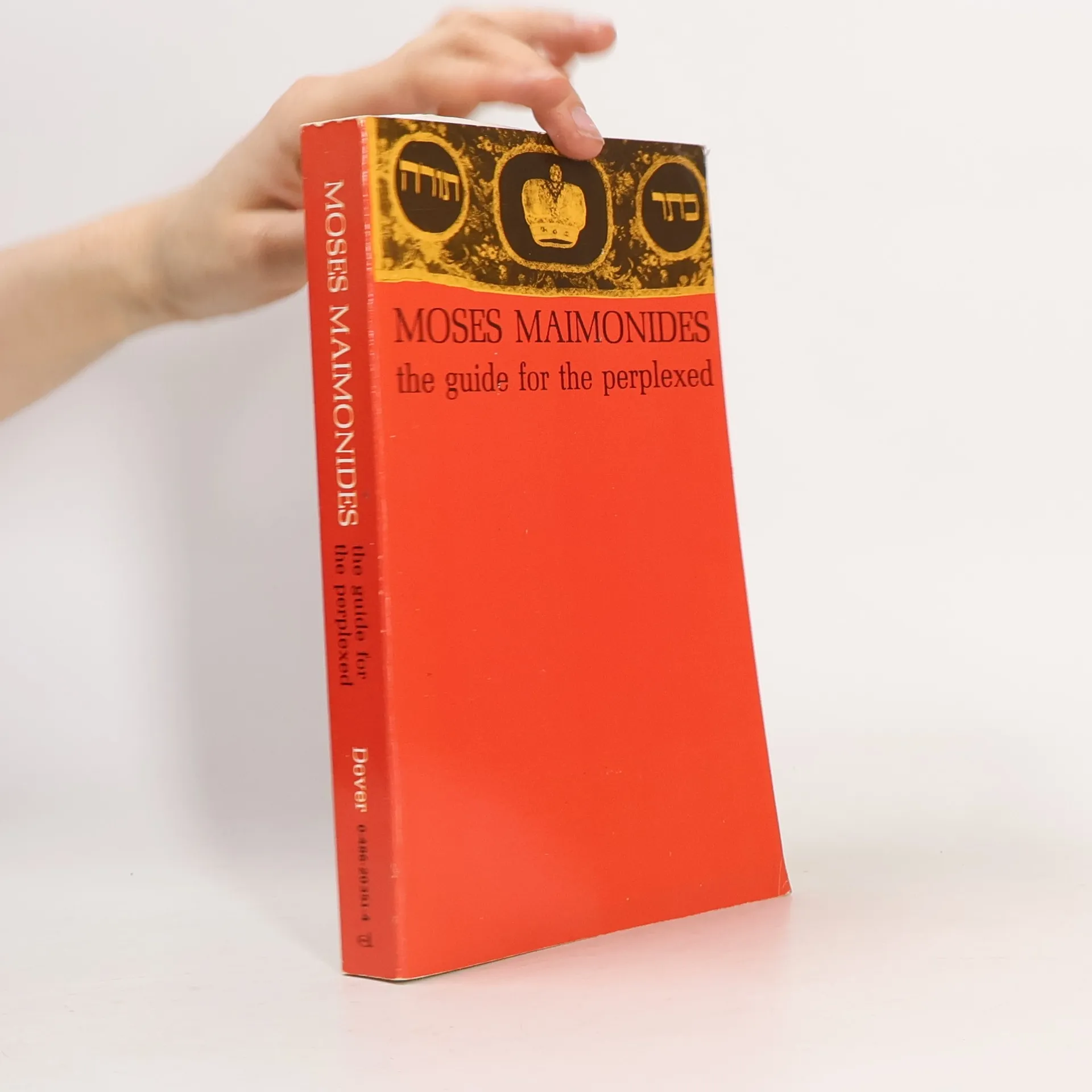
Complete text of crucial medieval work of philosophy: reconciliation of Aristotle and Scripture. Includes Life of Maimonides, analysis of The Guide, indexes of quotations from Scripture, Talmud. Maimonides, brilliant forerunner of Aquinas.
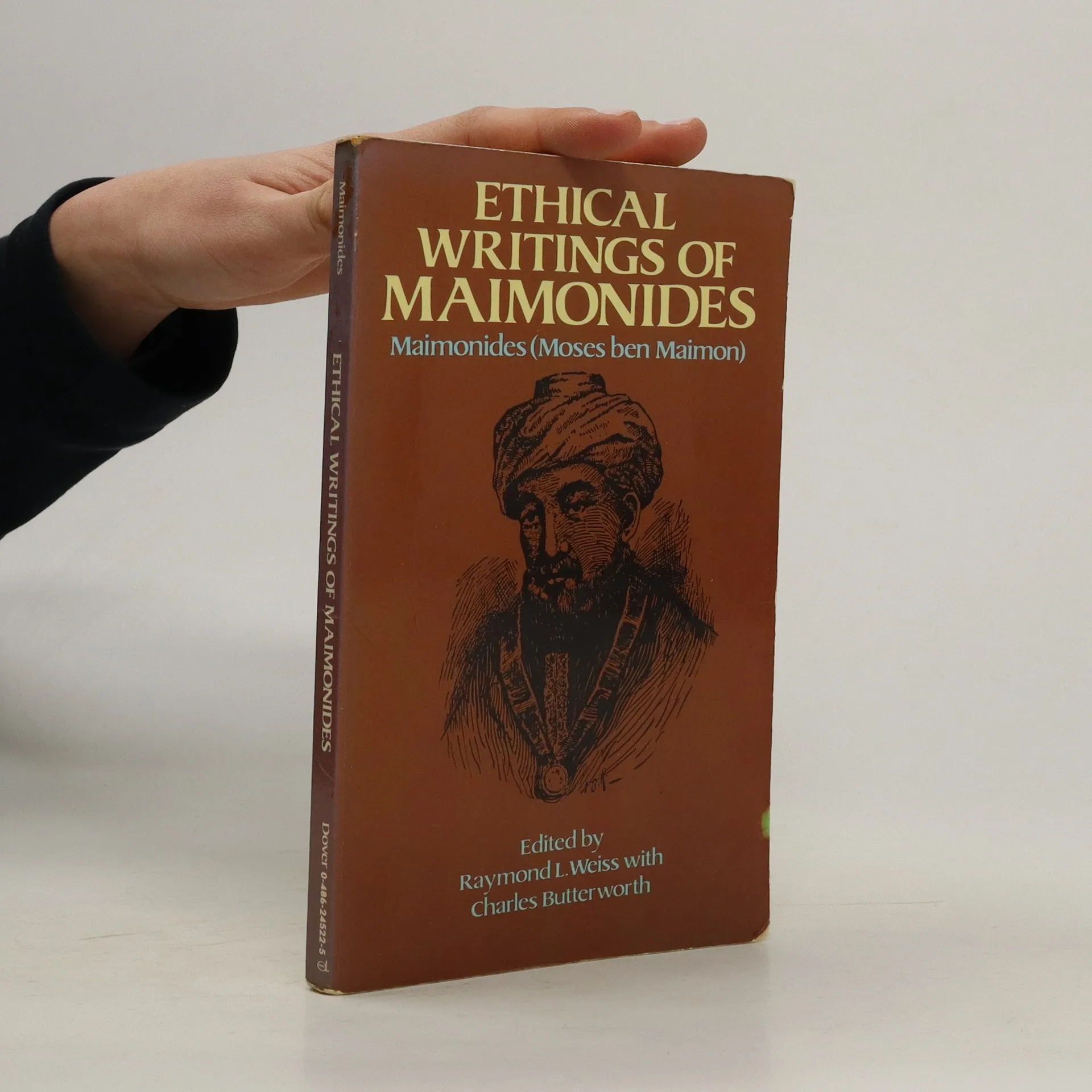
The present volume contains Maimonides most significant ethical works, newly translated from the original sources by Profs. Raymond I., Weiss and Charles E. Butterworth, well-known Maimonides scholars. Previous translations have often been inadequate - either because they were not based on the best possible texts or from a lack of precision. That deficiency has been remedied in the present text. The translations are based on the latest scholarship and have been made with a view toward maximum accuracy and readability. moreover, the long 'Letter to Joseph' has been translated into English for the first time.
In this book, Hermann Hedwig Bernard presents an overview of Jewish creed and ethics, drawing on selections from the Yad Hachazakah, a code of Jewish law compiled by Moses Maimonides in the 12th century. Bernard provides commentary on Maimonides' work and offers insights into the principles that have guided Jewish thought and practice throughout history.
This is a reproduction of a book published before 1923. This book may have occasional imperfections such as missing or blurred pages, poor pictures, errant marks, etc. that were either part of the original artifact, or were introduced by the scanning process. We believe this work is culturally important, and despite the imperfections, have elected to bring it back into print as part of our continuing commitment to the preservation of printed works worldwide. We appreciate your understanding of the imperfections in the preservation process, and hope you enjoy this valuable book.
Culturally significant, this work offers a faithful reproduction of an original artifact, preserving its historical integrity. It includes original copyright references and library stamps, reflecting its importance in the knowledge base of civilization. This edition highlights the value of historical texts and their contributions to understanding cultural heritage.
Focusing on Maimonides' significant contributions to Jewish law and philosophy, this volume serves as a companion to his work "On Asthma." It features critical editions of three medieval Hebrew translations, including one by Samuel Benveniste and another by Joshua Shatibi, alongside two Latin translations by Giovanni da Capua and Armengaud Blaise. This scholarly edition highlights the historical context and the evolution of Maimonides' ideas through various translations, concluding with important updates to the first volume.
The book is a facsimile reprint of a scarce antiquarian work, preserving its original content despite potential imperfections like marks and notations. It emphasizes the cultural significance of the text, reflecting a commitment to protecting and promoting literature through high-quality, accessible editions that honor the original work.
Dieser religiöse Traktat ist das herausragende Zeugnis der engen und fruchtbaren Verzahnung arabischen, jüdischen und griechischen Denkens in der philosophischen Ethik des Mittelalters. Gegen die Orthodoxie vertritt Maimonides die Auffassung, das Gebot der Ethik des Judentums verlange nicht den strengen Gehorsam gegenüber dem >strafenden Vater
Zo židovskej arabštiny a hebrejštiny přeložili, k vydaniu pripravili a úvodné štúdie napísali Daniel Boušek a Dita Rukriglová. Publikácia je reprezentatívnym výberom jedenástich listov židovského rabína, lekára a filozofa Mošeho ben Majmūna – Maimonida (1138 Córdoba – 1204 Fustāt). Najviac sú zastúpené texty s nábožensko-právnou tematikou (list o prenasledovaní, list do Jemenu, listy sudcom Jefetovi a Pinhasovi), ďalej kratšie filozofické traktáty (pojednanie o zmŕtvychvstaní, list o rozhodnutí hviezd) a tiež osobná korešpondencia (z listov Josefovi ben Jehudovi a Šmu’elu ibn Tibonovi).