Vom Kopf ins Herz und umgekehrt
Wie die Wahrheit über Gott Ihr Leben verändert


Gerard Woodward is a British author celebrated for his incisive explorations of family dynamics and the human psyche. His literary work is characterized by its profound characterizations and compelling narratives that often delve into complex emotions and inner turmoil. He imbues his writing with a poetic sensibility and an analytical eye for society, offering readers a unique and thought-provoking experience. His prose is valued for its originality and its ability to capture the essence of the human condition.


Wie die Wahrheit über Gott Ihr Leben verändert
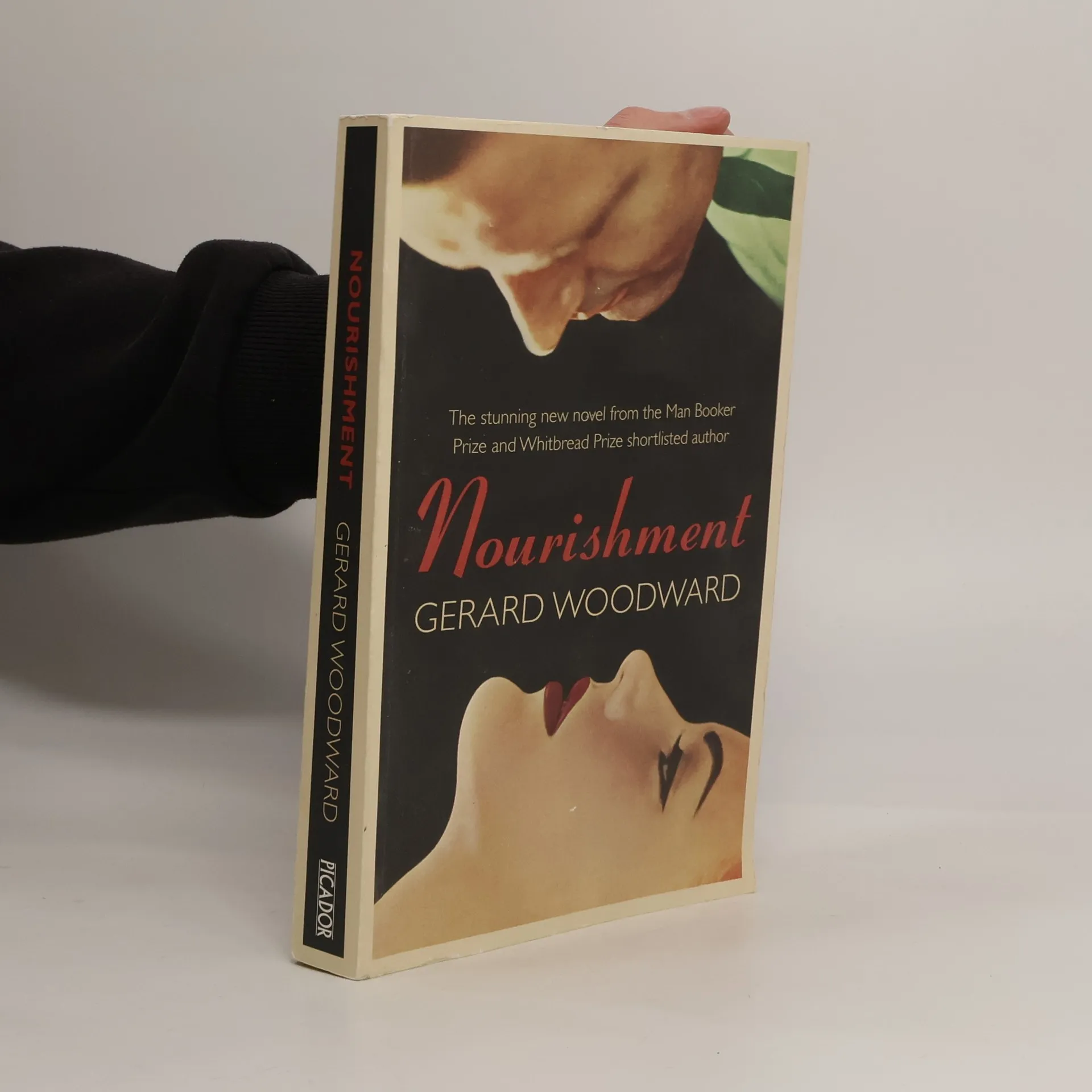
Arnold Proctor's quiet life is thrown off balance when he falls obsessively in love with Vera, a religious woman and one of his wife's friends. Vera seems untroubled by her wrongdoing, yet faithless Arnold is wracked with guilt. He has never believed in God, but now he wonders if he truly believes in anything at all? Polly makes handcrafted paper, and even though the age of paper is dead, she runs a successful shop selling her exquisite products. Polly is secure and happy in her life, until the day her husband Arnold makes a very uncharacteristic declaration.
Performing a deft metaphorical evisceration of Sigmund Freud’s classic 1919 essay that delved deeply into the tradition of horror writing, this freshly contemporary collection of literary interpretations reintroduces to the world Freud’s compelling theory of das unheimliche —or, the uncanny. Specifically designed to challenge the creative boundaries of some of the most famed and respected horror writers working today—such as A. S. Byatt, Christopher Priest, Hanif Kureishi, Frank Cottrell Boyce, Matthew Holness, and the indomitable Ramsey Campbell—this anatomically precise experiment encapsulates what the uncanny represents in the 21st century. Masterfully narrated with the benefit of unique perspectives on what exactly it is that goes bump in the night, this chilling modern collective is not only an essential read for fans of horror but also an insightful and intriguing introduction to the greats of the genre at their gruesome best.
Set against the backdrop of London's Soho underworld and the 1930s art scene, this literary thriller follows the life of Kenneth Brill, a young British artist and camouflage officer, during and after World War II. As the war nears its end, Brill is arrested for painting landscapes near Heathrow Village, with authorities suspecting his work contains coded messages about a new military airfield. He insists he is simply capturing a landscape on the verge of disappearance. Through interrogation, Brill recounts his life, from his upbringing in the market gardens of The Heath to his experiences in the vibrant London art scene. However, darker revelations surface, including his entanglements with Soho's prostitutes and pimps, a break-in at a royal residence, and connections to notorious fascist sympathizers. The narrative questions Brill's true identity: is he the hero of El Alamein, known for a remarkable act of military deception, or the lover of fascist sympathizer Arturo Somarco? His expulsion from the Slade School of Fine Art and his involvement with Hillmead, a rural community linked to a friend of Hitler, add further intrigue. The story explores the perspective of a forgotten genius of modern art, whose keen artistic vision often blinds him to the realities around him.
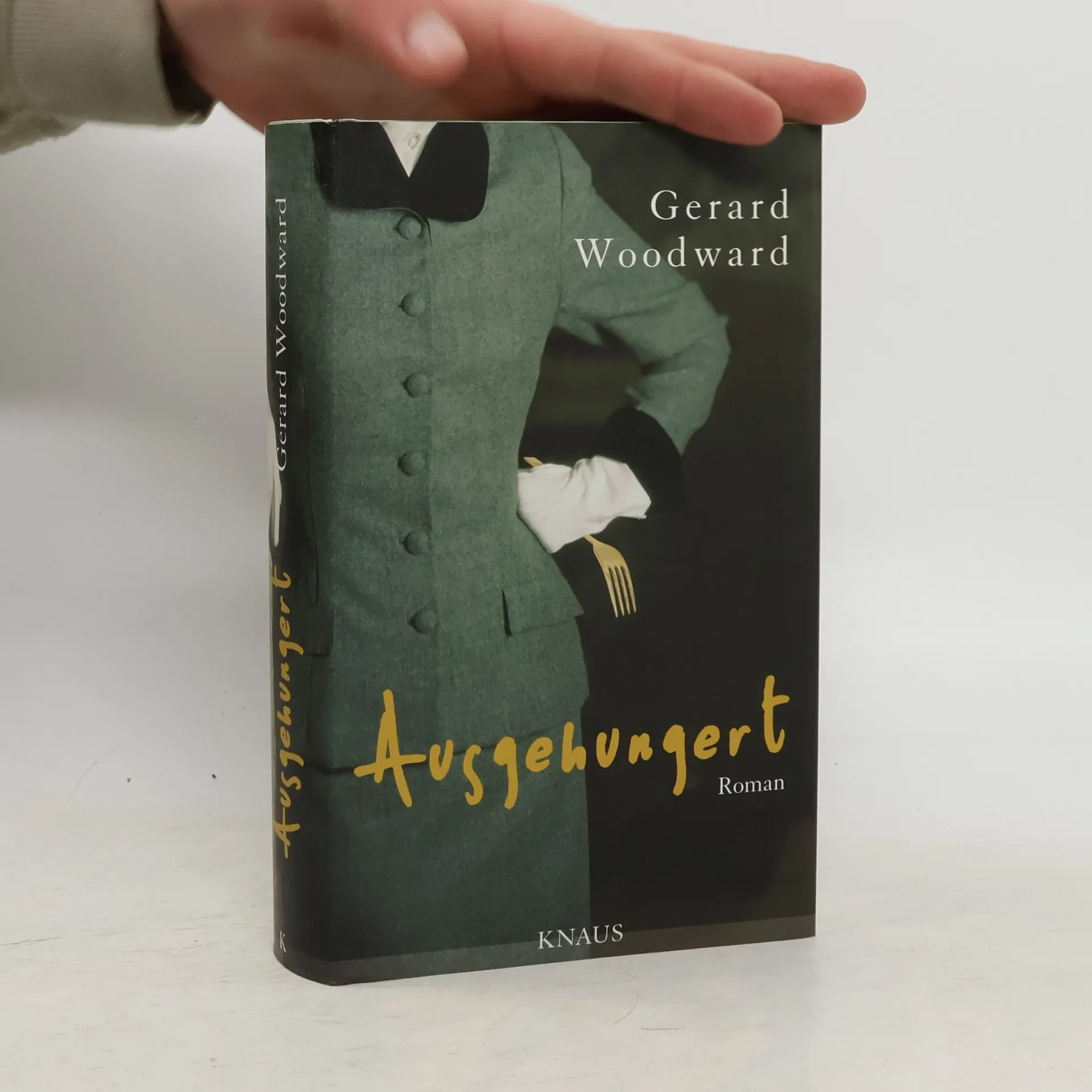
Ein fesselnder Roman über die Abhängigkeit zwischen Männern und Frauen. Tory, während des Krieges in London, kämpft mit Hunger und einer aufdringlichen Mutter. Ein Brief ihres in Gefangenschaft befindlichen Mannes Donald führt zu einer Affäre, die ihre Perspektive verändert. Als er zurückkehrt, muss sie ihn austrocknen.
With her children evacuated and her husband at the front, Tory Pace is grudgingly sharing the family home with her irascible mother. As Tory works at the local gelatine factory - doing her bit for the war effort - her mother has established herself as matriarch and together they are doing as well as could be expected in difficult times.
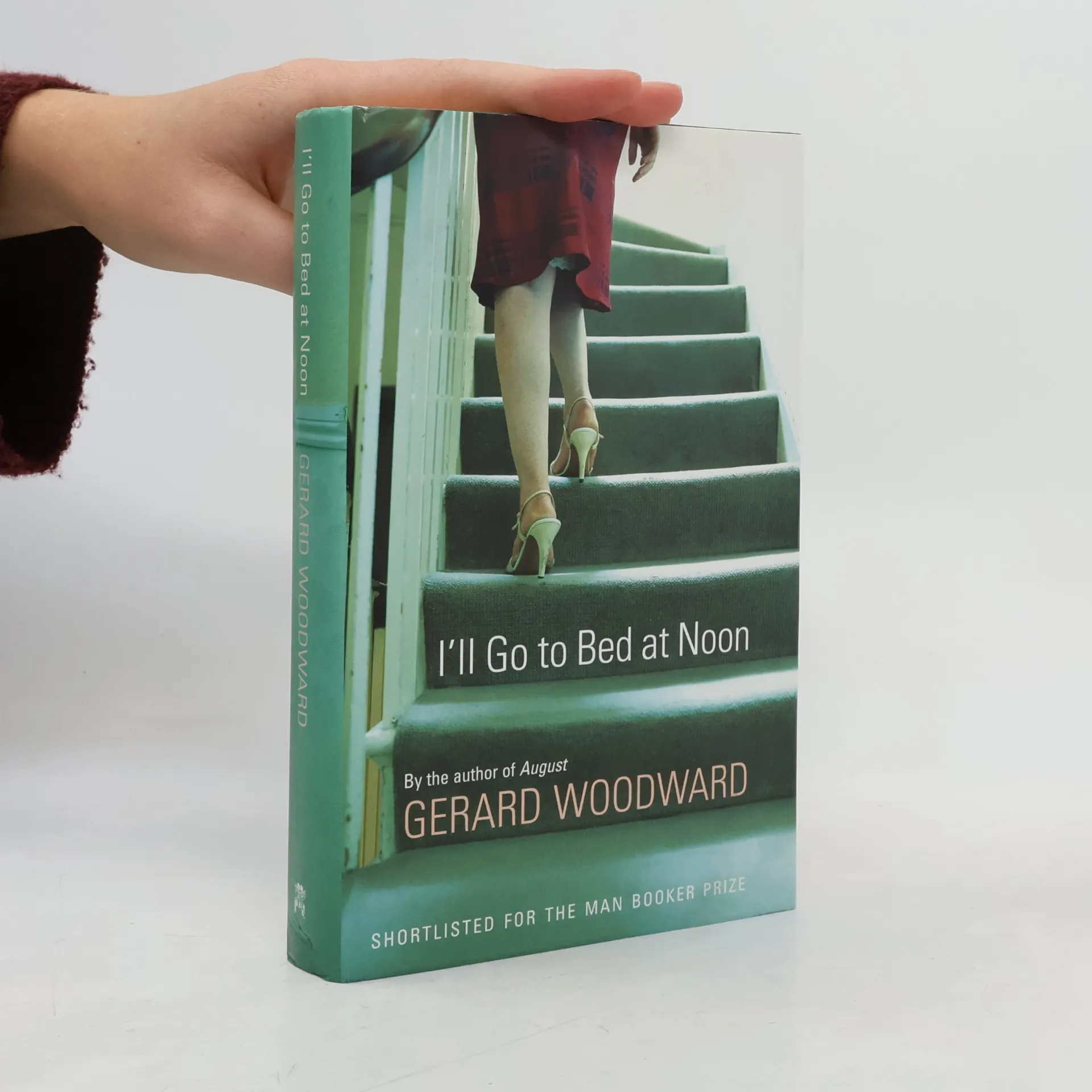
Continues the story of the Jones family, introduced in the novel August
Ever since Aldous Jones careened over the handlebars of his bicycle in 1955 and landed next to Farmer Evans's first field, it has become a tradition for him to take his family camping in Wales. As the years pass, Aldous's family idyll starts to disintegrate and the farm becomes a place drenched in memory.
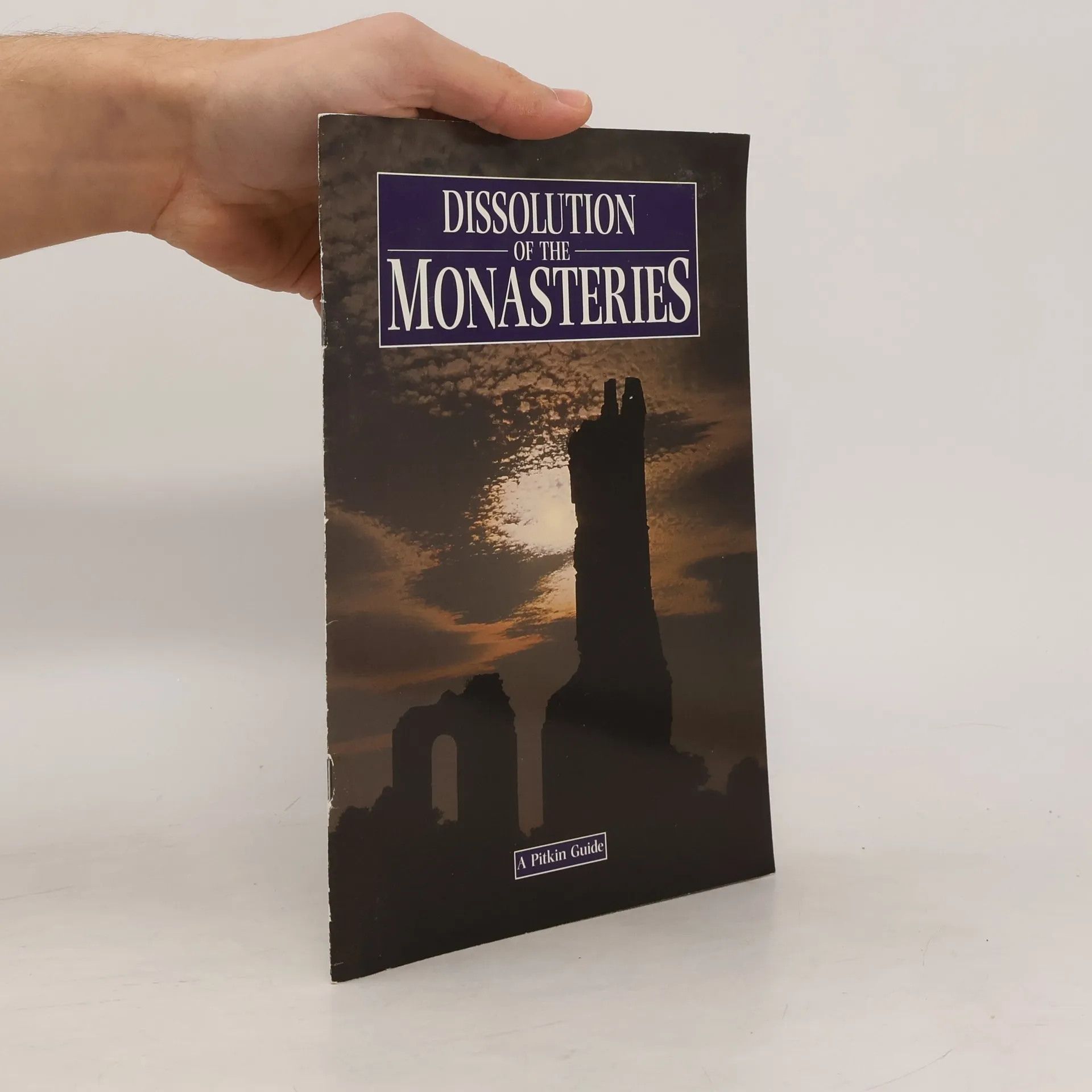
In April 1536, there were scattered throughout England and Wales more than 800 monasteries, by April 1540 there were none. The major social and religious upheaval of these four years is what we call the Dissolution of the Monasteries.