Necropolis
- 320 pages
- 12 hours of reading
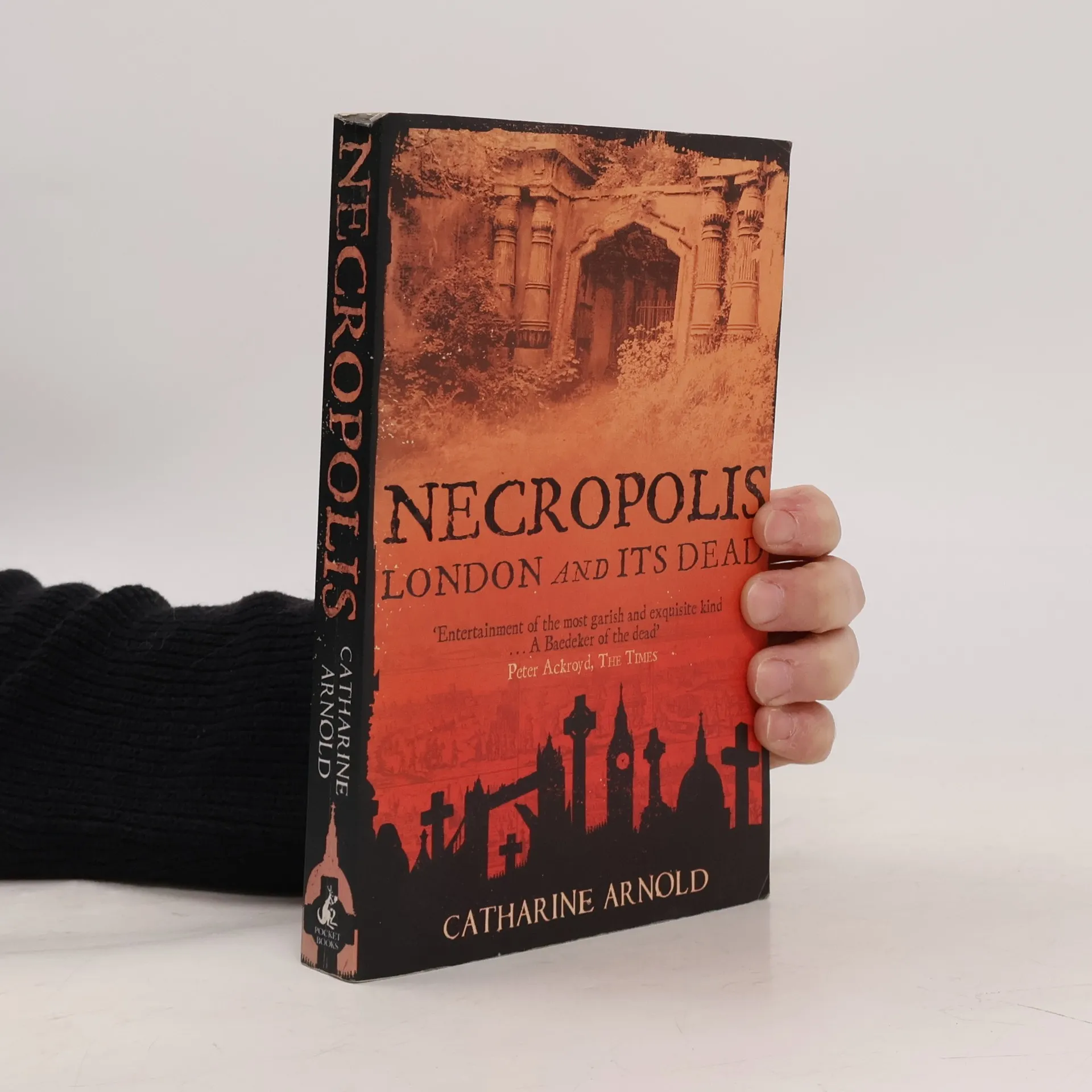
A vivid historical narrative of how London has dealt with its dead from pagan burial rites through the Black Death to the Blitz and the death of Diana.


Catharine Arnold is a journalist, academic, and popular historian who delves into the darker aspects of London's past. Her work investigates the city through its deceased, its mentally ill, and its vices, offering a unique lens on urban history. Arnold combines her background in psychology with her journalistic acumen to uncover compelling narratives that explore the complexities of human nature and societal undercurrents.

A vivid historical narrative of how London has dealt with its dead from pagan burial rites through the Black Death to the Blitz and the death of Diana.
A fascinating portrait of the capital's dark and criminal underbelly throughout history
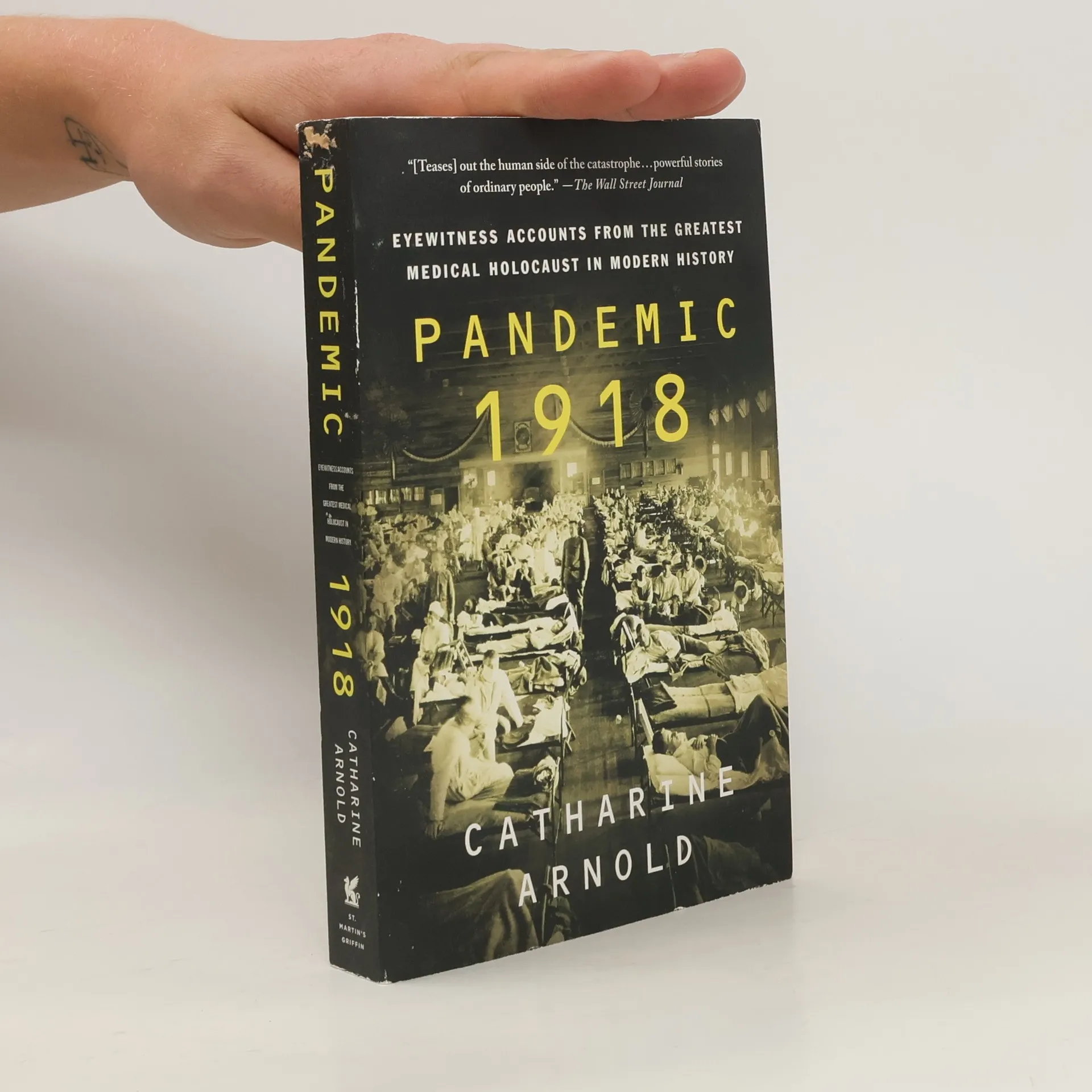
"In January 1918, as World War I raged on, a new and terrifying virus began to spread across the globe. In three successive waves, from 1918 to 1919, influenza killed more than 50 million people. German soldiers termed it Blitzkatarrh, British soldiers referred to it as Flanders Grippe, but world-wide, the pandemic gained the notorious title of 'Spanish Flu.' Nowhere on earth escaped: the United States recorded 550,000 deaths (five times its total military fatalities in the war) while European deaths totaled over two million. Amid the war, some governments suppressed news of the outbreak. Even as entire battalions were decimated, with both the Allies and the Germans suffering massive casualties, the details of many servicemen's deaths were hidden to protect public morale. Meanwhile, civilian families were being struck down in their homes. The City of Philadelphia ran out of gravediggers and coffins, and mass burial trenches had to be excavated with steam shovels. Spanish Flu conjured up the specter of the Black Death of 1348 and the great plague of 1665, while the medical profession, shattered after five terrible years of conflict, lacked the resources to contain and defeat this new enemy. Through primary and archival sources, historian Catharine Arnold gives readers the first truly global account of the terrible epidemic." -- Amazon.com
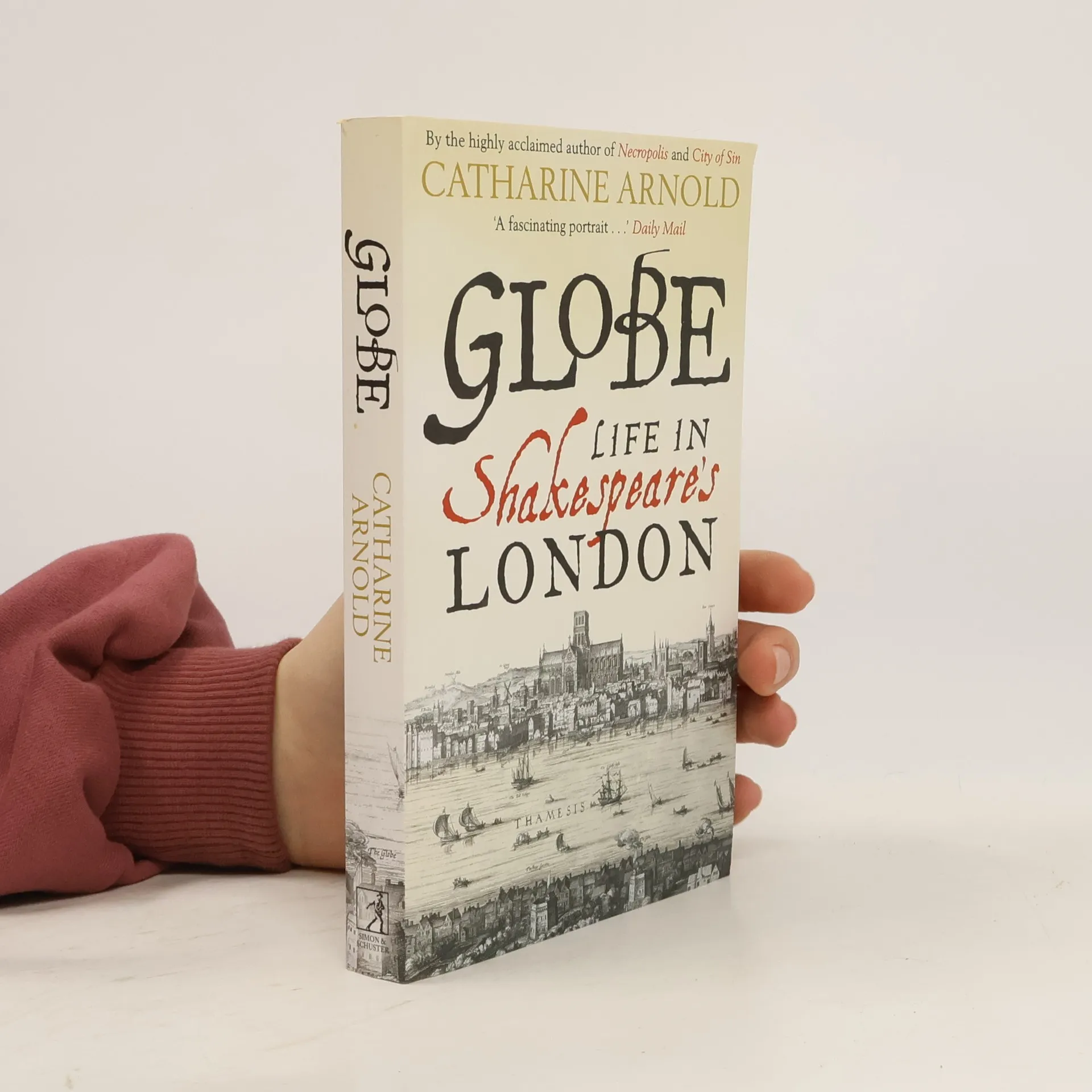
The life of William Shakespeare, Britain's greatest dramatist, was inextricably linked with the history of London. Together, the great writer and the great city came of age and confronted triumph and tragedy. Triumph came when Shakespeare's company, the Chamberlain's Men, opened the Globe playhouse on Bankside in 1599, under the patronage of Queen Elizabeth I. Tragedy touched the lives of many of his contemporaries, from fellow playwright Christopher Marlowe to the disgraced Earl of Essex, while London struggled against the ever-present threat of riots, rebellions and outbreaks of plague.
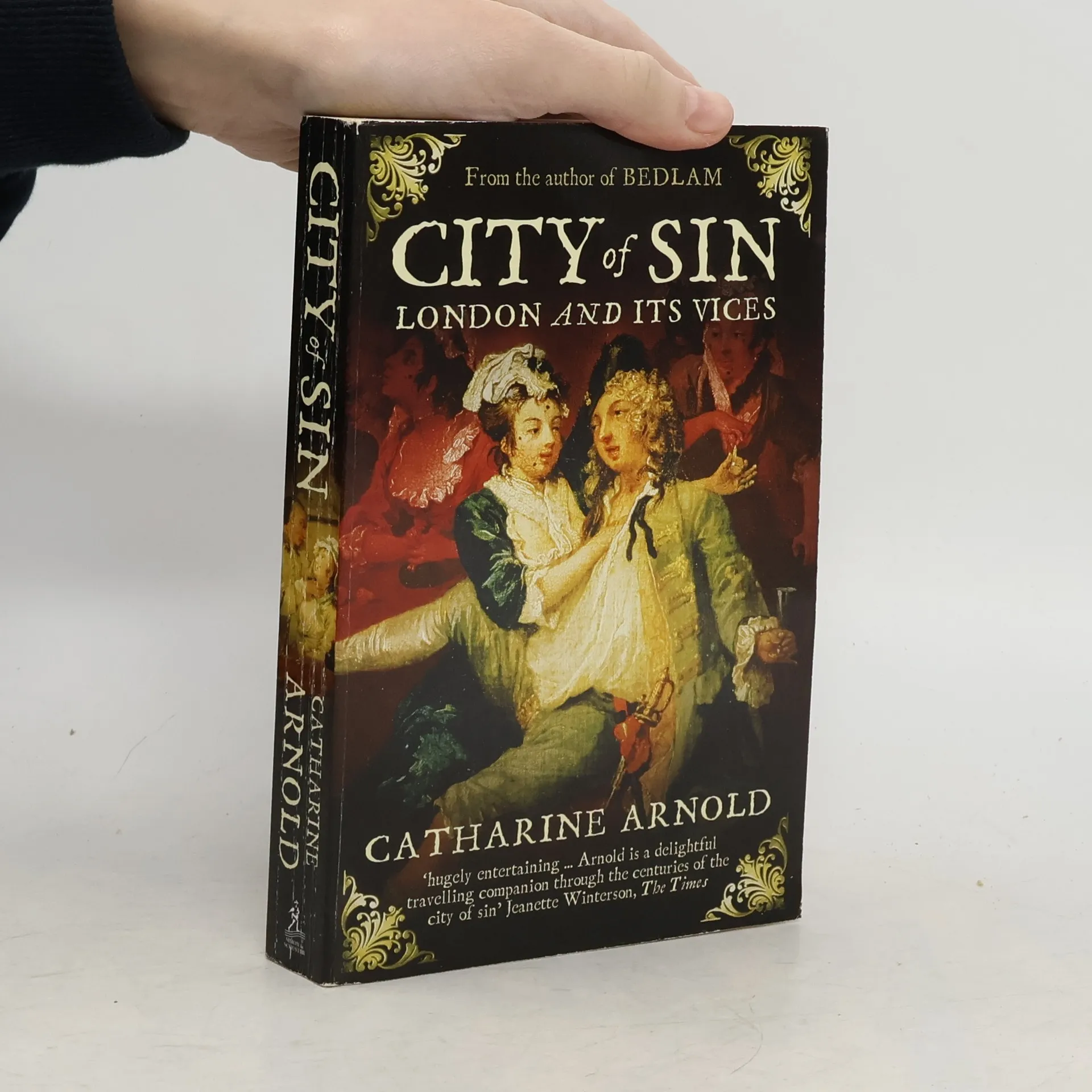
If Paris is the city of love, then London is the city of lust. This vibrant chronicle explores London's relationship with sex through the ages, revealing how England's capital has been associated with desire and the sins of the flesh for over a thousand years. Richard of Devises, a monk in 1180, noted the prevalence of obscenities, while as early as the second century AD, London was infamous for its raucous festivities and disorderly houses. Award-winning historian Catharine Arnold examines the city's vice-laden history, showcasing how London has always traded in the currency of sex. From pornographic publishers on Fleet Street to courtesans in Haymarket, the streets have witnessed a range of colorful sexual behaviors. Arnold's accessible style takes readers on a journey through London's fleshpots, featuring buxom strumpets, louche aristocrats, and Victorian flagellants. The narrative captures the city's oscillation between sexual exuberance and moral panic, swinging from Puritanism to hedonism. With later chapters delving into Victorian London and the twentieth-century sexual underground, this chronicle presents a fascinating look at the raw and ribald aspects of the city.