

Im letzten Vortrag vor seinem plötzlichen Tod im Jahr 2018 gelang es Eric McLuhan, Sohn Marshall McLuhans, auf eindrückliche Weise sowohl die Positionen als auch Perspektiven einer bereits mehrere Jahrzehnte umfassenden interdisziplinären und internationalen ›Media Ecology‹ miteinander zu verknüpfen. Dieses Forschungsfeld thematisiert Medien nicht primär in einer eher traditionellen beziehungsweise konservativen Funktion als Vermittler von Informationen, sondern fokussiert bewusst die materielle und technologische Anwesenheit und Form von Medien innerhalb einer Kultur und betrachtet deren Einfluss auf Psyche und Verhalten von Individuen innerhalb mediatisierter Gesellschaften. Der Band möchte einen Raum schaffen für die Fortschreibung des McLuhan'sches Denkens im Kontext einer (post-)modernen ›Media Ecology‹. Inhaltlich flankiert wird Eric McLuhans hier erstmals im deutschsprachigen Diskurs publizierter Vortrag durch Beiträge von Oliver Ruf und Tobias Held sowie durch ein von Lars C. Grabbe geführtes Interview mit Eric McLuhans Sohn Andrew McLuhan.
Eric McLuhan Book order
Eric McLuhan was an internationally recognized lecturer and author in the fields of communication and media. With over 40 years of teaching experience, he covered a wide range of subjects, from literary theory to media ecology and Egyptology. His work delved deeply into the nature of media and its impact on human perception and culture. Collaborating closely with his father, Marshall McLuhan, he contributed to understanding the laws of media, and his research also explored the nature of renaissances and global communication.


- 2021
- 1988
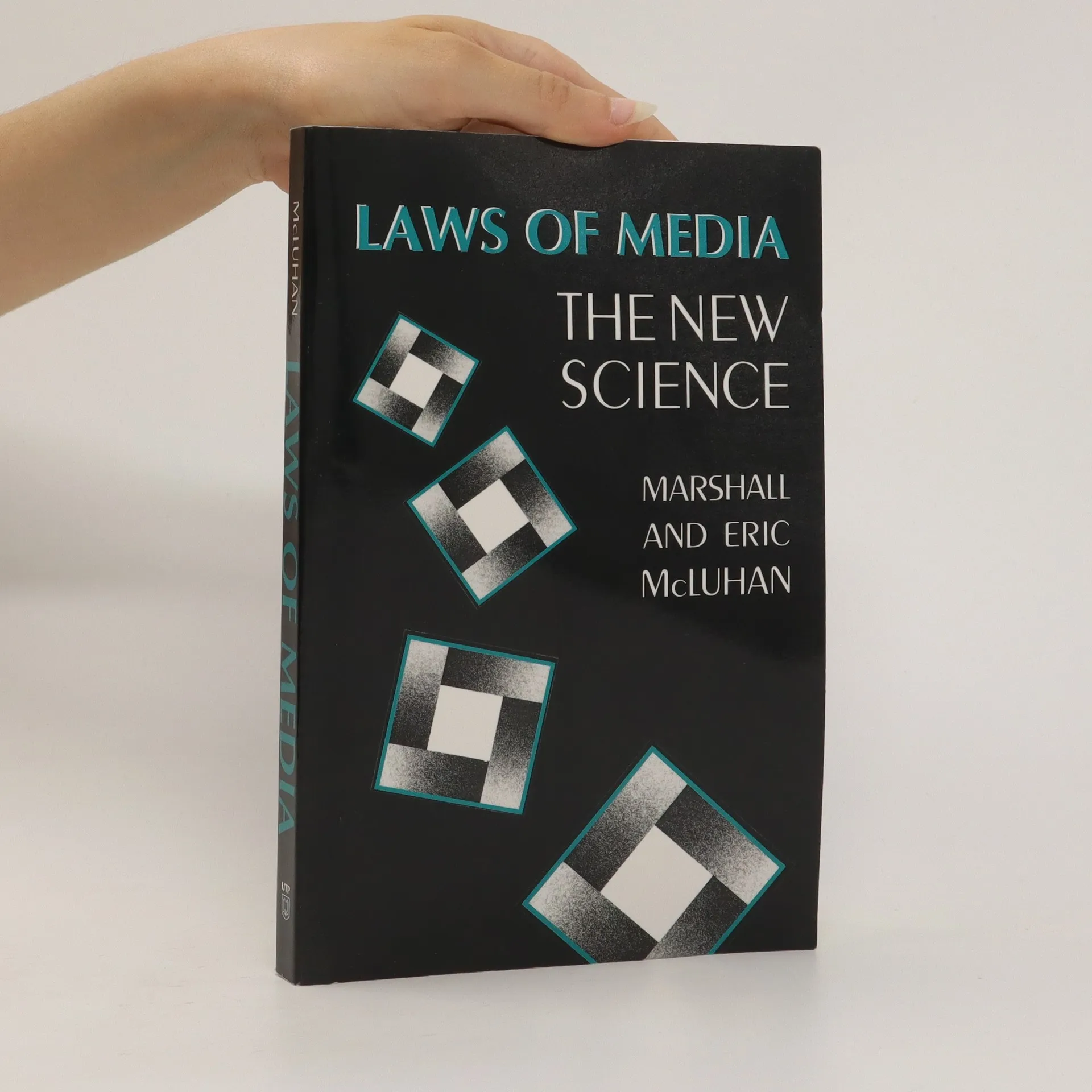
Laws of media: the new science
- 252 pages
- 9 hours of reading
Marshall McLuhan is celebrated as one of Canada's most original thinkers, with works like The Gutenberg Galaxy and Understanding Media establishing his global reputation and influencing our grasp of modern communication. In his later years, he collaborated with his son, Eric McLuhan, on a 'unified field' theory of human culture. This collaboration aims to retrieve an ancient understanding of the world, rooted in the power of 'logos' and its role in shaping culture and media. They argue that the invention of the alphabet led to a preference for visual conceptualizations over acoustic ones, exploring the differences between the brain's hemispheres and employing Gestalt theories to define media. The term 'media,' central to McLuhan's thought, is examined broadly, encompassing all human creations—artefacts, ideas, and innovations, from computer programs to everyday objects. The McLuhans introduce a tetrad of four questions applicable to any artefact or idea: What does it enhance? What does it render obsolete? What does it retrieve? What does it produce when pushed to extremes? Each human innovation answers these questions, and those that do not are not considered products of human creativity. Their laws provide a new scientific foundation for media studies, enabling prediction and encompassing all human activities. This New Science redefines our understanding of human creation and offers a vision for reshaping the future.