
Explore the latest books of this year!
Bookbot

Roy Lichtenstein

  • Lichtenstein, Roy
October 27, 1923 – September 15, 1997
Water lilies
Roy Lichtenstein. 20 Notecards Perfect for Greetings, Birthdays or Invitations
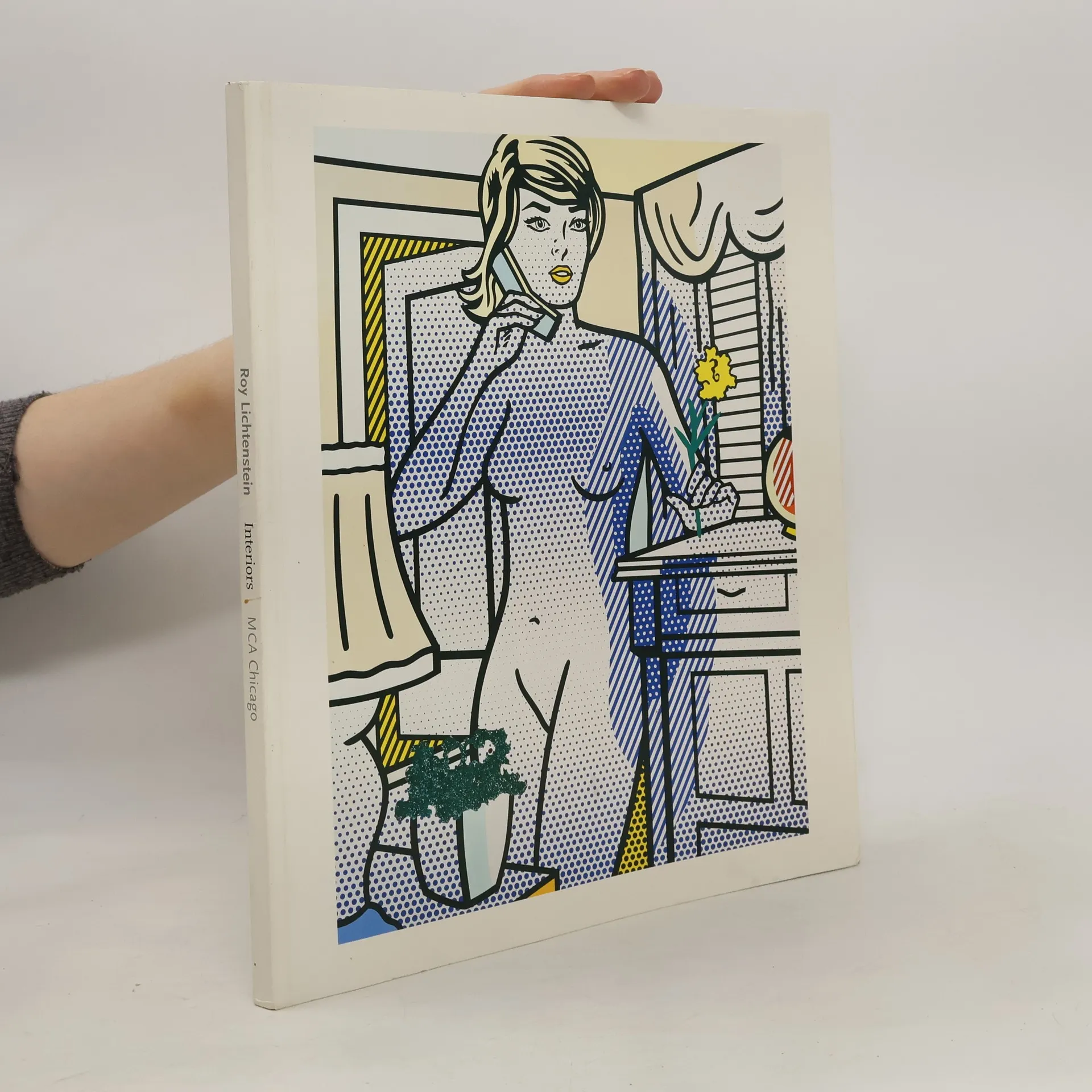
Roy Lichtenstein. Interiors
Roy Lichtenstein. Beginning to End
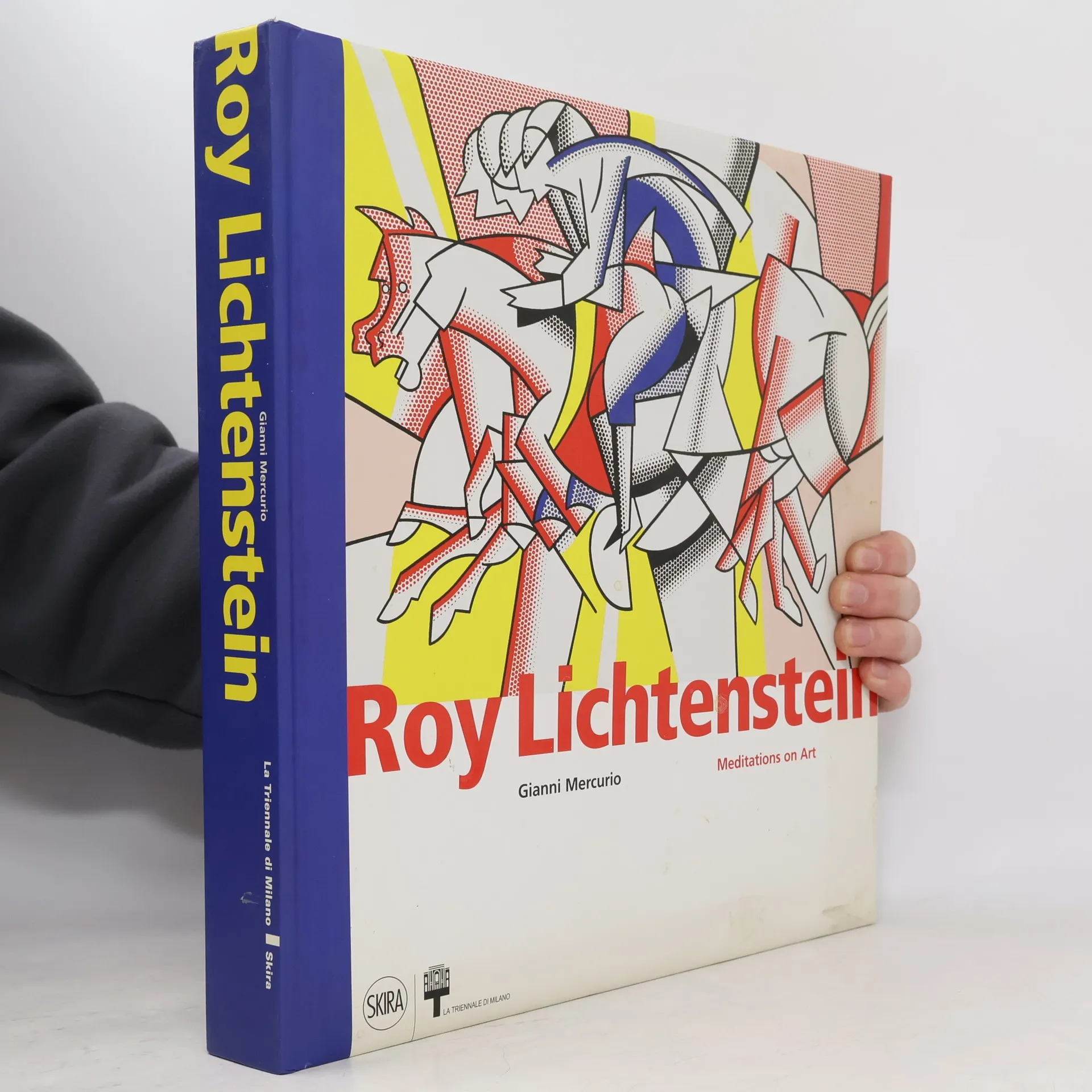
Roy Lichtenstein
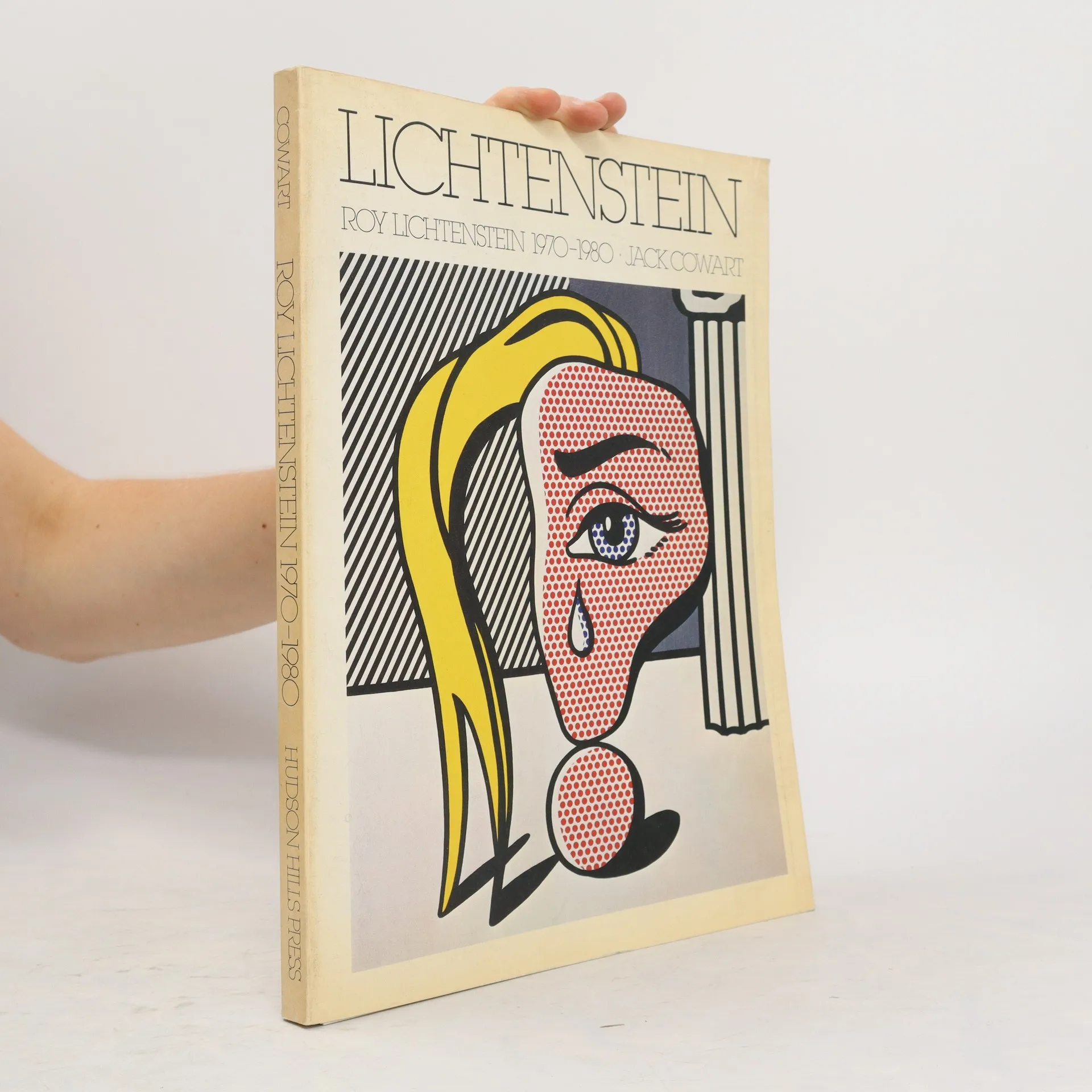
Roy Lichtenstein, 1970-1980
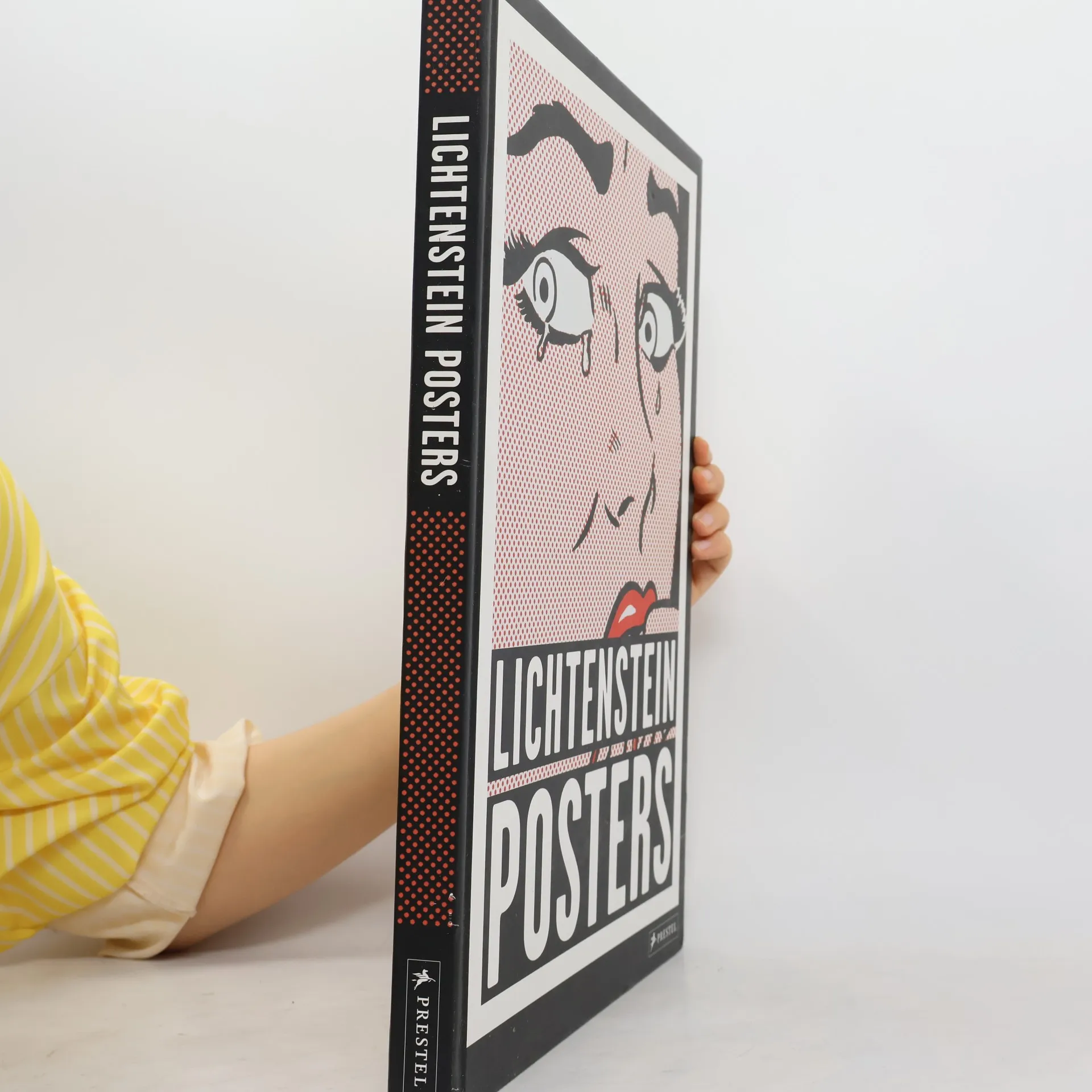
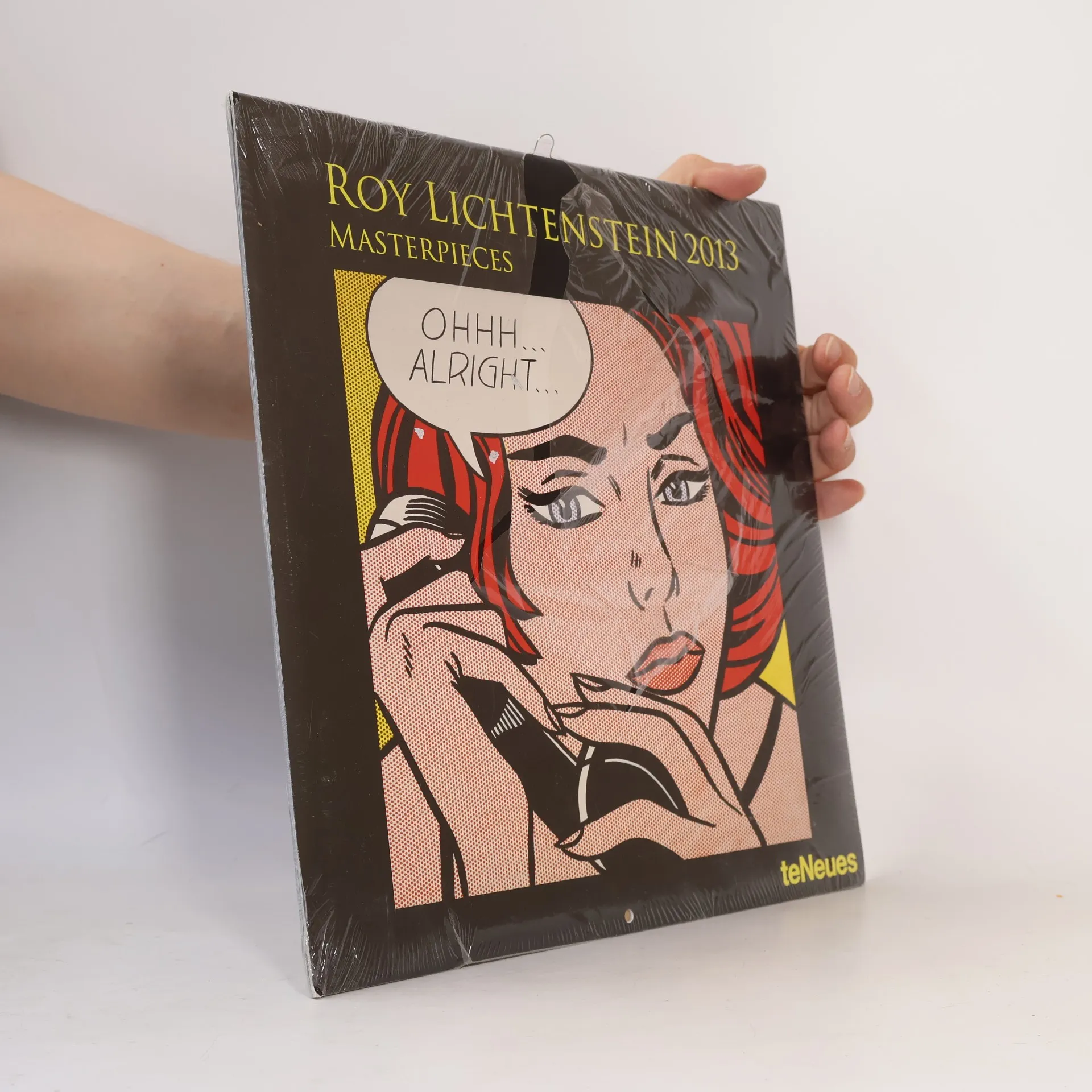
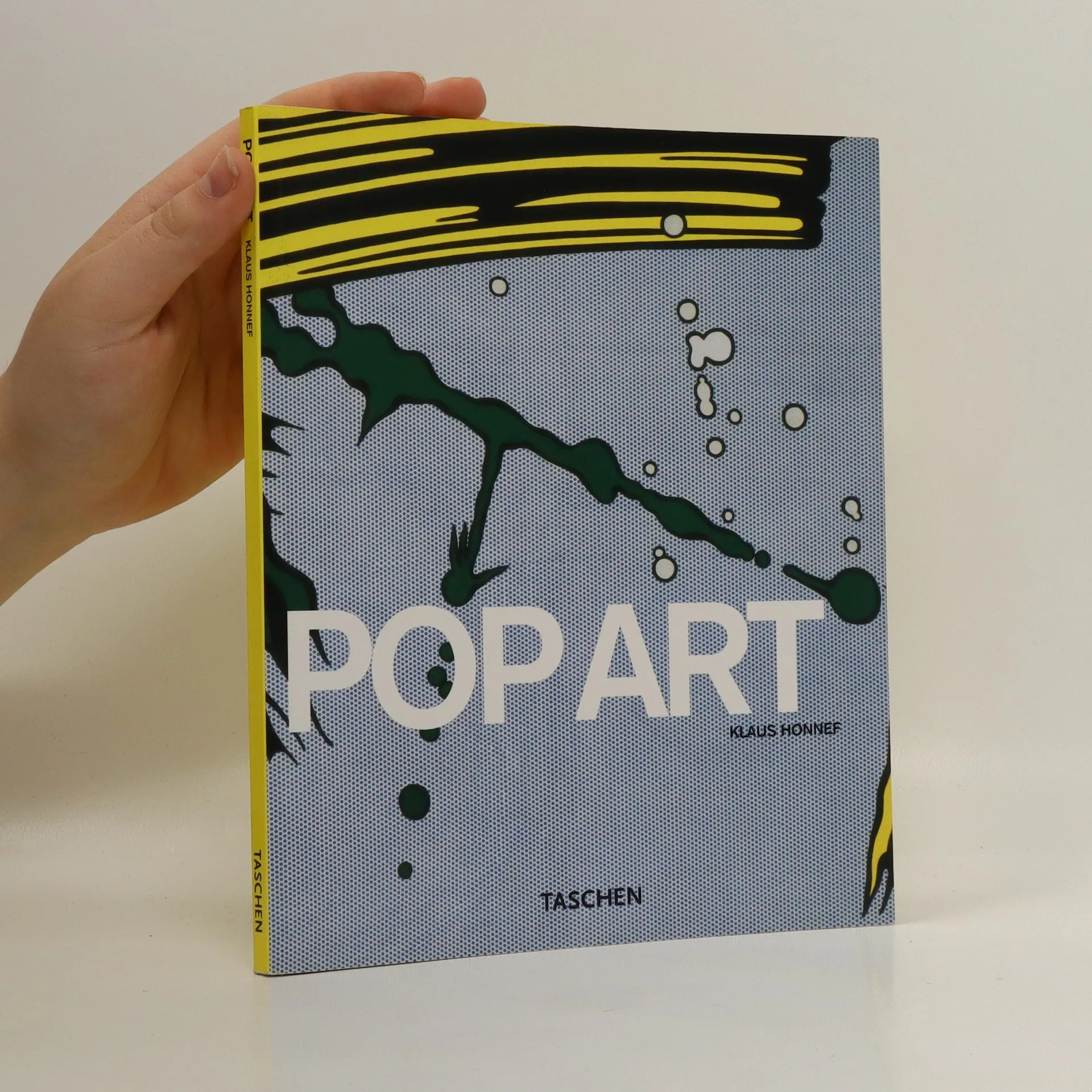
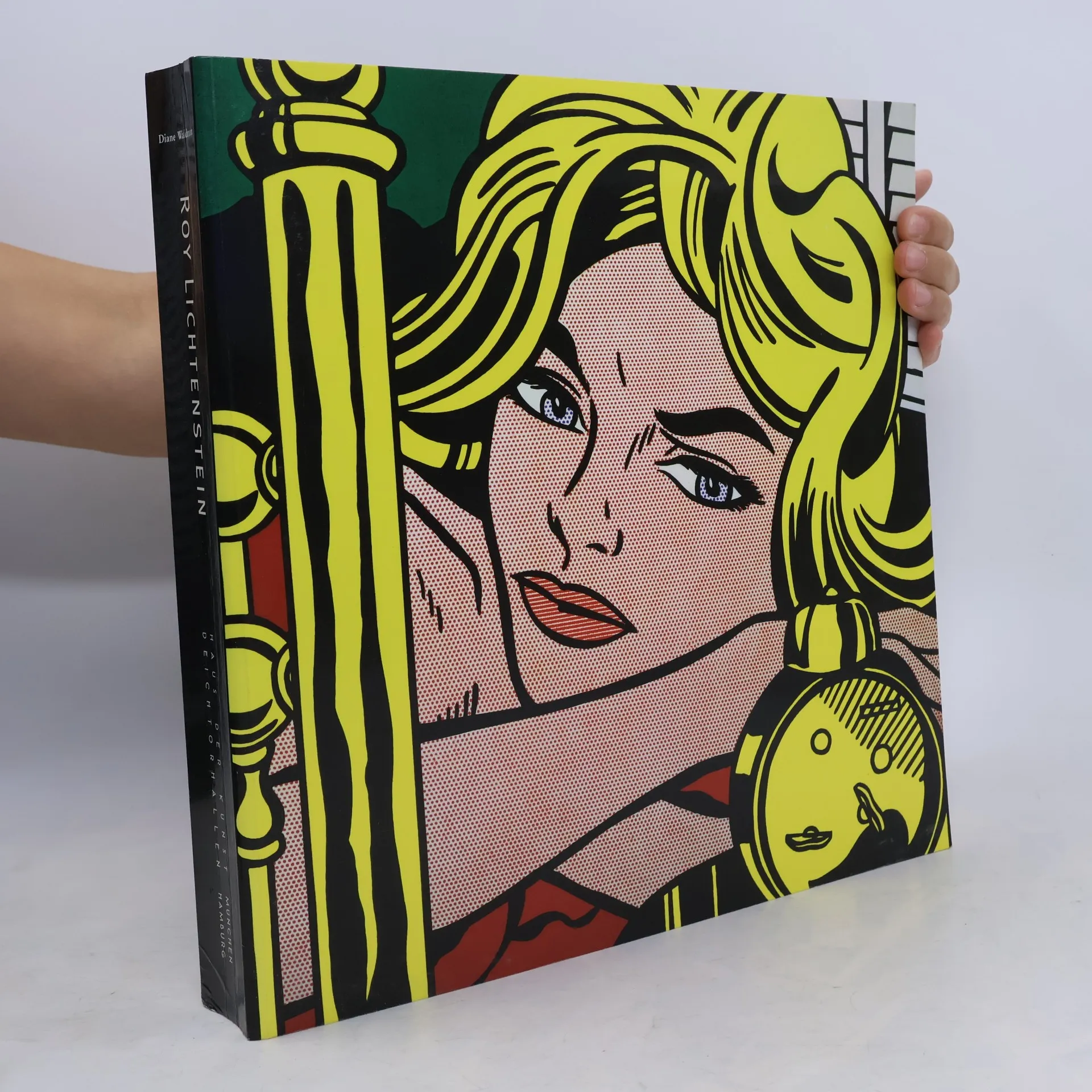
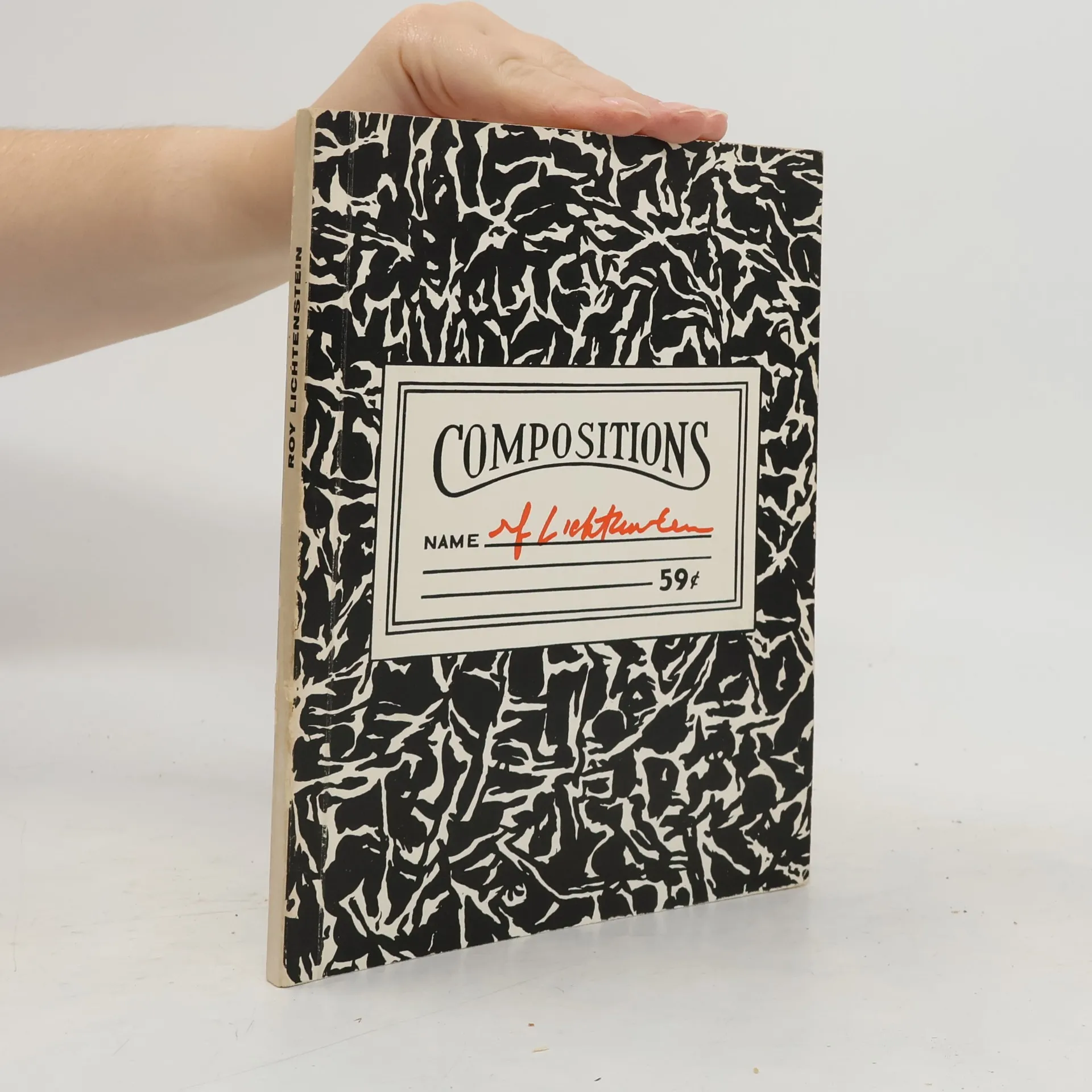
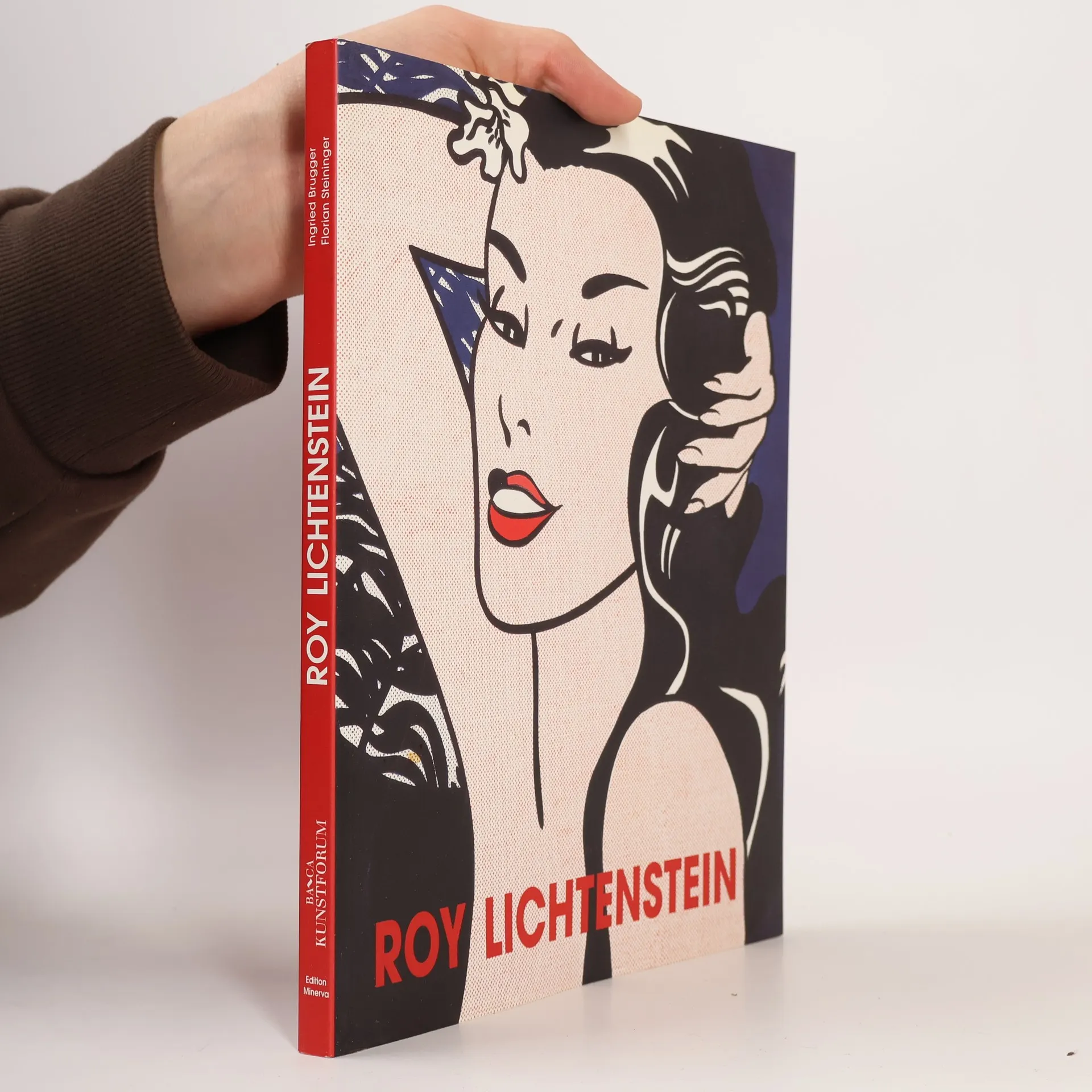
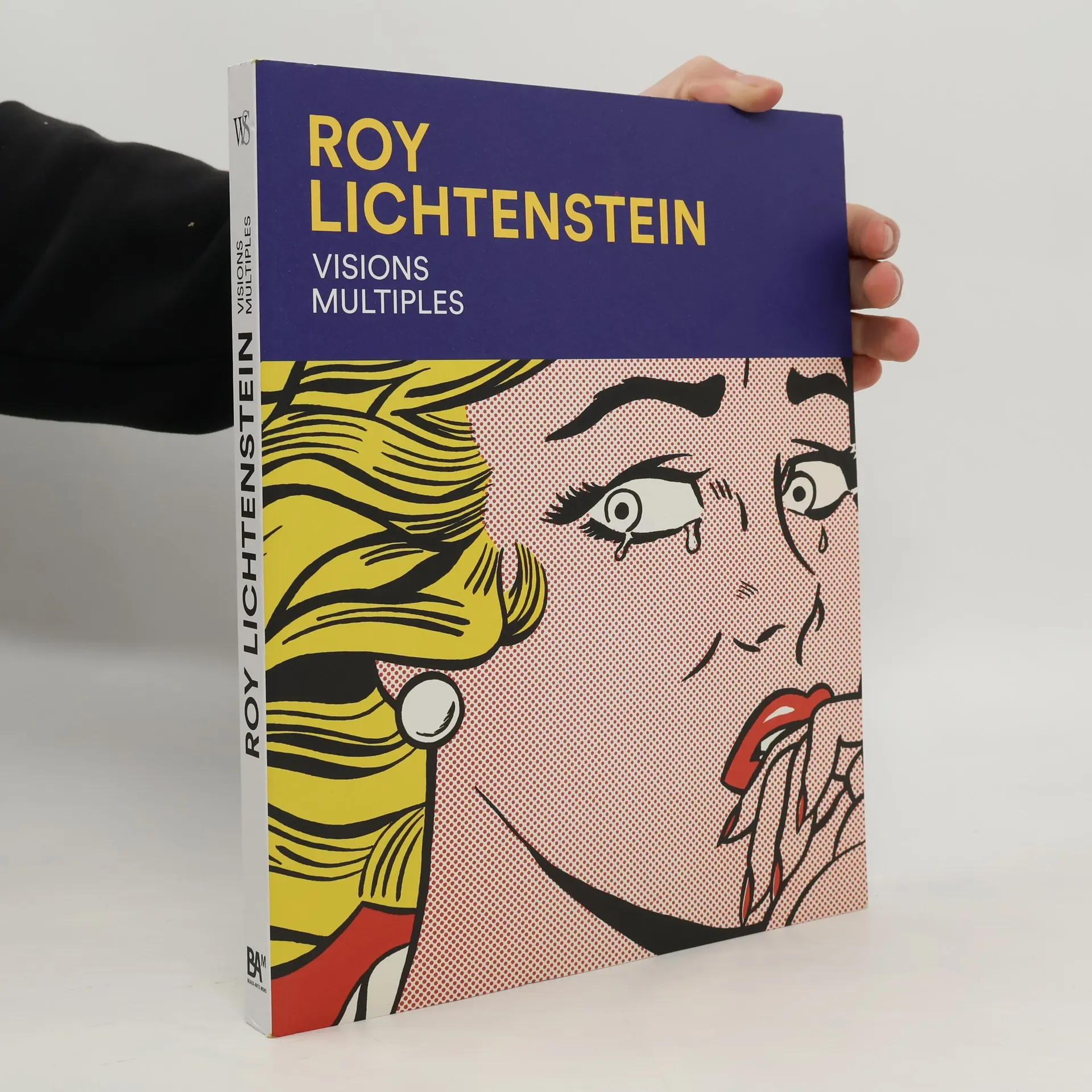
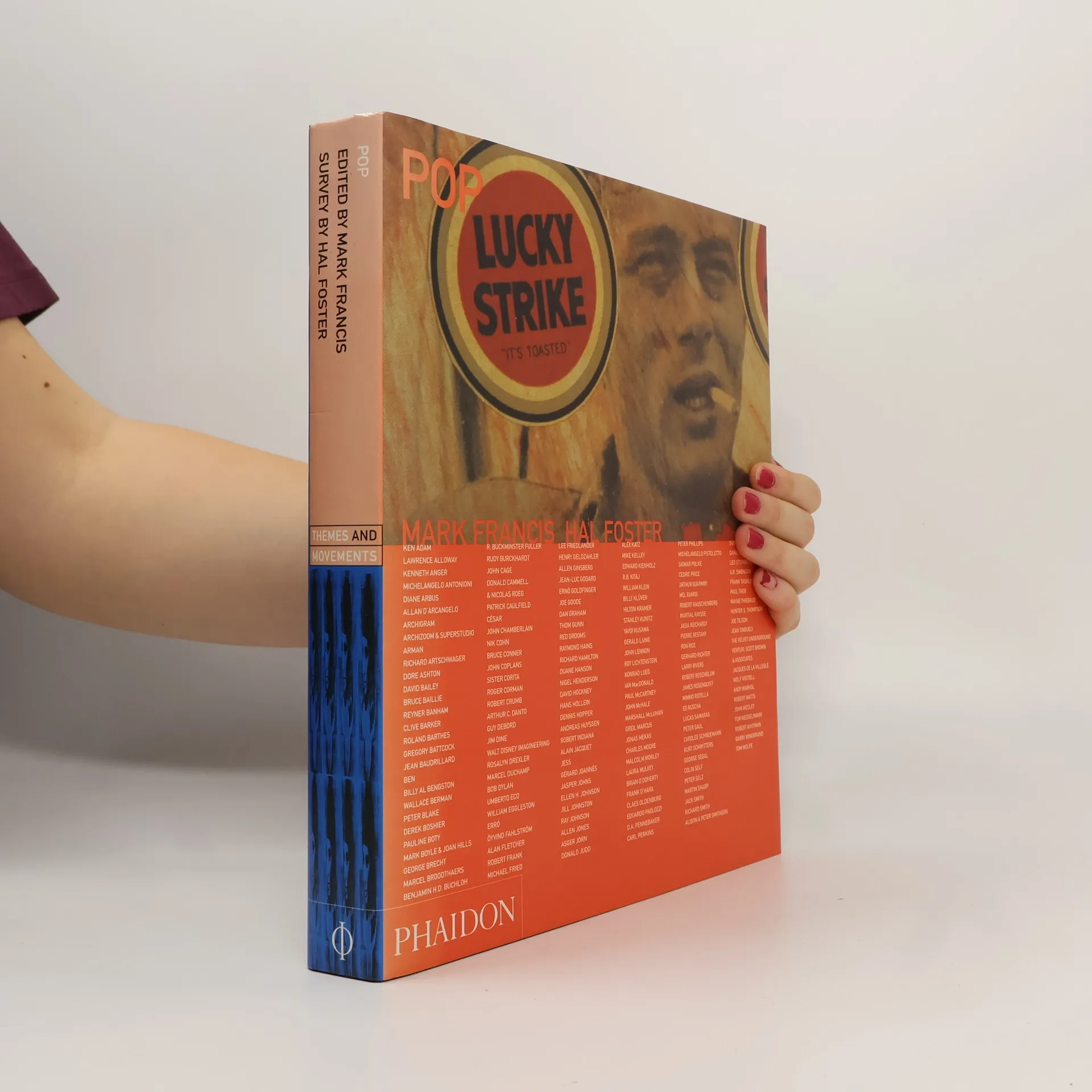
  • In the late 50s and 60s, American painter Roy Lichtenstein (1923-1997) became one of the most important exponents of Pop Art - that movement which transformed products of mass consumption and the entertainment industry into subjects for art. This apotheosis of banal, everyday objects simultaneously constituted a criticism of the traditional elitist understanding of art. Almost alone among artists, Lichtenstein pursued the question of how an image becomes a work of art. Wholly in keeping with the spirit of the Classical Modern, he held that it was not the rank of the picture's subject that lends the picture its artistic character, but rather the artist's formal treatment of it. To Lichtenstein, however, this position seemed far too broad to be seriously pursued. Developed in the early 60s, Lichtenstein's grid technique, with its allusion to the mass-production of graphic art, allowed the painter to give vent to his own artistic scepticism. In the 60s and 70s, Lichtenstein expanded his formal repertoire of techniques for creating distance and irony by means of an idiosyncratic process of abstraction and especially by his use of his numerous art quotations.

    Roy Lichtenstein
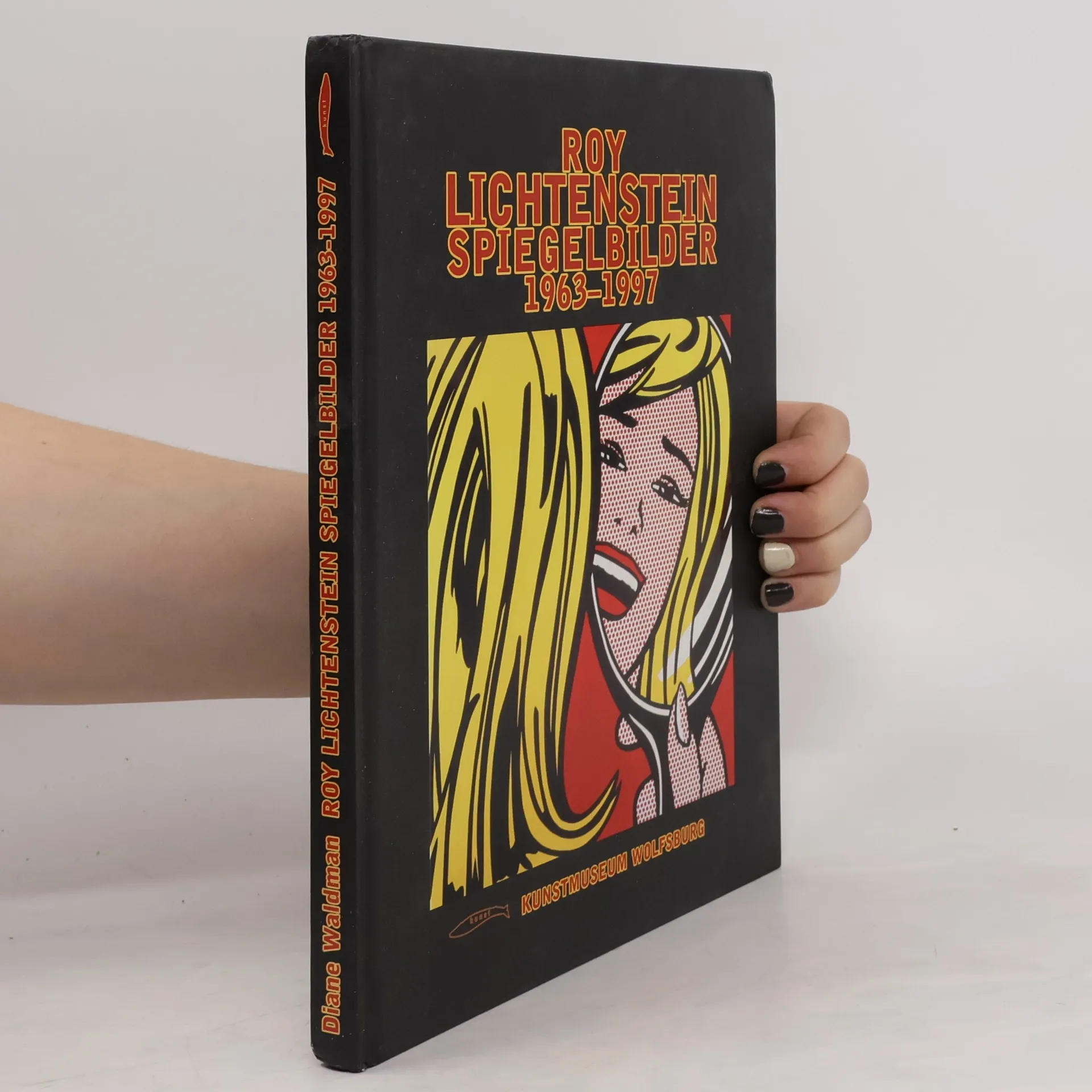
  • This English catalog features a selection of 97 works by Roy Lichtenstein (1923-1997) created between 1966 and 1997. Alongside Andy Warhol, he was a significant US Pop Art artist. Organized with the Roy Lichtenstein Foundation and curated by Jack Cowart, it provides a comprehensive overview of the artist's various stages of work.

    Roy Lichtenstein. Beginning to End
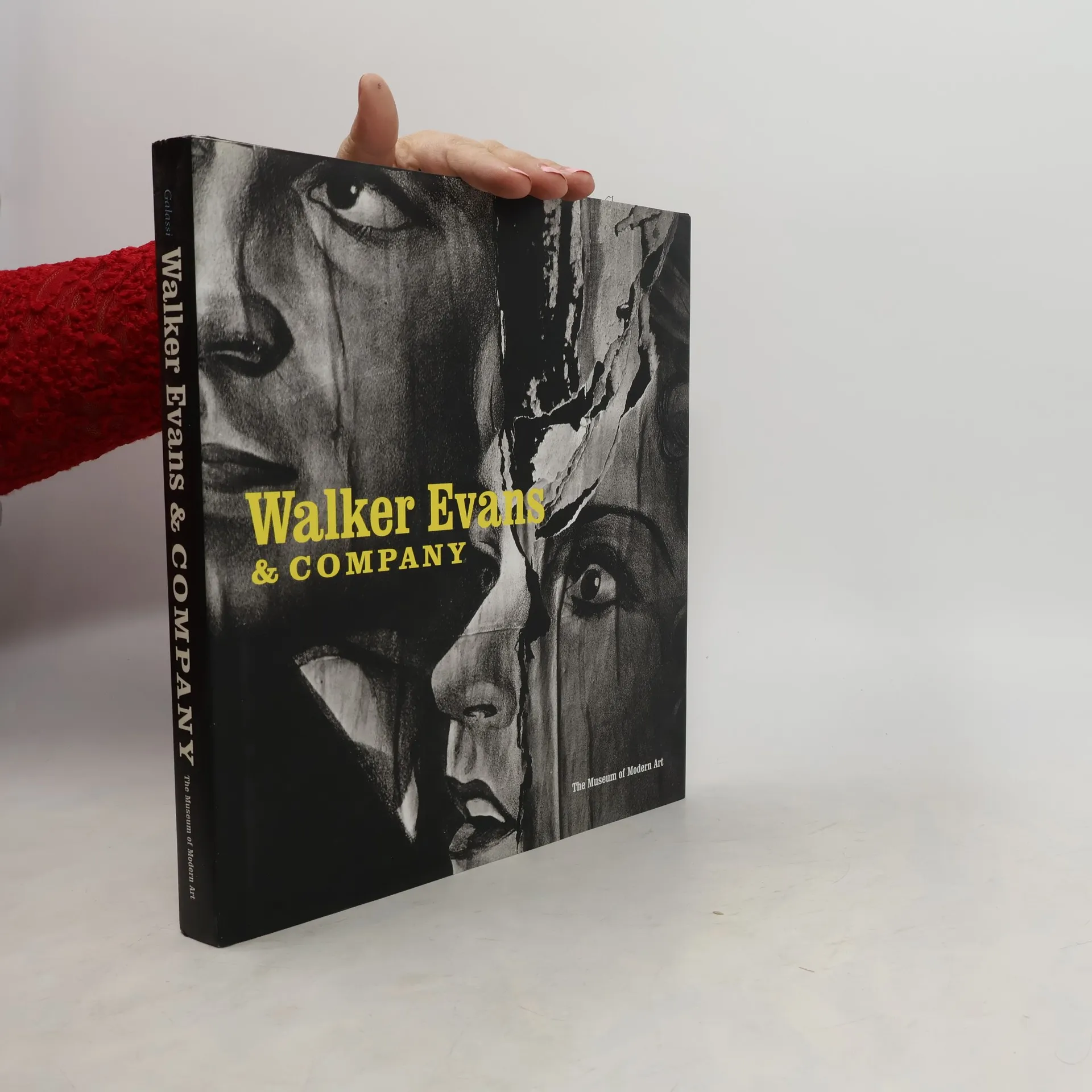
  • Walker Evans & Company

    • 272 pages
    • 10 hours of reading

    Walker Evans' radical photography of the 1930s demonstrated that unembellished photographic fact could serve as a highly poetic language. These works expanded the potential of the art of photography and at the same time defined a lasting iconography that recognized advertising, movies and car culture as central images of modern American identity. Walker Evans & Company focuses on Evans as a central figure in the arts of the 1920s and 30s, and includes works in photography and other mediums that influenced Evans or were influenced by him, or which resonate in a significant way with aspects of his imagery, sensibility and style. Among the other artists whose work is featured Eugene Atget, Mathew Brady, Stuart Davis, Robert Frank, Lee Friedlander, Edward Hopper, Roy Lichtenstein, Ed Ruscha, August Sander, Andy Warhol and Edward Weston. Published in conjunction with the second of three cycles of millennial exhibitions at The Museum of Modern Art, New York.

    Walker Evans & Company
  • Lichenstein

    Drawings and Prints

    • 256 pages
    • 9 hours of reading

    Encompasses all the artist's early works, including authoritative notes and commentary

    Lichenstein
  • Roy Lichtenstein

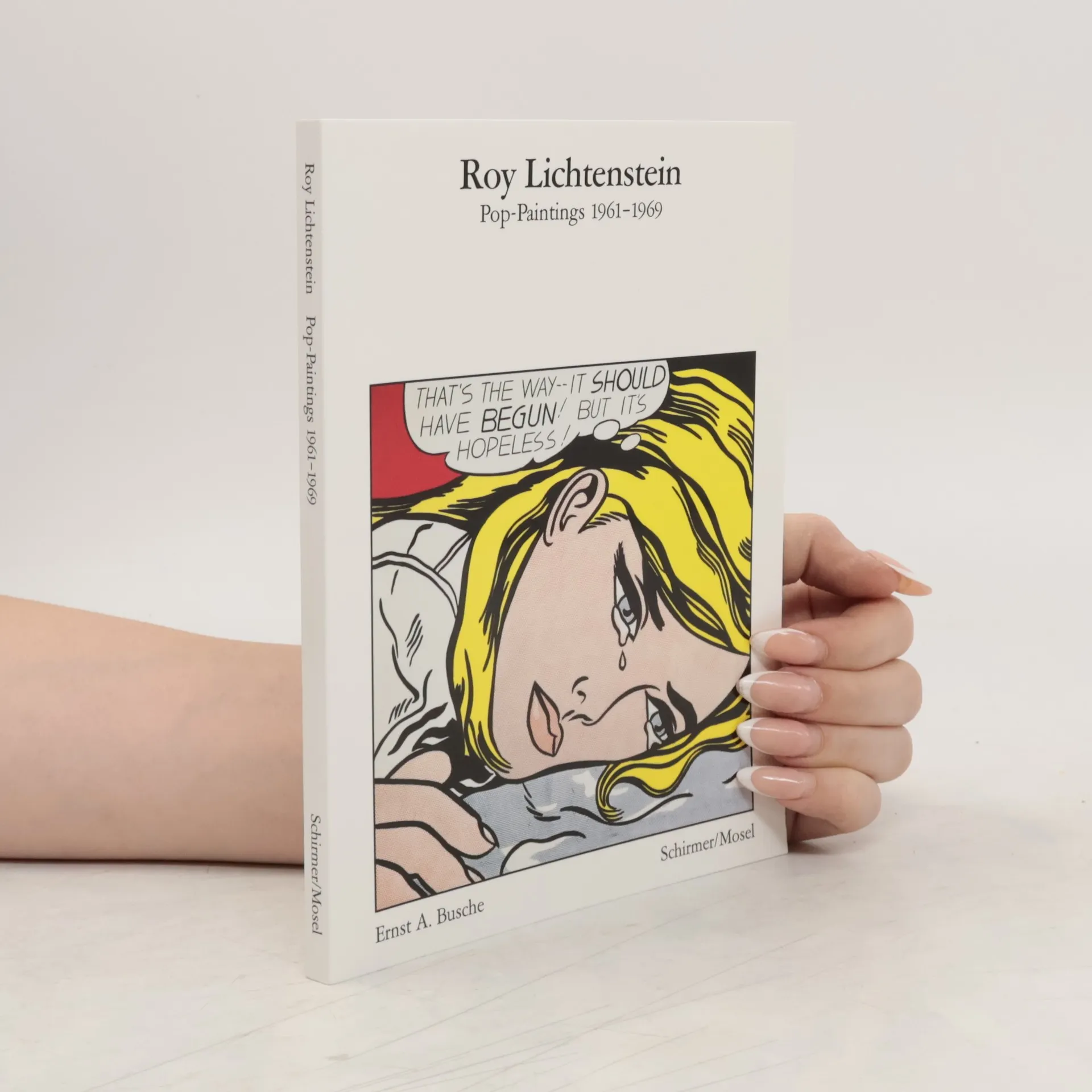
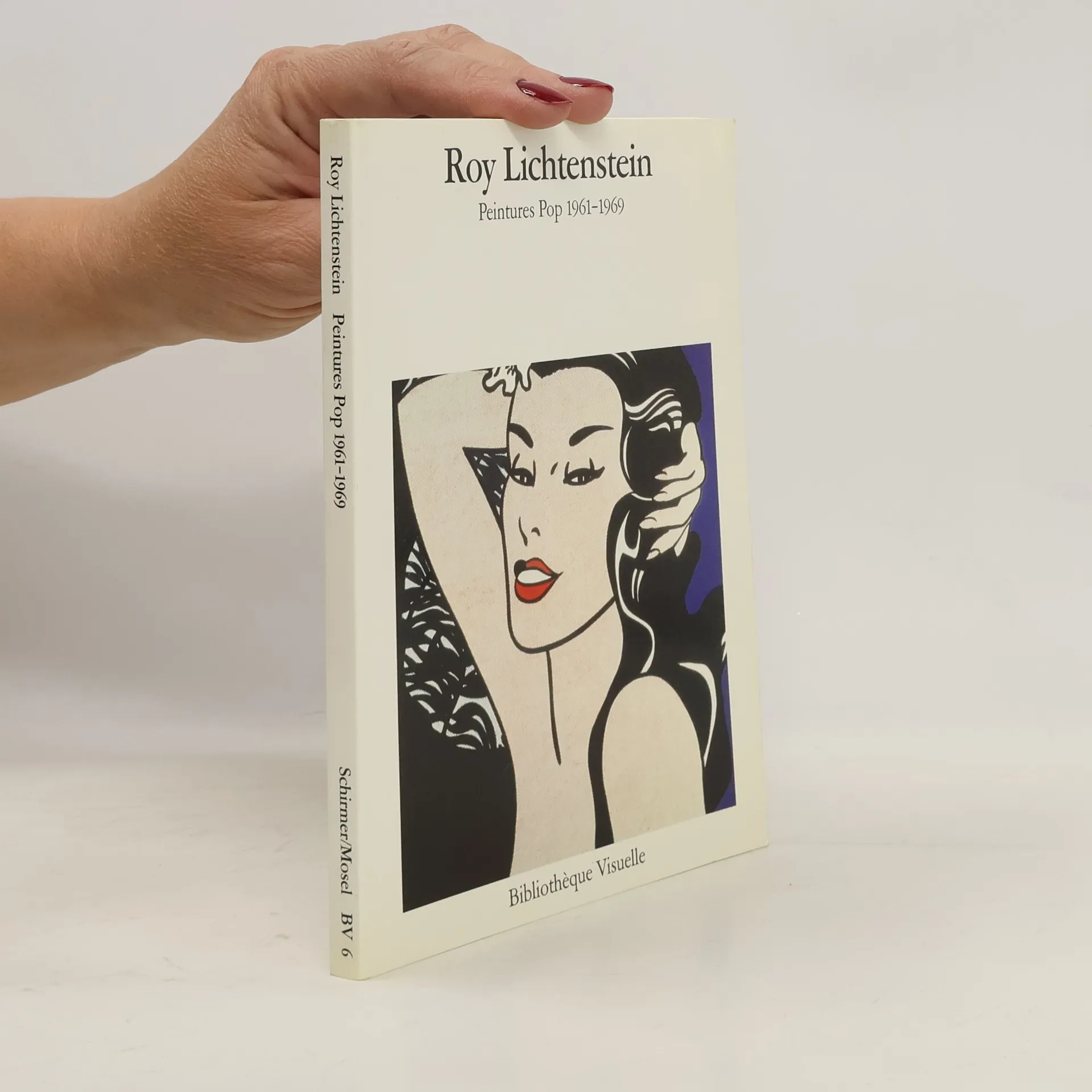
    Peintures pop 1961-1969

    • 107 pages
    • 4 hours of reading

    L'art a quelque chose d'artificieux par essence et il est en réalité impossible de dire où il y a de l'art dans ses propres oeuvres, ni ce qu'il est ... Nous avons tous appris que ce n'est pas bien de copier les oeuvres des autres, or il semble que c'est exactement ce que je fais - et il en est réellement bien souvent ainsi. Il s'agit là d'un de ces tabous que les artistes méprisent continuellement. Les bandes dessinées par exemple n'ont pas été prises pour de l'art, et ce tabou s'est tout de même effondré. Selon moi, l'art commercial a généralement été jugé inférieur. Nous l'avons appris à l'Ecole des Beaux-Arts: tout ce qui ressemble un tant soit peu au design publicitaire est inférieur par nature. Mais Je crois que ce point de vue est faux et que moi, justement, je transforme ce qui est apparemment "commercial" en quelque chose d'autre, que je crée de l'art. Naturellement je ne peux pas le prouver. Tout ce que je peux dire c'est que je crois qu'avec mon "matériau" je crée quelque chose de tout à fait nouveau.

    Roy Lichtenstein