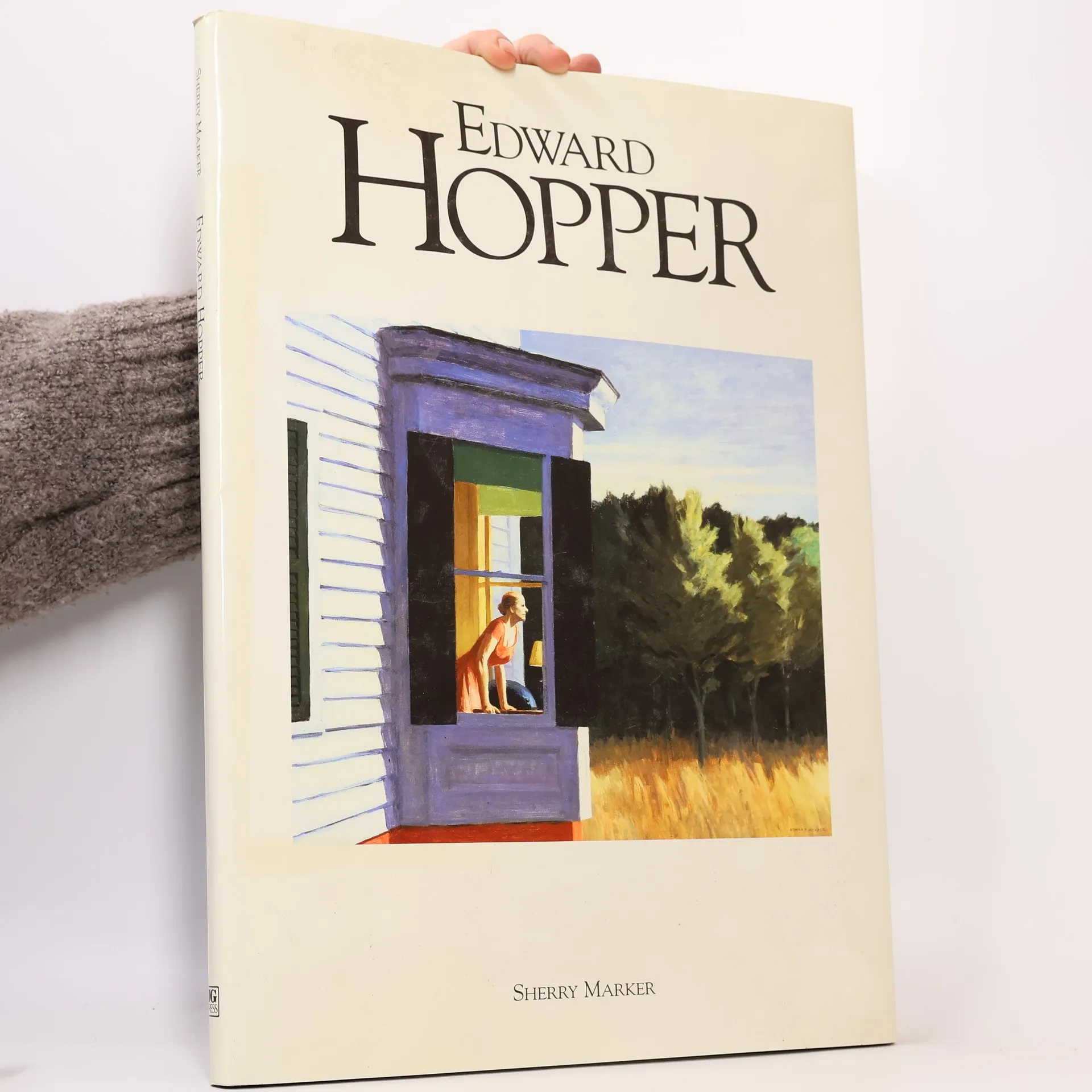
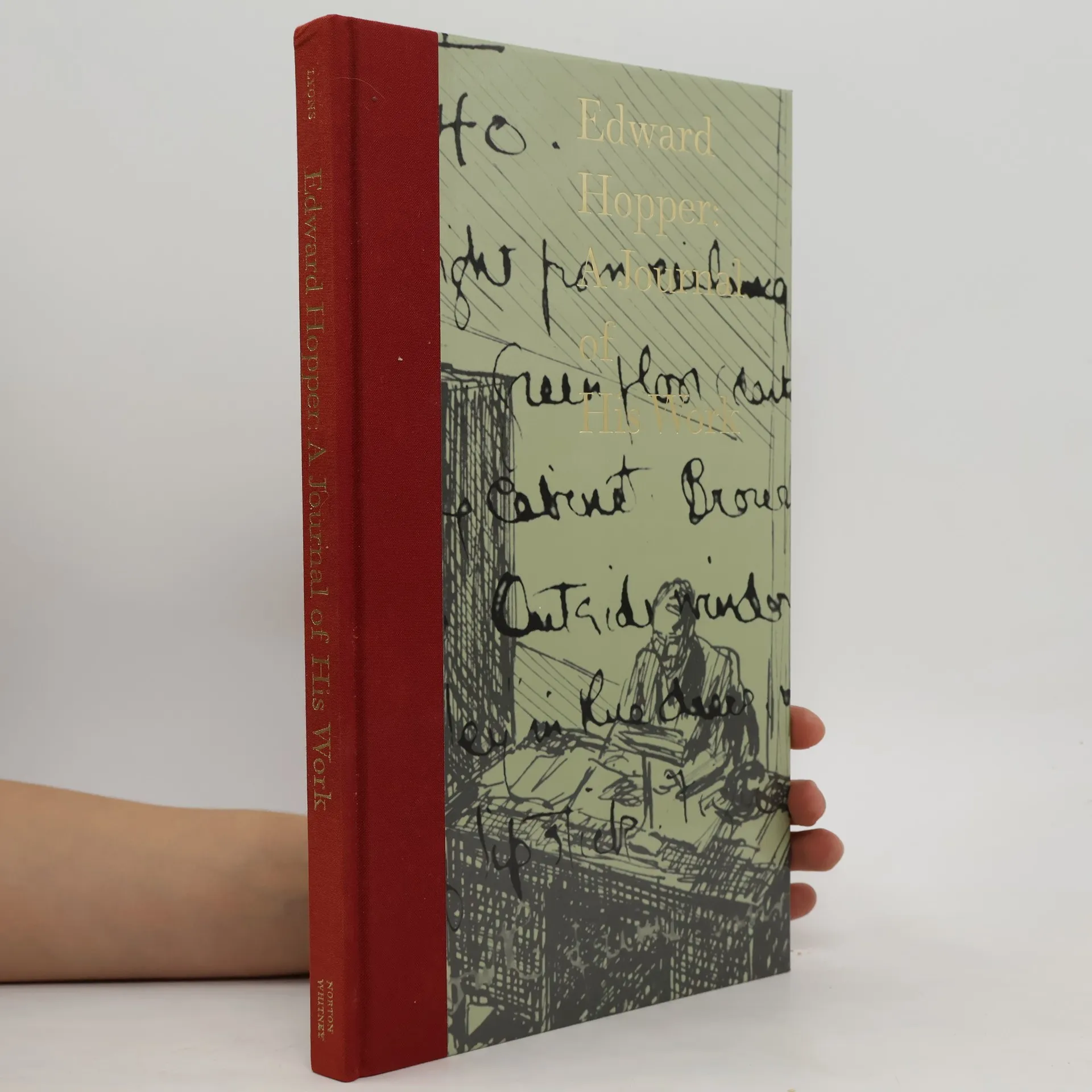
A unique book of facsimile pages culled from Hopper's personal ledger books. Edward Hopper, with the help of his wife, Jo, kept scrupulously detailed notes of all his artwork and business transactions in five accountants' ledger books. Here, in a selection of facsimile pages, we see the artist as businessman, recording everything from exhibitions and reviews to sales, commissions, and resales of his varied works.Hopper sketched most of his paintings and prints in these pages, in either pen and ink or pencil. Occasionally he added a printed reproduction as they became available. In addition to all business transactions associated with the work, Jo Hopper wrote descriptions of the colors and materials used, the subject matter, as well as personal anecdotes. In this intriguing volume, we are given a rare glimpse of this often-unseen aspect of an artist's life. We can see clearly the Hoppers' necessity and penchant for methodical record keeping and how they were able to achieve financial security through the artist's work.
Edward Hopper Books
Edward Hopper, a prominent American realist painter and printmaker, is most celebrated for his oil paintings, though he was equally skilled in watercolor and etching. His urban and rural scenes offered a personal vision of modern American life, characterized by spare and finely calculated renderings. Hopper's unique style captures a sense of quiet introspection and the often-solitary experience of contemporary existence.

Edward Hopper's New York
- 112 pages
- 4 hours of reading
Illustrated by over 50 of Edward Hopper's most powerful evocations of New York, Avis Berman's essay explores how Hopper and his work illuminate each other by analyzing what his New York is - and is not. Ever the contrarian, he offers an alternative to what other American artists seized on - the new, the gigantic, the technologically exciting. Hopper stayed away from tourist attractions or landmarks of the city's glamorous skyline. His preference for nondescript vernacular buildings is emblematic of the larger Hopper paradox: he makes emptiness full, silence articulate, banality intense, plainness mysterious, and tawdriness noble.
Paintings & ledger book drawings
- 152 pages
- 6 hours of reading
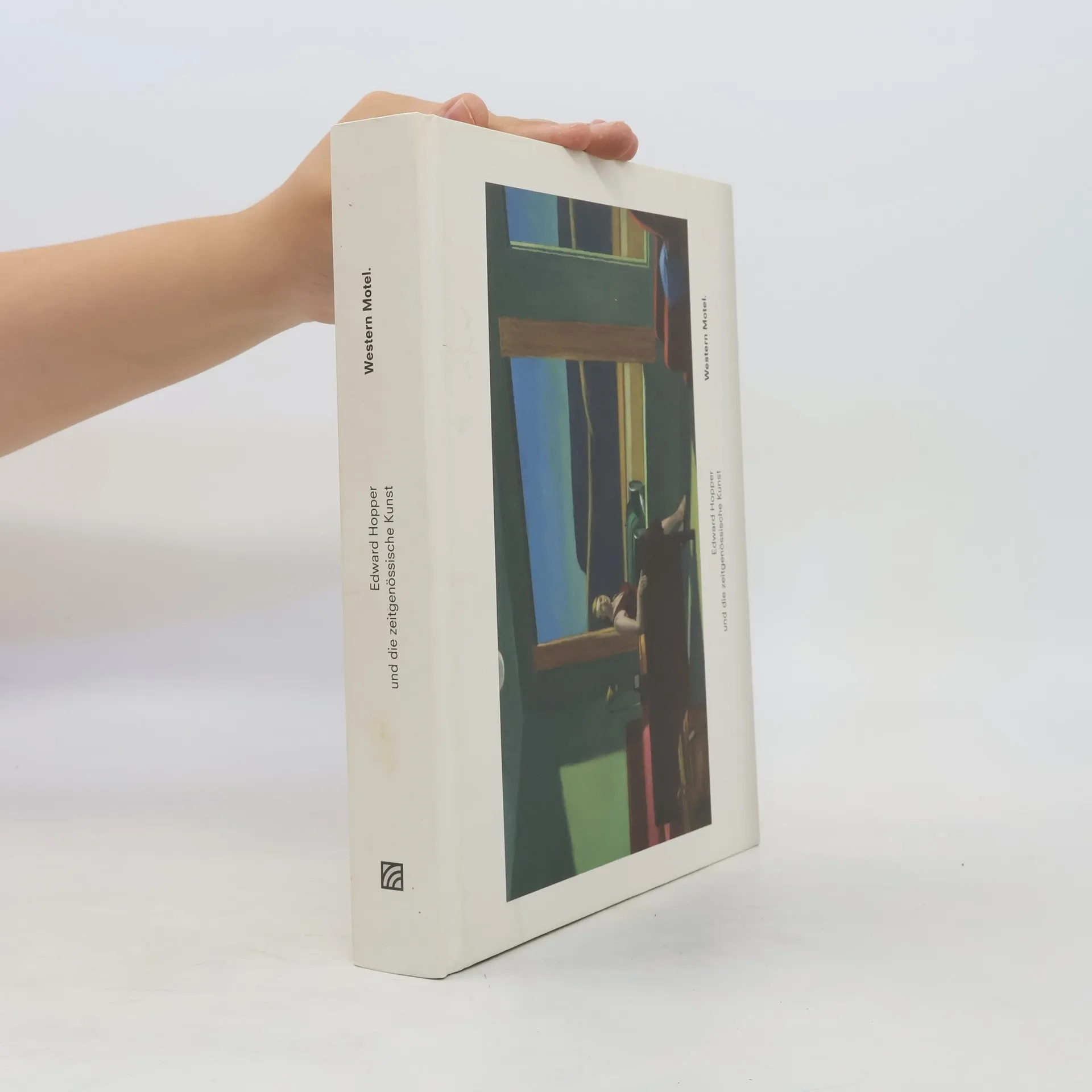
In his ledger books, Edward Hopper recorded paintings made and sold, accountings made and payments received, materials used and subjects considered. Juxtaposing selected ledger pages with reproductions of the respective paintings, this original Schirmer/Mosel publication documents the making of and fate of Hopper's most revered works.
Book by Hopper, Edward
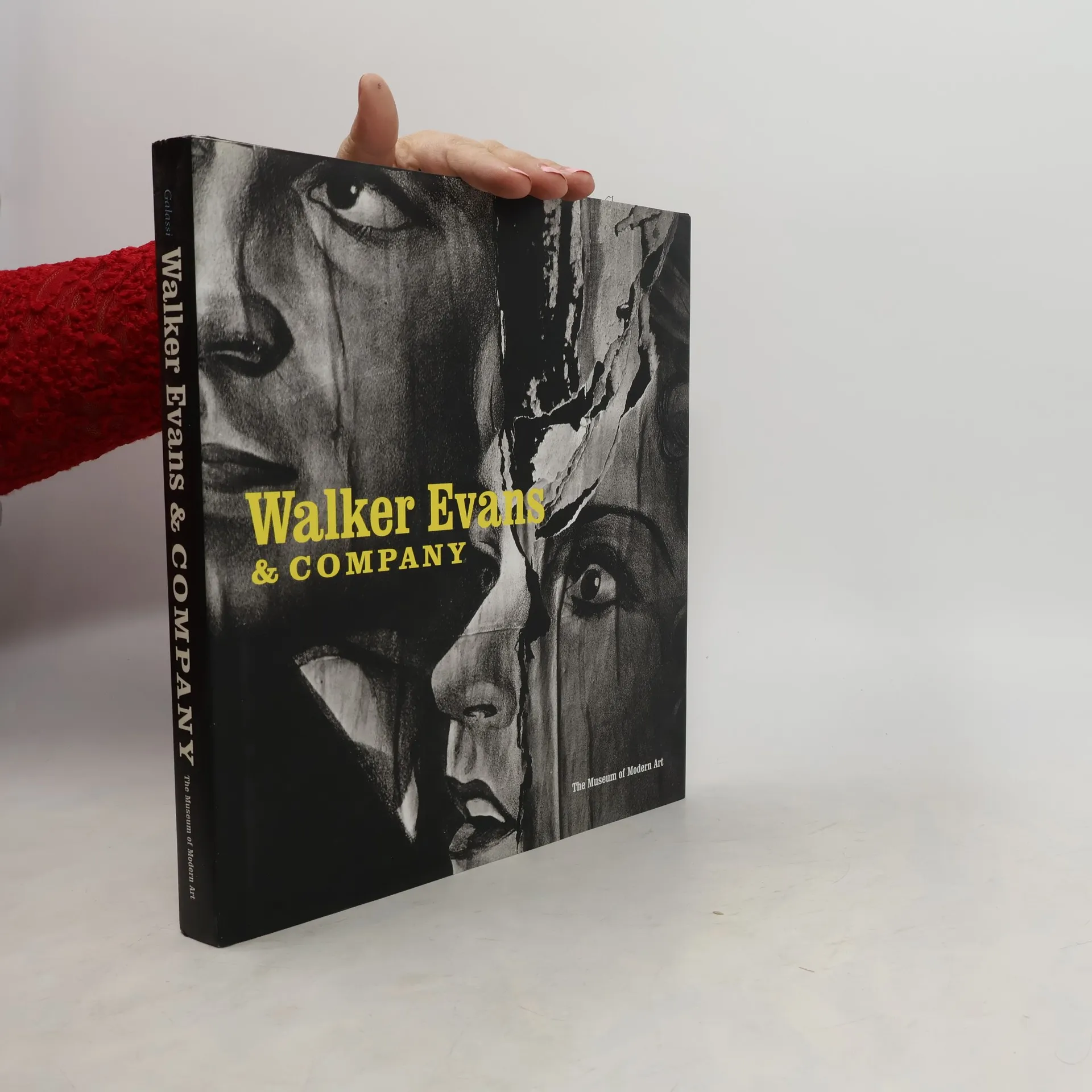
Walker Evans & Company
- 272 pages
- 10 hours of reading
Walker Evans' radical photography of the 1930s demonstrated that unembellished photographic fact could serve as a highly poetic language. These works expanded the potential of the art of photography and at the same time defined a lasting iconography that recognized advertising, movies and car culture as central images of modern American identity. Walker Evans & Company focuses on Evans as a central figure in the arts of the 1920s and 30s, and includes works in photography and other mediums that influenced Evans or were influenced by him, or which resonate in a significant way with aspects of his imagery, sensibility and style. Among the other artists whose work is featured Eugene Atget, Mathew Brady, Stuart Davis, Robert Frank, Lee Friedlander, Edward Hopper, Roy Lichtenstein, Ed Ruscha, August Sander, Andy Warhol and Edward Weston. Published in conjunction with the second of three cycles of millennial exhibitions at The Museum of Modern Art, New York.
Hopper
- 366 pages
- 13 hours of reading
"This volume presents a definitive Hopper monograph. Published for a massive retrospective at the Museo Thyssen-Bornemisza in Madrid, and the Grand Palais in Paris, it approaches Hopper's relatively small oeuvre in two sections. The first covers the artist's formative years from approximately 1900 to 1924, examining a selection of sketches, paintings, drawings, illustrations, prints and watercolors, which are considered alongside works by painters that influenced Hopper, such as Winslow Homer, Robert Henri, John Sloan, Edgar Degas and Walter Sickert. The second section considers the years from 1925 onwards, addressing his mature output through chronological but thematic groupings."--Jacket flap.
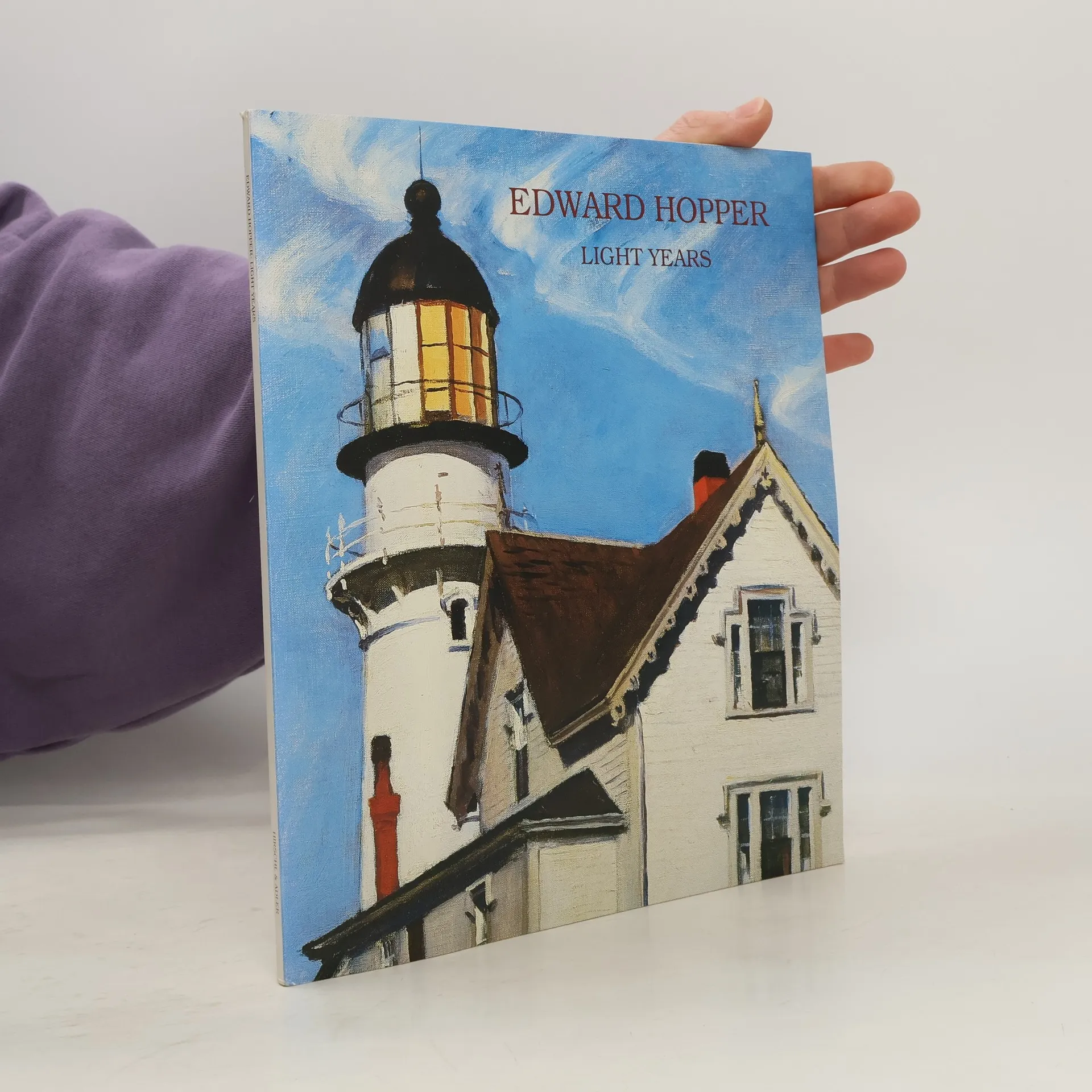
Edward Hopper
- 306 pages
- 11 hours of reading
A look at the life and work of Edward Hopper features more than two hundred full-page plates of Hopper's works.
Edward Hopper
- 112 pages
- 4 hours of reading
Enjoy the beauty and variety of the American experience through the work of these great artists. With stunning full-color plates, additional black-and-white illustrations, and concise, authoritative text, these unique, beautifully produced studies present the life, work and achievements of America's greatest painters, architects and photographers.
Small Apartments
- 188 pages
- 7 hours of reading
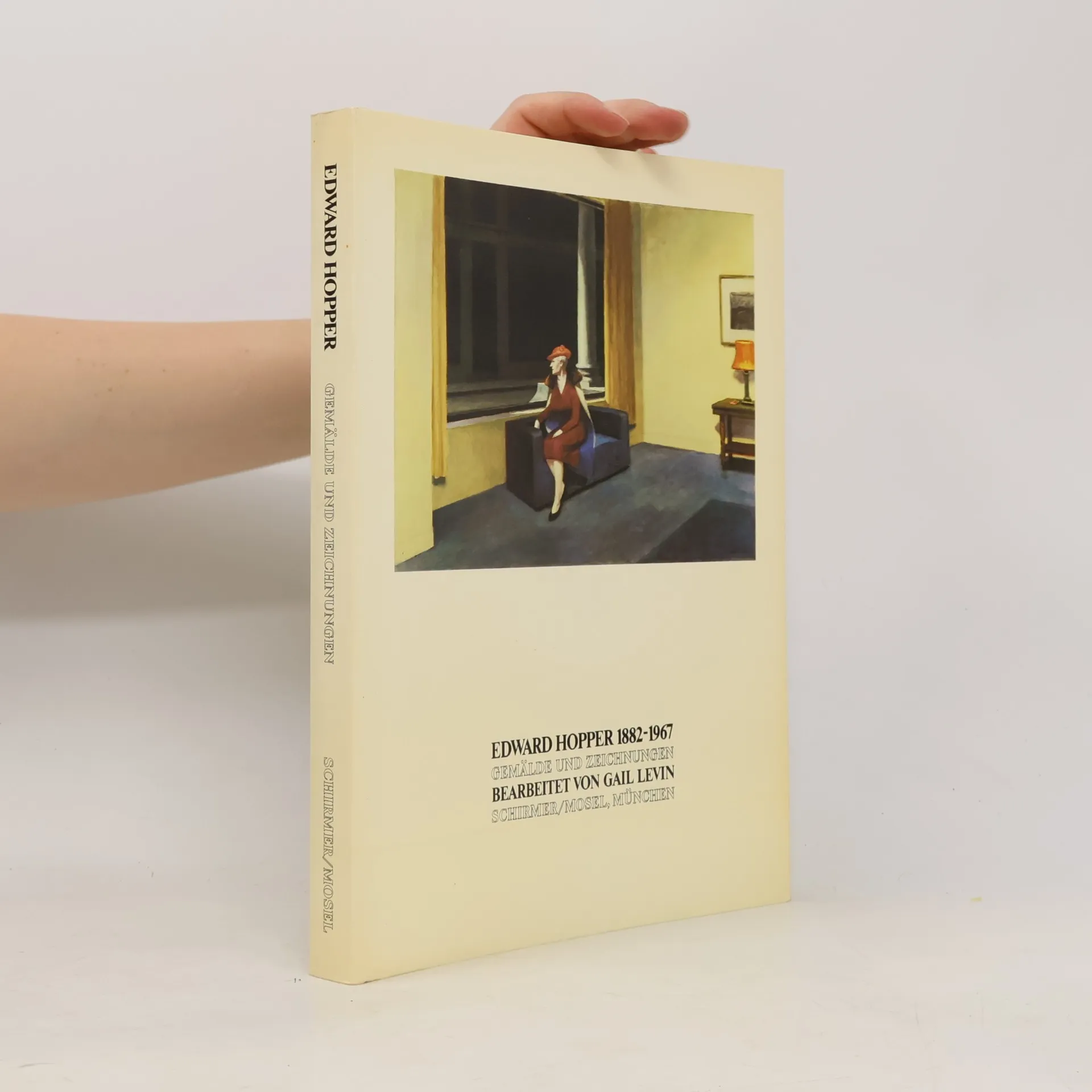
Edward Hopper (1882-1967) is considered as one of the first important American painters in 20th century art. After decades of patient work, Hopper enjoyed a success and popularity that since the 1950s has continually grown. In canvas after canvas he painted the loneliness of urban people. Many of Hopper's pictures represent views of streets and roads, rooftops, and abandoned houses, depicted in a brilliant light that strangely belies the melancholy mood of the scenes. Hopper's paintings are marked by striking juxtapositions of colour, and by the clear contours with which the figures are demarcated from their surroundings. His extremely precise focus on the theme of modern men and women in the natural and man-made environment sometimes lends his pictures a mood of eerie disquiet.
00 Edward Hopper's canvasses are filled with stripped-down spaces and unrelenting light, evocative landscapes, and the lonely aspects of men and women seemingly isolated in their surroundings. What kind of man had this haunting vision, and what kind of life engendered this art? No one is better qualified to answer these questions than art historian Gail Levin, author and curator of the major studies and exhibitions of Hopper's work. In this intimate biography she reveals the true nature and personality of the man himself--and of the woman who shared his life, the artist Josephine Nivison. Edward Hopper's canvasses are filled with stripped-down spaces and unrelenting light, evocative landscapes, and the lonely aspects of men and women seemingly isolated in their surroundings. What kind of man had this haunting vision, and what kind of life engendered this art? No one is better qualified to answer these questions than art historian Gail Levin, author and curator of the major studies and exhibitions of Hopper's work. In this intimate biography she reveals the true nature and personality of the man himself--and of the woman who shared his life, the artist Josephine Nivison.
Fairer Than Day: for Sunday School and Revival Work
- 266 pages
- 10 hours of reading
This work has been selected by scholars as being culturally important and is part of the knowledge base of civilization as we know it. This work is in the public domain in the United States of America, and possibly other nations. Within the United States, you may freely copy and distribute this work, as no entity (individual or corporate) has a copyright on the body of the work. Scholars believe, and we concur, that this work is important enough to be preserved, reproduced, and made generally available to the public. To ensure a quality reading experience, this work has been proofread and republished using a format that seamlessly blends the original graphical elements with text in an easy-to-read typeface. We appreciate your support of the preservation process, and thank you for being an important part of keeping this knowledge alive and relevant.
The Fire On The Hearth In Sleepy Hollow
A Christmas Poem Of The Olden Time (1864)
- 108 pages
- 4 hours of reading
Set in Sleepy Hollow, this Christmas poem captures the essence of family gatherings on Christmas Eve, as loved ones share stories by the fire. Written in a nostalgic tone, it vividly describes the sensory joys of the holiday season, emphasizing warmth and community. Edward Hopper's detailed writing evokes a simpler time, celebrating the significance of togetherness during the holidays. This facsimile reprint preserves the cultural importance of the original work, making it accessible for modern readers while retaining its historical charm.
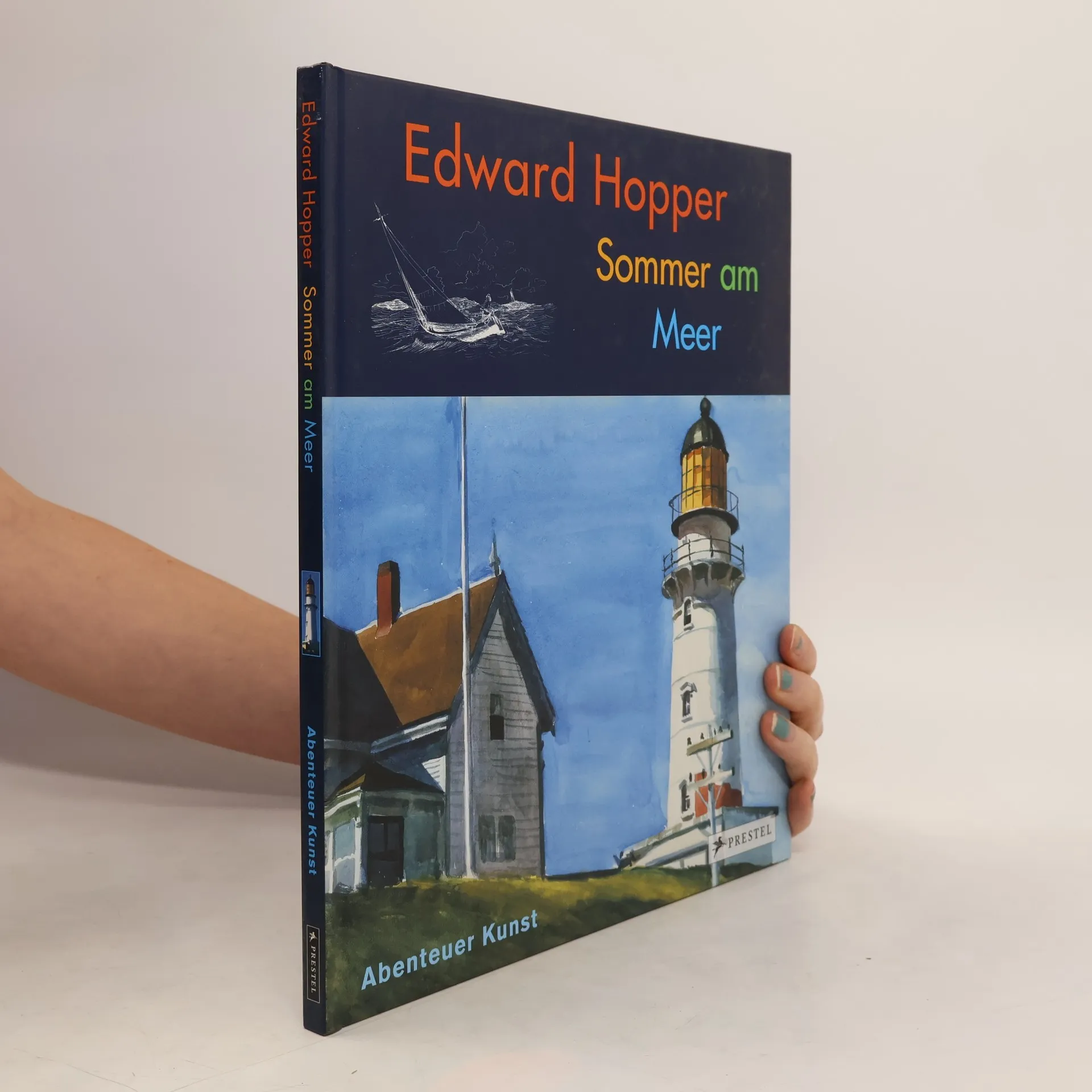
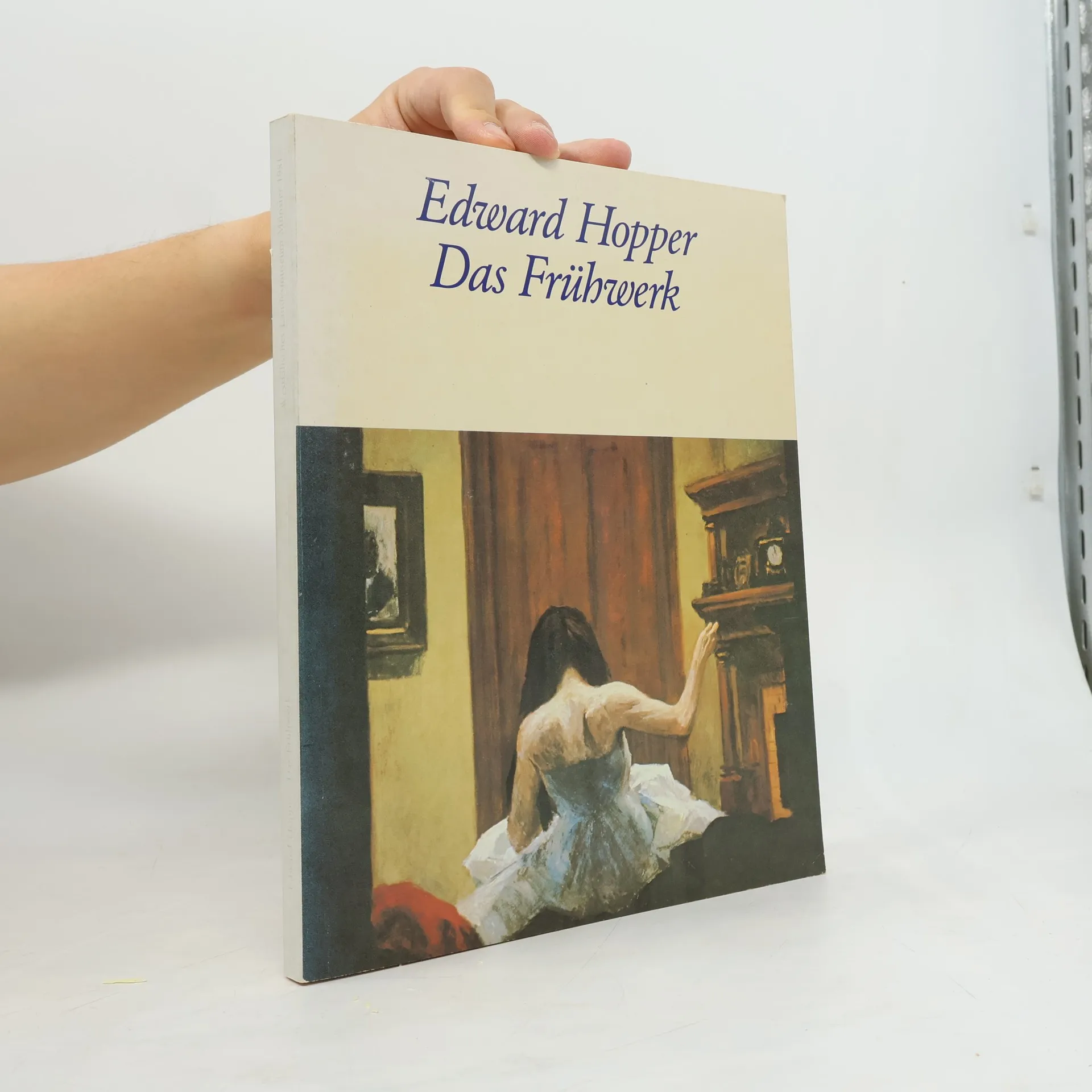
Betrachtet die Gemälde, Zeichnungen und Aquarelle des amerikanischen Künstlers, die die Küste darstellen.
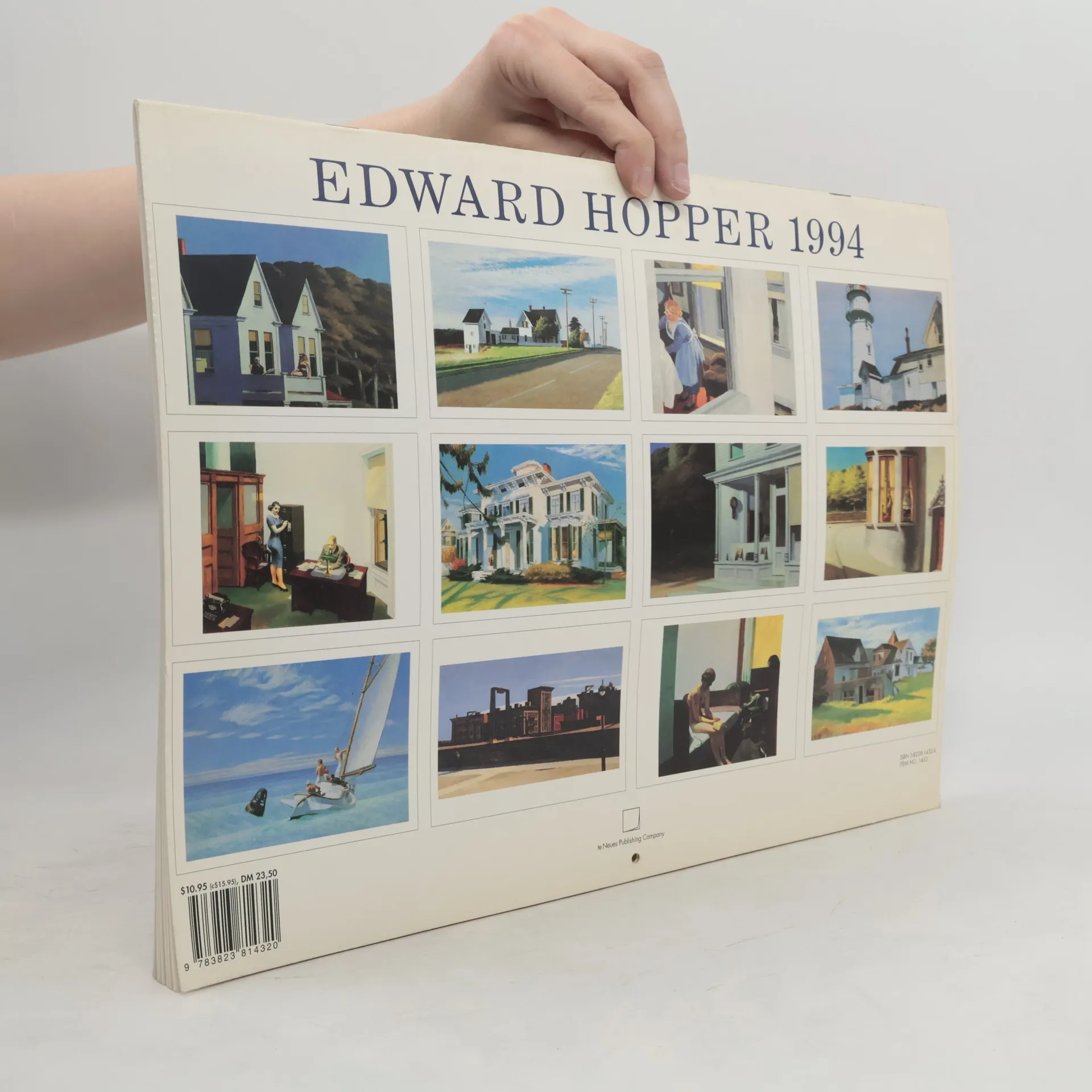
einer der populärsten amerikanischen Künstler Bilder aus berühmten amerikanischen und europäischen Sammlungen Highlights: New York Pavements, Tables for Ladies, Two on the Aisle
Unsere Kalender sind auf umweltfreundlichem Papier gedruckt und vom FSC zertifiziert. Monats-Kalender mit internationalen Feiertagen und den Feiertagen der wichtigsten Weltreligionen. Decor-Kalender, Format 55x45 cm mit Spiralbindung
Eine leise Melancholie liegt über den Szenen, die der US-amerikanische Maler Edward Hopper auf Leinwand bannt. Grandiose Landschaften, alltägliche Räume der Großstadt und nur wenige Personen sind die Protagonisten seiner Bilder. Mit streng definierten Linien sowie intensiven Licht- und Schattenspielen kommentiert der wohl bedeutendste Realist des 20. Jahrhunderts die Isolation und Entfremdung der Menschen in der modernen Welt. Produkthighlights Kunstkalender groß im Hochformat Hervorragende Druckqualität bis ins Detail Neutrales Kalendarium für alle Länder FSC zertifiziertes Papier aus verantwortungsvollen Quellen Schickes passepartout Design für einen wertigen Anblick Ihres Wandkalenders Korsch Wandkalender Ob im Büro, in der Küche, im Wohn- oder Schlafzimmer, dieser Wandkalender zum Aufhängen ist ein toller Wandschmuck für alle Räume. Er begleitet Sie durch das Jahr und schafft, mit seinen wechselnden und einzigartigen Motiven, Inspiration für alle Jahreszeiten. Ausgezeichnet werden Korsch Kalender von einer hohen Druckqualität in Kombination mit einer stabilen Spirale-Spiralbindung und einem festen, griffigen Papier. Dadurch erreichen wir ein einfaches Umblättern der Seiten und eine hochwertige und langlebige Dekoration Ihrer Räume. Unsere Poster-Kalender gibt es in verschiedenen Formaten zu kaufen, somit haben wir für jede Wand den passenden Kalender als Deko Element im Angebot.
Carte d'artisti - 2: Scritti, interviste, testimonianze
- 152 pages
- 6 hours of reading