
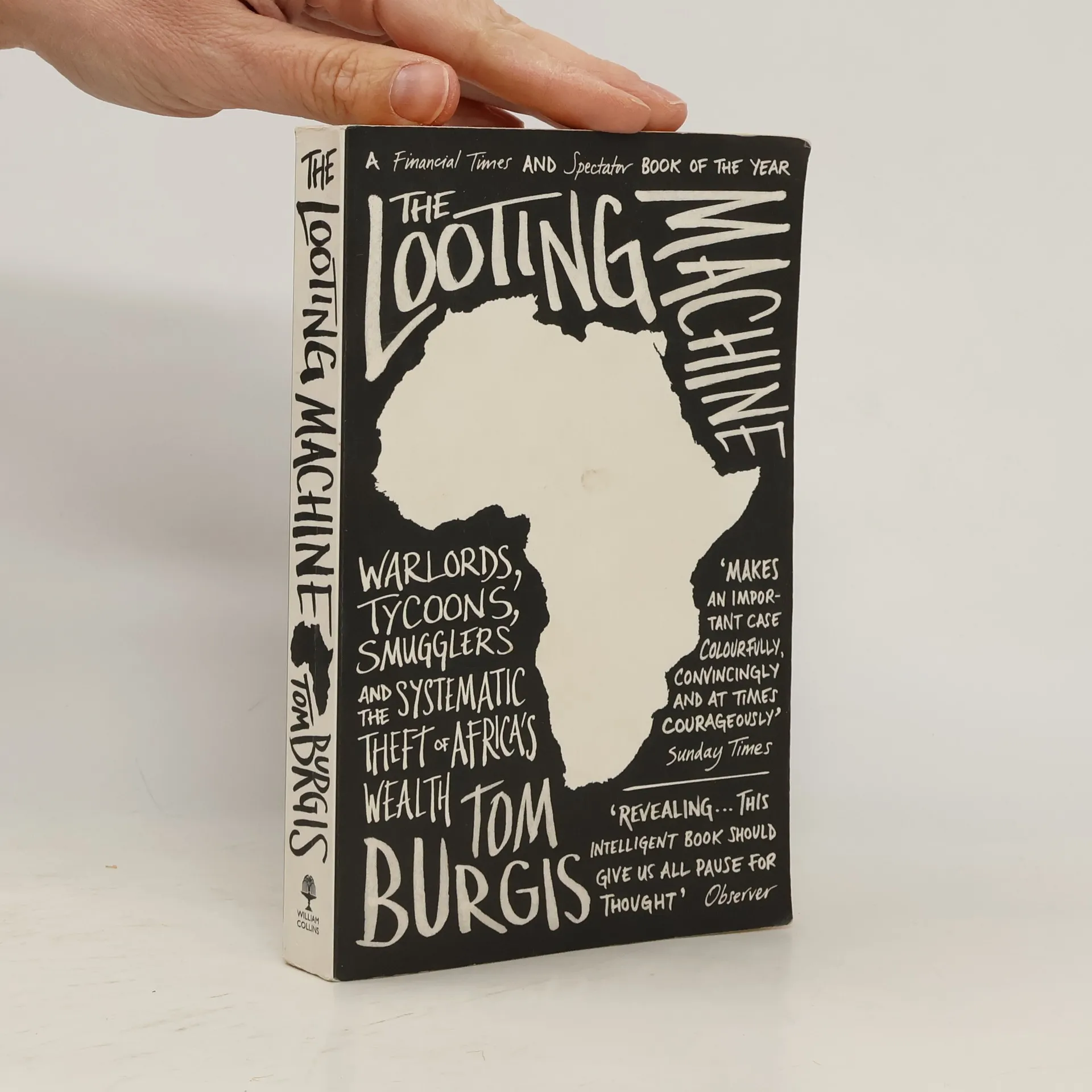
Overseas Press Club Award Winner 2016 A shocking investigative journey into the way the resource trade wreaks havoc on Africa, 'The Looting Machine' explores the dark underbelly of the global economy. 'The Looting Machine' is a searing exposé of the global web of traders, bankers, middlemen, despots and corporate raiders that is pillaging Africa's vast natural wealth. From the killing fields of Congo to the crude-slicked creeks of Nigeria, a great endowment of oil, diamonds, copper, iron, gold and coltan has become a curse that condemns millions to poverty, violence and oppression. That curse is no accident. This gripping investigative journey takes us into the shadows of the world economy, where secretive networks conspire with Africa's kleptocrats to bleed the continent dry. And like their victims, the beneficiaries of this grand looting have names.
Tom Burgis Books


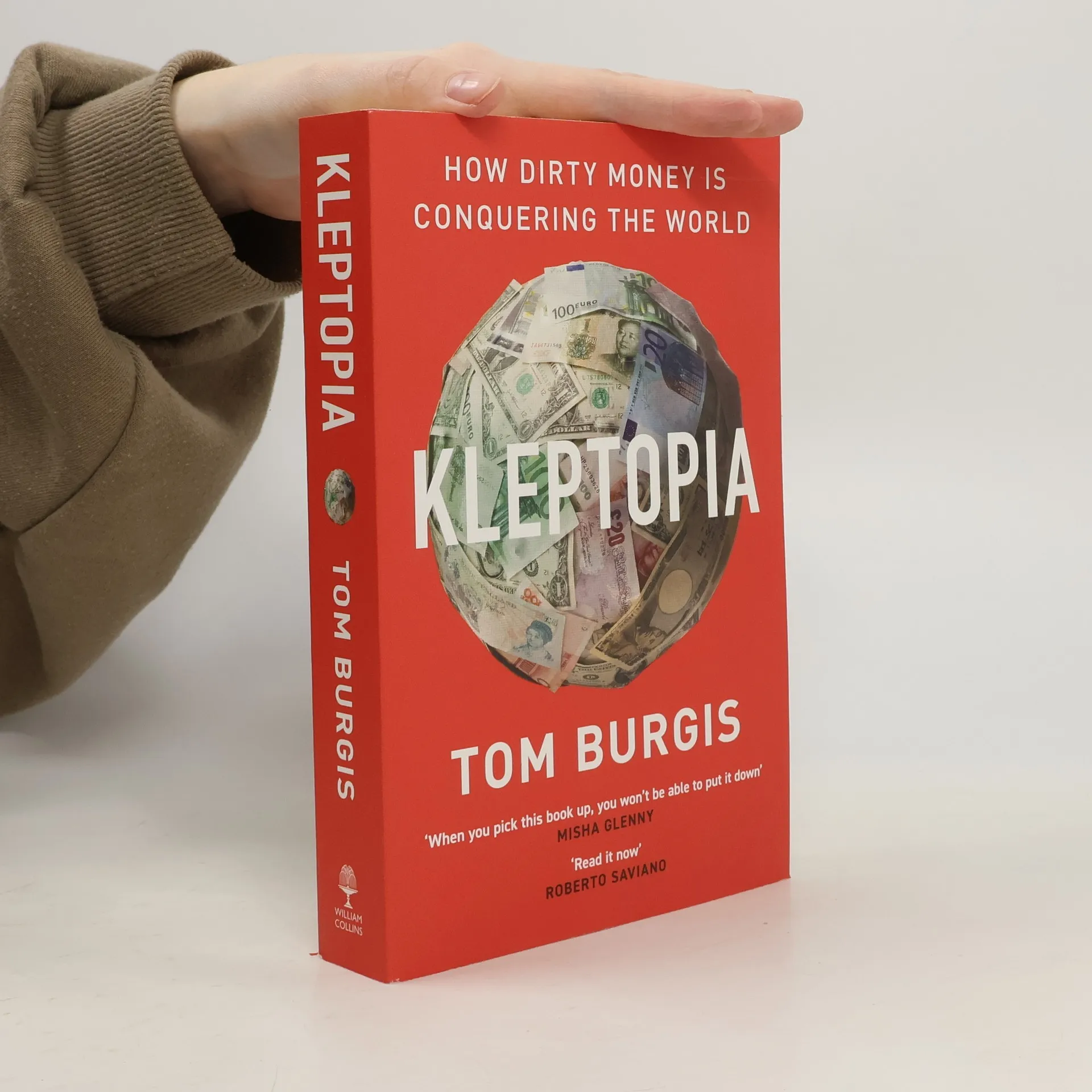


'If you think the UK isn't corrupt, you haven't looked hard enough ... A new and terrifying book, Kleptopia follows a global current of dirty money, and the murders and kidnappings required to sustain it' George Monbiot, Guardian'When you pick this book up, you won't be able to put it down' Misha Glenny, author of McMafia
'URGENT AND CAUSTICALLY FUNNY... IF ORWELL WERE WITH US TODAY, HE'D BE WRITING BOOKS LIKE THIS' PATRICK RADDEN KEEFE'BREATH-TAKING AND JAW-DROPPING' PETER FRANKOPAN'A TRUE-LIFE THRILLER' ANNE APPLEBAUM
The Looting Machine
Warlords, Oligarchs, Corporations, Smugglers, and the Theft of Africa's Wealth
- 368 pages
- 13 hours of reading
One of Financial Times' Books of the Year, 2015 The trade in oil, gas, gems, metals and rare earth minerals wreaks havoc in Africa. During the years when Brazil, India, China and the other "emerging markets" have transformed their economies, Africa's resource states remained tethered to the bottom of the industrial supply chain. While Africa accounts for about 30 per cent of the world's reserves of hydrocarbons and minerals and 14 per cent of the world's population, its share of global manufacturing stood in 2011 exactly where it stood in 2000: at 1 percent. In his first book, The Looting Machine , Tom Burgis exposes the truth about the African development miracle: for the resource states, it's a mirage. The oil, copper, diamonds, gold and coltan deposits attract a global network of traders, bankers, corporate extractors and investors who combine with venal political cabals to loot the states' value. And the vagaries of resource-dependent economies could pitch Africa's new middle class back into destitution just as quickly as they climbed out of it. The ground beneath their feet is as precarious as a Congolese mine shaft; their prosperity could spill away like crude from a busted pipeline. This catastrophic social disintegration is not merely a continuation of Africa's past as a colonial victim. The looting now is accelerating as never before. As global demand for Africa's resources rises, a handful of Africans are becoming legitimately rich but the vast majority, like the continent as a whole, is being fleeced. Outsiders tend to think of Africa as a great drain of philanthropy. But look more closely at the resource industry and the relationship between Africa and the rest of the world looks rather different. In 2010, fuel and mineral exports from Africa were worth 333 billion, more than seven times the value of the aid that went in the opposite direction. But who received the money? For every Frenchwoman who dies in childbirth, 100 die in Niger alone, the former French colony whose uranium fuels France's nuclear reactors. In petro-states like Angola three-quarters of government revenue comes from oil. The government is not funded by the people, and as result it is not beholden to them. A score of African countries whose economies depend on resources are rentier states; their people are largely serfs. The resource curse is not merely some unfortunate economic phenomenon, the product of an intangible force. What is happening in Africa's resource states is systematic looting. Like its victims, its beneficiaries have names.
Der Fluch des Reichtums
Warlords, Konzerne, Schmuggler und die Plünderung Afrikas
»Ein mutiges, herausforderndes Buch« THE NEW YORK TIMES In mancher Hinsicht ist Afrika der wohl reichste Kontinent der Welt: Ein Drittel der weltweiten Rohstoffvorkommen liegt hier unter der Erdoberfläche. Für die Mehrheit der Bevölkerung bedeutet dieser Reichtum allerdings weit mehr Fluch als Segen. Ein kriminelles Netzwerk aus zwielichtigen Händlern, internationalen Großkonzernen und kapitalistischen Freibeutern hat sich den Zugang zu den Ressourcen gesichert und greift die Gewinne systematisch ab. Die direkten Folgen sind ausufernde Korruption, Gewalt, Unterdrückung und Hungersnöte. Auslandsreporter Tom Burgis wirft ein vollkommen neues Licht auf die Schattenseiten unseres globalen Wirtschaftssystems und beschreibt die rücksichtslose Plünderung eines ganzen Kontinents.
Kleptokracie : jak špinavé peníze ovládají svět
- 456 pages
- 16 hours of reading
Šokující, pečlivě zpracované dílo literatury faktu, v němž oceňovaný investigativní novinář Tom Burgis odhaluje, jak globální kleptokracie korumpuje svět kolem nás.Jsou všude — zloději a jejich lidé. Mistři v utajování. Nashromáždili více peněz než většina zemí. Co však kradou ve skutečnosti, je moc. Dosud jsme se o jejich existenci dozvídali pouze z toho, co nechávali za sebou — tělo v ohořelém audi, dělníci rozstřílení v kazašské poušti, zmanipulované volby v Zimbabwe, britský bankéř, který byl umlčen a zesměšněn, když se snažil odhalit pravdu o londýnské City.Tom Burgis proplétá čtyři příběhy odhalující děsivou globální síť korupce. Potížista z Basingstoke, který narazí na tajemství jedné švýcarské banky, miliardář z bývalého Sovětského svazu budující si soukromé impérium, poctivý kanadský právník se záhadným klientem a brooklynský podvodník pod ochranou CIA.Burgis předkládá obraz světa, z něhož jsme dosud znali jen střípky. Sleduje stopy špinavých peněz, které zaplavují celosvětovou ekonomiku, pomáhají diktátorům a zamořují demokracii. Ale cesty vedoucí z Kremlu do Pekingu, z Harare do Rijádu a z Paříže do Bílého domu ukazují něco mnohem hrozivějšího — zloději se spojují. A lidské ztráty budou ohromné.