

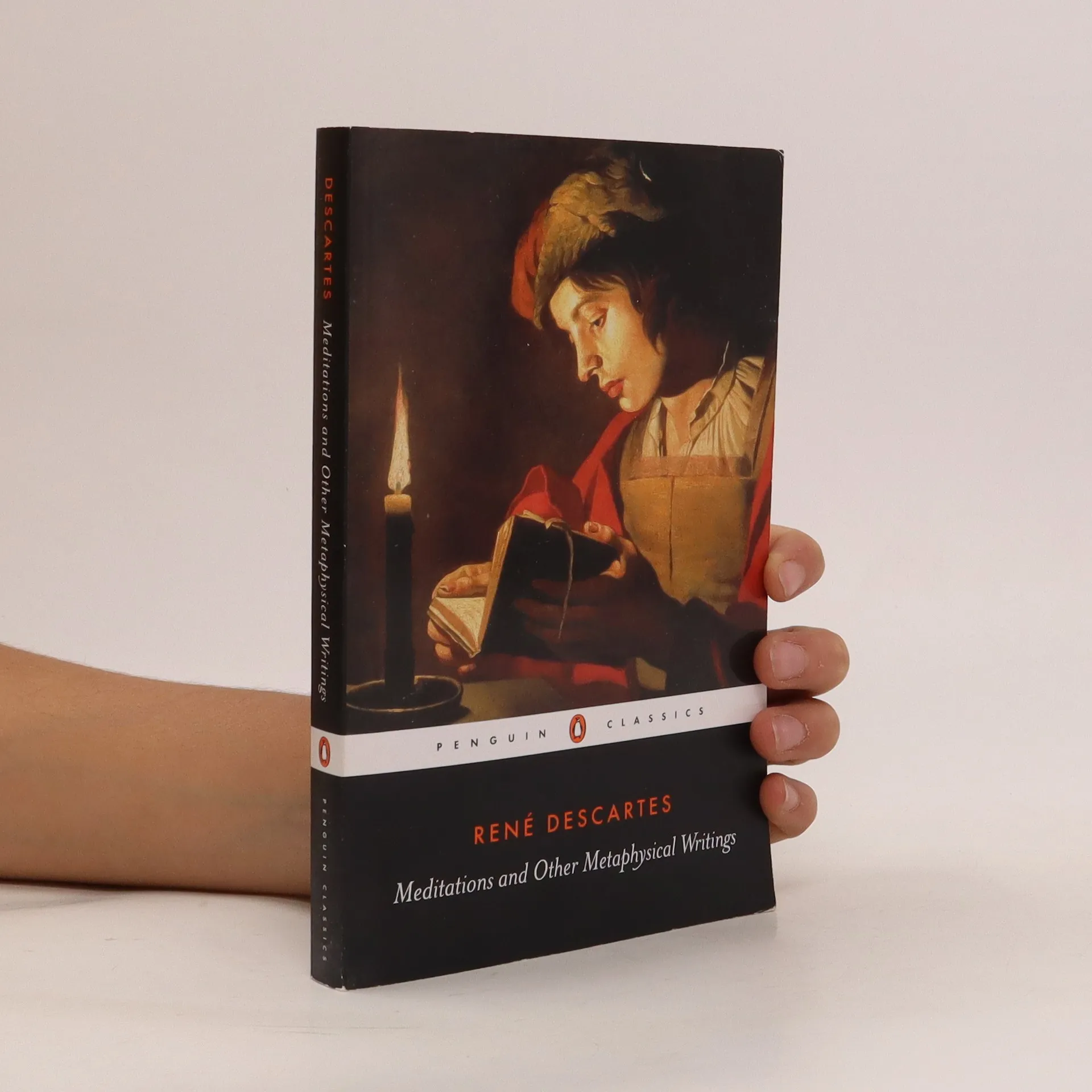
One of the foundation-stones of modern philosophy Descartes was prepared to go to any lengths in his search for certainty—even to deny those things that seemed most self-evident. In his Meditations of 1641, and in the Objections and Replies that were included with the original publication, he set out to dismantle and then reconstruct the idea of the individual self and its existence. In doing so, Descartes developed a language of subjectivity that has lasted to this day, and he also took his first steps towards the view that would eventually be expressed in the epigram Cogito, ergo sum ("I think, therefore I am"), one of modern philosophy's most famous—and most fiercely contested—claims. The first part of a two-volume edition of Descartes' works in Penguin Classics, the second of which is Discourse on Method & Related Writings. For more than seventy years, Penguin has been the leading publisher of classic literature in the English-speaking world. With more than 1,700 titles, Penguin Classics represents a global bookshelf of the best works throughout history and across genres and disciplines. Readers trust the series to provide authoritative texts enhanced by introductions and notes by distinguished scholars and contemporary authors, as well as up-to-date translations by award-winning translators.
Desmond M. Clarke Books
Desmond Clarke is a British author whose works often focus on international relations and geopolitics. His writing is characterized by deep analysis of political processes and a critical perspective on global power structures. Clarke explores the dynamics between nations and the influence of historical events on current international affairs. His work serves as an important resource for understanding the complexities of the modern world.
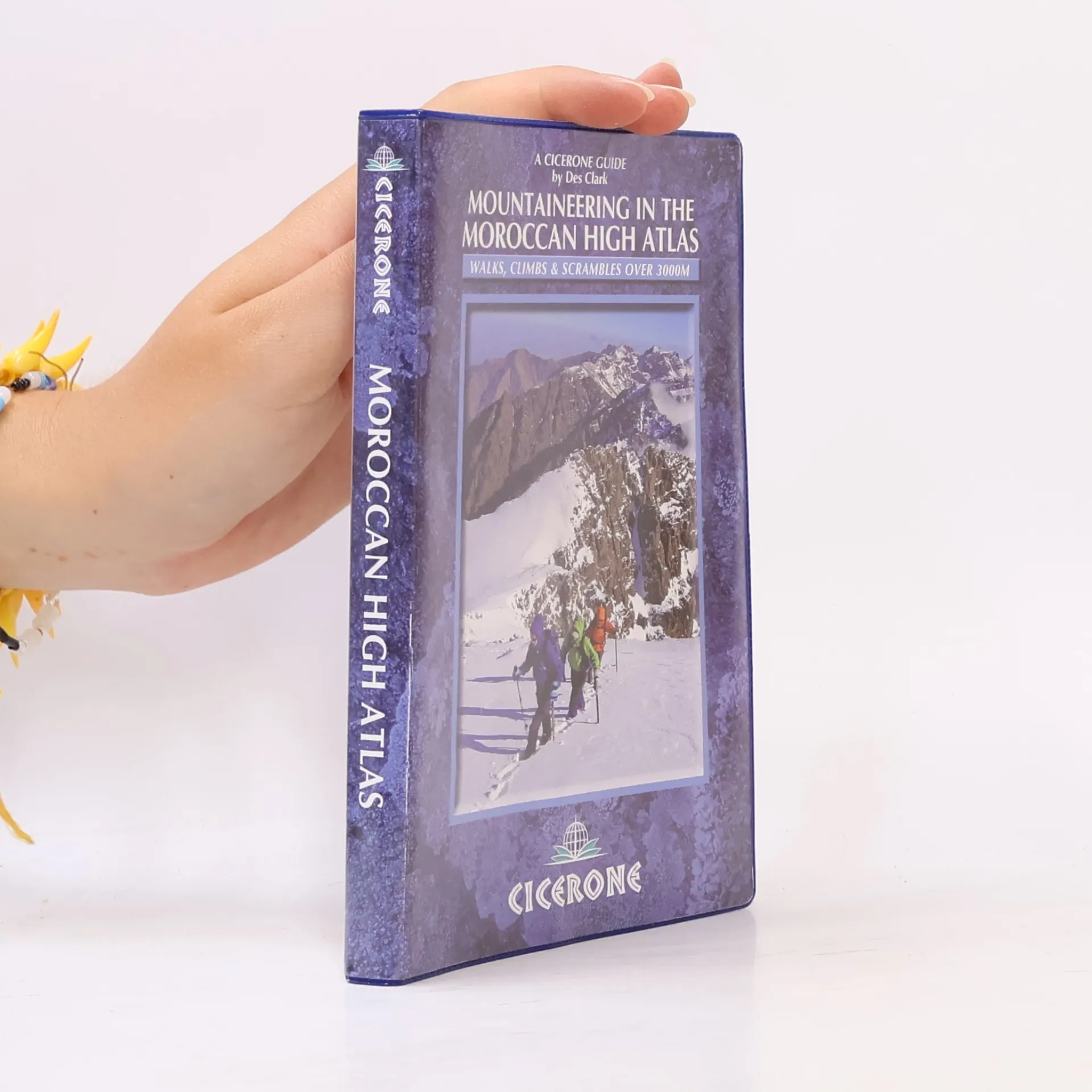
Cicerone Guides: Mountaineering in the Moroccan High Atlas
- 256 pages
- 9 hours of reading
This guidebook describes 50 walks, climbs and scrambles in the Moroccan High Atlas. The routes were written with winter conditions in mind and are suitable for experienced winter mountaineers and walkers. The routes cover 30 peaks and are all above 3000m with the highest being Jbel Toubkal at 4167m.