

Explore the latest books of this year!
Bookbot

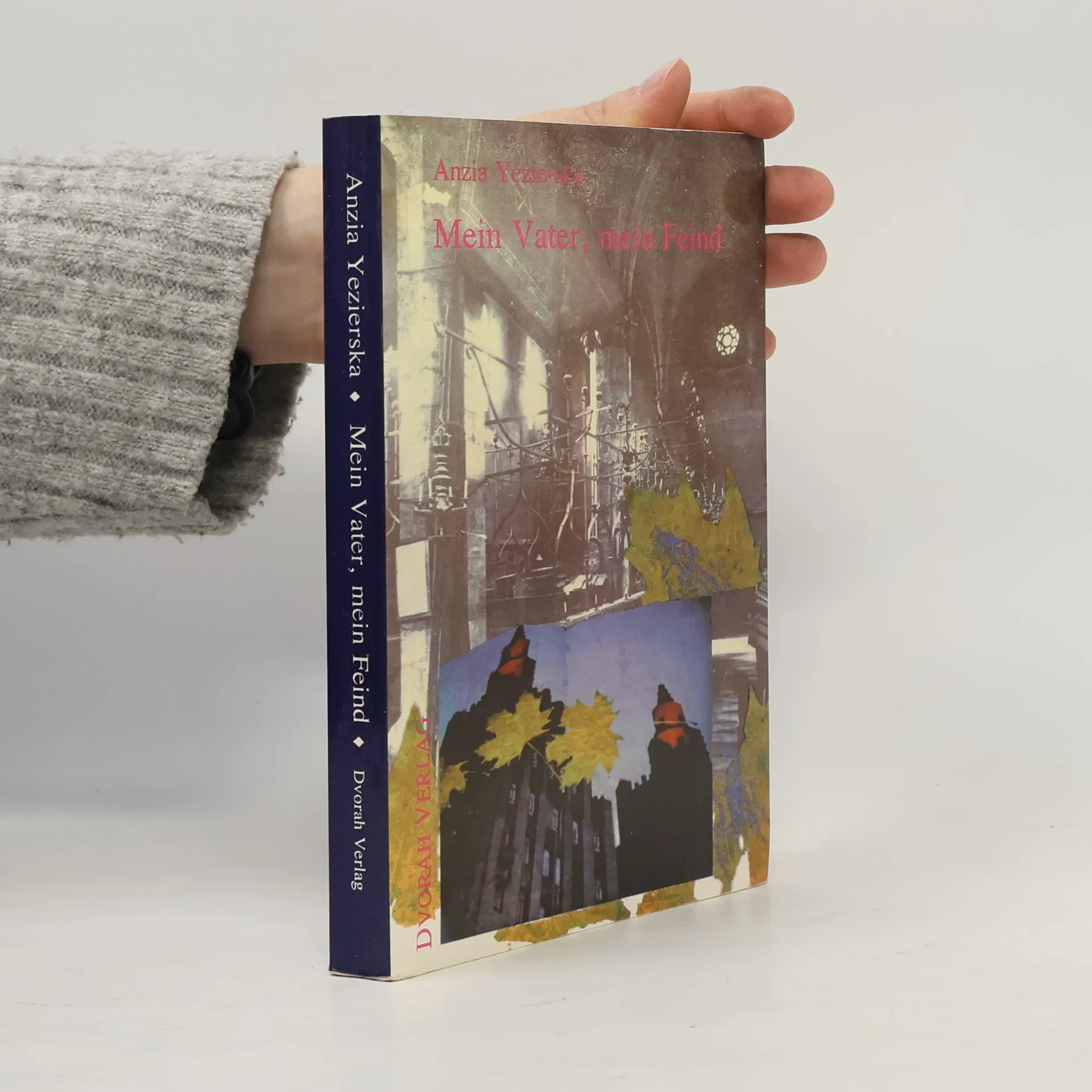
Anzia Yezierska

    October 29, 1880 – November 21, 1970

    Anzia Yezierska's prose powerfully captures the immigrant experience, drawing deeply from her own struggles with poverty and cultural displacement on New York's Lower East Side. Her narratives dissect the tension between traditional expectations and the fierce pursuit of female autonomy, offering an unflinching look at the lives of working-class women. As a voice for the marginalized, Yezierska's work probes themes of identity, the sting of class prejudice, and the relentless quest for self-definition. Her writing style, shaped by personal hardship and intellectual engagement, provides a raw and vital exploration of the American Dream.

    All I Could Never Be
    Bread Givers
    Hungry Hearts
    • Hungry Hearts

      • 136 pages
      • 5 hours of reading
      3.8(271)Add rating

      Exploring the European Jewish immigrant experience, this collection of short stories presents the struggles of fictional female characters facing poverty in early 20th-century New York City. Each narrative highlights unique challenges and resilience, capturing the essence of their lives and cultural identity. Originally published in 1920, these poignant tales reflect the broader themes of hardship and hope within the immigrant community. The stories have also inspired a film adaptation, further extending their impact and relevance.

      Hungry Hearts
    • Bread Givers

      • 334 pages
      • 12 hours of reading
      3.8(5683)Add rating

      Only if they cooked for men, and washed for men, and didn't nag and curse the men out of their homes: only if they let the men study the Torah in peace, then, maybe, they could push themselves into heaven with the men, to wait on them there.

      Bread Givers
    • All I Could Never Be

      • 256 pages
      • 9 hours of reading

      In this heartfelt novel, written in 1932, Fanya Ivanowna, a Polish Jew from New York’s Lower East Side, meets Henry Scott, a well-bred professor who first helps her fulfill her ambition to become a writer, then falls in love with her—but only to change his mind and rebuff her socially.  Fanya is hurt, but instead of returning to the ghetto to live among “her own people,” as so many have done before her, she decides to continue to better herself, to become more American.  She moves to a small New England town, where she meets her soulmate, a non-Jewish Polish immigrant, and prepares to make a home.             A moving portrait of an indomitable immigrant woman, as well as an early and optimistic story of Jewish assimilation and inter-marriage, with an introduction by Dr. Catherine Rottenberg, who places the book within the context of Yezierska’s work and Jewish American history.

      All I Could Never Be