
Explore the latest books of this year!
Bookbot

Irmgard Keun

    February 6, 1905 – May 5, 1982

    Irmgard Keun was a German novelist noted for her portrayals of the lives of women during the Weimar Republic and the early Nazi era. Her works capture the challenges and experiences of women navigating significant social and political upheaval. After pursuing acting, Keun turned to writing, with her books eventually banned by Nazi authorities but gaining recognition late in her life. Her prose offers a distinctive perspective on societal shifts and the resilience of her female characters.

    Ich lebe in einem wilden Wirbel
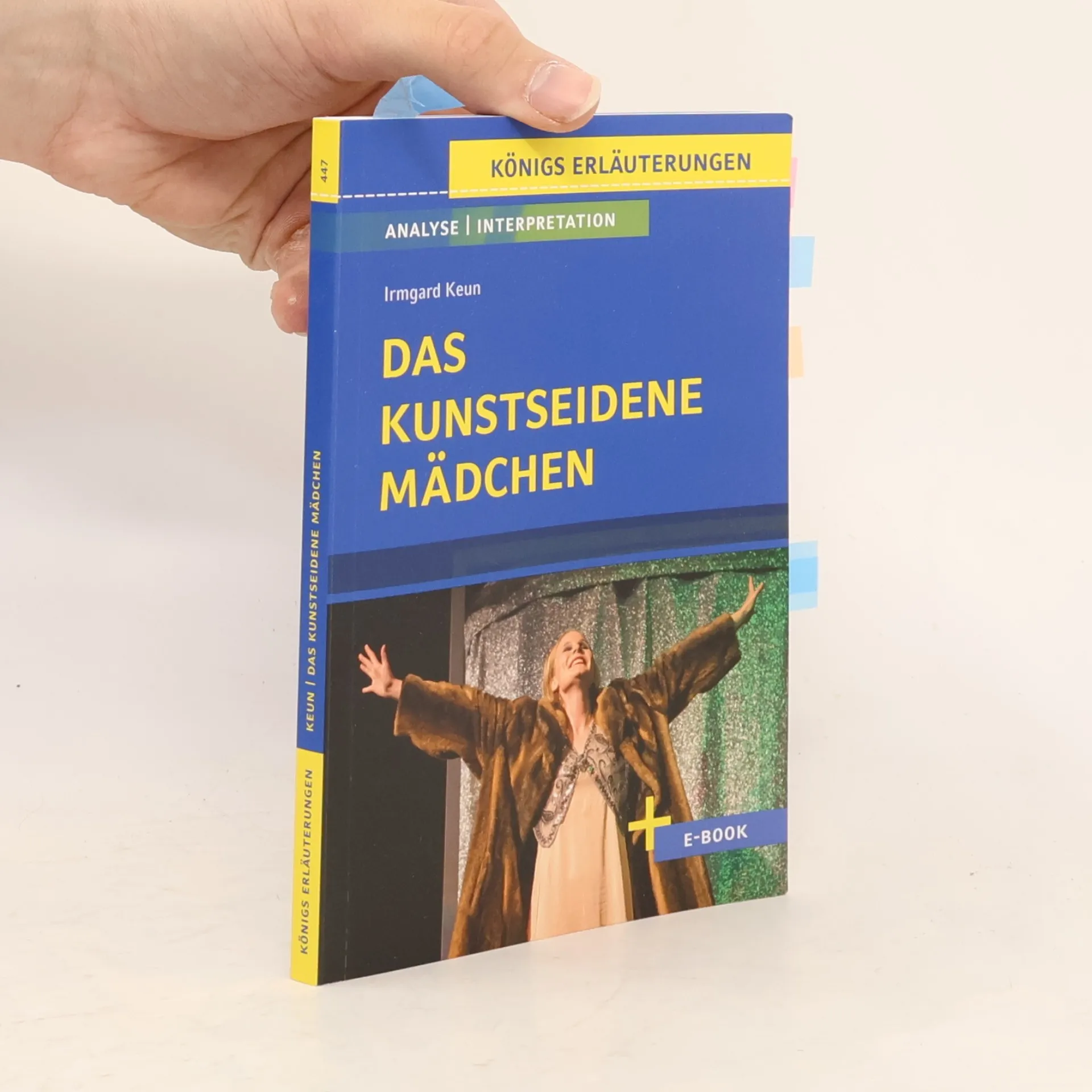
    The artificial silk girl
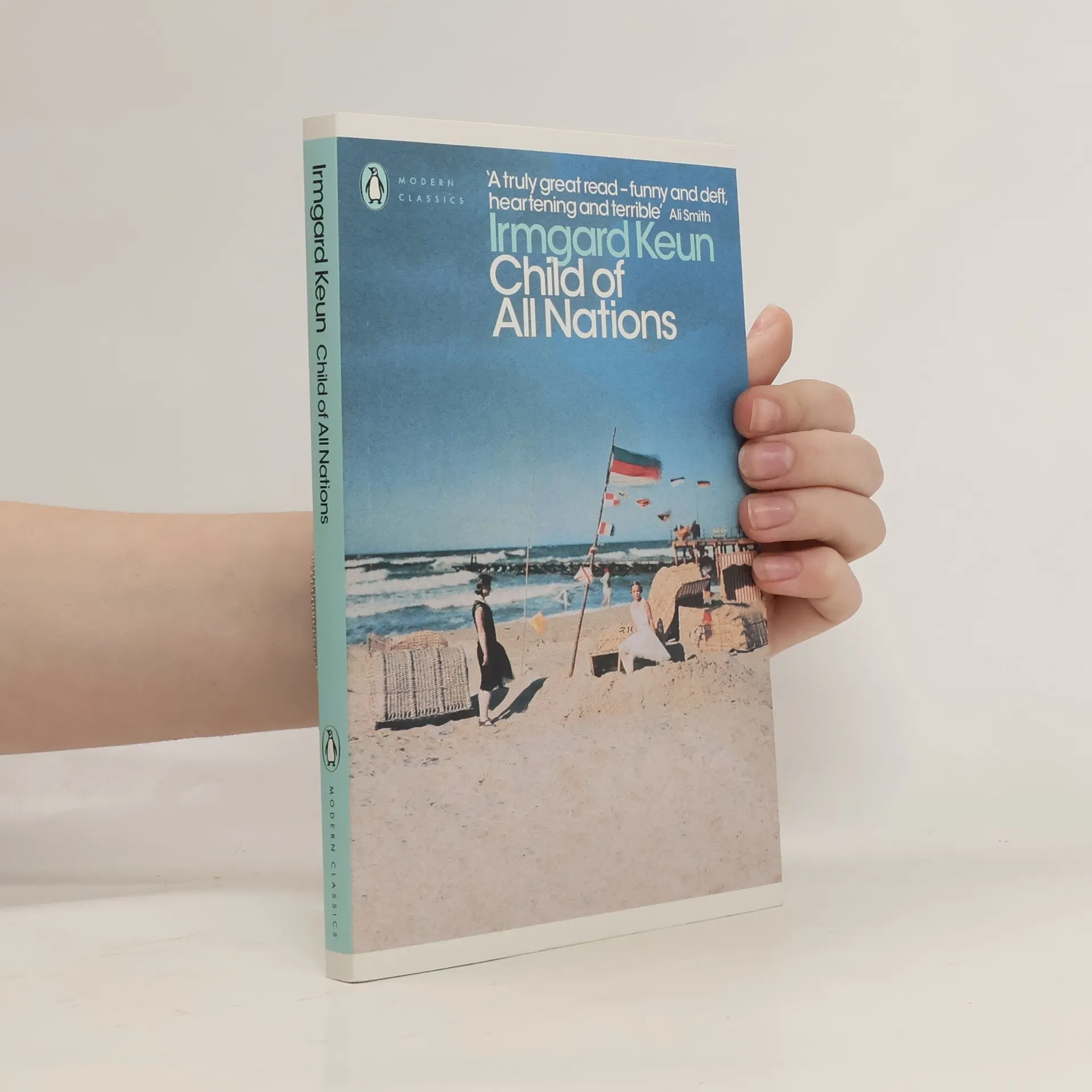
    Child of All Nations
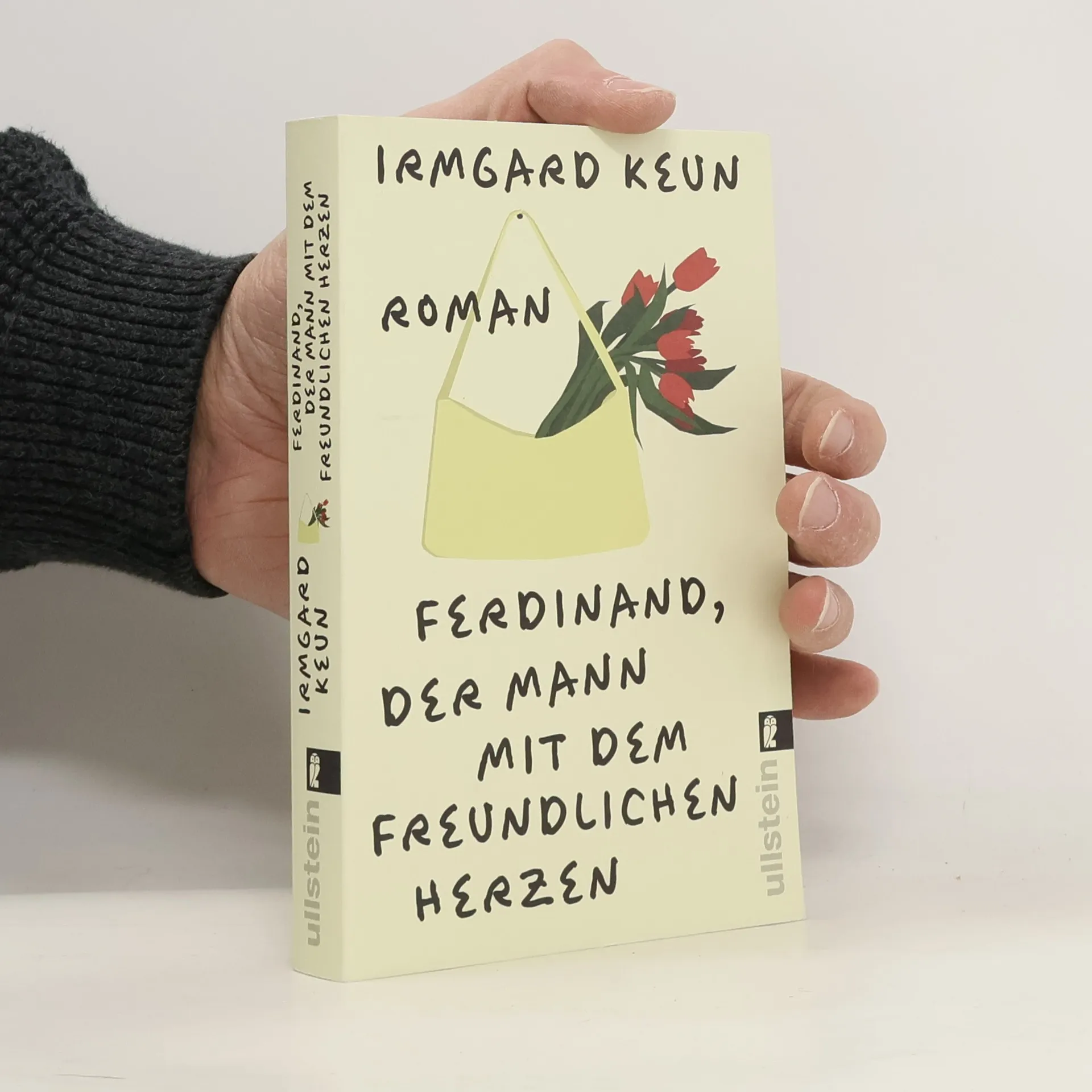
    Ferdinand, the Man with the Kind Heart
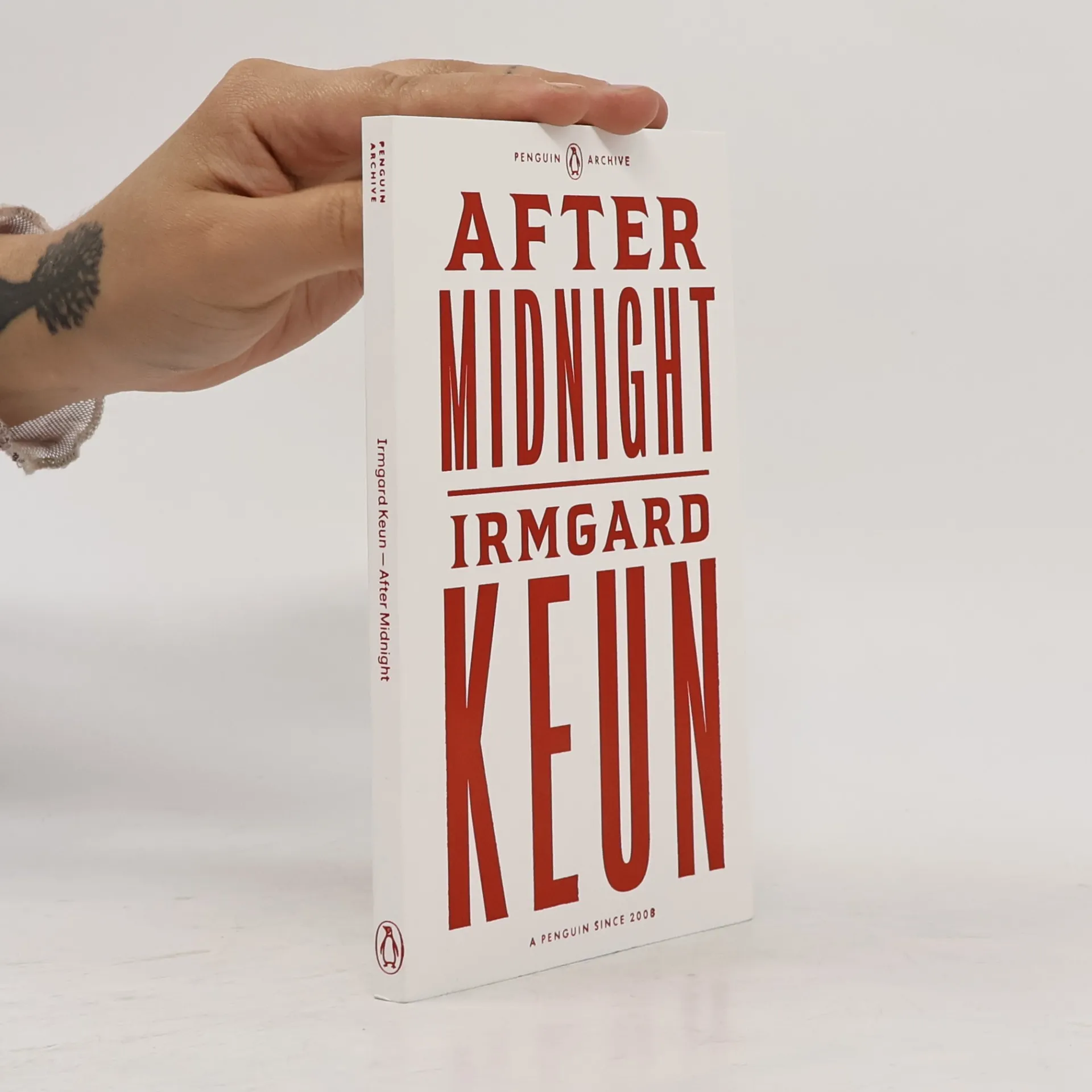
    After Midnight
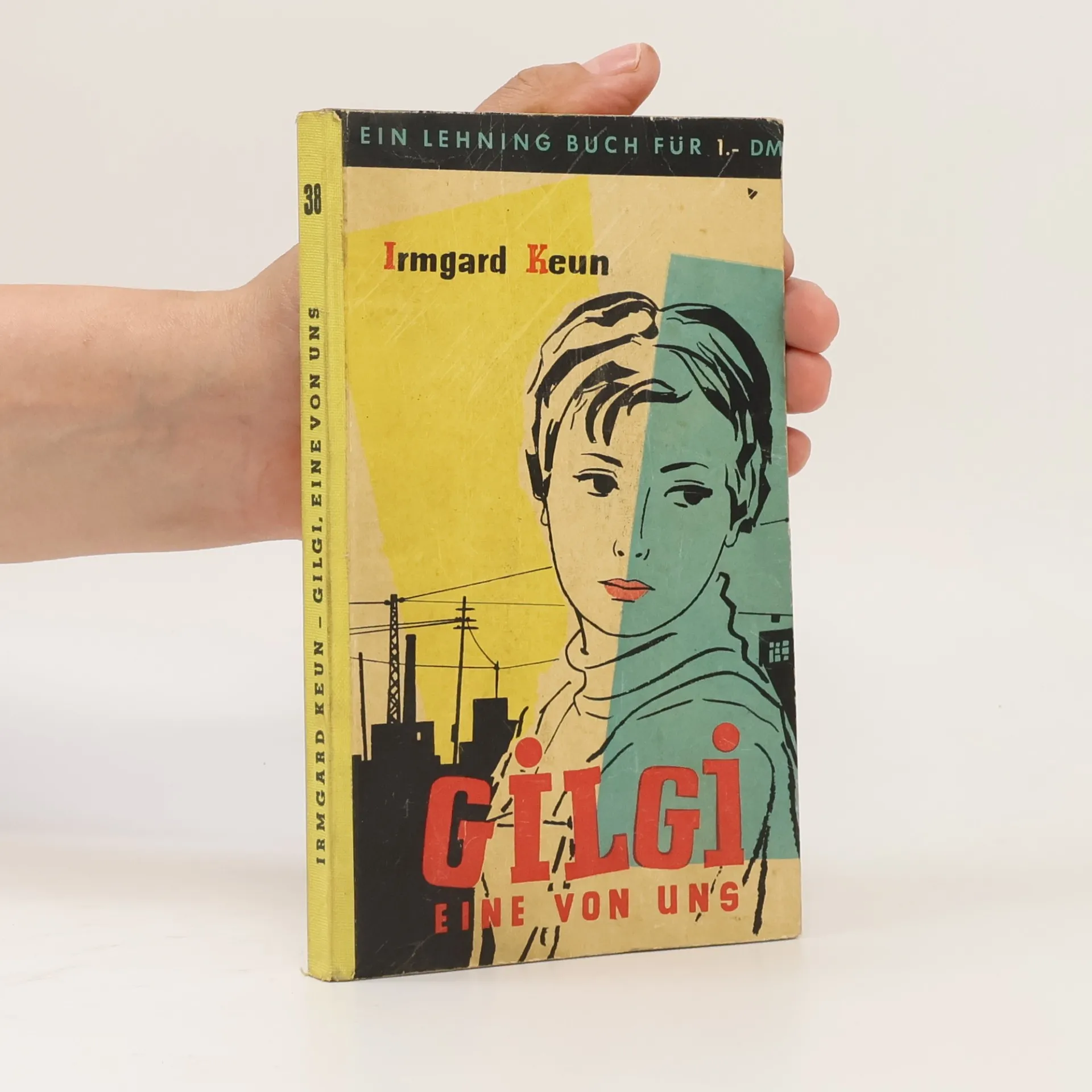
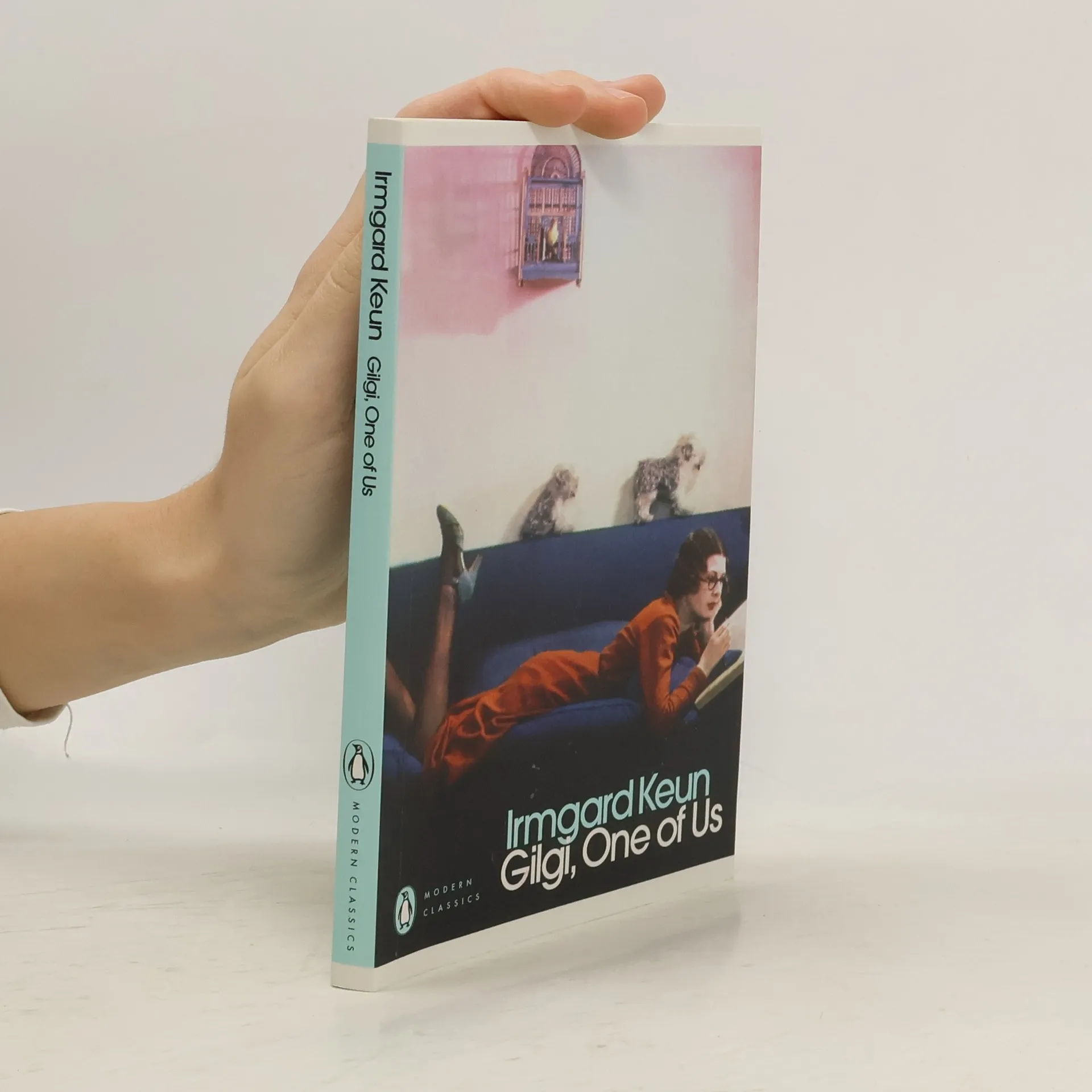
    Gilgi, one of us
    • Gilgi, one of us

      • 192 pages
      • 7 hours of reading
      4.0(584)Add rating

      Gilgi knows where she's going in life- she's ambitious, determined and fearless. She's not even derailed when her parents drop a massive bombshell on her twenty-first birthday. But then she meets the charming but aimless Martin, and for the first time, Gilgi finds herself blown bewilderingly and dangerously off-course. Set in Cologne against the backdrop of rising Nazism, Irmgard Keun's astonishing debut electrified Weimar Germany. With its frank exploration of sex, abortion, work and love, it feels as fresh today as when it first appeared.
      Gilgi, one of us
    • After Midnight

      • 144 pages
      • 6 hours of reading
      3.9(841)Add rating

      Nineteen-year-old Sanna just wants to drink her beer in peace, but that's difficult when Hitler has come to town and his motorcade is blocking the streets of Frankfurt. And now life seems more complicated every day. Her best friend Gerti is in love with a Jewish boy, her brother writes books that have been put on a black list and her own aunt may denounce her to the authorities at any moment... written after she had fled Nazi Germany, Keun's work captures the hysteria and horror of the era with devastating vividness and redemptive humour.

      After Midnight
    • Ferdinand, the Man with the Kind Heart

      • 160 pages
      • 6 hours of reading
      3.7(80)Add rating

      Bombed-out Cologne after the war is a strange place to be. The black market in jam and corsets is booming, half-destroyed houses offer opportunities for stealing doors and eggcups, and de-Nazification parties are all the rage. Recently released from a prisoner-of-war camp, Ferdinand drifts around the city, strenuously avoiding his fiancee and drinking brandy with his fabulous cousin. But is this any way to go on? Told with Keun's characteristic humour, irony and generosity of spirit, this is a wry portrait of a man, a city and a nation that asks how we go on living even in the face of total defeat.

      Ferdinand, the Man with the Kind Heart
    • Child of All Nations

      • 176 pages
      • 7 hours of reading
      3.6(116)Add rating

      Kully knows some things you don't learn at school. She knows the right way to roll a cigarette and pack a suitcase. She knows that cars are more dangerous than lions. She knows you can't enter a country without a passport or visa. And she knows that she and her parents can't go back to Germany again - her father's books are banned there.

      Child of All Nations
    • The artificial silk girl

      • 160 pages
      • 6 hours of reading
      3.5(1446)Add rating

      A hilarious, tragic novel about a would-be movie star in 1920s Berlin, from the author of Child of All Nations Doris is going to be a big star. Wearing a stolen fur coat and recently fired from her office job, she takes an all-night train to Berlin to make it in the movies. But what she encounters in the city is not fame and fortune, but gnawing hunger, seedy bars, and exploitative men - and as Doris sinks ever lower, she resorts to desperate measures to survive. Very funny and intensely moving, this is a dazzling portrait of roaring Berlin in the 1920s, and a poignant exploration of the doomed pursuit of fame and glamour. The Artificial Silk Girl was a huge bestseller in Weimar Germany before the Nazis banned it, and is today Keun's best-loved book in Germany. Funny, fresh and radical in its dissection of the limited options available to working women, it is a novel that speaks to our times.

      The artificial silk girl
    • Ich lebe in einem wilden Wirbel

      • 310 pages
      • 11 hours of reading
      4.3(14)Add rating

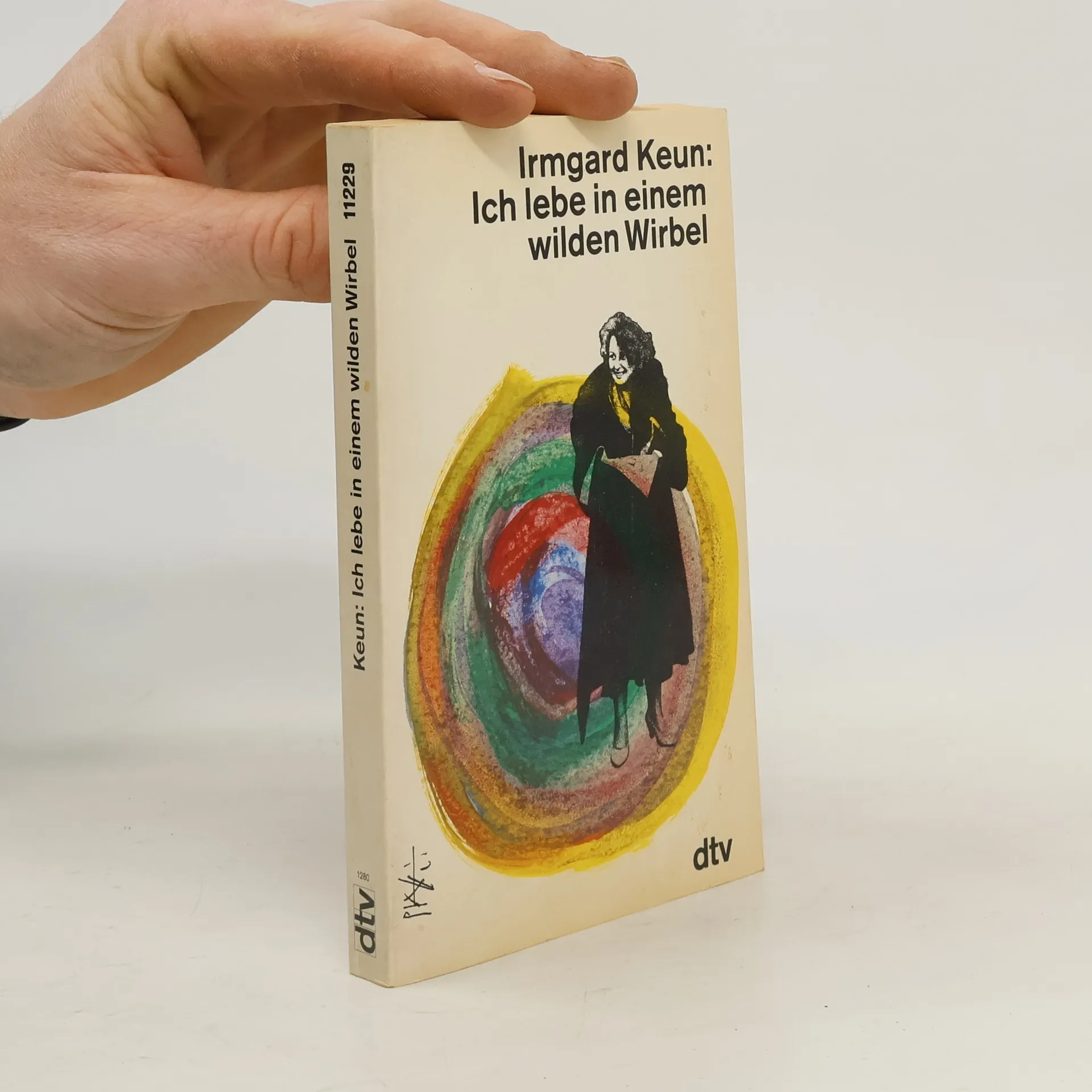
      „Es klingt wie eine erfundene Geschichte: vor zehn Jahren wurde in den USA ein Konvolut von Briefen und Telegrammen gefunden, abgeschickt zwischen 1933 und 1947 aus Deutschland, Absender: Irmgard Keun. Diese Briefe, Liebesbriefe an den emigrierten Arzt Arnold Strauss, hier nun zum erstenmal veröffentlicht, zeigen Irmgard Keun in einem ganz neuen Licht: Eine verschwenderische Frau, die mit dem Herzen denkt und mit dem Verstand fühlt. Hinreißend, charmant und egozentrisch wie ein kleines Kind, bindungsängstlich und treu, klug aber zu jeder Dummheit bereit. Sie schreibt in diesen überraschend offenen Briefen, die sich wie ein intimes Tagebuch lesen, was sie sonst nirgendwo erzählt hat: über sich selbst, über ihre Arbeit, über ihre Abhängigkeiten und über ihre Hoffnungen. Überdies erzählen die Briefe Geschichten bissige und amüsante, vom Leben und Überleben im “„Dritten Reich“„ und im Exil. Als wäre es ein Roman.“

      Ich lebe in einem wilden Wirbel
    • Erstmals das Gesamtwerk der Bestsellerautorin Irmgard Keun in einer kommentierten Neuausgabe.

      Das Werk, 3 Bde.
    • Mit ihren Romanen wurde Irmgard Keun zum literarischen Star der spten Weimarer Republik. Ihre Erzhlungen ber den Ns-Alltag und das Leben im Exil wurden zu Klassikern. In der Nachkriegszeit entfaltete sie als scharfe Zeitkritikerin noch einmal satirische Energie. Nun liegt ihr Werk erstmals in einer kritischen Ausgabe vor, herausgegeben und kommentiert von Heinrich Detering und Beate Kennedy - mit allen bekannten sowie verschollenen und vergessenen Texten. In dieser Ausgabe ist eine der aufregendsten deutschen Schriftstellerinnen des 20. Jahrhunderts neu zu entdecken. Mit einem Essay von Ursula Krechel.

      Das Werk