Benedetto XVI. Book order (chronological)


La preghiera. Respiro dell'anima. I fondamenti della fede
- 127 pages
- 5 hours of reading
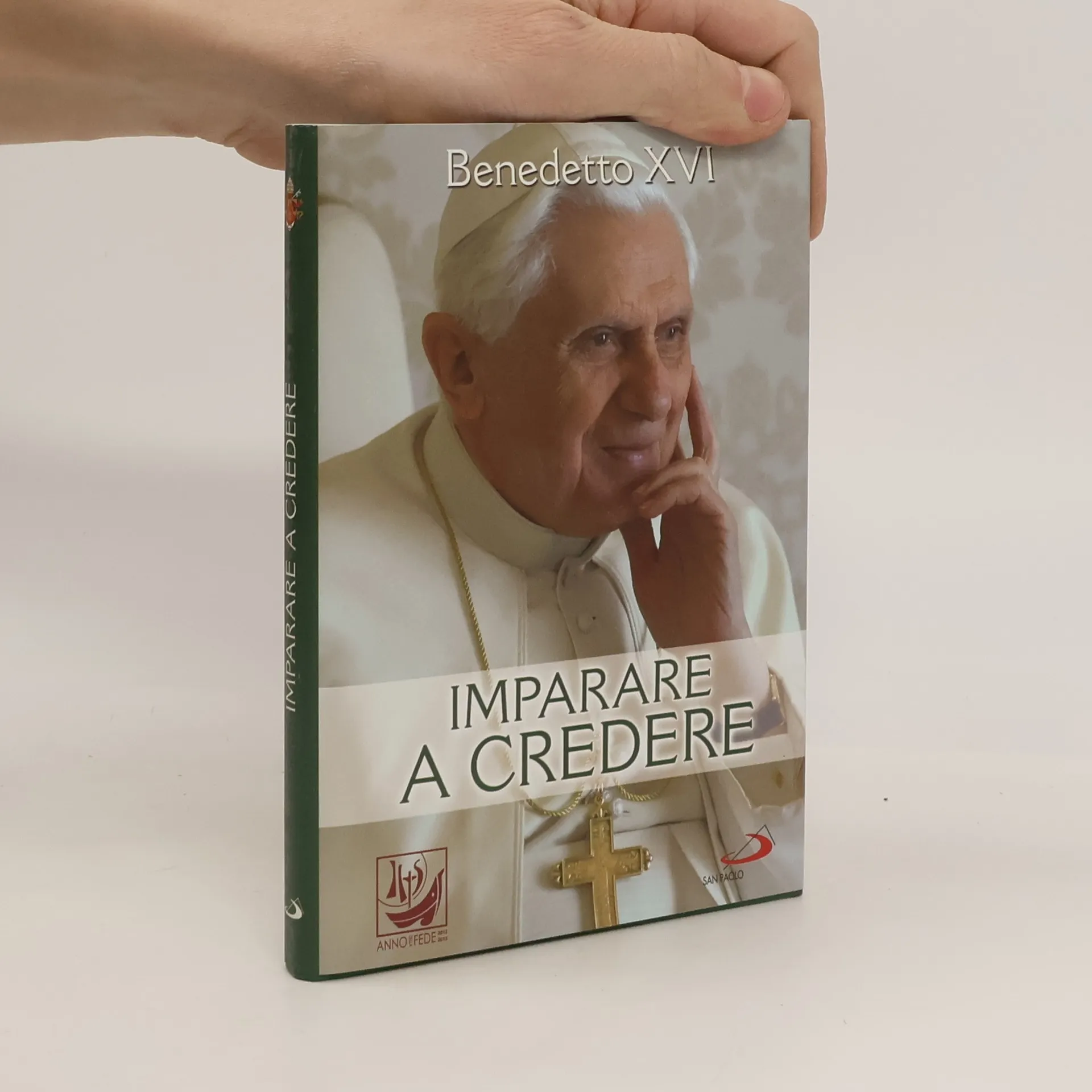
I compendi - 15: Imparare a credere
- 126 pages
- 5 hours of reading
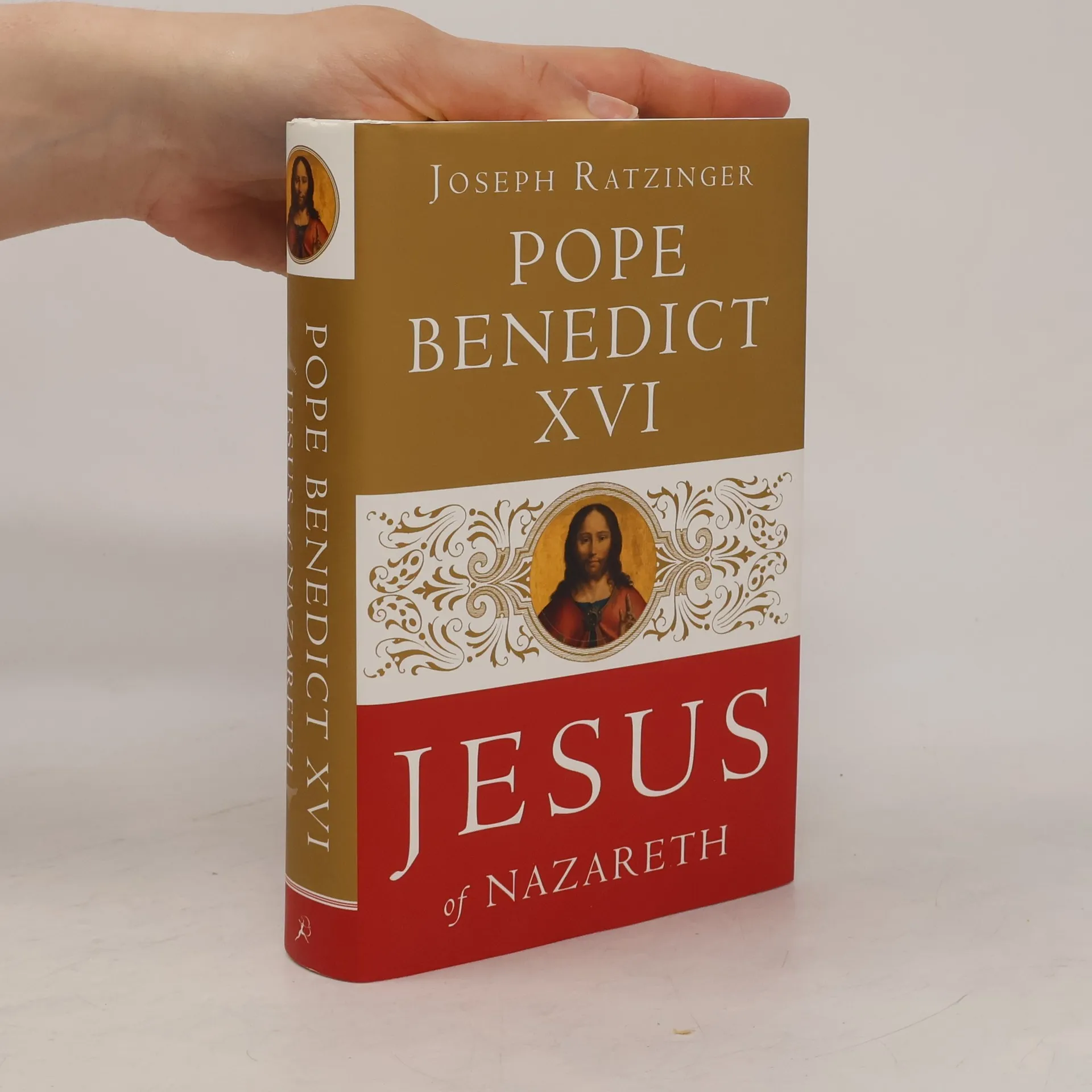
Jesus of Nazareth
- 256 pages
- 9 hours of reading
The New York Times bestselling final volume in the Pope’s Jesus of Nazareth series, detailing how the stories of Jesus’ infancy and childhood are as relevant today as they were two thousand years ago. In 2007, Joseph Ratzinger published his first book as Pope Benedict XVI in order “to make known the figure and message of Jesus.” Now, the Pope focuses exclusively on the Gospel accounts of Jesus’ life as a child. The root of these stories is the experience of hope found in the birth of Jesus and the affirmations of surrender and service embodied in his parents, Joseph and Mary. This is a story of longing and seeking, as demonstrated by the Magi searching for the redemption offered by the birth of a new king. It is a story of sacrifice and trusting completely in the wisdom of God as seen in the faith of Simeon, the just and devout man of Jerusalem, when he is in the presence of the Christ child. Ultimately, Jesus’ life and message is a story for today, one that speaks to the restlessness of the human heart searching for the sole truth which alone leads to profound joy.
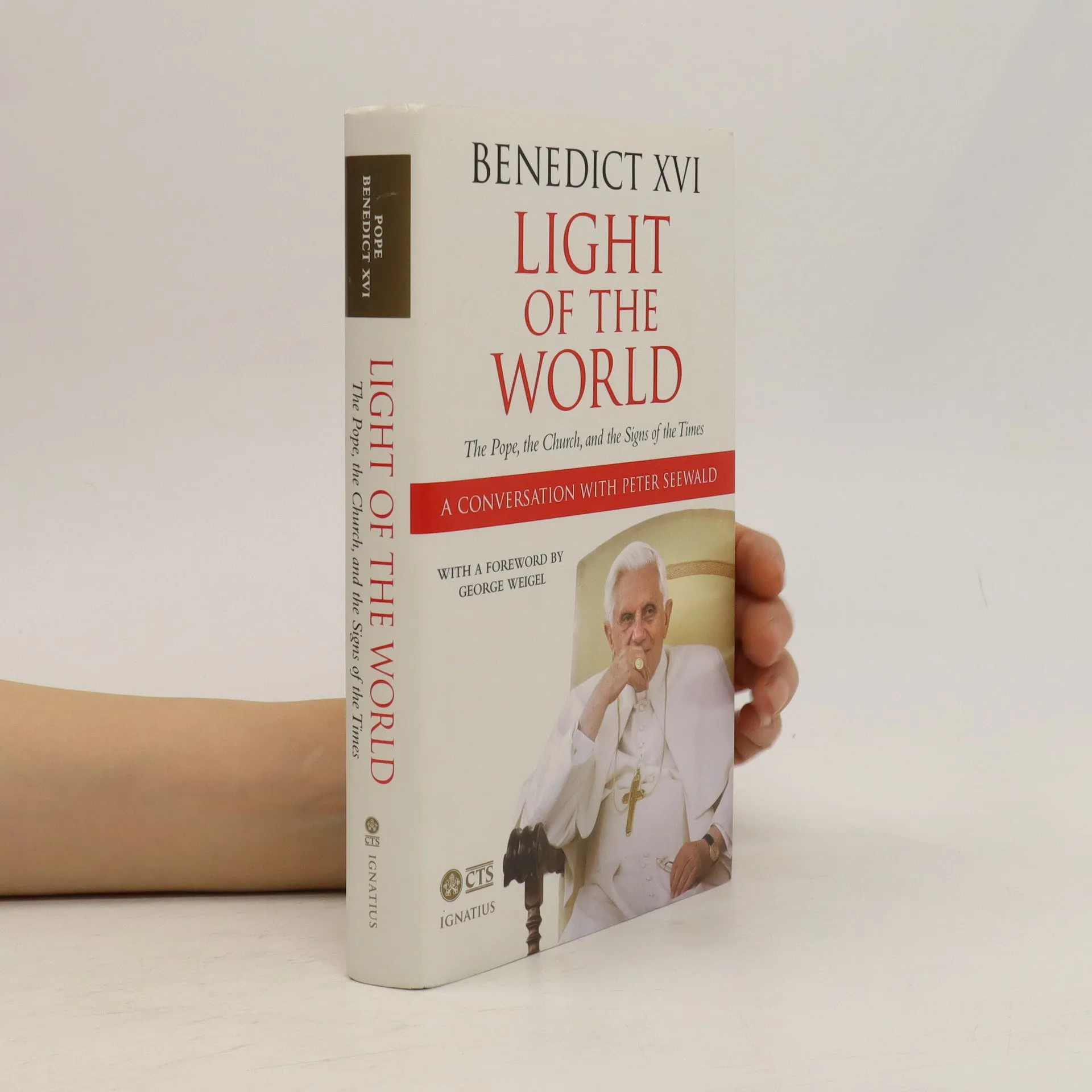
Light of the World
- 240 pages
- 9 hours of reading
Popes do not usually grant book-length interviews to journalists. And never before has a pope given as in-depth and extensive an interview as this one, answering so many direct questions on so many personal and controversial topics. Five years after his election, Pope Benedict XVI openly discusses the criticisms of his pontificate, the crisis in the Church brought on by the clergy sexual abuse scandal, the need for Church reform, the problems of uniting faith and reason today, as well as contemporary issues such as abortion, climate change, same-sex unions, the global economic crisis, and the new atheism. He also examines the quest for unity among Christians, the relations with Islam, the message of Fatima, and the prospects for peace. An unabashed follower of Jesus Christ, Benedict addresses the Church's drive for a new evangelization and the challenges it involves
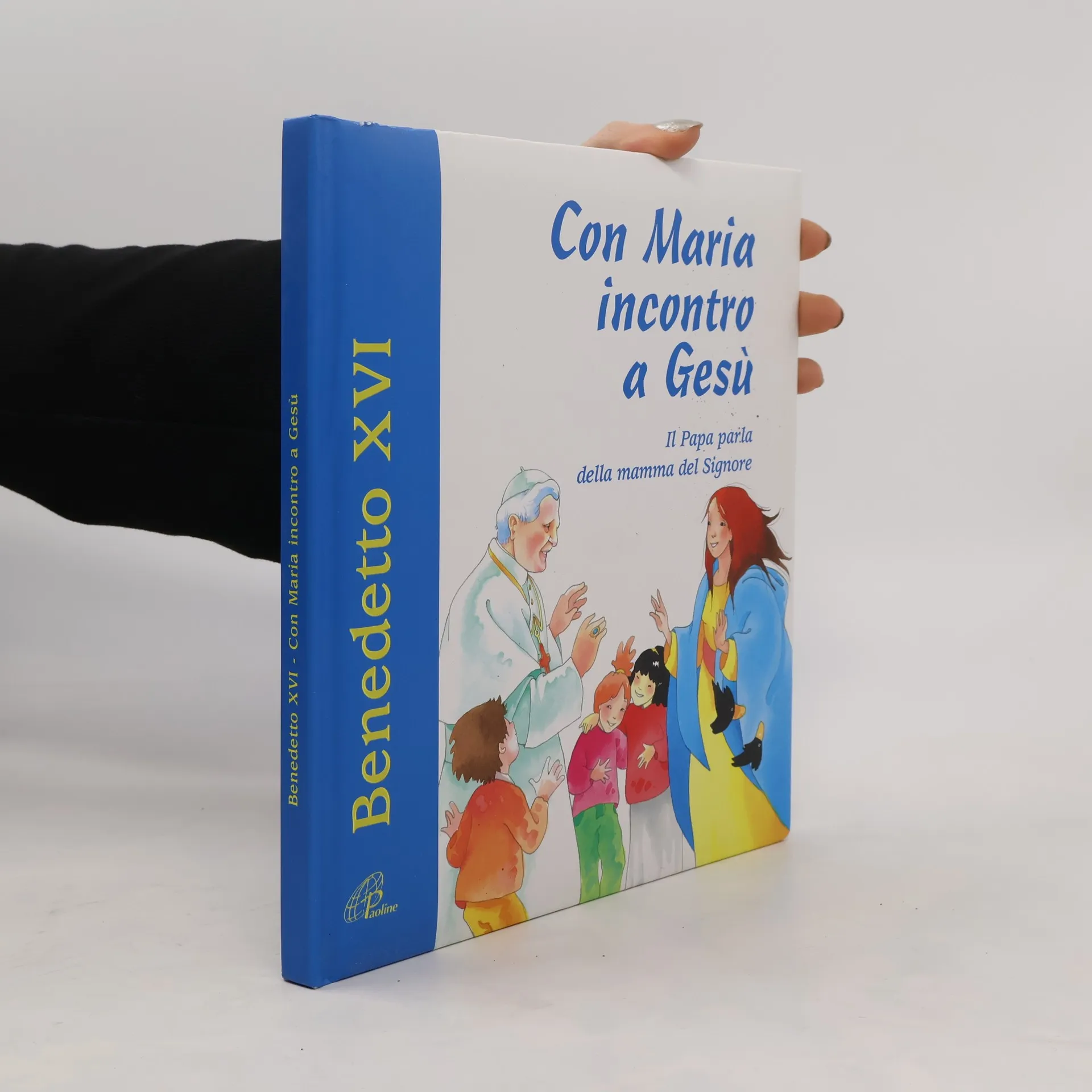
Con Maria incontro a Gesù. Il Papa parla della mamma del Signore
- 49 pages
- 2 hours of reading
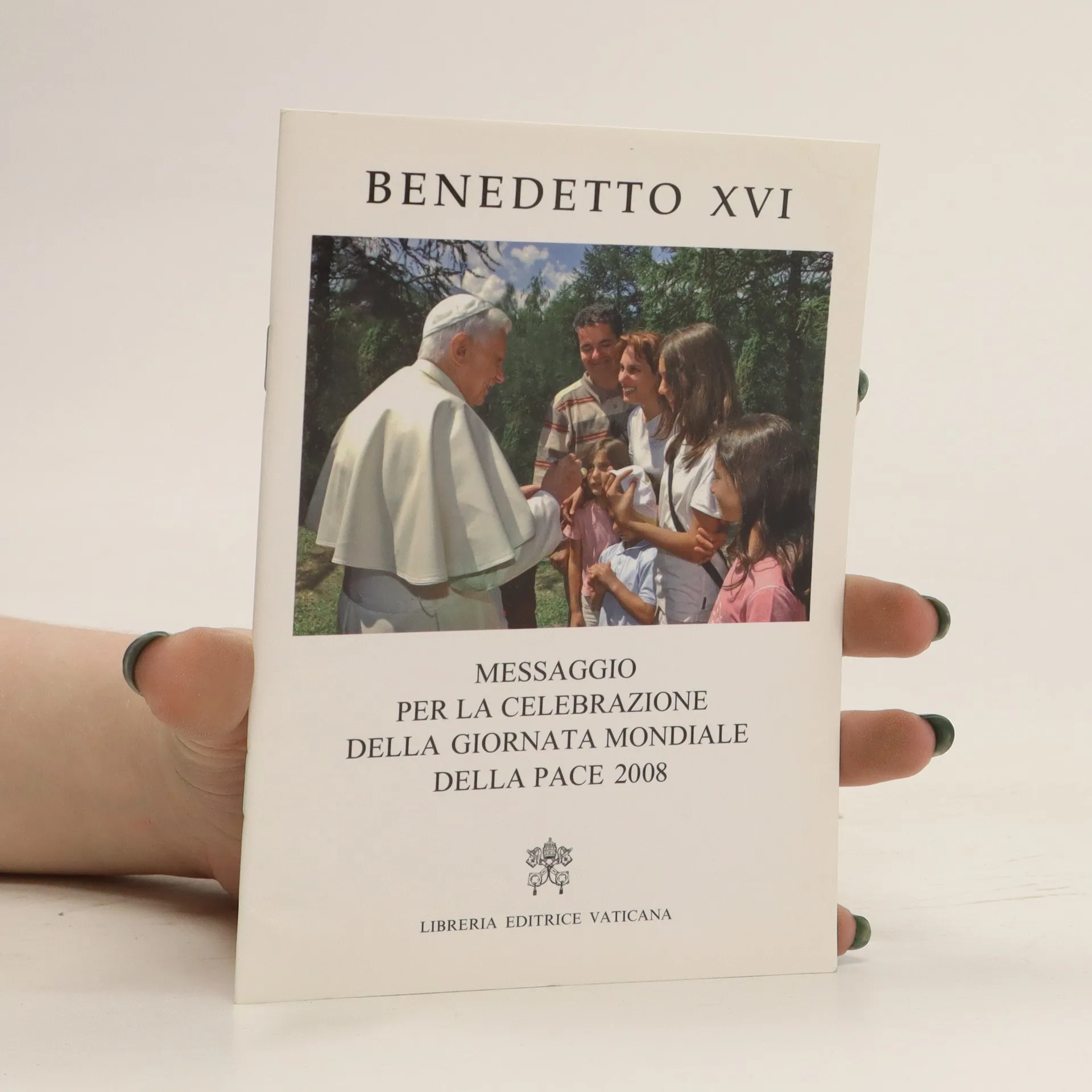
Messaggio per la celebrazione della Giornata della pace
- 24 pages
- 1 hour of reading
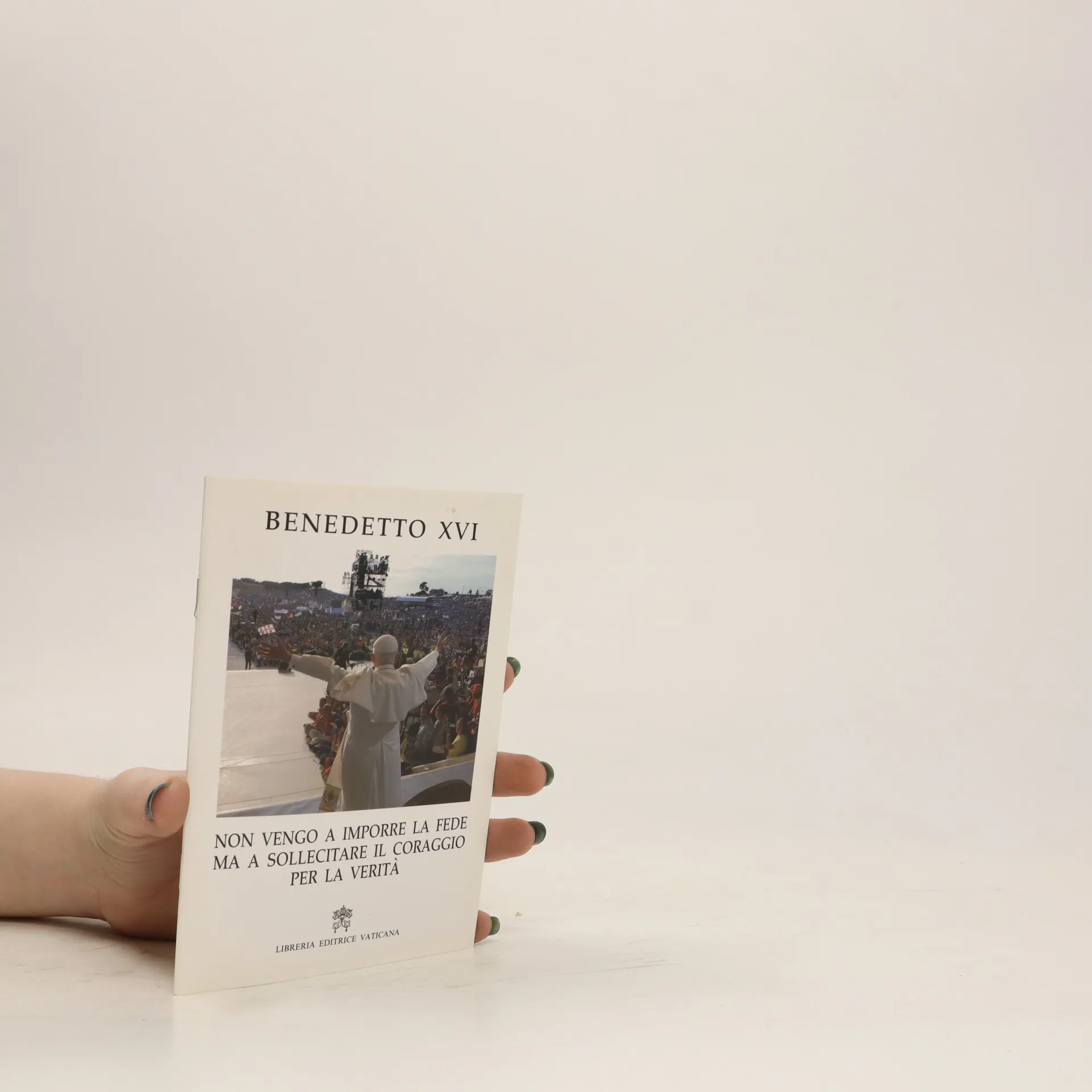
Non vengo a imporre la fede ma a sollecitare il coraggio per la verità
- 32 pages
- 2 hours of reading
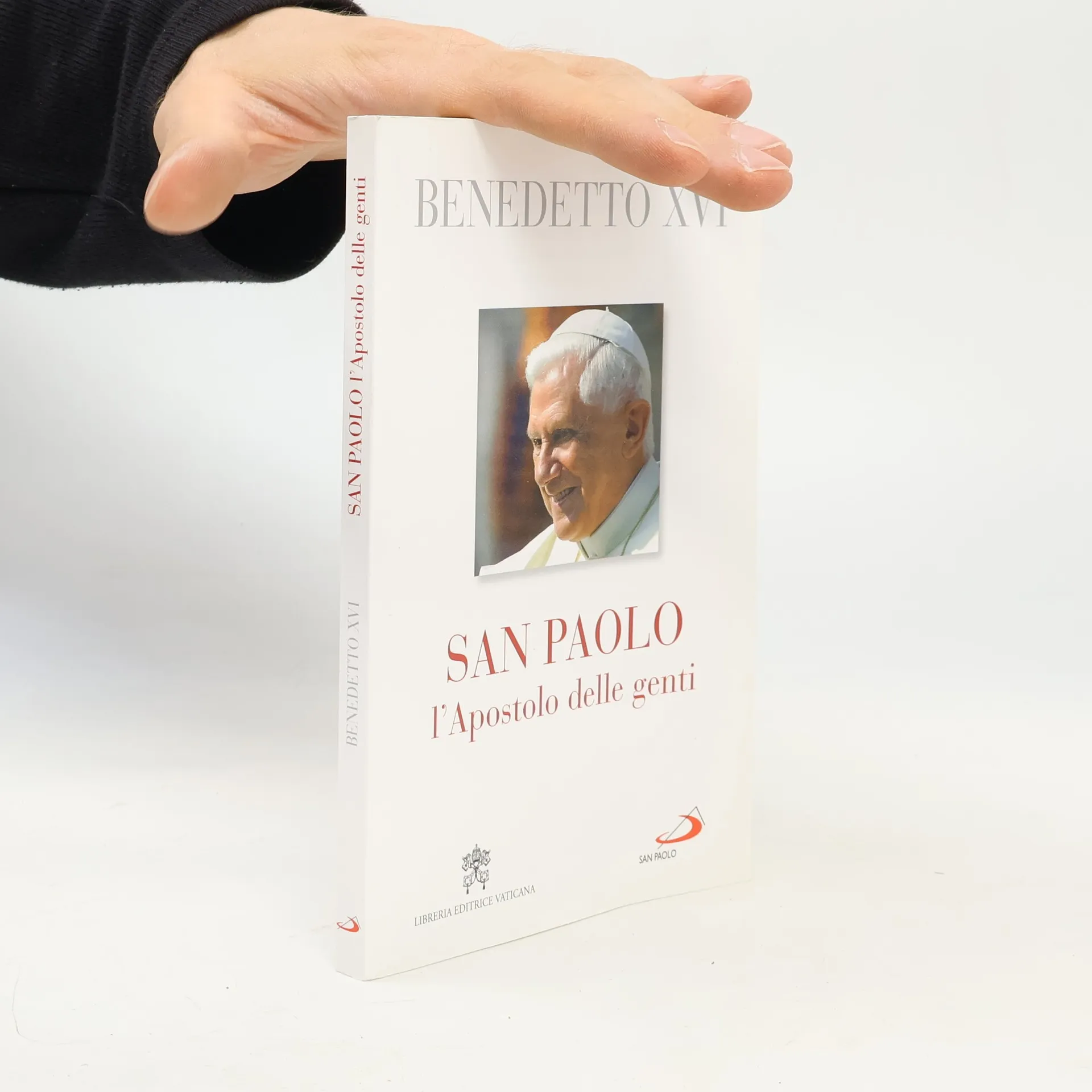
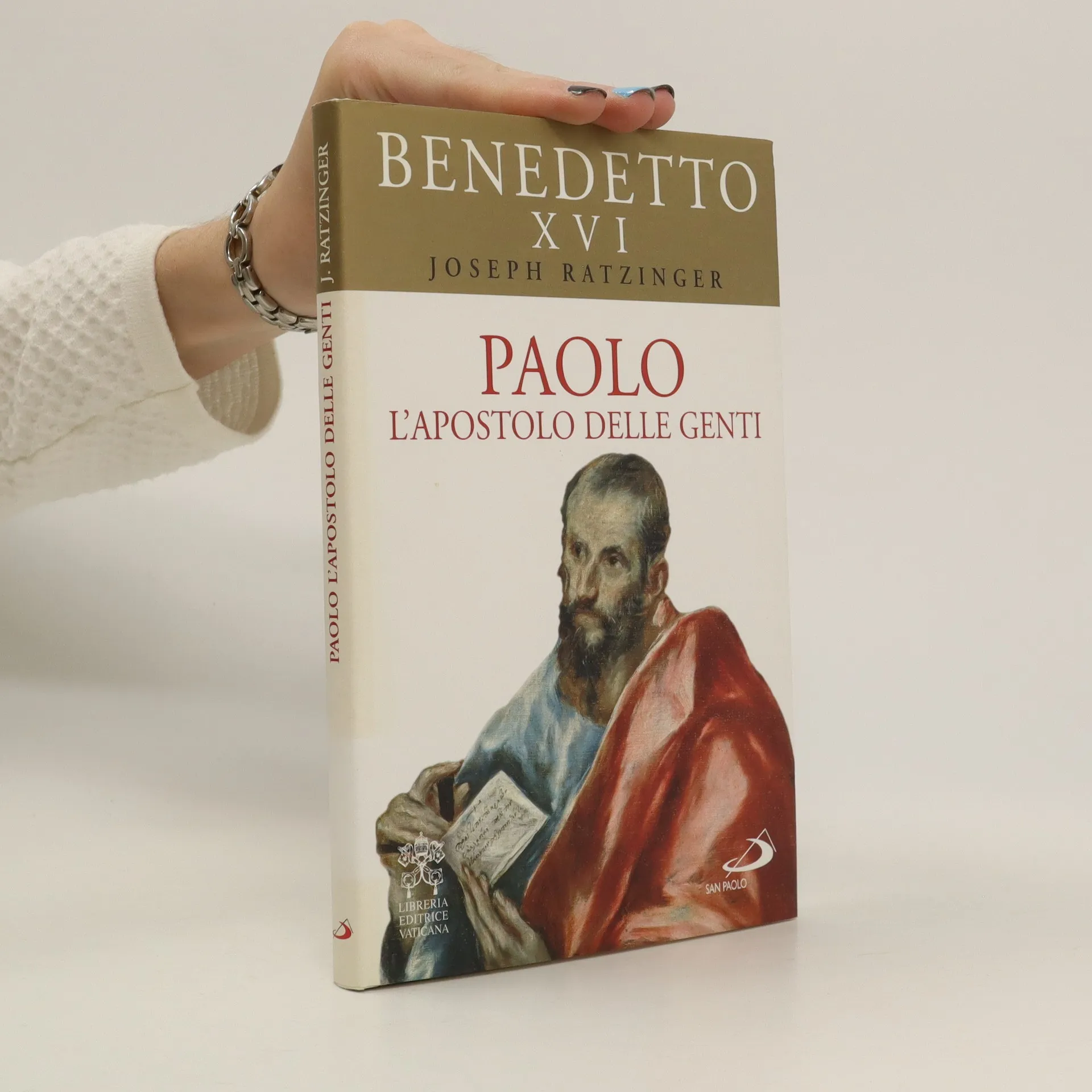
Paolo. L'apostolo delle genti
- 96 pages
- 4 hours of reading
Qual è il messaggio di Paolo per il mondo contemporaneo? Quali dei suoi tratti appaiono oggi più incisivi e decisivi per comprendere non solo il senso della fede cristiana e della Chiesa Cattolica ma quello della vita umana in tutte le sue dimensioni, dalla convivenza civile, alla politica, dalla morale alla responsabilità personale? L'anno di san Paolo è una sfida affidata in particolare alle tante istituzioni religiose che portano il nome di san Paolo e s'ispirano alla sua figura e al suo insegnamento. Il libro raccoglie i testi del papa - il discorso dell'indizione dell'anno paolino, un profilo dell'apostolo e una sintesi del suo insegnamento - e costituiscono una guida preziosa per la conoscenza del pensiero del grande apostolo. In particolare, si ritrova nel volume la spiegazione della tipica "visione dell'unicità dell'alleanza", una concezione teologica molto cara a papa Benedetto che proprio nella teologia di Paolo trova il principale sostegno.
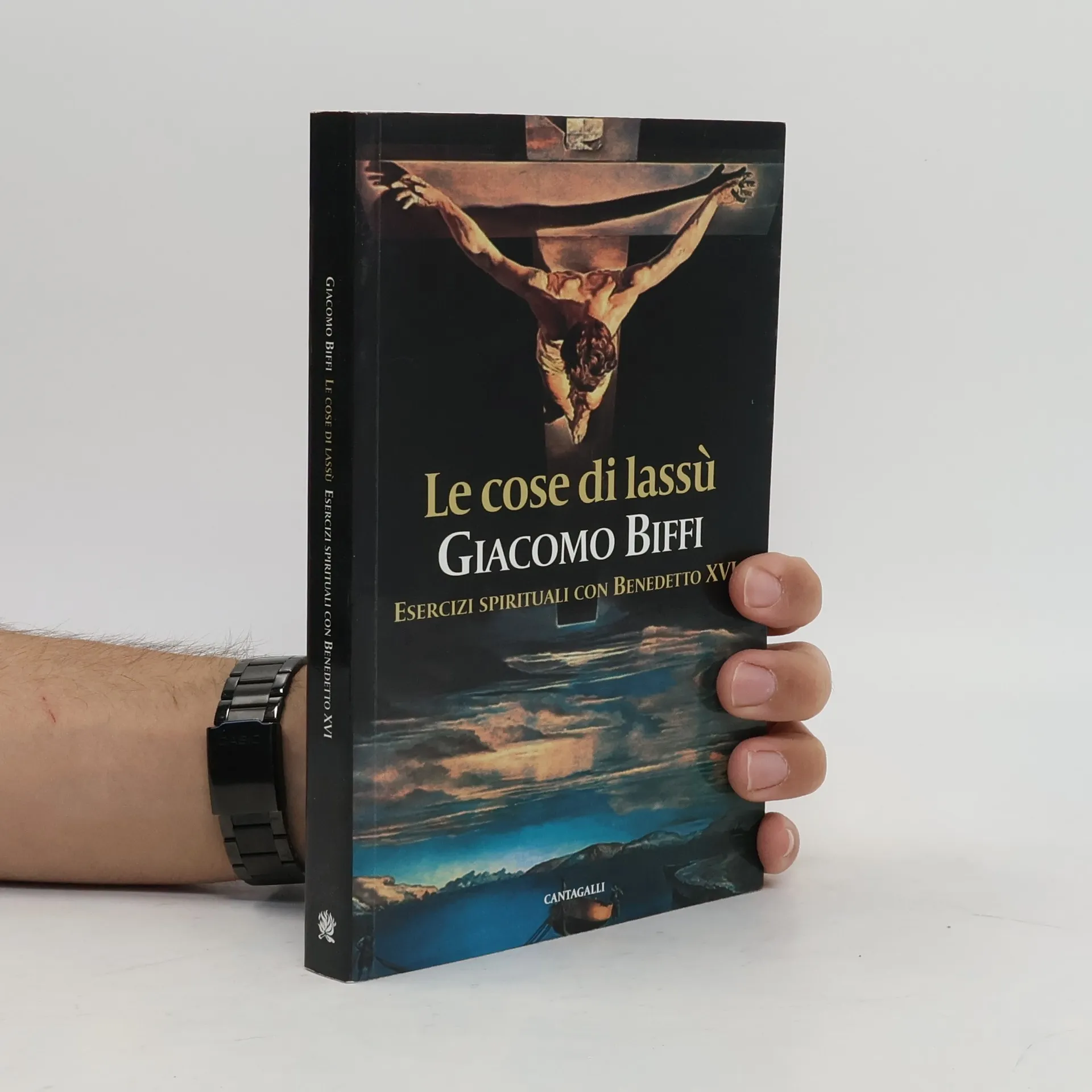
Le cose di lassù. Esercizi spirituali con Benedetto XVI
- 224 pages
- 8 hours of reading
Book by Giacomo Biffi
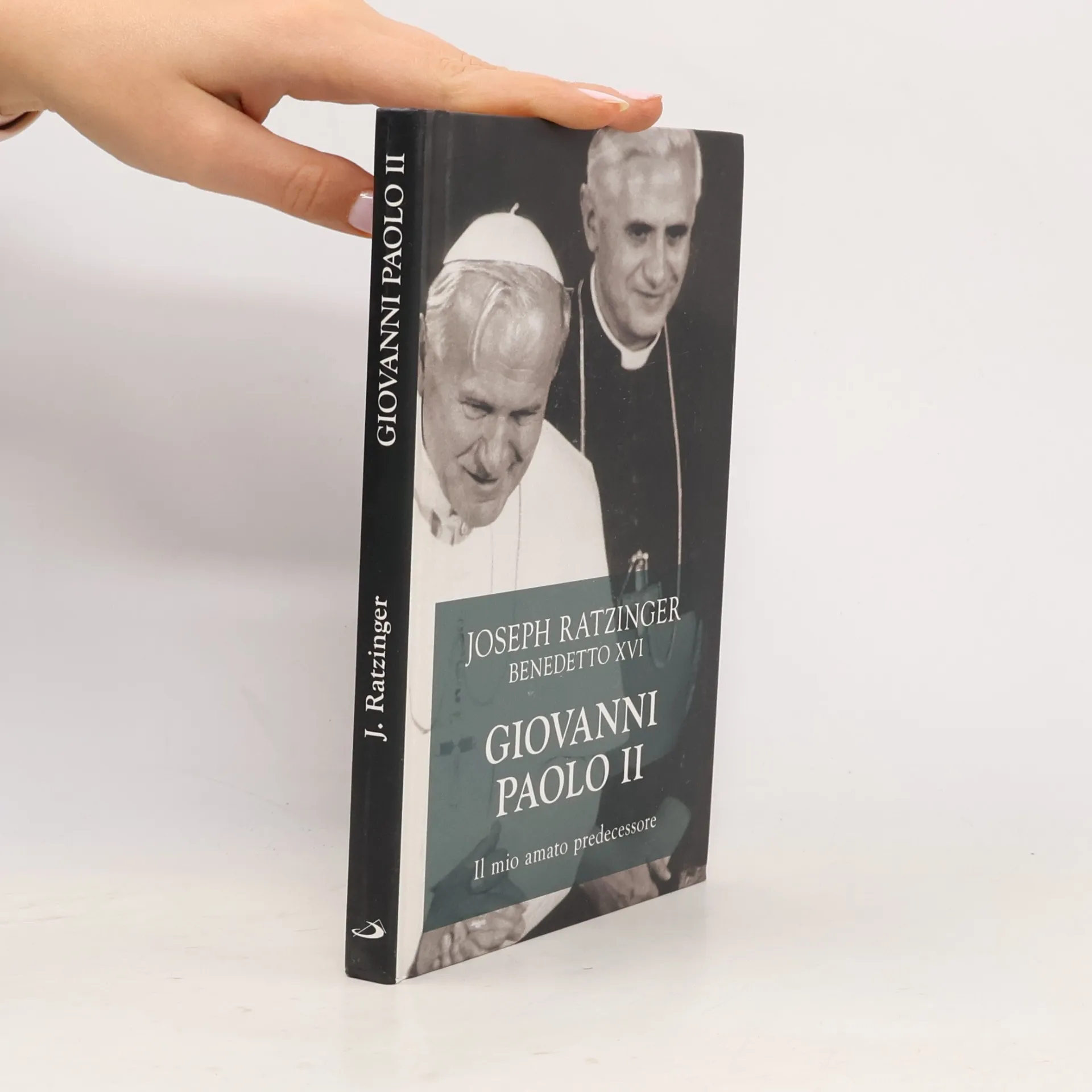
Giovanni Paolo II. Il mio amato predecessore
- 136 pages
- 5 hours of reading
Ho voluto presentare il Gesù dei Vangeli come il Gesù reale, il "Gesù storico" in senso autentico. Sono convinto che questa figura sia molto più logica e storicamente comprensibile rispetto alle ricostruzioni degli ultimi decenni. Questo Gesù - quello dei Vangeli - appare come una figura storicamente sensata e convincente. Solo un evento straordinario, in cui la figura e le parole di Gesù superarono le speranze dell'epoca, può spiegare la sua crocifissione e la sua efficacia. Già vent'anni dopo la sua morte, nel grande inno a Cristo della Lettera ai Filippesi (2,6-11), troviamo una cristologia che afferma che Gesù era uguale a Dio, ma si spogliò, si fece uomo e si umiliò fino alla morte sulla croce, ricevendo l'omaggio del creato, come proclamato nel profeta Isaia (45,23). La ricerca critica si interroga su cosa sia accaduto in quei vent'anni dalla crocifissione. Come si è sviluppata questa cristologia? Come mai gruppi sconosciuti furono così creativi e riuscirono a imporsi? Non è più logico pensare che la grandezza si collochi all'inizio e che la figura di Gesù abbia infranto tutte le categorie disponibili, potendo essere compresa solo a partire dal mistero di Dio?
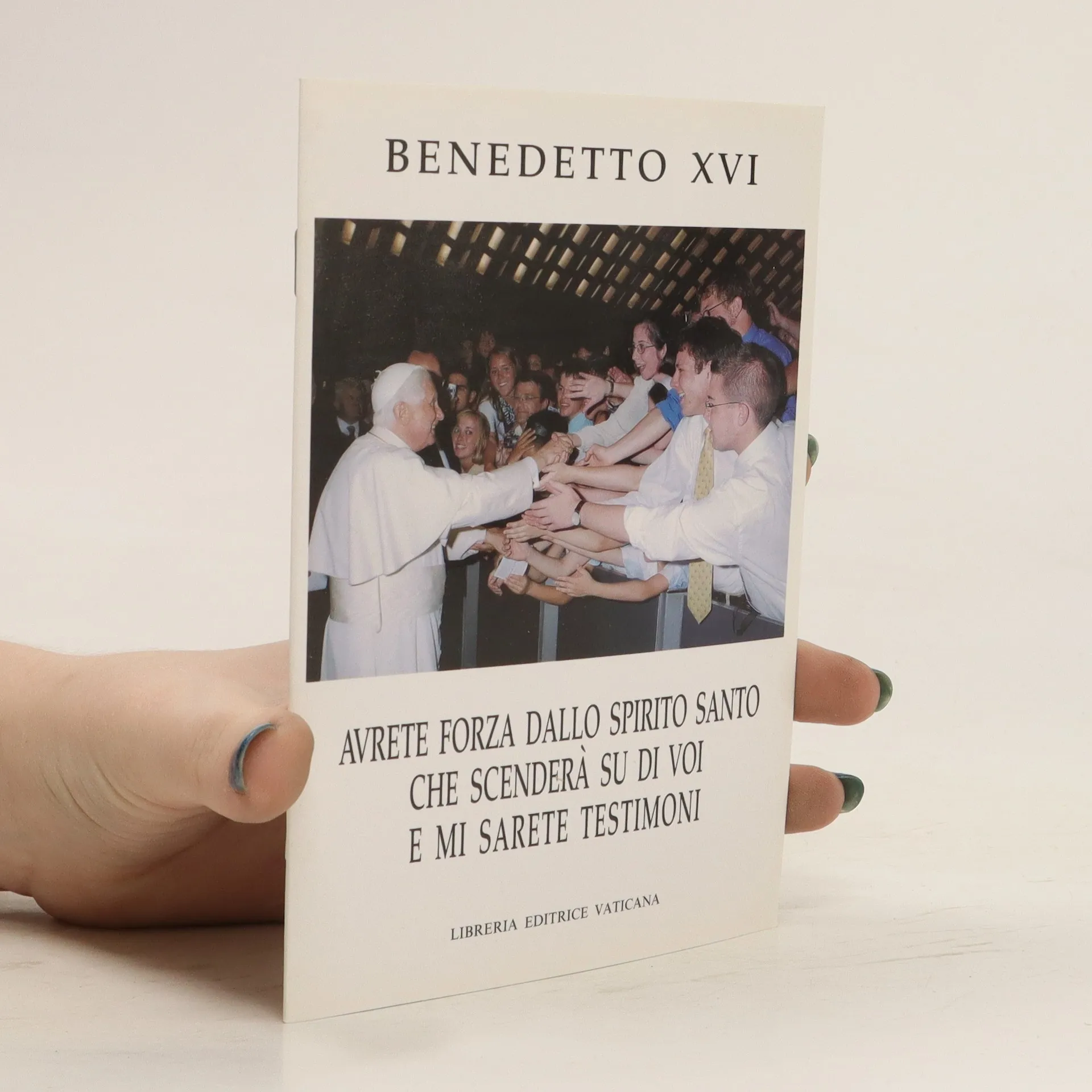
Avrete forza dallo Spirito Santo che scenderà su di voi e mi sarete testimoni
- 22 pages
- 1 hour of reading
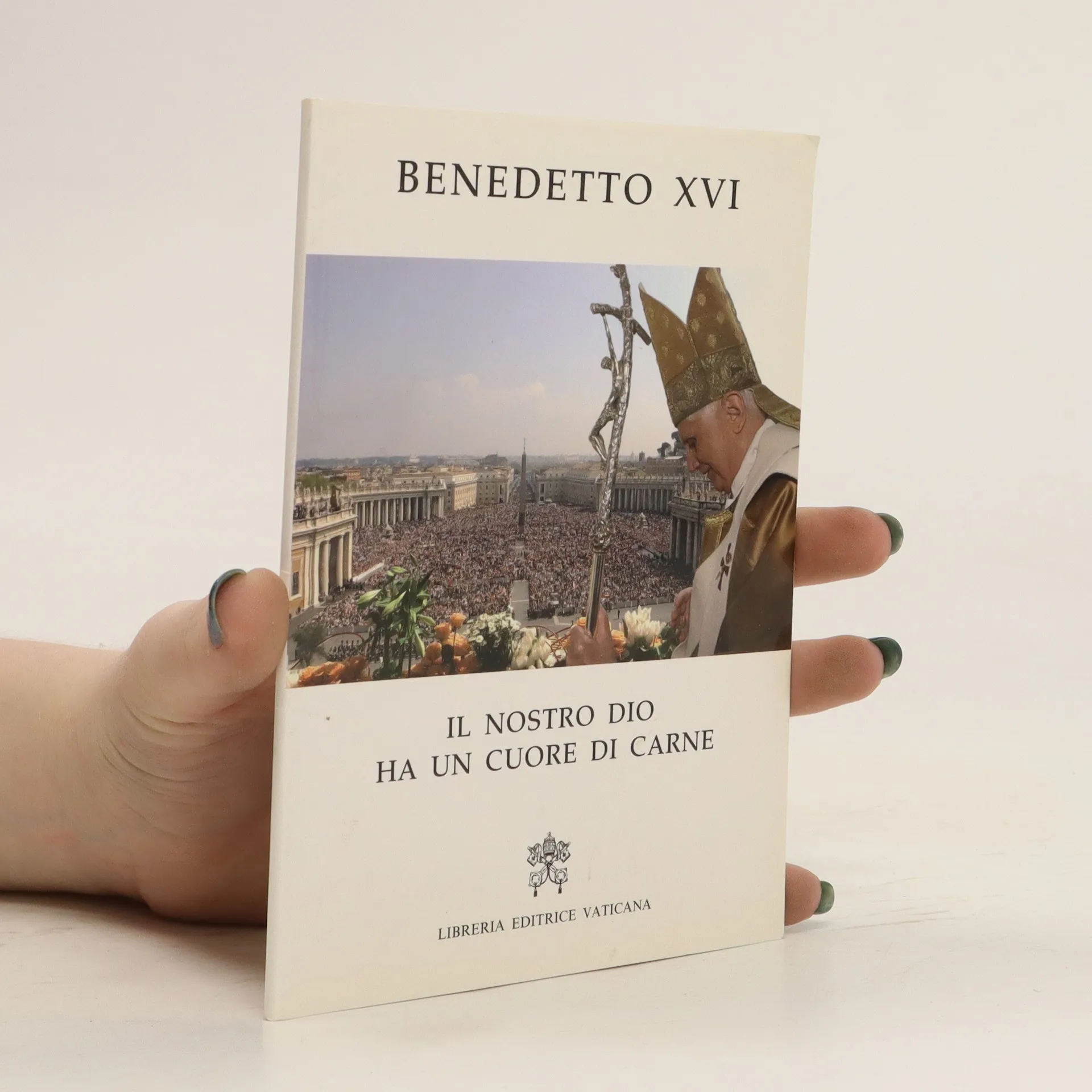
Il nostro Dio ha un cuore di carne
- 56 pages
- 2 hours of reading
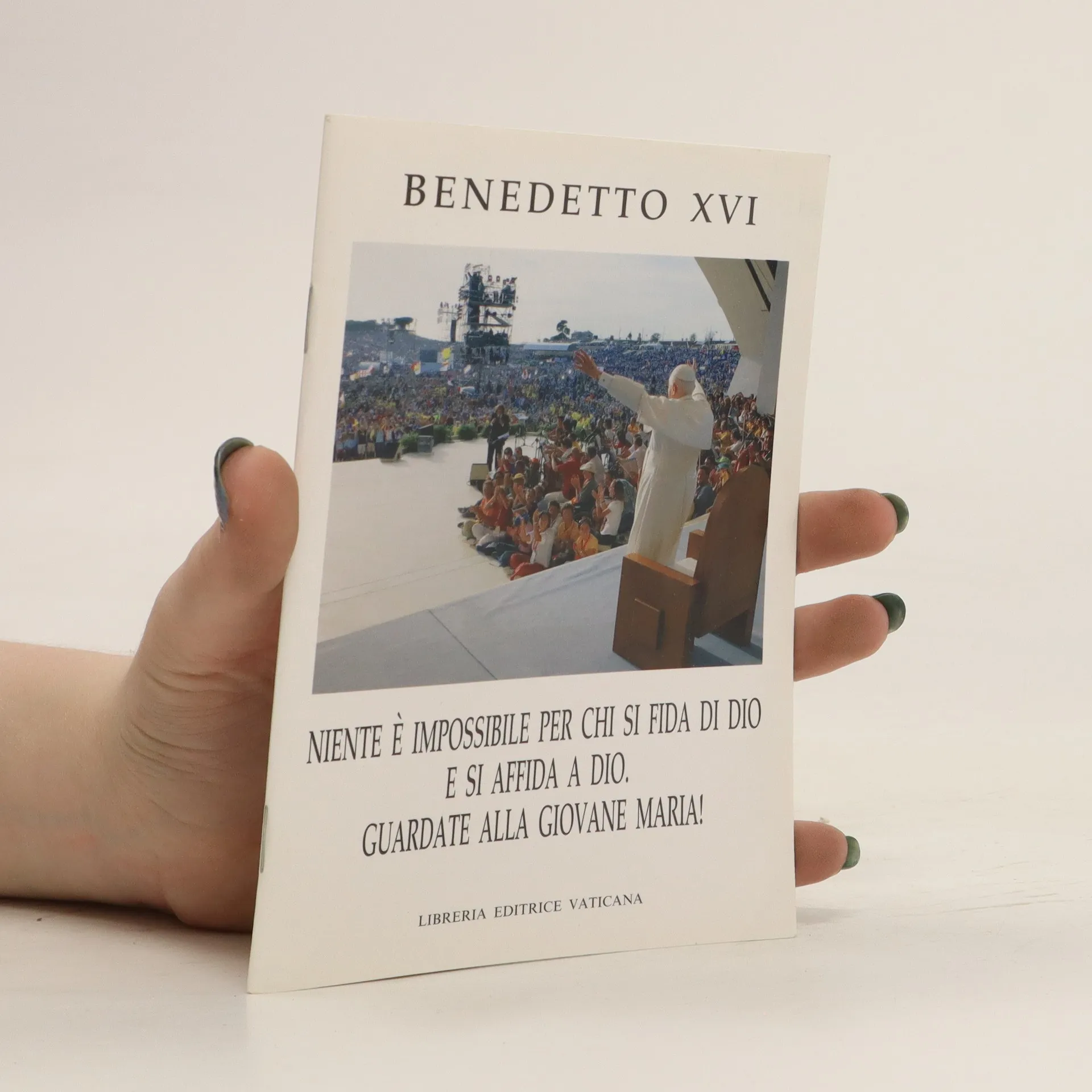
Niente è impossibile per chi si fida di Dio e si affida a Dio. Guardate alla giovane Maria!
- 28 pages
- 1 hour of reading
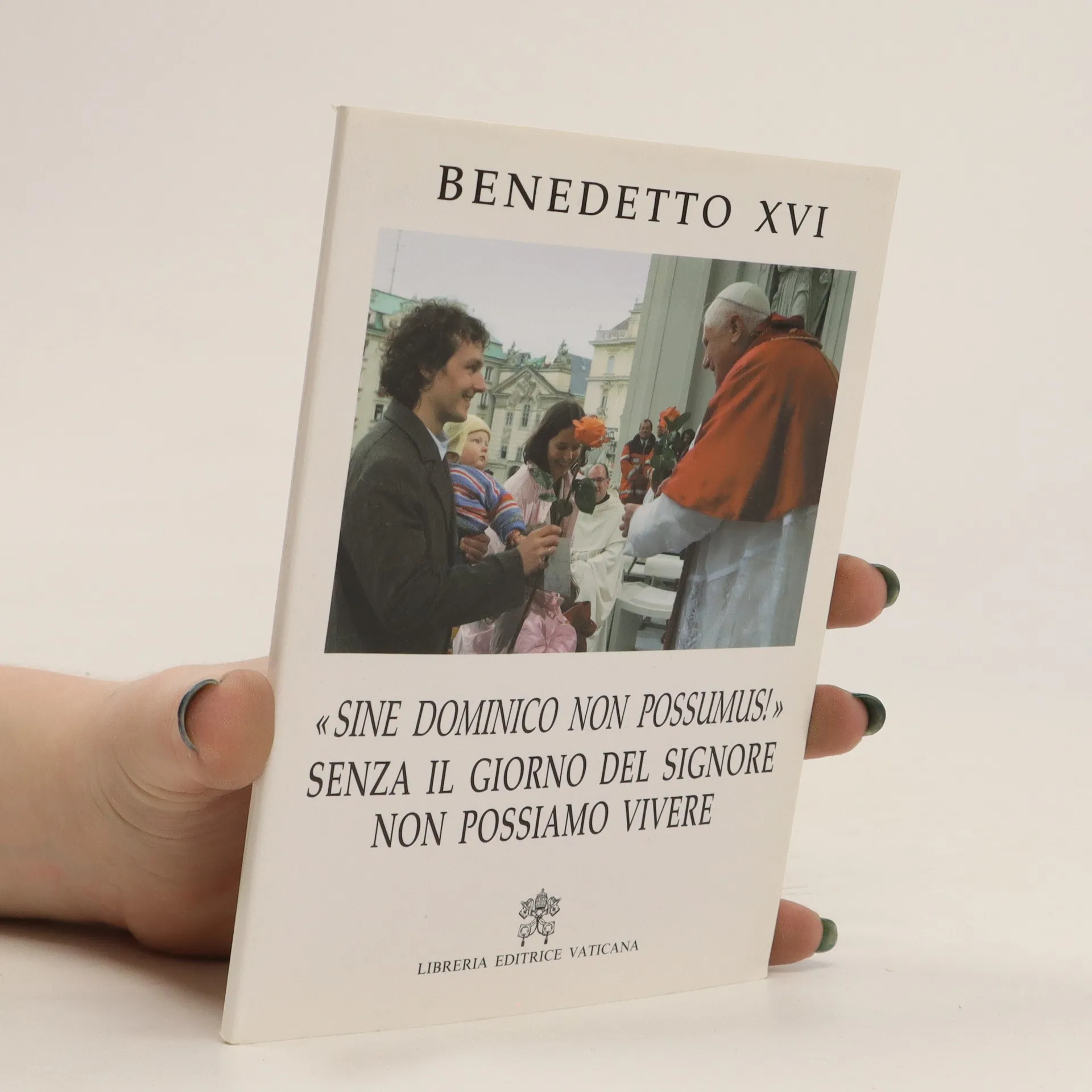
Sine Dominico Non Possumus. Senza il giorno del signore non possiamo vivere
- 86 pages
- 4 hours of reading
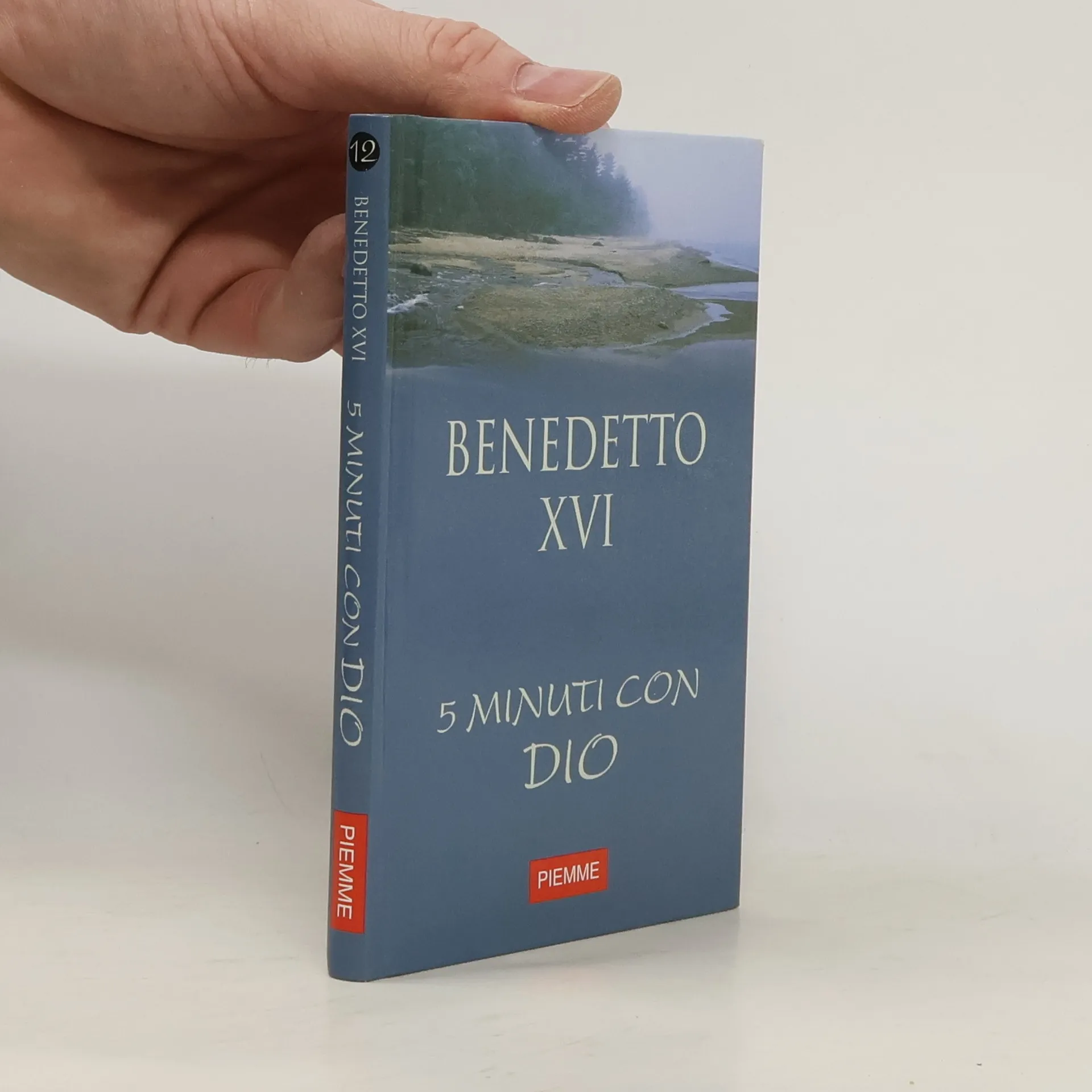
Cinque minuti con Dio
- 116 pages
- 5 hours of reading
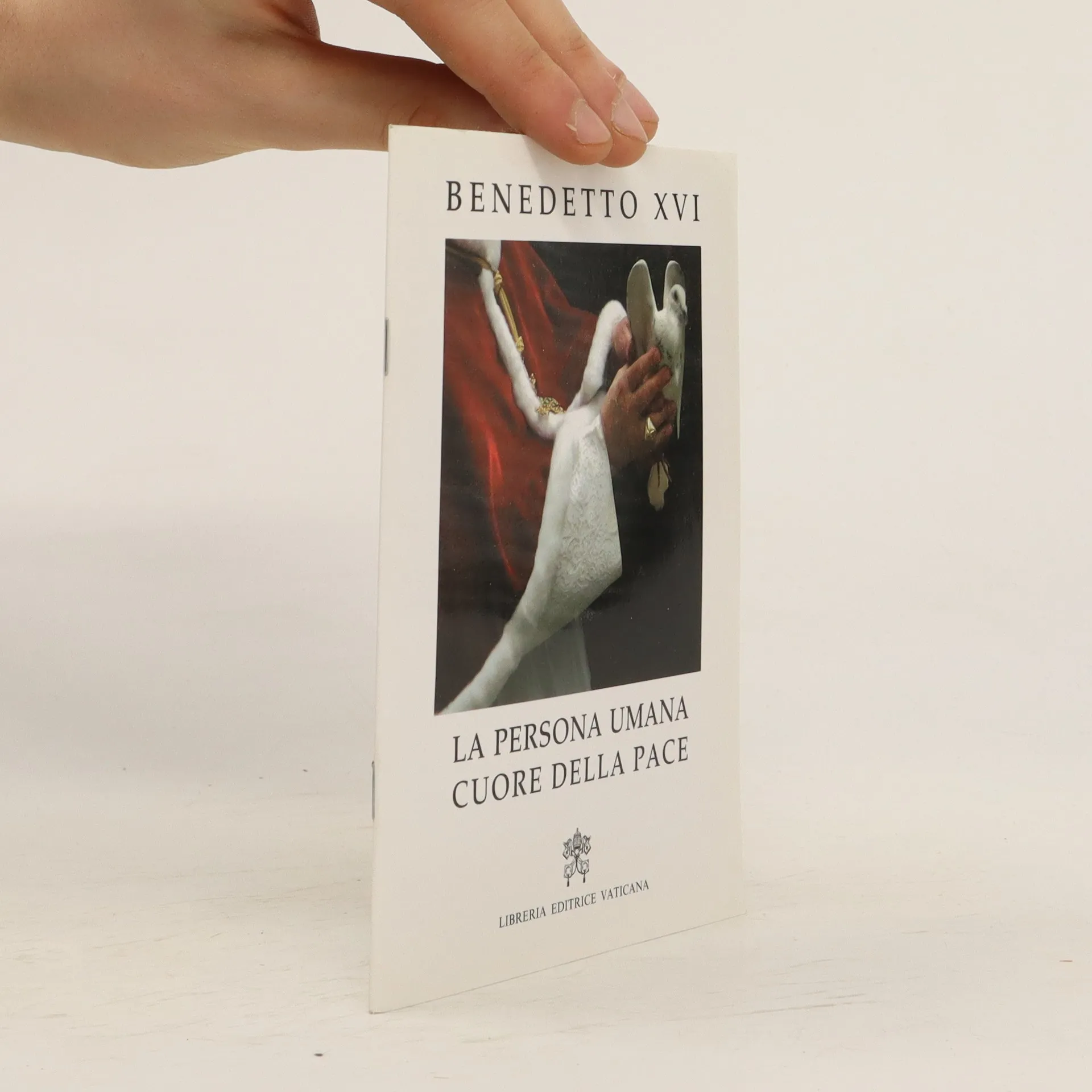
La persona umana cuore della pace
- 24 pages
- 1 hour of reading