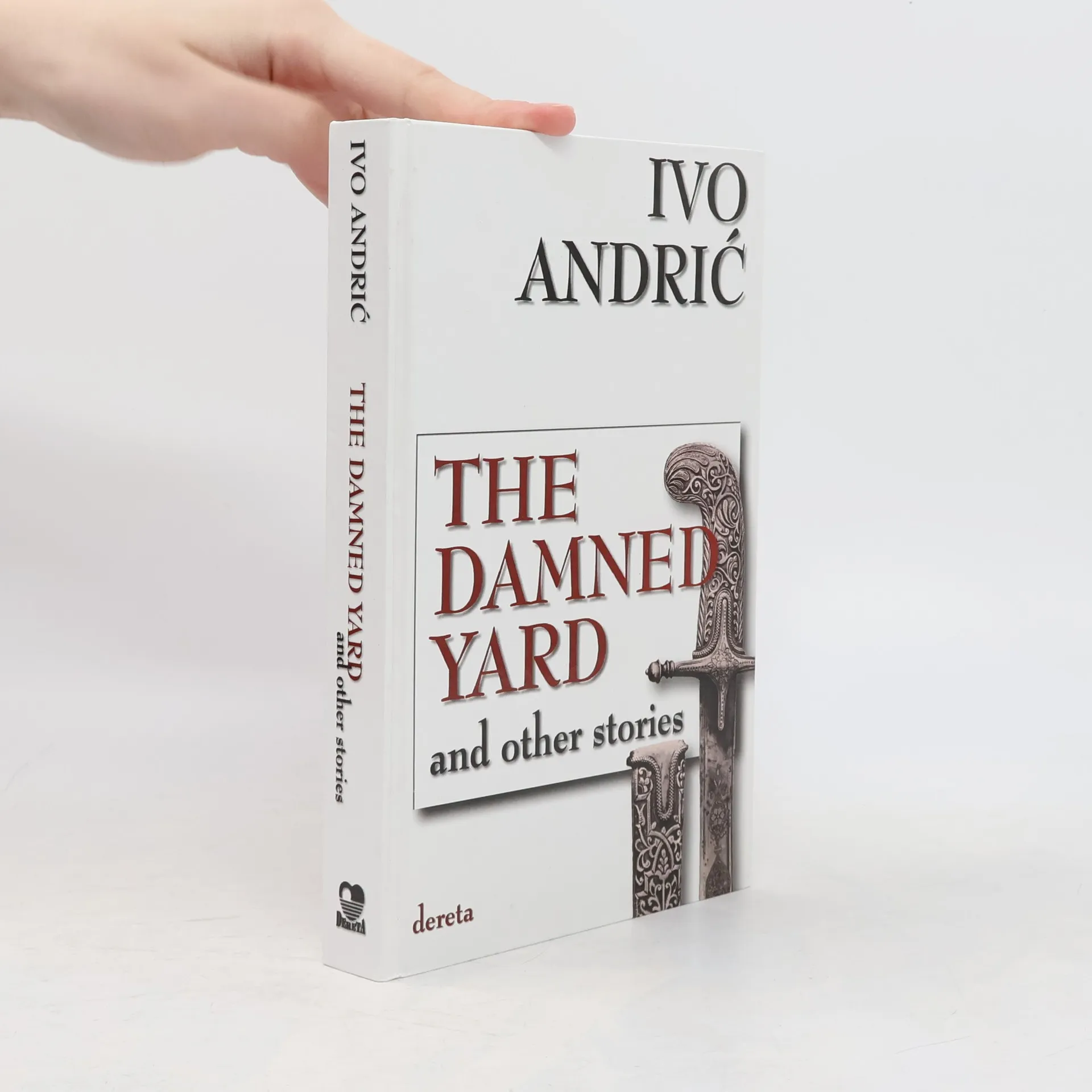
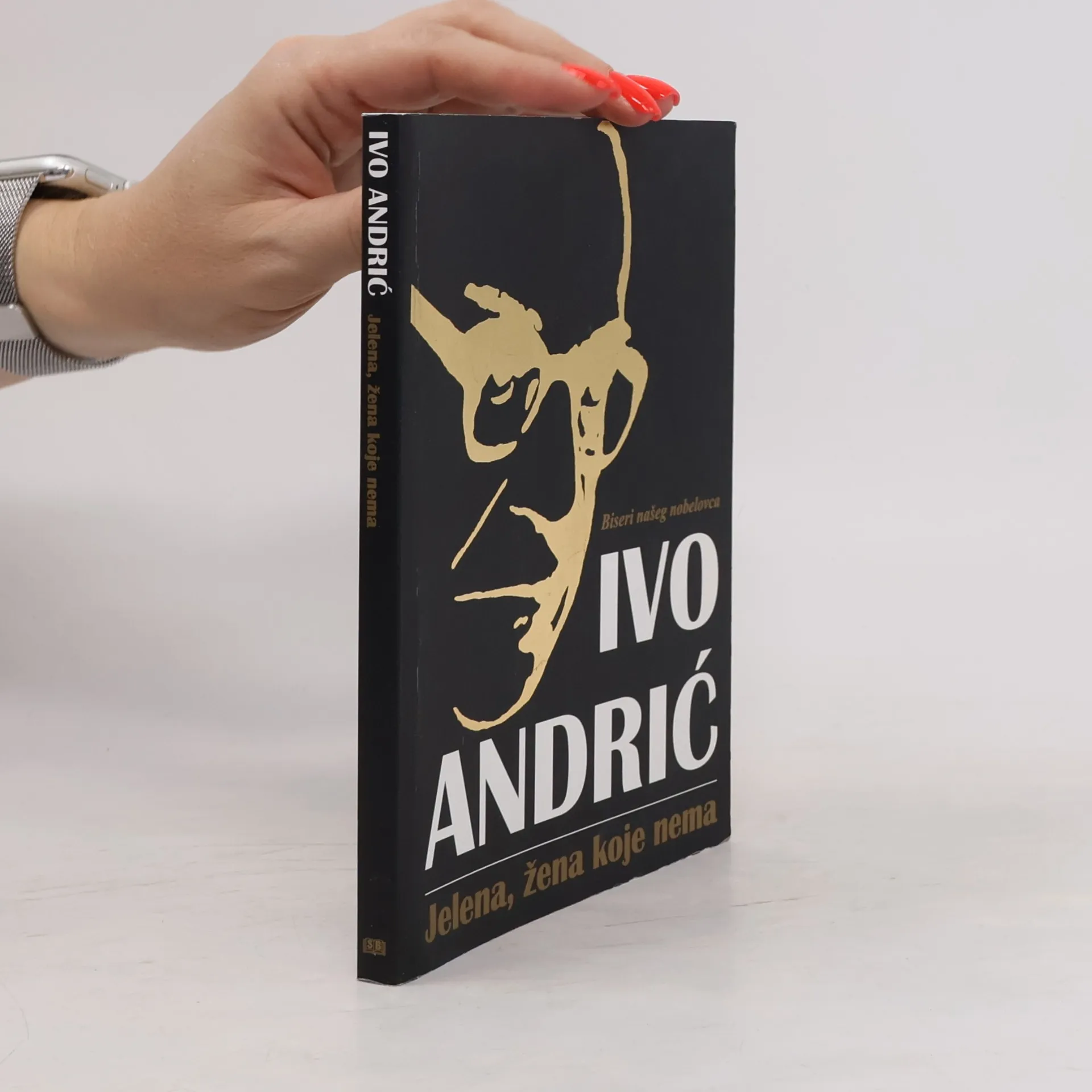
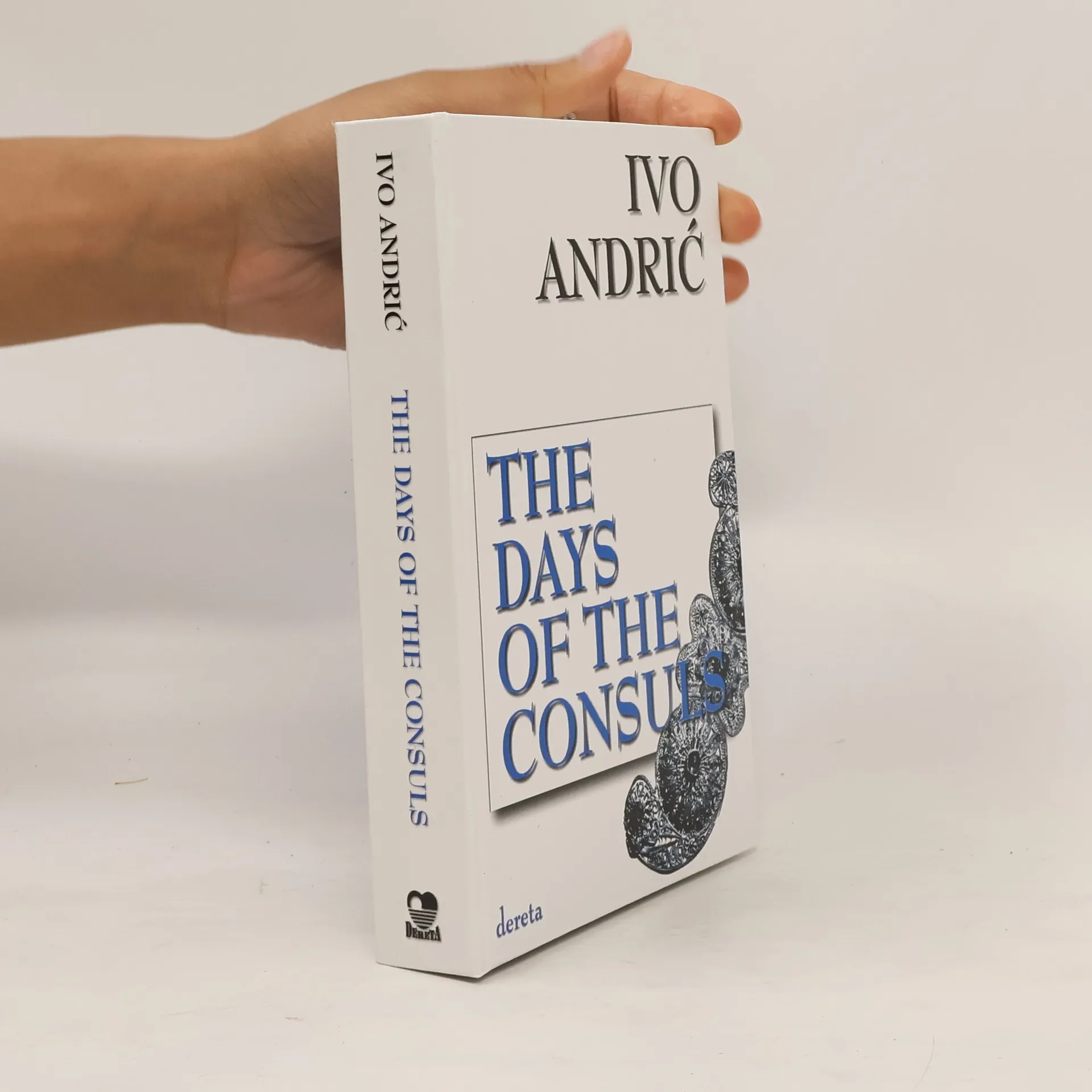
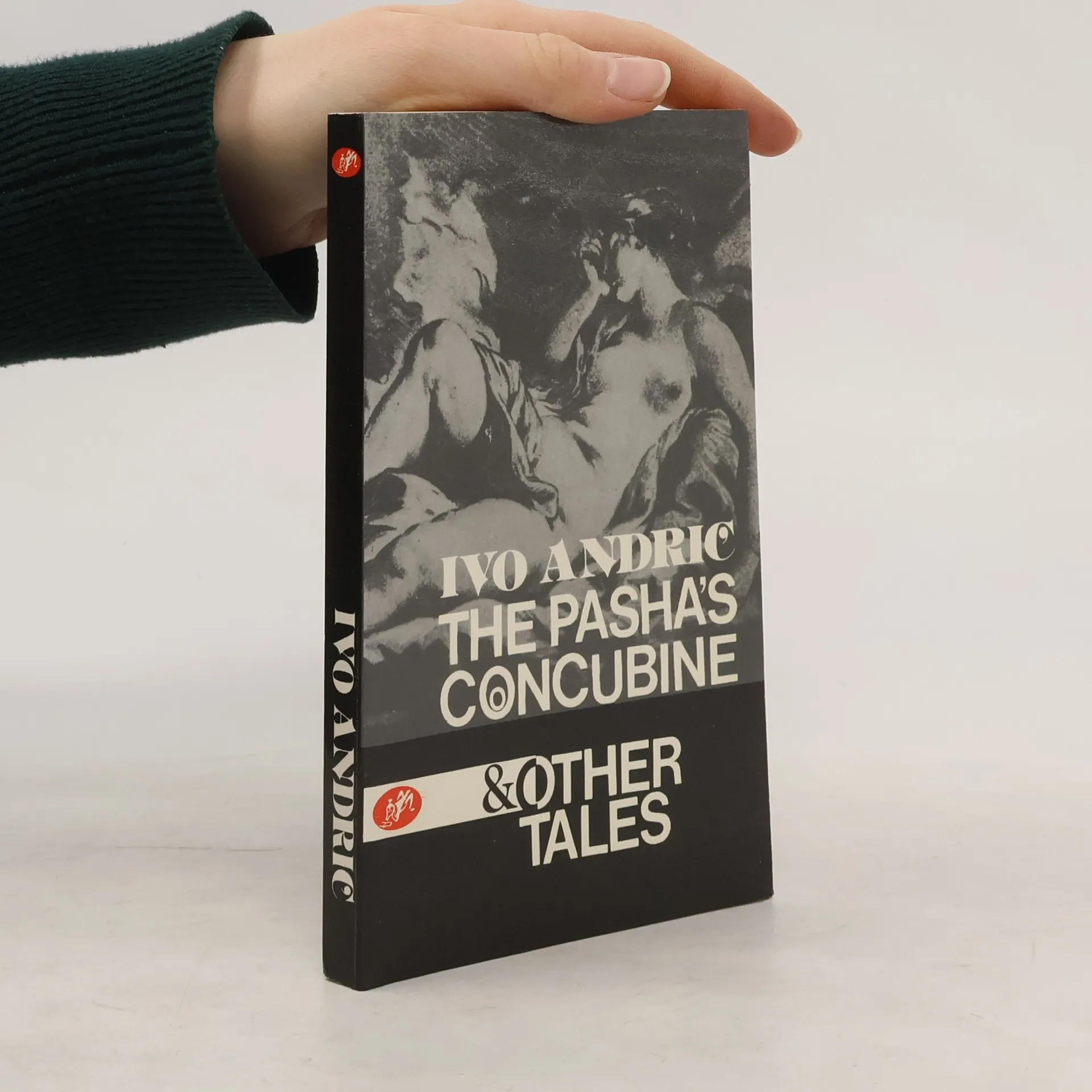
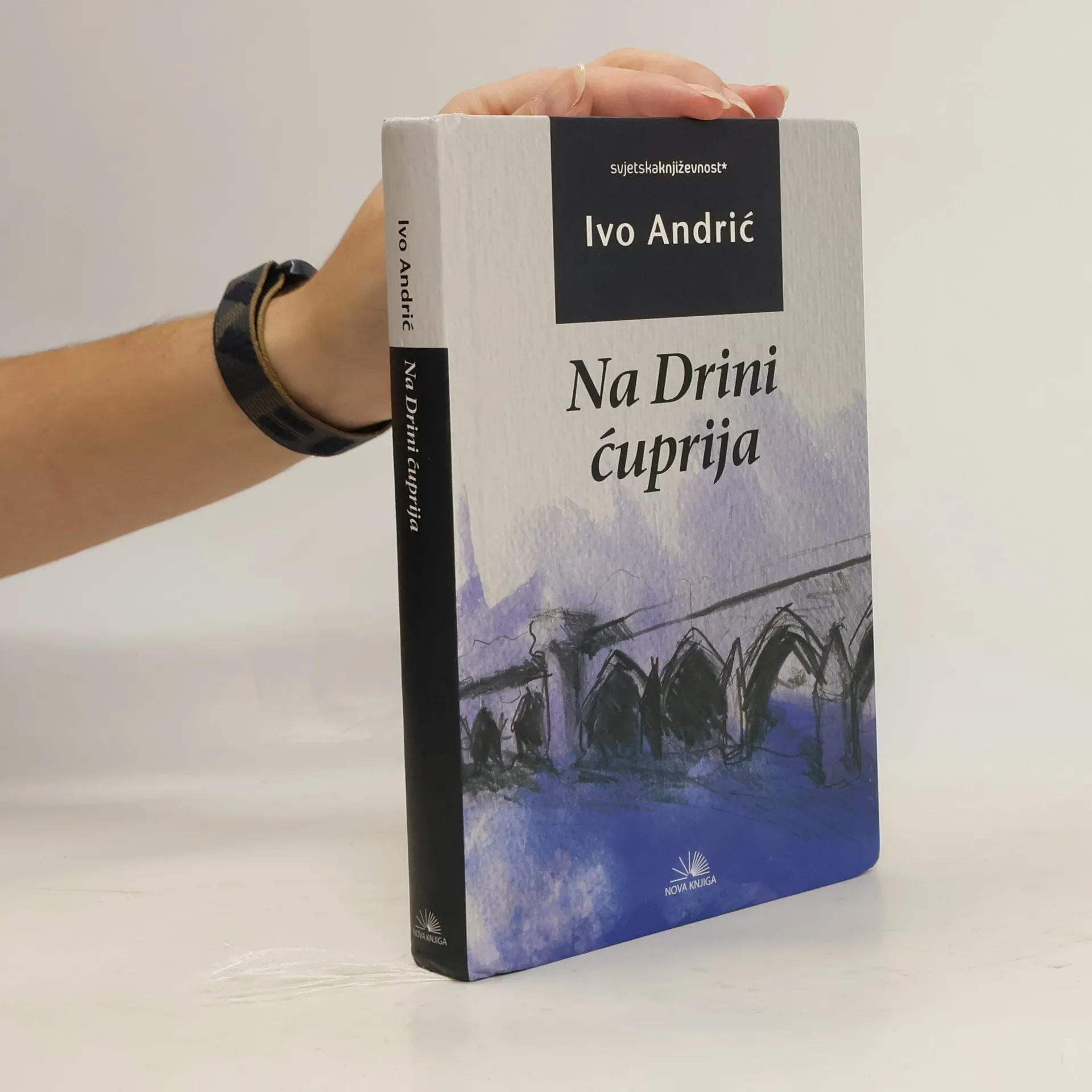
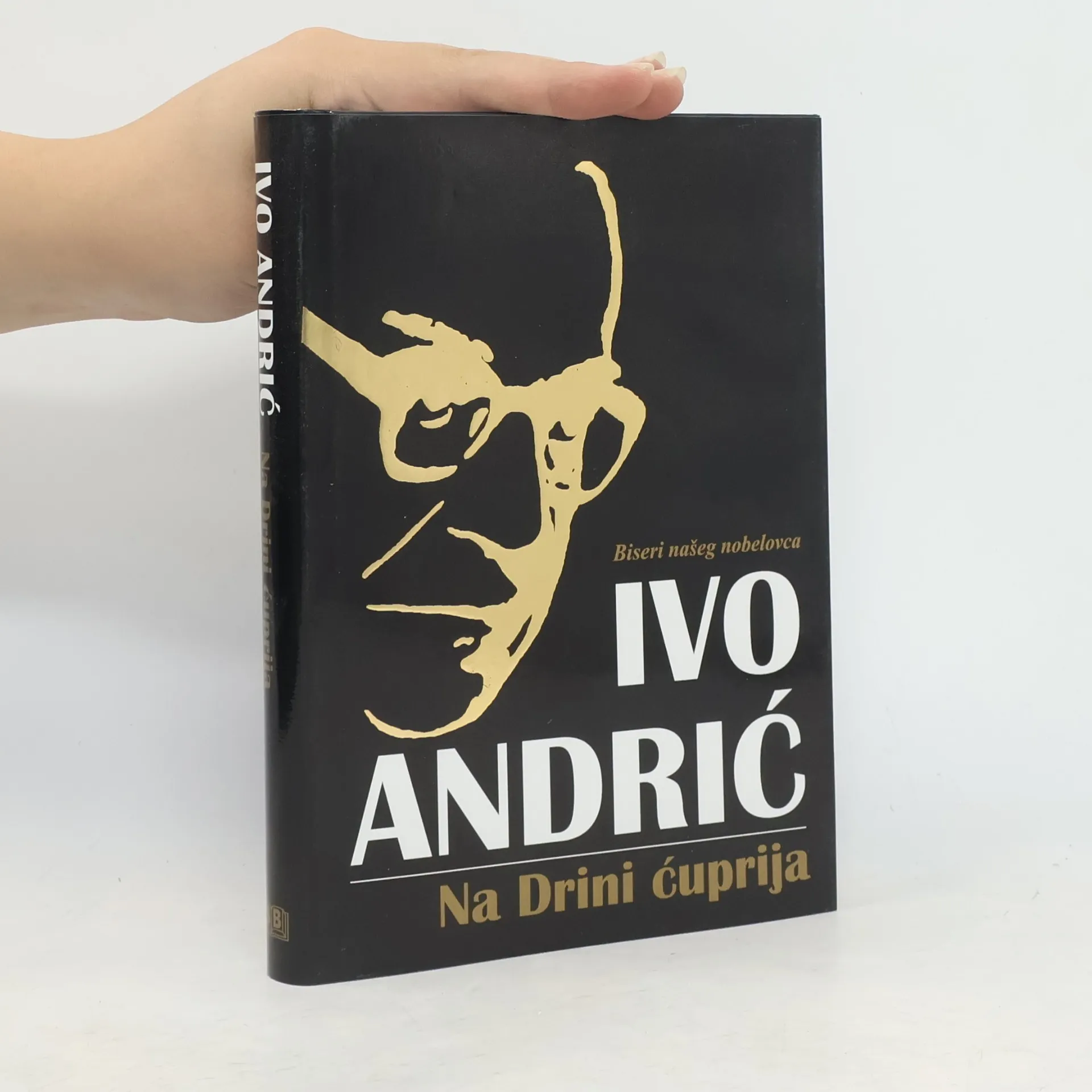
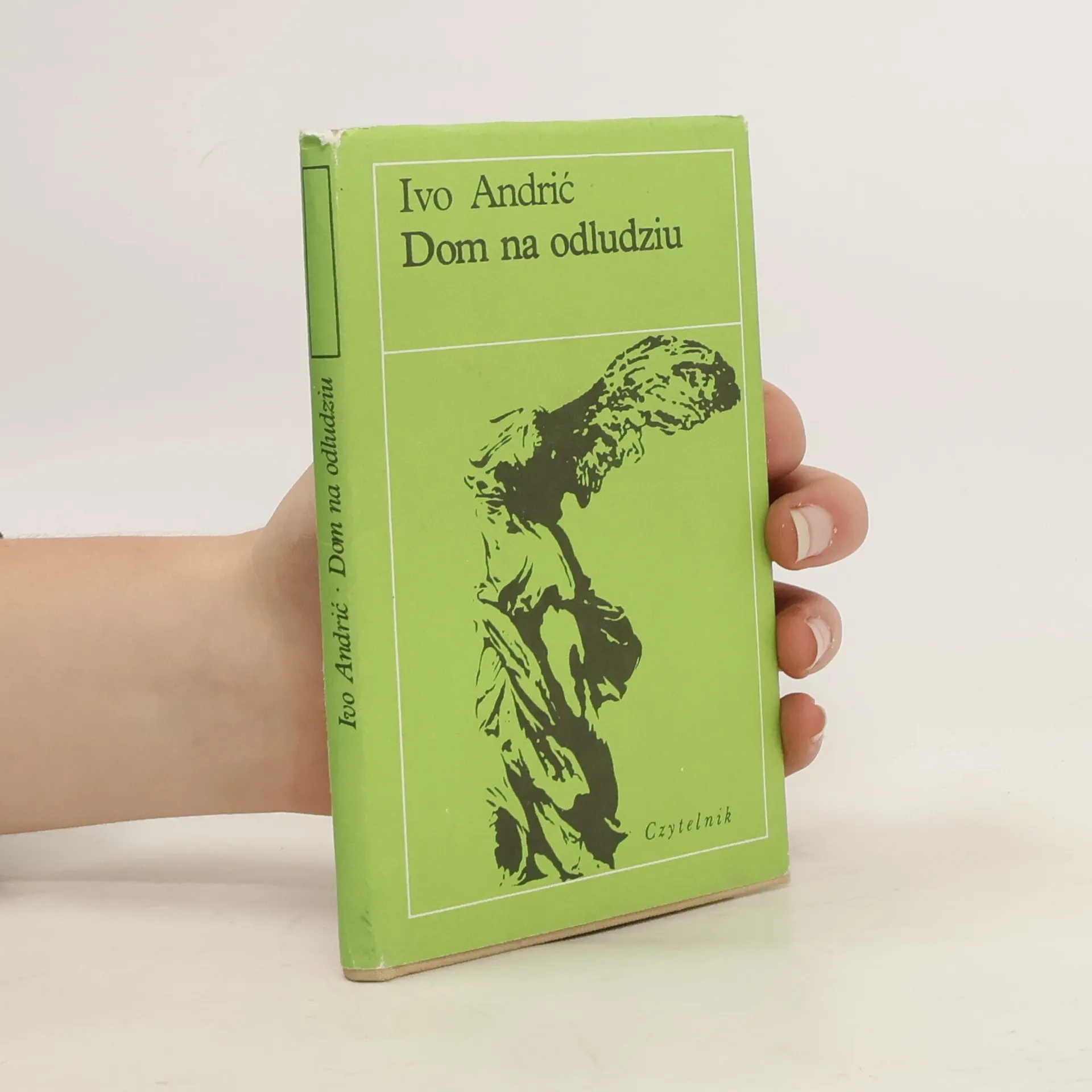
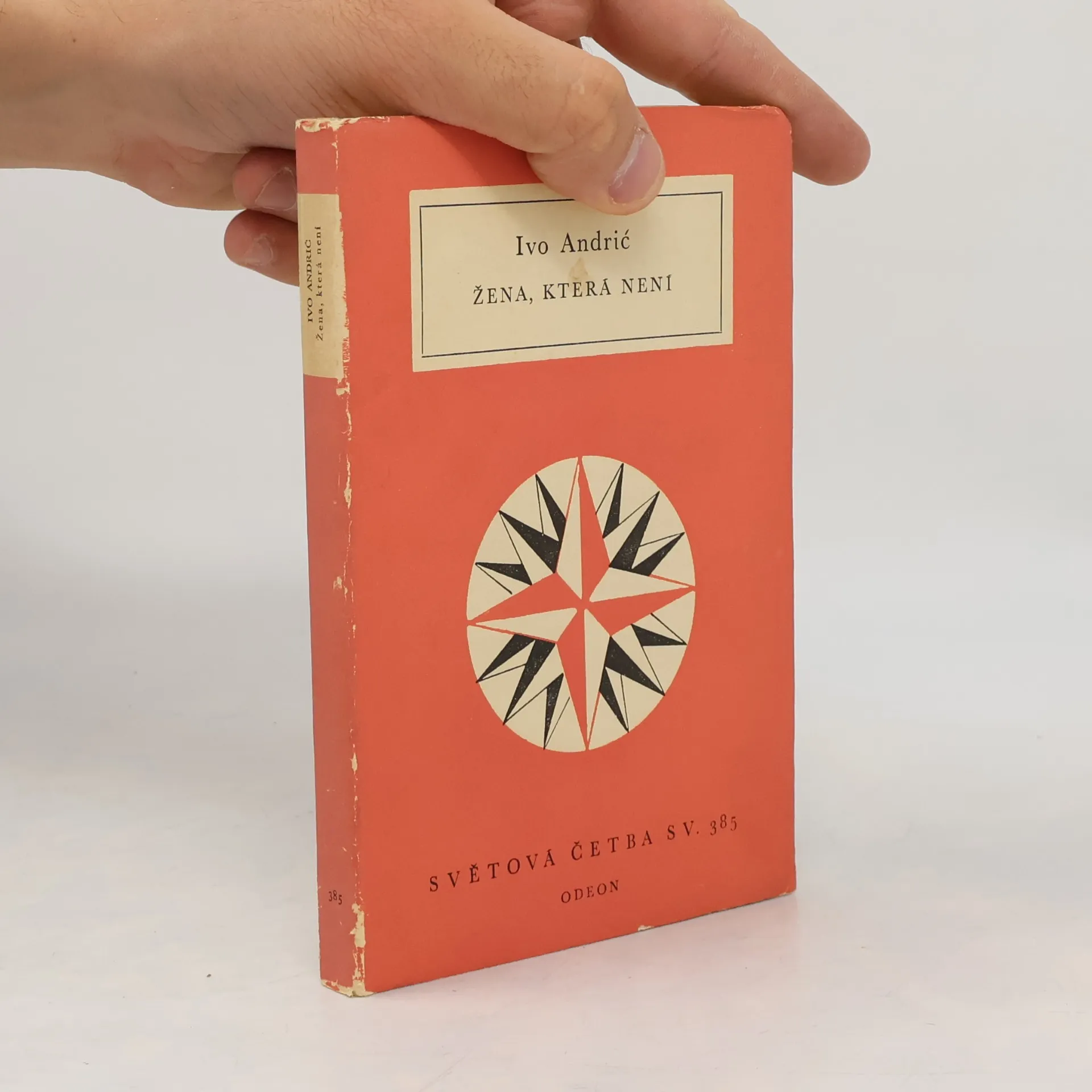
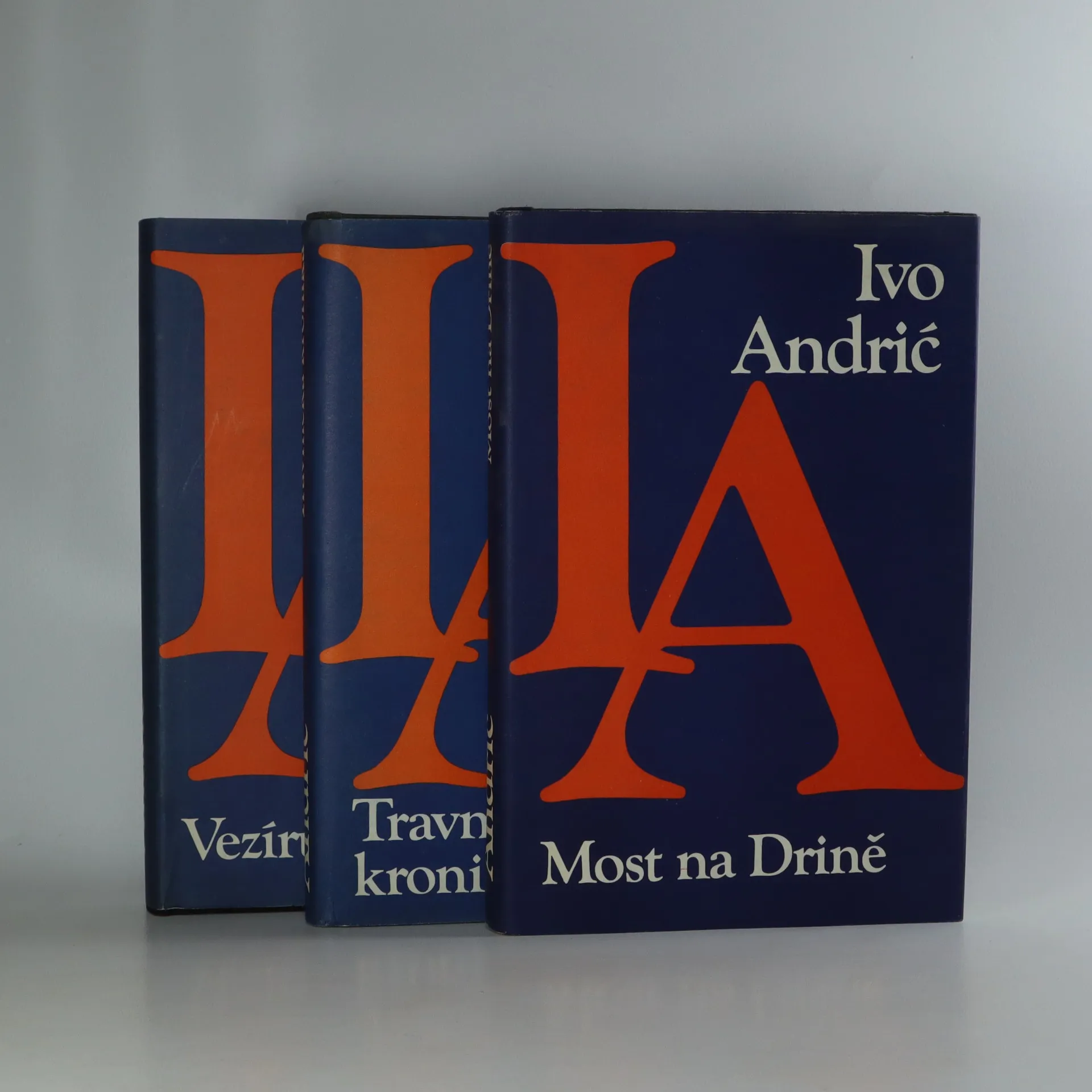
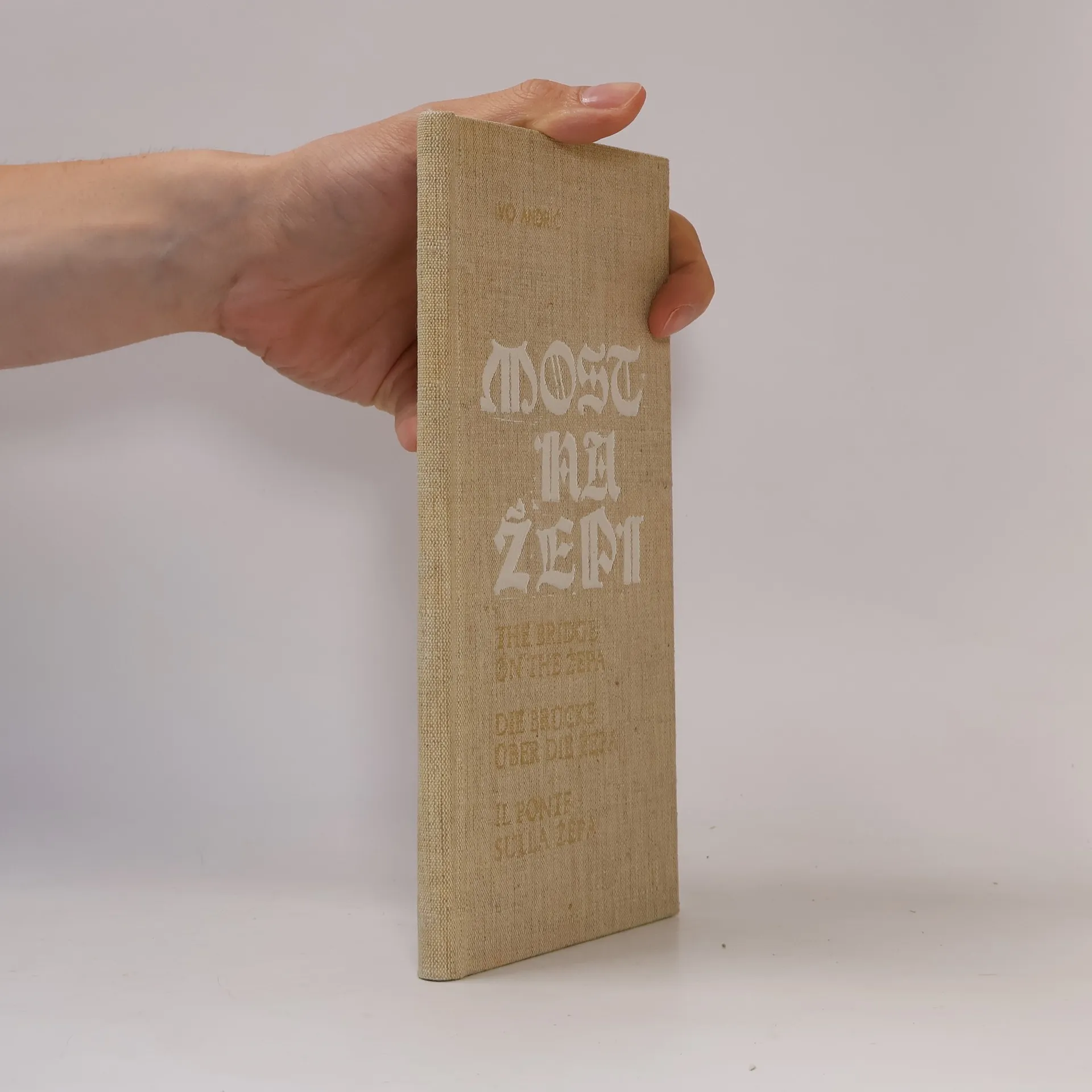
The Bridge on the Drina
- 314 pages
- 11 hours of reading
"A great stone bridge built three centuries ago in the heart of the Balkans ... stands witness to the countless lives played out upon it" and to the sufferings of the people of Bosnia.--Cover.


Ivo Andrić masterfully chronicles life in his native Bosnia under Ottoman rule, weaving epic narratives that explore human destinies shaped by history. His profound insights into the human psyche are matched by a powerful sense of place and culture. Andrić's work captures the complexities of existence, making him a significant voice in literature.

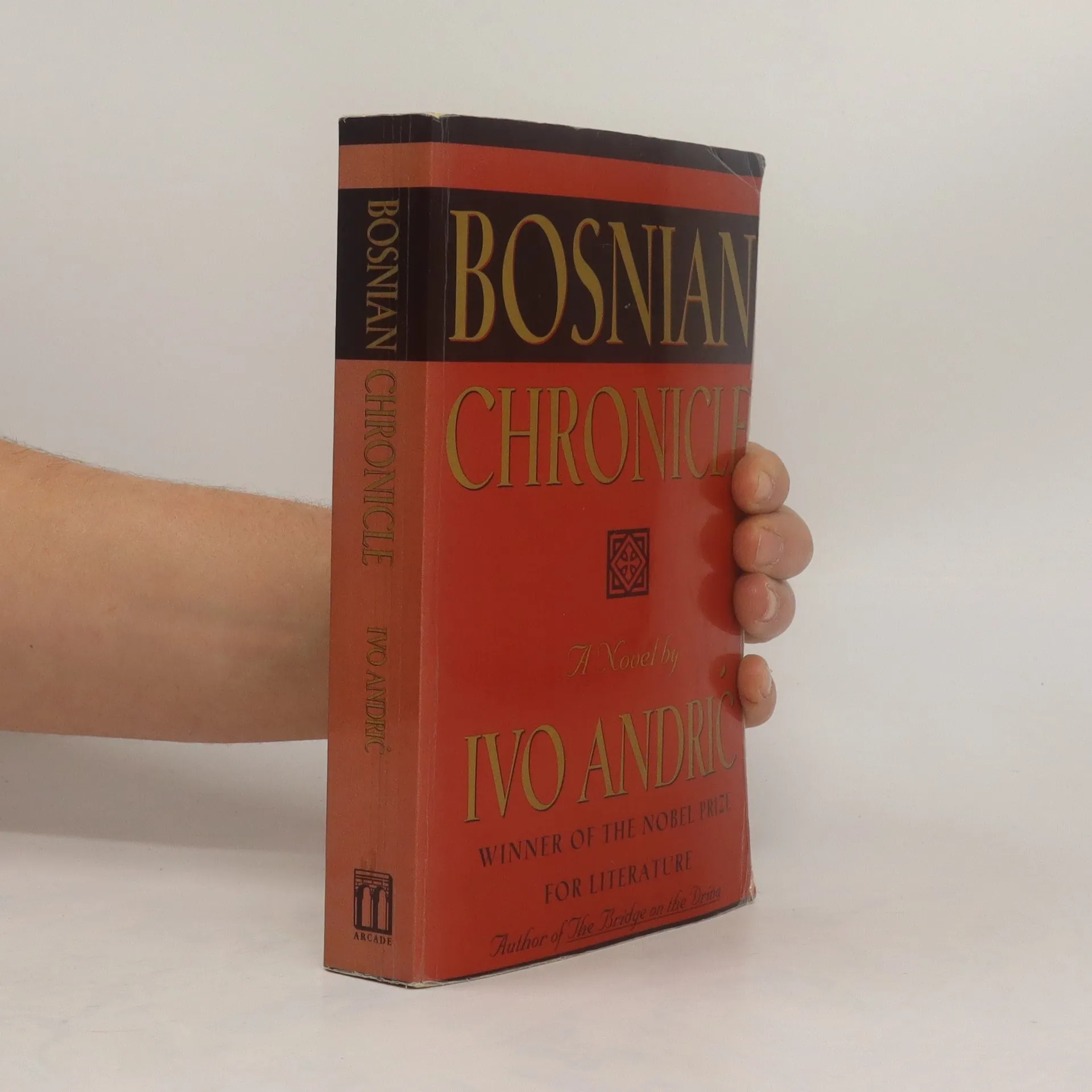
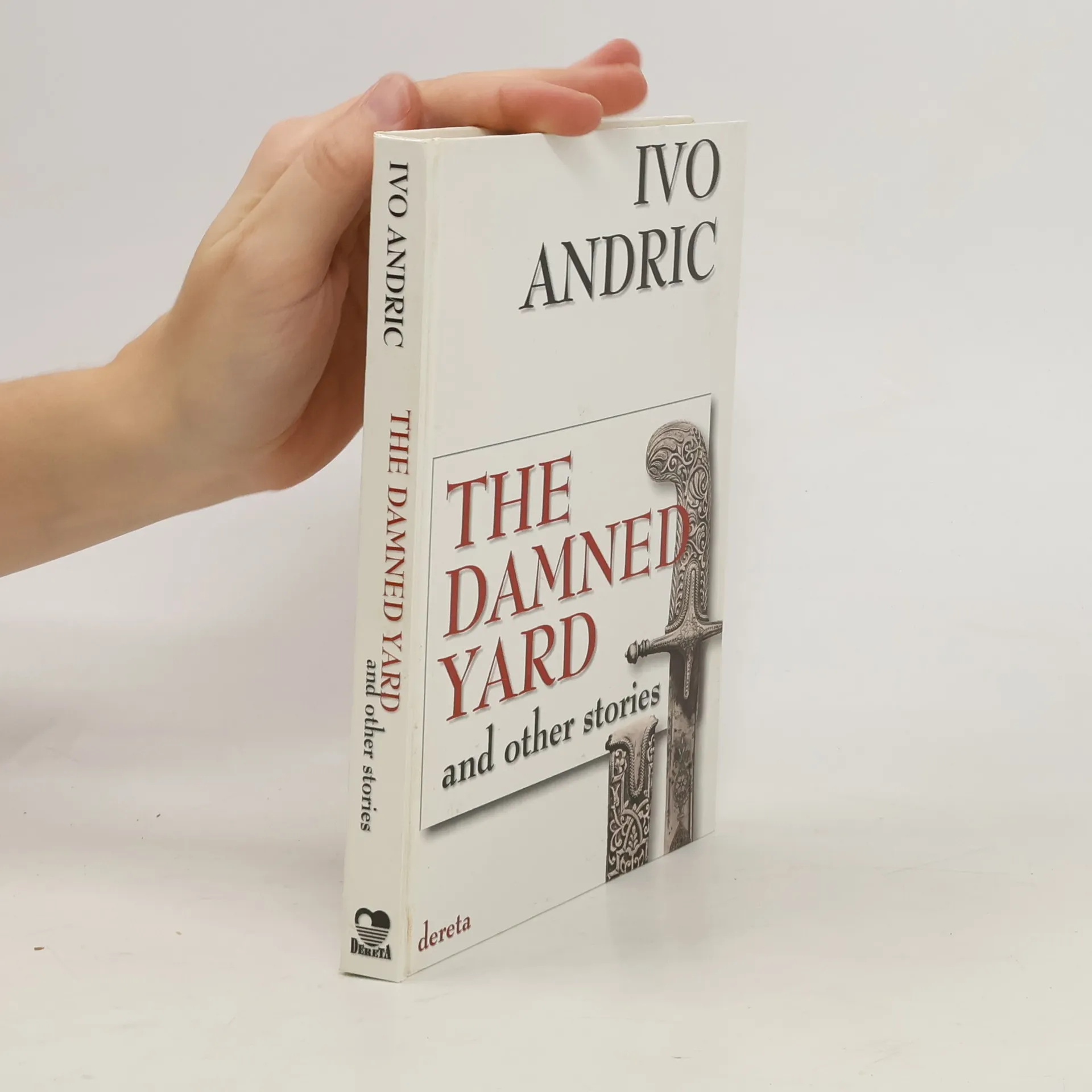
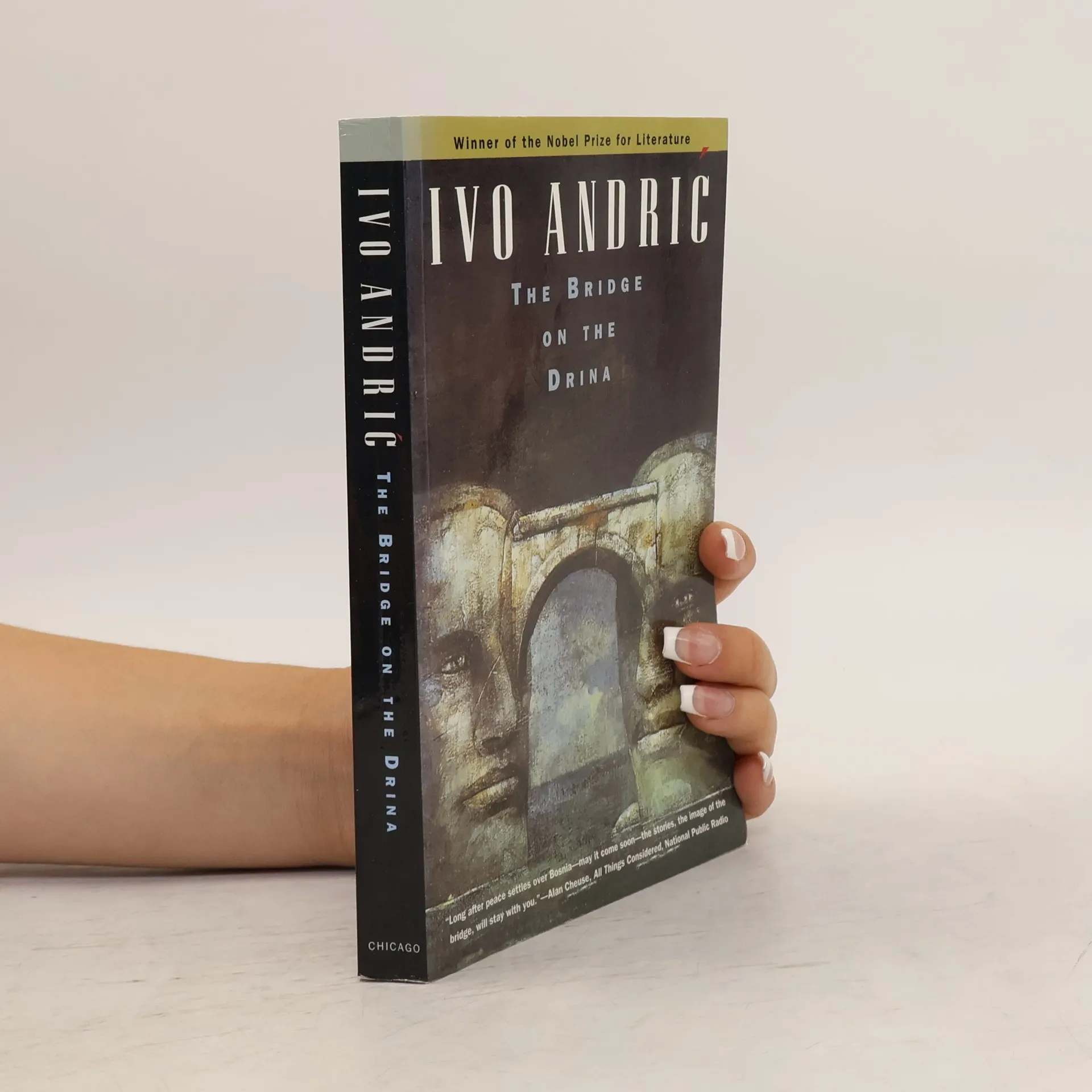
"A great stone bridge built three centuries ago in the heart of the Balkans ... stands witness to the countless lives played out upon it" and to the sufferings of the people of Bosnia.--Cover.
Ivo Andric posses the rare gift in a historical novelist of creating a period-piece, full of local colour, and at the same time characters who might have been living today. His masterwork is imbued with the richness and complexity of a region that has brought much tragedy to our century and known so little peace. The writer uses his native Bosnia as a microcosm of human society, stressing its potential for national, cultural and religious misunderstanding and conflict, and identifying the barriers of all kinds that hinder communication between individuals. Written against the background of violence released in these mixed communities during the Second World War, the novel now has renewed and poignant relevance.
The collected texts explore the author's history, tradition, philosophy, society, and environment. This book provides the clearest insight into the author's thoughts and his relationship with the world.
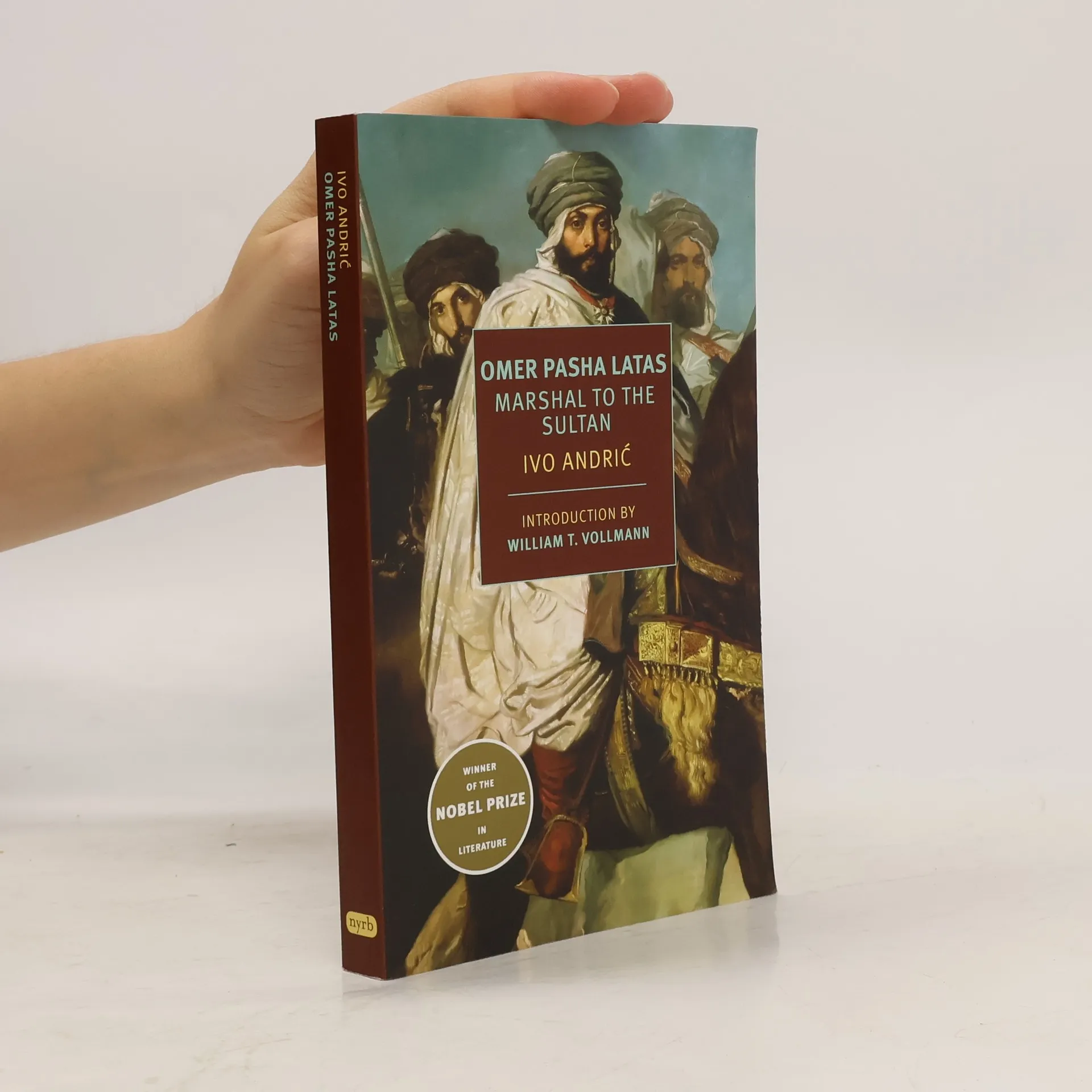
A sweeping epic by Nobel Prize-winner Ivo Andrić about power, identity, and Islam set in 19th-century Ottoman Bosnia and Istanbul. Omer Pasha Latas is set in nineteenth-century Sarajevo, where Muslims and Christians live in uneasy proximity while entertaining a common resentment of faraway Ottoman rule. Omer is the seraskier, commander in chief of the Sultan’s armies, and as the book begins he arrives from Istanbul, dispatched to bring Sarajevo’s landowners to heel, a task that he accomplishes with his usual ferocity and efficiency. And yet the seraskier’s expedition to Bosnia is a time of reckoning for him as well: he was born in the Balkans, a Serb and a subject of the Austro-Hungarian Empire, a bright boy who escaped his father’s financial disgrace by running away and converting to Islam. Now, at the height of his power, he heads an army of misfits, adventurers, and outcasts from across Europe and Asia, and yet wherever he goes he remains a stranger. Ivo Andrić, who won the Nobel Prize in 1961, is a spellbinding storyteller and a magnificent stylist, and here, in his final novel, he surrounds his enigmatic central figure with many vivid and fascinating minor characters, lost souls and hopeless dreamers all, in a world that is slowly sliding towards disaster. Omer Pasha Latas combines the leisurely melancholy of Joseph Roth’s The Radetzky March with the stark fatalism of an old ballad.
Book by Andric, Ivo
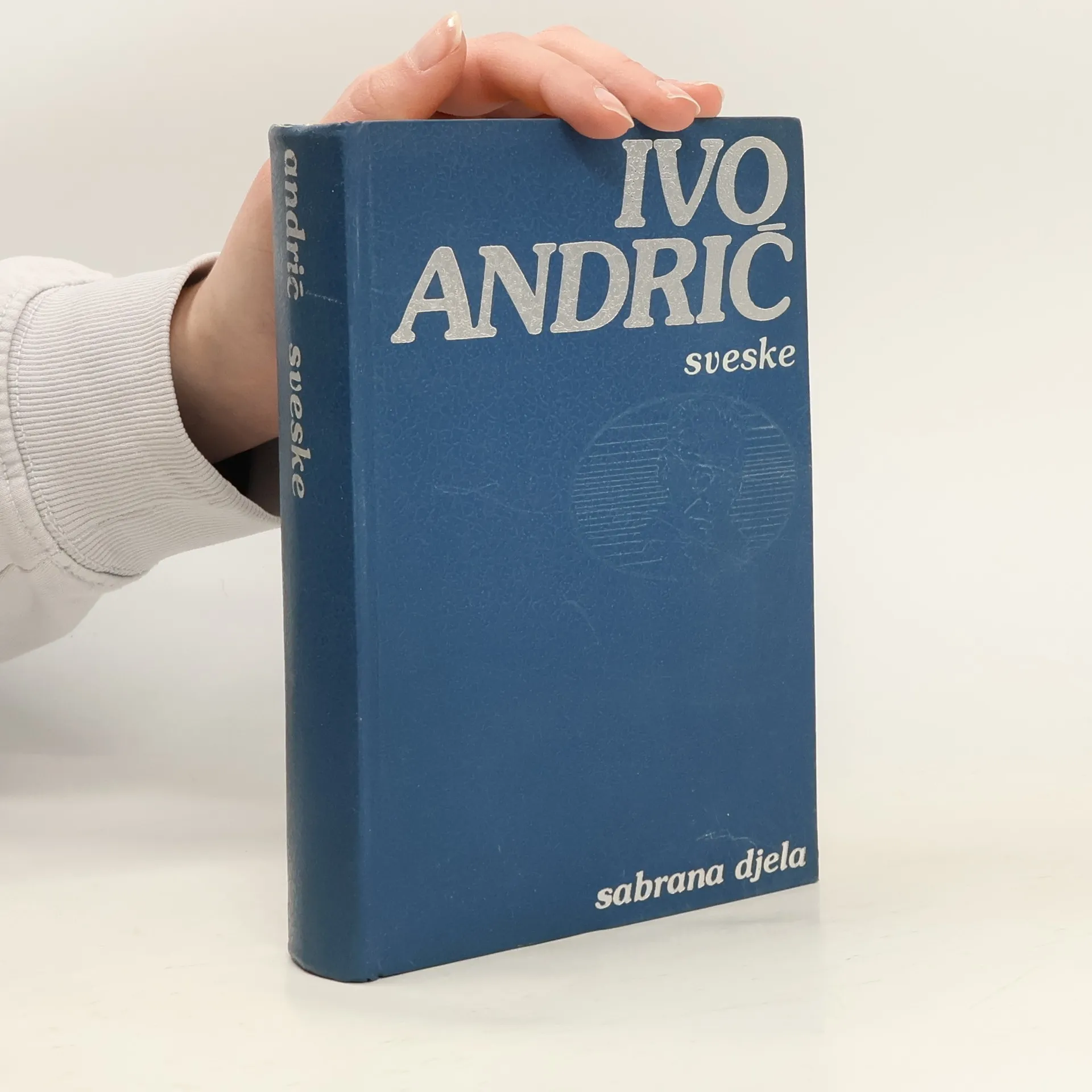
Sve priče u jednoj knjizi povodom 125. godišnjice rođenja. „Ponekad izgleda da čovečanstvo od prvog bleska svesti, kroz vekove priča samo sebi, u milion varijanata, stalno istu priču. A ta priča kao da želi, poput pričanja legendarne Šeherezade, da zavara krvnika, da odloži neminovnost tragičnog udesa koji nam preti, i produži iluziju života i trajanja.“ Ivo Andrić je od 1920. do kraja života, za više od pola veka, napisao više od sto priča koje se mogu uvrstiti u svaku antologiju svetske priče. Kao majstor kratke prozne forme, Andrić je, iako naizgled tradicionalan, zapravo savremeni klasik koji se čita s uzbuđenjem. Njegove priče, koje obuhvataju teme bosanskih Muslimana, Turaka, Jevreja, žena, gradova i neobičnih likova, prožete su ironičnim tonom i jedinstvenim stilom. Andrić uspeva da čitaoca iznenadi „nečim poznatim“. U govoru prilikom primanja Nobelove nagrade 1961. godine, Andrić je istakao da pripovedač možda priča sam sebi, ili da cilj pričanja osvetli tamne puteve života, nudeći dublje razumevanje onoga što često ne vidimo.
„Ja, u stvari, nikada nisam pisao knjige, nego rašivene i razbacane tekstove, koji su se s vremenom, s više ili manje logike, povezivali u knjige-romane ili zbirke pripovedaka.“Ivo AndrićPriče o osobenjacima i malim ljudima otkrivaju Andrićevo pripovedačko umeće da se kloni stereotipa i da svoje junake pronalazi u svetu drugačijem i različitom od onog koji ih okružuje. Od priče Popodne, u kojoj 22-godišnji pripovedač daje svoj prilog temama dosade i splina, te tipu junaka „mladi starac“, do pripovetke Jakov, drug iz detinjstva, o 80-godišnjem piscu velikih hronika i nebrojenih pripovedaka, nižu se priče o čudacima i mitomanima, egocentricima i manijacima, neurastenicima i hipohondrima, usamljencima, neženjama i samcima, umišljenim piscima i logorejičnim pripovedačima, lažovima i alkoholičarima, kvaziautoritetima i lažnim ljubavnicima, sitnim činovnicima i beznačajnim industrijalcima, malim Napoleonima i generalima posle bitaka...Andrić tako čitaocu, tom neumornom tragaocu za poznatim a novim, predstavlja junake samosvojnih ali prepoznatljivih karaktera, autentičnih a ipak znanih sudbina, istovremeno prožimajući njihove životne priče neskrivenom ironijom, latentim humorom i pritajenim saosećanjem.
Ivo Andrić (1892-1975) war der erste jugoslawische Nobelpreisträger für Literatur. Die vorliegende Buch, Ex Ponto, hat eine ganz andere Charakteristik als die Romane, die ihn weltberühmt machten. Andrić schrieb dieses Werk während seiner dreijährigen Haft und Internierung, nachdem er an der jugoslawischen Befreiungskämpfe gegen Österreich-Ungarn teilgenommen hatte. Ex Ponto ist eine Art Prosagedicht. Andrić führt hier kurze, abgeschlossene Gespräche mit seiner Seele und reflektiert über das menschliche Leben, philosophische und ethische Fragen sowie über sein eigenes Schicksal.
Ivo Andric, geboren 1892 in Dolac bei Travnik, arbeitete als Diplomat, Politiker und Schriftsteller. Für seine Romane und Erzählungen wurde er 1961 mit dem Literaturnobelpreis ausgezeichnet und gilt als einer der wichtigsten Autoren der südslawischen Literatur. Er starb 1975 in Belgrad.
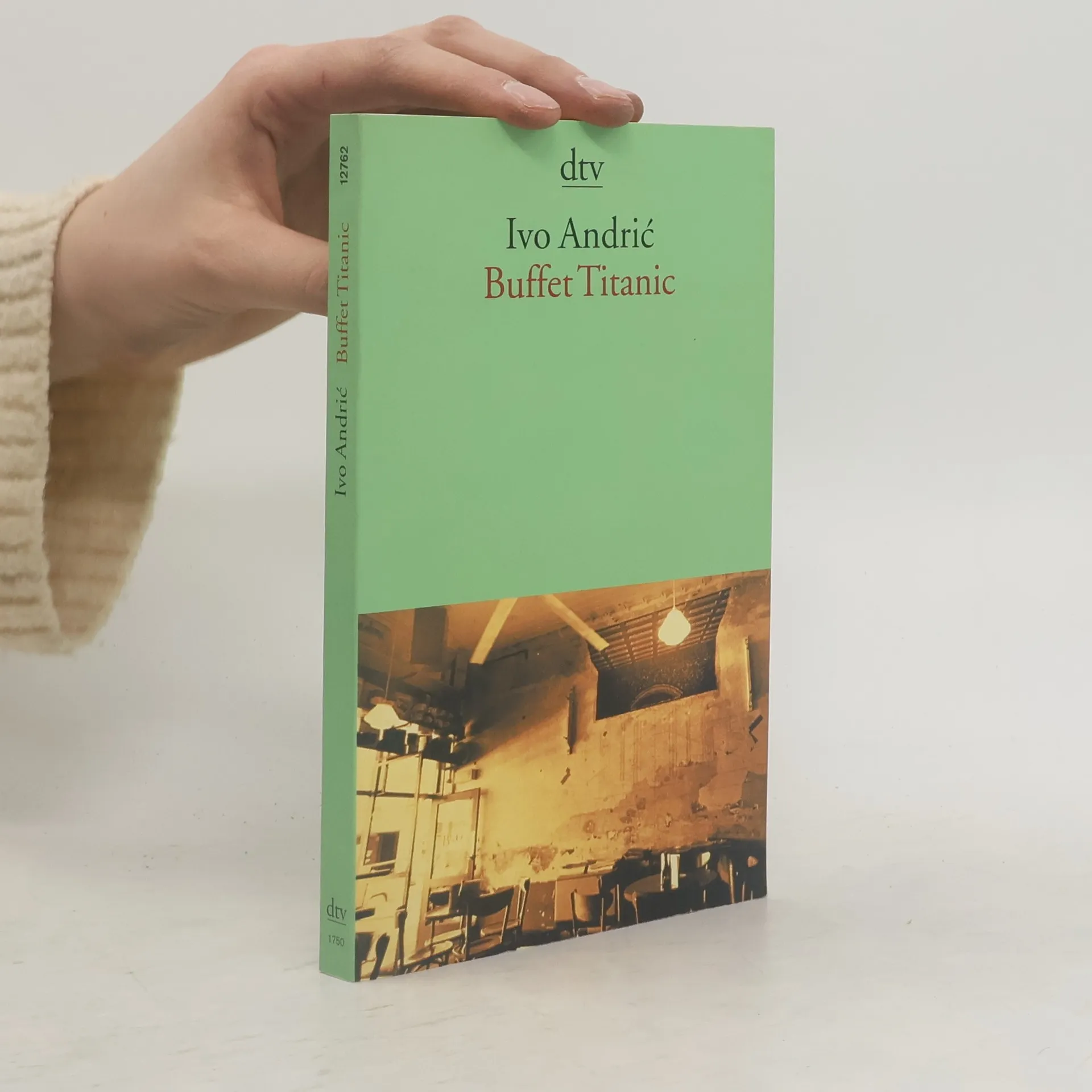
In der Dissertation kann man die Genese von all jenem entdecken, was Andric als Literaten formte und auszeichnete. Aus Anlass der 50 Wiederkehr des Literaturnobelpreises an Ivo Andric erscheint seine Disseration „Die Entwicklung des geistigen Lebens in Bosnien unter der Einwirkung der türkischen Herrschaft“ erstmals als Einzelpublikation im Wieser Verlag. „In der Dissertation kann man die Genese von all jenem entdecken, was Andric als Literaten formte und auszeichnete“, schreibt Zoran Konstantinovic im Jahre 1982. (Zitiert nach Branko Tošovic, Der Nobelpreisträger Ivo Andric in Graz. Andric-Initiative Bd. 1, Graz 2008). In der Dissertation finden sich zahlreiche Themen, die „später als Quelle für seine Romane und Erzählungen herangezogen“ wurden (Ivo Andric Gesellschaft, Beograd). Mit der Herausgabe dieses Bandes würdigt der Wieser Verlag den großen Erzähler und Nobelpreisträger (und legt nach dem Erzählband „Buffet Titanic“,1995) sein theoretisches Grundlagenwerk vor, das in den jüngsten kriegerischen Auseinandersetzungen mystifiziert und diskreditiert wurde. Gerade weil ihr Inhalt „sogar vielen Fachleuten nicht ausreichend bekannt ist, rund um sie eine wahre Mystifizierung entbrannt, falsche Interpretationen gegeben und Schlussfolgerungen gezogen“ werden, wie Branko Tošovic feststellt, finden wir die Einzelpublikation der Disseration für hilfreich, das Werk des großen Erzählers neu zu lesen und zu verstehen.
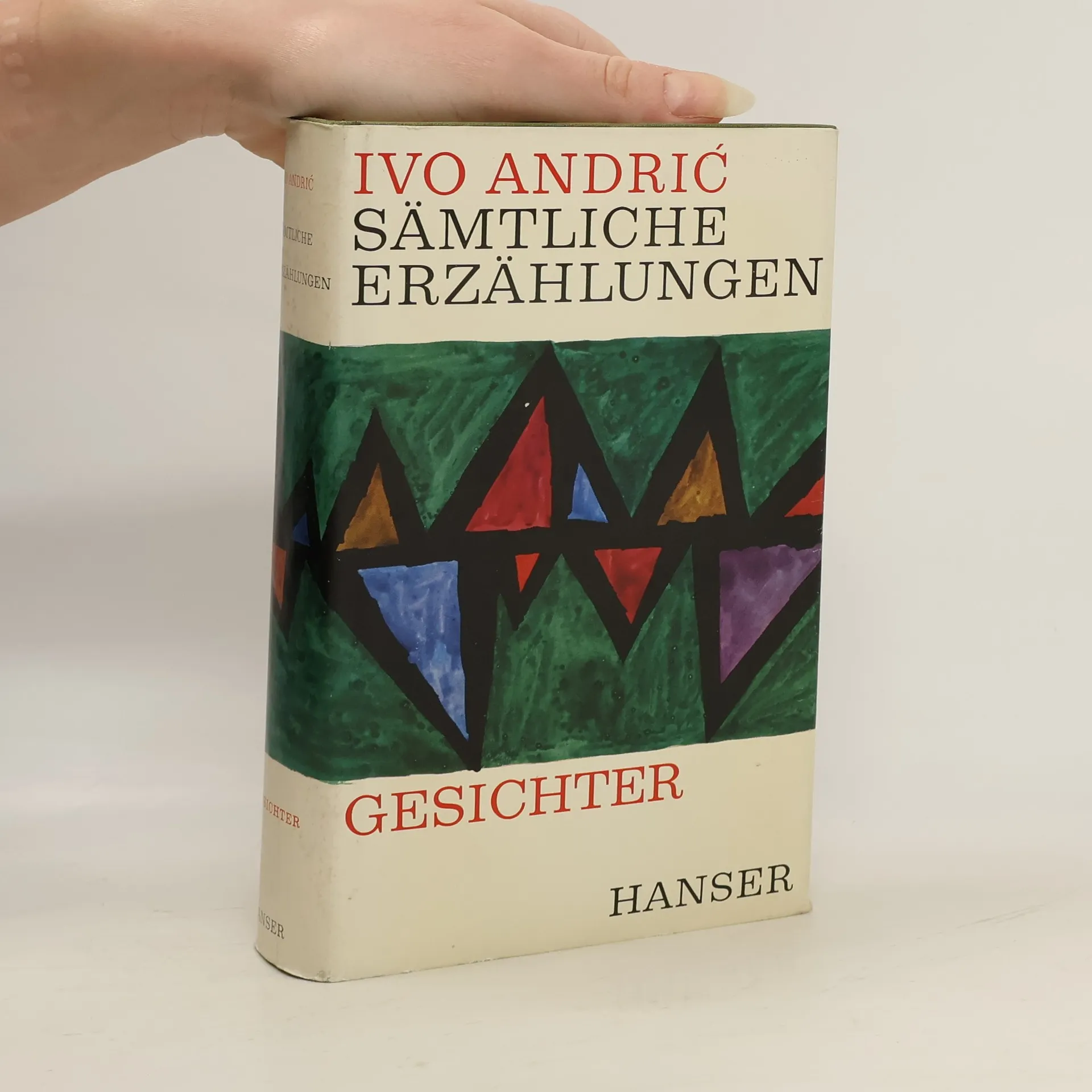
Der weltweite Ruhm des Nobelpreisträgers Ivo Andric geht zurück auf die beiden großen Chroniken, die er während des Zweiten Weltkriegs schrieb: „Brücke über die Drina“ und „Wesire und Konsuln“. Weniger bekannt ist, dass Andric auch kürzere Prosatexte geschrieben hat, die in seiner Gegenwart, in der Ära der beiden Jugoslawien nach 1918 und nach 1945 spielen. Diese nuancierten, abgründigen und unerbittlichen Erzählungen gehören zum Besten, was Andric geschrieben und was die Prosa des 20. Jahrhunderts zu bieten hat. Die von Karl-Markus Gauß besorgte Auswahl zeigt Andric als meisterhaften Diagnostiker des modernen Lebens.
»... ein Autor, jenseits von allen politischen Erwägungen, dessen Werk das allgemein Menschliche widerspiegelt und die Stimme seines Volkes hörbar machte, im Gegensatz zu den Stimmen der Machthaber.« Nobelpreis-Komitee, Stockholm 1961 »Vielleicht hätte ich mich noch damit einverstanden erklärt, als ein Opfer des Hasses zu fallen, ich kann aber nicht im Haß und mit dem Haß leben, ich kann nicht an ihm teilnehmen«, sagt ein jüdischer Arzt, als er Bosnien im Jahre 1920 verläßt. Er ist einer der Helden von Ivo Andrics Geschichten aus Sarajevo, die zu den klassischen Texten der serbokroatischen Literatur zählen. Stärker noch als in den großen Romanen von Ivo Andric ist auch in diesen Erzählungen das historische Wissen über die Konfliktregion Balkan bewahrt. Von Gewalt und Haß handeln sie, und das Bemerkenswerte an diesen zutiefst menschlichen Geschichten ist, daß der Autor nie nur von einer Seite berichtet, sondern die Seele des mörderischen Ustascha-Mannes genauso erforscht wie die seines Opfers.
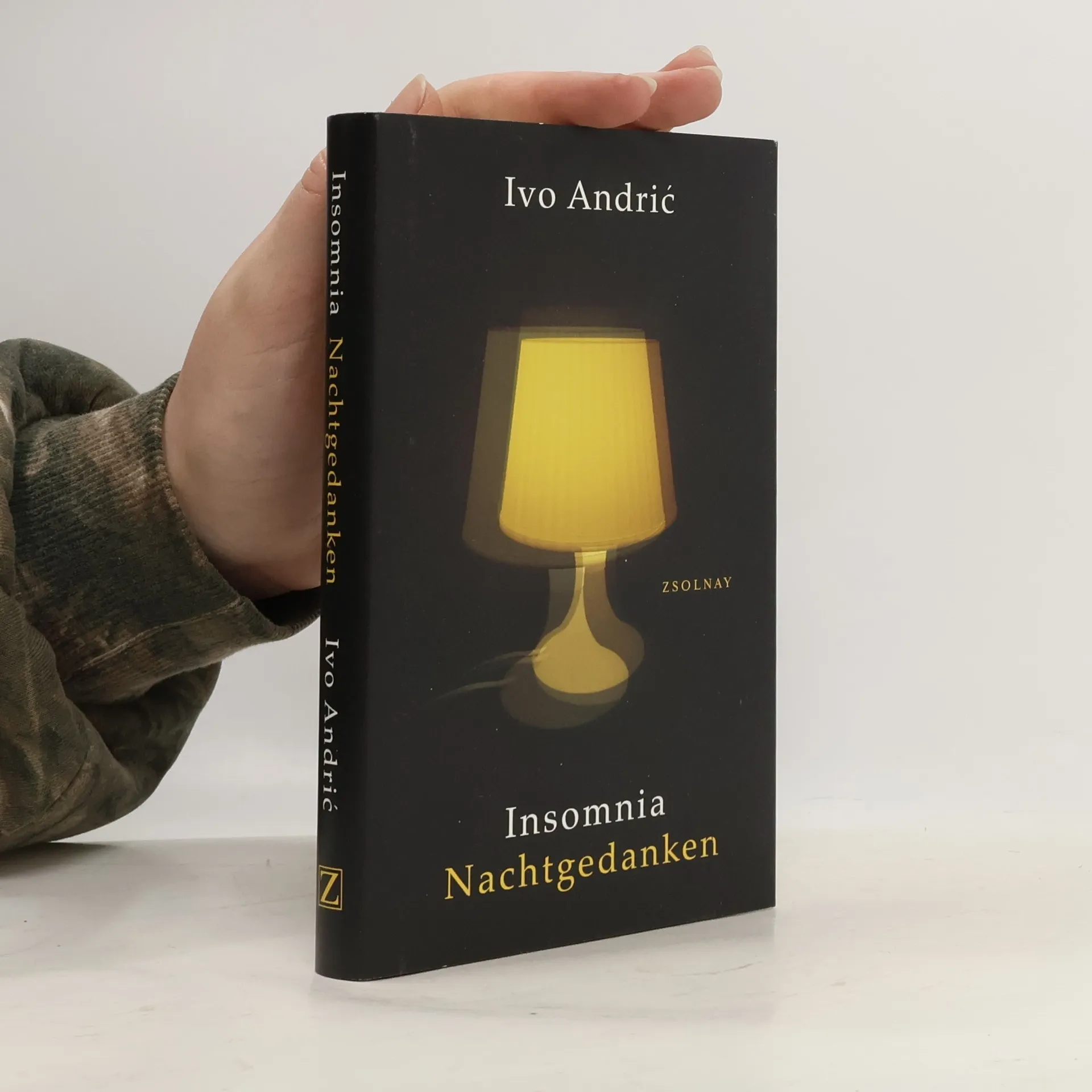
Eine bisher unbekannte Seite des Nobelpreisträgers Ivo Andrić: Texte über die Schlaflosigkeit, das Altern und die Vergänglichkeit, herausgegeben von Michael Martens „Hat noch wer die Welt so geliebt wie ich?“ Sein ganzes Erwachsenenleben lang hat sich der Jahrhundertschriftsteller Ivo Andrić, weltweit gelesen und ausgezeichnet mit dem Nobelpreis für Literatur für seine historischen Romane, Notizen gemacht – Alltagsbeobachtungen, Reiseeindrücke, Charakterbilder, lakonische Kürzestgeschichten. Zu den schonungslosesten, erschütterndsten, intimsten Texten zählen jene, die sich mit der Schlaflosigkeit, dem Altern, der Vergänglichkeit beschäftigen. Pralle Lebenslust gemischt mit Franz Kafka und Edgar Allan Poe, so lässt sich dieses großartige Buch charakterisieren, das der Andrić-Biograf Michael Martens zusammengestellt hat.
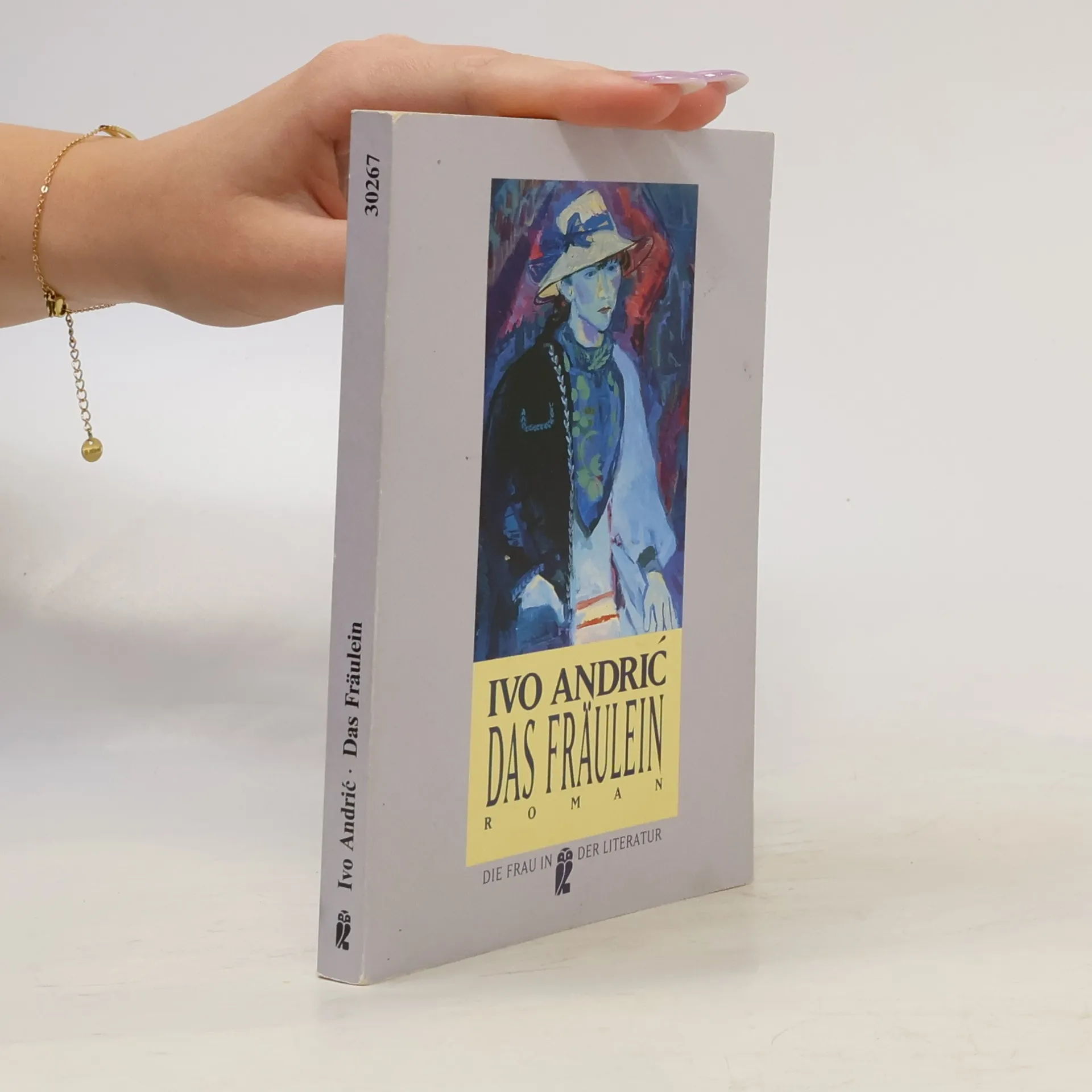
Ivo Andrić – Nobelpreisträger und „die literarische Stimme Bosniens schlechthin“ (NZZ) – über eine starke Frauenfigur, die in Erinnerung bleibt. Rajkas Vater zählt zu den angesehensten und reihum respektierten Geschäftsmännern Sarajevos, ehe er bankrottgeht und darüber verzweifelt. Noch auf dem Sterbebett schärft er seiner fünfzehnjährigen Tochter ein: „Spare, spare immer, überall, an allem, und kümmere dich um nichts und niemanden.“ Streng hält sie sich an seinen Rat, übernimmt den Haushalt, unterdrückt die sanfte Mutter, schaut hartherzig einzig und allein auf ihren Vorteil und wird darüber zu einem Monstrum an Gier und Habsucht. Als jedoch der junge Ratko in ihr Leben tritt, ändert sich alles, und das „Fräulein“ wirft alle Prinzipien über Bord. Mit diesem 1944 entstandenen Roman schuf Ivo Andrić eine großartige und zeitlos aktuelle Charakterstudie.
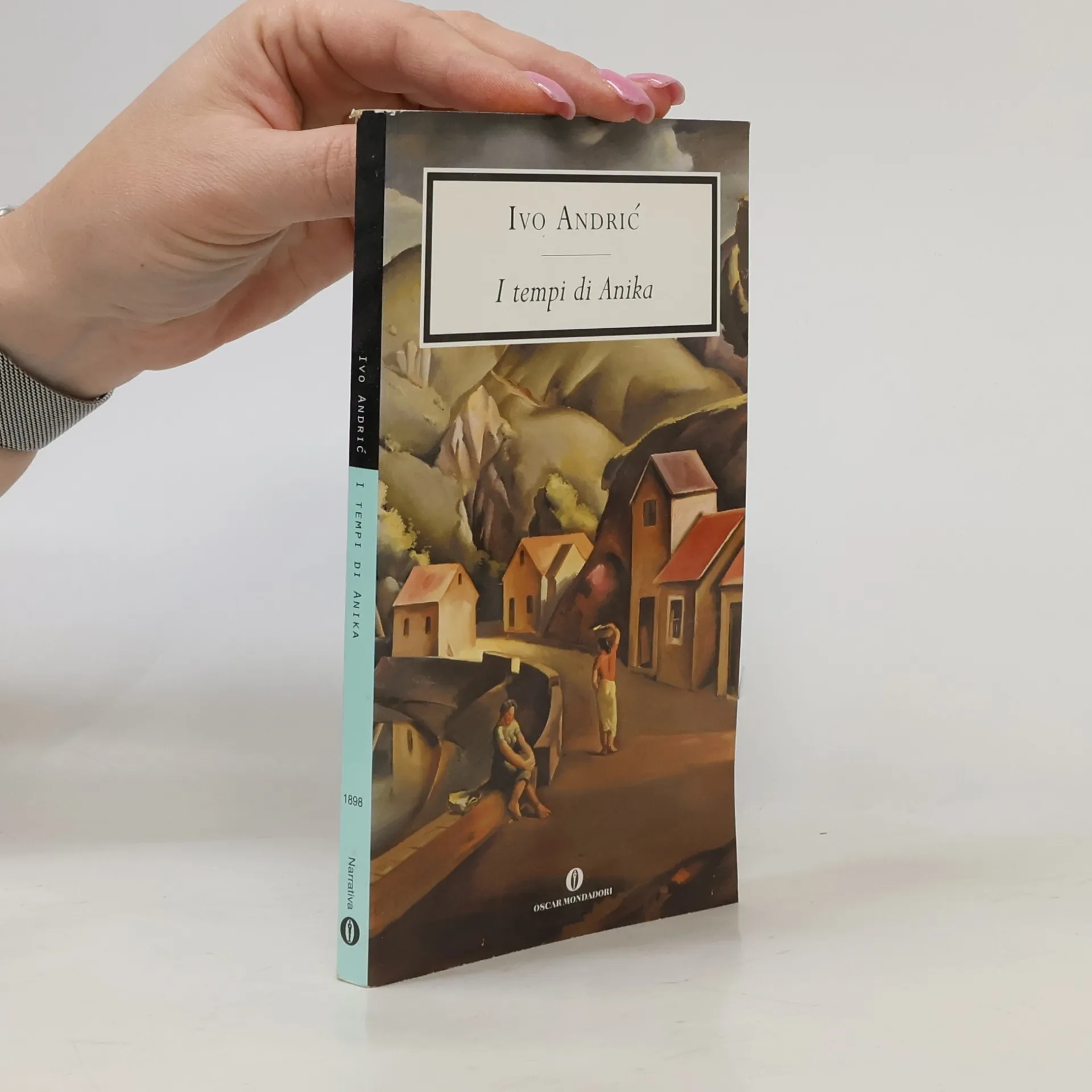
«In ogni donna c’è un diavolo che bisogna ammazzare o con il lavoro o con i parti o con tutte e due le cose» insegna un vecchio detto serbo. Ma Anika è un diavolo potentissimo che non si lascia domare e porta la rovina intorno a sé esercitando una sorta di magia erotica. Questo racconto, dove Andric ha dispiegato tutta la sua potenza di narratore, è la cronaca degli eventi tenebrosi che si svolsero ai «tempi di Anika». «Da quando era stata fondata quella città, da quando la gente nasceva e si sposava, non c’era mai stato un corpo simile, mai una simile andatura e un simile sguardo. Tutto ciò non era nato e non s’era sviluppato in rapporto con quanto lo circondava. Era capitato lì da chissà dove». Questo pensò Alibeg, governatore di uno sperduto paese della Serbia dove si era insediata la magia di Anika, colei che meditava «male e sventura come altri pensano alla casa, ai figli e al pane». Assistita da due cortigiane, nella sua casa discosta dal paese, Anika riceveva gli uomini, tutti gli uomini, e li incantava. Quel suo corpo mirabile era diventato un magnete che attirava a sé i sogni, gli odi e i desideri di un intero paese. I tempi di Anika apparve nel 1931.
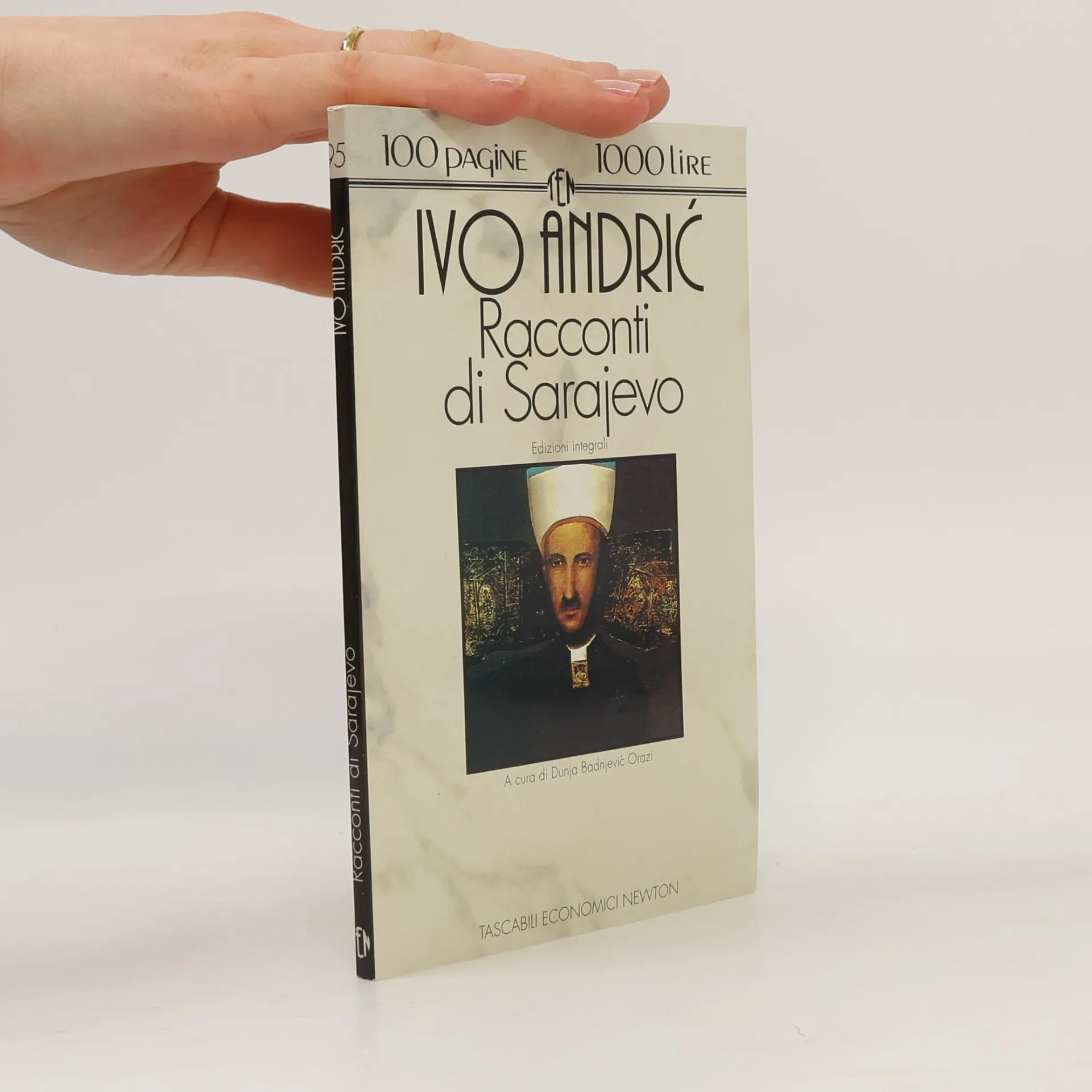
=Tales of SarajevoLegati a una città dal tragico destino, Sarajevo, i racconti qui presentati sono una parte significativa anche se piccola del grande affresco bosniaco che Andric ha tracciato con tutta la sua opera. Di questa città-simbolo lo scrittore ha delinato con acuto realismo e con paziente studio psicologico le caratteristiche fondamentali attraverso secoli di storia. Il passato è una chiave per intendere il presente, e questi racconti, letti oggi, acquistano un sapore proferico e aiutano a capire il conflitto il corso.
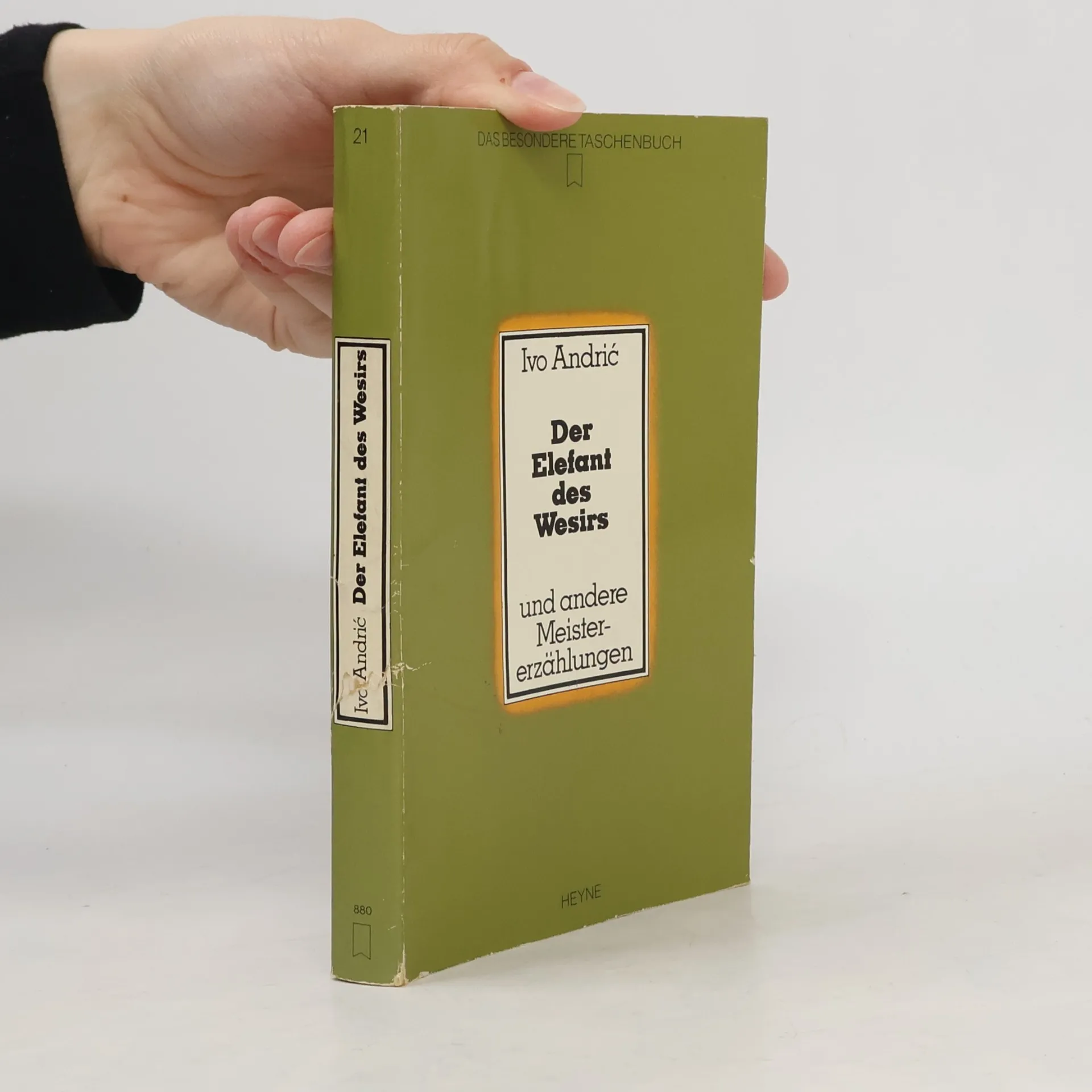
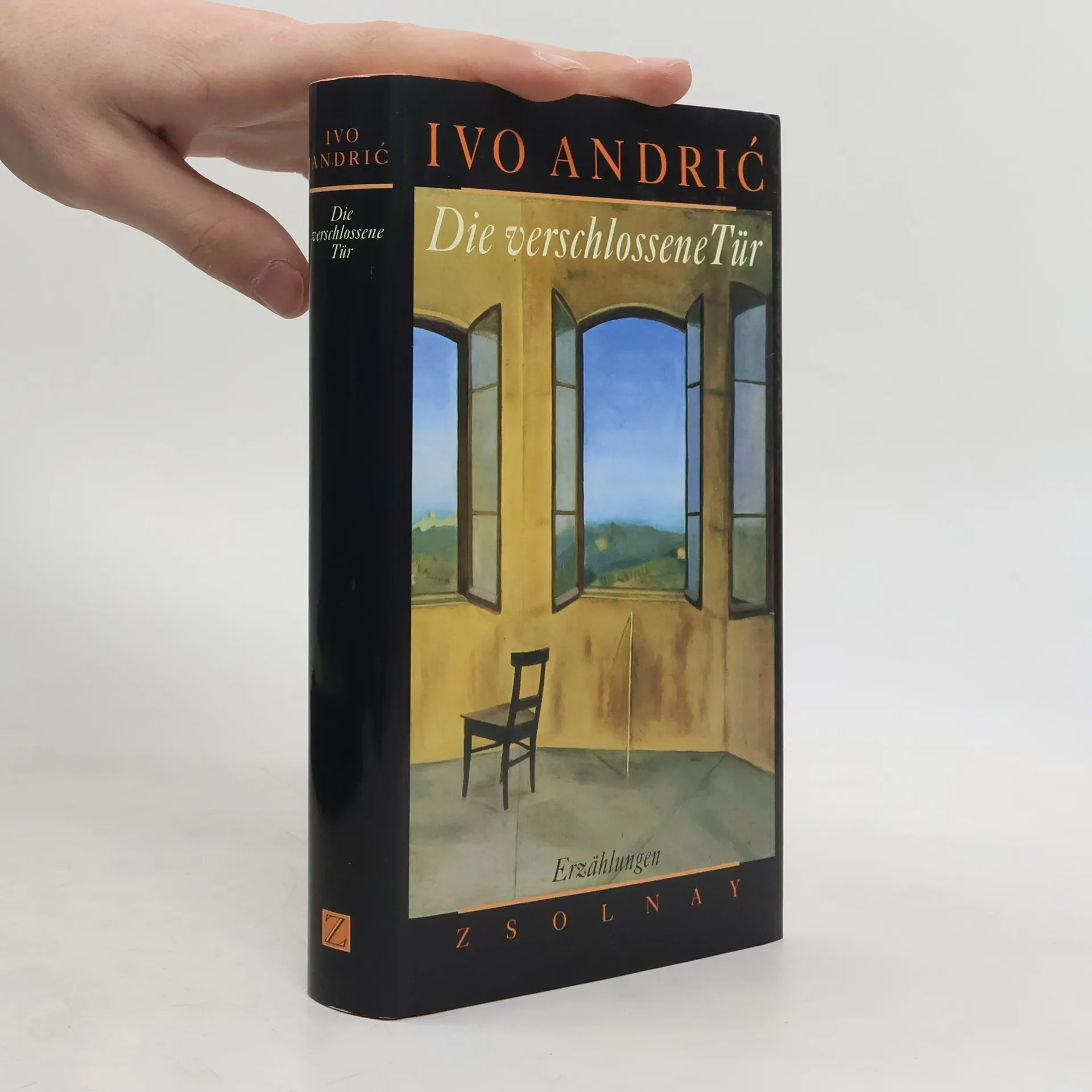
Ob er die mystische Offenbarung eines gestürzten Wesirs, die Tragödie eines unverbesserlichen Lügners, die Eskapaden eines französischen Abenteurers im Osmanischen Reich oder das Schicksal eines traurigen Prinzen behandelt, oder ob er sich den bescheidenen und tragischen Schicksalen eines unglücklichen Zirkusdirektors in der Liebe, einer großherzigen Prostituierten, eines eifersüchtigen Geometers oder einer Sklavin widmet, die den Tod der Schande vorzieht, es ist vor allem der Mensch, der Ivo Andrić fasziniert und bewegt – in seiner unendlichen Größe und seinen unzähligen Kleinigkeiten, vom geliebten Sarajevo des Autors bis in den Süden Frankreichs, von legendären Epochen bis in die Gegenwart.
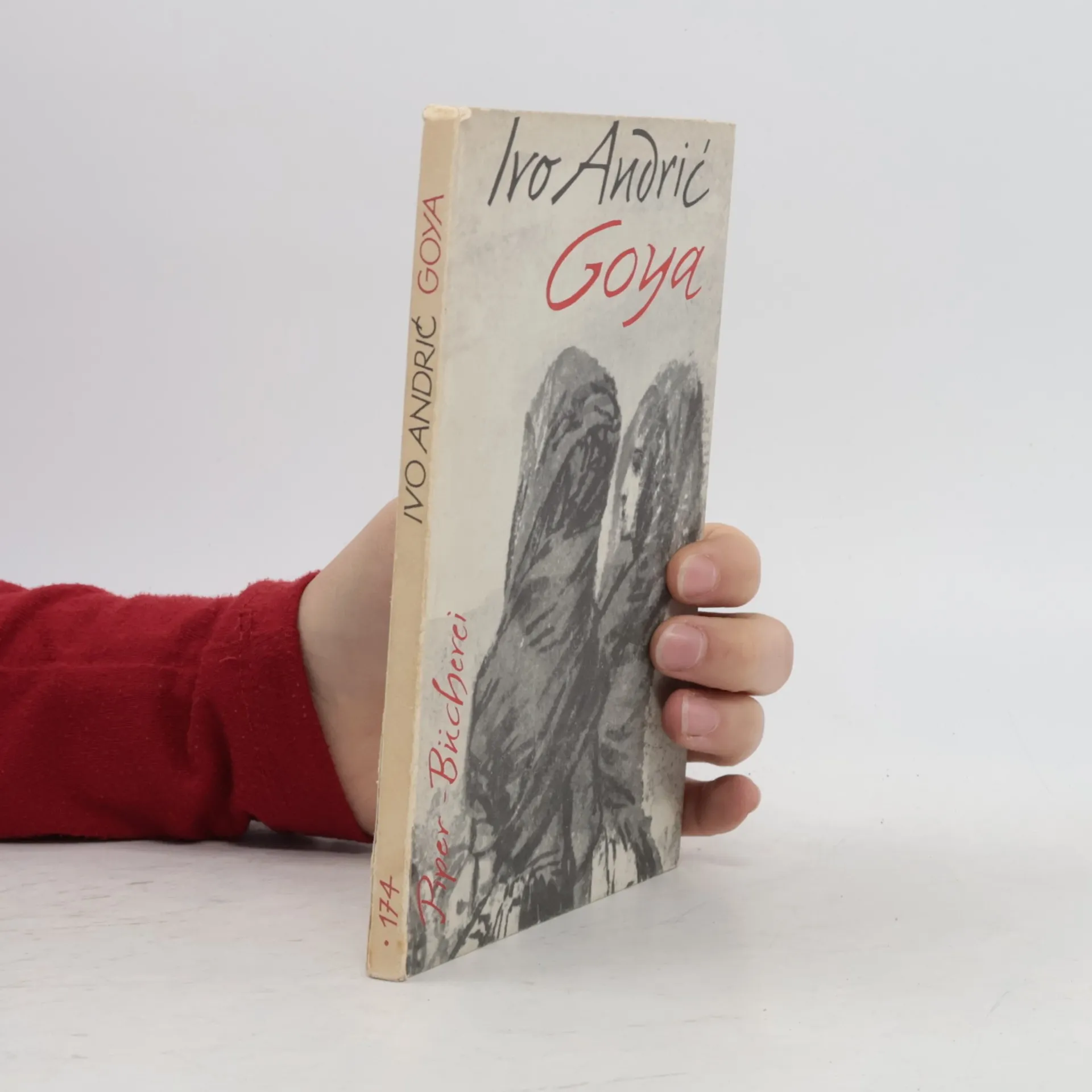
Zwei Essays mit acht Bildtafeln
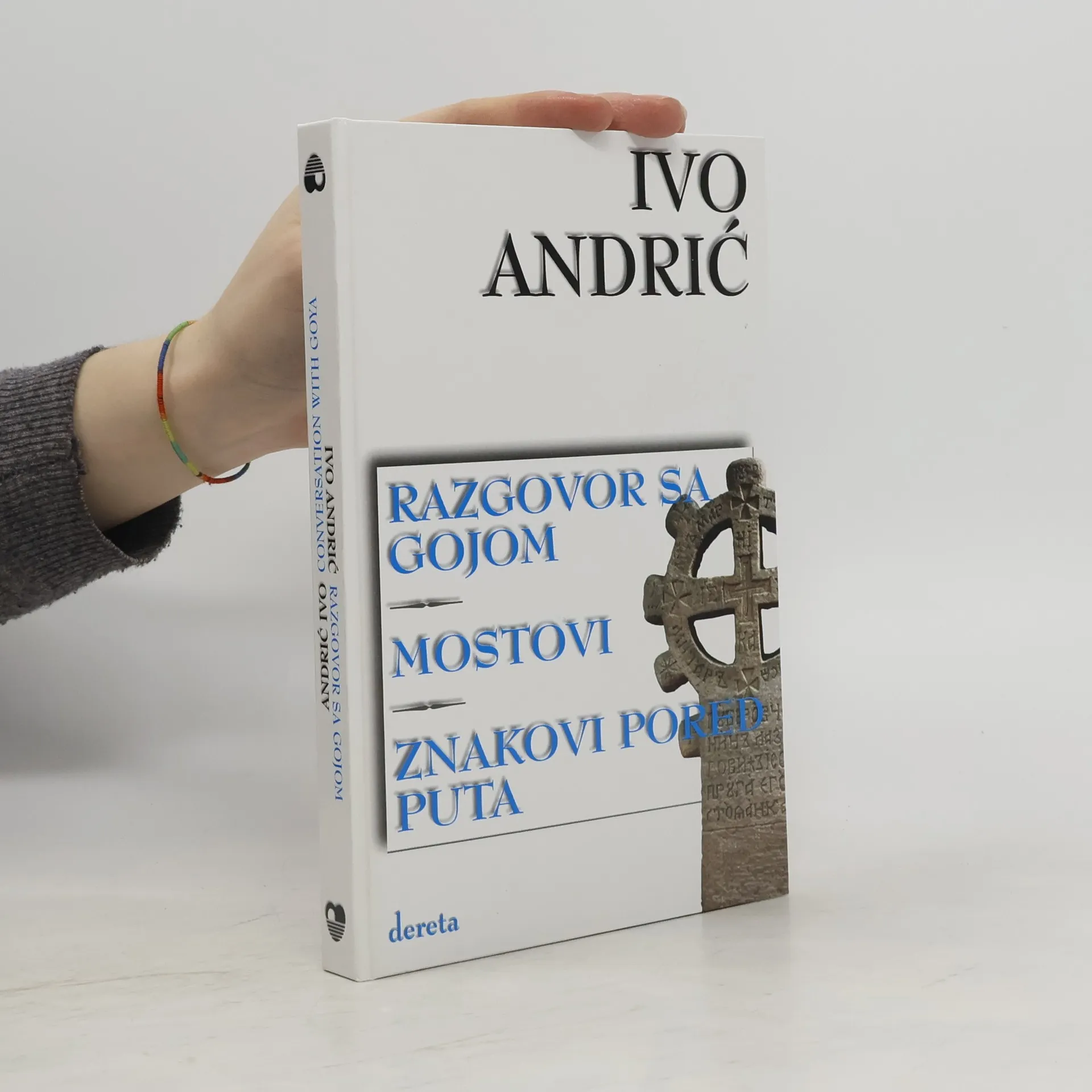
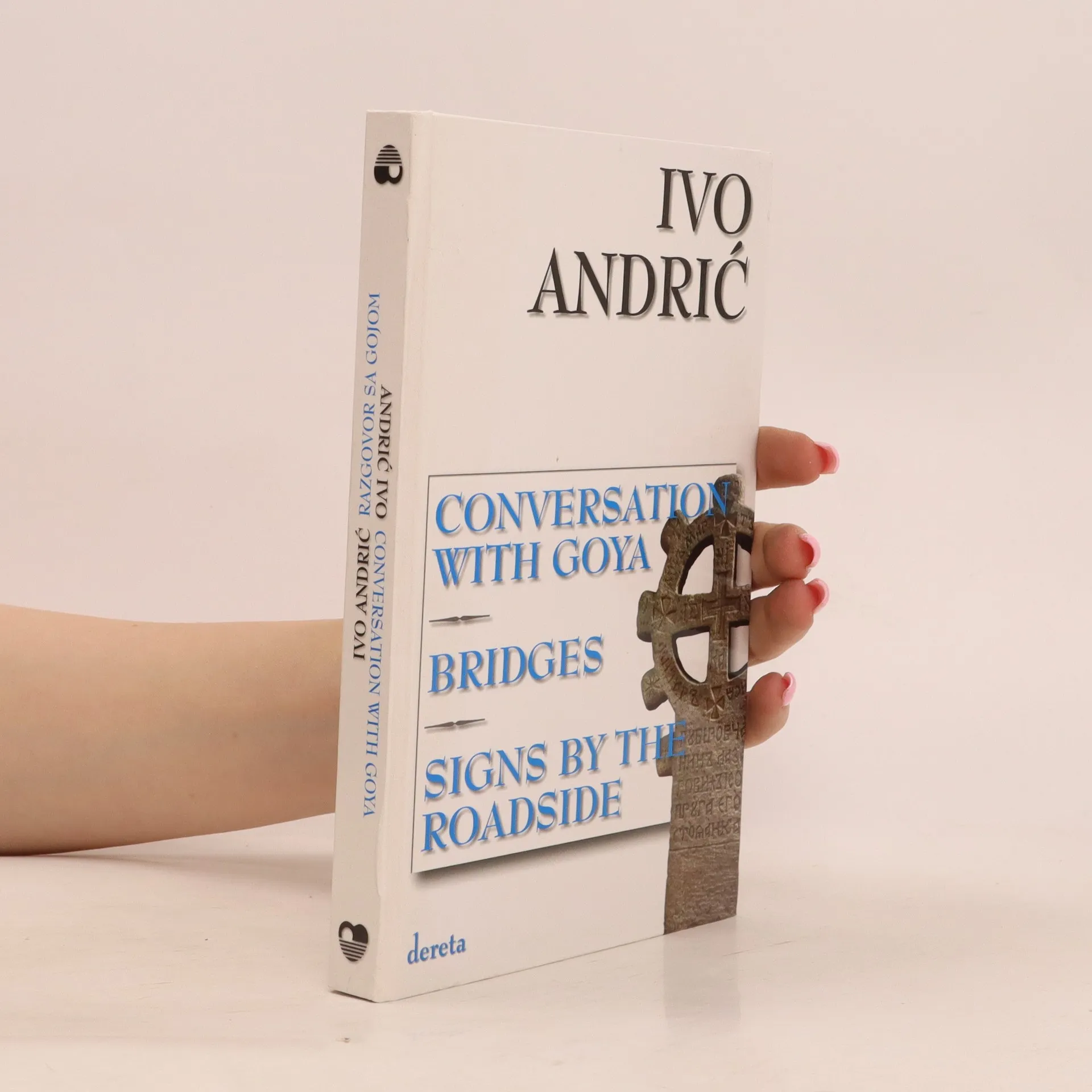
Dvojezično, srpsko-englesko izdanje tri dela našeg proslavljenog nobelovca, Ive Andrića, u izvrsnom prevodu Silvije Hoksvort, obuhvata raznolike teme. "Razgovor s Gojom" (1935) predstavlja zamišljen dijalog sa velikim umetnikom, otkrivajući Andrićevo kompleksno shvatanje umetnosti, njenu dvostruku prirodu i prosvetiteljsku ulogu. U ovom delu, Goya postaje simbol umetničkog stvaralaštva, dok Andrić istražuje sudbinu umetnika, često obeleženu nesigurnošću i kontradikcijom. U "Mostovima", Andrić piše o simbolici mostova kao poveznicama između epoha, ljudi i naroda, predstavljajući ljudsku težnju da pređe na drugu obalu, što simbolizuje nadu i smisao postojanja. Ova metafora naglašava Andrićevu filozofiju o prevazilaženju smrti i traganja za smislom. "Znakovi pored puta", posthumno objavljeni, sadrže Andrićeve meditacije i misli koje su se razvijale tokom godina. Ovaj duhovni dnevnik, iako nepretenciozan, bavi se dubokim metafizičkim pitanjima, privlačeći čitaoca u magični svet znakova-krajputaša i unutrašnjih smerova. Silvija Hoksvort je pripremila izbor najinteresantnijih delova, čime je dodatno obogatila Andrićevu prozu.
Két kisregény
Novela poutavě líčí zážitky bosenského františkanského mnicha v cařihradském vězení, osudy jednotlivců, s nimiž se tam setkal, i okouzlující pestrost orientu.
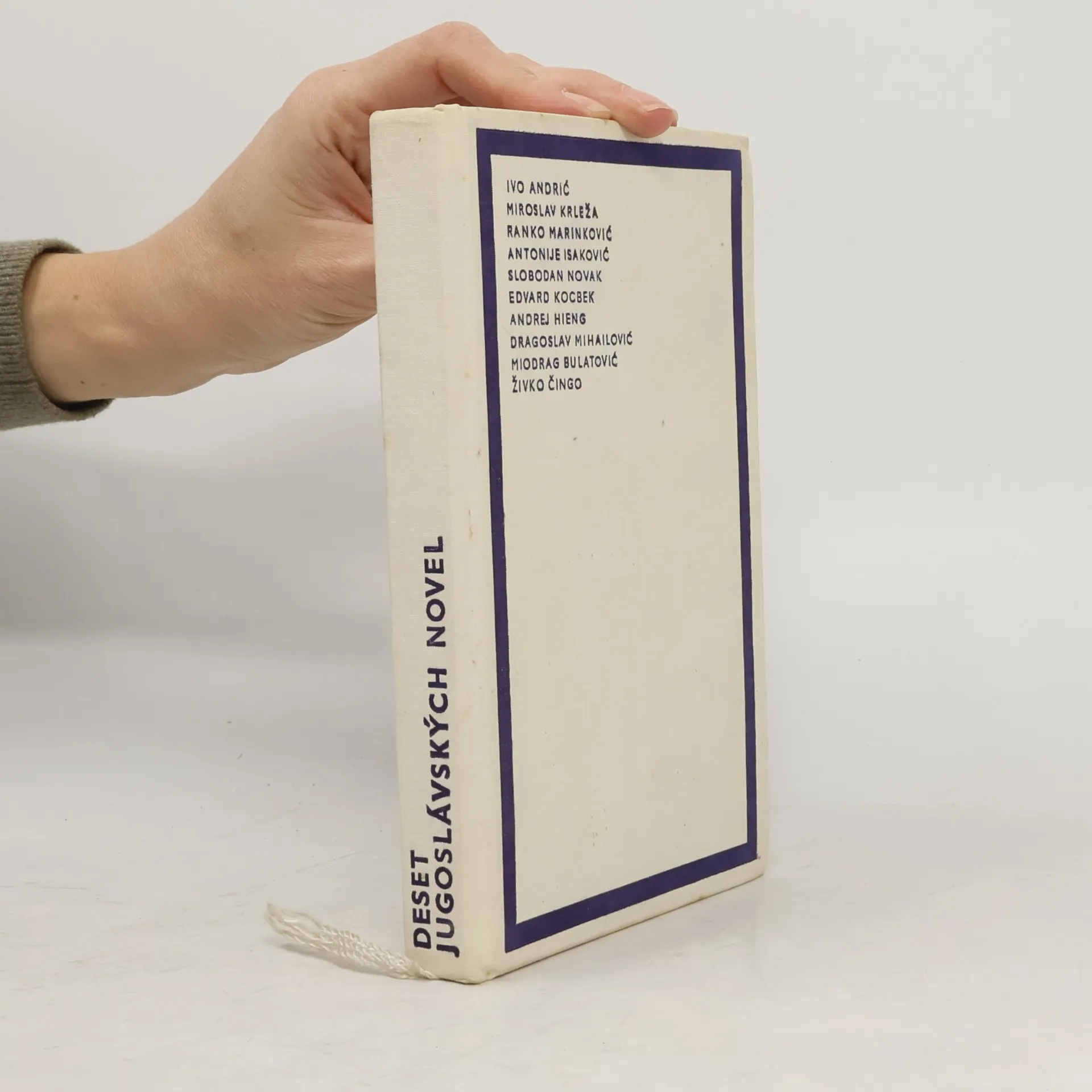
Kniha je první větší poválečný výbor z Andrićových povídek; snaží se reprezentovat Andrićovu povídkovou tvorbu co možná nejšíře, jak po stránce tematické, tak po stránce tvůrčí koncepce: od proslulých andrićovských námětů z dávné i nedávné minulosti rodné Bosny i královské iválečné Jugoslávie až po prózy nejnovější, autobiografické; od povídek koncipovaných klasickým vypravěčským způsobem až po prózy, v nichž zcela převažuje moment psychologický.
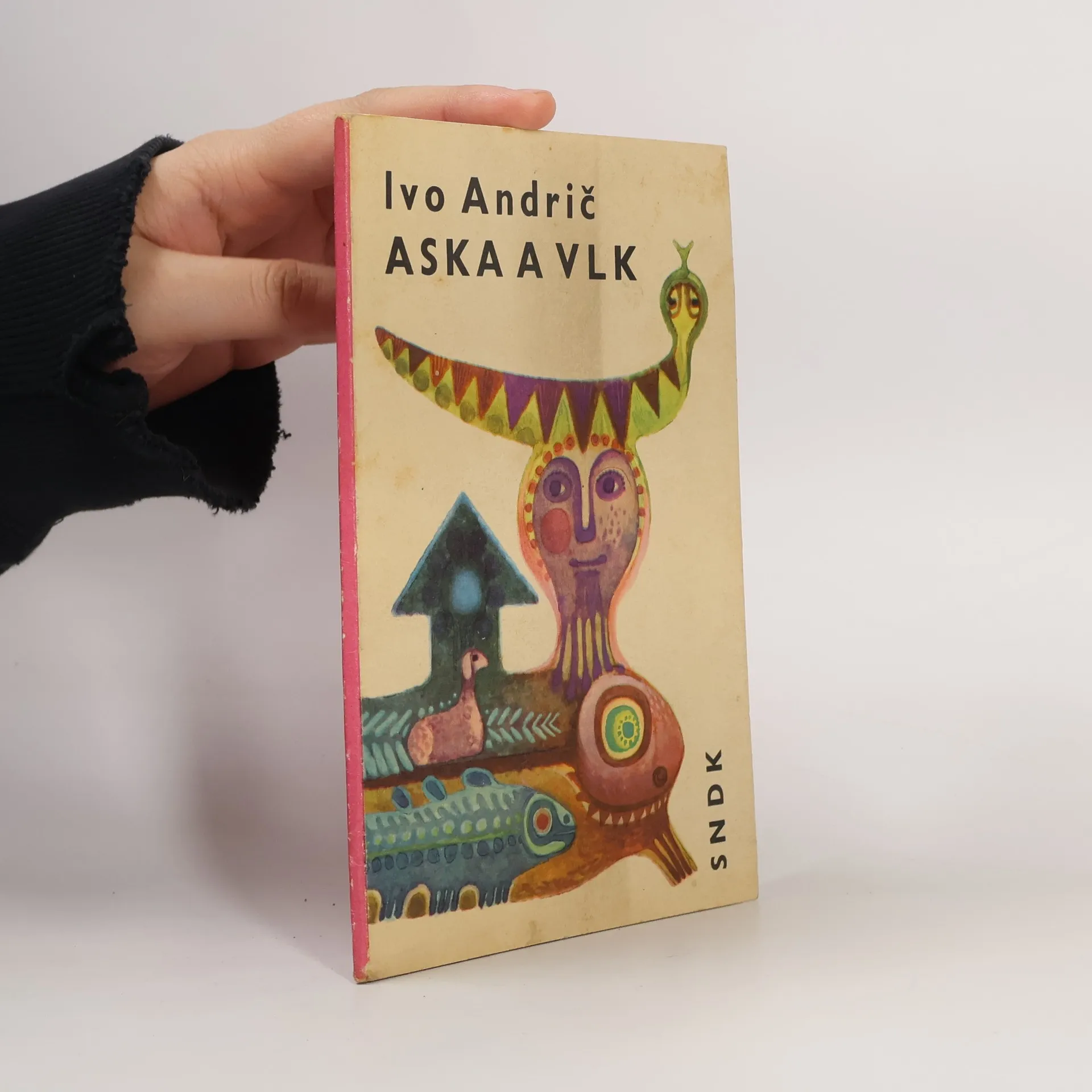
Krátká pohádka o chytré, učenlivé a trochu neposlušné ovečce, která má ráda balet a chodí proto do ovčí baletní školy a které, když jednou zabloudí v lese a chystá se ji napadnout vlk, duchapřítomnost a taneční umění zachrání život. Pohádku provázejí stylizované ilustrace. Z původního srbského vydání volně přeložila Jana Havelková. Il. Jarmila Halamková.
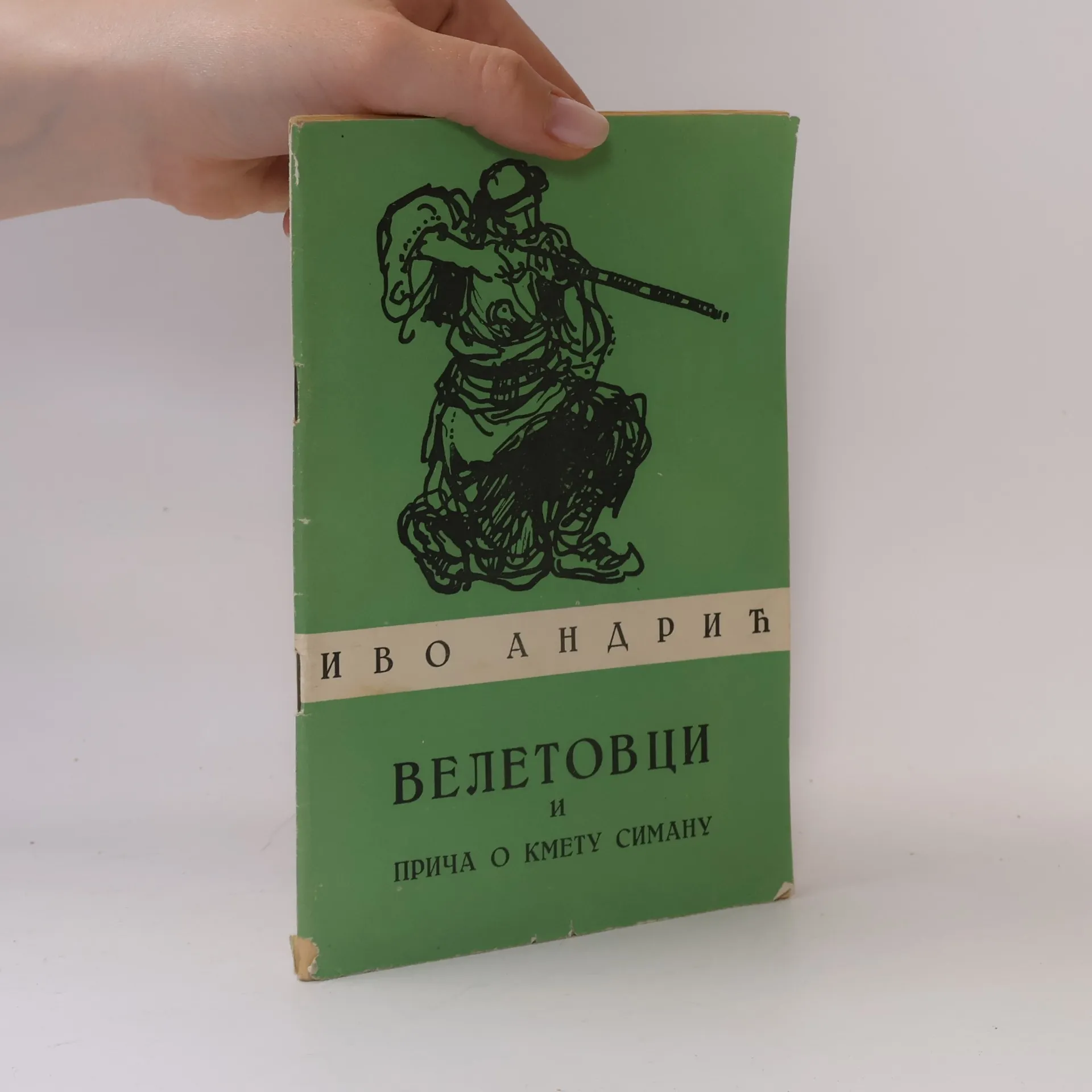
Dějiště autorových povídek je Bosna, a to v době před rakouskou okupací. Ona záhadná Bosna, kde je možno sledovat prudké srážky a vzájemné prolínání dvou kultur - římské a byzantské. Autor, potomek starousedlé sarajevské rodiny, čerpá z tohoto pestrého prostředí své různorodé typy a popisuje turecké hodnostáře, františkány, popy, lidi z dalekého světa, domácí figurky ...
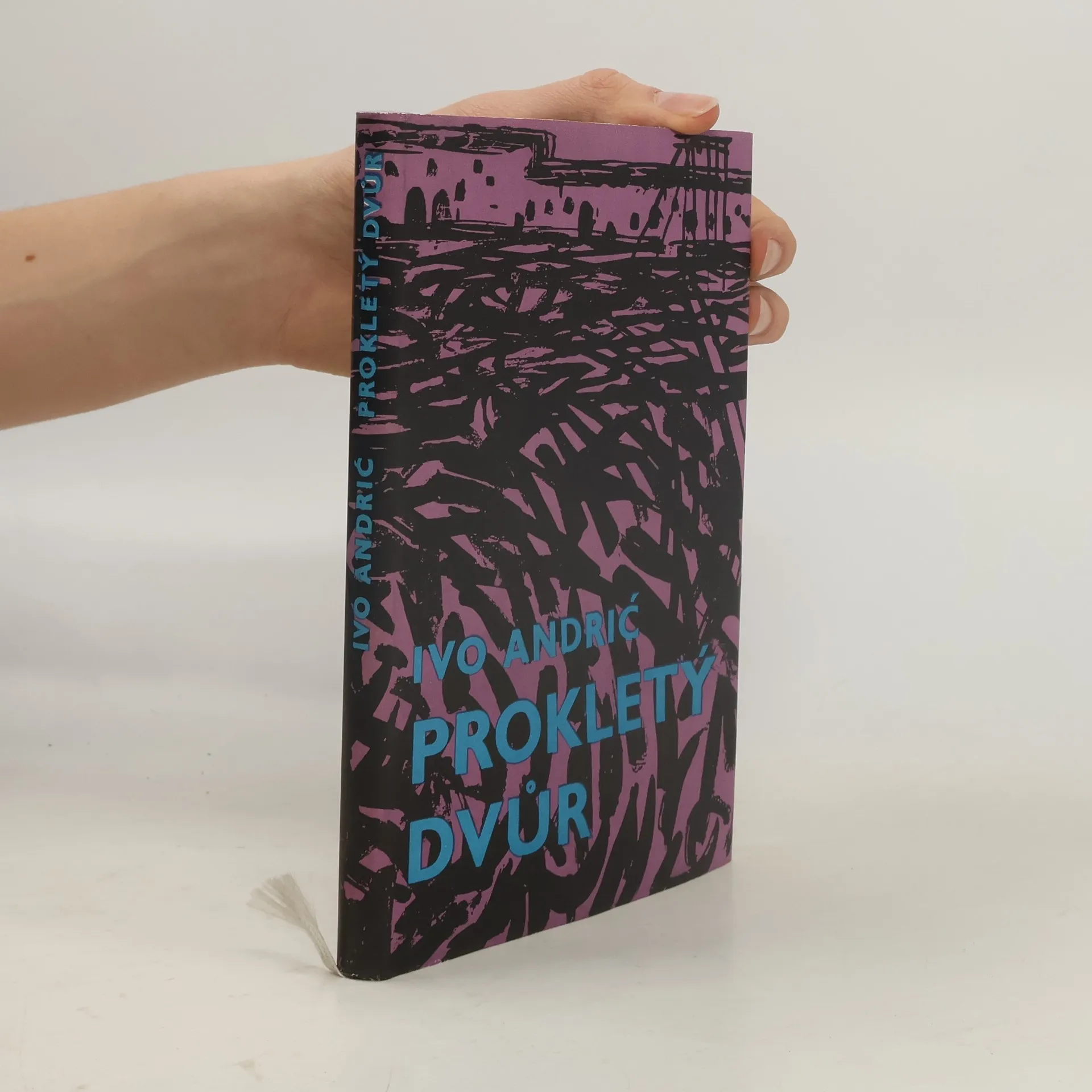
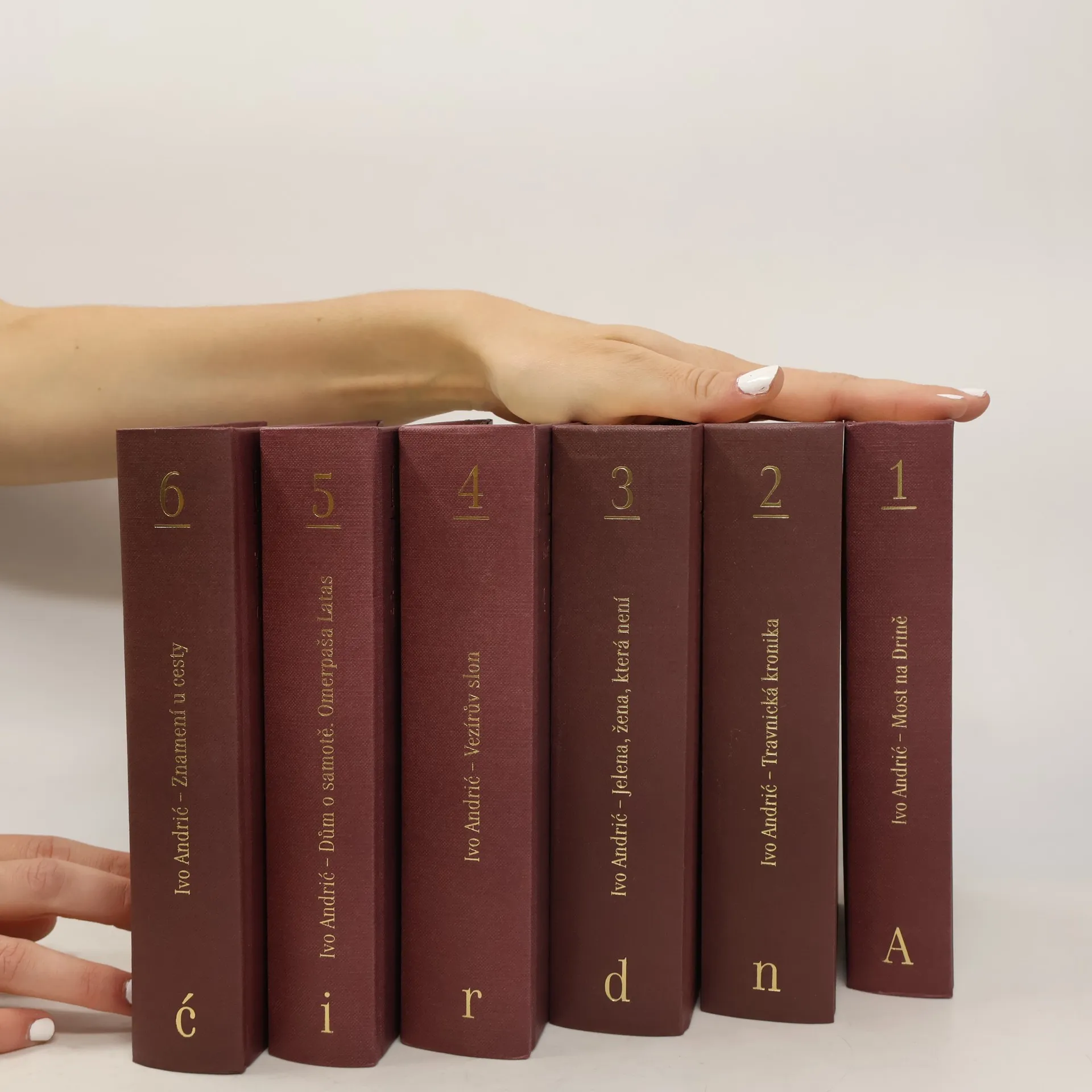
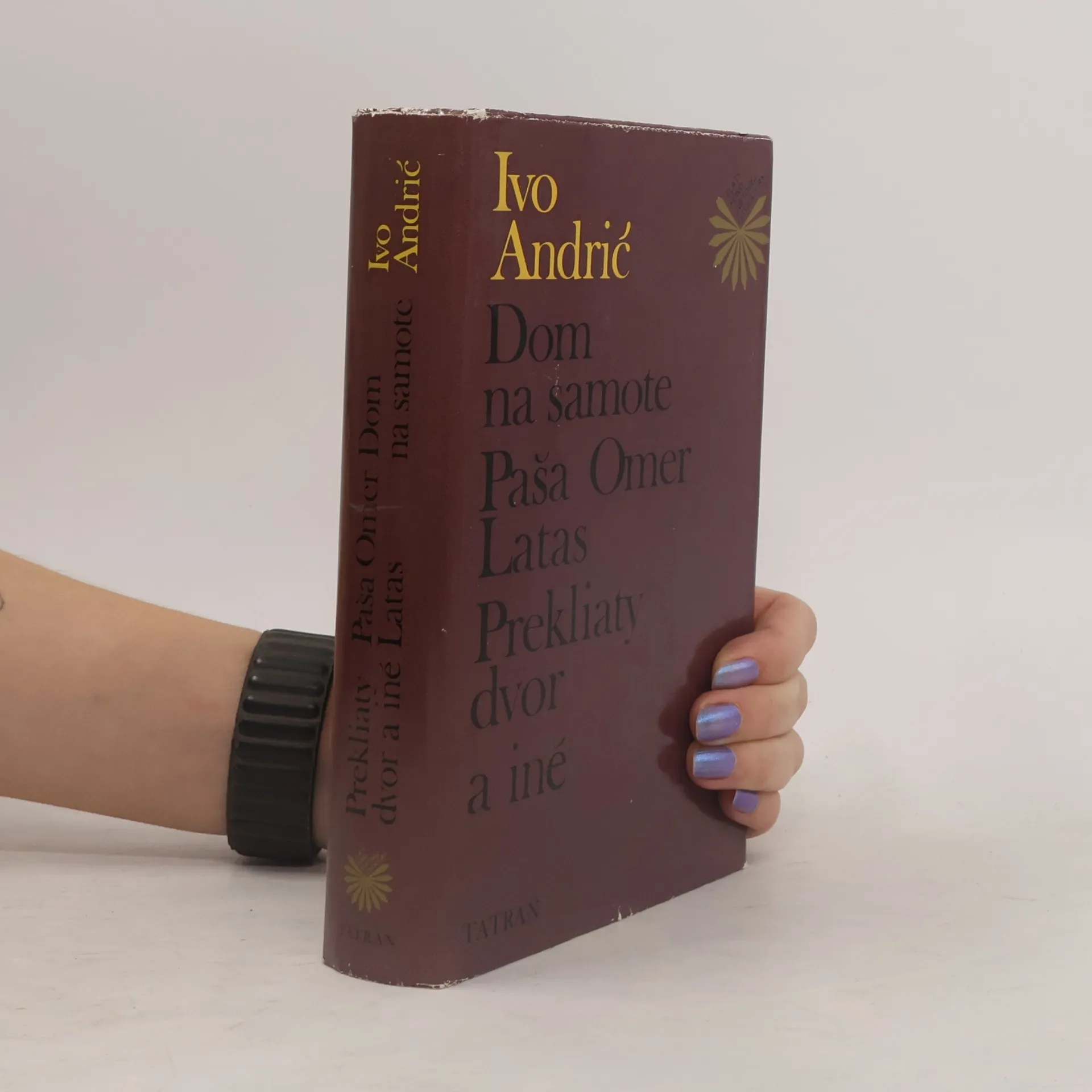
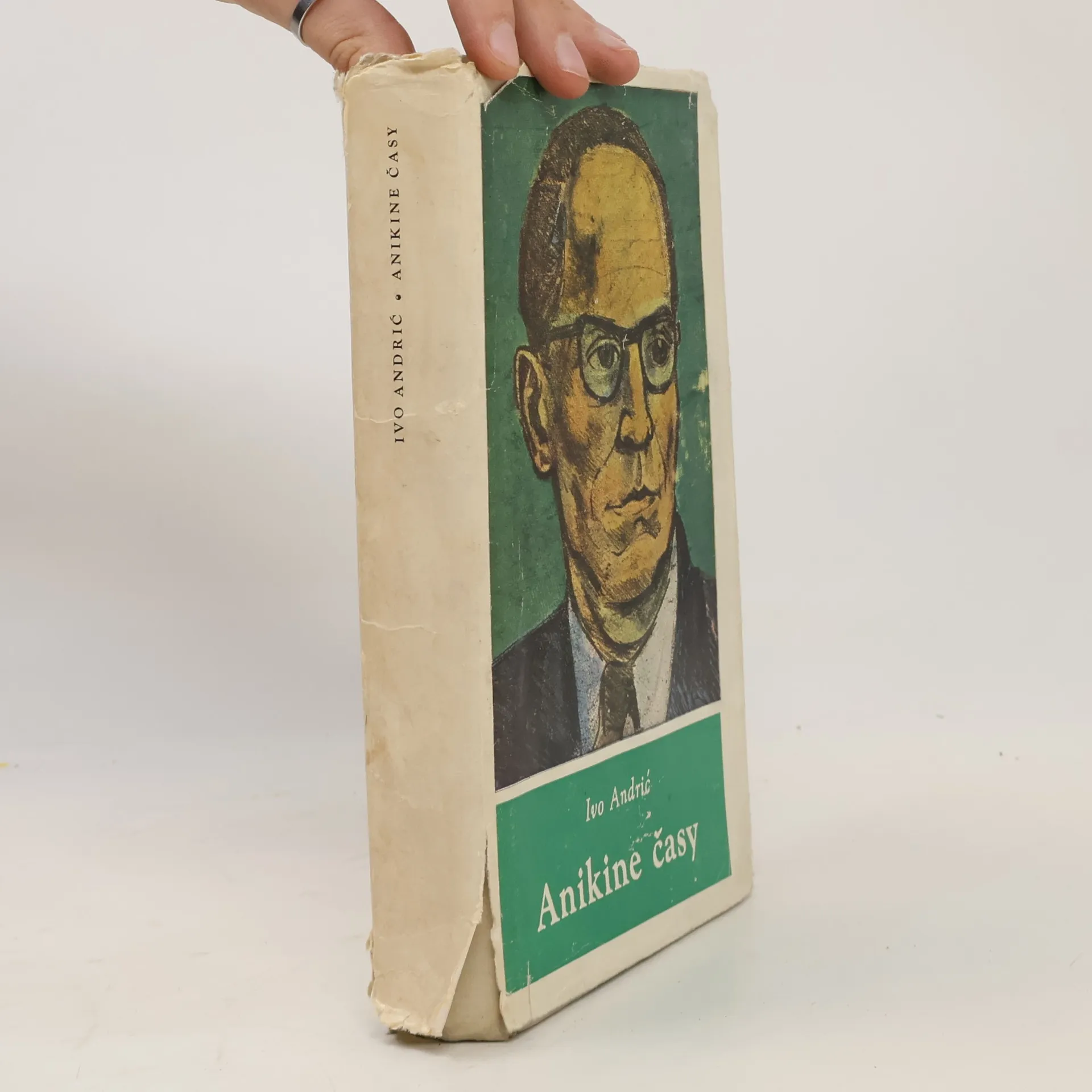
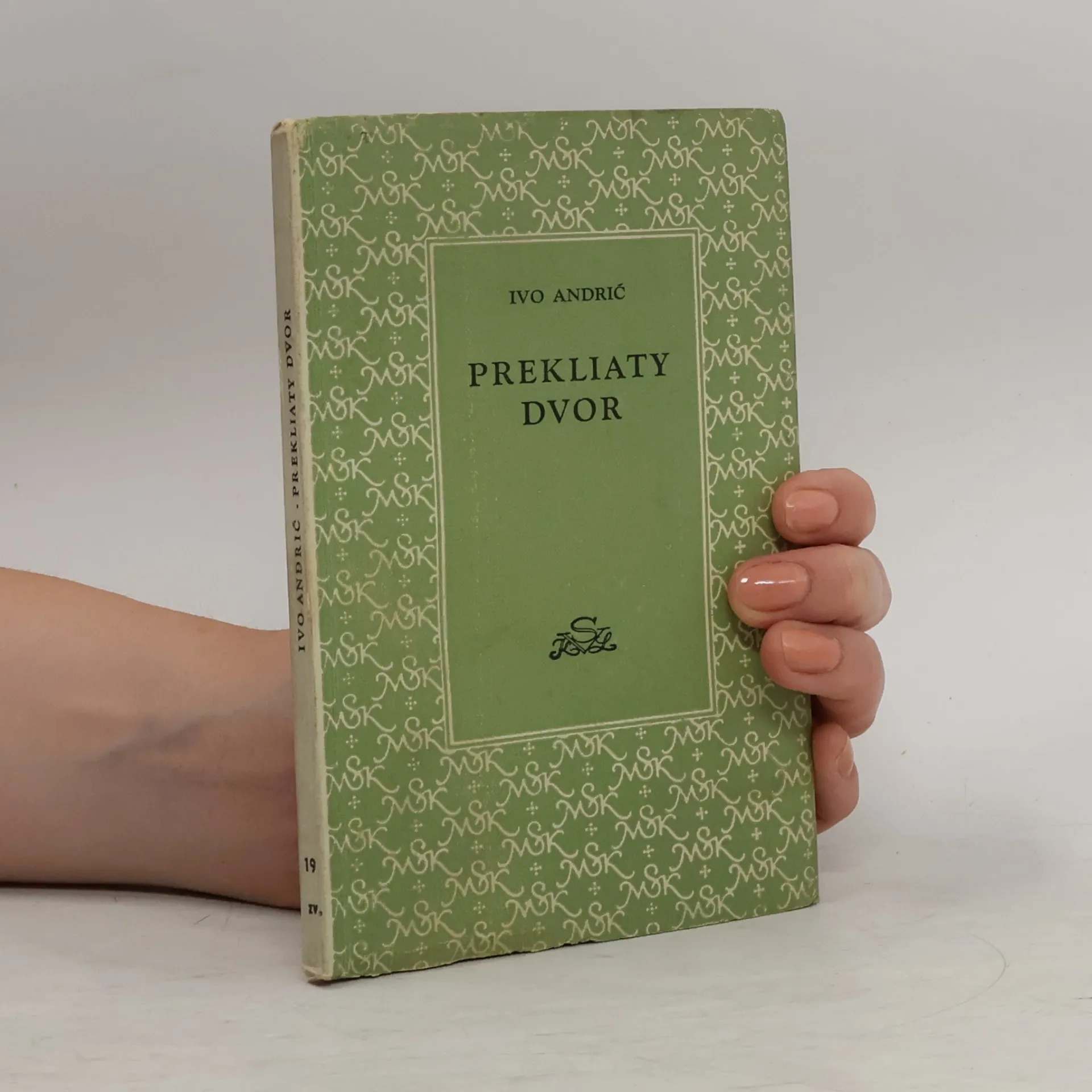
Druhý zväzok výberu z diela srbochorvátskeho básnika a prozaika Iva Andrića, ktorý je známy a uznávaný predovšetkým pre svoju poviedkovú a novelistickú tvorbu, obsahuje nedokončený román 'Paša Omer Latas', novelu 'Prekliaty dvor', súbor poviedok 'Dom na samote' a výber z najznámejších poviedok.
Prvý zväzok výberu srbochorvátskeho spisovateľa obsahuje Andrićove najznámejšie a najvydarenejšie romány, dva najkompletnejšie obrazy Bosny – jeden vertikálny, videný z perspektívy plynúceho času a trvajúceho mosta, stelesnenej ľudskej myšlienky zastavenej v čase a druhý horizonálny, vytvárajúci obraz Bosny ako mozaiku pohľadu cudzincov, ktorí sem prišli za „konzulských čias“, a súčasne rozmanitých predstaviteľov všetkých vrstiev starých obyvateľov tejto krajiny.
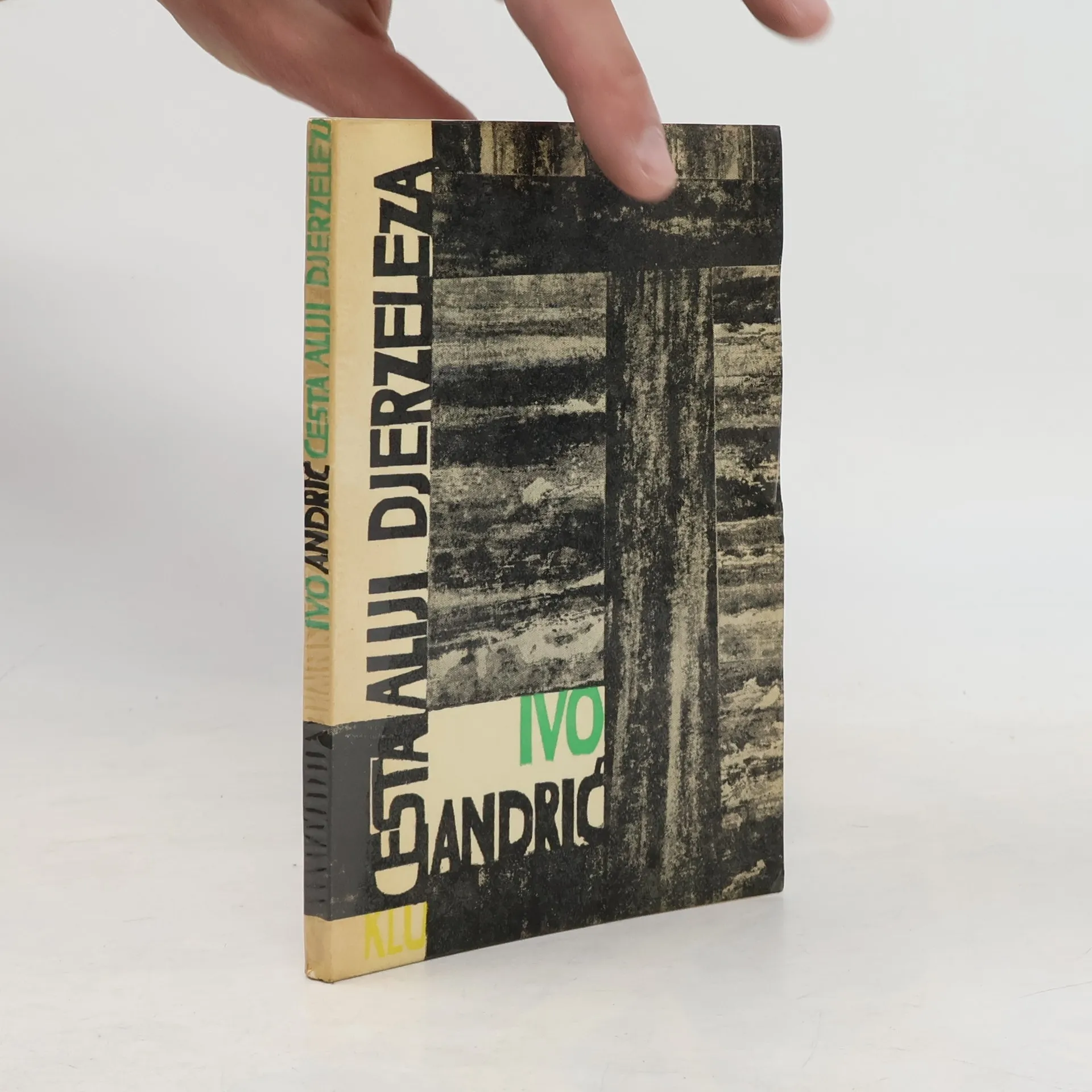
Dvě povídky laureáta Nobelovy ceny, z nichž první (Cesta Aliji Djerzeleza) staví na scénu slavného válečníka a nepřemožitelného bohatýra, známého z lidové poezie, v nezvyklé úloze rozpačitého a neúspěšného dobyvatele ženských srdcí. Druhá (Z časů Aniky) má ženskou hrdinku v krasavici z bosenského města, která mocí svého ženství neodolatelně přitahuje všechny muže a šíří kolem sebe mravní spoušť a zkázu.
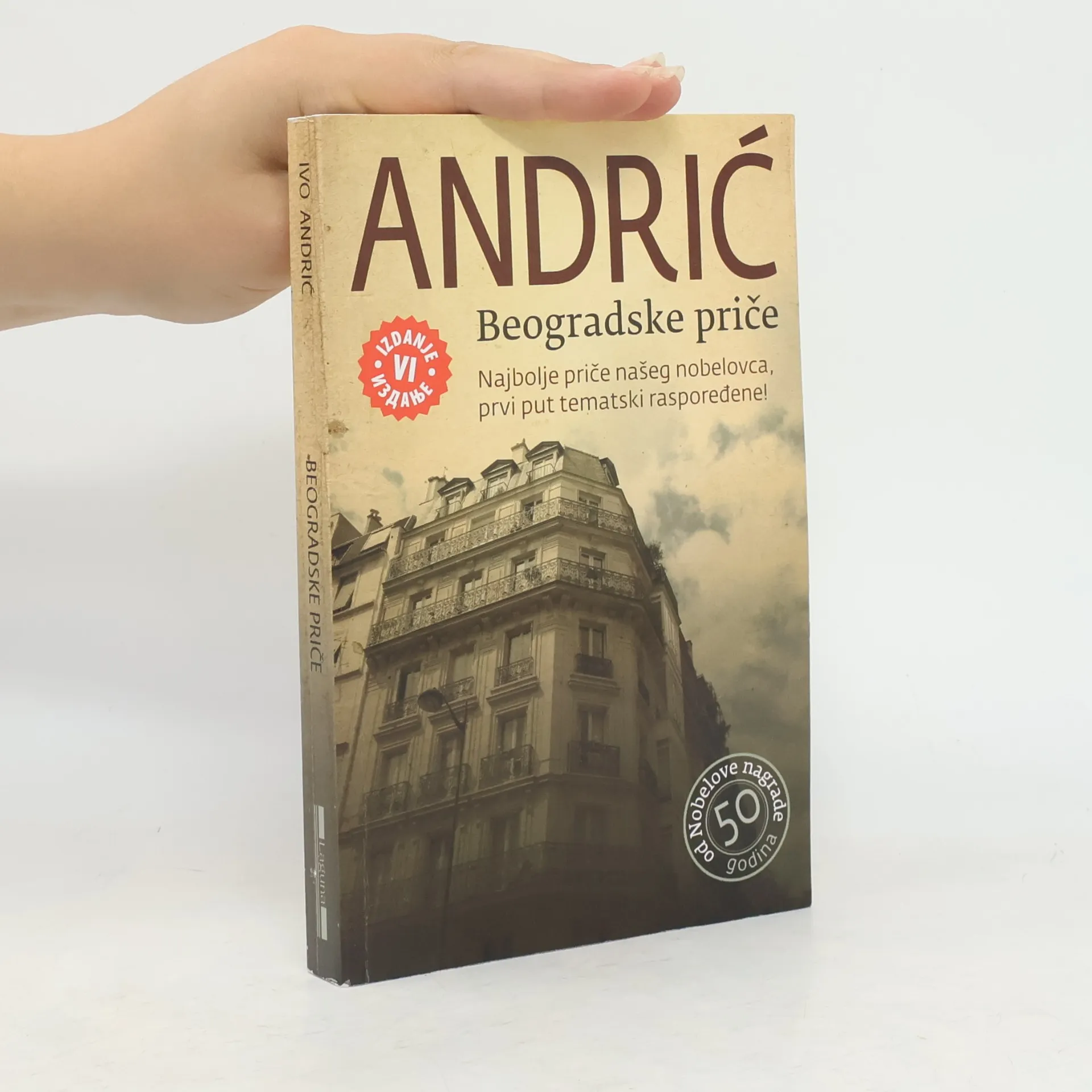
Nad Beogradom sunce sja kao da nikad neće zaći. Ali kad stane da zalazi, u ove jesenje dane, gasi se kao žeravka u vodi. Izgleda mi kao da ne zalazi sunce samo, nego i zemlja s njim. Potone zajedno sa suncem i modra gorska kosa u daljini, a zatim počne da se gubi i sremska ravnica, da se savija kao naslikano platno. Ivo Andrić Oslobodimo li se predrasuda, ostajući na tragu osobenosti Andrićevog pripovedačkog postupka, možemo sklopiti skicu jedne posebne literarne građevine, takozvane beogradske hronike. Ta nedovršena građevina, sa jedinstvenom osnovom ali sa nepovezanim prostorijama, mogla bi da bude imaginarni model za projekciju književne rekonstrukcije novije povesti Beograda. Od „Porodične slike“ u kojoj je, na fonu ratnih događaja, data psihološka evokacija odnosa u jednoj beogradskoj građanskoj porodici, do priče o Zeki, razuđenoj istoriji ne samo jednoga junaka, nego i celoga grada, kao i drugih priča koje izrastaju iz autorovog iskustva, Beogradske priče predstavljaju književno svedočanstvo o nemirnim vremenima, dramatičnim promenama i tragičnim okolnostima kako u spoljašnjem svetu, tako i u ljudskim dušama pojedinaca koji su tom svetu pripadali.