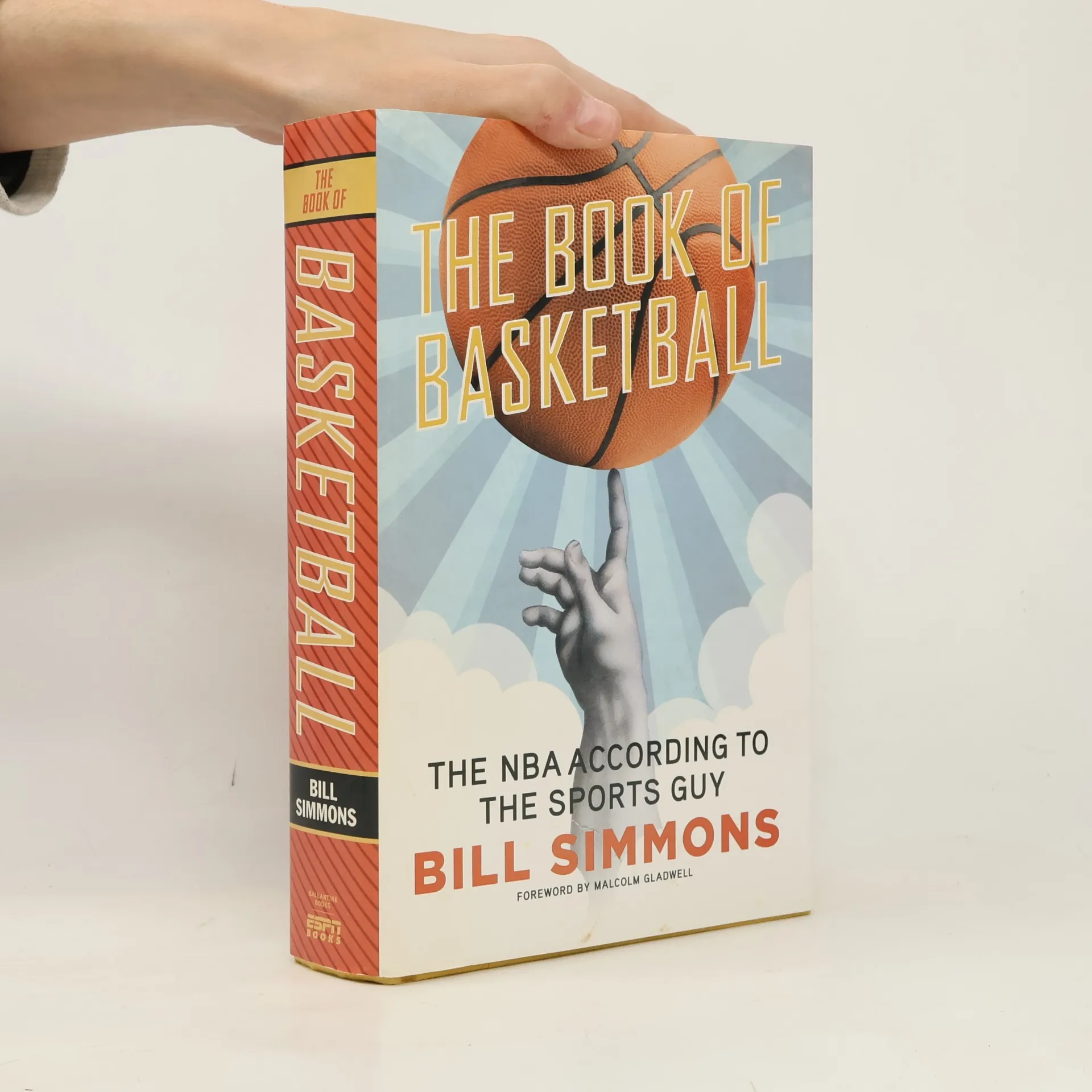
There is only one writer on the planet with the basketball knowledge and passion to create the definitive work on the NBA. Bill Simmons, known to millions as ESPN.com’s Sports Guy, is that writer. This book is an opinionated and entertaining exploration of pro basketball's past, present, and future. It tackles age-old debates, such as the rivalry between Bill Russell and Wilt Chamberlain and the question of the greatest team of all time, providing definitive answers. Simmons reevaluates the selection process for NBA Hall of Fame inductees and proposes a complete overhaul of the institution, resulting in a unique five-level shrine to the ninety-six greatest players in basketball history. He delves into the essence of the game, using insights from an NBA great to reveal the coveted Secret of Basketball. Comprehensive, authoritative, controversial, and hilarious, this book offers every hardwood fan an unparalleled experience alongside the game’s most passionate and insightful chronicler. It’s a must-read for anyone who loves the sport, even those who may not root for the Celtics.
Malcolm Gladwell Books
Malcolm Gladwell is the author of bestselling works that delve into the unexpected connections and driving forces shaping our thoughts and actions. With his signature narrative style, he weaves together seemingly disparate ideas and research with compelling stories to reveal deeper truths about the world around us. His writing prompts readers to reconsider how we perceive success, fallibility, and everyday phenomena, offering fresh perspectives on human psychology and social dynamics. Gladwell focuses on uncovering hidden patterns, equipping readers with tools to better understand the complexities of modern life.

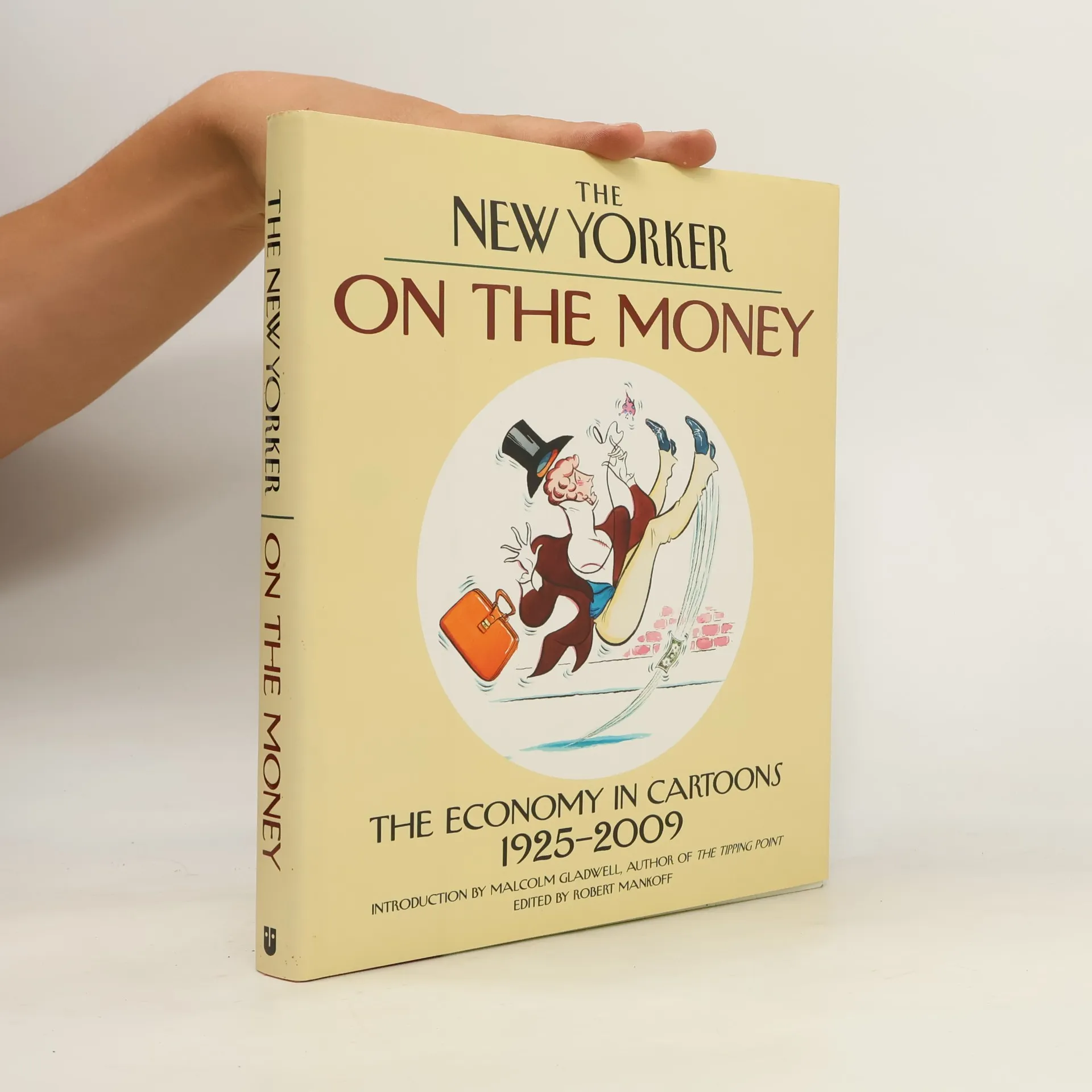
The New Yorker has been at the forefront of social commentary since it was first published in 1925. Even when the markets have been down, its famous single-panel cartoons have found a way to add humor to the economic landscape.In On the Money , fans can revel in over 350 of The New Yorker 's best cartoons on the theme of money, culled from the past 80+ years. From bossy businessmen to crooked creditors to slighted stockholders, no one in the financial world has escaped humorously critical jabs from the master of cartoon humor. The collection is edited by The New Yorker 's cartoon editor, Robert Mankoff, and includes an introduction by the best-selling author Malcolm Gladwell.
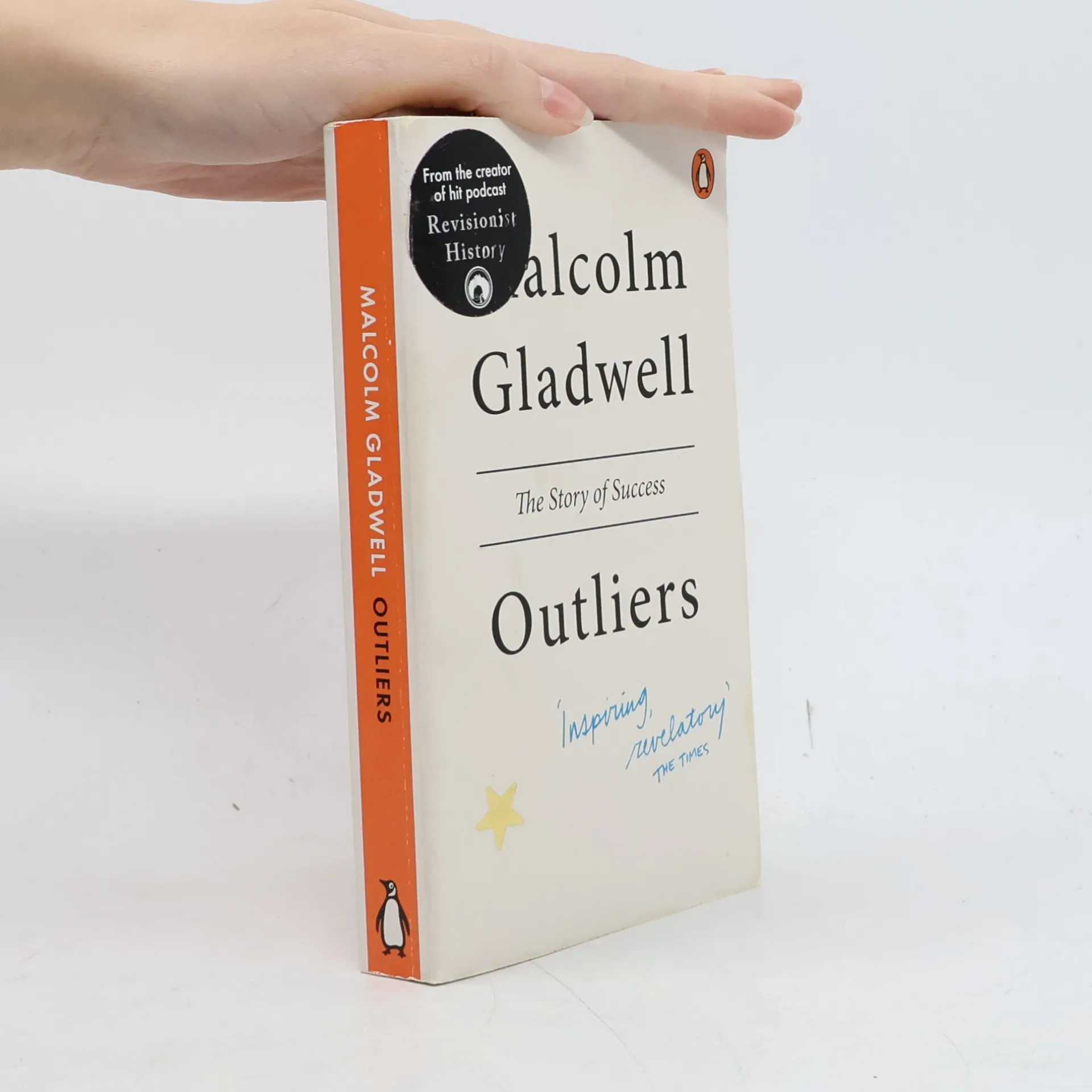
Outliers : the history of success
- 365 pages
- 13 hours of reading
Why are people successful? For centuries, humankind has grappled with this question, searching for the secret to accomplishing great things. In this stunning new book, Malcolm Gladwell takes us on an invigorating intellectual journey to show us what makes an extreme overachiever.
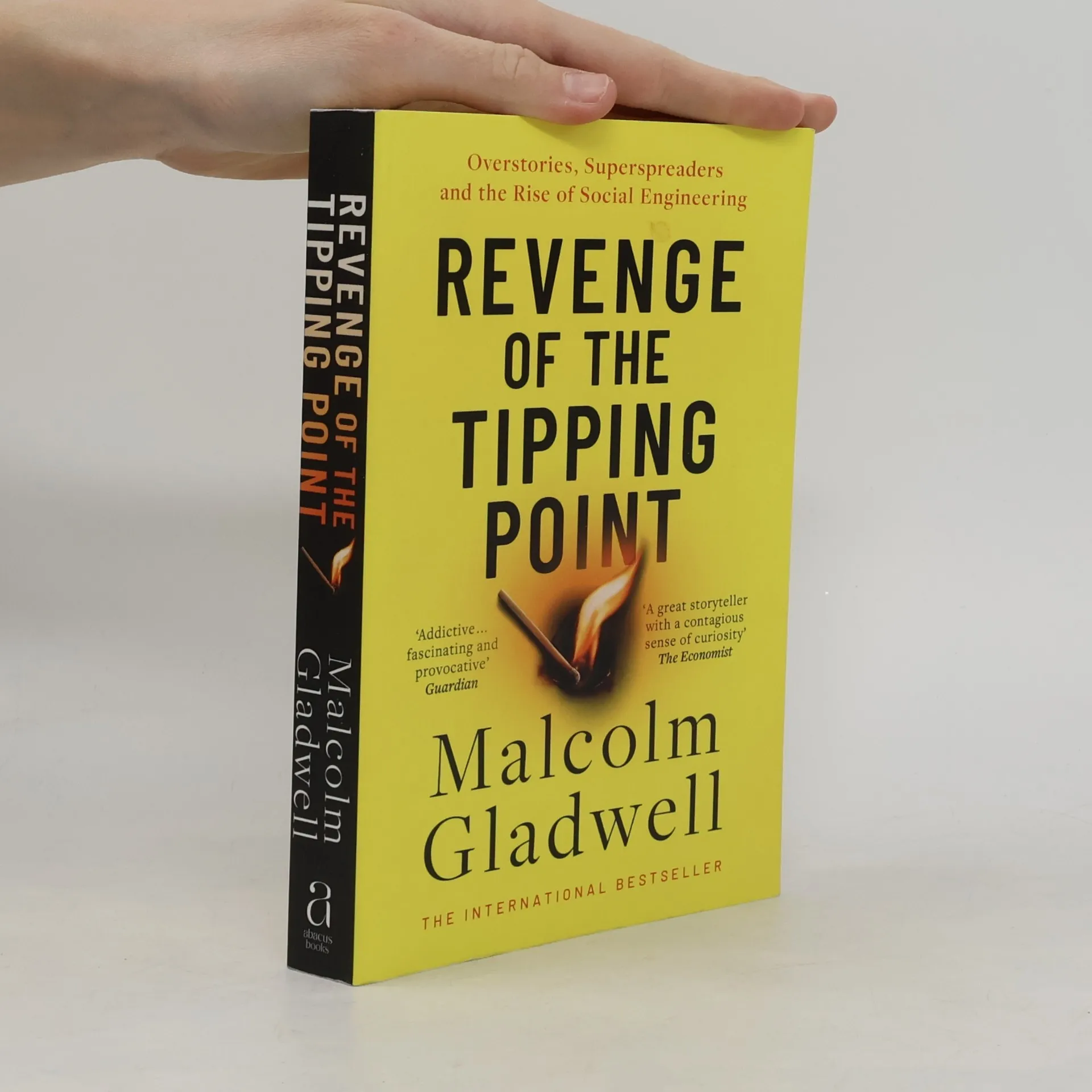
Revenge of the Tipping Point: Overstories, Superspreaders and the Rise of Social Engineering
- 368 pages
- 13 hours of reading
Revisiting the concepts from his influential first book, the author offers fresh insights that challenge and expand upon the original ideas. This new volume explores how social dynamics and cultural phenomena evolve over time, providing a deeper understanding of the mechanisms behind change and influence in society. Gladwell's latest work promises to engage readers with thought-provoking perspectives that resonate with contemporary issues.
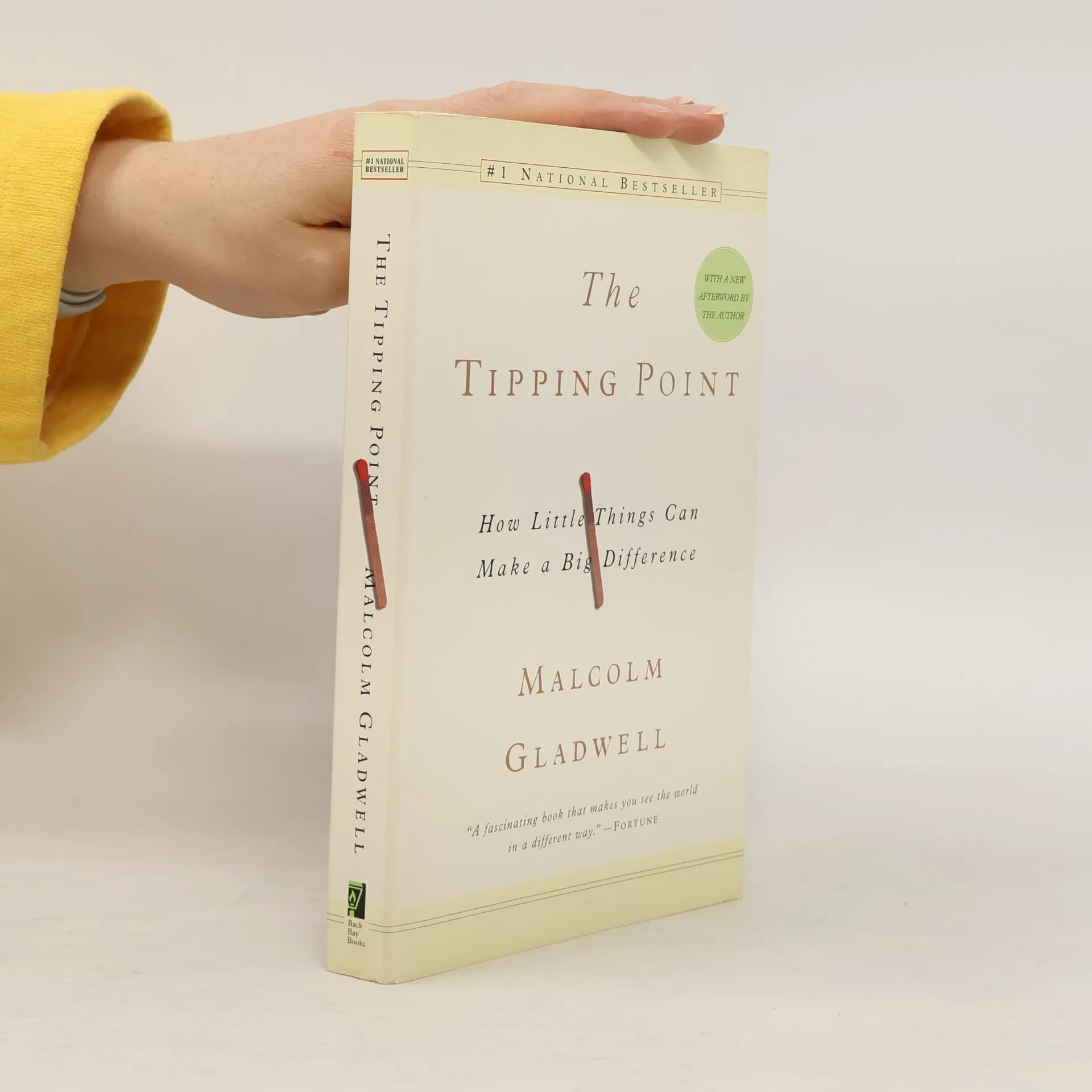
From the bestselling author of The Bomber Mafia: discover Malcolm Gladwell's breakthrough debut and explore the science behind viral trends in business, marketing, and human behavior.The tipping point is that magic moment when an idea, trend, or social behavior crosses a threshold, tips, and spreads like wildfire. Just as a single sick person can start an epidemic of the flu, so too can a small but precisely targeted push cause a fashion trend, the popularity of a new product, or a drop in the crime rate. This widely acclaimed bestseller, in which Malcolm Gladwell explores and brilliantly illuminates the tipping point phenomenon, is already changing the way people throughout the world think about selling products and disseminating ideas.
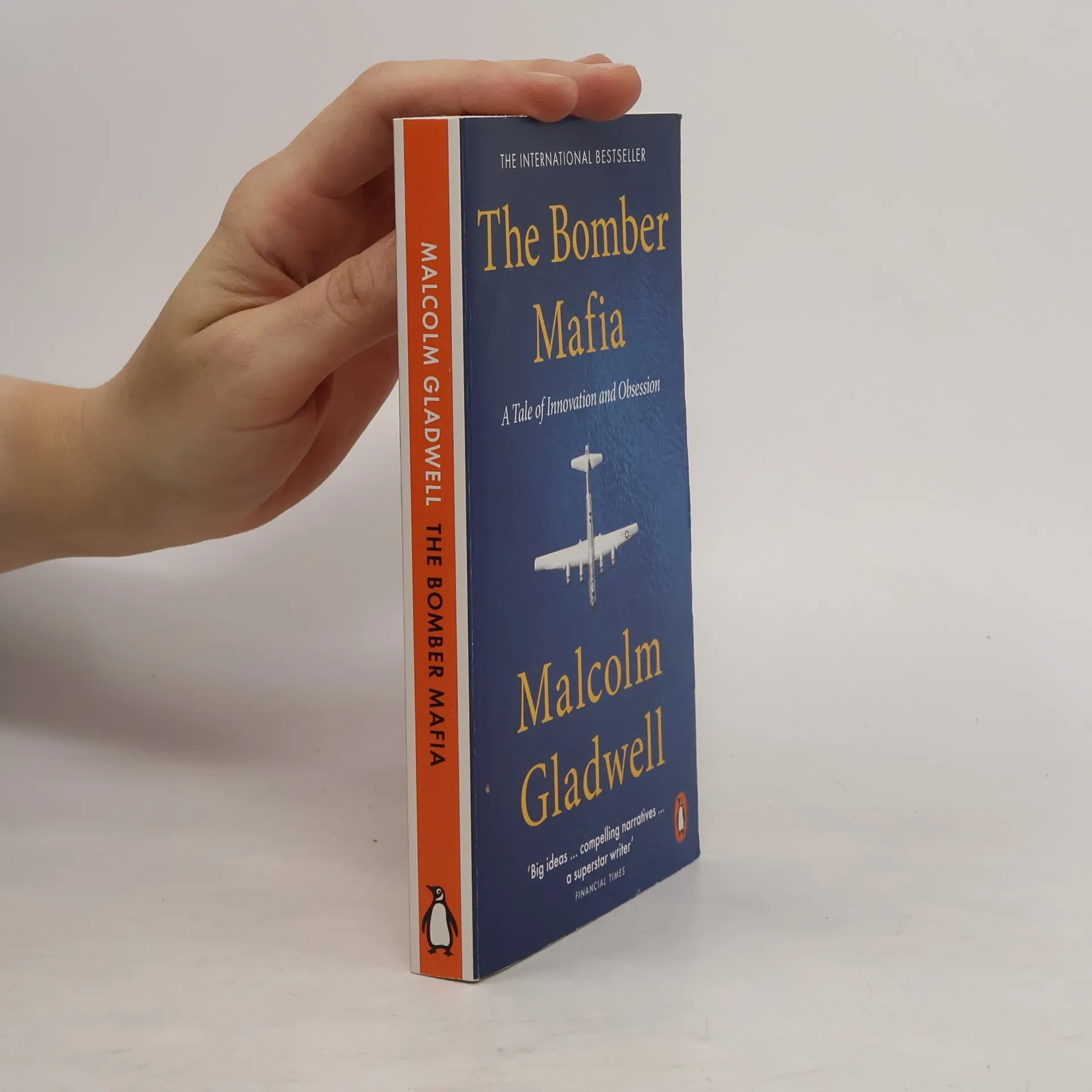
THE NEW YORK TIMES BESTSELLER 'A parable written for the age of technological disruption . . . brilliantly told' Sunday Times The international bestselling author returns with an exploration of one of the grandest obsessions of the twentieth century 'The Bomber Mafia is a case study in how dreams go awry. When some shiny new idea drops from the heavens, it does not land softly in our laps. It lands hard, on the ground, and shatters.' In the years before the Second World War, in a sleepy air force base in central Alabama, a small group of renegade pilots put forth a radical idea. What if we made bombing so accurate that wars could be fought entirely from the air? What if we could make the brutal clashes between armies on the ground a thing of the past? This book tells the story of what happened when that dream was put to the test. The Bomber Mafia follows the stories of a reclusive Dutch genius and his homemade computer, Winston Churchill's forbidding best friend, a team of pyromaniacal chemists at Harvard, a brilliant pilot who sang vaudeville tunes to his crew, and the bomber commander, Curtis Emerson LeMay, who would order the bloodiest attack of the Second World War. In this tale of innovation and obsession, Gladwell asks: what happens when technology and best intentions collide in the heat of war? And what is the price of progress?
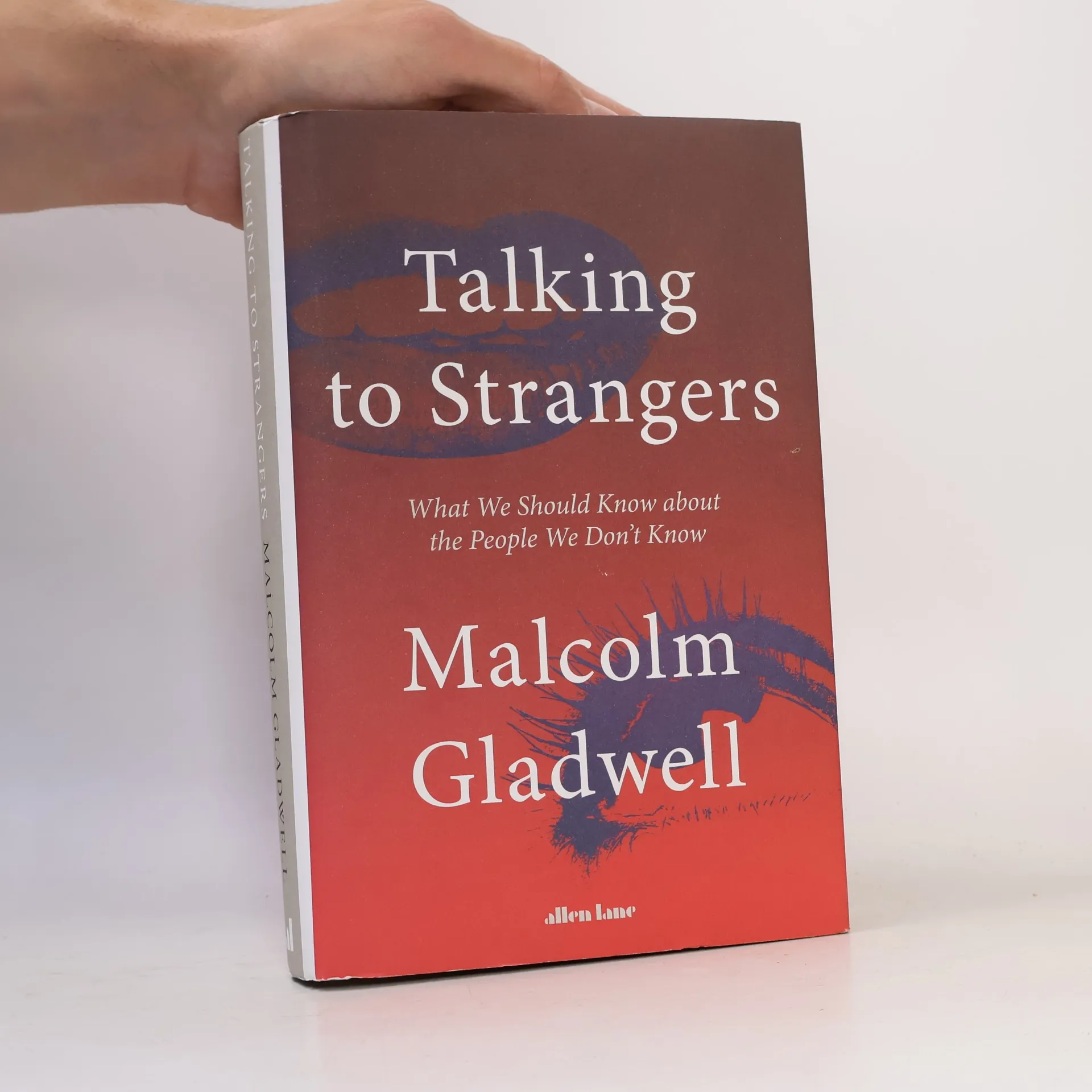
Talking to Strangers
- 320 pages
- 12 hours of reading
Through a series of encounters and misunderstandings - from history, psychology and infamous legal cases - Malcolm Gladwell takes us on an intellectual adventure into the darker side of human nature, where strangers are never simple and misreading them can have disastrous consequences
Psychology and the Real World
Essays Illustrating Fundamental Contributions to Society
- 288 pages
- 11 hours of reading
Psychology and the Real World: Essays Illustrating Fundamental Contributions to Society is a collection of brief, personal, original essays, ranging in length from 2500 to 3500 words, in which leading academic psychologists describe what their area of research has contributed to society. The authors are true stars in the field of psychology. Some of their work (for example, Elizabeth Loftus’s studies of false memories, Paul Ekman’s research on facial expression, and Eliot Aronson’s “jigsaw,” or cooperative, classroom studies) is well known to the public. The research of others is less familiar to nonspecialists, but no less fascinating. The book is unique the world of textbook ancillaries in that it does not reprint writings. Rather, innovative psychological scientists clearly and entertainingly tell readers why their research matters and how their line of inquiry developed. The concept for the book came from the FABBS Foundation, a nonprofit educational foundation that supports the work of 22 scholarly societies that span the cognitive, psychological, behavioral, and brain sciences.The authors have volunteered their contributions. These authors have agreed that all grants, advances, and royalties and other financial earnings from this volume will go to the FABBS Foundation to support their educational mission.
Intuition is often presented as the opposite of structured achievement. There are people who intuit the answer to a problem, and there are those who work it out the long and hard way. This distinction is false: intuitive facilities turn out to be gifts that are developed and educated by practice and experience.
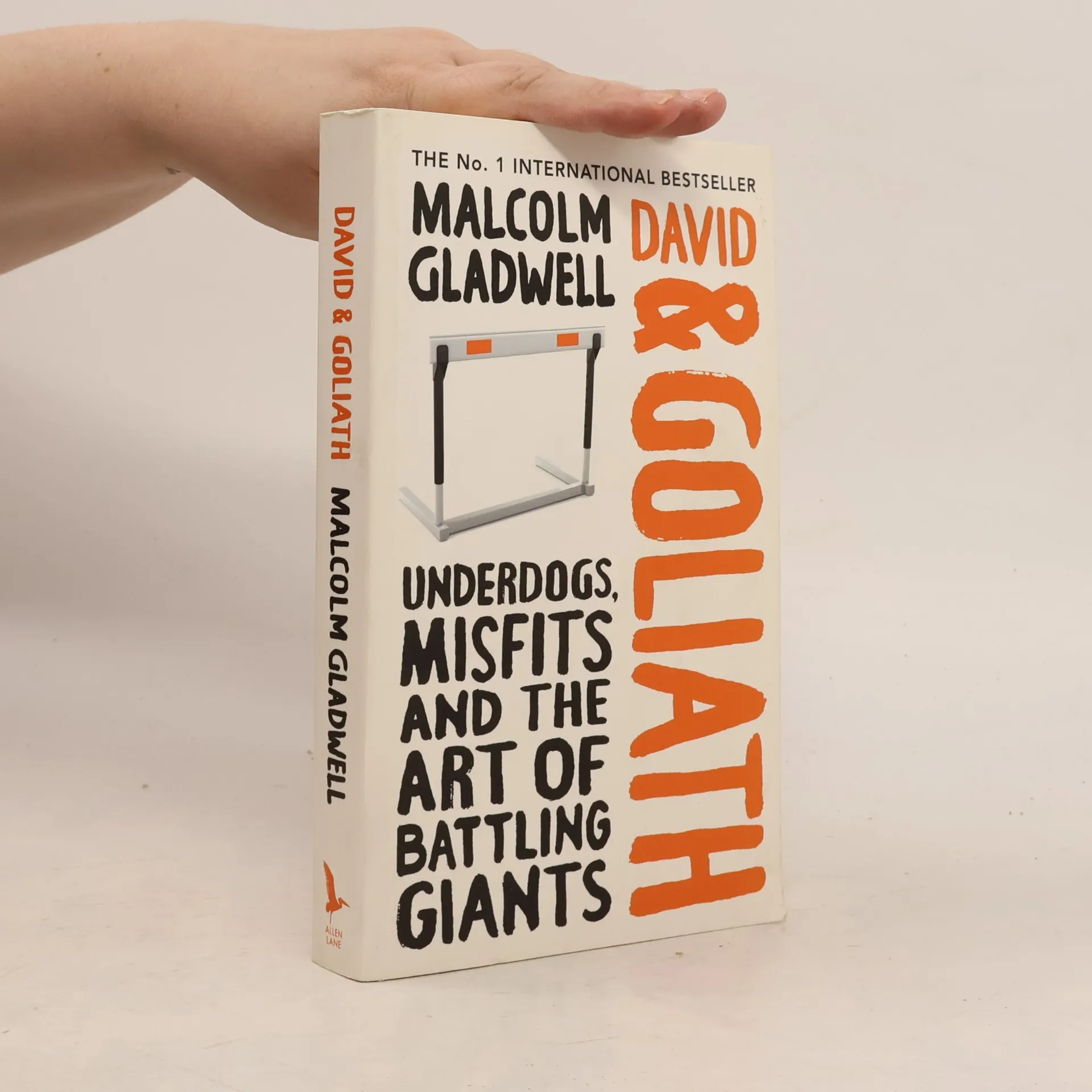
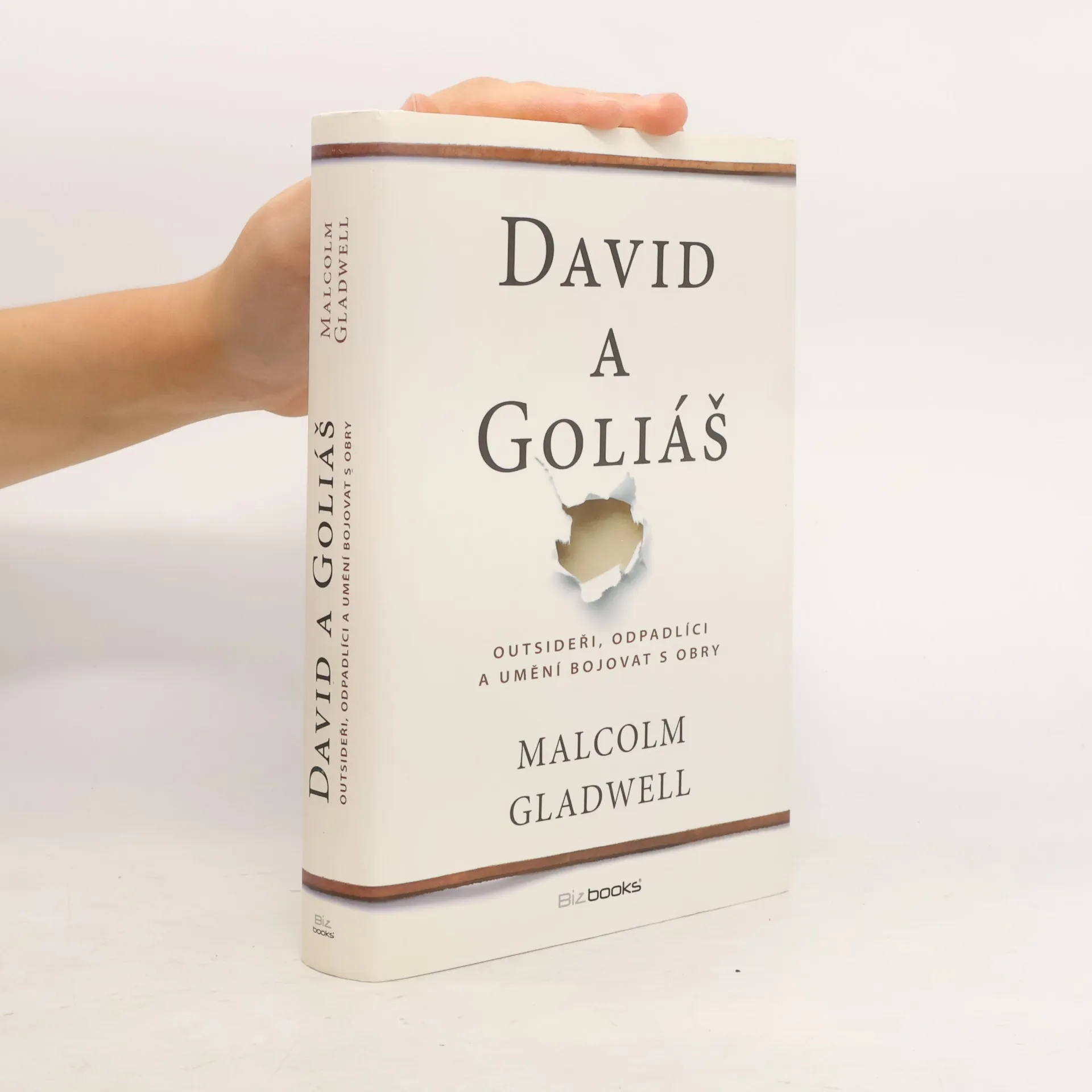
Why do underdogs succeed so much more than they should? How do the weak outsmart the strong? In David and GoliathMalcolm Gladwell takes us on a scintillating and surprising journey to uncover the hidden dynamics that shape the balance of power between the small and the mighty. From the conflict in Northern Ireland and Vietnam, through the tactics of civil rights leaders and the problem of privilege, Gladwell demonstrates how terribly we misunderstand the true meaning of advantage and disadvantage. When is a traumatic childhood a good thing? How can a disability leave someone better off? And do you really want your child to go to the best school he or she can get into? Drawing on the stories of remarkable underdogs, history, science, psychology and his unparalleled ability to make the connections other miss, David and Goliathis a brilliant, illuminating book that overturns conventional thinking, and brings home the incredible leverage of the unexpected.
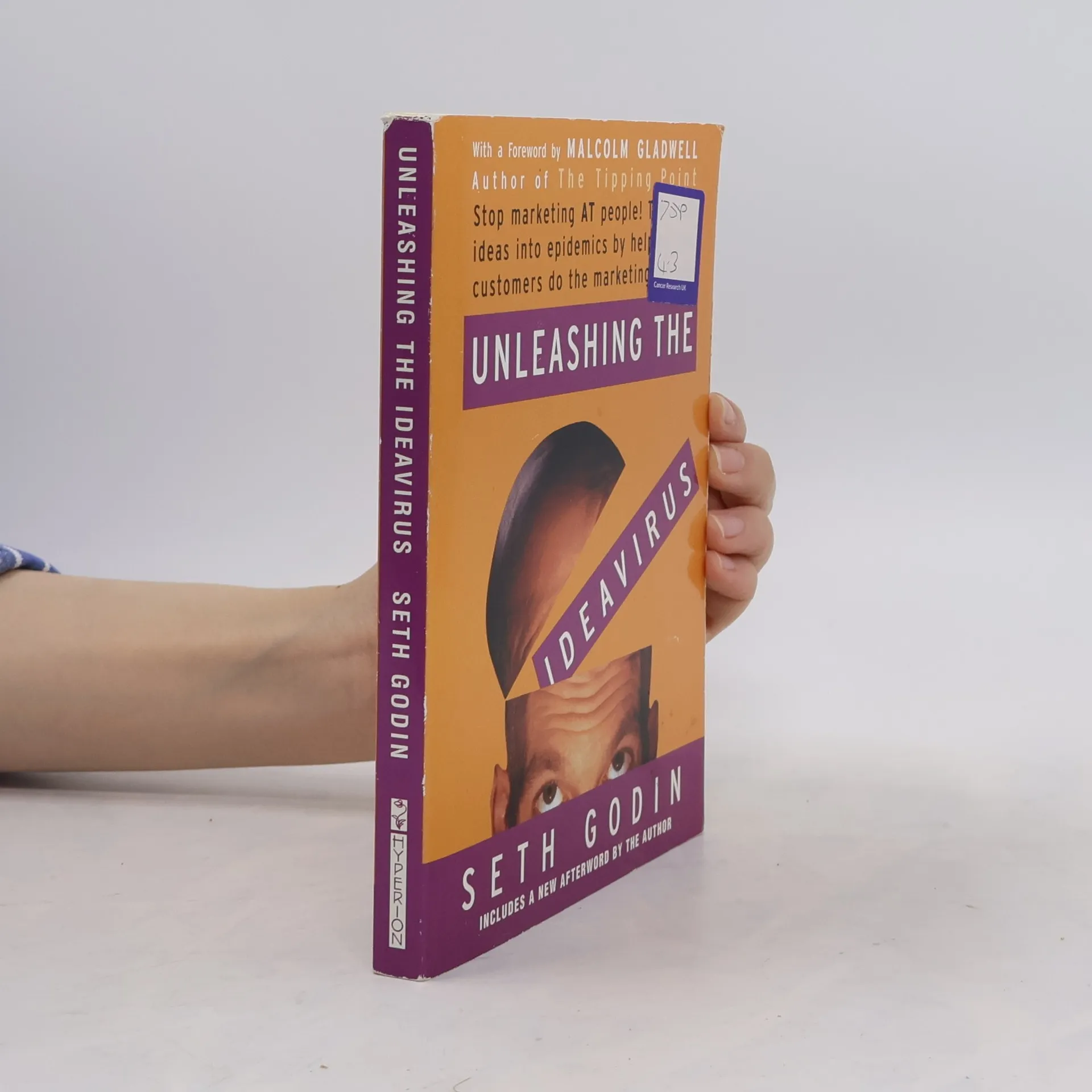
Unleashing the Ideavirus
Stop Marketing At People! Turn Your Ideas Into Epidemics By Helping Your Customers Do The Marketing Thing For You. - Includes A New Afterword By The Author
- 234 pages
- 9 hours of reading
The book that sparked a marketing revolution."This is a subversive book. It says that the marketer is not--and ought not to be--at the center of successful marketing. The customer should be. Are you ready for that?" --From the Foreword by Malcolm Gladwell, author of The Tipping Point.Counter to traditional marketing wisdom, which tries to count, measure, and manipulate the spread of information, Seth Godin argues that the information can spread most effectively from customer to customer, rather than from business to customer. Godin calls this powerful customer-to-customer dialogue the ideavirus, and cheerfully eggs marketers on to create an environment where their ideas can replicate and spread.In lively detail, Godin looks at the ways companies such as PayPal, Hotmail, GeoCities, even Volkswagen have successfully launched ideaviruses. He offers a "recipe" for creating your own ideavirus, identifies the key factors in the successful spread of an ideavirus (powerful sneezers, hives, a clear vector, a smooth, friction-free transmission), and shows how any business, large or small, can use ideavirus marketing to succeed in a world that just doesn't want to hear it anymore from the traditional marketers.
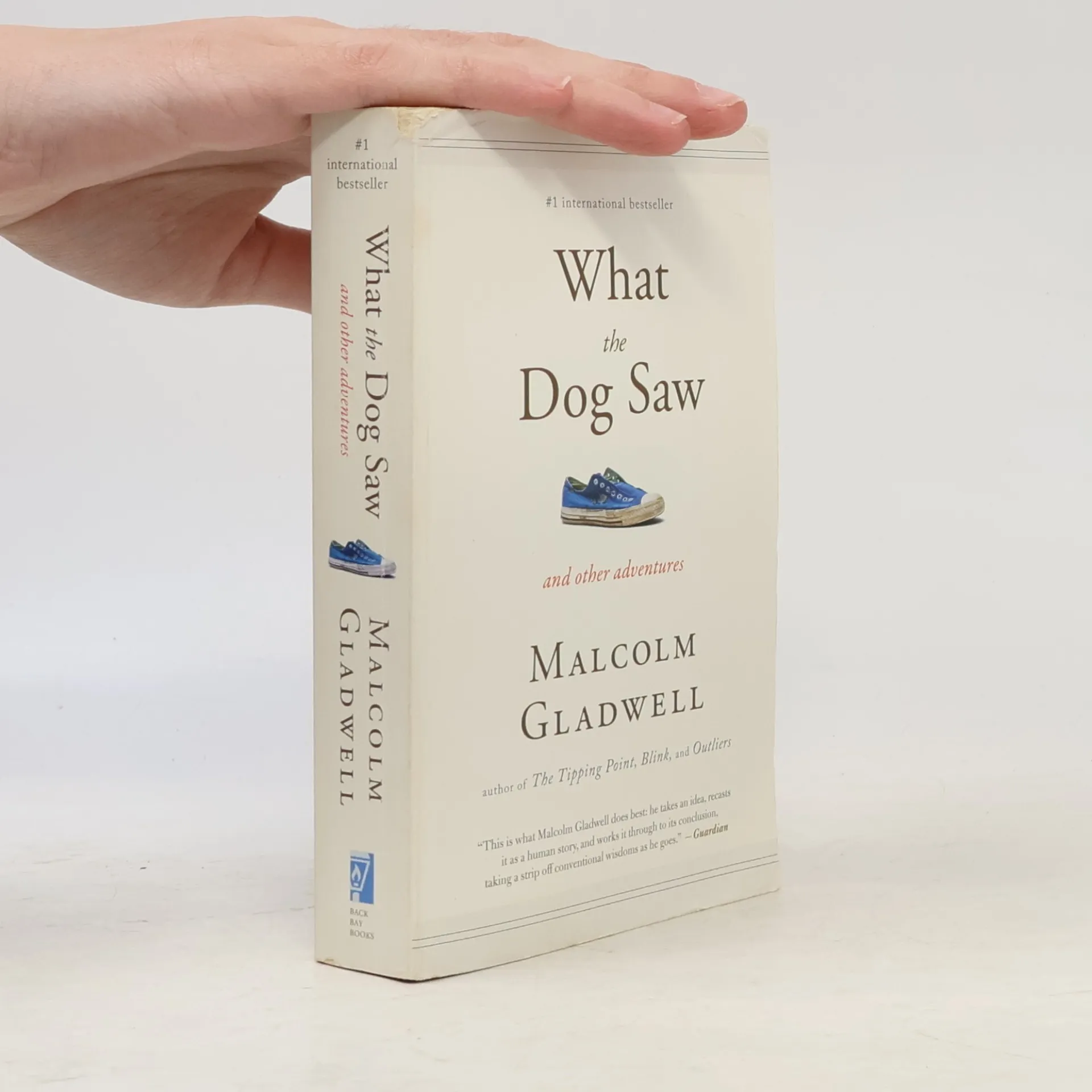
What the Dog saw
- 503 pages
- 18 hours of reading
Brings together, for the first time, the best of Gladwell's writing from "The""New Yorker" in the past decade, including: the bittersweet tale of the inventor of the birth control pill; the dazzling inventions of the pasta sauce pioneer Howard Moscowitz; spotlighting Ron Popeil, the king of the American kitchen; and the secrets of Cesar Millan, the "dog whisperer." Gladwell also explores intelligence tests, ethnic profiling and "hindsight bias," and why it was that everyone in Silicon Valley once tripped over themselves to hire the same college graduate.
From the former editor of Slate and CEO of Atlas Obscura comes the unbelievable story of “the Nobel Prize sperm bank” and the children it produced—“a superb book about the quest for genius and, ultimately, family” (Malcolm Gladwell). NAMED ONE OF THE BEST BOOKS OF THE YEAR BY ROCKY MOUNTAIN NEWS. The Repository for Germinal Choice, known as “the Nobel Prize sperm bank,” opened in 1980 and attracted women nationwide seeking donors from a roster of Nobel laureates, mathematical prodigies, and successful figures. However, it closed in 1999, leaving its founder deceased, records sealed, and the fate of its offspring and donors uncertain. Award-winning columnist David Plotz embarks on a journey across the country, uncovering the astonishing story of the sperm bank and its founder’s radical vision. Praise for the work includes remarks on its wit, pathos, and insight, noting Plotz’s multifaceted role as narrator, ethnographer, and social critic. Critics highlight its engaging narrative, describing it as blithe, smart, and filled with unexpected emotional depth. The work is characterized as not only curious but also useful, with a blend of tension, humor, and touching moments, making it both readable and eye-opening.
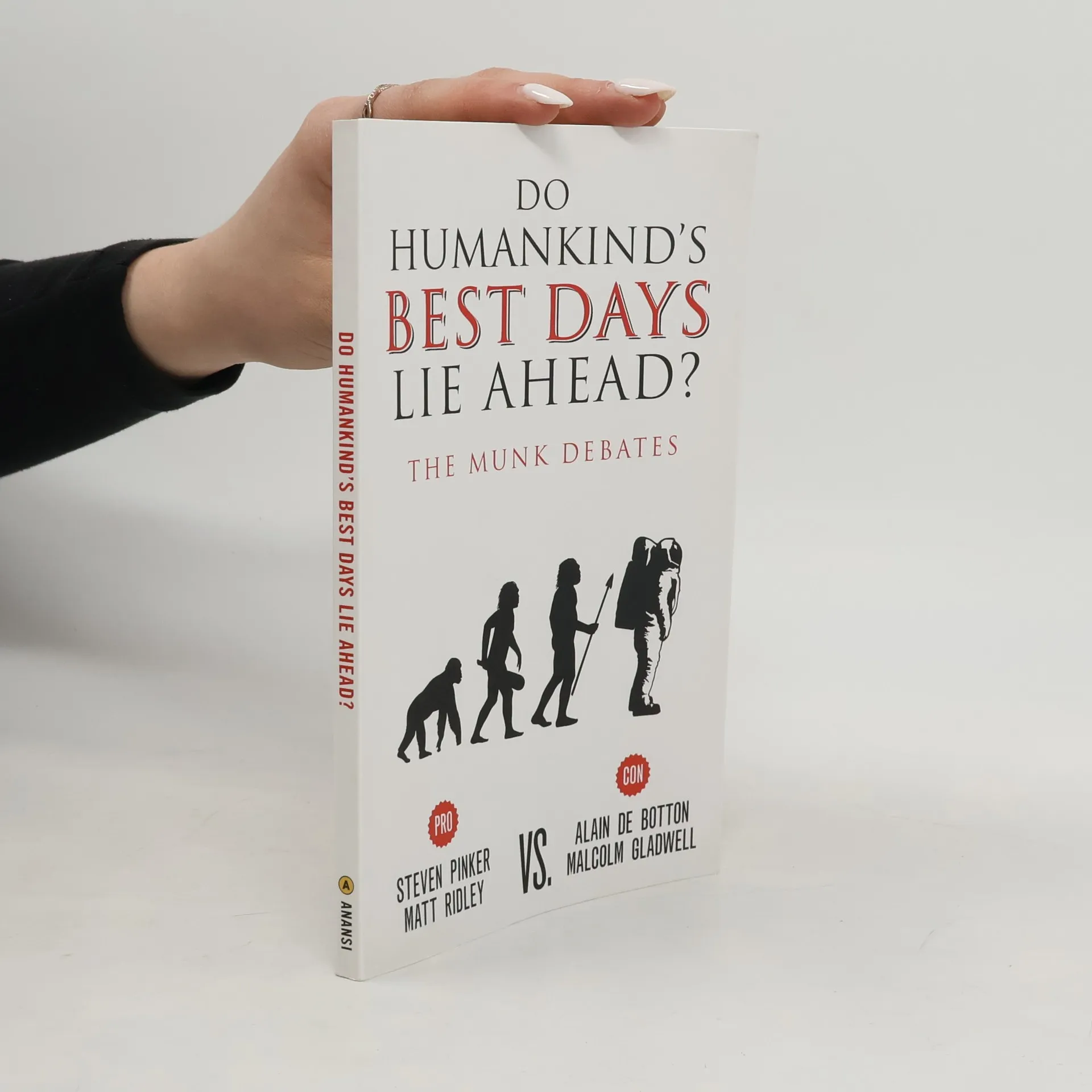
Do Humankind's Best Days Lie Ahead?: The Munk Debates
- 128 pages
- 5 hours of reading
"Progress. It is one of the animating concepts of the modern era. From the Enlightenment onwards, the West has had an enduring belief that through the evolution of institutions, innovations, and ideas, the human condition is improving. This process is supposedly accelerating as new technologies, individual freedoms, and the spread of global norms empower individuals and societies around the world. But is progress inevitable? Its critics argue that human civilization has become different, not better, over the last two and a half centuries. What is seen as a breakthrough or innovation in one period becomes a setback or limitation in another. In short, progress is an ideology not a fact; a way of thinking about the world as opposed to a description of reality. In the seventeenth semi-annual Munk Debates, which was held in Toronto on November 6, 2015, pioneering cognitive scientist Steven Pinker and best-selling author Matt Ridley squared off against noted philosopher Alain de Botton and best-selling author Malcolm Gladwell to debate whether humankind's best days lie ahead, "--Amazon.com.
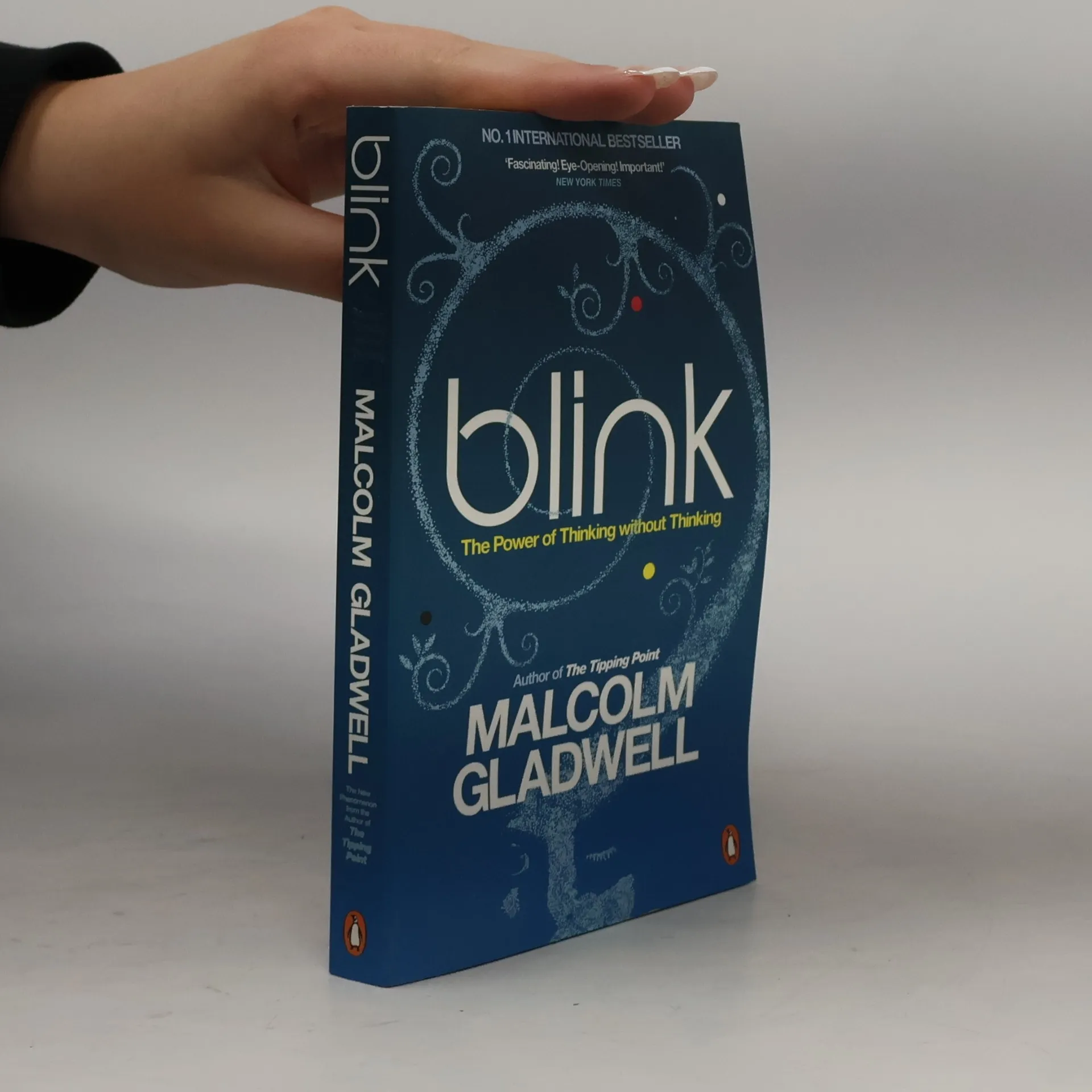
Ein Kunstexperte sieht eine 10 Millionen Dollar teure Skulptur und erkennt sofort, dass sie eine Fälschung ist. Ein Psychologe weiß innerhalb von Minuten, ob ein Paar zusammenbleiben wird. Ein Feuerwehrmann in einem brennenden Gebäude »spürt« plötzlich, dass er sofort raus muss. In diesem Buch geht es um diese Momente, in denen wir etwas »wissen«, ohne zu wissen, warum. Der Bestsellerautor Malcolm Gladwell erforscht das Phänomen dieser »Blink«-Momente und zeigt, dass ein schnelles Urteil oft weitaus effektiver sein kann als eine vorsichtige Entscheidung. Wenn Sie Ihrem Instinkt vertrauen, so zeigt er, werden Sie nie wieder auf dieselbe Art und Weise denken. Denn wie wir denken, ohne zu denken, erklärt, warum manche Menschen brillante Entscheider sind, während andere nahezu immer danebenliegen. »Blink« veranschaulicht, dass die besten Entscheider nicht diejenigen sind, die am meisten Informationen verarbeiten oder die längste Zeit mit Überlegungen verbringen, sondern diejenigen, welche die Kunst des »thin-slicing« perfektioniert haben – das Herausfiltern der wenigen Faktoren, die wirklich wichtig sind, aus einer überwältigenden Anzahl von Variablen.
Как часто, начав одно дело, вы отвлекались на что-то более интересное или простое и в результате забрасывали его? Сколько раз вы говорили себе, что будете уходить с работы ровно в 7, чтобы поцеловать сына или дочку до того, как они пойдут спать, а потом винили себя за то, что и в этот раз не вышло? Очень часто причина неудач - всего лишь недостаток сосредоточенности, то есть неумение навести и удерживать фокус на поставленной цели. Десятки работ написаны о важности целеполагания. Авторы этой книги могут помочь вам сделать достижение цели… привычкой! Тогда из трудной задачи «фокусировка на цели» превратится в знакомое, вполне посильное и регулярное действие, а результат не заставит себя ждать. А попутно вы узнаете о силе наших привычек, поймете, как воспитать новые полезные привычки и с их помощью наладить не только работу, но и личную жизнь.
Гении и аутсайдеры. Почему одним всё, а другим ничего? (мягк.обл.)
- 288 pages
- 11 hours of reading
Jak myslet bez přemýšlení. Mžik je o jednom prostém faktu: Velmi rychlá a leckdy zdánlivě neuvážená rozhodnutí mohou být stejně dobrá jako rozhodnutí opatrná a rozvážná. Není totiž důležité mít co nejvíce informací, ale vybrat si ty podstatné. Schopnost mít jasno již v prvních dvou sekundách nebývá podle autora knihy Malcolma Gladwella žádným darem shůry, kterým disponuje pár šťastlivců. Je to schopnost, kterou v sobě může vypěstovat každý z nás. Čtenáři velmi oblíbený americký novinář v knize podrobně zkoumá momenty našeho instinktivního rozhodování a popisuje, co se děje v mozku, když se musíme rychle rozhodnout, ale nemáme čas přemýšlet. Rychlá rozhodnutí autor demonstruje na skutečných příbězích někdy i se špatným koncem. Ten mívají obvykle na svědomí rozhodnutí učiněná na základě předsudků či zavedených stereotypů.
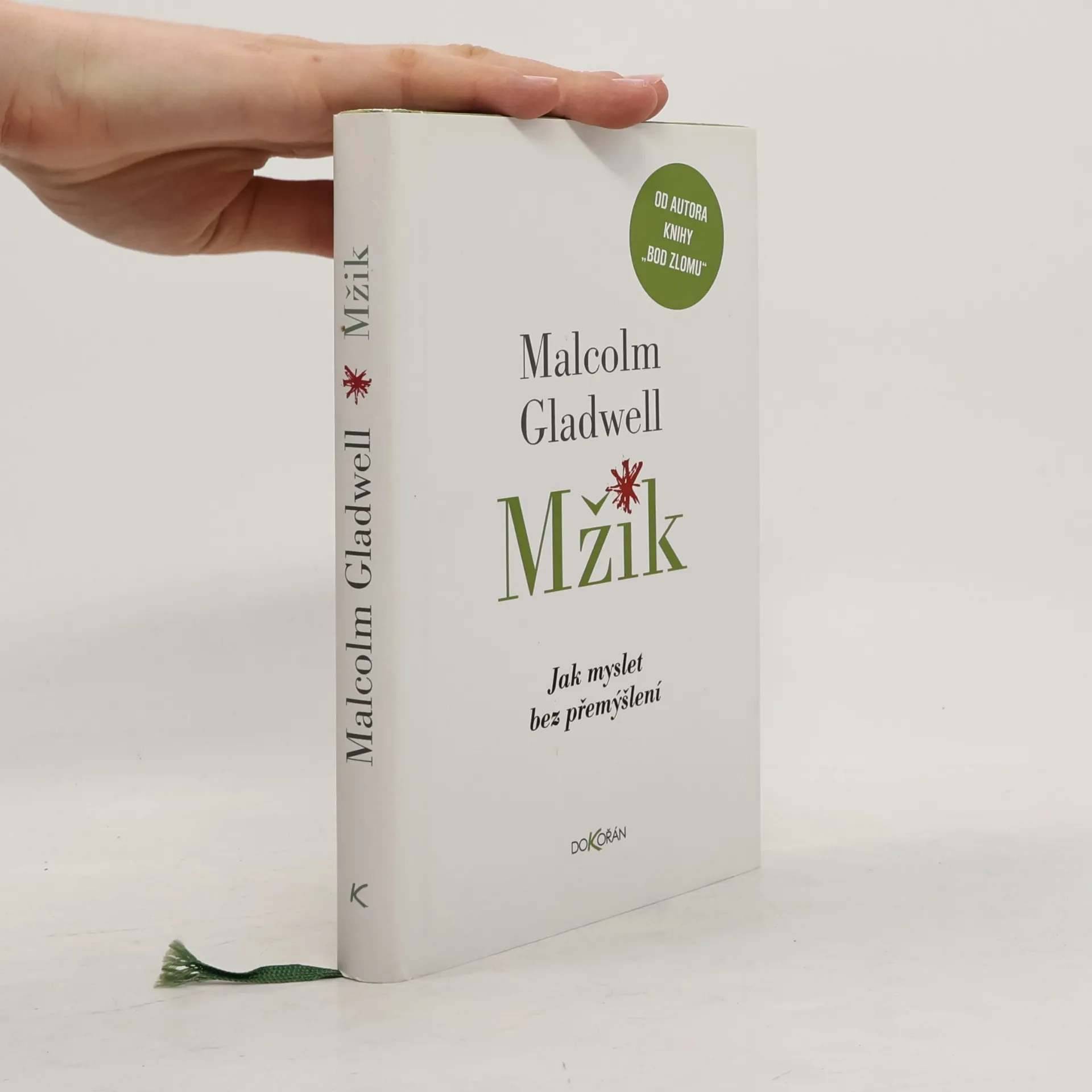
Mžik: Jak myslet bez přemýšlení
- 246 pages
- 9 hours of reading
Jak myslet bez přemýšlení Zdánlivě nevědomou schopnost bleskového rozhodnutí lze kultivovat a může se jí naučit každý. Na příkladech ze života lidí různých profesí autor čtivou formou ukazuje sílu i úskalí instinktivních rozhodnutí a přibližuje složité myšlenkové procesy, které za nimi stojí. Opírá se přitom o experimenty a výzkumy, které dokládají, jak pracuje ta část mozku, nazývaná adaptivní nevědomí. Studium těchto procesů je novým oborem psychologie. Mžikem, tedy v prvních dvou vteřinách učiněné rozhodnutí, je v nevědomí dokončeno dlouho před tím, než si ho připustíme vědomě. Přitom může být stejně dobré jako rozhodnutí učiněné opatrně a rozvážně. Chceme-li být při rozhodování úspěšní, musíme škrtat, vyloučit méně důležité informace a znát své vlastní myšlení.
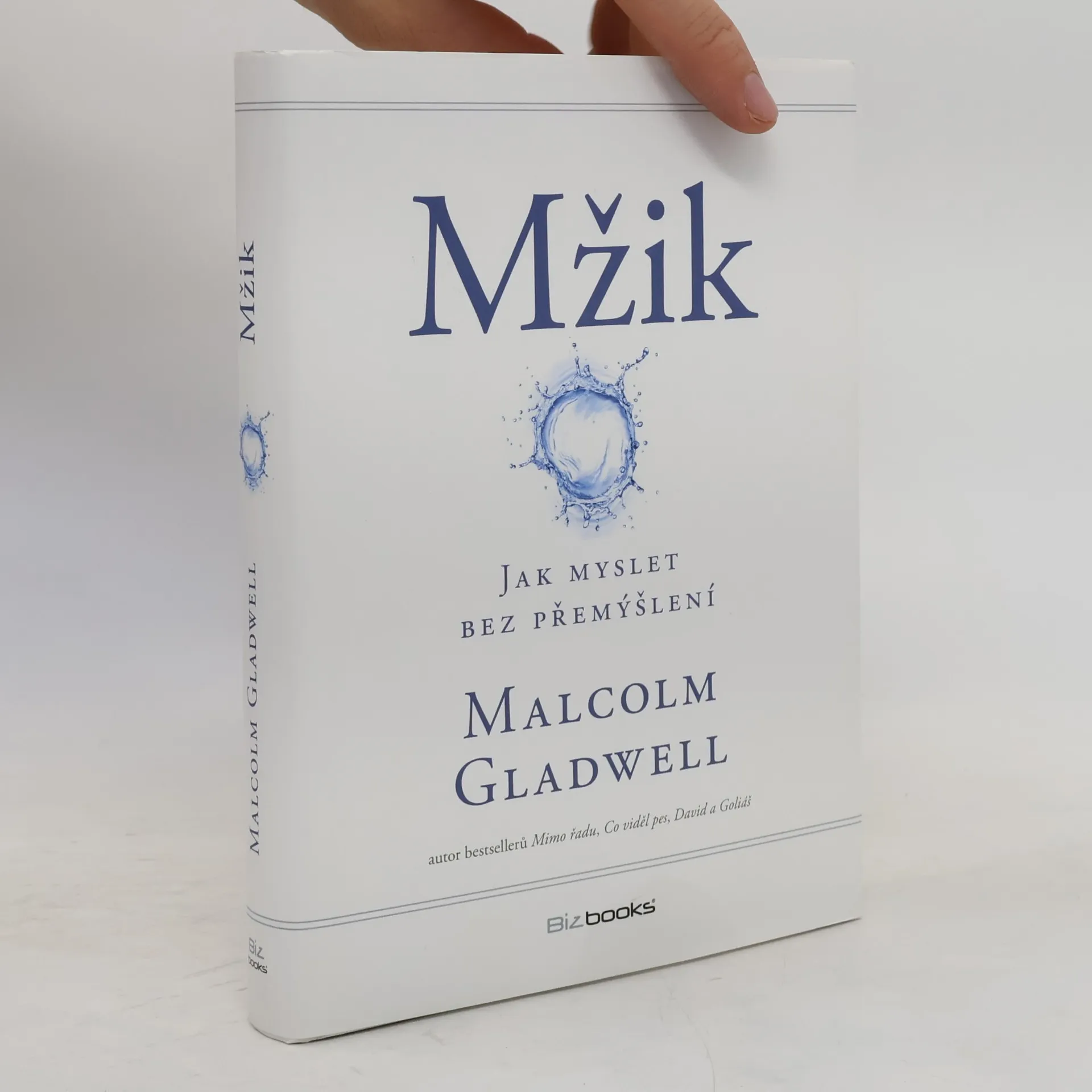
Mžik
- 248 pages
- 9 hours of reading
Co se děje v našem mozku, když se musíme rychle rozhodnout a nemáme čas přemýšlet? Jak je možné, že znalec umění rozpozná na první pohled padělek, který neodhalily komplikované testy? Jak se stane, že vycvičení policisté zabijí v přestřelce nevinného člověka, protože ho považovali za zločince? Můžeme se spoléhat na stereotypy, anebo nás zradí? Momenty našeho instinktivního rozhodování zkoumá ve své nejnovější knize Mžik americký novinář Malcolm Gladwell. Ukazuje, že není důležité mít co nejvíce informací, ale vybrat si ty podstatné.
David a Goliáš. Outsideři, odpadlíci a umění bojovat s obry
- 304 pages
- 11 hours of reading
Malcolm Gladwell ve své nejnovější knize zpochybňuje naše obvyklé vnímání toho, co je překážka a co naopak nevýhoda. Zároveň nabízí novou interpretaci faktů, co pro člověka znamená trpět dyslexií, chodit do prestižní školy, přijít v dětství o rodiče nebo čelit diskriminaci.Vychází z biblické legendy o Davidu a Goliášovi a zavede nás znovu na bitevní pole ve staré Palestině. Také ale na příbězích z nedávné doby ukazuje, jak mohou obyčejní lidé čelit Goliášům nejrůznějšího druhu.