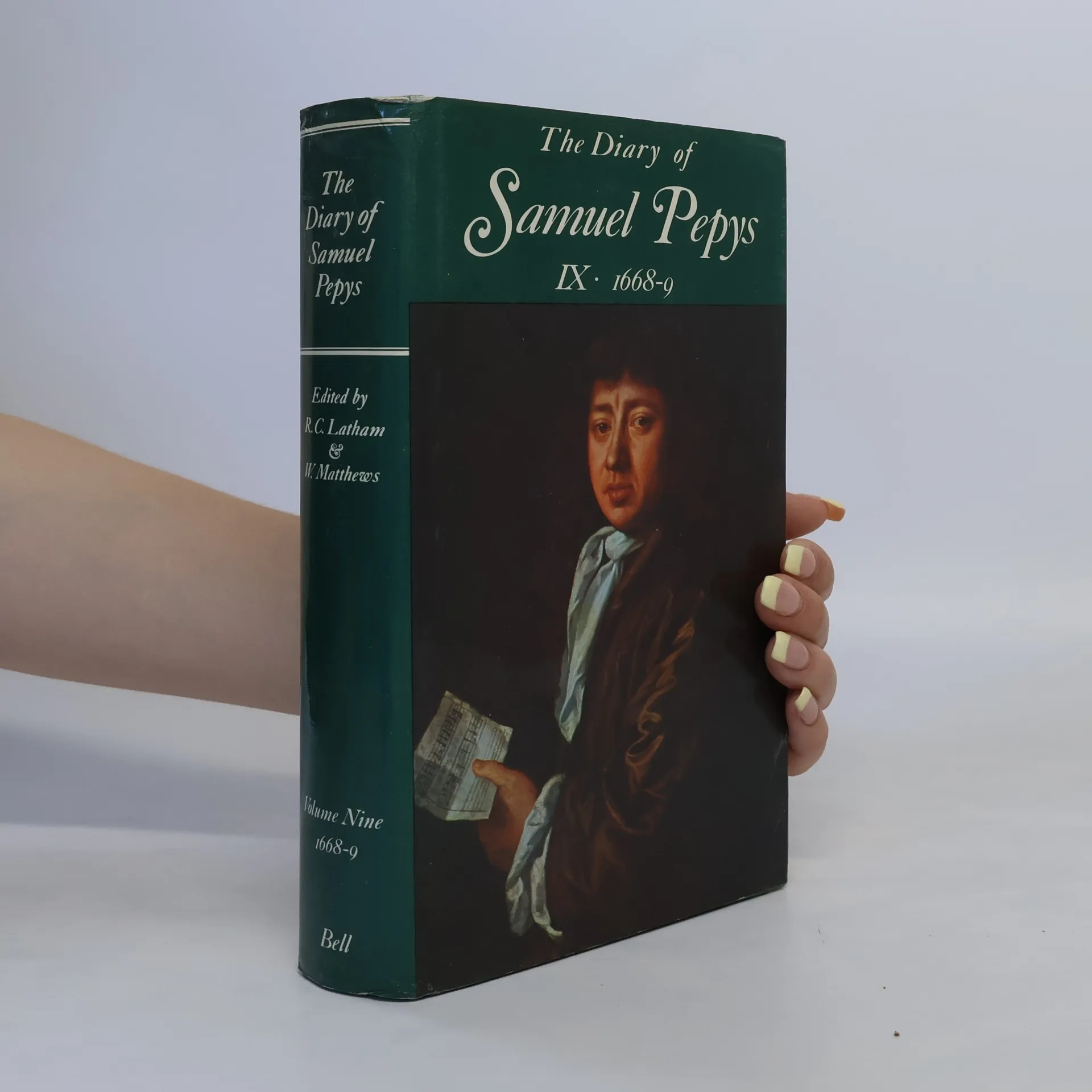
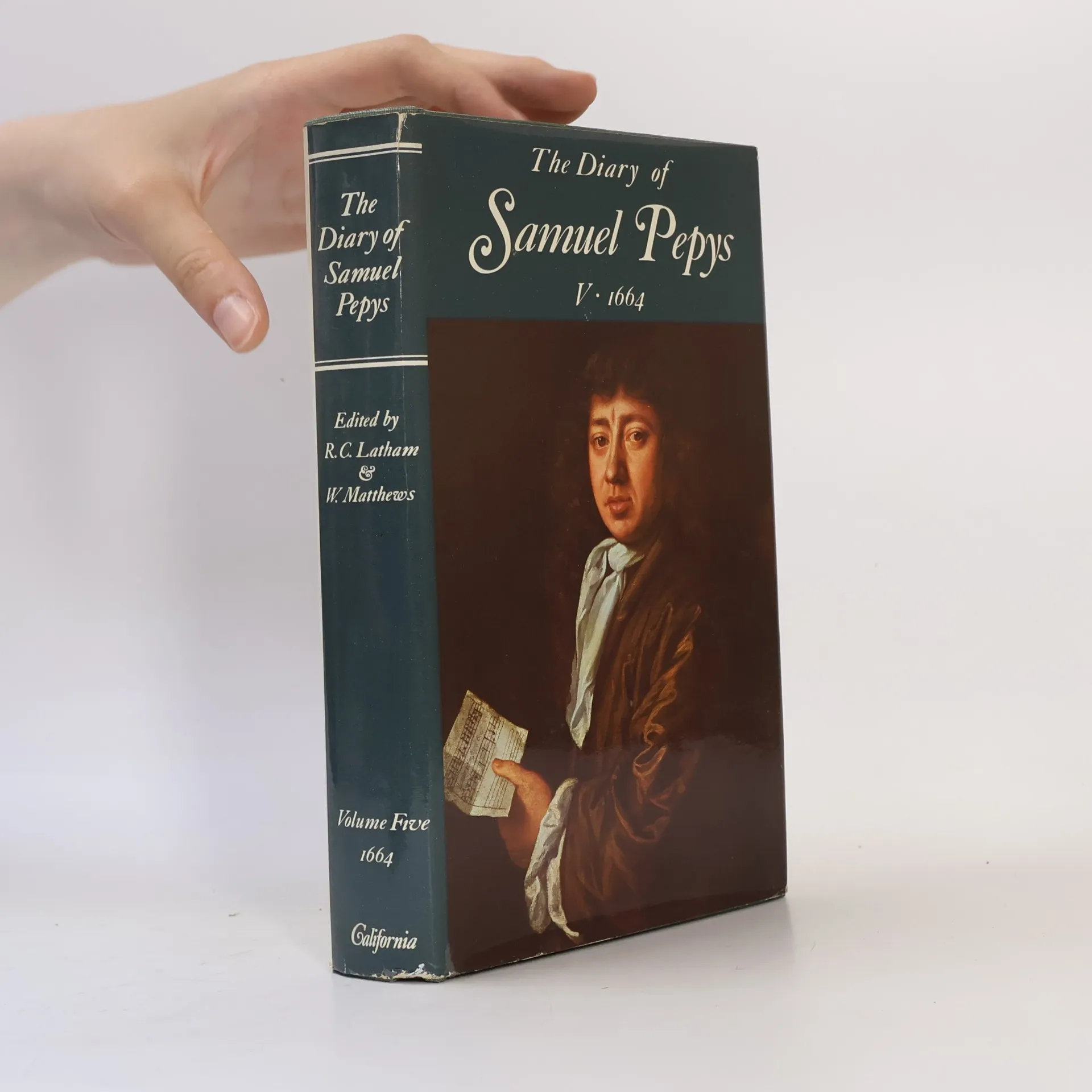
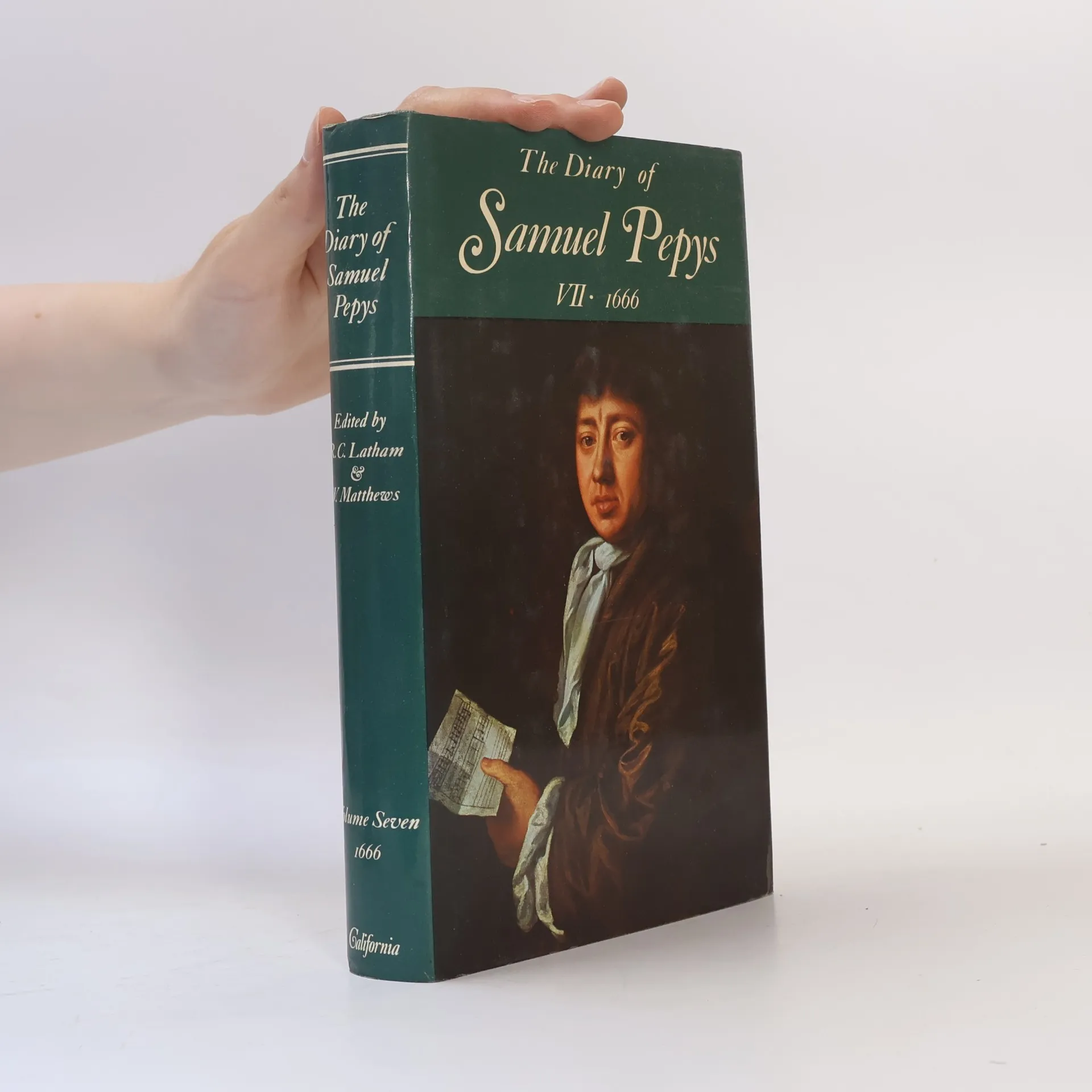
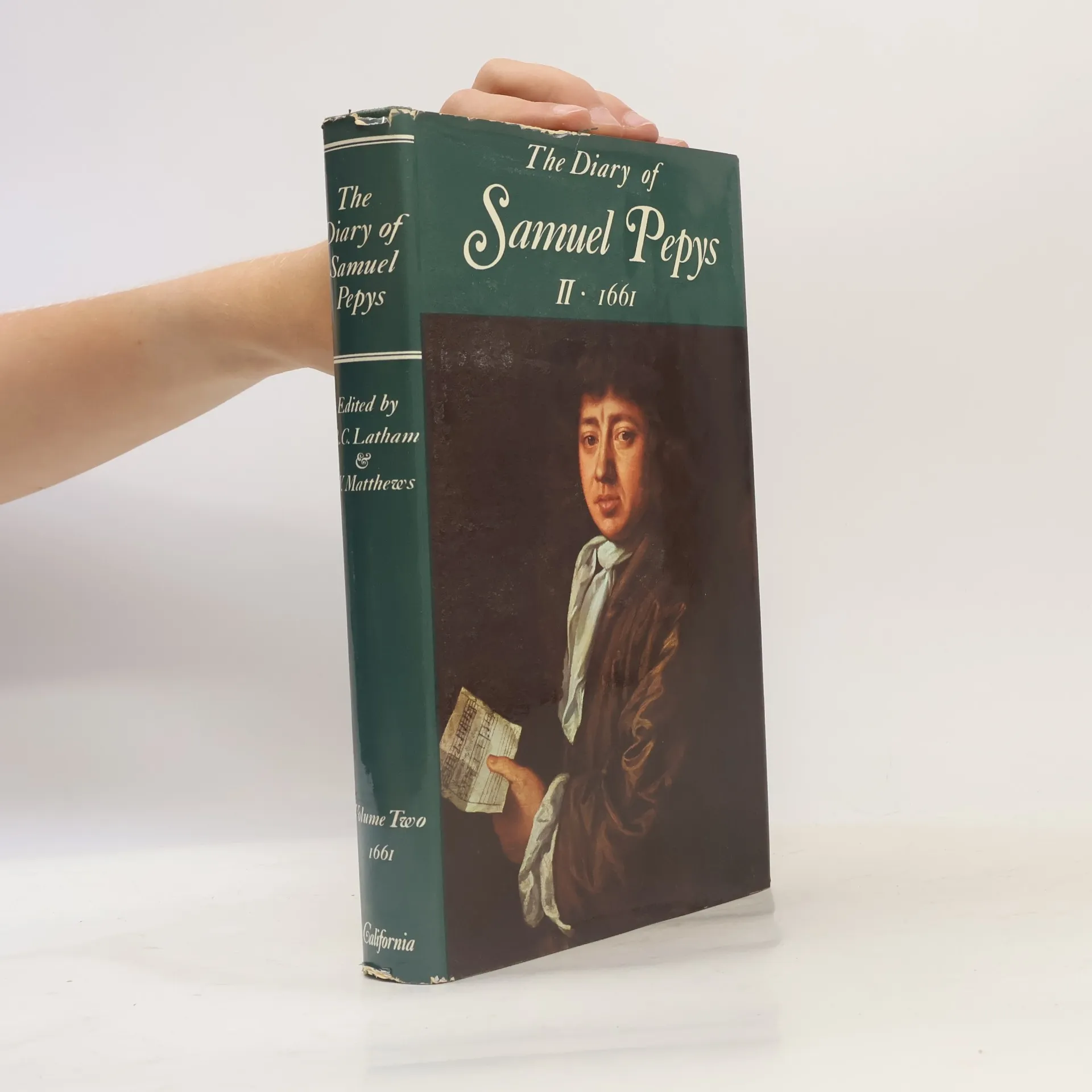
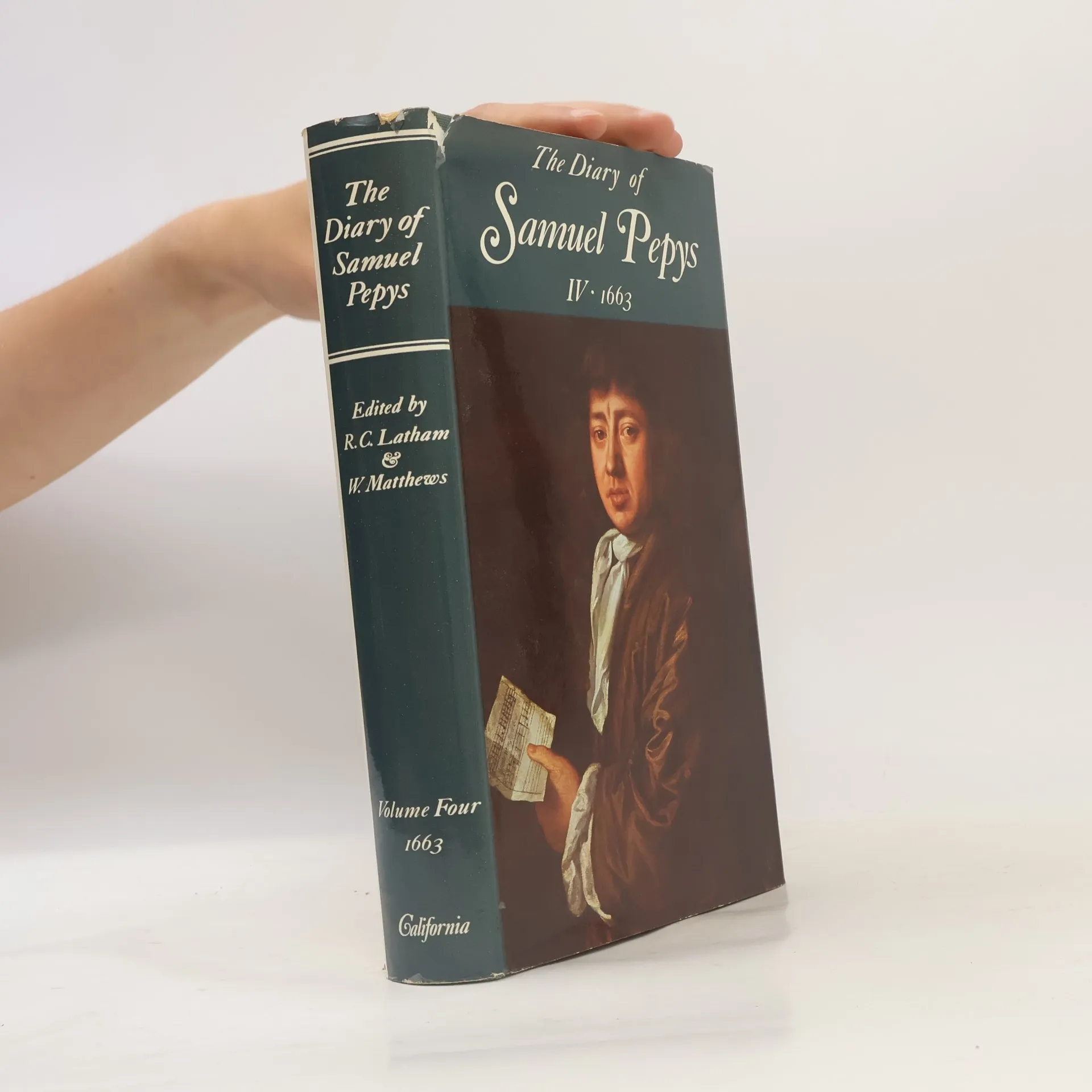
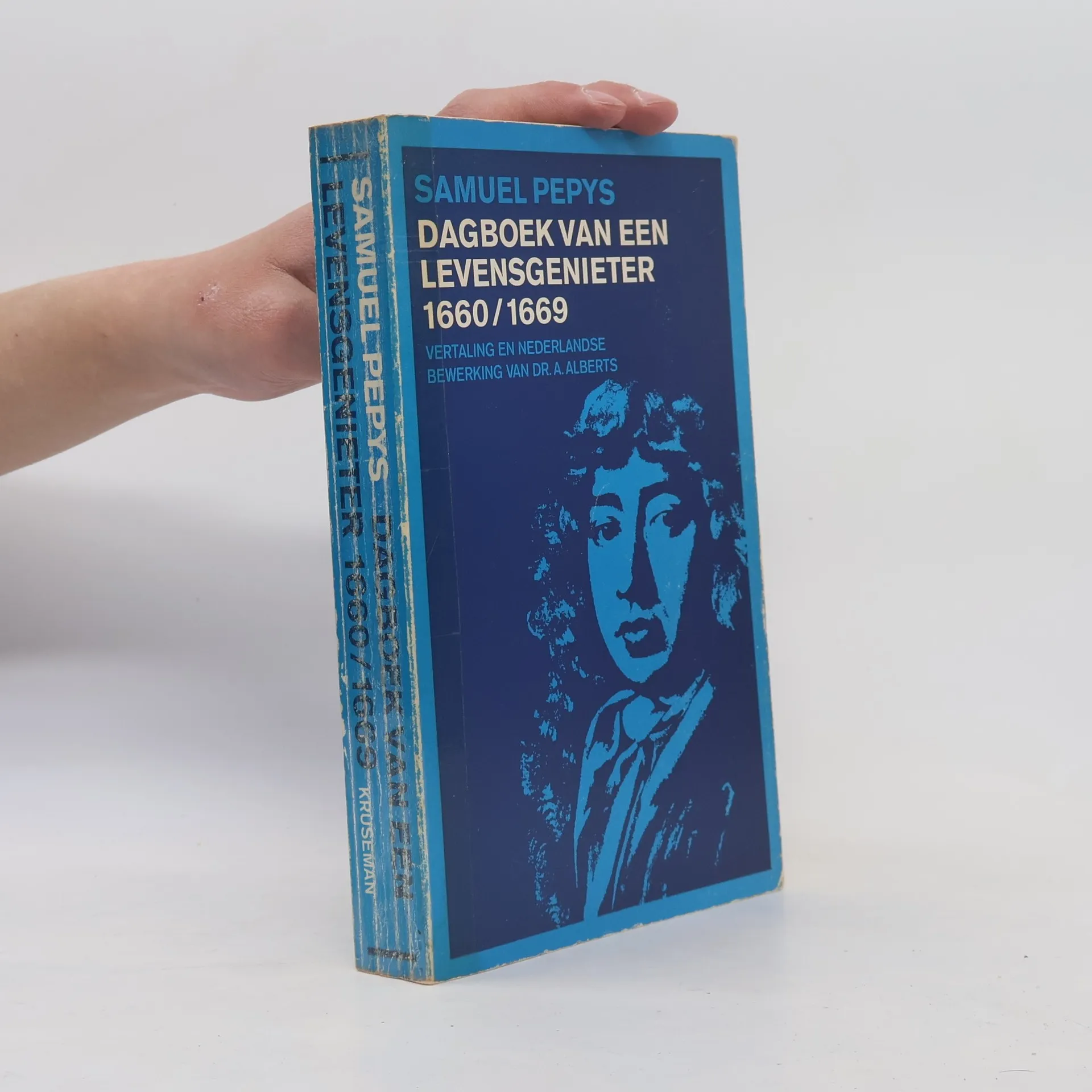
Samuel Pepys is as much a paragon of literature as Chaucer and Shakespeare. His Diary is one of the principal sources for many aspects of the history of its period. In spite of its significance, all previous editions were inadequately edited and suffered from a number of omissions—until Robert Latham and William Matthews went back to the 300-year-old original manuscript and deciphered each passage and phrase, no matter how obscure or indiscreet. The Diary deals with some of the most dramatic events in English history. Pepys witnessed the London Fire, the Great Plague, the Restoration of Charles II, and the Dutch Wars. He was a patron of the arts, having himself composed many delightful songs and participated in the artistic life of London. His flair for gossip and detail reveals a portrait of the times that rivals the most swashbuckling and romantic historical novels. In none of the earlier versions was there a reliable, full text, with commentary and notation with any claim to completeness. This edition, first published in 1970, is the first in which the entire diary is printed with systematic comment. This is the only complete edition available; it is as close to Pepys’s original as possible.
Samuel Pepys Books
Samuel Pepys was an English naval administrator and Member of Parliament, now most celebrated for his diary. The detailed private diary he kept from 1660–1669 was first published in the nineteenth century and remains a crucial primary source for the English Restoration period. It offers a unique blend of personal revelation alongside eyewitness accounts of monumental events like the Great Plague, the Second Dutch War, and the Great Fire of London. His influence and reforms at the Admiralty were instrumental in the early professionalization of the Royal Navy.

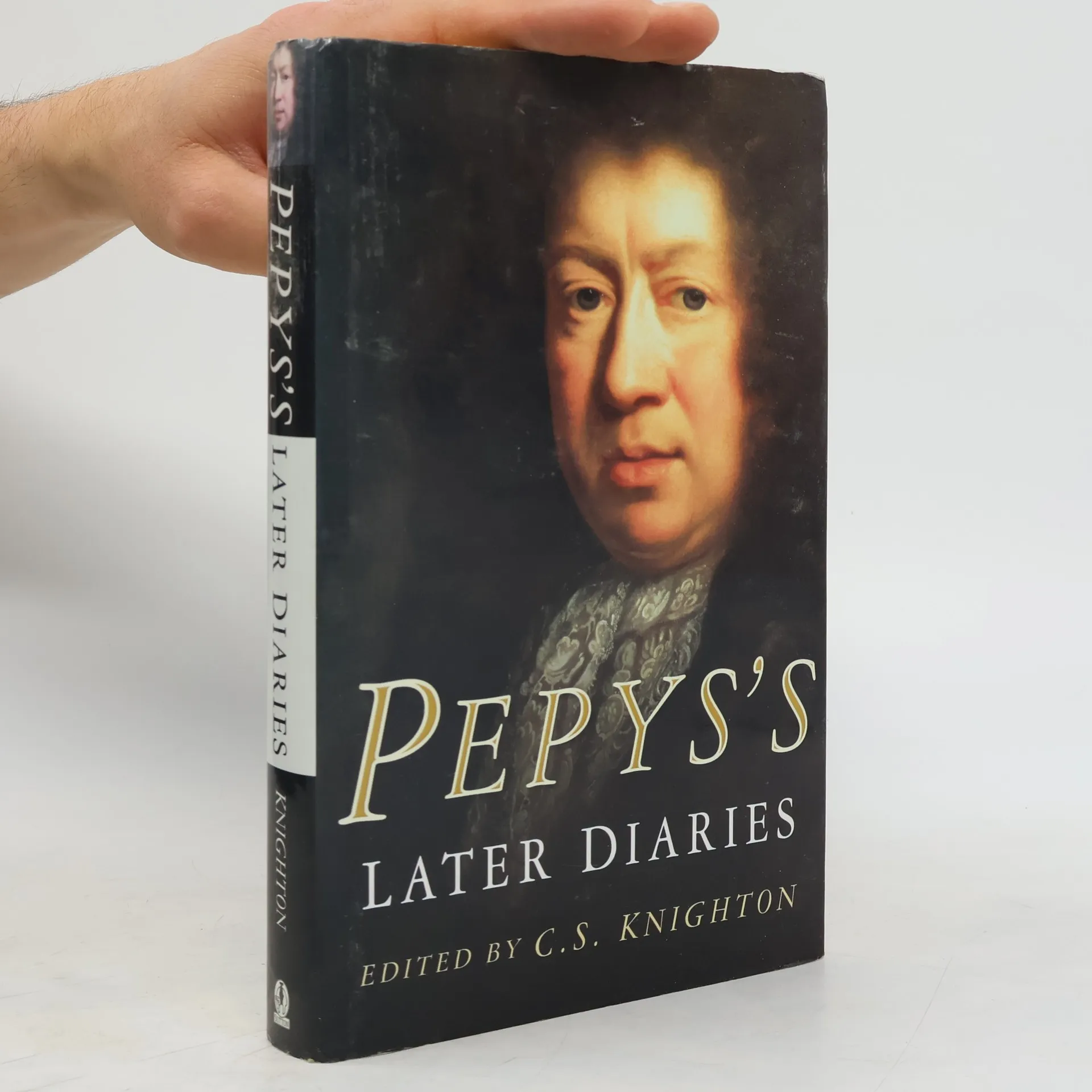
Pepys's Later Diaries
- 232 pages
- 9 hours of reading
Pepys never resumed the personal Diary which he abandoned in 1669 when he feared that he was going blind. But he did write several short diaries or journals at various key moments in his later life. Now available to the general reader, these documents enlarge and enhance our picture of Pepys as a politician and civil servant.
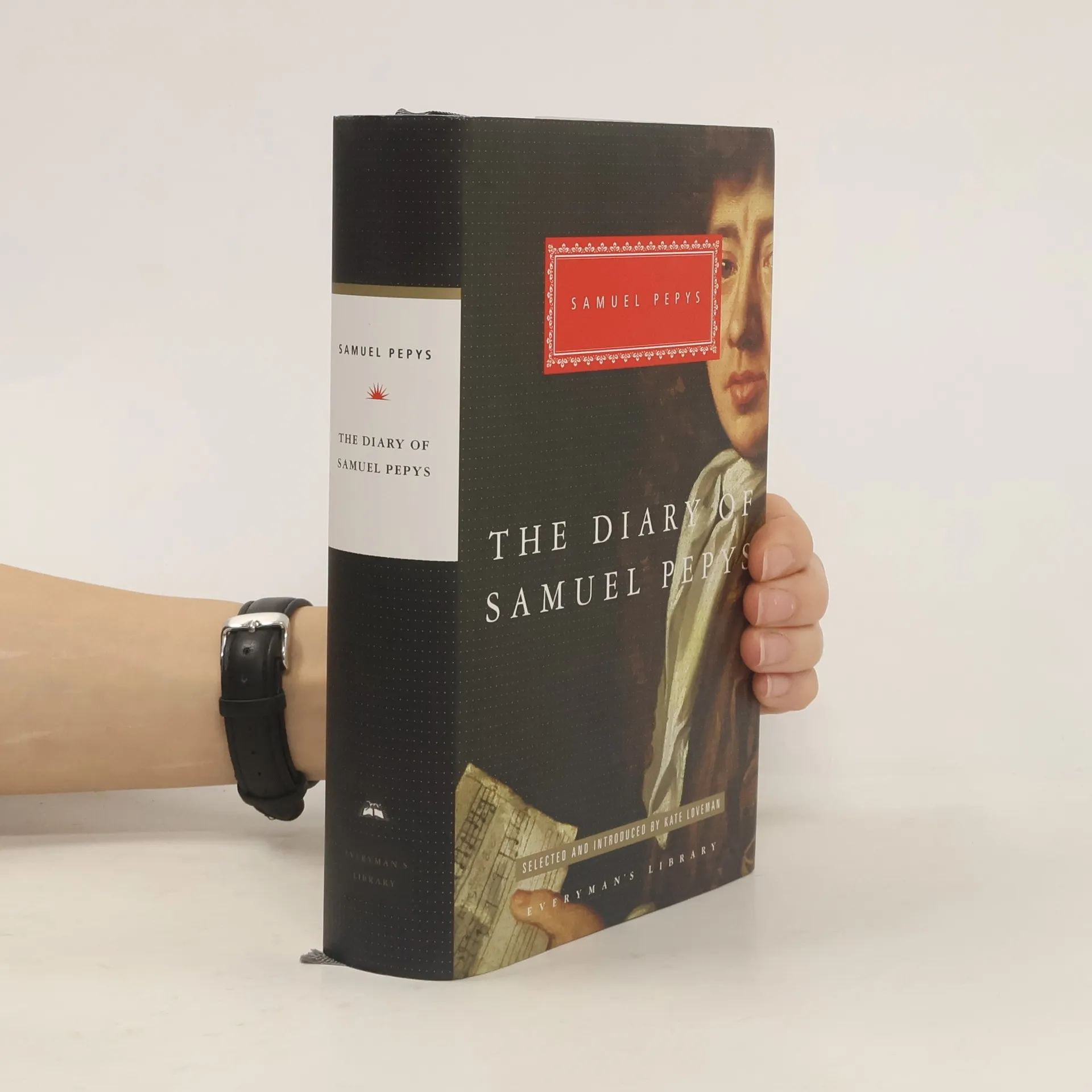
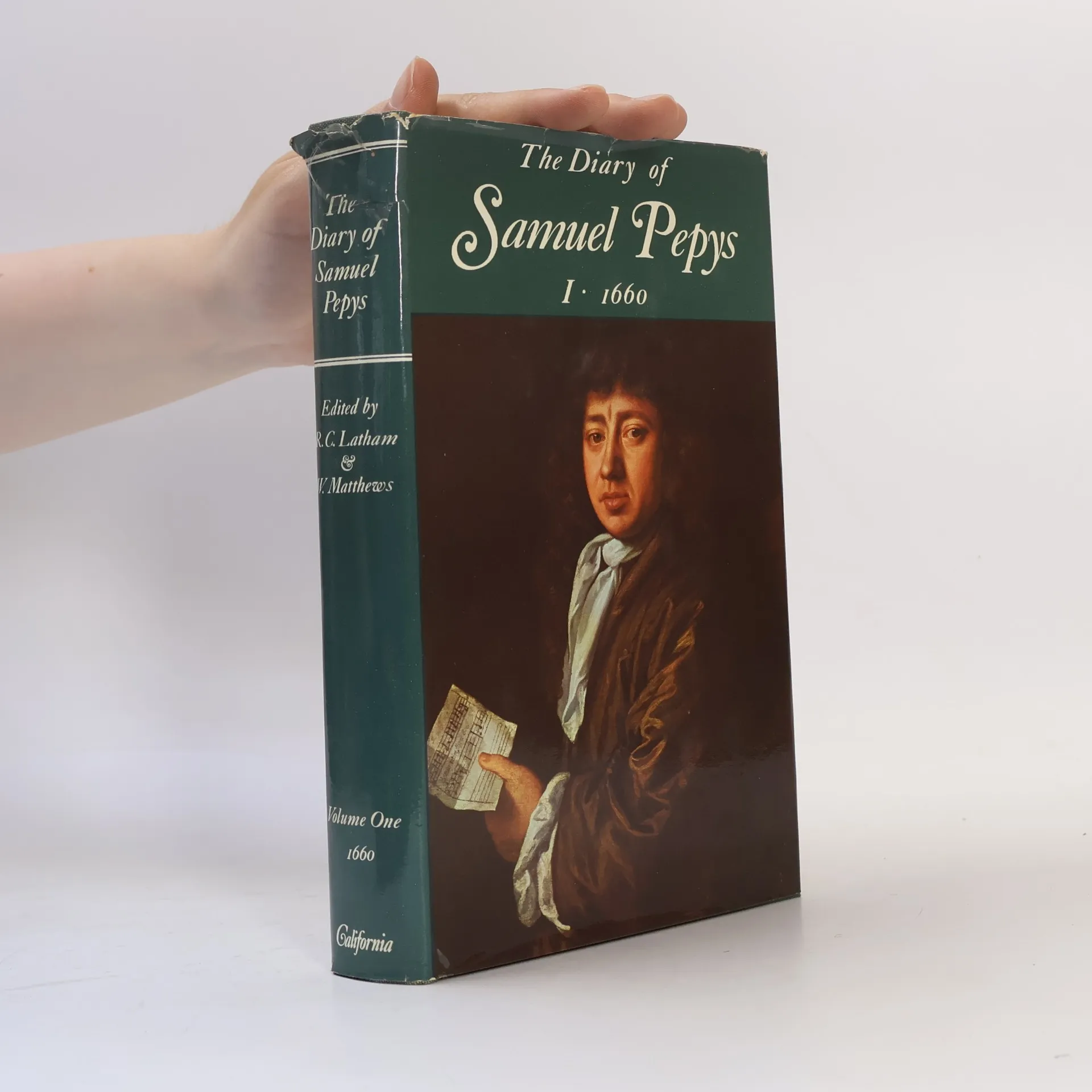
The Diary of Samuel Pepys X
- 648 pages
- 23 hours of reading
Samuel Pepys is as much a paragon of literature as Chaucer and Shakespeare. His Diary is one of the principal sources for many aspects of the history of its period. In spite of its significance, all previous editions were inadequately edited and suffered from a number of omissions—until Robert Latham and William Matthews went back to the 300-year-old original manuscript and deciphered each passage and phrase, no matter how obscure or indiscreet. The Diary deals with some of the most dramatic events in English history. Pepys witnessed the London Fire, the Great Plague, the Restoration of Charles II, and the Dutch Wars. He was a patron of the arts, having himself composed many delightful songs and participated in the artistic life of London. His flair for gossip and detail reveals a portrait of the times that rivals the most swashbuckling and romantic historical novels. In none of the earlier versions was there a reliable, full text, with commentary and notation with any claim to completeness. This edition, first published in 1970, is the first in which the entire diary is printed with systematic comment. This is the only complete edition available; it is as close to Pepys’s original as possible.
The 1660s represent a turning point in English history and for all the main events - the Restoration, the Dutch War, the Great Plague and the Fire of London - Pepys provides definitive eyewitness descriptions.
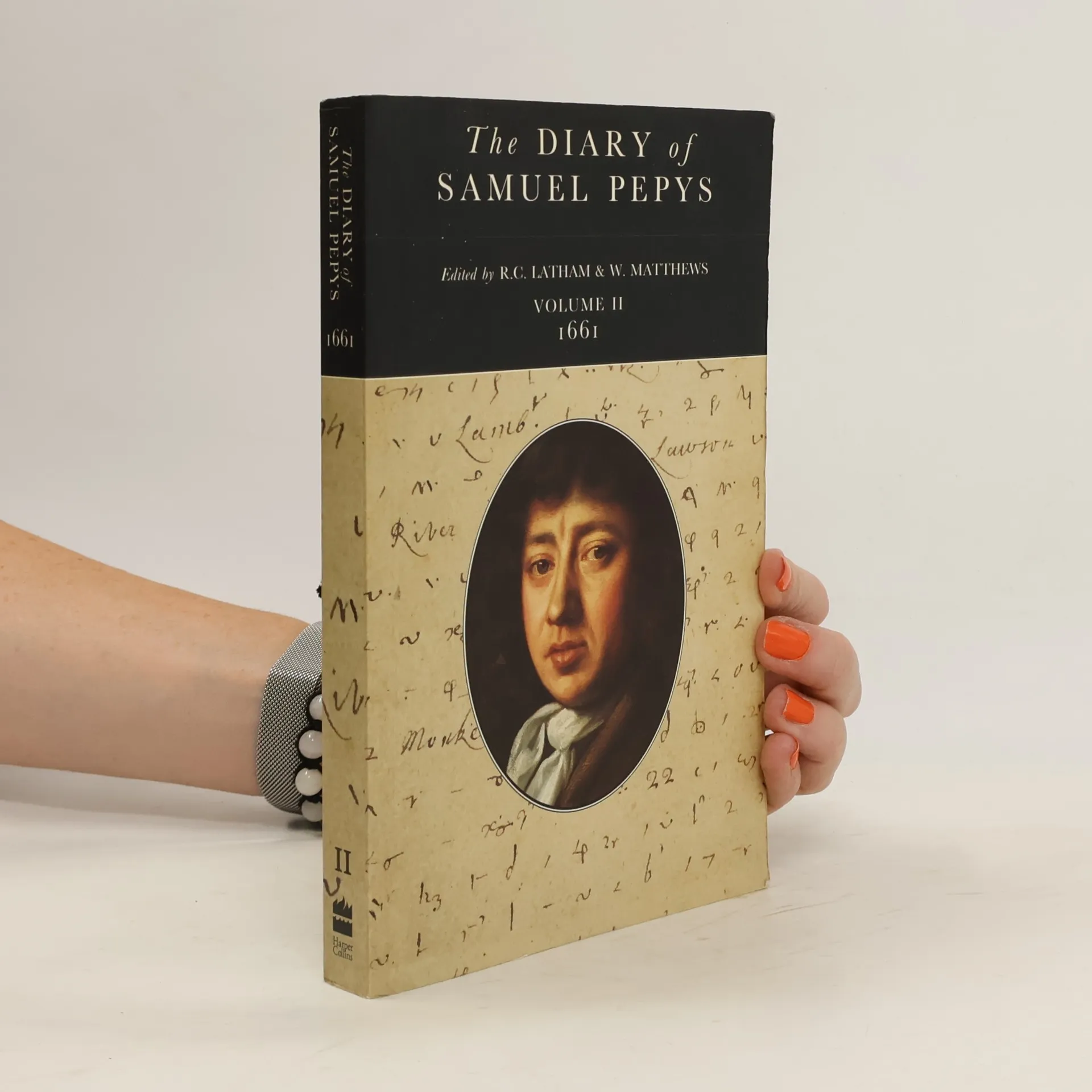
The Diary of Samuel Pepys VII
A New and Complete Transcription
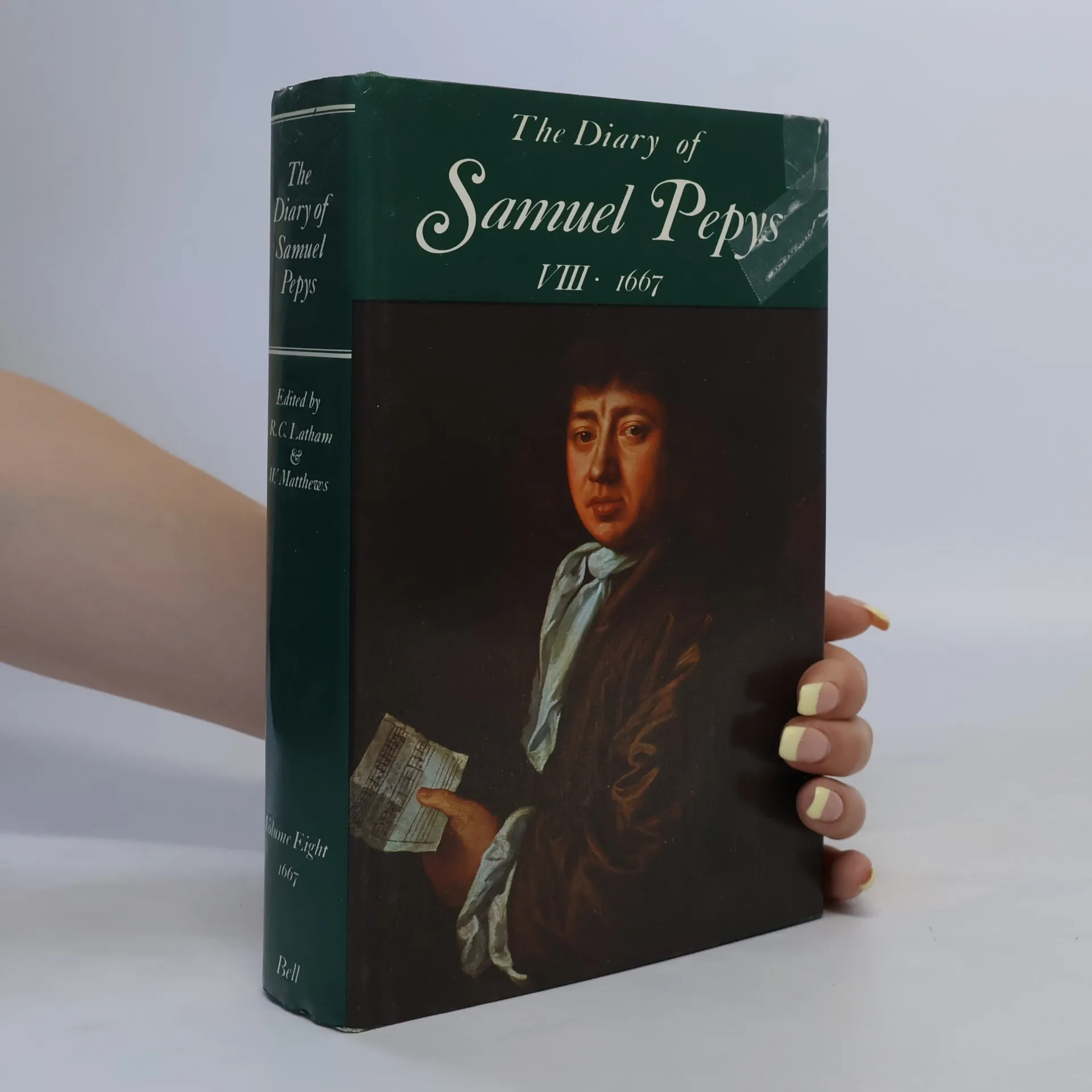
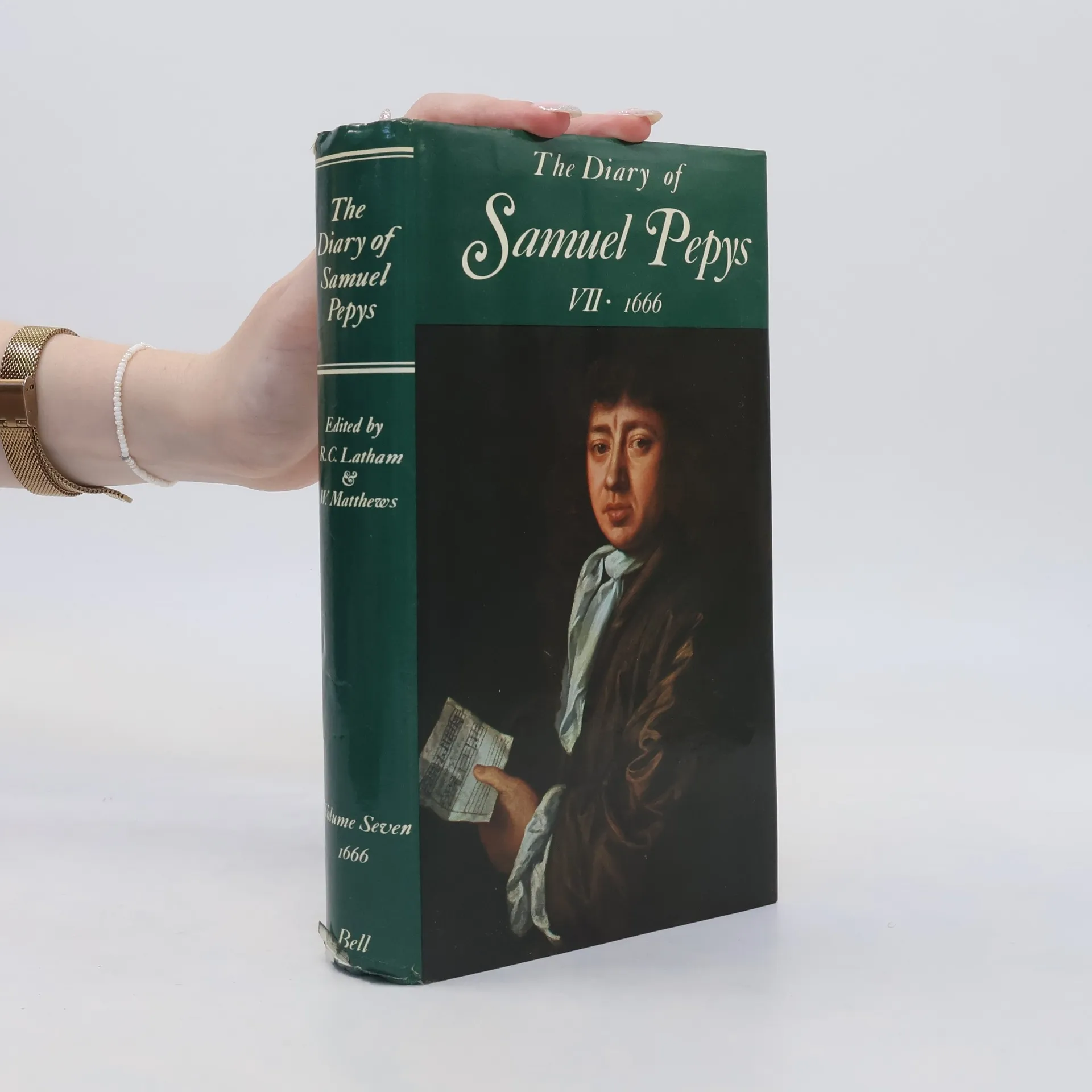
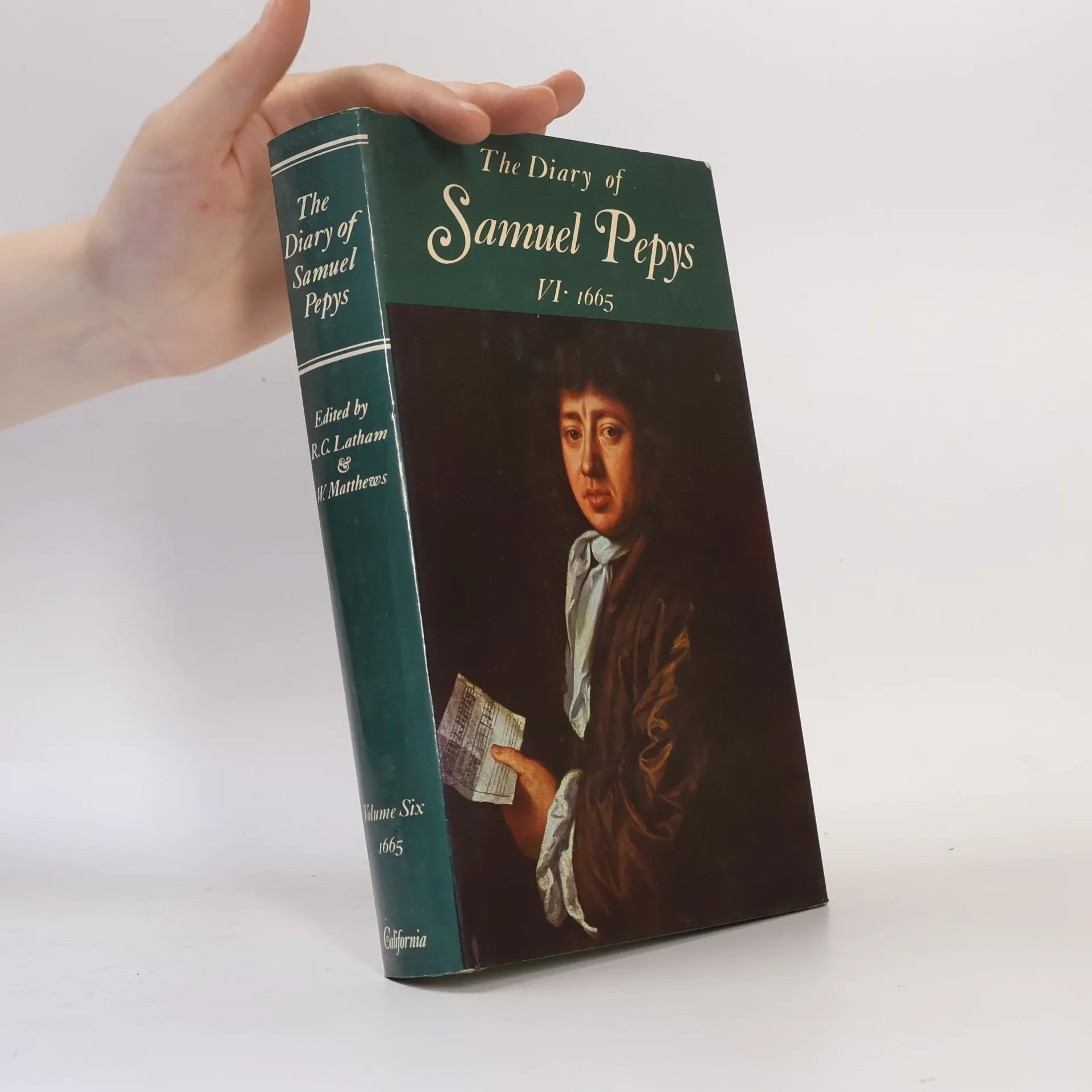
The seventh volume of the complete Diary of Samuel Pepys is part of an authoritative eleven-volume edition, which includes nine volumes of text and footnotes, a tenth volume of commentary, and an eleventh volume of index. The first eight volumes cover one calendar year each, while the ninth spans from January 1668 to May 1669. Initially published in abbreviated form in 1825, the diary gained prominence through various Victorian editions, making Pepys a notable figure in English history. However, previous versions lacked reliability and completeness, particularly in commentary. This edition, years in the making, is the first to present the entire diary with systematic commentary. The editors aimed to showcase the diary's historical and literary significance while also catering to the interests of a broad English-speaking audience who are more drawn to Pepys as a person than to the content of his writings.
The 1660s represent a turning point in English history, and for the main events -- the Restoration, the Dutch War, the Great Plague and the Fire of London -- Pepys provides a definitive eyewitness account. As well as recording public and historical events, Pepys paints a vivid picture of his personal life, from his socializing and amorous entanglements, to his theatre-going and his work at the Navy Board. Unequaled for its frankness, high spirits and sharp observations, the diary is both a literary masterpiece and a marvelous portrait of seventeenth-century life.
The 1660s represent a turning point in English history, and for the main events -- the Restoration, the Dutch War, the Great Plague and the Fire of London -- Pepys provides a definitive eyewitness account. As well as recording public and historical events, Pepys paints a vivid picture of his personal life, from his socializing and amorous entanglements, to his theatre-going and his work at the Navy Board. Unequaled for its frankness, high spirits and sharp observations, the diary is both a literary masterpiece and a marvelous portrait of seventeenth-century life.
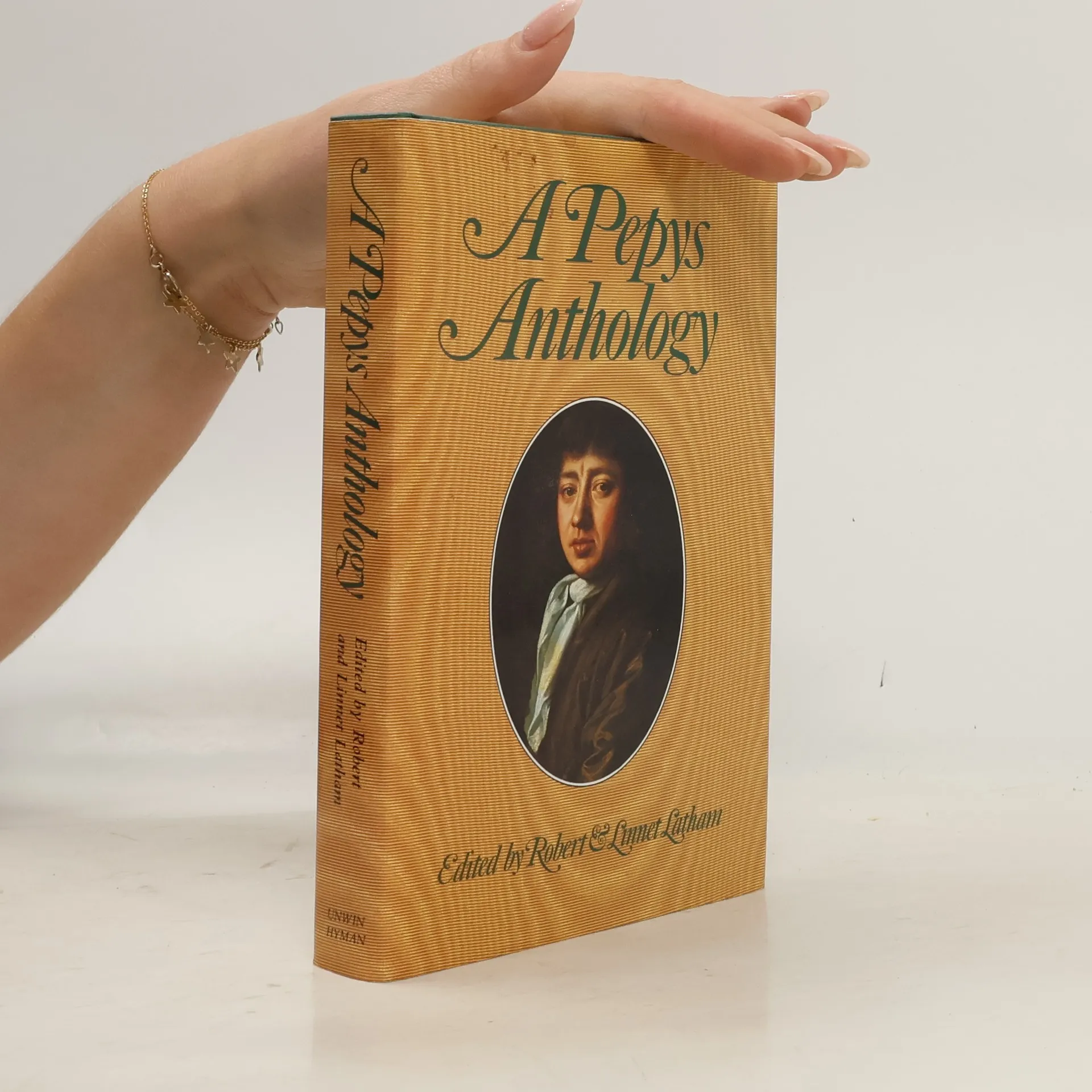
Samuel Pepys (1633-1703) is known as the first published diarist. His eleven-volume work, written between 1660 and 1669, has held readers' fascination. This anthology of selections from Samuel Pepys's famous diary collects passages by subject, providing a fresh look at some of the themes running through Pepys's massive work. It presents Pepys as a man of fashion, a booklover, a musician and theatergoer, as well as a husband and public servant. Through descriptions of everyday life and historic events like the Fire and the Plague, Pepys's life and times are revealed in all their richness and variety. This work offers the opportunity to rediscover favorite passages and serves as a delightful introduction for anyone unfamiliar with Pepys.
The Diary of Samuel Pepys III, 1662
- 344 pages
- 13 hours of reading
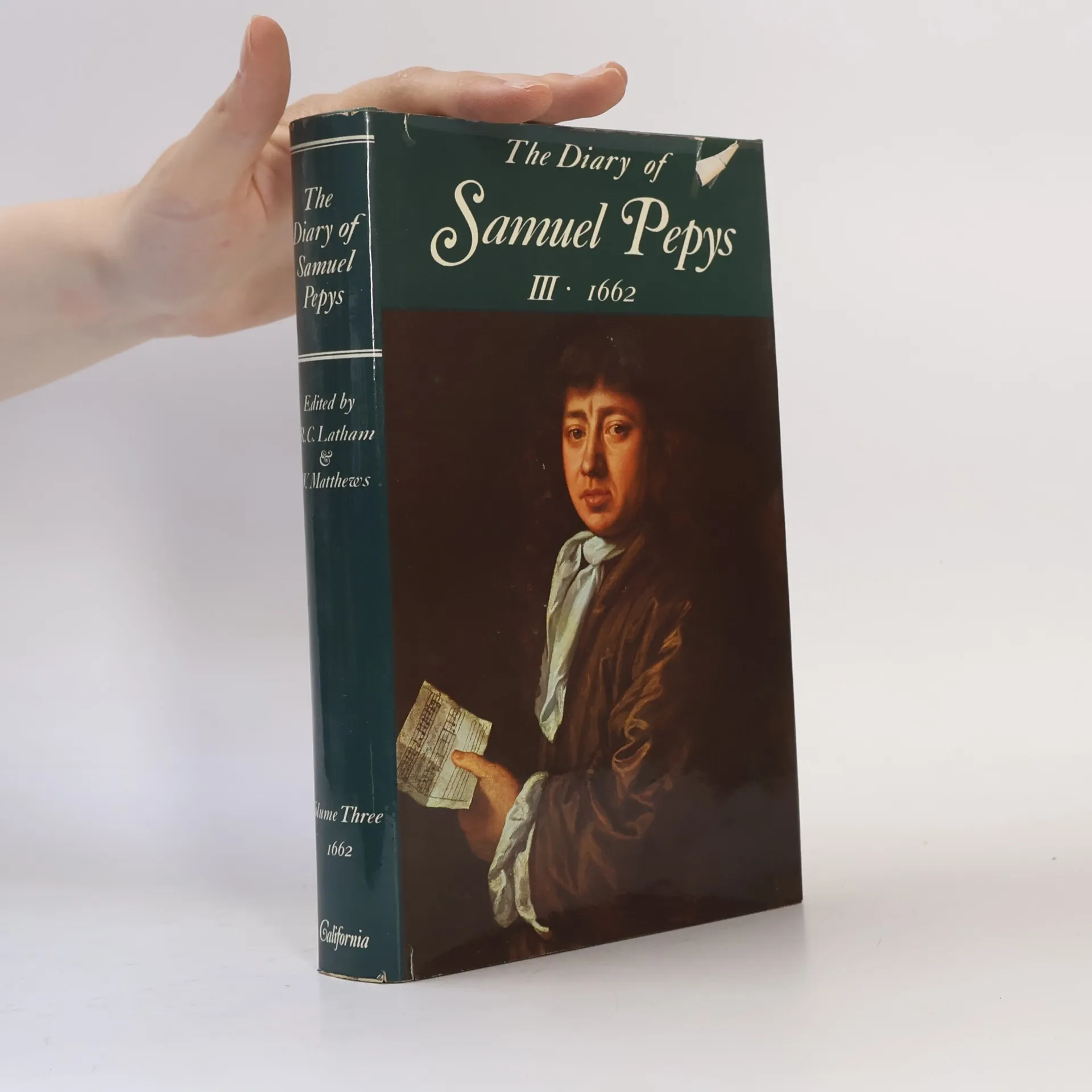
The third volume of the complete Diary of Samuel Pepys in its most authoritative and acclaimed edition. This complete edition of the Diary of Samuel Pepys comprises eleven volumes -- nine volumes of text and footnotes (with an introduction of 120 pages in Volume I), a tenth volume of commentary (The Companion) and an eleventh volume of Index. Each of the first eight volumes contains one whole calendar year of the diary, from January to December. The ninth volume runs from January 1668 to May 1669. The Diary was first published in abbreviated form in 1825. A succession of new editions, re-issues and selections, published in the Victorian era, made the Diary one of the best-known books, and Pepys one of the best-known figures, of English history. But in none of these versions -- not even in the Wheatley, which for long stood as the standard edition -- was there a reliable, still less a full text, and in none of them was there a commentary with any claim to completeness. This edition was in preparation for many years, and remains the first in which the entire Diary is printed and in which an attempt has been made at systematic comment on it. The primary aim of the principal editors wa
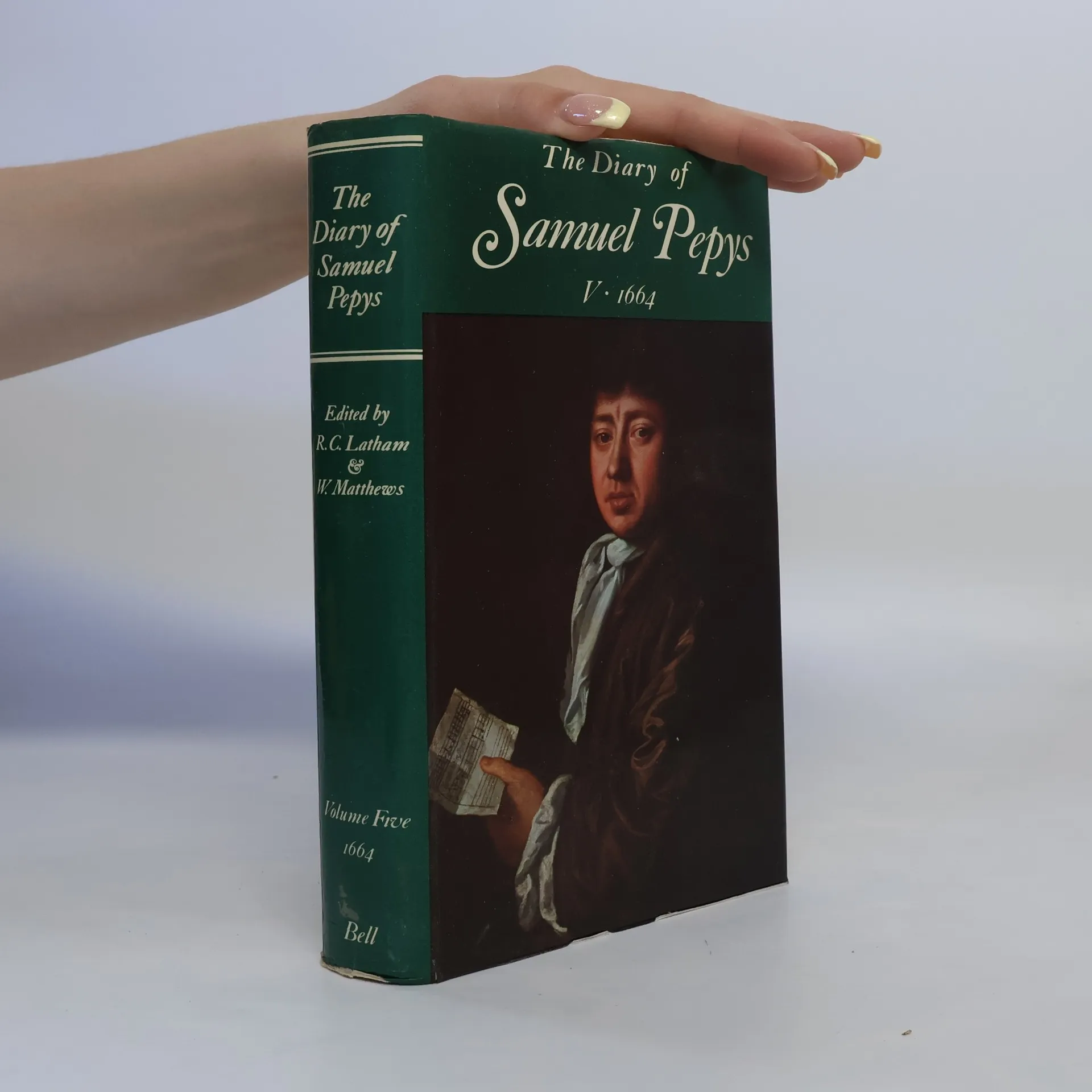
The fifth volume of the complete Diary of Samuel Pepys comprises eleven volumes -- nine volumes of text and footnotes, a tenth volume of commentary, and an eleventh volume of Index. Each of the first eight volumes contains one whole calendar year of the diary, from January to December. The ninth volume runs from January 1668 to May 1669. The Diary was first published in abbreviated form in 1825. A succession of new editions, re-issues, and selections made the diary one of the best-known books, and Pepys one of the best-known figures, of English history. This edition is the first in which the entire diary is printed and in which an attempt has been made at systematic comment on it.
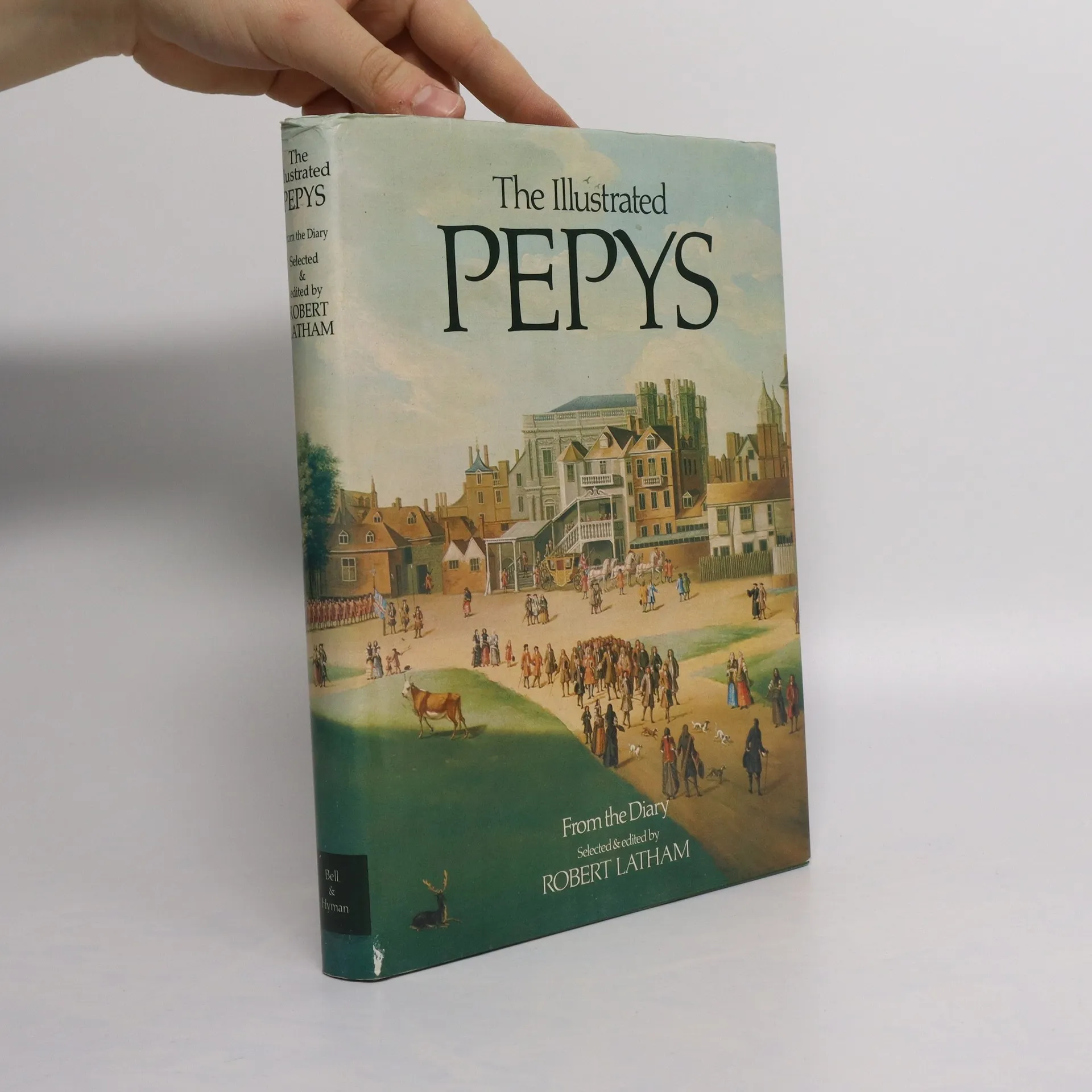
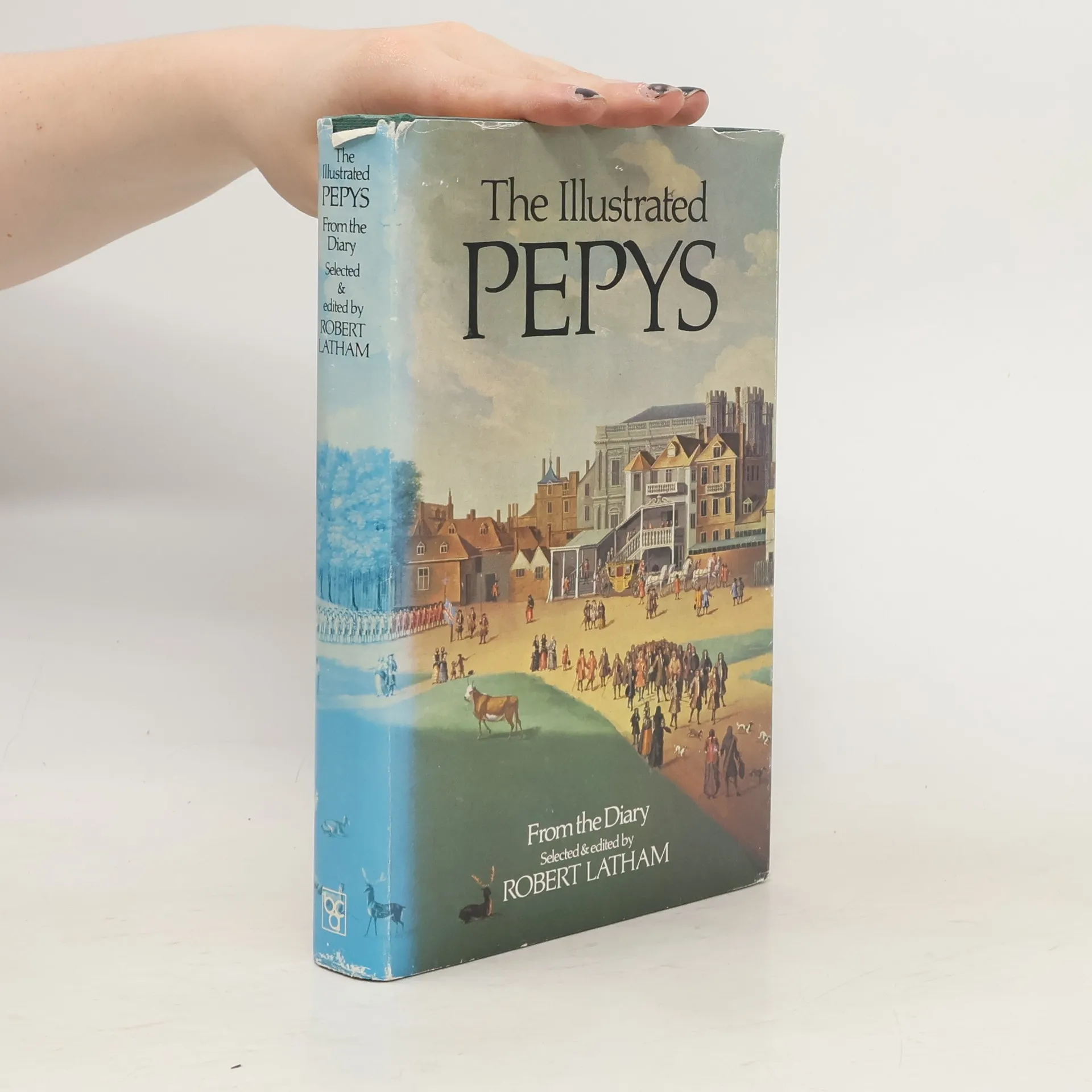
The Illustrated Pepys
- 240 pages
- 9 hours of reading
Illustrated version of selected passages from Pepys' diary between 1660 and 1669, showing his robust enjoyment of both his public and private lives
Samuel Pepys: The Diaries
- 900 pages
- 32 hours of reading
When Samuel Pepys (1633-1703) began writing in 1660 he was a young clerk living in London, struggling to pay his rent.
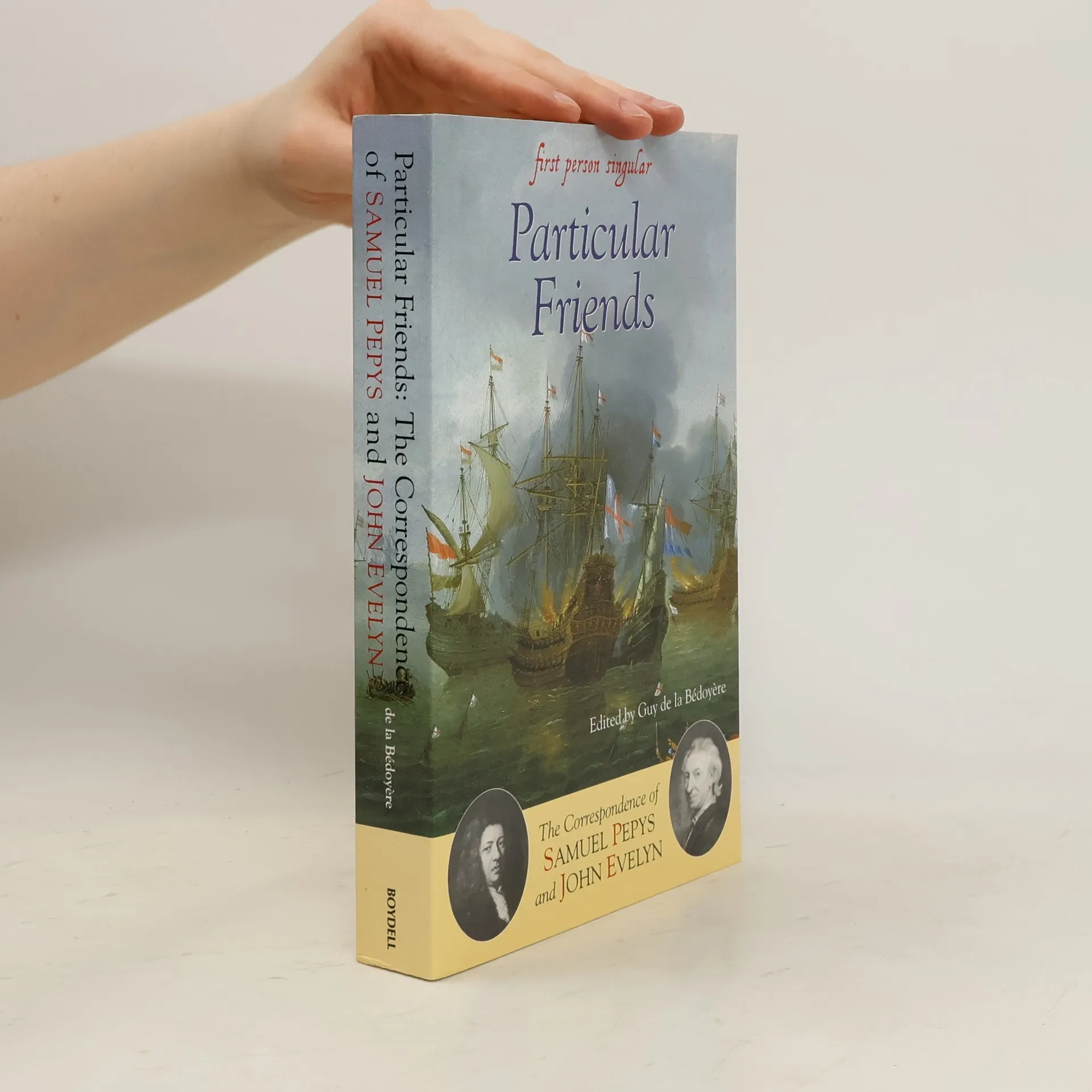
Intriguing insight into the minds of two exceptional men whose contribution to our understanding of 17th-century England is incalculable. SPECTATORPepys and Evelyn first came to know each other during the Second Dutch War (1664-7). As the plague raged in the London they loved, they were both preoccupied with the business of casualties from the war, Pepys as Clerk of the Acts, and Evelyn as a Commissioner for Sick and Wounded Seamen and Prisoners of War. Nearly forty years later they were still corresponding, exchanging details of remedies for the afflictions of old age. Their friendship, and their relations with others, as recorded in their famous diaries and letters, provide an exceptional opportunity to witness life at the heart of Restoration England. This book includes every letter which could be located (some of which have been lost for more than a hundred years), and the complete text of each has been newly transcribed and fully annotated. Evelyn and Pepys are revealed in fresh dimensions as many details of their lives and friendship emerge which go unmentioned, or are barely alluded to, in the diaries.GUY DE LA BEDOYERE, historian, archaeologist and broadcaster, has also published an edition of Evelyn's Diary and a collection of pieces by Evelyn, The Writings of John Evelyn.
The Diary of Samuel Pepys
- 267 pages
- 10 hours of reading
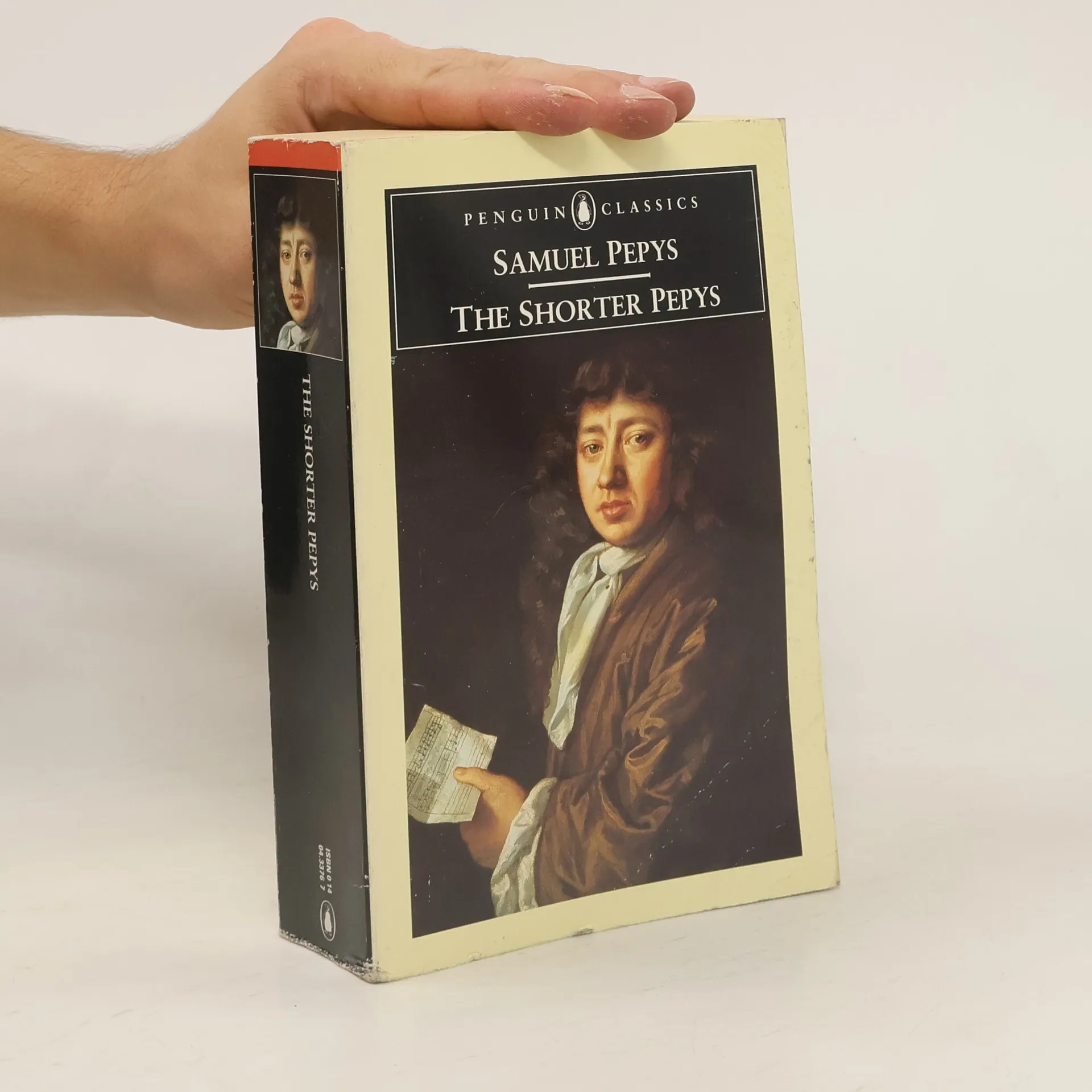
The 1660s represent a turning point in English history, and for the main events -- the Restoration, the Dutch War, the Great Plague and the Fire of London -- Pepys provides a definitive eyewitness account. As well as recording public and historical events, Pepys paints a vivid picture of his personal life, from his socializing and amorous entanglements, to his theatre-going and his work at the Navy Board. Unequaled for its frankness, high spirits and sharp observations, the diary is both a literary masterpiece and a marvelous portrait of seventeenth-century life.Previously published as The Shorter Pepys, this edition is edited and abridged by Robert Latham, Fellow and Pepys Librarian at Magdalene College, Cambridge.
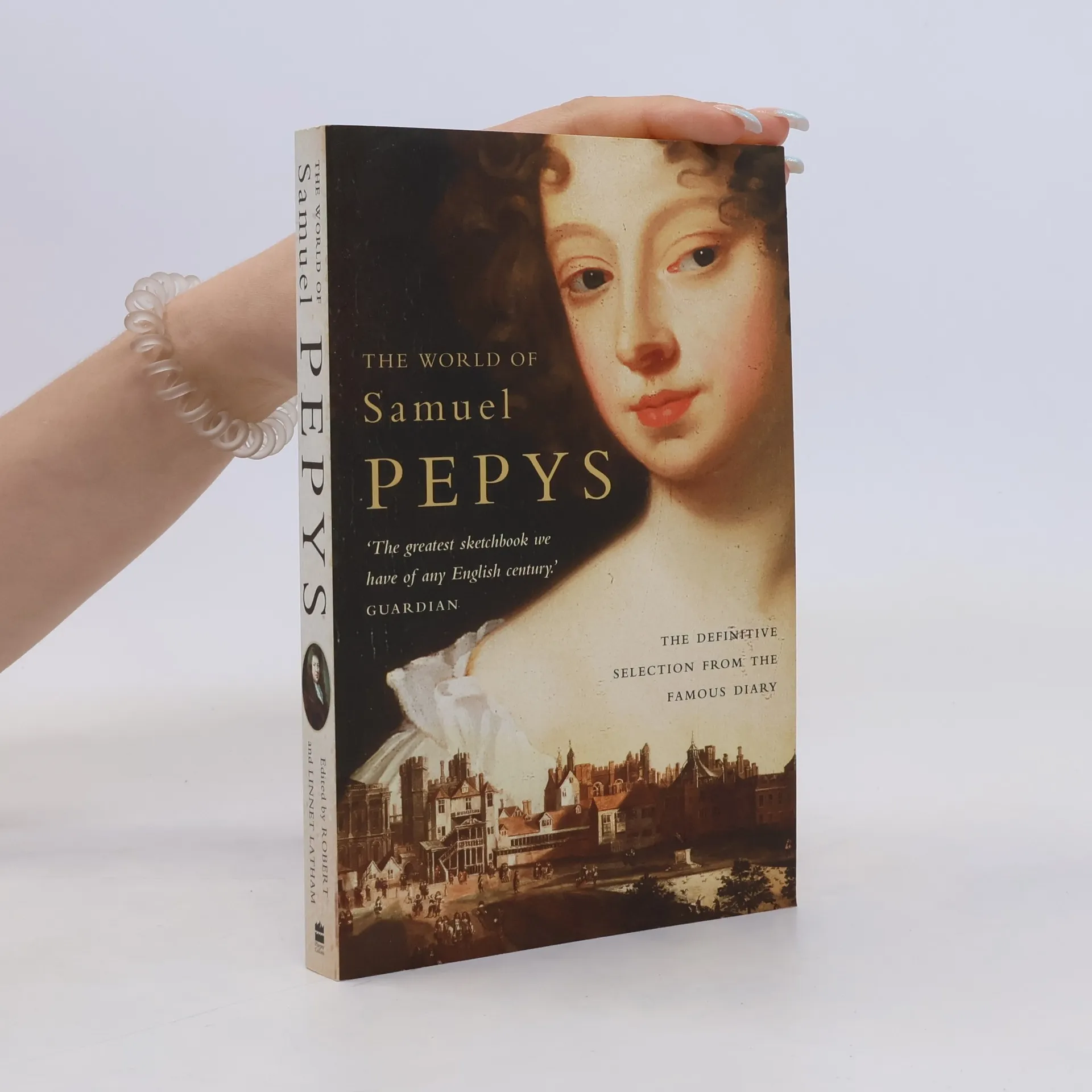
The World of Samuel Pepys
- 304 pages
- 11 hours of reading
Samuel Pepys, blessed with both a gift for observation and a prominent position in society, has charmed readers for centuries with his musings and writings. To celebrate this tercentenary, HarperCollins are delighted to publish this anthology: the perfect introduction to the Diaries, with extracts arranged by subject.
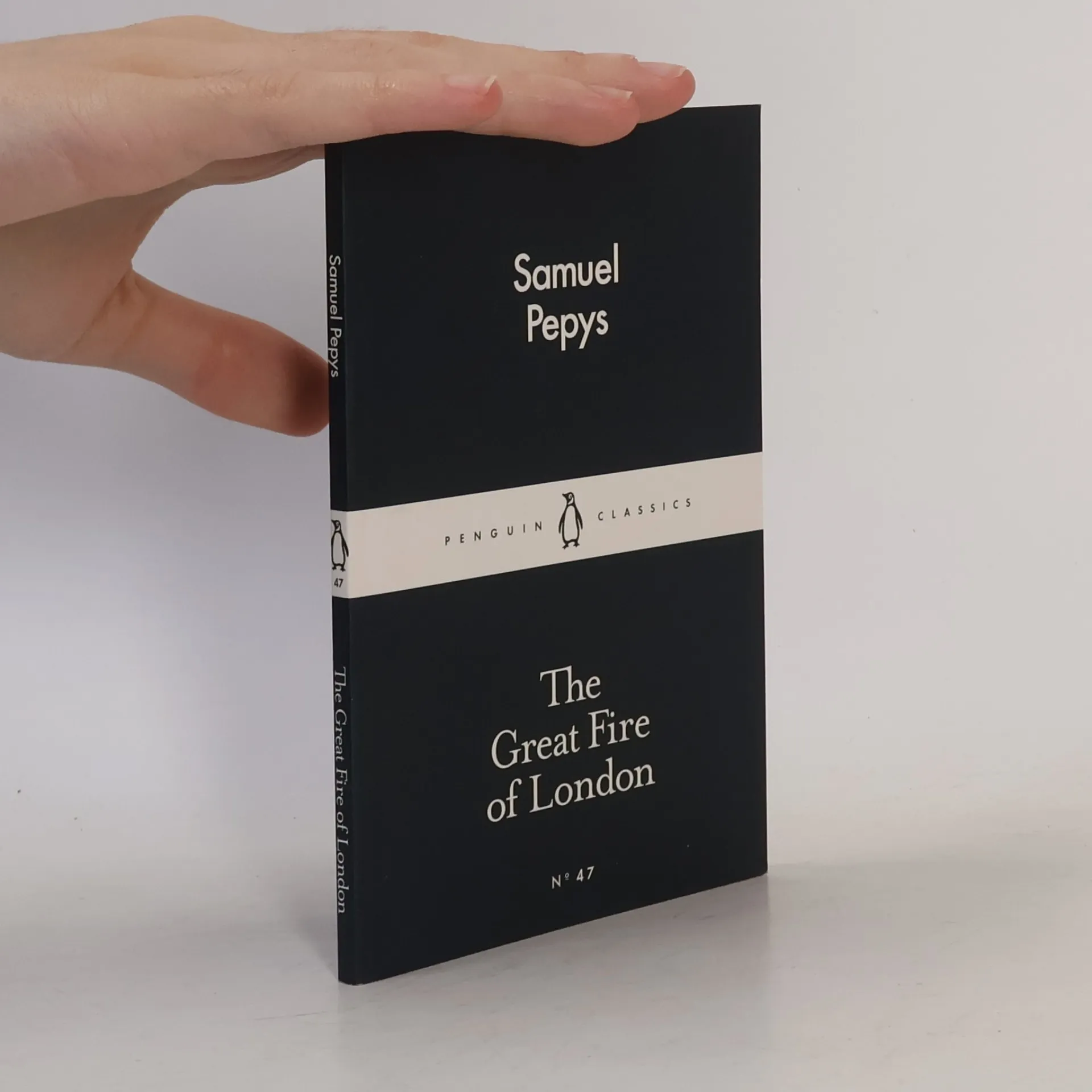
The Great Fire of London
- 64 pages
- 3 hours of reading
Originally written in code, Pepys' diary includes his unforgettable eyewitness account of the 1666 Fire.
Samuel Pepys began his celebrated diary in 1660, at the age of 26, as a young and ambitious secretary. Due to his support of the king's restoration, he soon found himself in an influential position in the Royal Navy's administration. He was to keep the diary for nearly ten years, until his eye sight failed, and in it he would record many of the great events of the age, such as the outbreak of plague and the Great Fire of London, as well as many smaller, domestic and personal happenings. Although written in shorthand and principally for his own personal remembrance and pleasure, it is clear at times that Pepys had one eye on posterity. It is a large work, conveniently divided into one volume per year; here is the first, based on the first complete edition, that of Henry B. Wheatley, originally published in 1893.
Samuel Pepys is as much a paragon of literature as Chaucer and Shakespeare. His Diary is one of the principal sources for many aspects of the history of its period. In spite of its significance, all previous editions were inadequately edited and suffered from a number of omissions—until Robert Latham and William Matthews went back to the 300-year-old original manuscript and deciphered each passage and phrase, no matter how obscure or indiscreet. The Diary deals with some of the most dramatic events in English history. Pepys witnessed the London Fire, the Great Plague, the Restoration of Charles II, and the Dutch Wars. He was a patron of the arts, having himself composed many delightful songs and participated in the artistic life of London. His flair for gossip and detail reveals a portrait of the times that rivals the most swashbuckling and romantic historical novels. In none of the earlier versions was there a reliable, full text, with commentary and notation with any claim to completeness. This edition, first published in 1970, is the first in which the entire diary is printed with systematic comment. This is the only complete edition available; it is as close to Pepys’s original as possible.
Samuel Pepys is as much a paragon of literature as Chaucer and Shakespeare. His Diary is one of the principal sources for many aspects of the history of its period. In spite of its significance, all previous editions were inadequately edited and suffered from a number of omissions—until Robert Latham and William Matthews went back to the 300-year-old original manuscript and deciphered each passage and phrase, no matter how obscure or indiscreet. The Diary deals with some of the most dramatic events in English history. Pepys witnessed the London Fire, the Great Plague, the Restoration of Charles II, and the Dutch Wars. He was a patron of the arts, having himself composed many delightful songs and participated in the artistic life of London. His flair for gossip and detail reveals a portrait of the times that rivals the most swashbuckling and romantic historical novels. In none of the earlier versions was there a reliable, full text, with commentary and notation with any claim to completeness. This edition, first published in 1970, is the first in which the entire diary is printed with systematic comment. This is the only complete edition available; it is as close to Pepys’s original as possible.
Samuel Pepys is as much a paragon of literature as Chaucer and Shakespeare. His Diary is one of the principal sources for many aspects of the history of its period. In spite of its significance, all previous editions were inadequately edited and suffered from a number of omissions—until Robert Latham and William Matthews went back to the 300-year-old original manuscript and deciphered each passage and phrase, no matter how obscure or indiscreet. The Diary deals with some of the most dramatic events in English history. Pepys witnessed the London Fire, the Great Plague, the Restoration of Charles II, and the Dutch Wars. He was a patron of the arts, having himself composed many delightful songs and participated in the artistic life of London. His flair for gossip and detail reveals a portrait of the times that rivals the most swashbuckling and romantic historical novels. In none of the earlier versions was there a reliable, full text, with commentary and notation with any claim to completeness. This edition, first published in 1970, is the first in which the entire diary is printed with systematic comment. This is the only complete edition available; it is as close to Pepys’s original as possible.
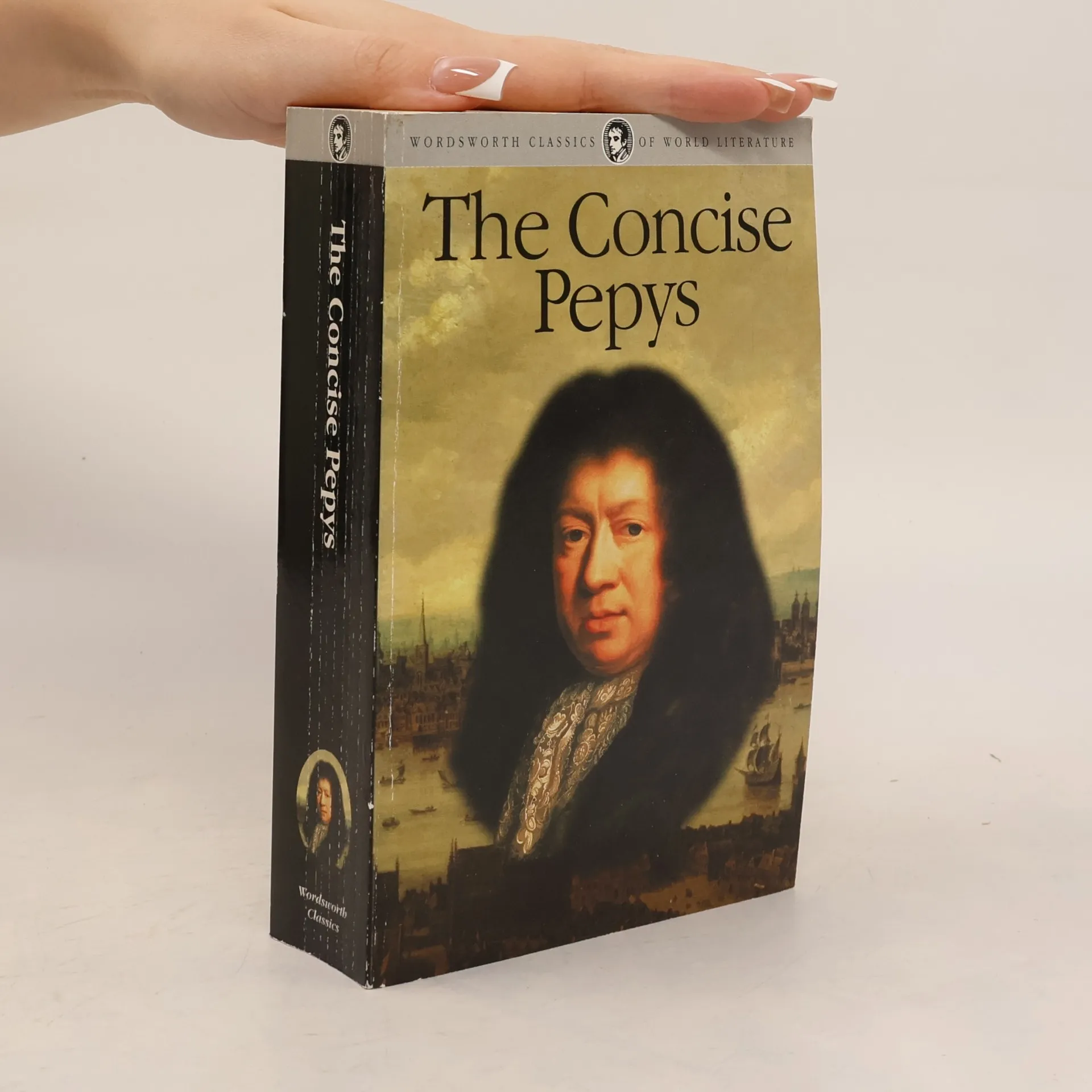
Wordsworth Classics of World Literature: The Concise Pepys
- 816 pages
- 29 hours of reading
In this diary Pepys observed and recorded the details of a ten-year period of English history which included not only the Restoration, but the Great Plague of 1665 and the Fire of London of the following year.
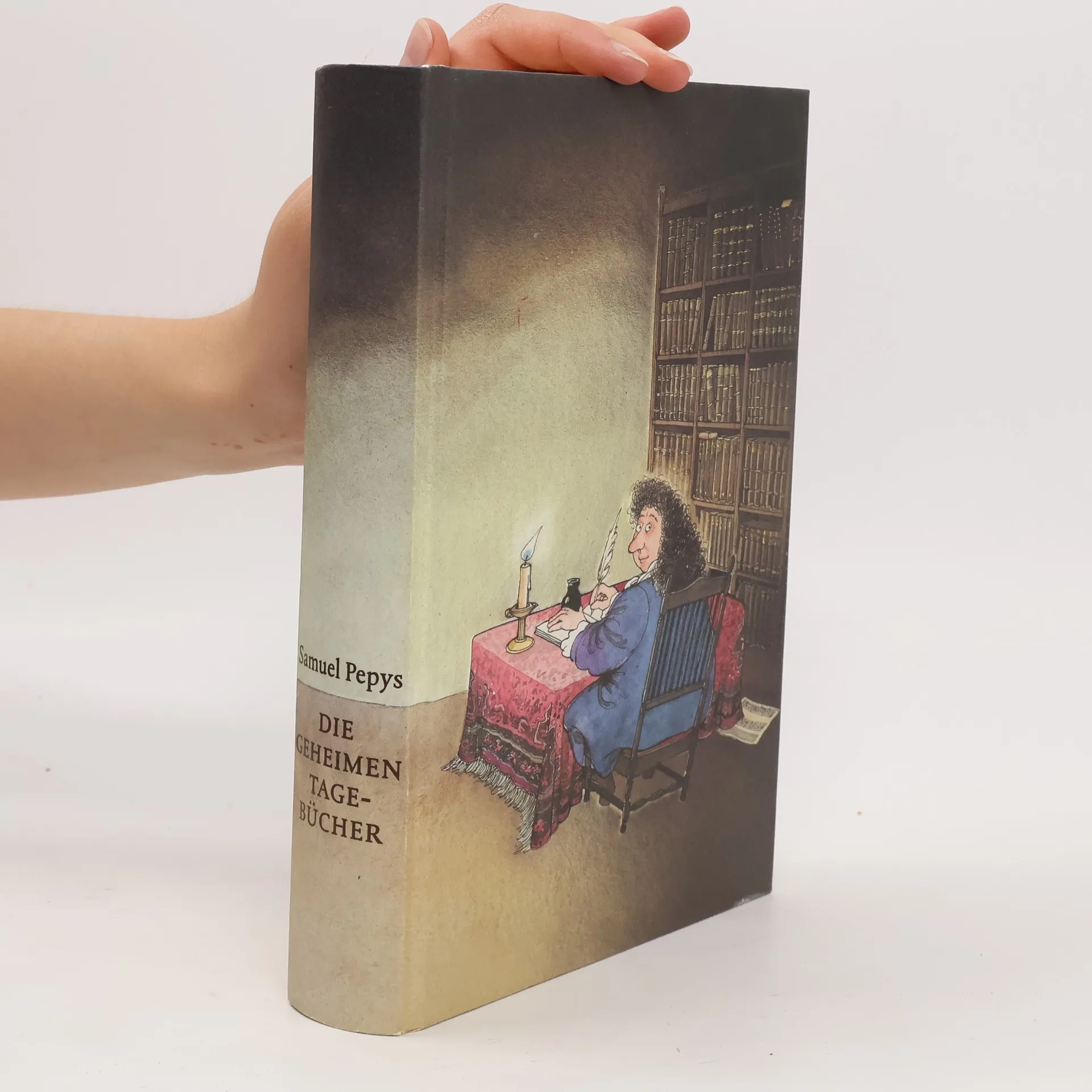
Das geheime Tagebuch
- 706 pages
- 25 hours of reading
Das in Geheimschrift abgefaßte Tagebuch ist in seiner Ungeschminktheit und Genauigkeit ein einzigartiges kulturgeschichtliches Dokument aus dem England des 17. Jahrhunderts. Pepys war ein überragender Chronist seiner Zeit, und er verstand es zu schreiben.
Tagebuch aus dem London des 17. Jahrhunderts
Pepys, Samuel – Einblicke eines Londoner Bürgers in das Leben von 1660 bis 1669
1980 erschien bei Reclam zum ersten Mal eine Auswahl aus dem geheimen Tagebuch von Samuel Pepys in deutscher Sprache. Das Buch wurde ein überraschender Erfolg; die Darmstädter Jury wählte es zum »Buch des Monats«, Bundeskanzler Helmut Schmidt nahm es als Ferienlektüre an den Brahmsee mit. Pepys’ von 1660 bis 1669 geführtes »Diary« gehört zu den Kostbarkeiten der englischen Literatur. Darin hat er mit brillanter Feder notiert, was er als Londoner Bürger in dieser ereignisreichen Zeit der englischen Geschichte erlebt hat – und es gab nichts, wofür er sich nicht interessiert hätte: für Politik natürlich, für Theater und Musik, für Literatur und Predigten, aber auch für gutes Essen und für Frauen. Pepys schildert mit unverstelltem Blick den Alltag in der Metropole und überliefert hautnah bedeutende Ereignisse seiner Zeit.
Das Tagebuch: Als tägliche Übung, zur Sammlung, zur Erinnerung, zur Selbsterfindung und gegen die reißende Zeit, ist es ein massenhaft verbreitetes Genre, jeder kennt es, jeder hat es irgendwann mal versucht oder in Erwägung gezogen, aber es gibt Höhepunkte in der Geschichte dieser Kunstform. Michael Maar hat besonders schöne, bemerkenswerte, spektakuläre und eindrücklich-typische Beispiele für große Tagebücher zusammengetragen und stellt sie vor, klug, glänzend geschrieben, unterhaltsam und pointiert. Eine Entdeckungsreise zu den großen Diaristen von Samuel Pepys bis Thomas Mann, von Friedrich Hebbel bis Christa Wolf, von John Cheever bis Peter Sloterdijk. Und Maar vergisst auch nicht, sich mit der Frage zu beschäftigen, was in Zeiten von „Facebook“ wohl aus dem Tagebuch werden wird.
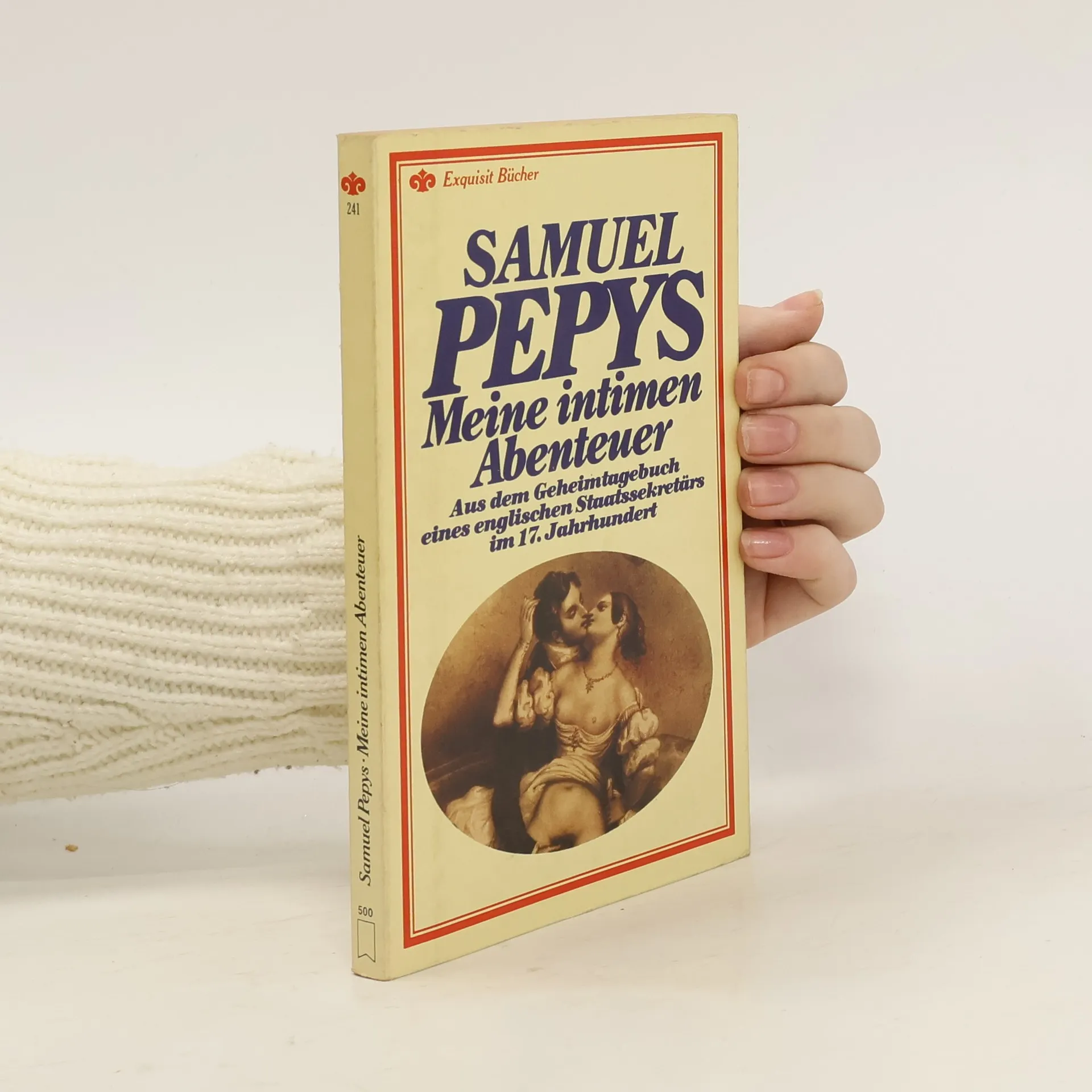
Meine intimen Abenteuer
- 140 pages
- 5 hours of reading
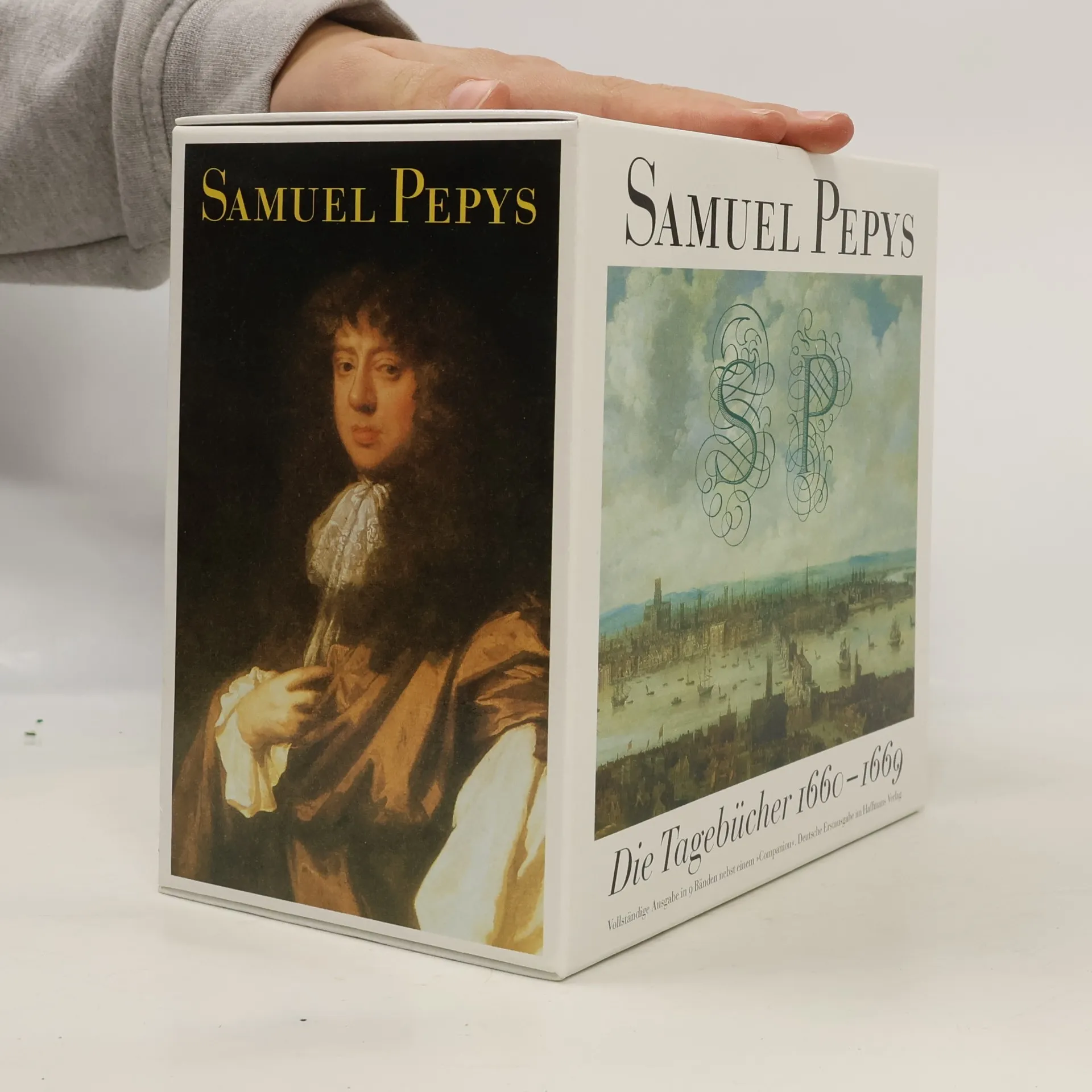
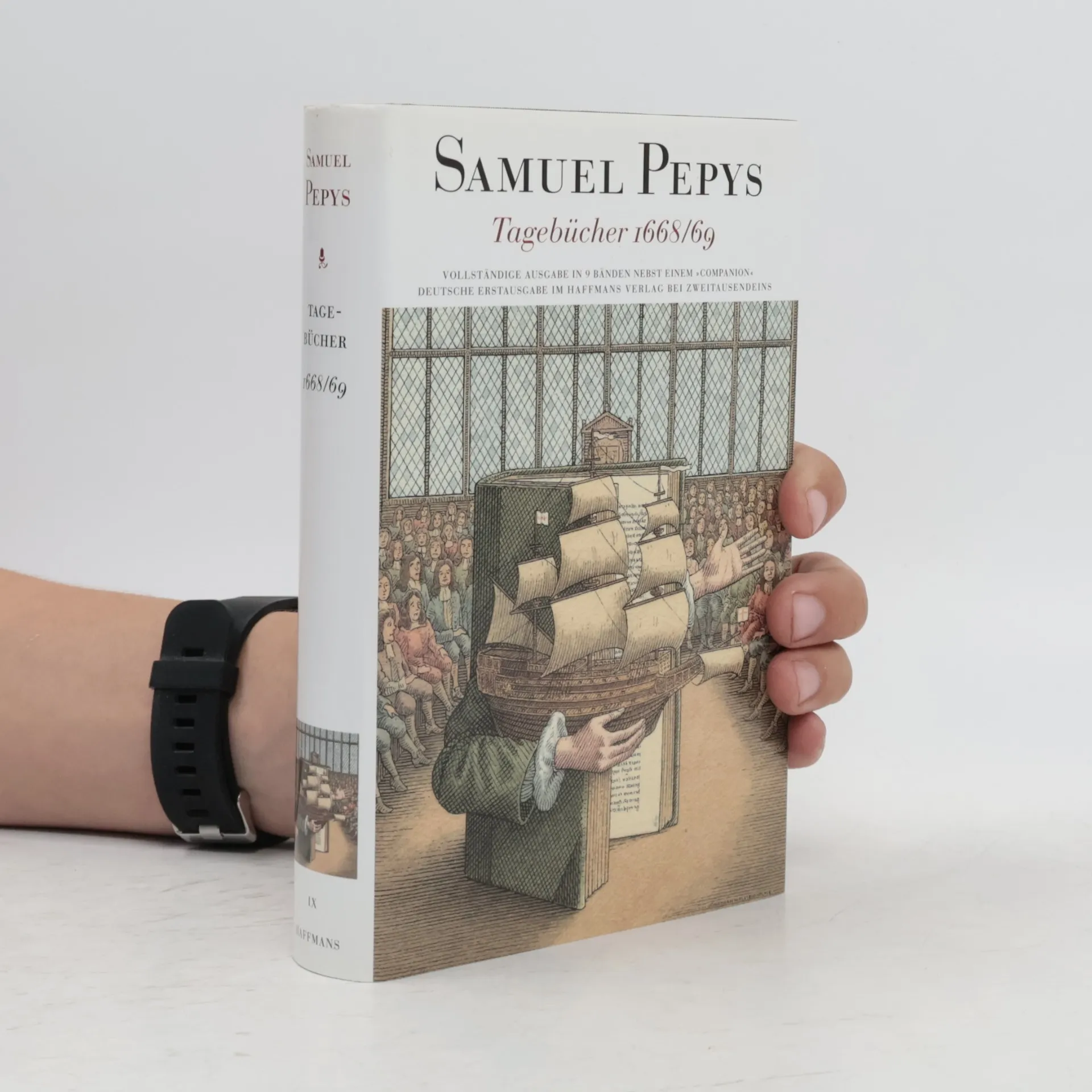
Die Tagebücher 1660 - 1669: Vollständige Ausgabe, Deutsche Erstausgabe
- 4556 pages
- 160 hours of reading
Ein Knabenmorgenblüthentraum wird Wirklichkeit. Der ganze Pepys auf Deutsch. Kein kleiner Pepys, keine Auswahl, kein weiteres Stück- und Flickwerk, sondern Die Tagebücher des Samuel Pepys komplett: Erst das vollständige Tagebuch mit seinen Eintragungen Tag für Tag, Jahr um Jahr, fast ein Jahrzehnt lang, erzählt den ganzen Roman seines Lebens. Aus dem Englischen von Georg Deggerich, Michael Haupt, Arnd Kösling, Hans-Christian Oeser, Martin Richter und Marcus Weigelt – nach der Latham-&-Matthews-Edition eingerichtet, mit Anmerkungen und Karten. 4416 Seiten Tagebuch. Dazu ein Companion mit Bildern, Stammbaum, Entschlüsselung des erotischen Vokabulars, Chronik und ausführlichem Personenverzeichnis sowie der klügsten Würdigung der Pepys-Tagebücher von R. L. Stevenson erstmals deutsch von Heiko Arntz.
Die Tagebücher 1660 - 1669
Iovrnal 1665 / aus dem Engl. von Georg Deggerich
- 4416 pages
- 155 hours of reading
Deutsche Erstausgabe. Ein Knabenmorgenblüthentraum wird Wirklichkeit. Der ganze Pepys erscheint auf deutsch. Kein kleiner Pepys, keine Auswahl, kein weiteres Stück- und Flickwerk, sondern Die Tagebücher des Samuel Pepys komplett: für Verliebte, für Eheleute, für Pornophile, für Historiker, für Wissenschaftler, für Manager, für Politiker, für Theaterfreunde, für Genießer, für Meeres-, Musik- und Literaturliebhaber. Erst das vollständige Tagebuch mit seinen Eintragungen Tag für Tag, Jahr um Jahr, fast ein Jahrzehnt lang, erzählt den ganzen Roman seines Lebens. 340 Jahre nach seiner Niederschrift, 110 Jahre nach der ersten nennenswerten englischen und 25 nach der ersten vollständigen historisch-kritischen Originalausgabe erscheint Samuel Pepys im August 2010 erstmals vollständig deutsch.
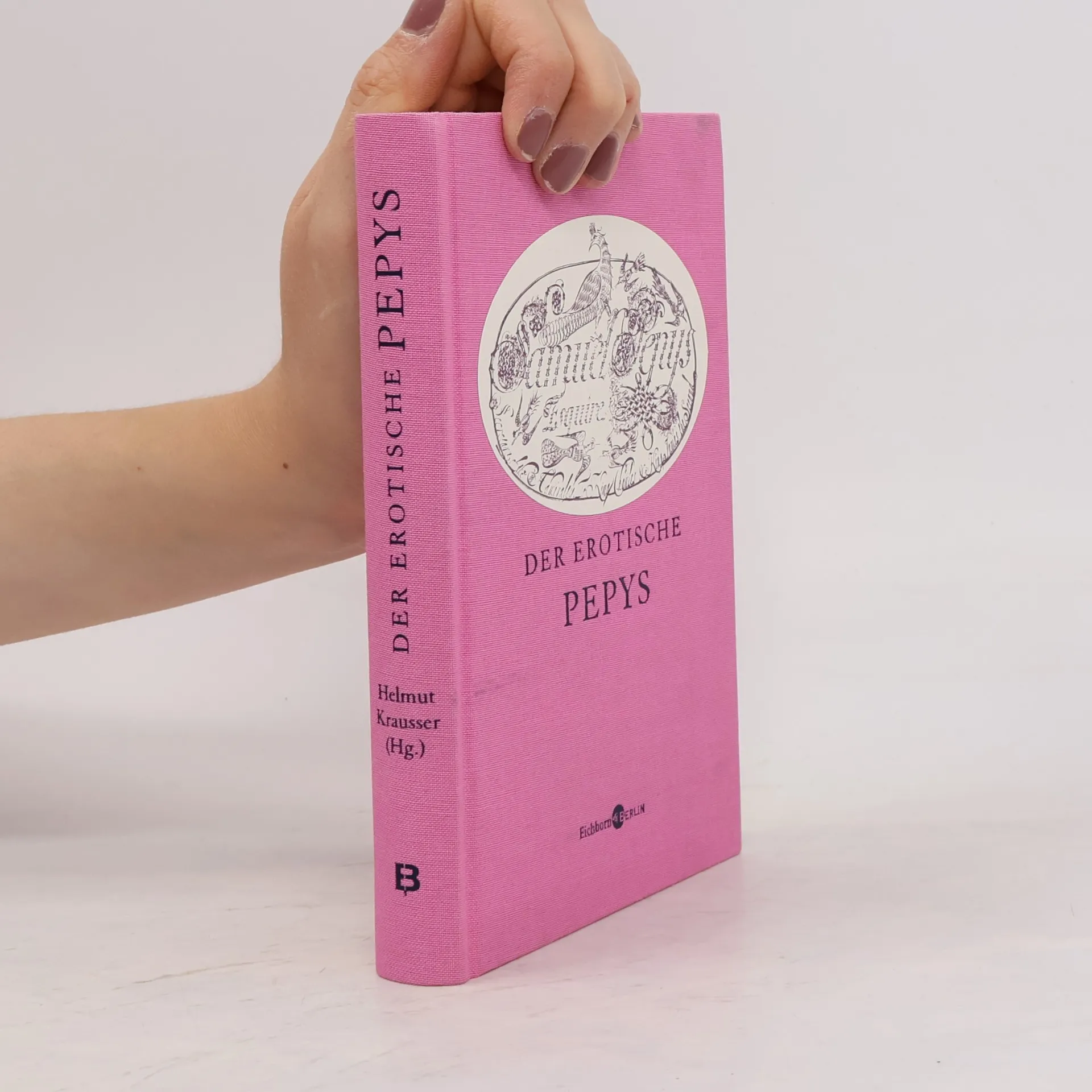
Ein Erotomane von Weltrang§§»Ich streichelte ihre Brüste und baiser la und sang und legte mich eine Weile zu ihr ins Bett. Dann ... legte ich mich in mein eigenes Bett, sehr zufrieden über die vielen Vergnügungen des Abends, die mir das Schönste im Leben sind.«§§Er war geizig, ungerecht, karrieresüchtig, lebenslustig bis zum Anschlag. Er liebte das Geld und er liebte den Luxus. Er kaufte wollüstige Romane, hielt sie für widerlich, las sie fasziniert (und mit Effekt) und verbrannte sie danach. Er liebte seine Frau, aber er stellte allem nach, was weiblich ist: Zufallsbekanntschaften, den Frauen von Untergebenen und Bittstellern, Hausangestellten, Freunden - in Gedanken treibt er es gar mit dem Hofstaat und der Königin.§§»Wer wissen will, wie es in der jugendlich-männlichen Seele jenseits aller Verschleierungs- und Entschuldigungsstrategien aussieht«, so Helmut Krausser, der aus den 4000 Seiten der gesamten Textmasse diese Auswahl zusammengestellt hat, »wird hier - vielleicht um den Preis einer Desillusionierung - bestens bedient.«
Die Tagebücher
vollständige Ausgabe in sechs Bänden nebst einem Beiheft. Iovrnal 1662 & 1663 / Samuel Pepys ; aus dem Englischen von Michael Haupt & Hans-Christian Oeser ; herausgegeben von Gerd Haffmans
- 4254 pages
- 149 hours of reading
Samuel Pepys’ Tagebücher von 1660 - 1669 sind „eines der bemerkenswertesten und reichhaltigsten literarischen Zeugnisse überhaupt“ (FAZ). Wer sie liest, flaniert mit Pepys durch das London des 17. Jahrhunderts, besucht Hahnenkämpfe, Shakespeares „Romeo und Julia“ u. v. m. Hrsg. v. G. Haffmans und H. Arntz. 6 Bände plus Beibuch. Broschuren im Schmuckschuber.