

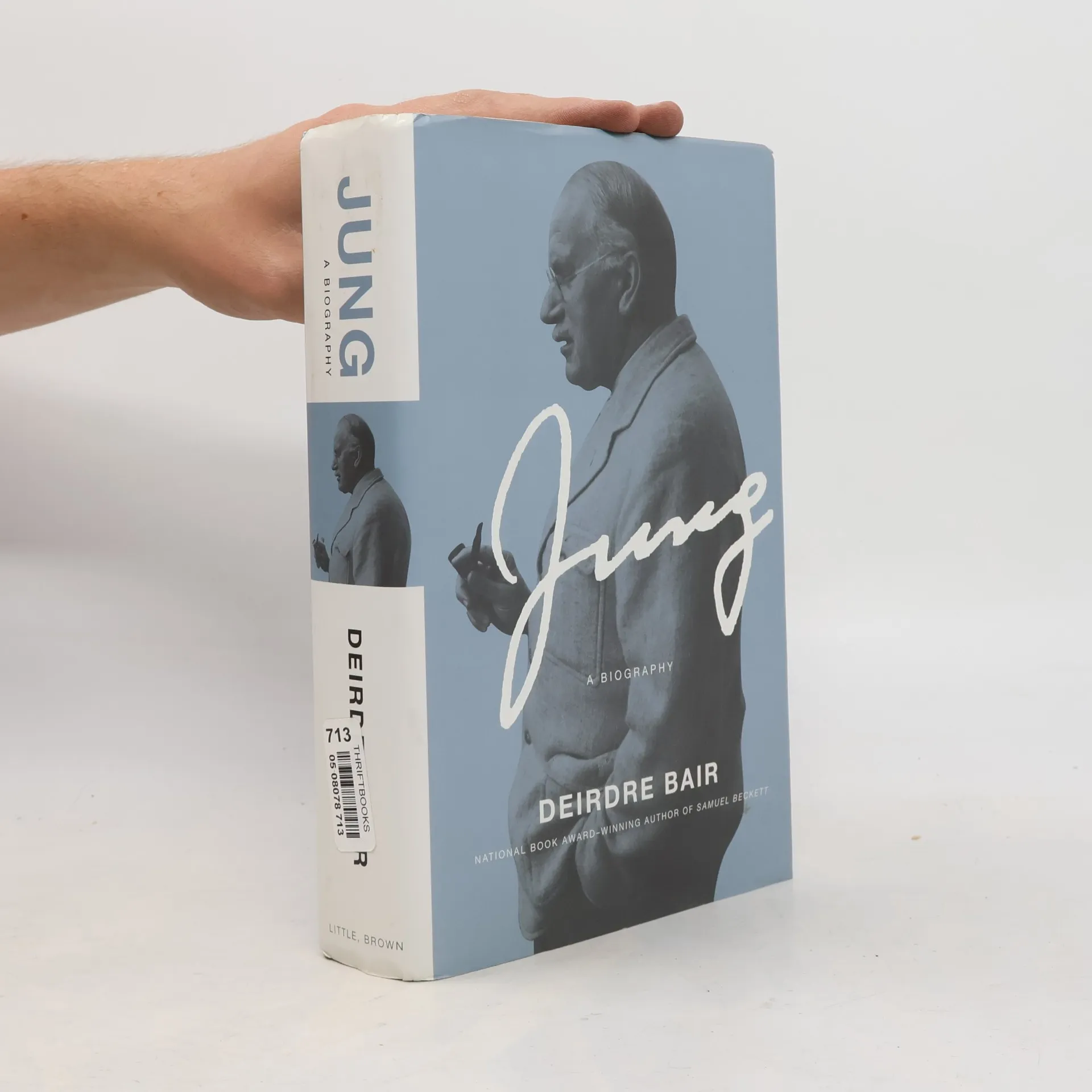
Discusses the achievements of the founder of analytical psychology, his professional relationship with Sigmund Freud, the widespread support for his ideas, and accusations that he was anti-Semitic and guilty of falsifying data.
Deirdre Bair Books
June 21, 1935 – April 17, 2020
Deirdre Bair is a celebrated biographer whose work offers profound insights into the lives and minds of exceptional individuals. Her masterful storytelling draws readers into the complexities of human psychology and the creative process. Bair focuses on uncovering the motivations and philosophies of her subjects, crafting not just portraits but deep literary analyses. Her works are esteemed for their precision, narrative power, and ability to reveal the essential forces that shape the lives and legacies of significant artists and thinkers.

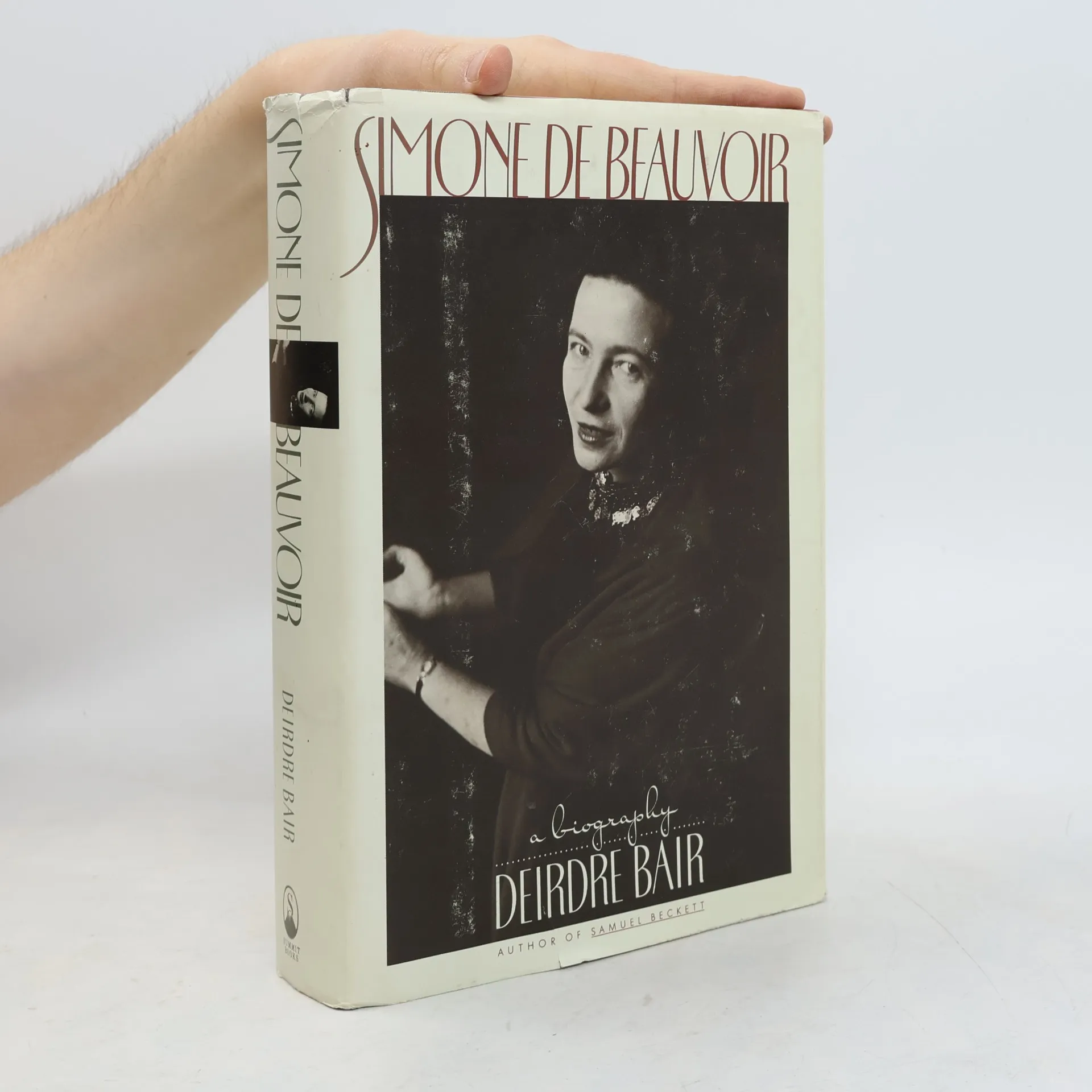
Perhaps best known as the author of the ground-breaking The Second Sex, Simone de Beauvoir was a writer and a thinker of wide range--one of the great minds of the 20th century. This magnificent biography should become the definitive account of her life. 16 pages of black-and-white photographs.
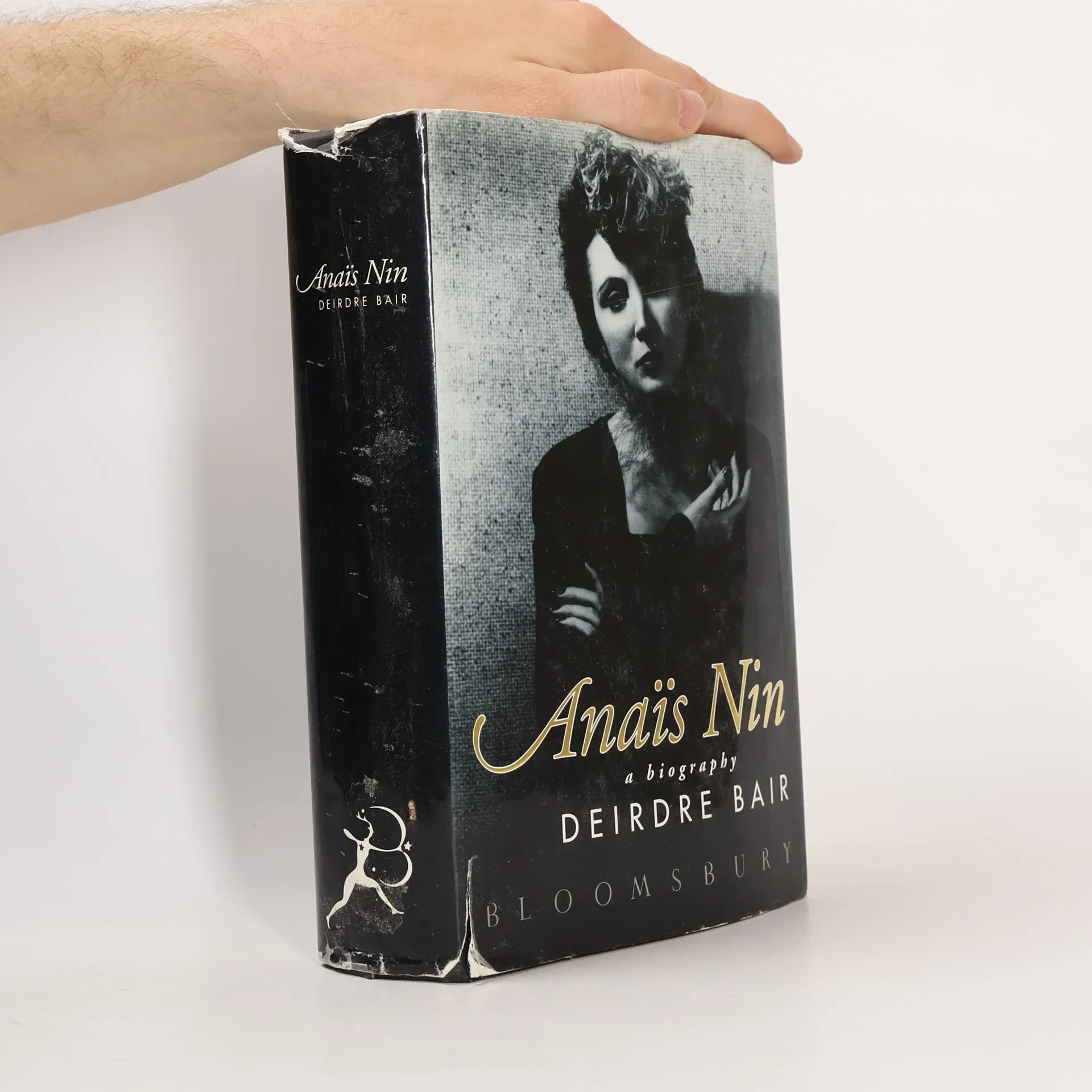
Arguably the world's most famous diarist, Anaïs Nin drew much of her acclaim from her shocking accounts of artistic and sexual self-exploration within the avant-garde worlds of Paris, New York, and Hollywood. But who was this woman whose peccadilloes led to relationships of bigamy and incest, who freely offered her body and her husband's money to some of the most brilliant men of her era - including Henry Miller and Edmund Wilson and Otto Rank - whose desperate cravings for love, recognition, and approval from the intellectual elite remained unsatisfied until the end of her life? Deirdre Bair, who had exclusive access to Nin's complete, original diary and the full cooperation of her surviving husband, family, and friends, offers an enthralling portrait of a complex, perplexing writer whose most compelling subject was, unfailingly, herself.
Parisian Lives
- 368 pages
- 13 hours of reading
Award-winning biographer Deirdre Bair explores her fifteen remarkable years in Paris with Samuel Beckett and Simone de Beauvoir, painting intimate new portraits of two literary giants.
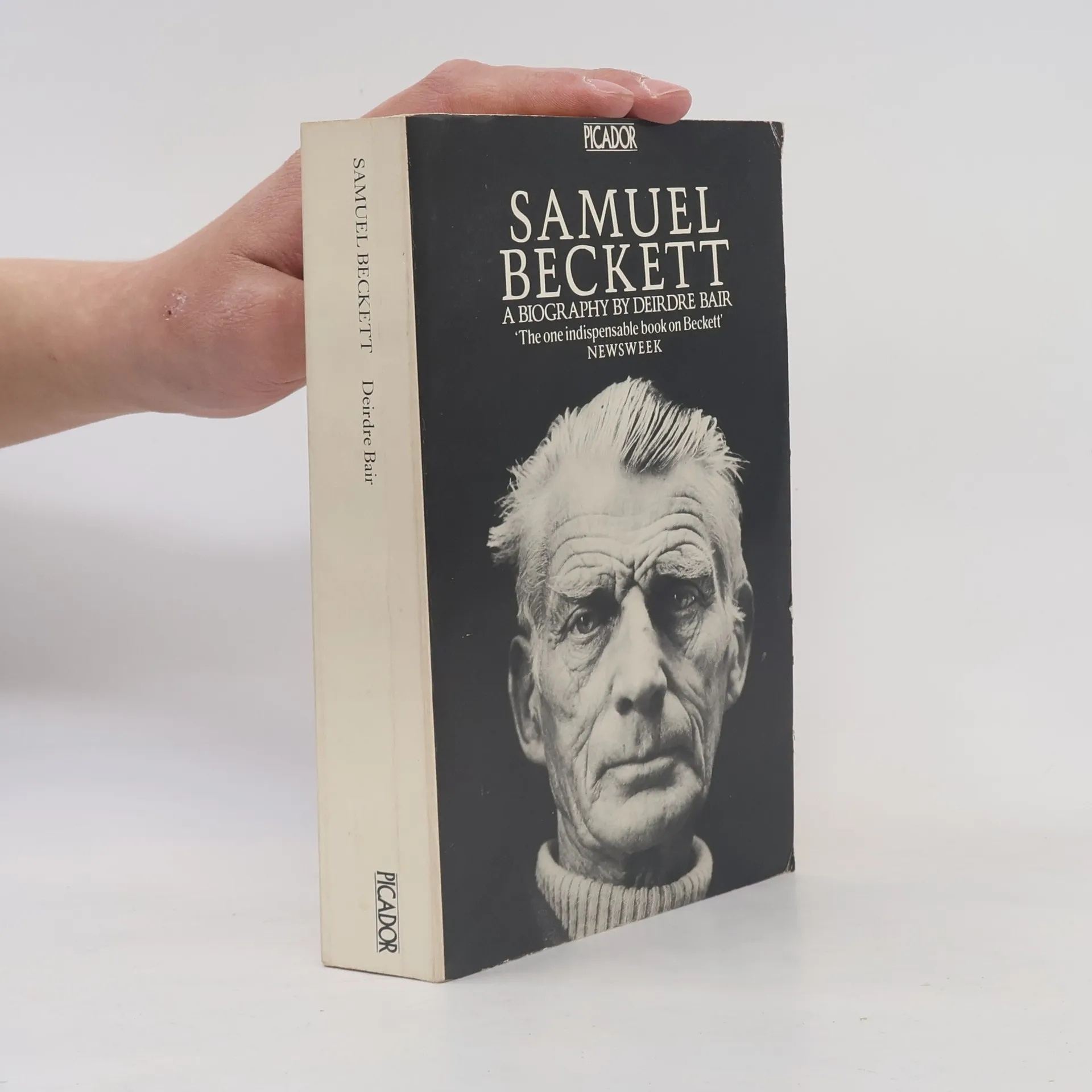
This biography of the Nobel Prize-winning novelist and playwright is a monumental work of scholarship, arguably the most significant book about Beckett ever published. It offers a compelling narrative of Beckett's life, from his upper-middle-class Irish childhood to his early years in Paris and his complex relationship with Joyce. The book reveals Beckett's psychological struggles through over 300 previously unknown letters to confidant Thomas McGreevy, his heroic service with the French Resistance, and the extraordinary post-World War II period that birthed his first masterpieces. It chronicles his tumultuous family relationships, the psychosomatic illnesses that hindered his writing, and the autobiographical elements in his work. The narrative also delves into his connections with publishers, actors, directors, and friends, painting a portrait of Beckett as the poet of despair and an enigmatic artist who transformed modern man's destitution into exaltation. Despite Beckett's initial refusal to authorize the book, Deirdre Bair conducted extensive research across multiple countries and interviewed countless individuals, resulting in a literary biography that meets the highest scholarly standards. Bair, an accomplished academic, has taught at prestigious institutions and continues to contribute to the field of literature.
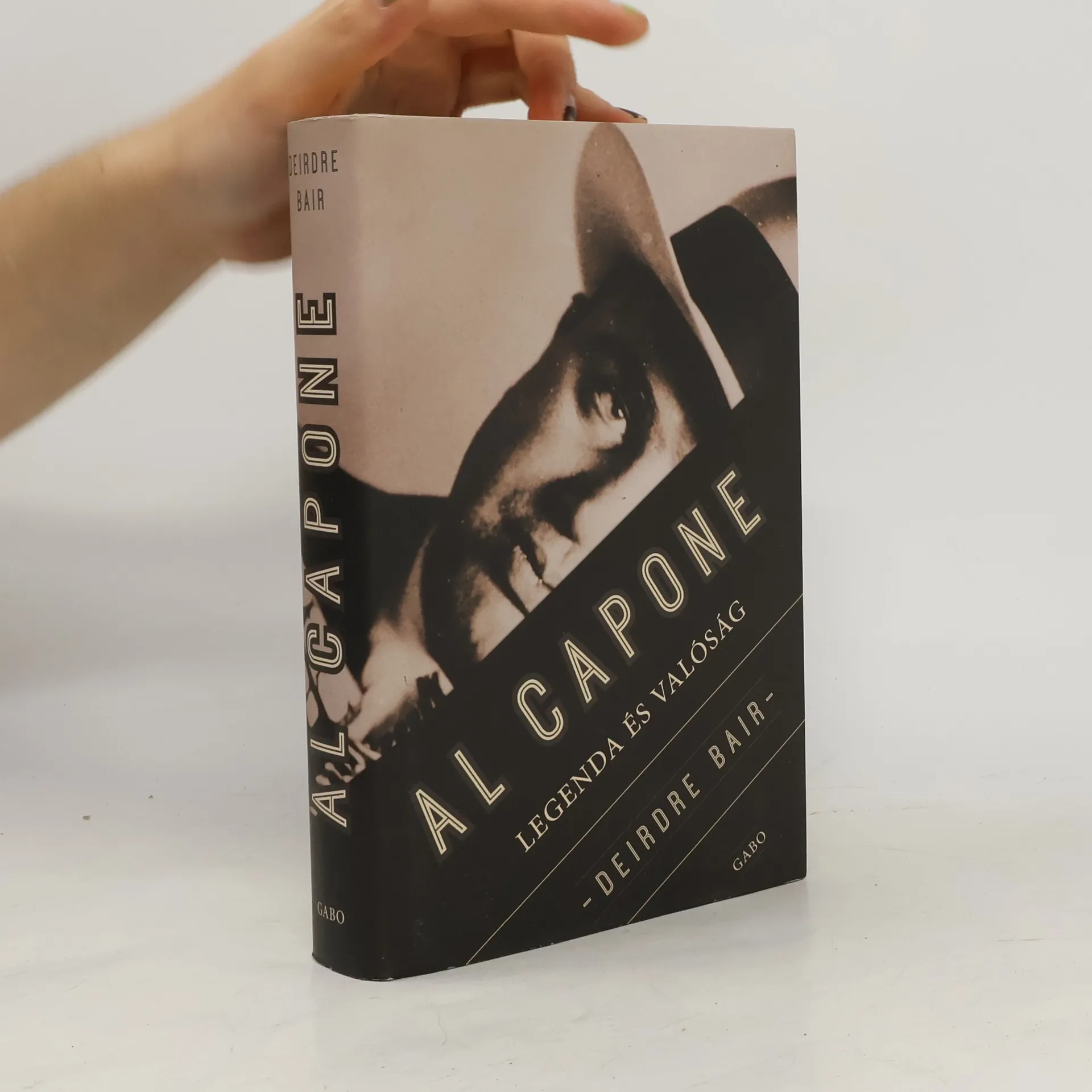
Al Capone
- 498 pages
- 18 hours of reading
Legenda és valóság Al Capone, az „első számú közellenség” a fénykorától mind a mai napig rabul ejti a képzeletet. Szegény brooklyni környezetből emelkedett ki és lett az amerikai történelem leghírhedtebb gengsztere. Az alkoholtilalom tetőfokán az ő sok millió dolláros chicagói szeszcsempész-, bordélyház- és szerencsejáték-hálózata uralta a szervezett bűnözés terepét. A rivális bandákkal folytatott vetélkedése brutális erőszakhullámot indított el, az alvilági háborúnak nem akart vége szakadni, és 1929-ben a döbbenetes Valentin-napi mészárlásban csúcsosodott ki. Birodalma nőttön-nőtt; úgy tűnt, se a törvényhatóság, se a sajtóelit nem tudja visszafogni. És aztán bekövetkezett a bukás: az FBI fogást talált rajta, adóelkerülésért elítélték, Alcatrazra került. A szabadlábra helyezését követően megtört emberként tért vissza a Miamiba, és a családja körében élt csendesen, amíg a neuroszifilisze végleg le nem gyűrte. Alakja azonban elpusztíthatatlan: a minden hájjal megkent gengsztert könyvek és filmek sokasága avatja halhatatlanná. Ez a sallangmentesen Al Capone című könyv a maga pedánsságával és bensőségességével új válaszokat ad a makacsan felmerülő kérdésekre e lebilincselő figurával kapcsolatban, aki egyszerre volt hivalkodó gengszter, odaadó családfő és számító szörnyeteg.