Monograph tracing the historical evolution of strike and unofficial strike activities in France from 1830 to 1968 - covers trade unionization, the impact of industrialization and urbanization, etc. Bibliography pp. 401 to 412, graphs, maps, references and statistical tables.
Edward Shorter Books
January 1, 1941




A Historical Dictionary of Psychiatry
- 352 pages
- 13 hours of reading
This first historical dictionary of psychiatry spans topics from autism to Vienna, detailing key concepts, figures, places, and institutions that have influenced the field and the neurosciences. An introductory section contextualizes broad trends and international variations, supported by an extensive bibliography for further exploration. Each entry outlines significant dates, themes, and personalities related to the topic, with longer entries delving into the development of conditions like depression, schizophrenia, and psychotherapy. The dictionary serves as a quick reference for the timeline of psychiatric advancements, methods, and contributors. It also addresses social themes such as "women in psychiatry," "criminality and psychiatry," and "homosexuality and psychiatry." A comprehensive index enhances accessibility to topics not listed alphabetically. Clinicians can explore the origins of terms like "paranoia" and "SSRIs," while basic scientists can reference developments in "neurotransmitters" and "neuroimaging." Medical history students can position psychiatric narratives within broader events, and the general public can learn about relevant illnesses affecting their lives. Drawing from English, French, German, Italian, and Scandinavian sources, this dictionary is grounded in extensive primary research, charting the evolution of psychiatry throughout Western society.
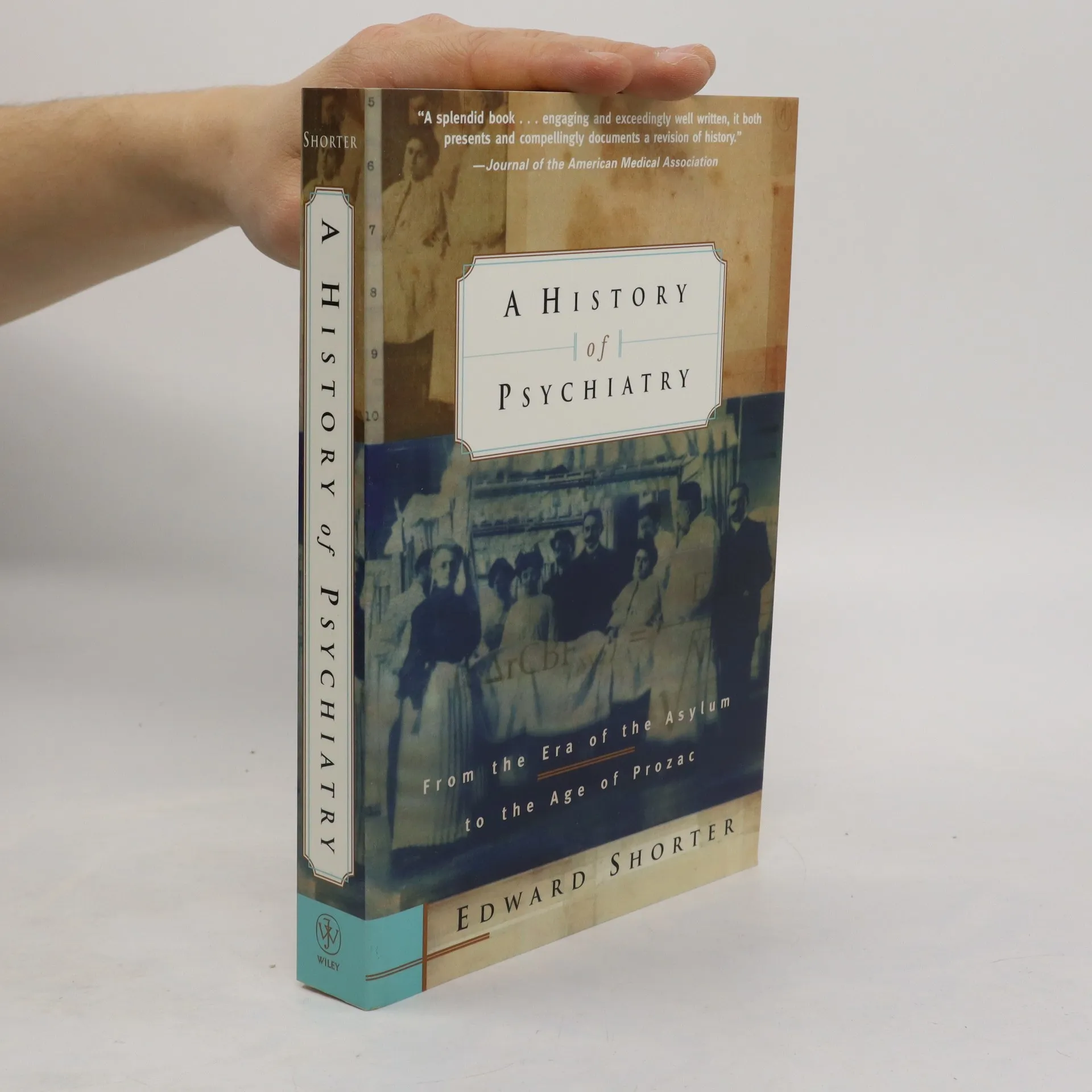
A History of Psychiatry
- 448 pages
- 16 hours of reading
Now in paper! Writing in a charged, highly-accessible style, Edward Shorter covers the history of psychiatry from the late 18th century to the present.
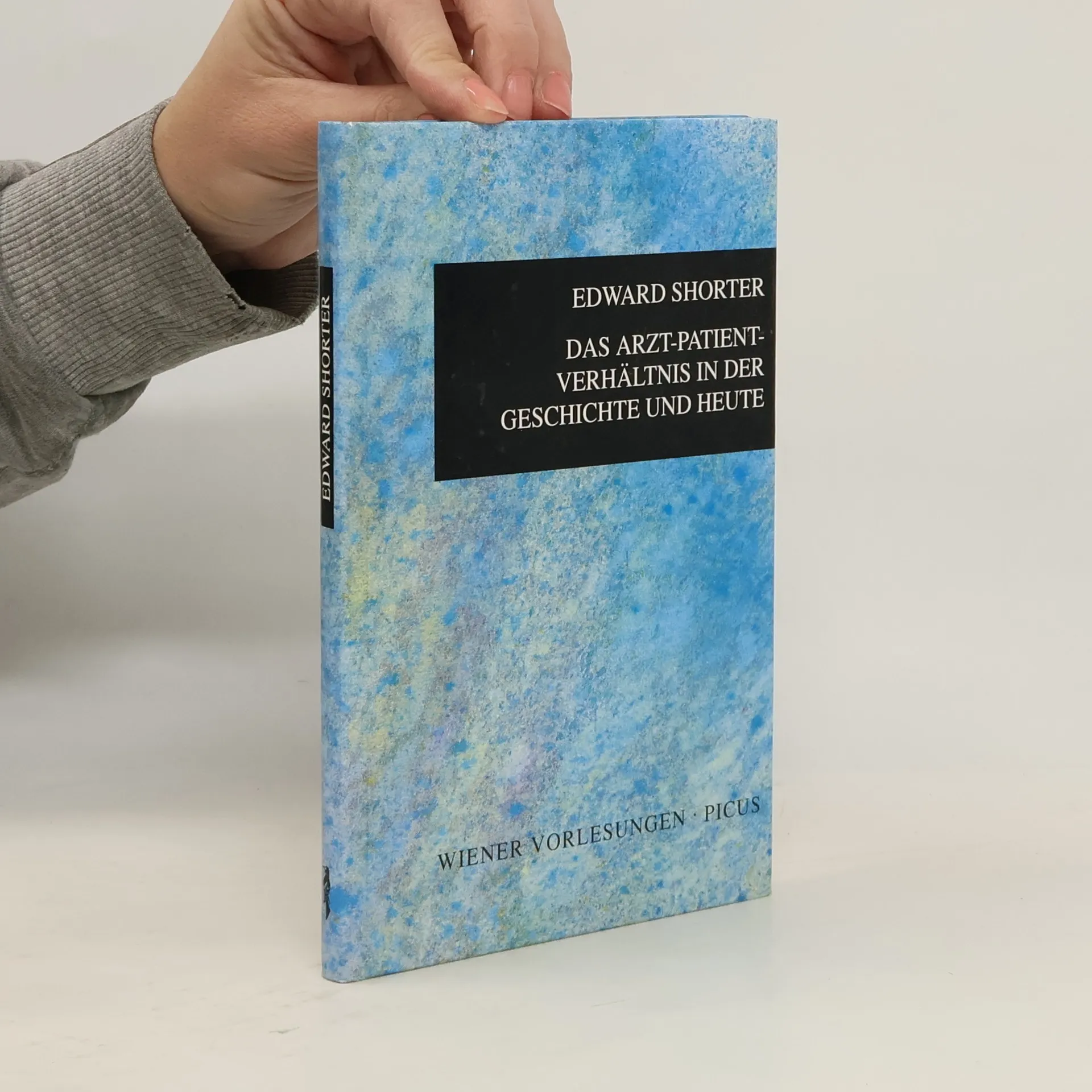
Das Arzt-Patient-Verhältnis in der Geschichte und heute
- 64 pages
- 3 hours of reading
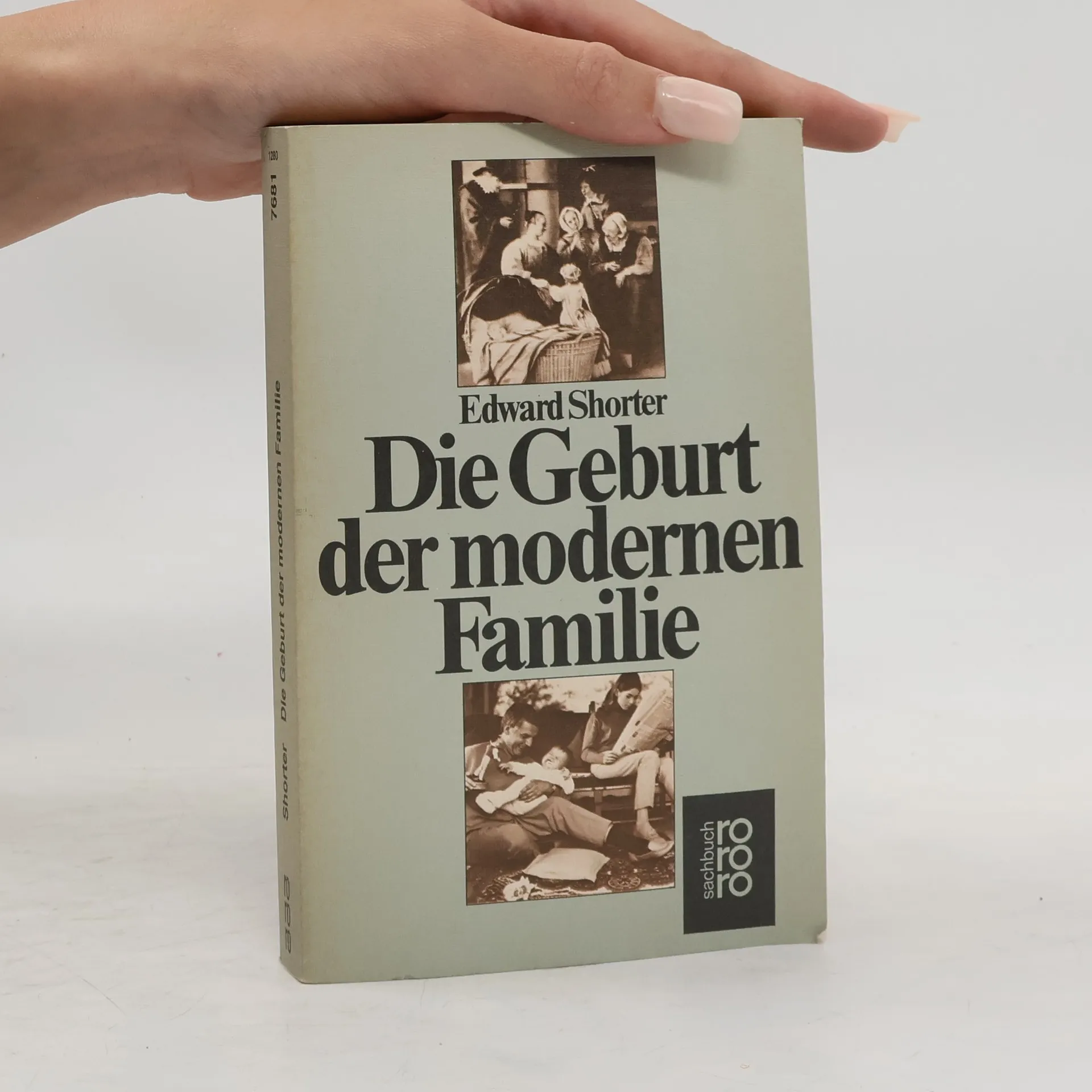
Die Geburt der modernen Familie
- 366 pages
- 13 hours of reading
Mit Tab. 366 S.
Von der Seele in den Körper: Die kulturellen Ursprünge psychosomatischer Krankheiten
- 384 pages
- 14 hours of reading
Psychosomatische Erkrankungen entstehen im Zusammenspiel von genetischen und kulturellen Faktoren. Shorter geht der Frage nach, wie kulturspezifisches Krankheitsverhalten entsteht. Er begreift den Vorgang des Erkrankens ohne Vorliegen eine s organischen Befundes als eine Gemeinschaftsfunktion des biologisch gesteuerten Gehirns und der gesellschaftlich konditionierten Psyche. Viele zum Teil illustre Fallgeschichten belegen diesen Ansatz.