

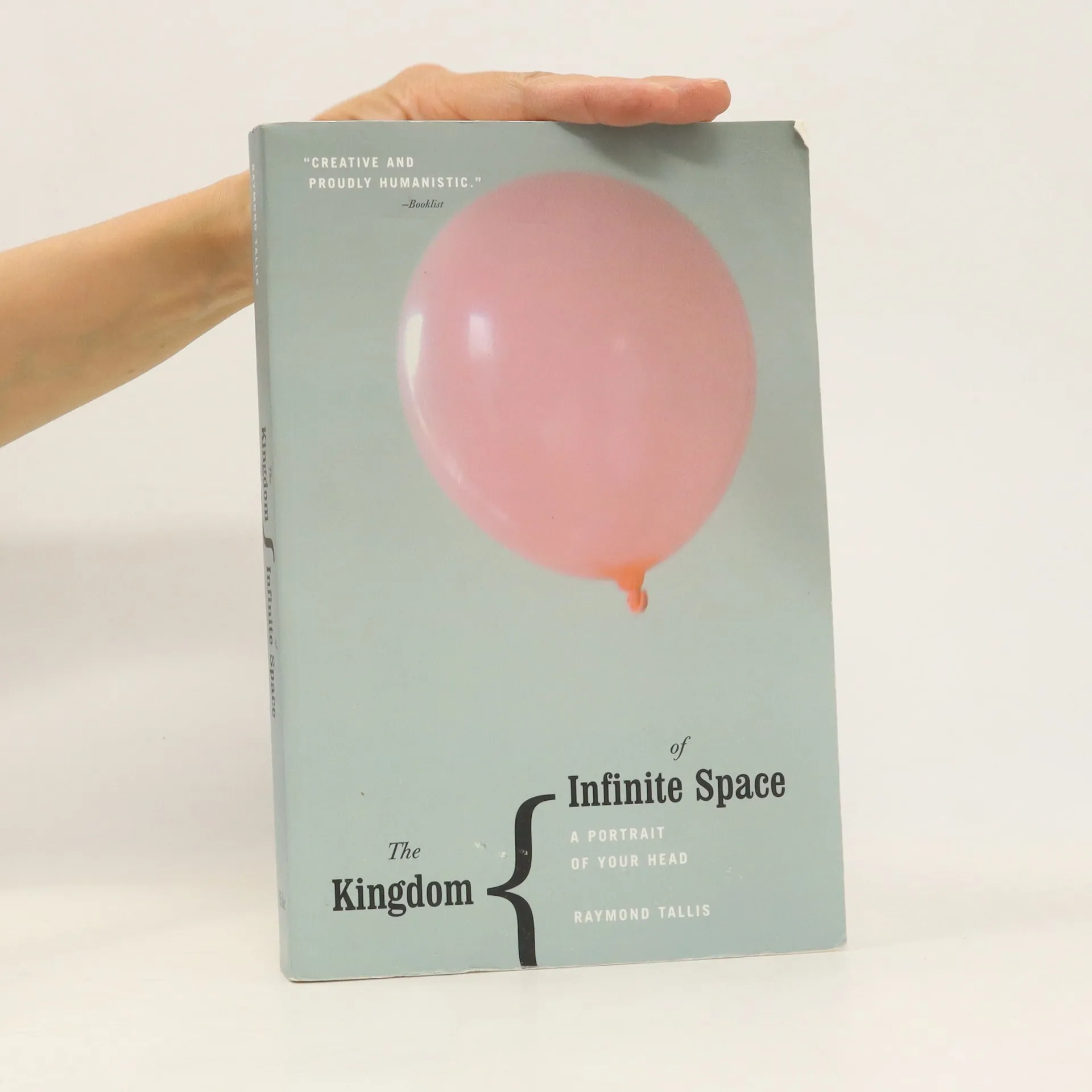
A joyful tour of the human head and of what we make of the astonishing processes that take place within it In this pathbreaking book, one of Britain's most eloquent and original thinkers writes about the head, what happens in it, and how it is and is not connected to our sense of identity and consciousness. Blending science, philosophy, and humor, Raymond Tallis examines the extraordinarily complex relationship we have with our heads. His aim, as he says, "is to turn readers into astonished tourists of the piece of the world that is closest to them, so they never again take for granted the head that looks at them from the mirror." Readers will delight that this is precisely what he accomplishes. The voyage begins with a meditation on the self-portrait of a mirror image, followed by a consideration of the head's various secretions. Tallis contemplates the air we exhale; the subtle meanings of nods, winks, and smiles; the mysteries of hearing, taste, and smell. He discusses the metaphysics of the gaze, the meaning of kissing, and the processes by which the head comes to understand the world. Along the way he offers intriguing digressions on such notions as "having" and "using" one's head, and enjoying and suffering it. Tallis concludes with his thoughts on the very thing the reader's head has been doing throughout the book: thinking.
Raymond Tallis Books
Raymond Tallis is a thinker who has broken free from the confines of a single discipline. He began his career as a physician and scientist, but his intellectual scope led him to become one of the world's foremost living polymaths. His current writing explores profound questions of human existence, consciousness, and language. Drawing on a rich intersection of medicine and the humanities, his work offers a piercing critique of contemporary intellectual trends.
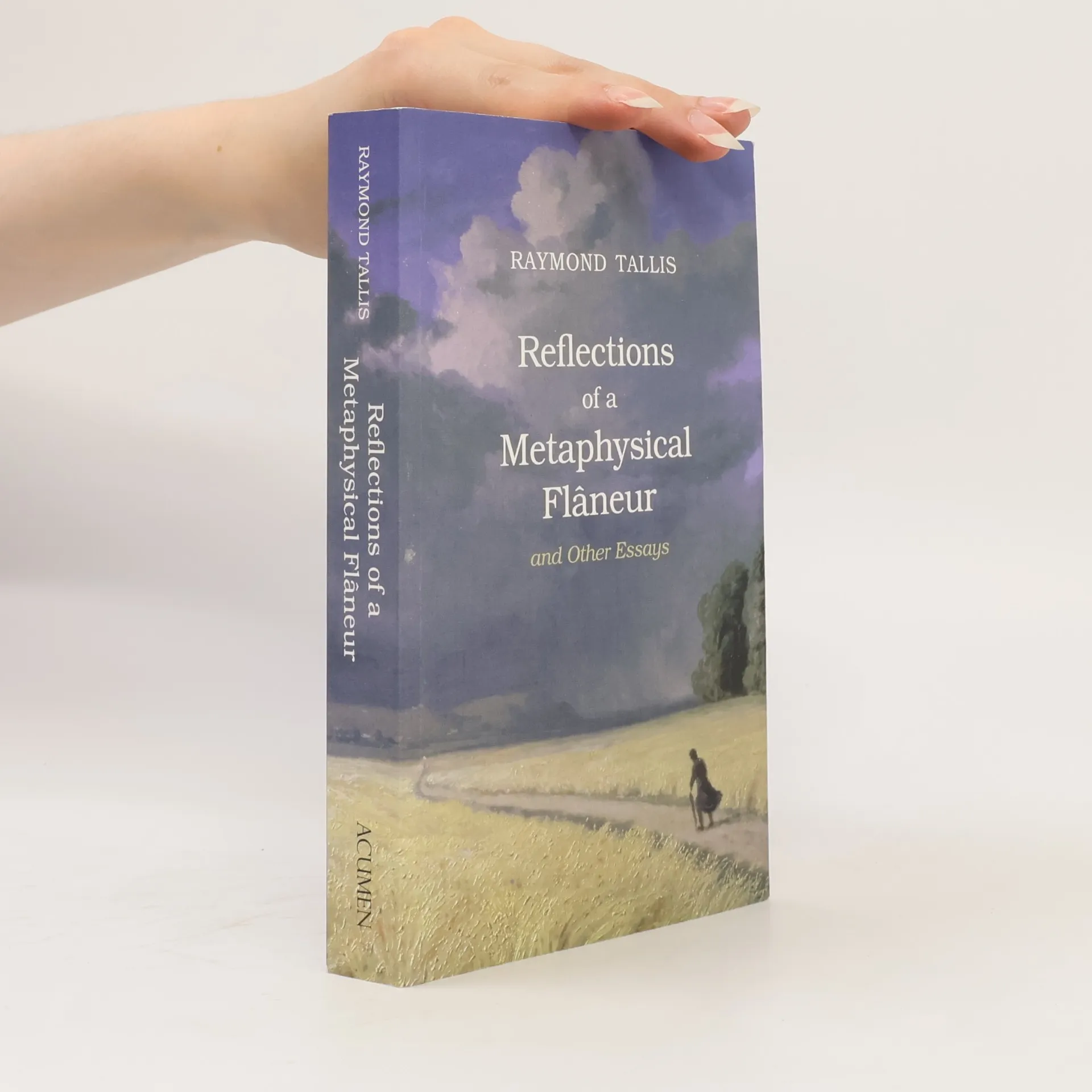

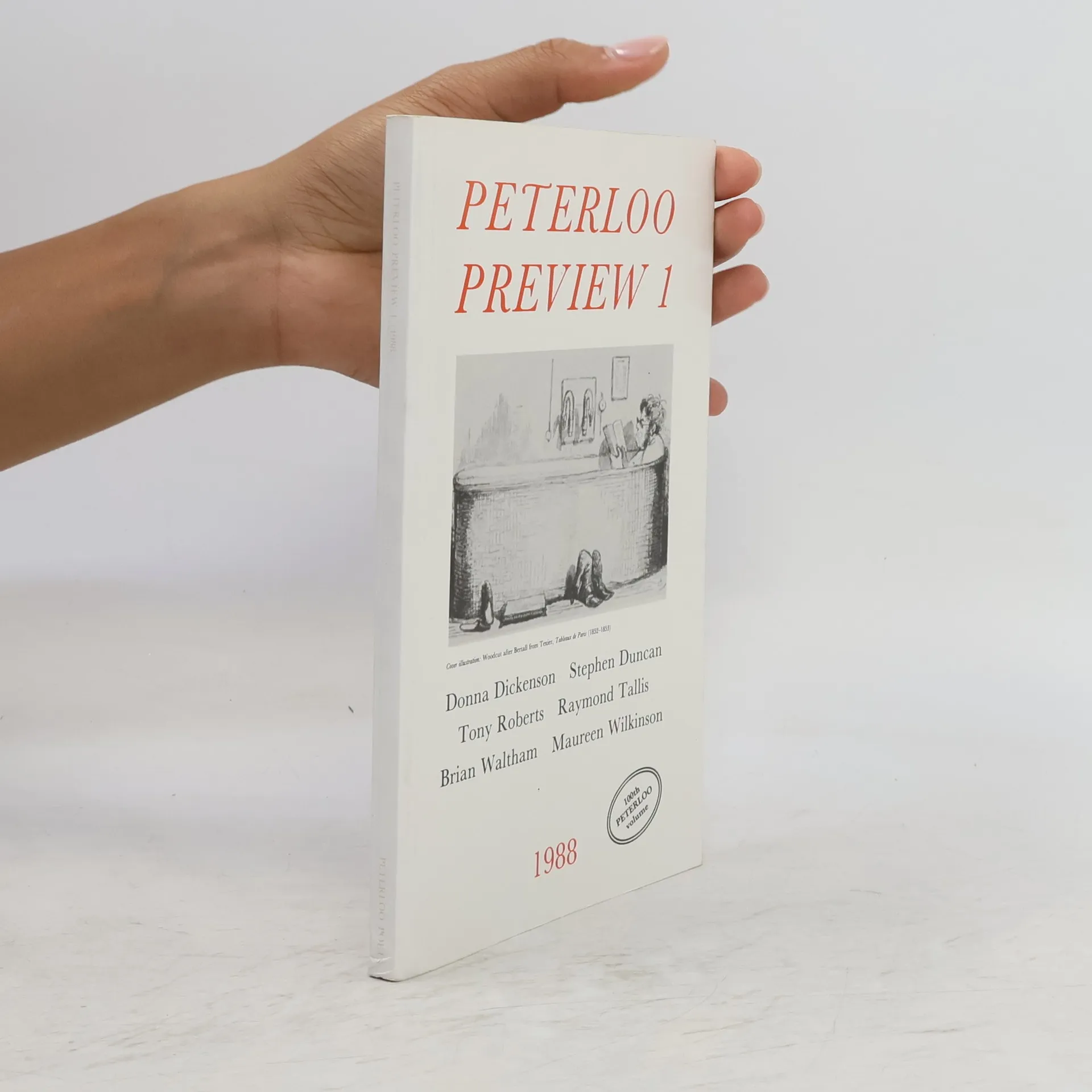
Peterloo Preview
- 96 pages
- 4 hours of reading
Providing comprehensive coverage of current materialist theories of consciousness, this text argues that attempts to accommodate, or to eliminate, subjective experience are misconceived. This consciousness is regarded as the basis for the new vision of man, as "the explicit man".
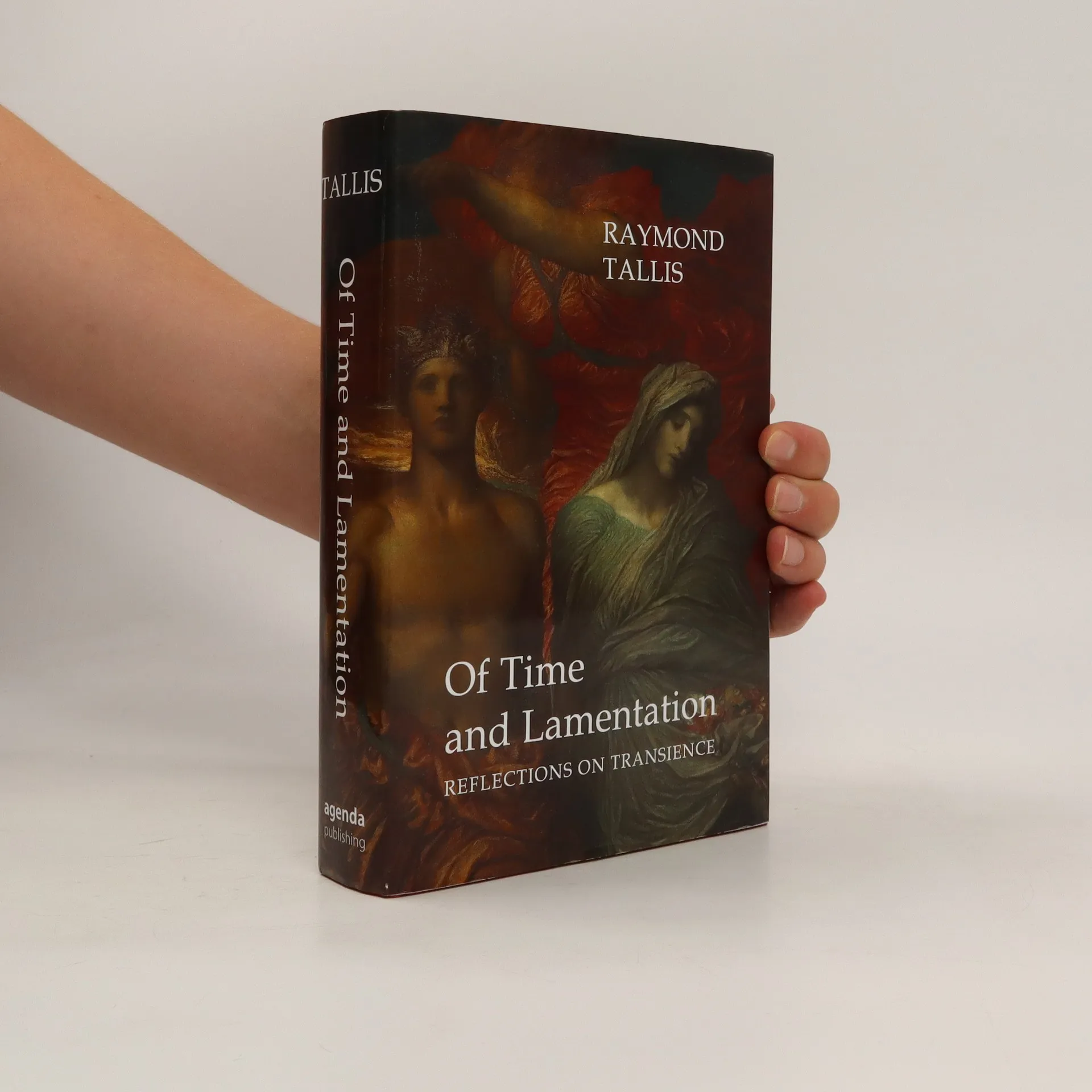
Of Time and Lamentation: Reflections on Transience
- 736 pages
- 26 hours of reading
Time's mysteries resist comprehension, challenging even the most profound philosophers. In this work, Raymond Tallis explores the nature and meaning of time, drawing on two decades of contemplation and inquiry. He boldly seeks to reclaim time from the confines of physics, emphasizing that for most of us, time encompasses our daily experiences—mornings, afternoons, and evenings—expressed through emotions like hope, longing, and grief. Reflecting on time invites contemplation of our mortality, yet physics offers little insight into the lived experience of time. Tallis argues that the narratives told by caesium clocks and quantum theory must be complemented by the more personal stories of our human journey, including the moss on rocks and tears on faces. Our temporal lives warrant deeper exploration than the equations of mathematical physics provide. The first part critiques the spatialized and mathematized accounts of time from physical science, while the second part delves into the reality of lived time, exploring concepts like "now," our understanding of past and future events, and the notion of eternity.
Written with Tallis's customary energy and vigor, these essays endeavour to elaborate a vision of humanity that rejects religious myths while not succumbing to scientism or other forms of naturalism.