
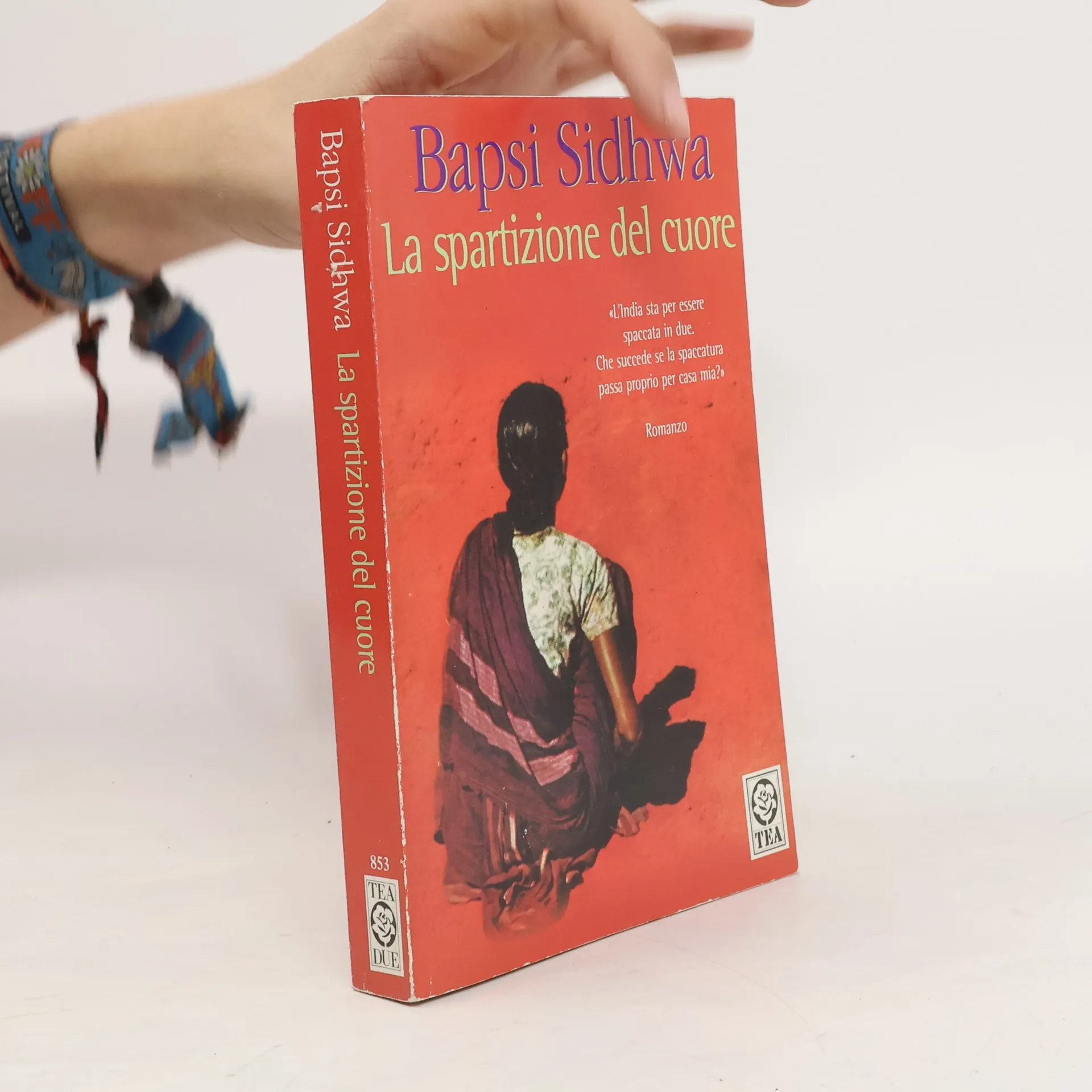
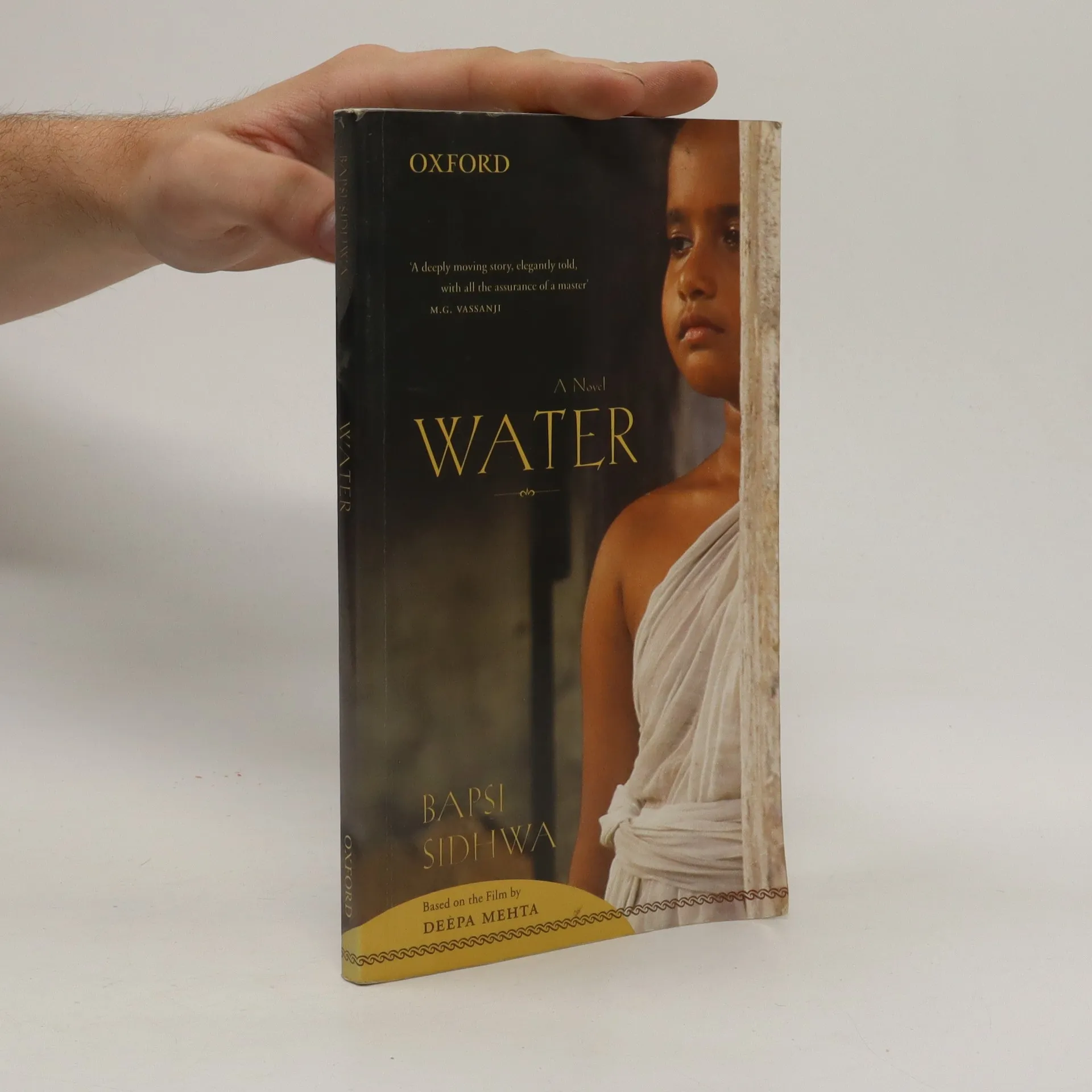
The unique collaboration between Bapsi Sidhwa and Deepa Mehta brings the controversial themes of Mehta's film "Water" into literary form. Sidhwa's adaptation explores complex social issues surrounding gender, tradition, and the impact of colonialism in India. Through her narrative, Sidhwa delves into the lives of women affected by societal norms, offering a poignant commentary on their struggles and resilience. This work showcases the powerful interplay between cinema and literature, highlighting the shared vision of both artists.
Bapsi Sidhwa Books
Bapsi Sidhwa is Pakistan's foremost diasporic writer, whose works delve into the tumultuous history of the Indian subcontinent and the experiences of women in a patriarchal world. Employing sharp observation and an empathetic style, Sidhwa maps the repercussions of the Partition of India, documenting the oppression of women and exploring the complexities of immigration and cultural identity within the Parsi/Zoroastrian community. Her prose, deeply rooted in personal experience, offers a poignant exploration of survival, resilience, and the search for belonging. Through her meticulously crafted narratives, Sidhwa not only illuminates marginalized voices but also engages with universal themes of loss, memory, and the endurance of the human spirit.


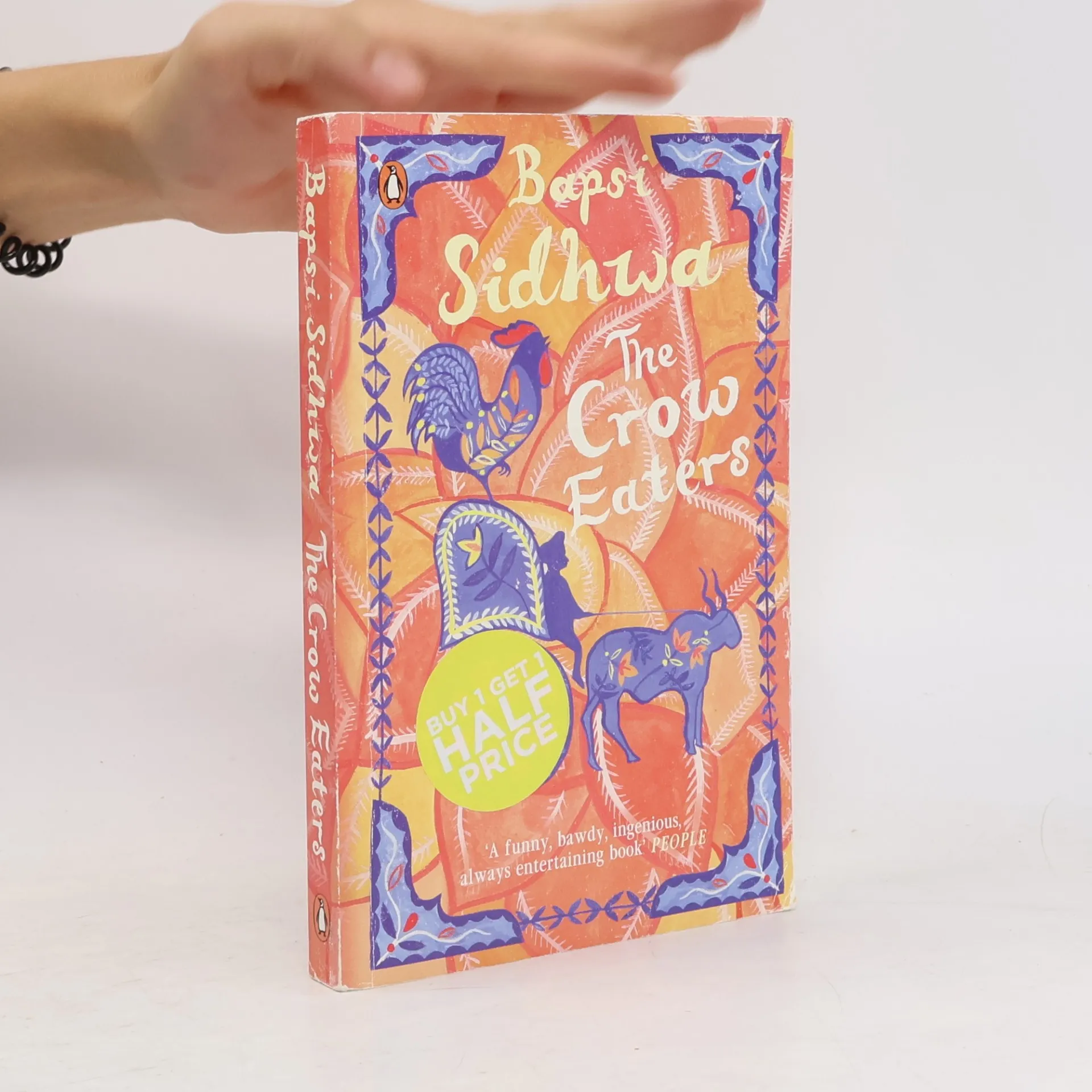
The Crow Eaters
- 269 pages
- 10 hours of reading
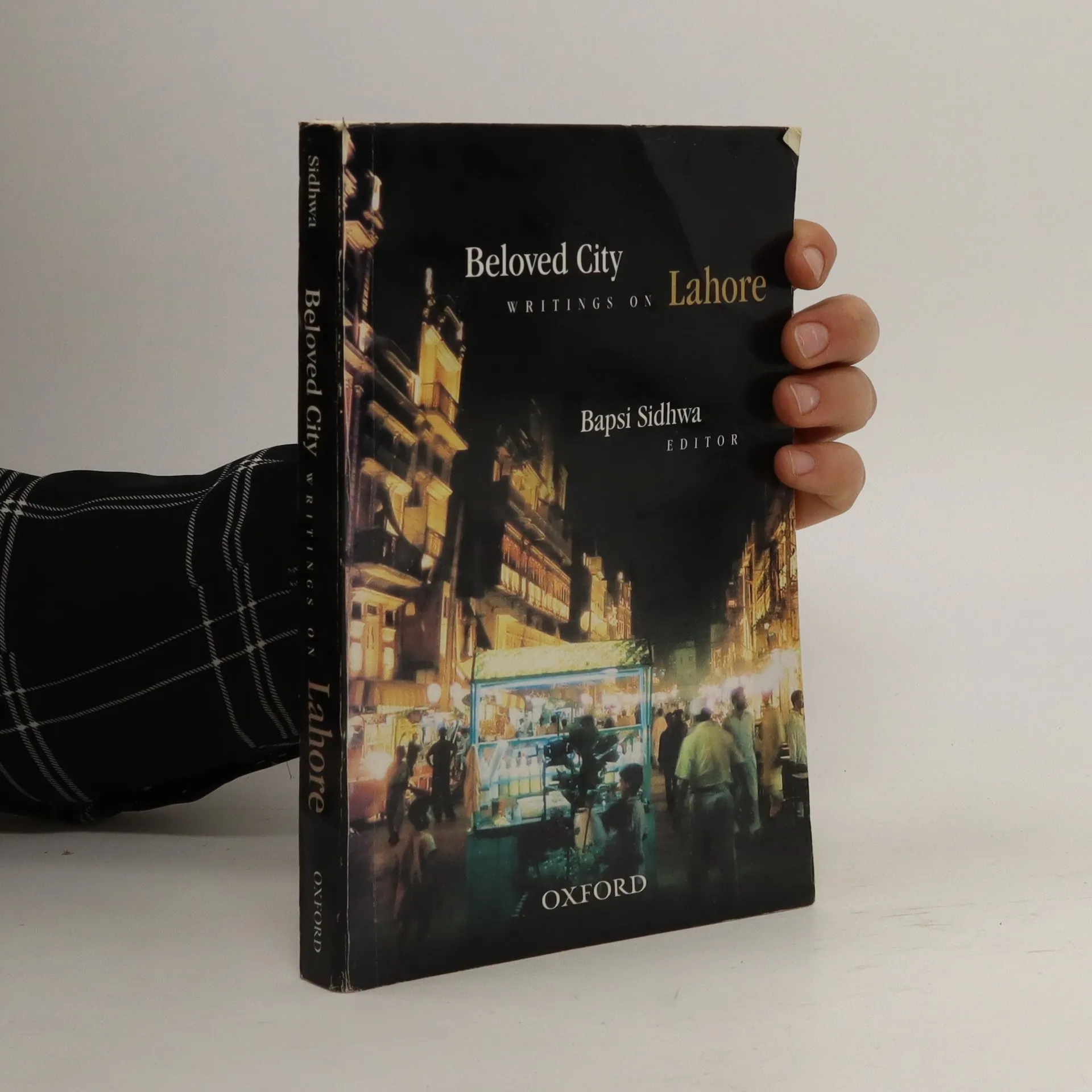
This anthology brings together verse and essays, stories, chronicles, and profiles by people who have shared a relationship with Lahore. From the mystical poems of Madho Lal Hussain and Bulleh Shah to Iqbal’s ode and Faiz’s lament; from McLagan’s and Aijazuddin’s historical treatises and Kipling’s ‘chronicles’ to Samina Quraeshi’s intricate portraits of the Old City and Irfan Husain’s delightful account of Lahori cuisine, Beloved City is a marriage of the sacred and profane. Significant Pakistani writers like Intezar Hussain, Aamer Hussain, Kishwar Naheed, Bapsi Sidhwa, Sara Suleri, and Ashfaq Ahmed have also contributed to this volume.
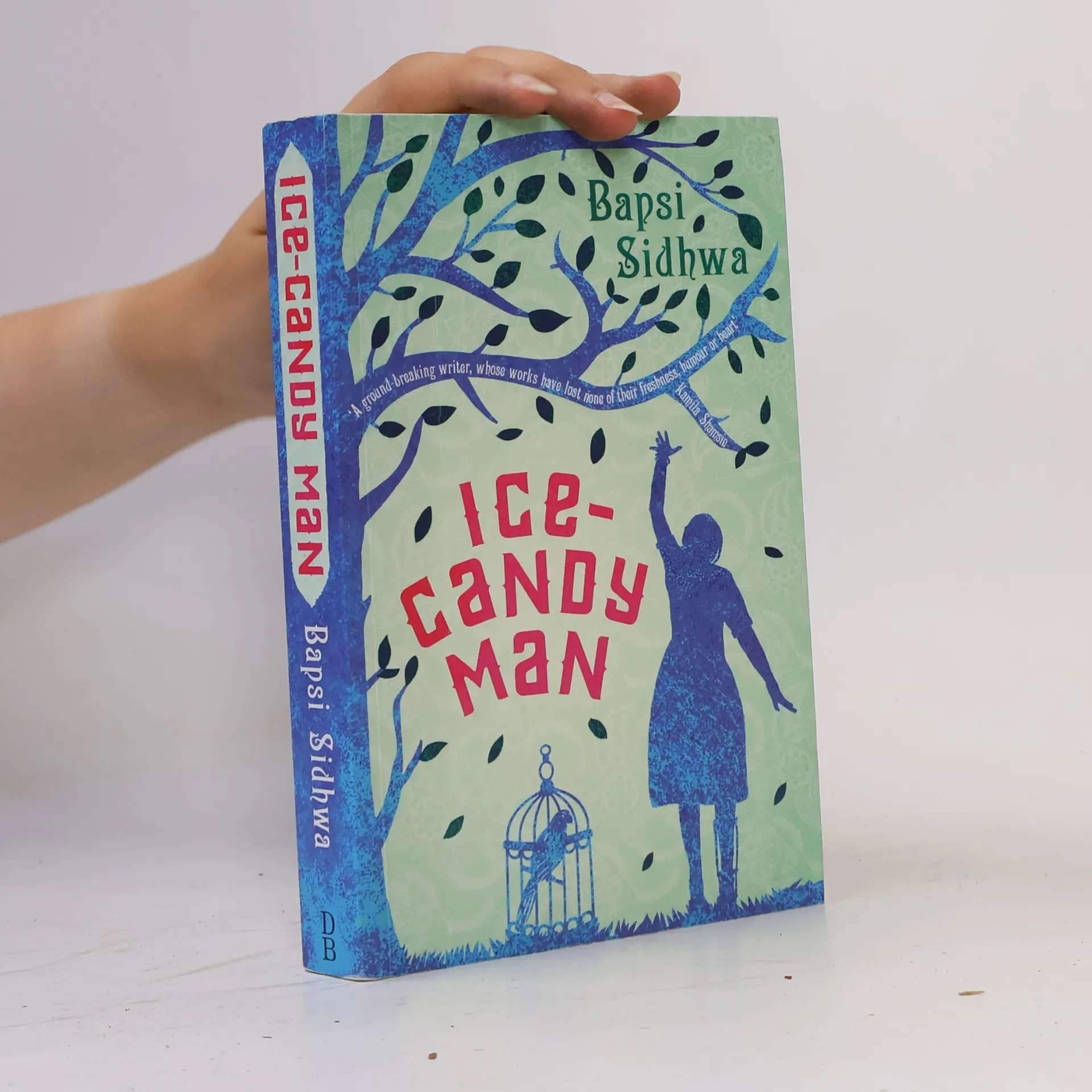
»Ice Candy Man« erzählt aus der Sicht des kleinen Parsenmädchens Lenny von der grausamen Trennung Indiens und Pakistans in den 1940er Jahren. Lenny erlebt eine multikulturelle Idylle, die abrupt endet, als Lahore in Chaos versinkt und der einst gutmütige Ice Candy Man zum gewissenlosen Opportunisten wird. Bapsi Sidhwa fängt die Exotik und den brutalsten Wandel der Ereignisse ein.
Ice candy man
- 339 pages
- 12 hours of reading
›Ice Candy Man‹ erzählt die Geschichte der Trennung Indiens und Pakistans in den vierziger Jahren aus der Sicht des kleinen Parsenmädchens Lenny aus Lahore. Lenny wächst in einem Milieu auf, das von Toleranz geprägt ist; selbst die bisweilen belächelte englische Nachbarsfamilie ist gern gesehener Besuch. Dass es neben Parsen auch Sikhs, Hindus und Moslems gibt, weiß Lenny denn ihrem bildhübschen Kindermädchen stellen Verehrer aller Glaubensrichtungen nach, darunter der moslemische Ice Candy Verkäufer. Die multikulturelle Idylle findet ein jähes Ende, als im August 1947 der Panjab zwischen den unabhängigen Staaten Indien und Pakistan aufgeteilt wird: Lahore brennt, religiöser Fanatismus bricht aus, Freundschaften und Familien brechen auseinander. Der gutmütige Ice Candy Man entpuppt sich als gewissenloser Opportunist, der das Vertrauen des Kindes missbraucht, um das begehrte Kindermädchen in seine Gewalt zu bringen. »Viel wurde geschrieben über den Völkermord, der auf die Teilung Indiens 1947 folgte ... Aber selten wurde die Geschichte so anrührend, so überzeugend und so erschütternd erzählt wie von der pakistanischen Autorin Bapsi Sidhwa, die sie durch die Augen des kleinen Mädchens Lenny sieht.« Philadelphia Inquirer »Bapsi Sidhwa hat mit ›Ice Candy Man‹ ein unvergessliches Buch geschrieben, das ihren Ruf als Pakistans beste Autorin englischer Sprache bestätigt.«New York Times Book Review
