
Explore the latest books of this year!
Bookbot

Saint John Chrysostom

    An early Church Father and Archbishop of Constantinople, renowned for his eloquent preaching and powerful public speaking. He earned the epithet "golden-mouthed" for his rhetorical brilliance and unwavering denunciation of abuses of power by both secular and religious leaders. His asceticism and contributions to liturgical practice, including a widely used liturgy, highlight his profound spiritual influence. While celebrated for his theological insights and homiletic skill, some of his writings have also sparked controversy.

    On the Priesthood
    Treatise Concerning the Christian Priesthood
    Instruction to Catechumens
    No One Can Harm the Man who Does Not Harm Himself
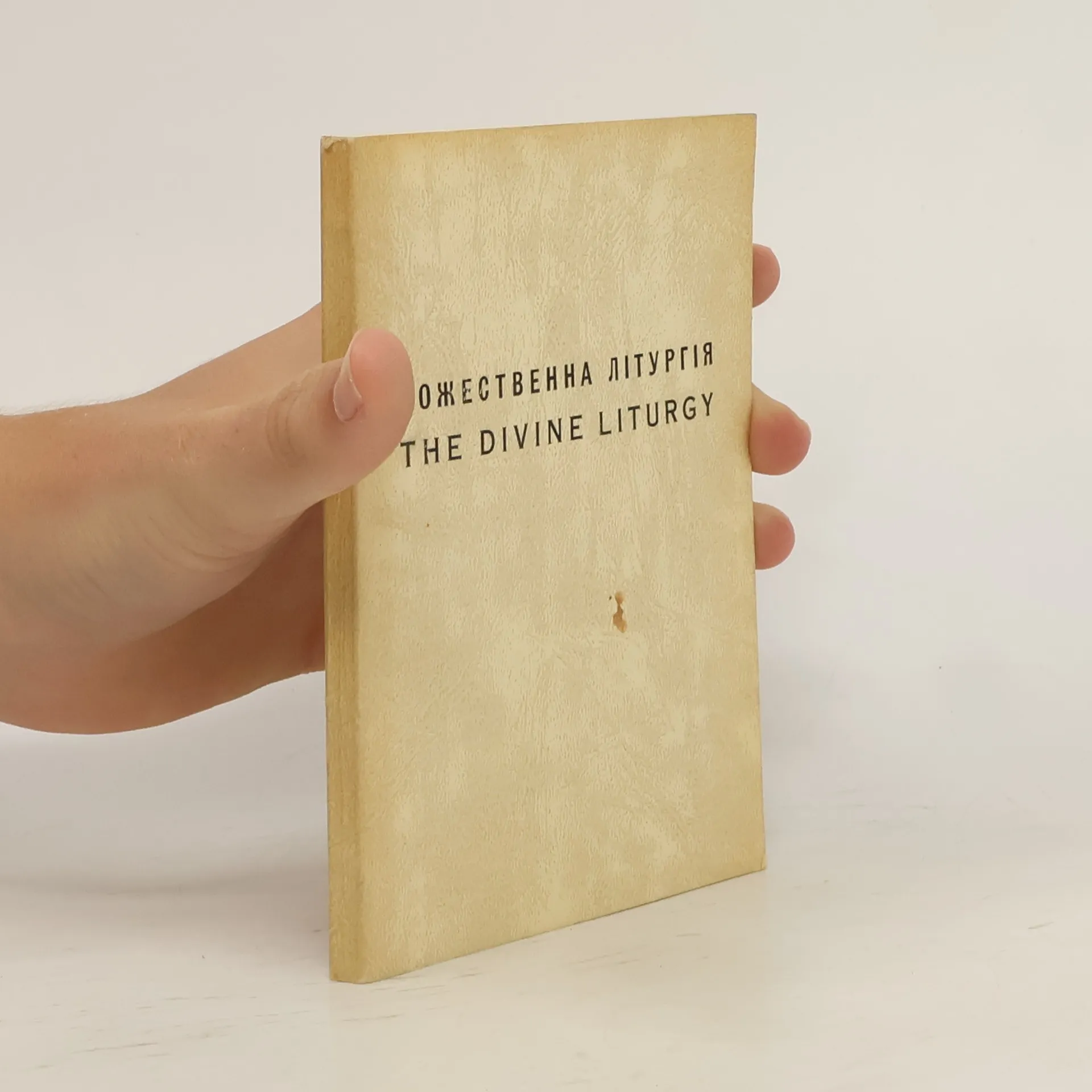
    The Divine Liturgy. Божественна літургія
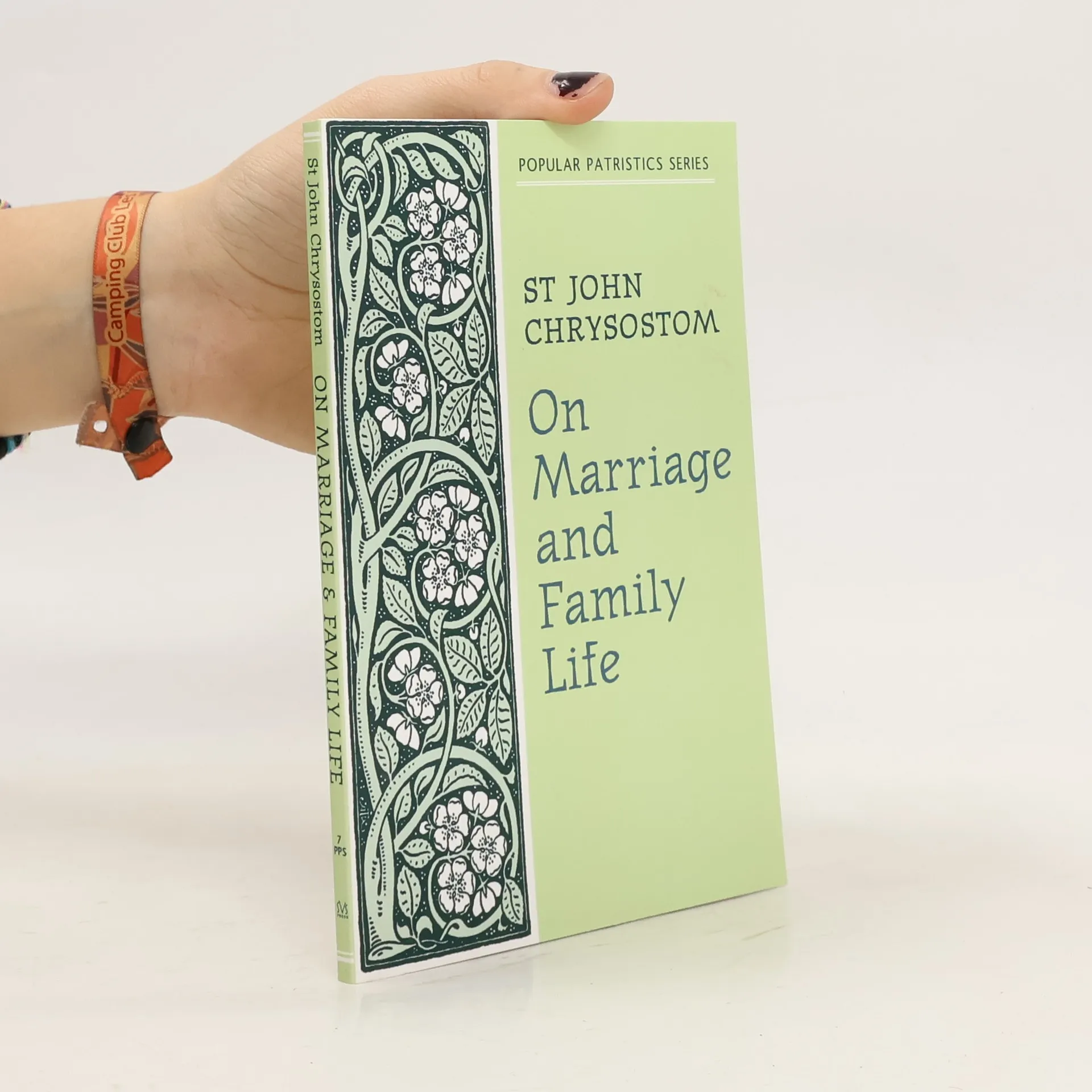
    On Marriage and Family Life
    • Focusing on the significance of marriage, St. John Chrysostom offers a corrective perspective on the Christian view of married life, particularly regarding sexuality. Drawing inspiration from the epistles to the Corinthians and Ephesians, he emphasizes that marriage is primarily intended to foster holiness between spouses, with procreation as a secondary purpose. His sermons address sexual relations, mutual responsibilities, and parenting, providing timeless insights that remain relevant for contemporary Christian families, despite some context-specific elements.

      On Marriage and Family Life
    • The work is by St. John Chrysostom and was written while in exile from his See in Constantinople, near the end of his life. It was written to his spiritual daughter, the nun Olympiada, and is entitled, None Can Harm the One Who Does Not Harm Himself

      No One Can Harm the Man who Does Not Harm Himself
    • John Chrysostom, Archbishop of Constantinople, was an important Early Church Father. He is known for his preaching and public speaking, his denunciation of abuse of authority by both ecclesiastical and political leaders, the Divine Liturgy of Saint John Chrysostom, and his ascetic sensibilities.

      Instruction to Catechumens
    • The book explores the dignity and sanctity of the priestly office, highlighting the unique challenges faced by priests during Chrysostom's time. It offers insightful observations relevant to both the Church and society of that era. The text discusses the general nature of the priesthood, often blurring the lines between different orders in the ministry. Chrysostom's role as chief pastor and overseer of clergy is emphasized, along with a brief mention of his friend Basil, whose identity remains uncertain, adding a layer of historical intrigue.

      Treatise Concerning the Christian Priesthood
    • On the Priesthood

      • 84 pages
      • 3 hours of reading

      St. John Chrysostom's On the Priesthood showcases his exceptional rhetorical skill, earning him the title "golden-mouthed." Beyond its stylistic brilliance, the work reflects his practical yet idealistic mindset, addressing the world's injustices while upholding the moral ideals of the gospel. Chrysostom's ability to connect tangible observations with profound theological insights is a hallmark of this text, which continues to inspire and challenge Christians throughout history.

      On the Priesthood
    • On Wealth and Poverty

      • 60 pages
      • 3 hours of reading

      The sermons of St. John Chrysostom, translated by F. Allen, serve as profound commentaries on the Christian life, addressing the challenges of wealth and poverty. Renowned for his eloquence, Chrysostom speaks to the realities faced by both the rich and the poor, making his insights relevant for contemporary readers. Through six sermons centered on the parable of the rich man and Lazarus, he offers clarity and compassion, engaging with the human condition while proclaiming the timeless truths of the Gospel.

      On Wealth and Poverty
    • The work of John Chrysostom, an Early Church Father and Archbishop of Constantinople, delves into St. Paul's letter to Philemon. His insightful exegesis provides a foundational understanding of the text, influencing subsequent Christian writers and interpretations. Chrysostom's analysis highlights the theological and moral dimensions of the letter, showcasing his significant role in early Christian thought.

      Homilies on Philemon
    • Commentary on the Epistle to the Galatians

      Illustrated

      • 68 pages
      • 3 hours of reading

      St. John Chrysostom offers a thorough exploration of Galatians through six homilies, presenting a detailed verse-by-verse analysis of this significant letter by the Apostle Paul. As a renowned preacher of Constantinople, Chrysostom's insights illuminate the theological and practical implications of Paul's message, making it an essential resource for understanding early Christian thought and the challenges faced by the Galatian church.

      Commentary on the Epistle to the Galatians
    • Selected Homilies on Family, Love, Marriage, Adultery and Divorce

      Easy to Read Layout

      • 140 pages
      • 5 hours of reading

      Exploring themes of Family, Love, Marriage, Adultery, and Divorce, this collection features exemplary homilies by Saint John Chrysostom, renowned for his insightful commentary on Christian doctrine. Each piece offers a public explanation of sacred texts, providing profound reflections on these essential aspects of life and faith.

      Selected Homilies on Family, Love, Marriage, Adultery and Divorce