
Il sultano di Luxor
- 79 pages
- 3 hours of reading
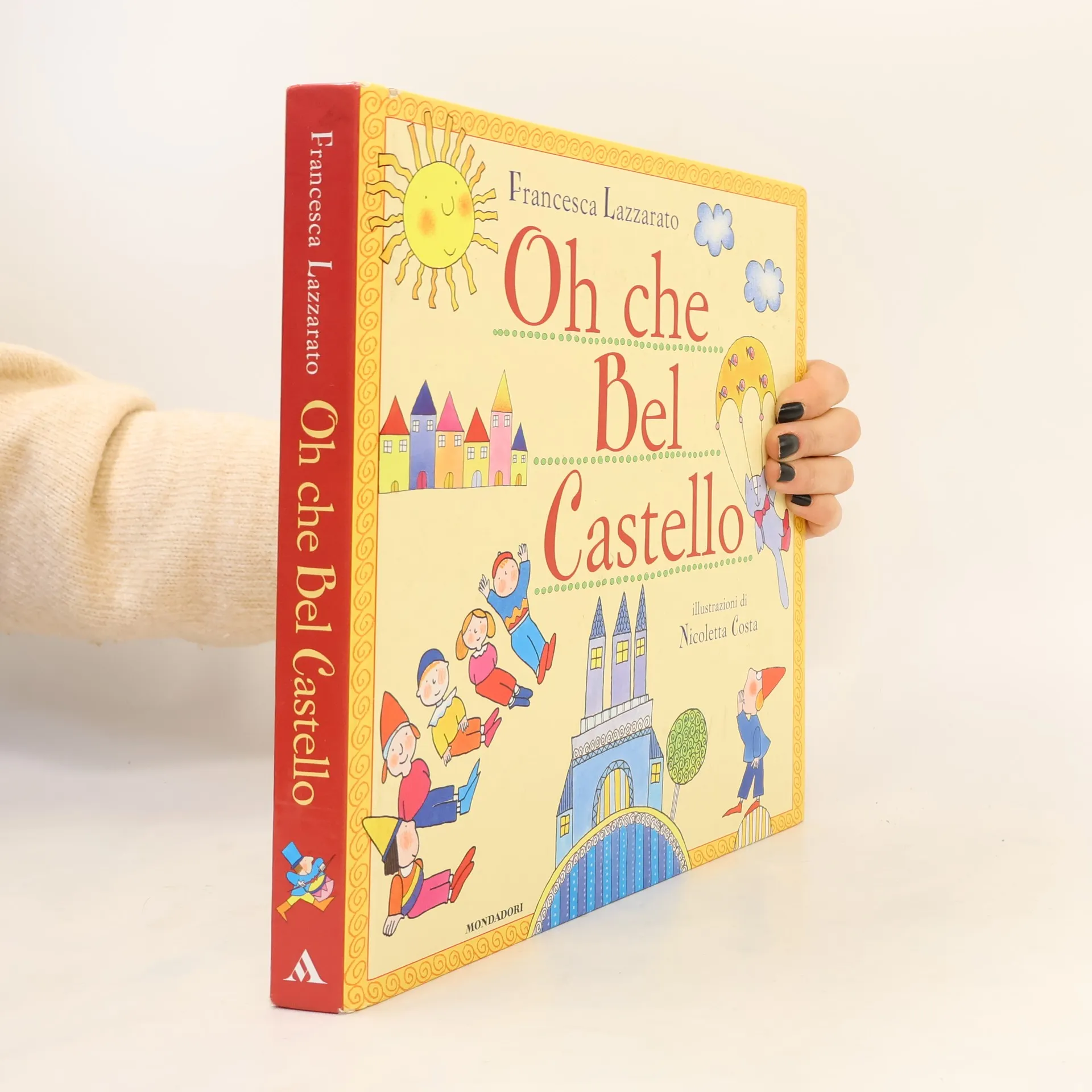
Francesca Lazzarato is a seasoned editor and writer with a deep connection to popular and children's literature. She has meticulously curated collections of folk tales and penned essays exploring these genres. Lazzarato's work extends to extensive translation from Spanish, focusing particularly on Latin American and Spanish literary works. Her dedication to these vibrant literary traditions offers readers rich insights and a unique perspective on storytelling.


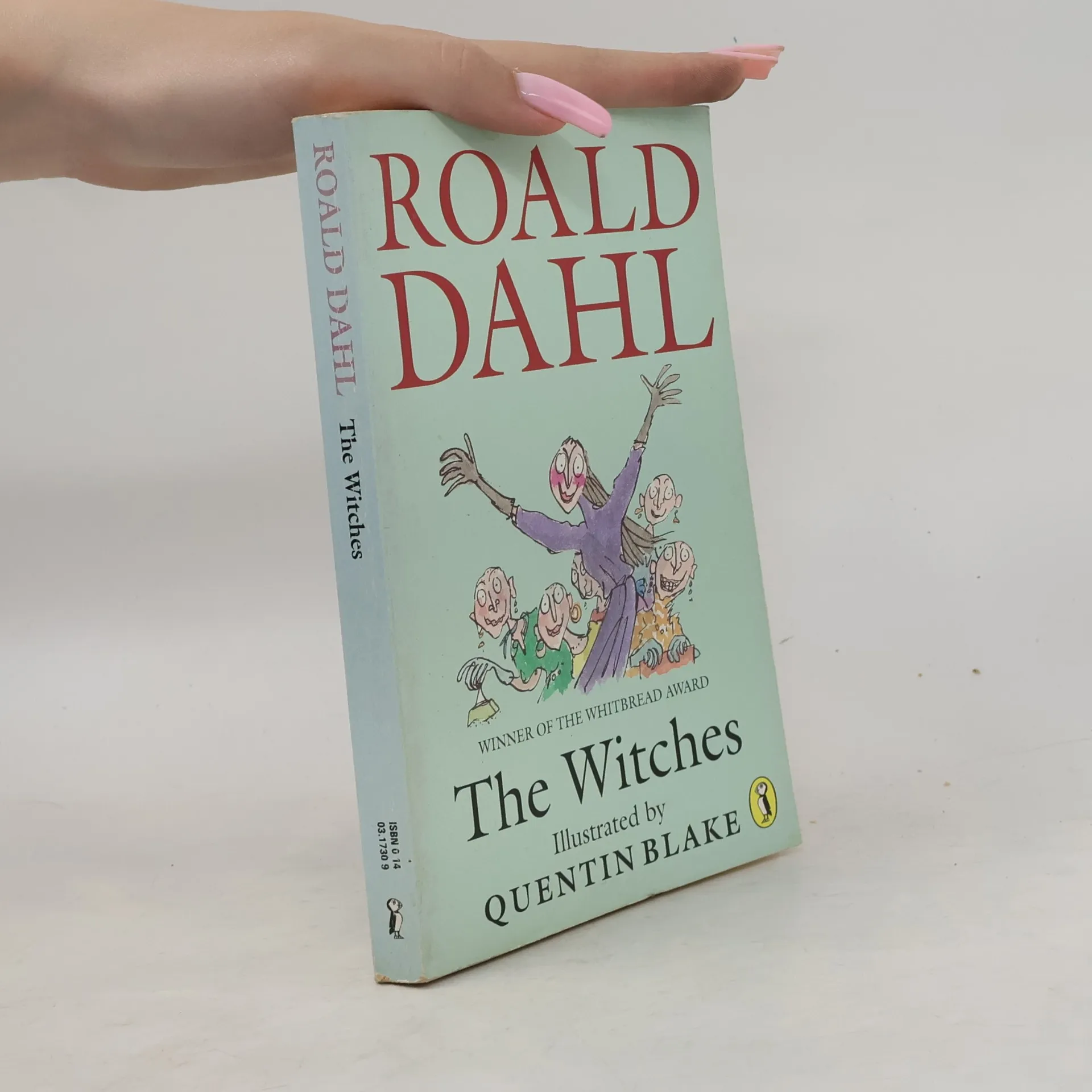
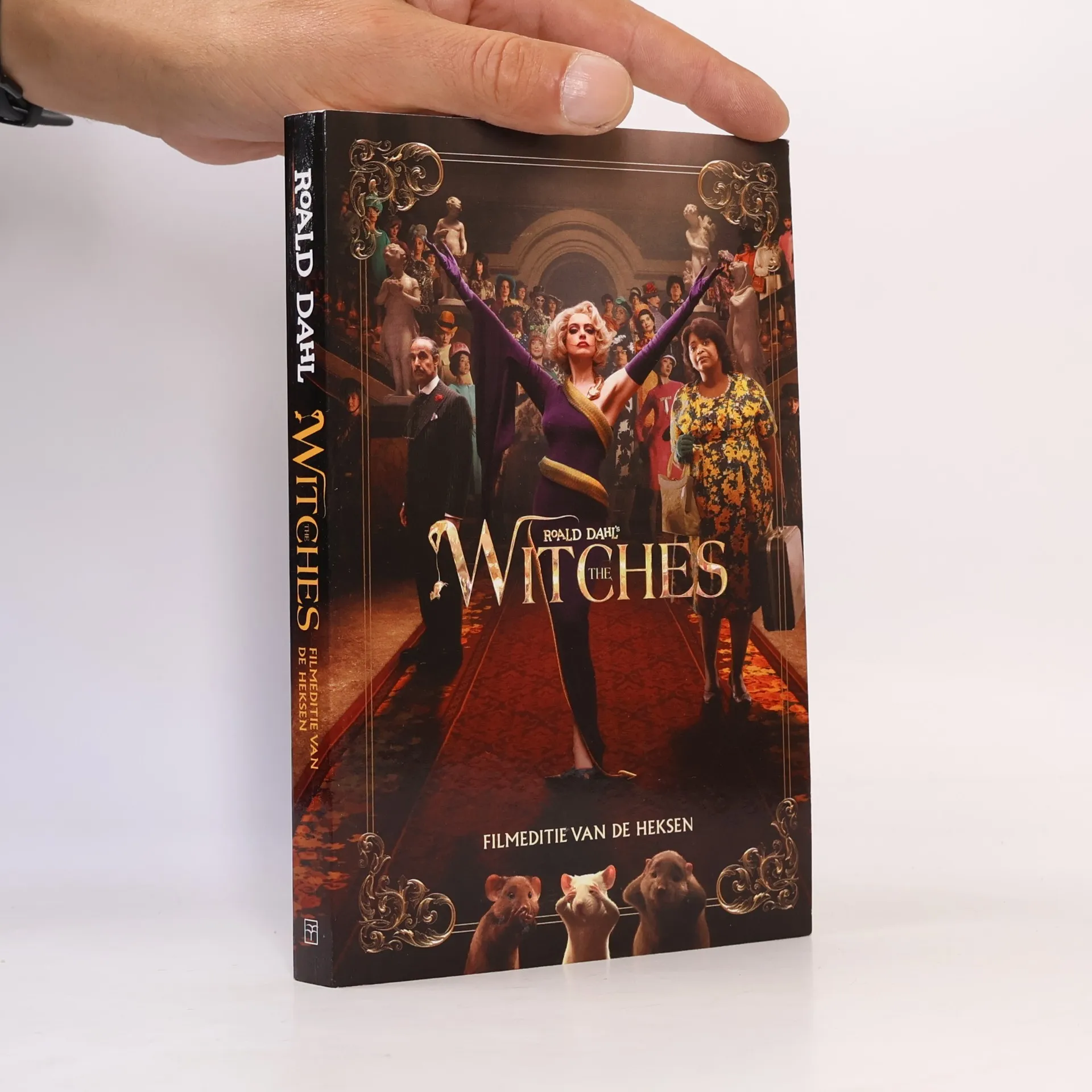
Beware. Real witches dress in ordinary clothes and look like ordinary women. But they are not ordinary. They are always plotting and scheming with murderous, bloodthirsty thoughts - and they hate children. The Grand High Witch hates children most of all and plans to make every single one of YOU disappear. Only one boy and his grandmother can stop her, but if their plan fails the Grand High Witch will frizzle them like fritters, and then what . . . ?
Un romanzo eccentrico e scandaloso, ambientato fra le stanze di un bordello di campagna, ultimo avamposto di svago e libertà nella decadente cittadina di El Olivo. Morta la Giapponese Grande, la casa è gestita adesso da Manuela, un travestito dal passato oscuro, e dalla Giapponesina, sua figlia. Ma il latifondista Don Alejandro Cruz, che possiede tutti i terreni del circondario, punta ad acquistarla per diventare il signore indiscusso della zona. Una narrazione che gioca con lo specchio ingannevole del sesso, in un posto senza tempo dove le passioni dei protagonisti e dei variopinti personaggi di contorno (le prostitute Lucy, Cloti, Nelly; l’attaccabrighe Pancho Vega) vengono raccontate con una pirotecnica vivacità di linguaggio e di stile che sovverte ogni tradizione.
From the famous Mexican author, Sergio Pitol, comes his 1988 classic translated by George Henson. Taming the Divine Heron, tells the semi-autobiographical story of a novelist working on his newest masterpiece. The protagonist struggles to tell the perfect story-his own, imagined protagonists mere imitations of the likes of Lord Jim and Alyosha Karamavoz. To help eradicate writer's block, Pitol uses his vessel to praise his own favorite authors. Pitol applauds Bakhtin's world building, Gogol's "carnivalesque [literary] breath", and Dante's dizzying intensity. The character finds a muse in Marietta Karapetiz who he aptly dubs Dante C. de la Estrella, and the two debate the literary greats. As the pair attempt to pull from the techniques of the world's best writers, Pitol creates a love letter to literature from around the globe while simultaneously telling his own magical story. To quote Pitol's protagonist, "the quality of the story, its effects, its brilliance, its intensity, ma[k]e the most absurd circumstances plausible". Taming of The Divine Heron, second in a trilogy including already-published The Love Parade (Deep Vellum, 2022), houses history, hyperrealism, myth, folklore, and memoir; to read Pitol is to appreciate the power of language.
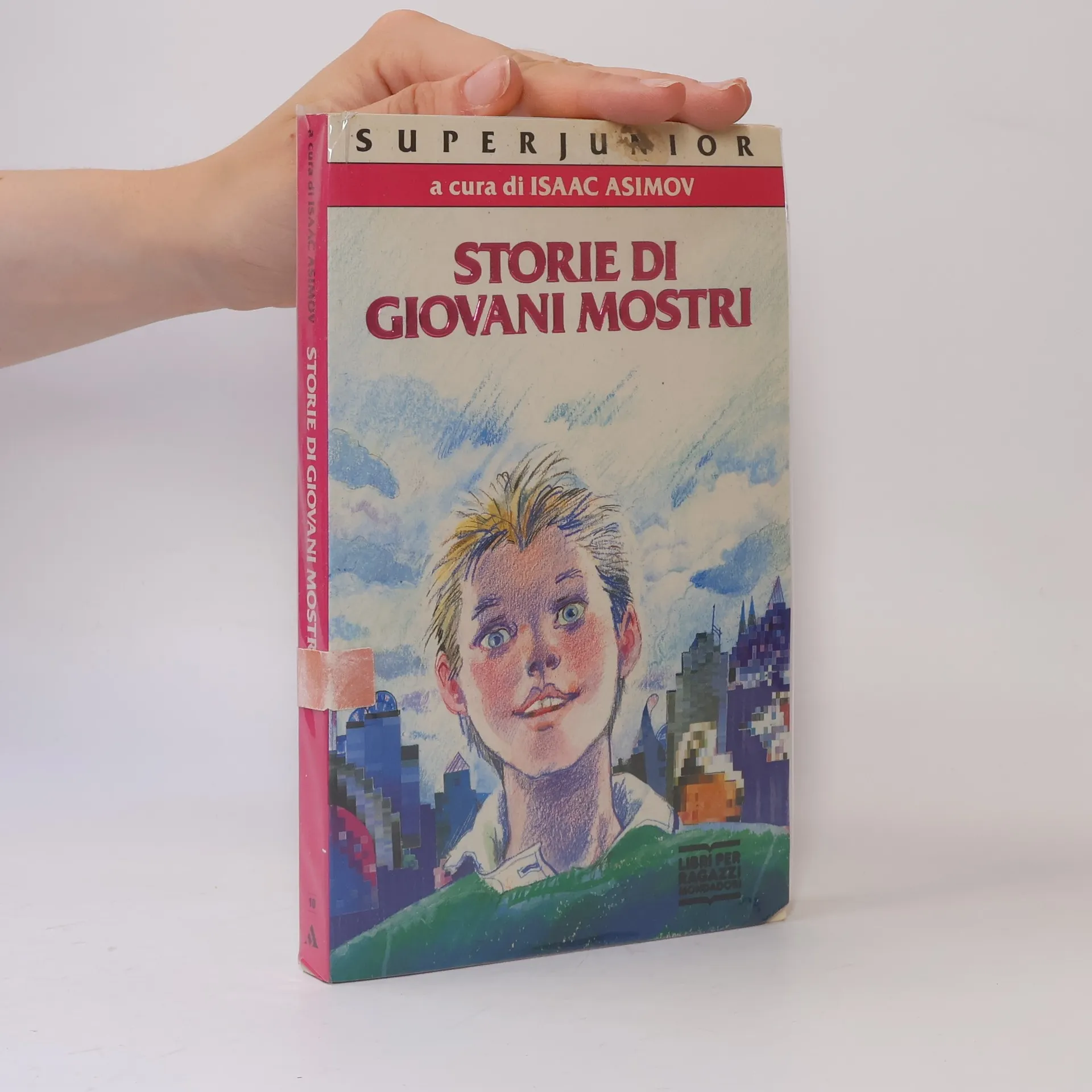
Willie, destinato a vivere un'infanzia senza fine; Buddy, l'umanoide proveniente da procione, cui è affidata l'educazione di Tim, troppo egoisticamente programmato dai genitori; Timmy, che sente l'avvicinarsi della morte, chiunque essa decide di colpire; David, le cui scapole di trasformeranno in ali; Taddeo, capace di muovere gli oggeti col pensiero.. Sono i giovani "mostri" protagonisti di alcune delle storie presentate da Asimov. Personaggi e storie sono paradossali: tuttavia, chi ha sentito parlare dell'ingegneria genetica li troverà stranamente familiari e persino verosimili. Che sia davvero questo il futuro dell'uomo? Contiene le storie: Salve, addio ( Hail and Farewell , Ray Bradbury) Vietato l'accesso ( Keep Out , Fredric Brown) A che servono gli amici? ( What Friends Are For , john Brunner) Supercavallo ( The Wonder Horse , George Byram) Il bambino che ascoltava ( The Listening Child , Idris Seabright) Alla larga da Michi! ( Prone , Mack Reynolds) Nato per volare ( He That Hath Wings , Edmond Hamilton) La Sezione Ragazzi ( The Children's Room , Raymond F. Jones) Il linguaggio perduto ( The Lost Language , David H. Keller) Dai, cammina! ( Come on, Wagon! , Zenna Henderson)
Il capolavoro da cui è tratto il film - Con capitoli inediti!
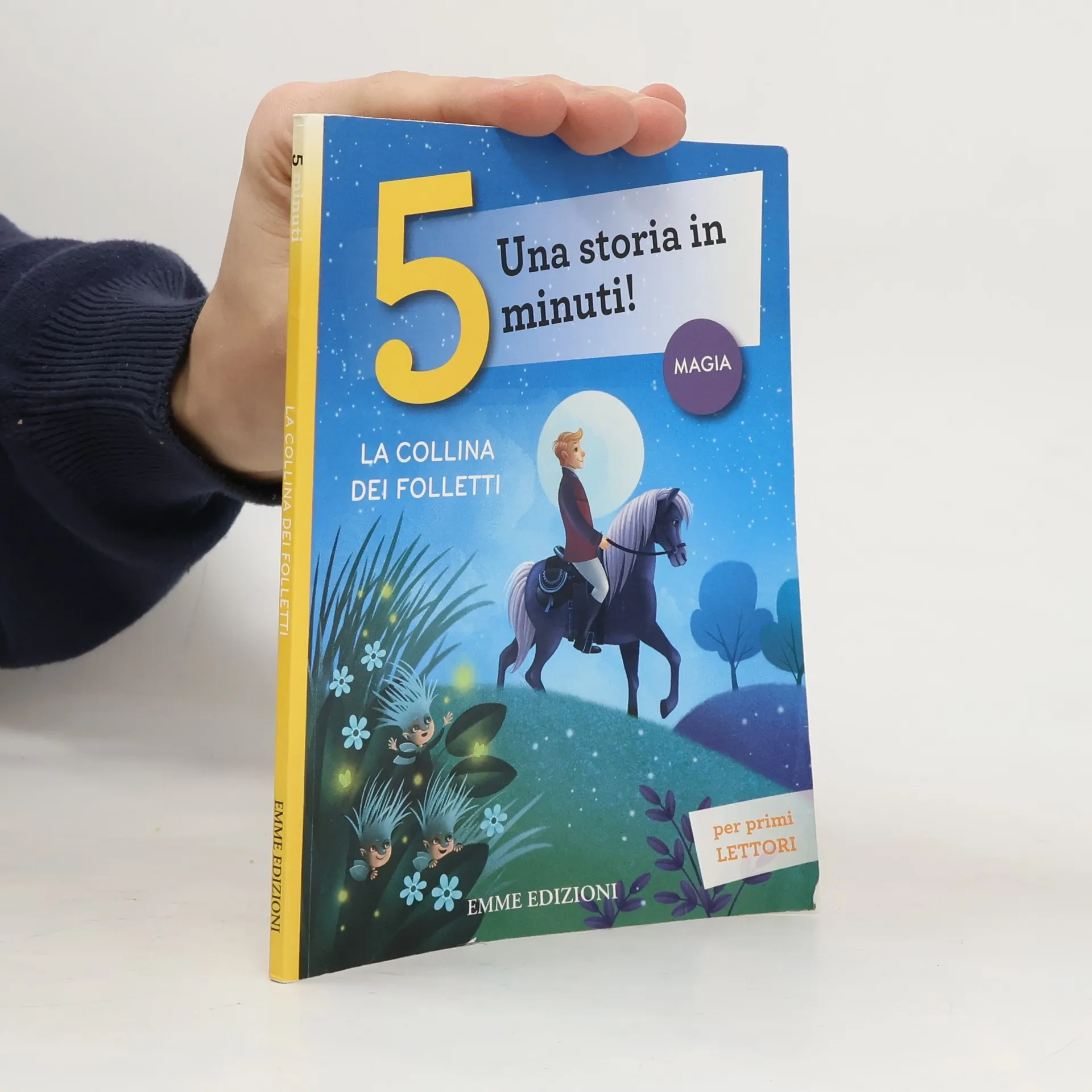
Una storia in 5 minuti per chi legge lo stampatello maiuscolo e un testo breve. Età di da 5 anni.
Fiabe della tradizione ebraica